

Membership
An Auckland Zoo Membership gives the animals a year of seeing you!
Aja Pendergrast, Auckland Zoo
That’s a wrap 2025! Join us in looking back on ‘the year that was’ and all we achieved for wildlife, wild places and of course, people! Ngā mihi nui for all your support, we love being Auckland’s Zoo.
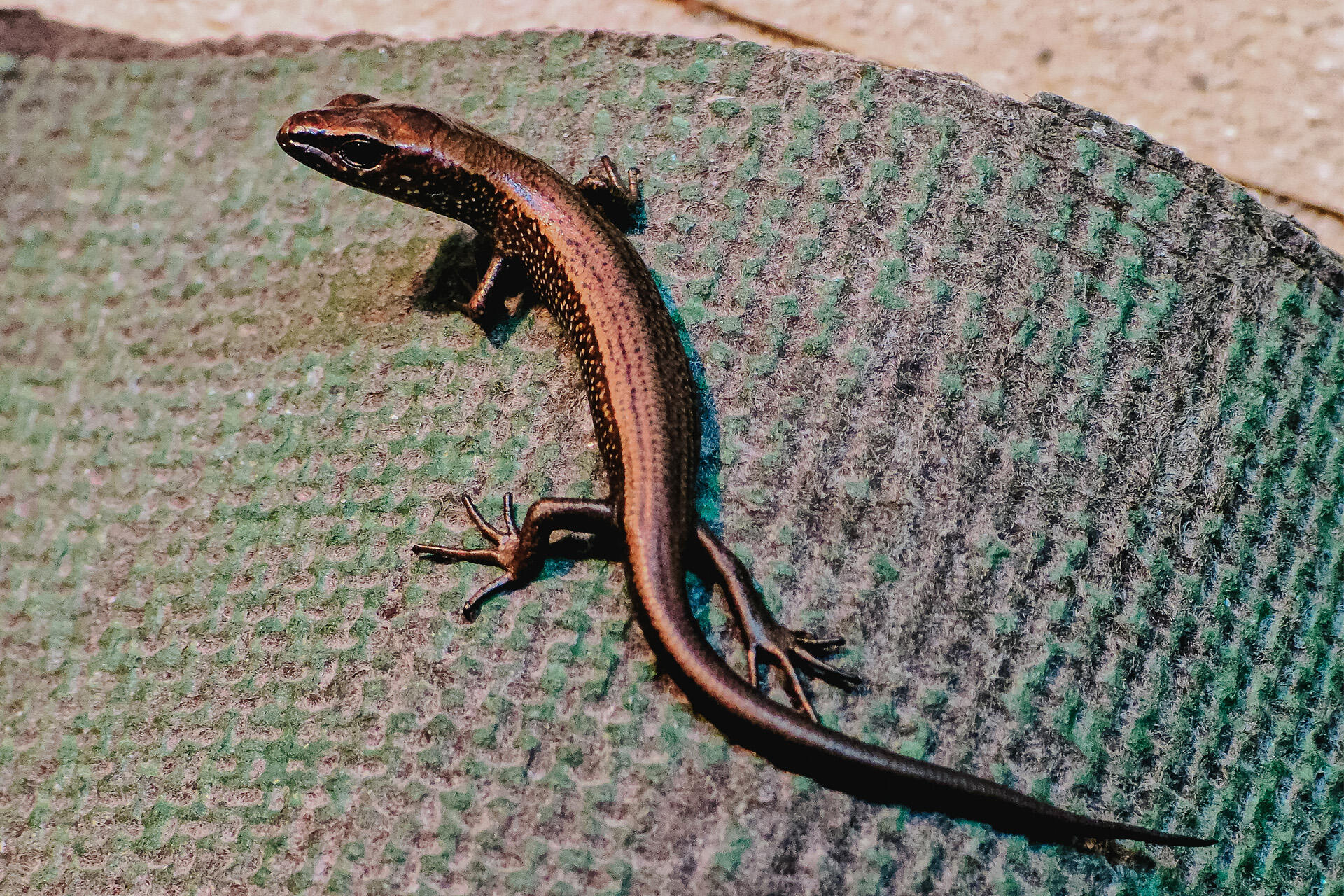
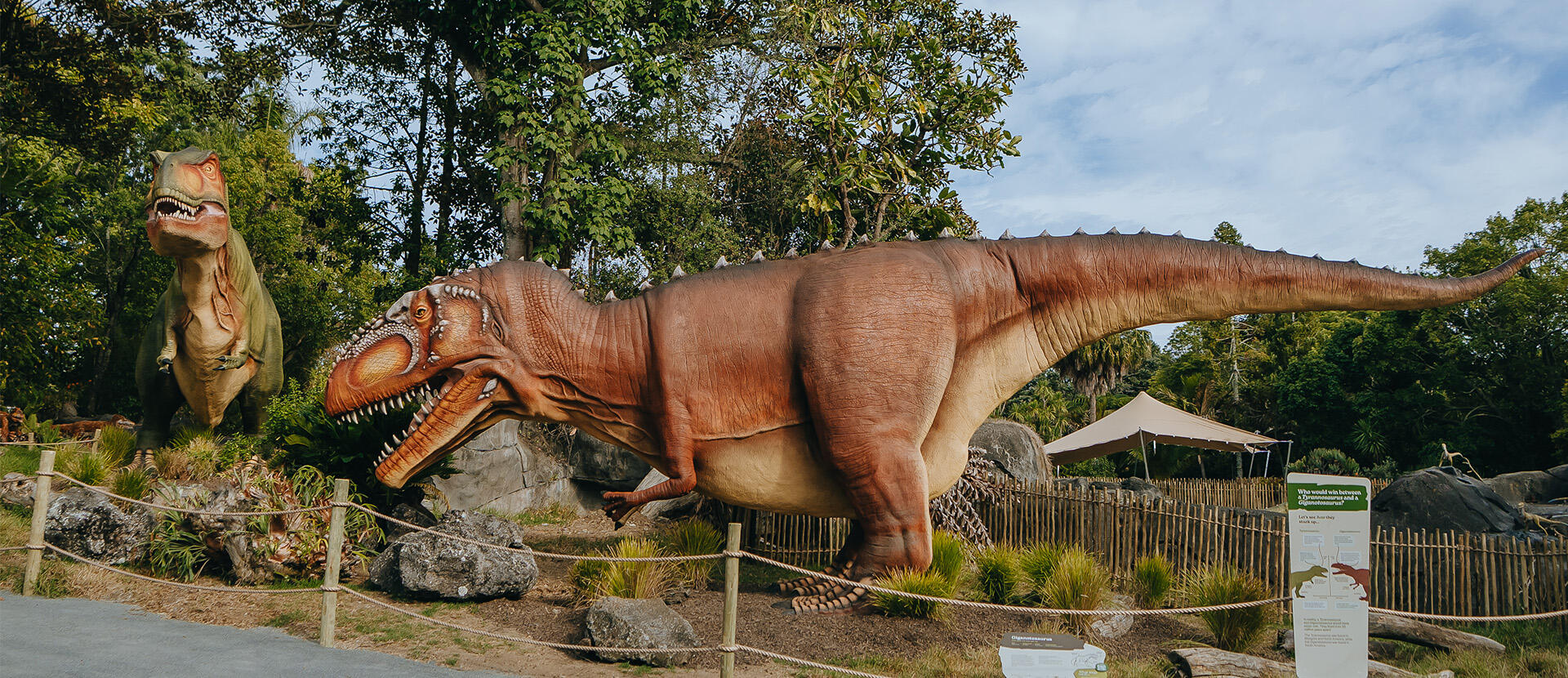
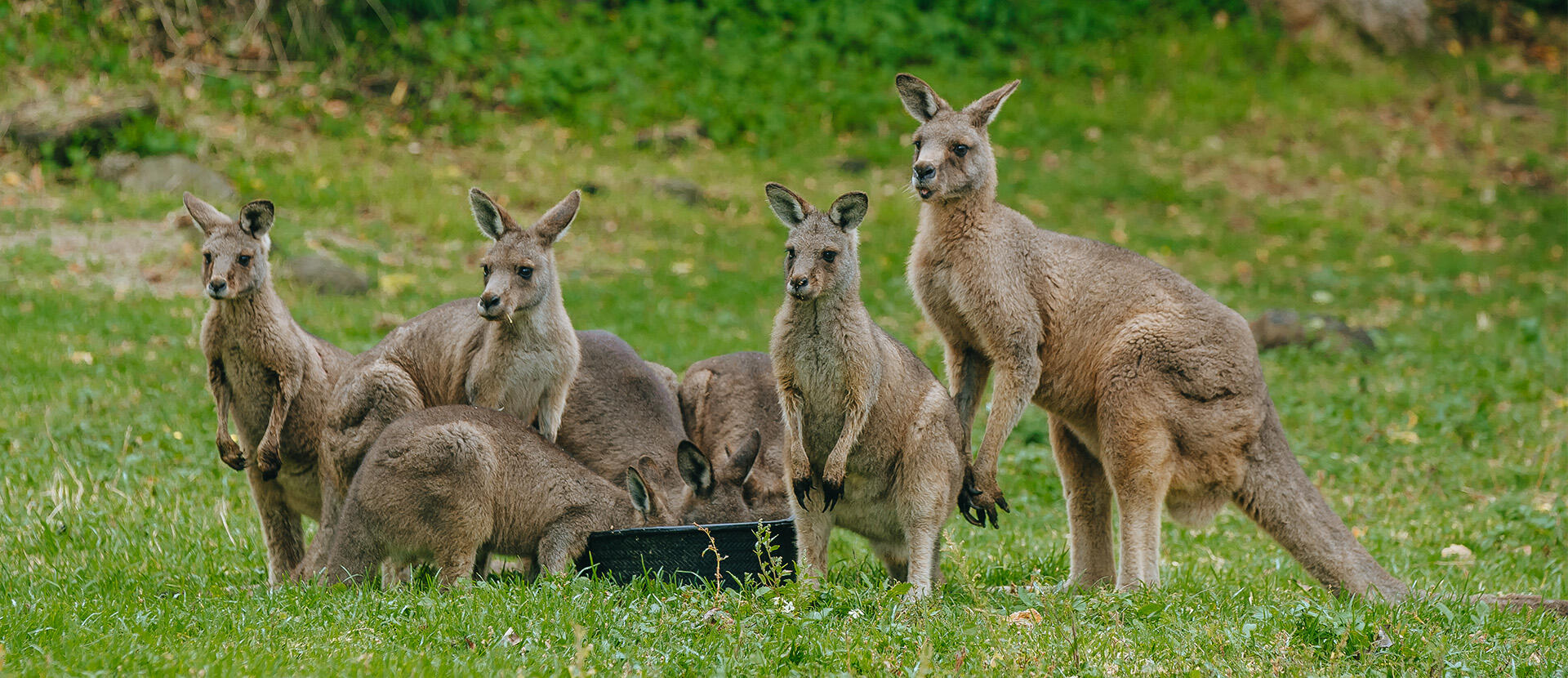
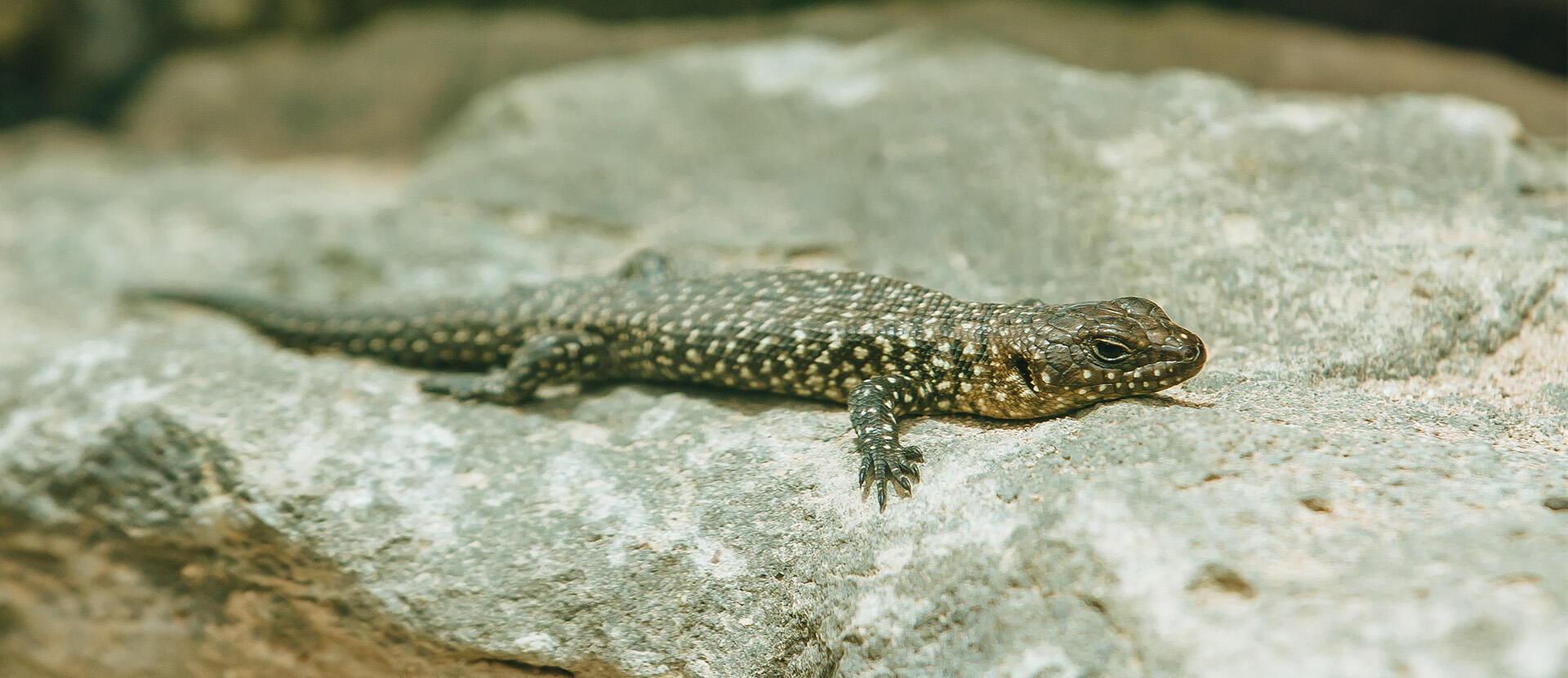
This year we continued to excel at what we do best: connecting people with wildlife and conserving these animals for generations to come. This includes our exhaustive, but wildly motivating, roster of conservation fieldwork with our strategic partners at the Department of Conservation (DOC) – more on that below! We ushered in a very significant animal arrival, 25 roaring life-size animatronic dinosaurs, to create our extremely popular Dinosaur Discovery Track, and hosted vertebrate palaeontologist Dr Julia Clarke to enlighten us on the secret lives of dinosaurs. We also said gidday and welcome to a mob of forester kangaroos (a sub-species of the eastern grey kangaroo) and a spiky stack of Cunningham’s skinks on our Australia Bush Track.
Watch our end of year wrap up video as we celebrate the year that was!
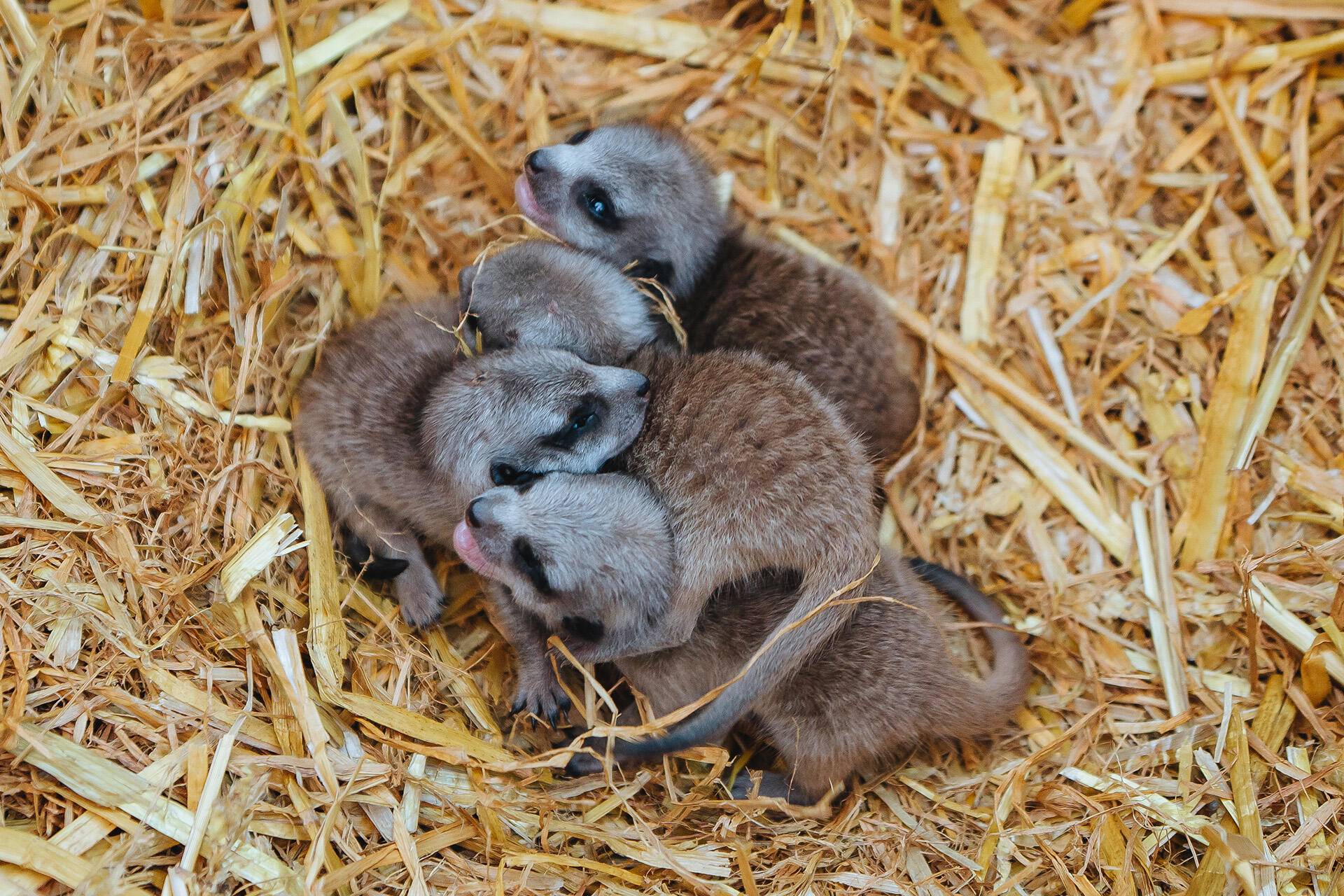
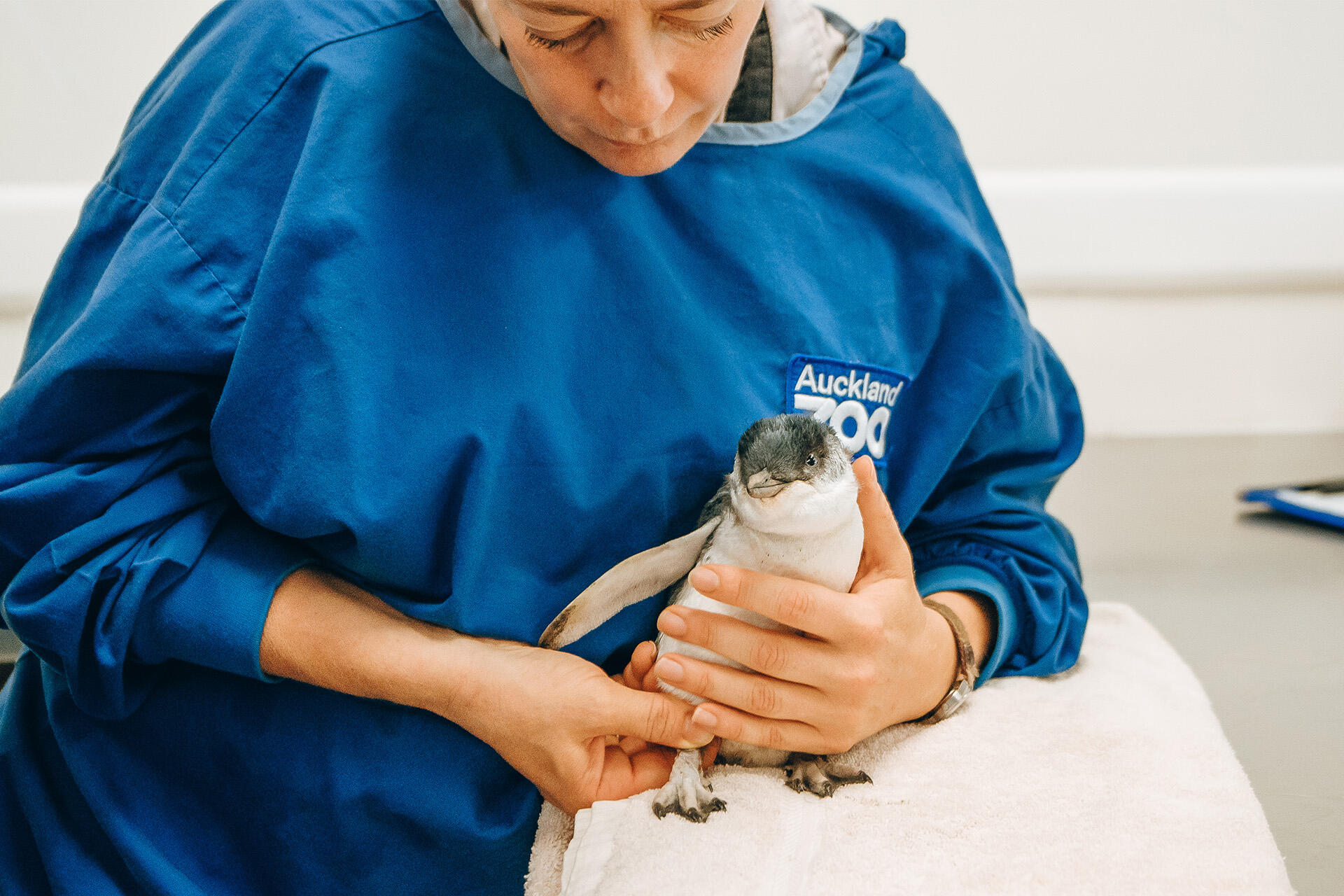
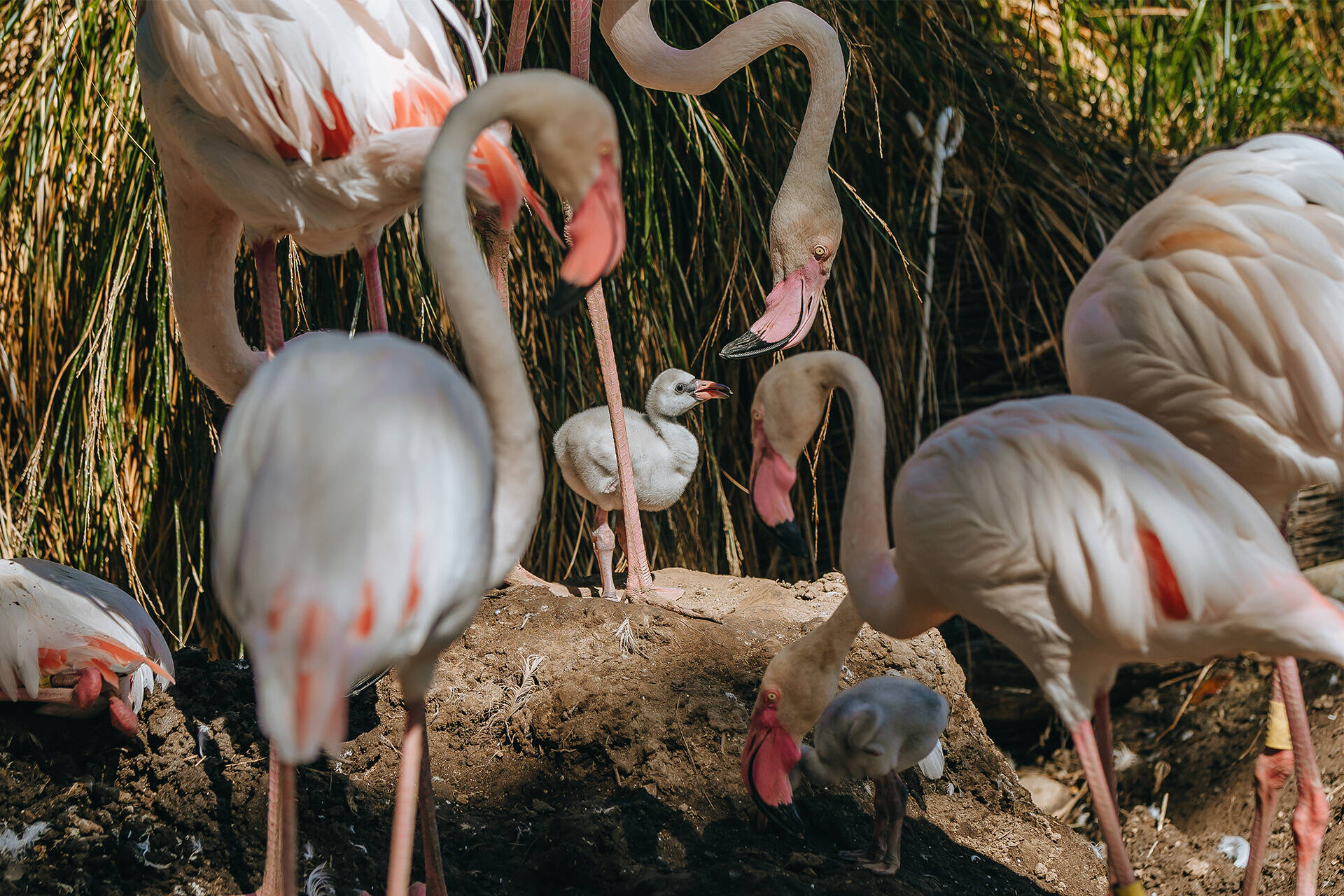
We’re always pleased to welcome some new faces to the whānau. At the close of 2024, Southern white rhinoceros male Zuka burst onto the scene, and visitors got a good look at him with his crash from January of this year. Another successful flamingo breeding season saw three healthy chicks hatch and grow to adulthood, and four delightful meerkat pups were born. Kororā (little penguins) Kaumoana and Tāwhai were successfully hatched and hand-reared at the Zoo, thanks to a collaboration with our colleagues at the National Aquarium of New Zealand. A few more rare and ‘Nationally Critical’ awakōpaka skinks were collected from Fiordland by Zoo staff and DOC rangers earlier this year, as part of an urgent translocation to conserve them. A duo of gravid (pregnant) females have gone on to successfully birth offspring – an incredible win for the future of this species. We also got to see the growth in size and confidence (learning through play from her patient mum Zayana) of tiger cub Cahya, who is soon to turn two-years-old! And across the ditch in South Australia we witnessed the first trunk-to-trunk connection between Burma and Permai!
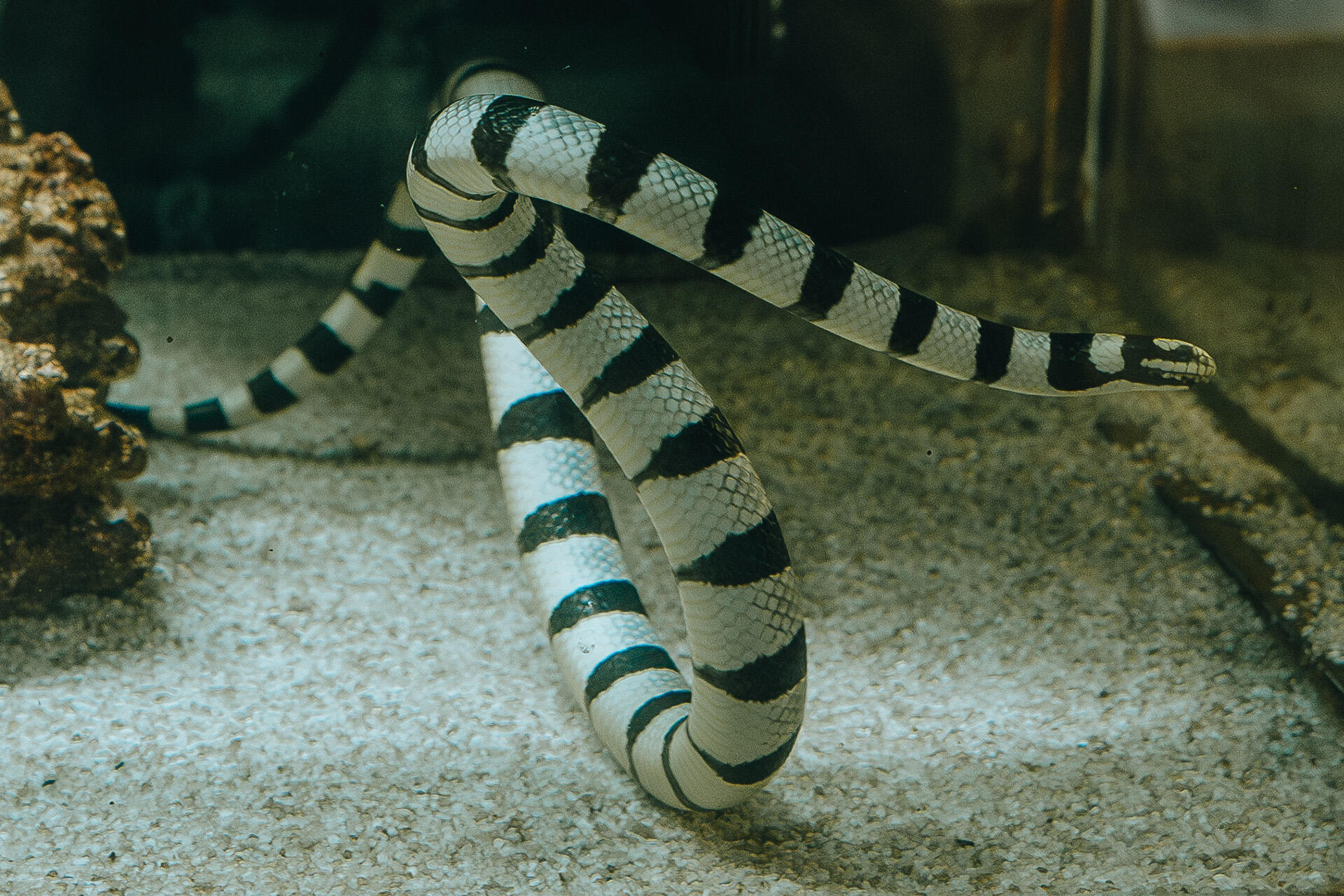
We celebrated our kaimahi in all their various roles! This includes shining a light on some of our wonderful wahine for the International Day of Women and Girls in Science, from roles in animal care, to conservation planning, to sustainability! We took a deeper dive into the science our keepers utilise every day to care for animals like the rescued yellow-lipped sea krait Weherua (how amazing that our visitors can get up close to a sea snake in Aotearoa!), we learnt how different cats are able to vocalise with Emma, we caught up with Jess and Vicky to learn how we target-train giraffe to participate in their own healthcare, and Julie taught us how the amazing ōrea or longfin eel makes the long-haul journey from here to Tonga to breed. During National Volunteer Week we celebrated our dedicated volunteers, including a special ngā mihi to Anne Sebine and Gillian Burley who celebrated 30 years of volunteering at the Zoo! Three of our talented kaimahi demonstrated how nature inspires their art making, and how it can for you too. We profiled our amazing conservation learning educators for the International Day of Zoo Educators, and we sat down with Dr. Sarah Thomas to talk about her recent appointment as president of the International Zoo Educators Association (IZE) – a global non-profit driving social change to benefit both people and nature.
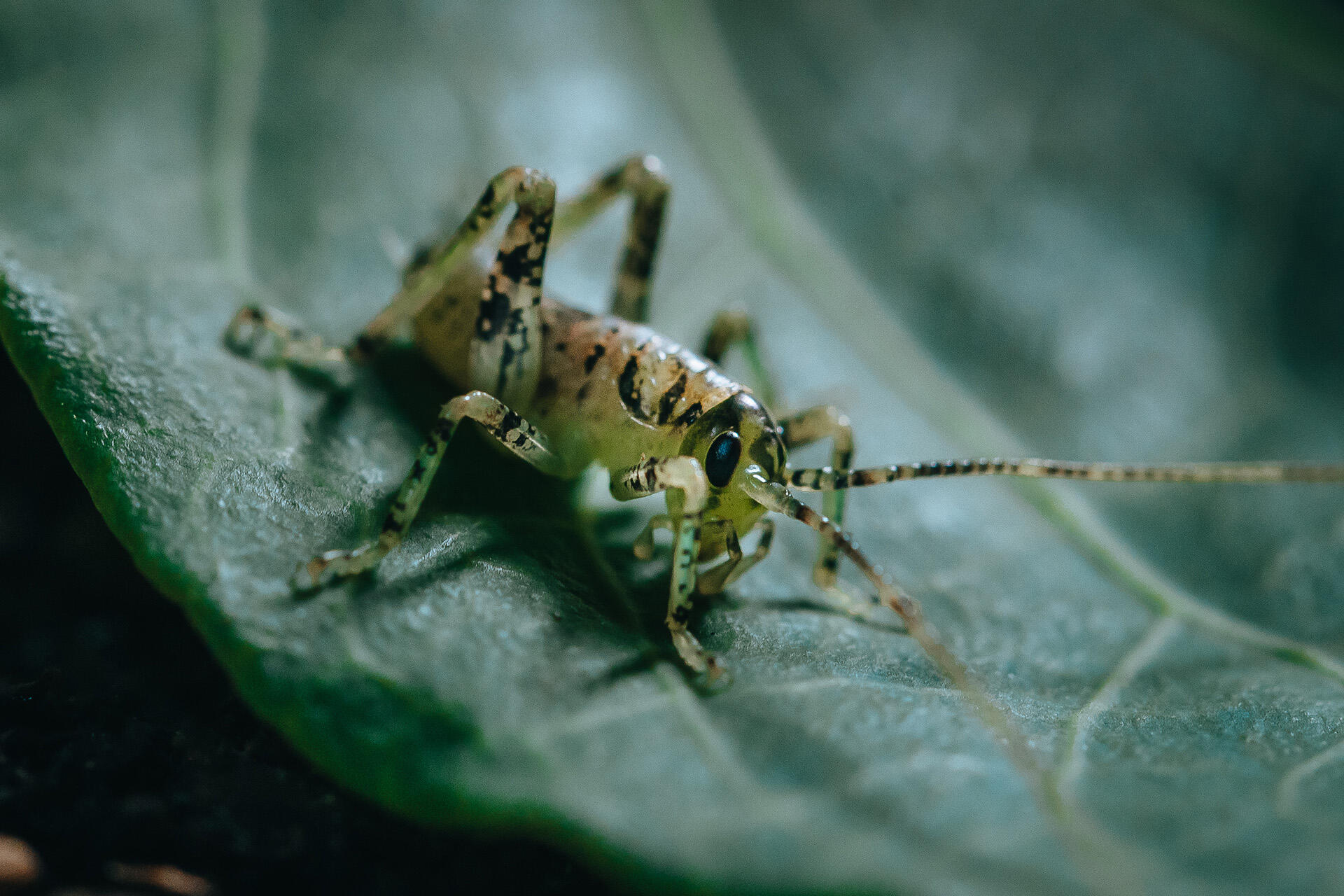
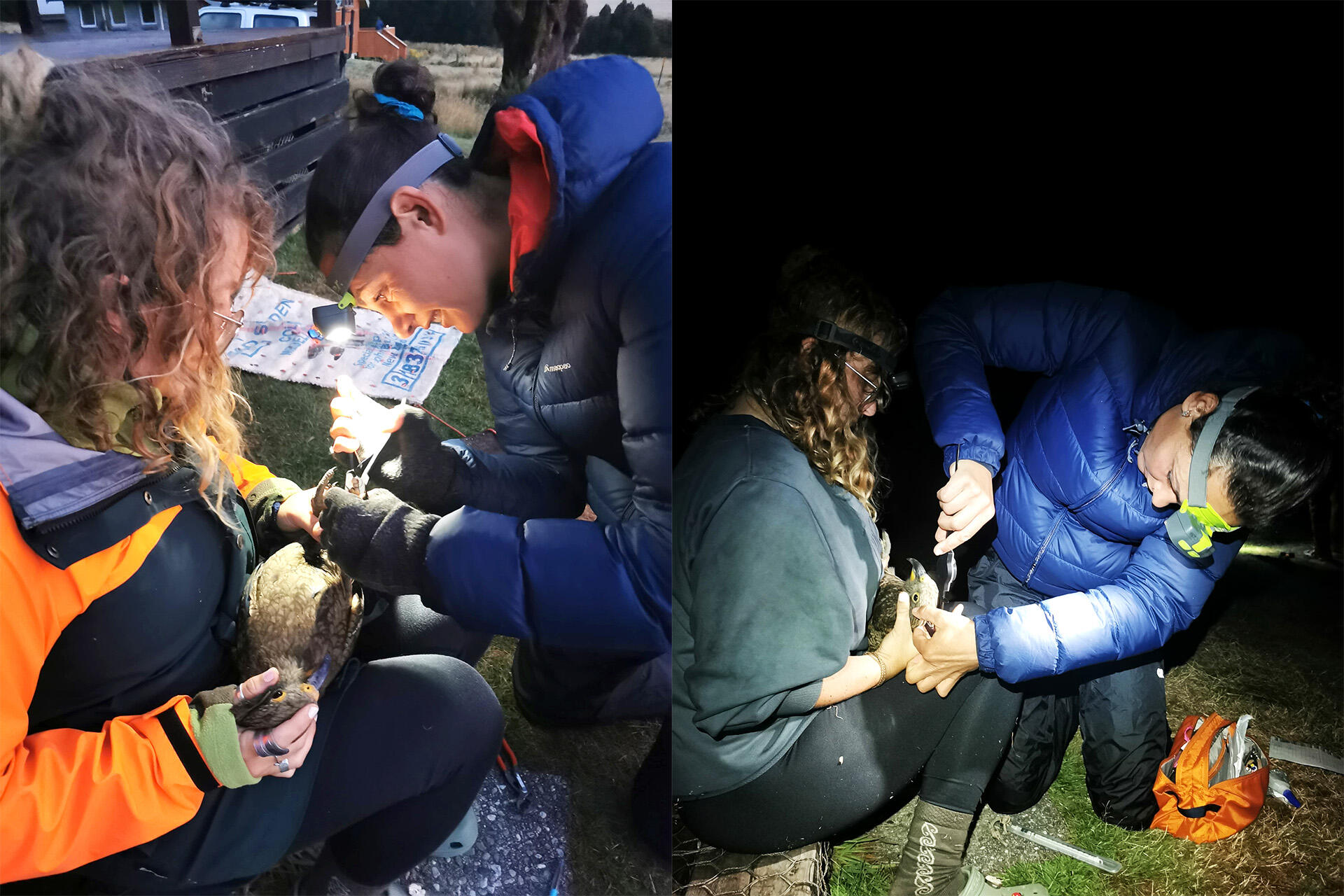
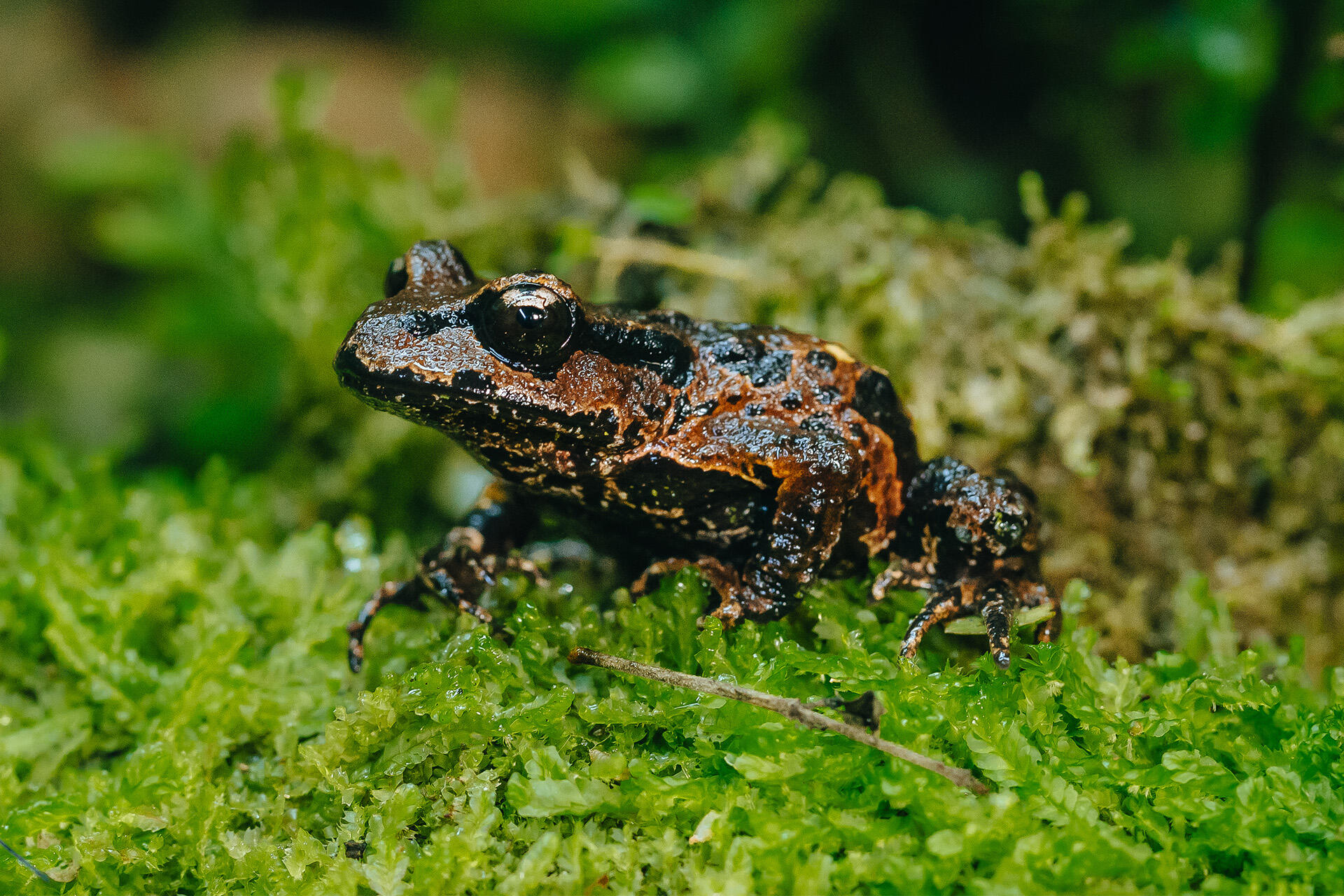
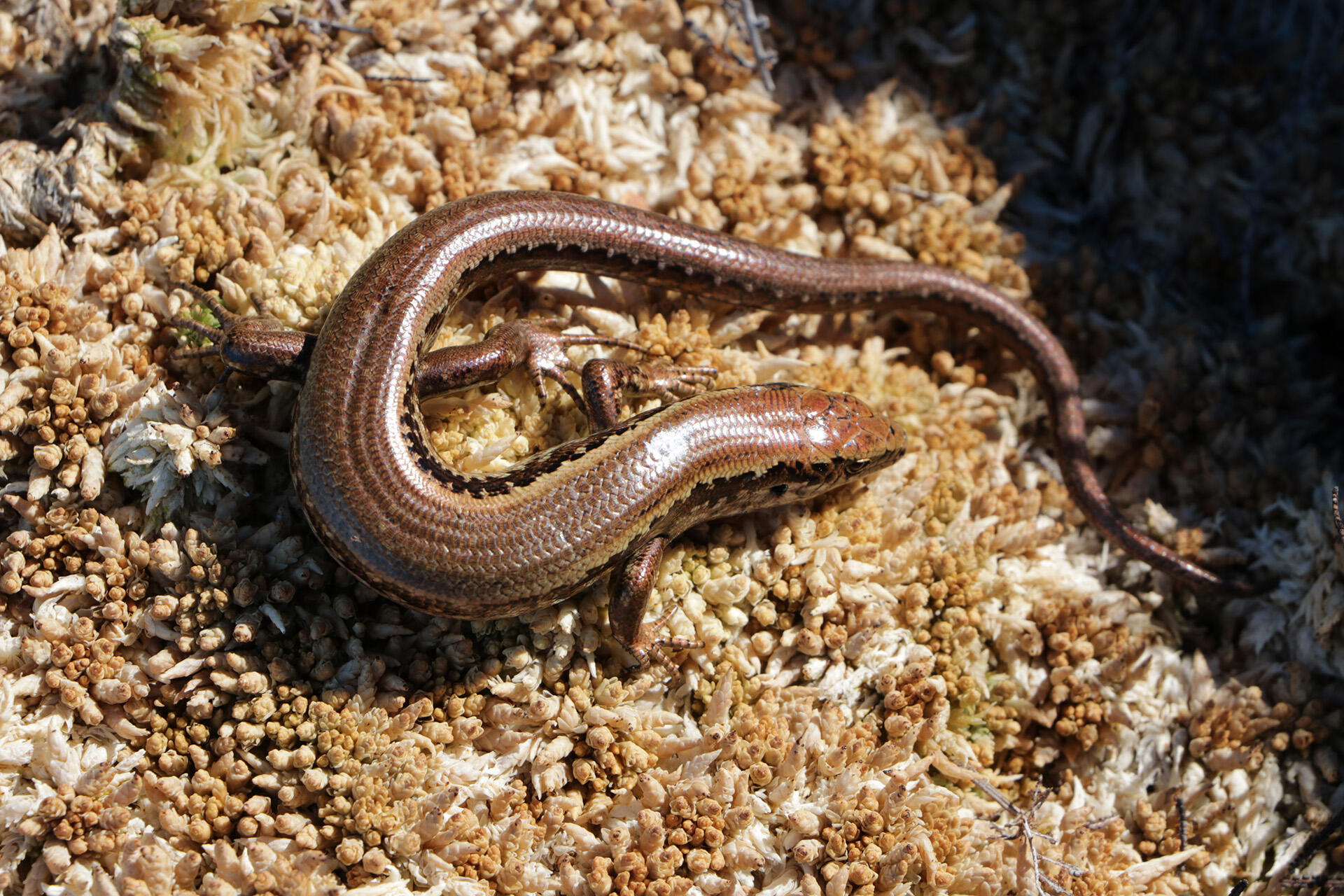
Every year we’re able to achieve so much for wildlife conservation with your help, continuing our vital Wild Work in Aotearoa New Zealand and beyond. In a huge start to the year, 148 cobble skinks were released north of Westport, a satisfying finale to a multi-year programme of care that originally saw just 35 skinks rescued for safe guarding at the Zoo in 2016 when their habitat was severely impacted by coastal erosion. That’s an increase of 113 individuals! A first handful of Alborn skinks were rescued in the face of a mouse predation crisis and brought to us for safe-keeping, we kick-started our sixth year of hatching and hand-rearing tara iti chicks as part of the recovery programme to boost their population with DOC, we joined our partners Kea Conservation Trust for the third year to survey and band kea in Matukituki Valley, we lent a hand to our friends at the Wildlife Hospital in Dunedin for the fourth year in a row to hand-rear and treat vulnerable hoiho (yellow-eyed penguin) chicks, and we assisted with a study into the habitat use and roosting preferences of pekapeka (bats) in the Franklin region. In addition to the annual fieldwork we support, our keepers refreshed the Archey’s frogs habitats ahead of breeding season (did you know we’re the only organisation in New Zealand to care for them outside of the wild?), in what could be a world-first, we’ve placed night-vision cameras inside one of the kiwi nest boxes at the Zoo to further research into the incubation parameters of kiwi eggs and we hatched, reared and released thousands more wētāpunga nymphs onto off-shore islands, the final stages of more than a decade’s work! All this is just a snapshot of the mahi our zoo staff lead or contribute to across the length and breadth of Aotearoa New Zealand.
We also continued to fund conservation projects around the world through the Auckland Zoo Conservation Fund. Excitingly, a project we funded in a previous year rediscovered an ‘extinct’ echidna! Until recently, Attenborough’s long-beaked echidna was thought to be extinct as it was not seen for six-decades. And on World Ranger Day we shone a light on wildlife rangers around the world that we support through the Fund.
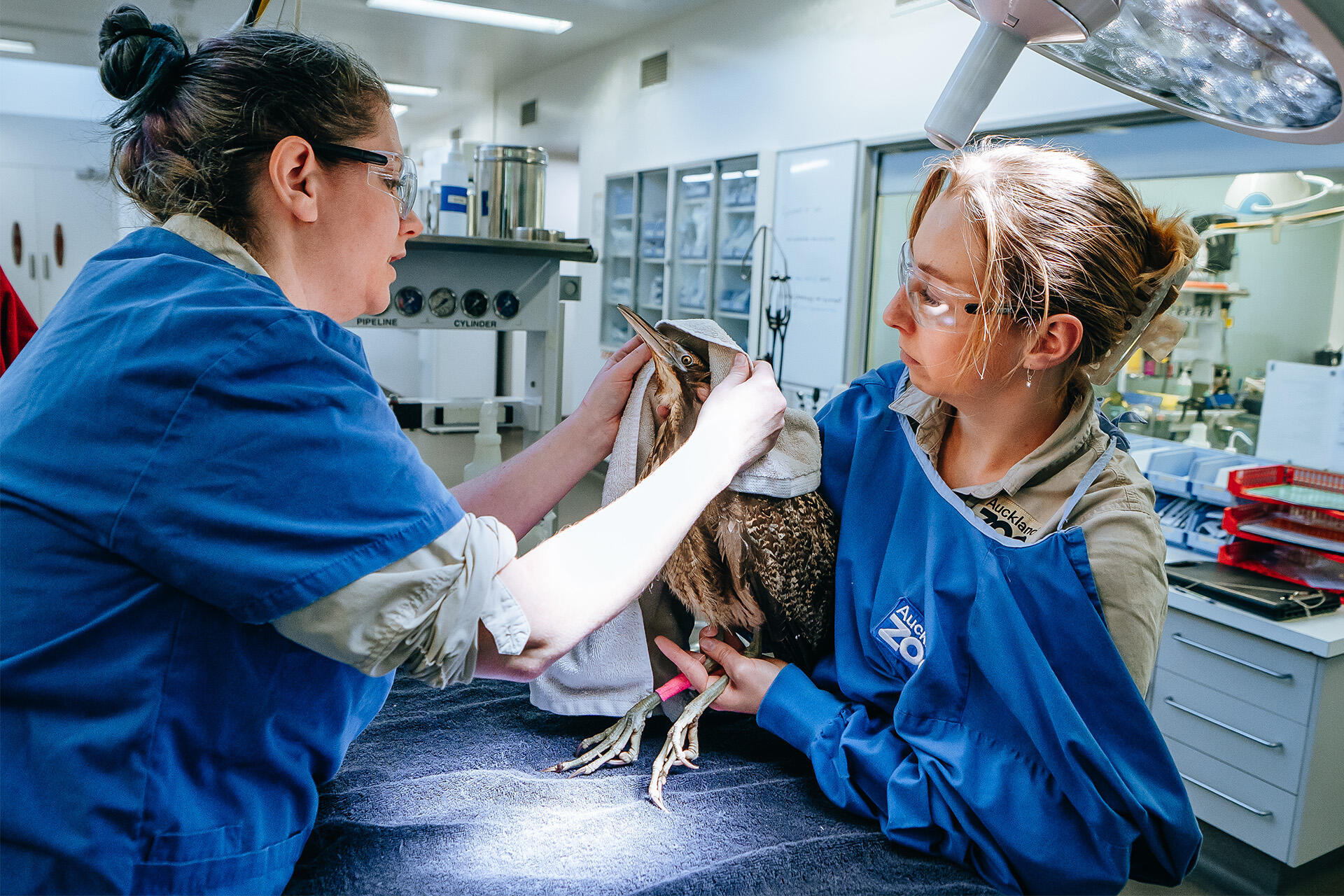
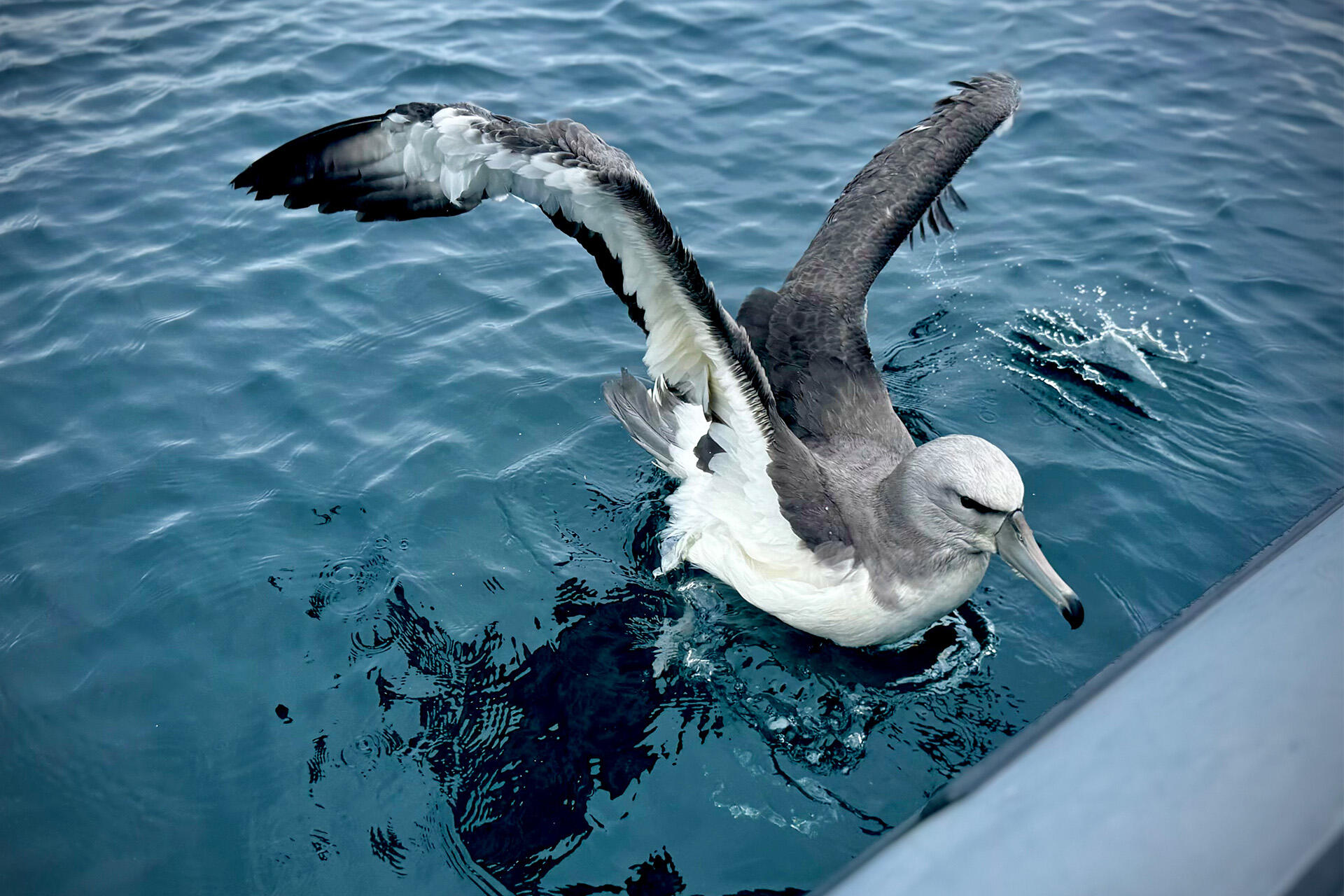
Our dedicated zoo veterinary team continued their incredible mahi for the Zoo’s animals (like American alligator Dixie after it was suspected she swallowed a jandal) as well as an array of wildlife from the wild. This included 16 kororā (little penguins) with serious issues ranging from flipper trauma, damaged eyes and malnourishment, an underweight toroa (Salvin’s albatross), another kororā patient with serious injuries consistent with a dog bite, a rare matuku-hūrepo (Australasian bittern) that was found emaciated in an Auckland Airport carpark, and a wild kiwi that was found limping on Rangitoto Island.
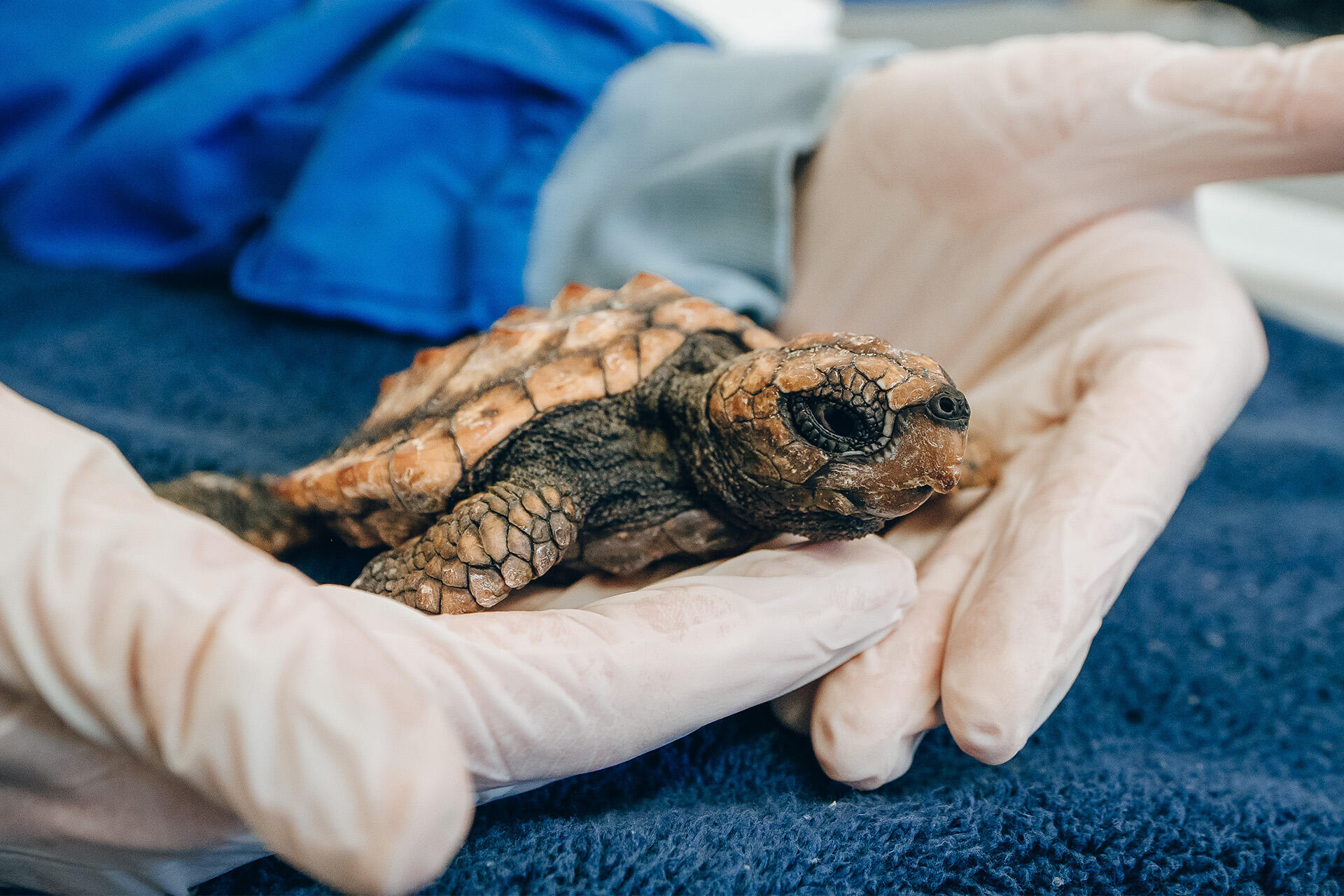
Every year our team treats sea turtles that are found sick or injured on New Zealand beaches. In 2024 we admitted a cluster of turtles into our vet hospital and, with the help of Team Turtle partners DOC and SEA LIFE Kelly Talrton’s, we were able to treat, rehabilitate and return nine to the ocean at Rangiputa Beach earlier this year. In addition to this, we cared for a young turtle that recovered from successful flipper tip amputation surgery, a green sea turtle that was covered in seaweed (evidence it had been unwell and floating for some time) and performed a complex coeliotomy on another wild turtle patient. These slow growing marine reptiles arrive in our care at vastly different ages and weights, and we welcomed into our veterinary hospital both the smallest turtle that we’ve ever cared for, a loggerhead weighing in at 158.5 grams, and the largest and heaviest we’ve seen, a 94kg green sea turtle.
The patients that come into the care of our vet team are often critically ill, and despite our best efforts, do not always survive – as was the case with an Antipodean albatross found on Whangamatā beach.
This is only a small glimpse of all of the animals our experienced and caring veterinary team treated this year!
Finally, the third season of our iconic and popular Wild Heroes wildlife documentary tv series aired on TV Three and is now available to stream on Three Now – and if you haven’t watched it yet, you should! And we furthered our commitment to environmental sustainability by eliminating all single use coffee cups from our cafes and eateries!
You support all of this work and more every time you visit us, and if you would like to contribute even more please consider becoming a member, donating to us or purchasing an item from our Zoo Shop. We look forward to seeing you over the summer and throughout the year ahead!