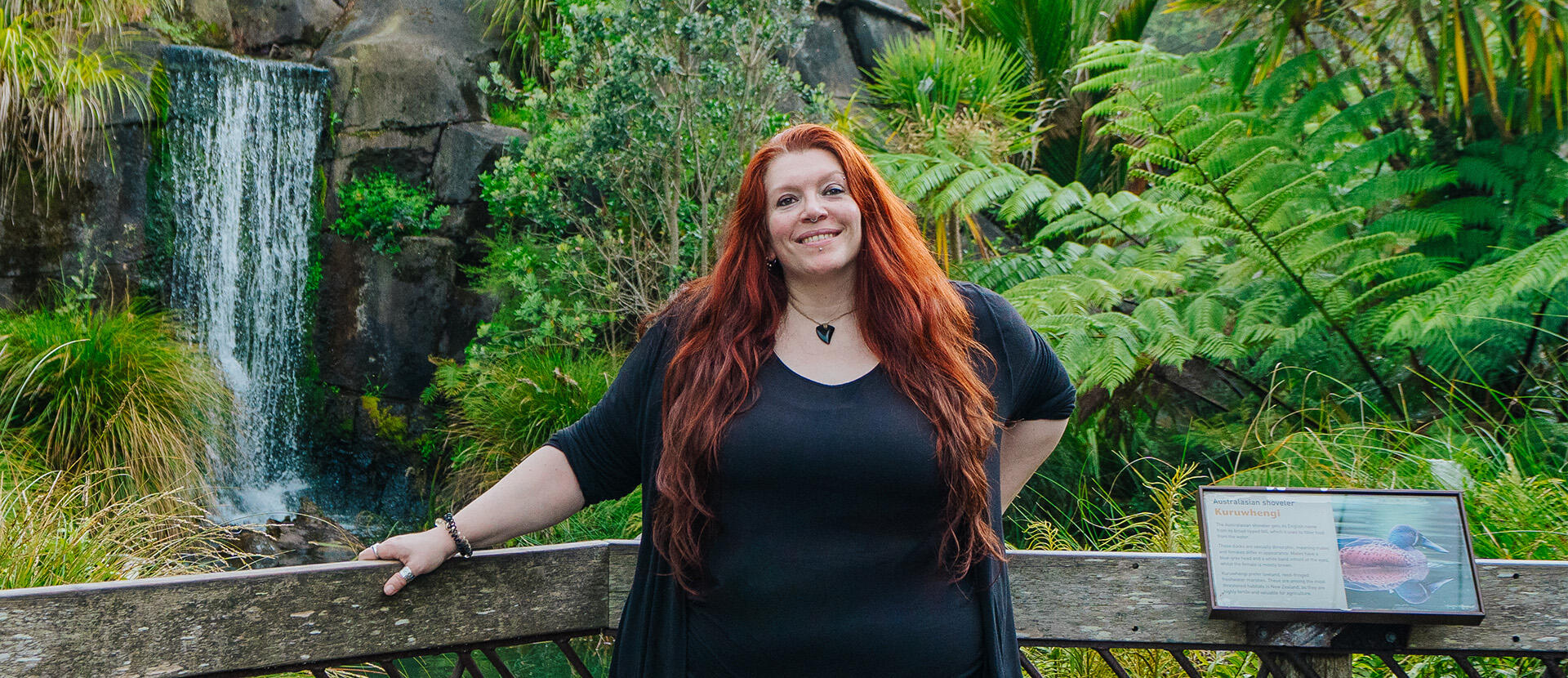
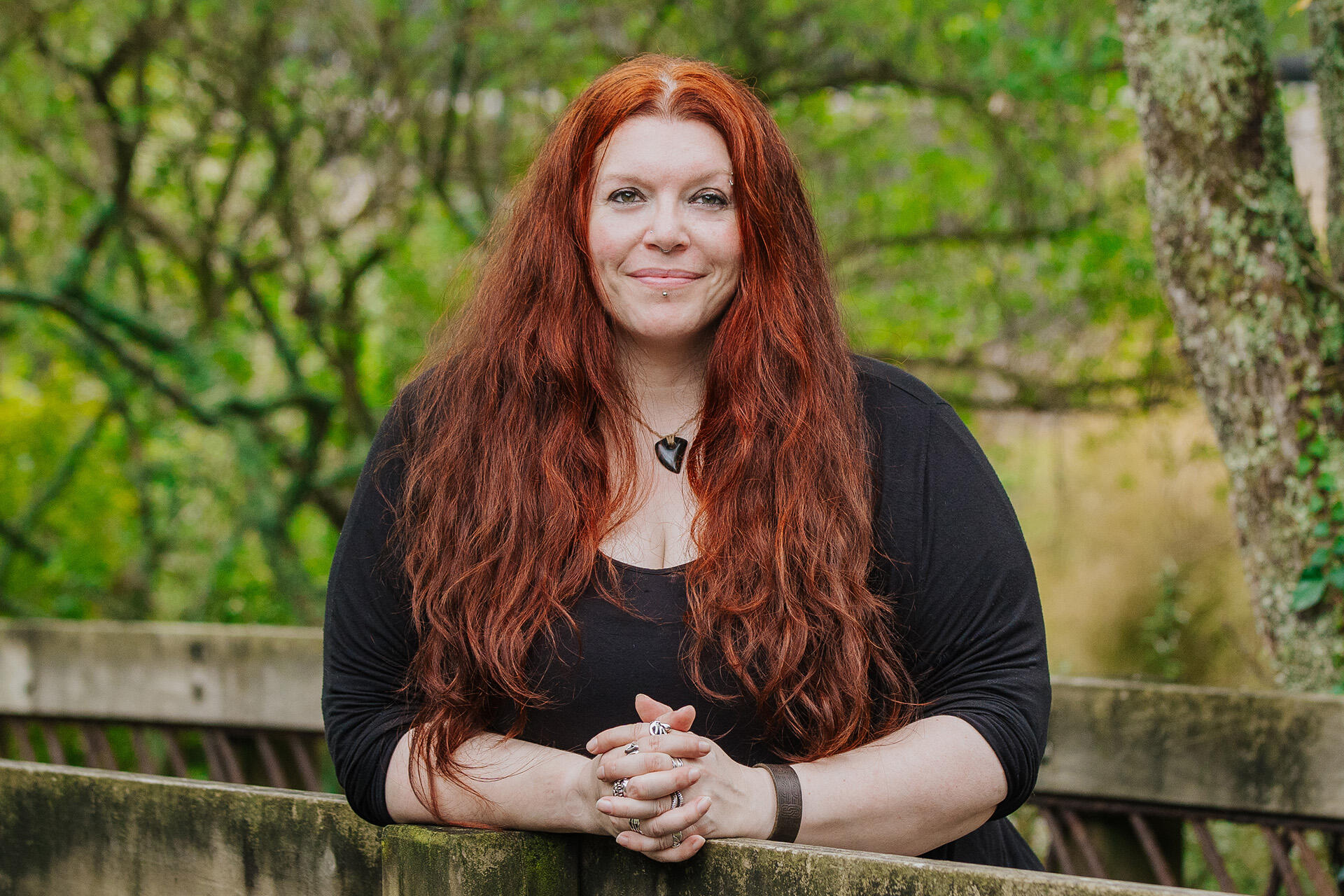
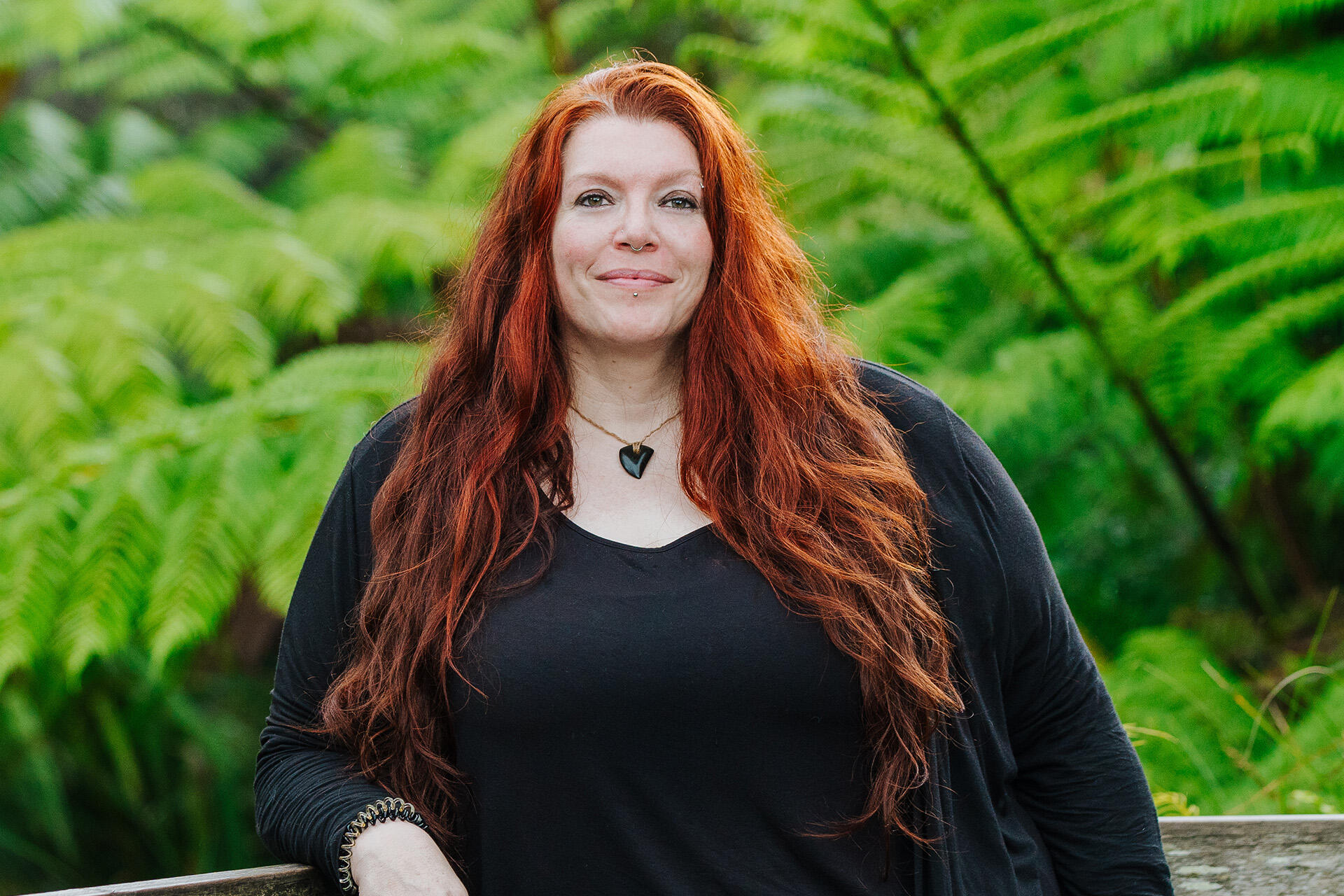
Auckland Zoo is delighted to share its head of conservation advocacy and engagement, Dr Sarah Thomas, has been appointed president of the International Zoo Educators Association (IZE) – a global non-profit driving social change to benefit both people and nature.

A transformative and forward-thinking leader in the global zoo and aquarium sector for 20+ years, Sarah moved from the UK to join Auckland Zoo in 2019. She has had key roles in IZE for the past 10 years, has a PhD in social science (exploring social dimensions of biodiversity conservation) and is the author of the 2020 ‘Social Change for Conservation’ - The World Zoo & Aquarium Conservation Education Strategy (WZACES).

“I am honoured and excited to be stepping into this role to represent a global community of passionate, skilled, and visionary conservation educators. IZE is an innovative organisation that connects over 600 members in zoos, aquariums, and other conservation-related institutions across more than 50 countries and five continents, and I’m looking forward to building on the strong foundations laid by those before me,” says Sarah.

The newly elected president, whose early connection and love for nature has shaped her own life and global career in zoos, says conservation is as much about people as it is about species.

“Here in Aotearoa and around the world, we face both challenge and opportunity as our planet continues to experience rapidly changing environments, social impacts from a global pandemic, and devastating biodiversity loss from human activities.

“Our need to improve social wellbeing and deepen human connection to, and understanding of, te taiao/the natural world (that we’re all part of, not separate from!) to create a future where people and nature thrive together, has never been more important or urgent,” says Sarah.

The newly elected president says like Auckland Zoo, which sees its purpose as te pā hono - a place of connection, IZE recognises social outcomes are integral to conservation success.

“IZE has evolved to be a trusted, progressive leader and is today driven by its mission to guide members to achieve social and educational outcomes for their organisations and communities that support biodiversity conservation and inspire sustainable behaviours in society.”


Sarah says IZE’s openness to change and willingness to push boundaries has been key to its effectiveness and success to date and is what will ensure it remains relevant moving forward.

“Since the publication of the 2020 WZACES ‘Social Change for Conservation’ strategy - developed in collaboration with IZE and the World Association of Zoos and Aquariums with input from 144 organisations in 44 countries, we’ve seen IZE’s evolution in action.

“Among many advances, there’s been a growth in evidence-based programming, with stronger emphasis on evaluating impact, particularly in fostering pro-environmental behaviours, and programmes that are more equitable, inclusive, and culturally relevant.

“I’m particularly delighted that Auckland Zoo, my home organisation, continues to be one of the leading lights in this space. With programmes like our Mātauranga Māori sessions and ‘Wellbeing in Nature framework grounded in Te Whare Tapa Whā (Five Pathways to Nature Connection) and te ao Māori – we are demonstrating how education can be a powerful force for conservation and social change.”

“Over the next two years my focus as president will be on supporting our diverse and global audiences to fully participate in and benefit from the resources, connections and opportunities IZE offers. Importantly, we also want to celebrate and elevate the communities we connect with – through learning, teaching, and engagement – because together we can work towards a more harmonious future for people and nature.”