

Conservation Projects Around the World
See where else in the world the conservation fund is supporting projects
Aja Pendergrast, Auckland Zoo
Wildlife rangers are the planet’s unsung heroes. They work tirelessly in some of the most treacherous and challenging places on Earth, making a tangible difference to the future of wildlife, the environment and communities.
When you visit Auckland Zoo, you’re supporting rangers in countries around the world through our conservation partnerships – and we’re highlighting just a handful of these partners and their incredible work today.
World Ranger Day was established by the International Ranger Federation (IRF) to recognise the culturally and environmentally important, yet dangerous work of rangers. 2022 estimates suggest there are approximately 286,000 rangers globally, but this number needs to increase to 1.5 million skilled and well-resourced rangers to meet global conservation targets.
We would be remiss not to mention the work of our kaimahi within our beautiful backyard. Our animal care teams travel around the breadth of Aotearoa New Zealand using their expertise to monitor populations of rare species, perform health checks and transmitter changes, add to scientific research and rescue animals under threat. Underpinning much of this work is our strategic partnership with the Department of Conservation and these conservation projects cover species from awakōpaka (known from less than 20 individuals) to kākāpō (241 birds alive today)!
Our ‘on the ground’ mahi also extends into the wider Pacific Islands from our partnership with SOP Manu to boost populations of the rare Fatu Hiva monarch in French Polynesia and in the past has covered pest control, funding and advocacy work for the manumea in Samoa.
Internationally, we align with conservationists and scientists to protect threatened species and add to scientific data and knowledge. This can vary from multi-year established partnerships to smaller pilot programmes. The majority of these partnerships include on-the-ground rangers and fieldworkers that serve as vital links between conservation outcomes and the local community.
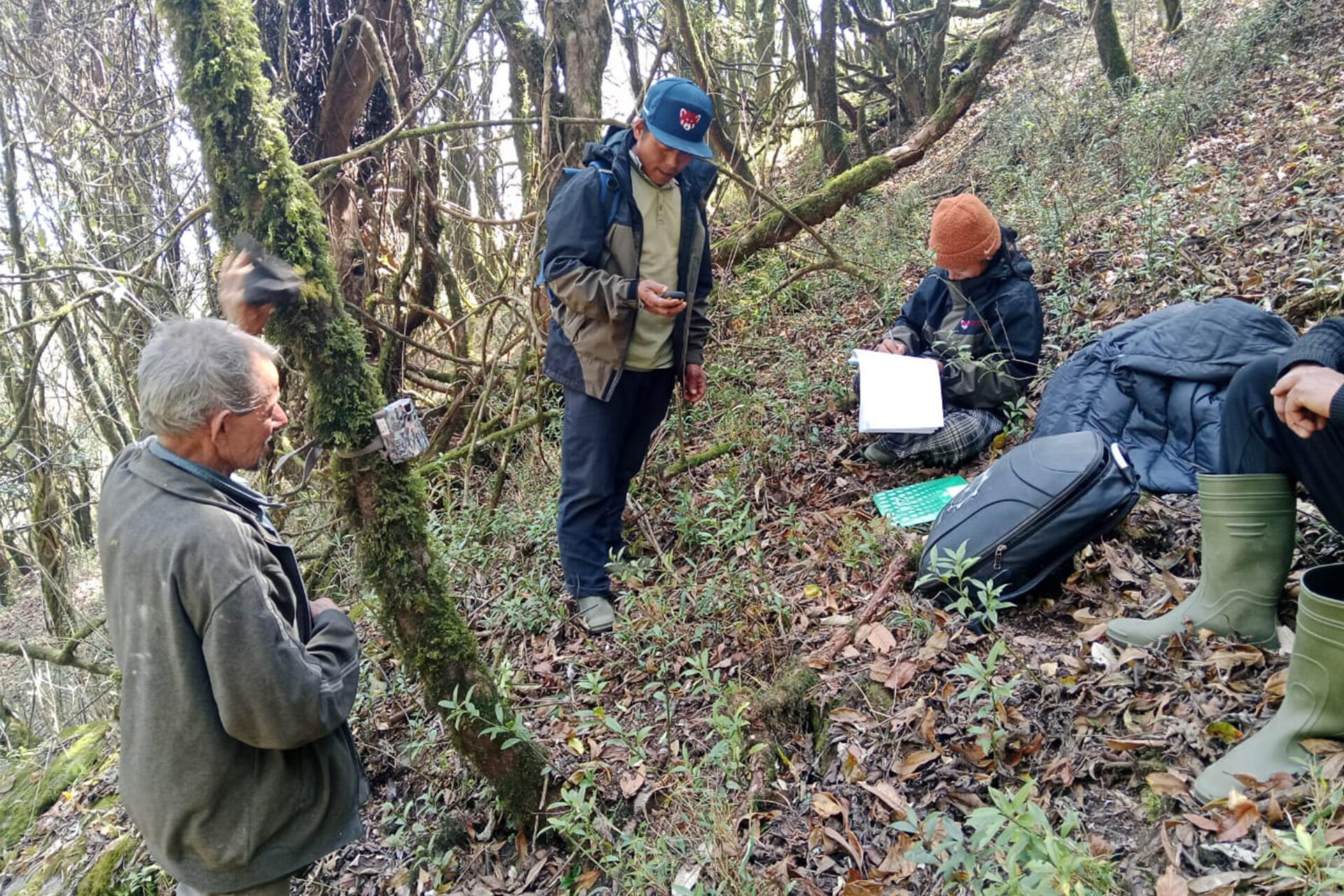
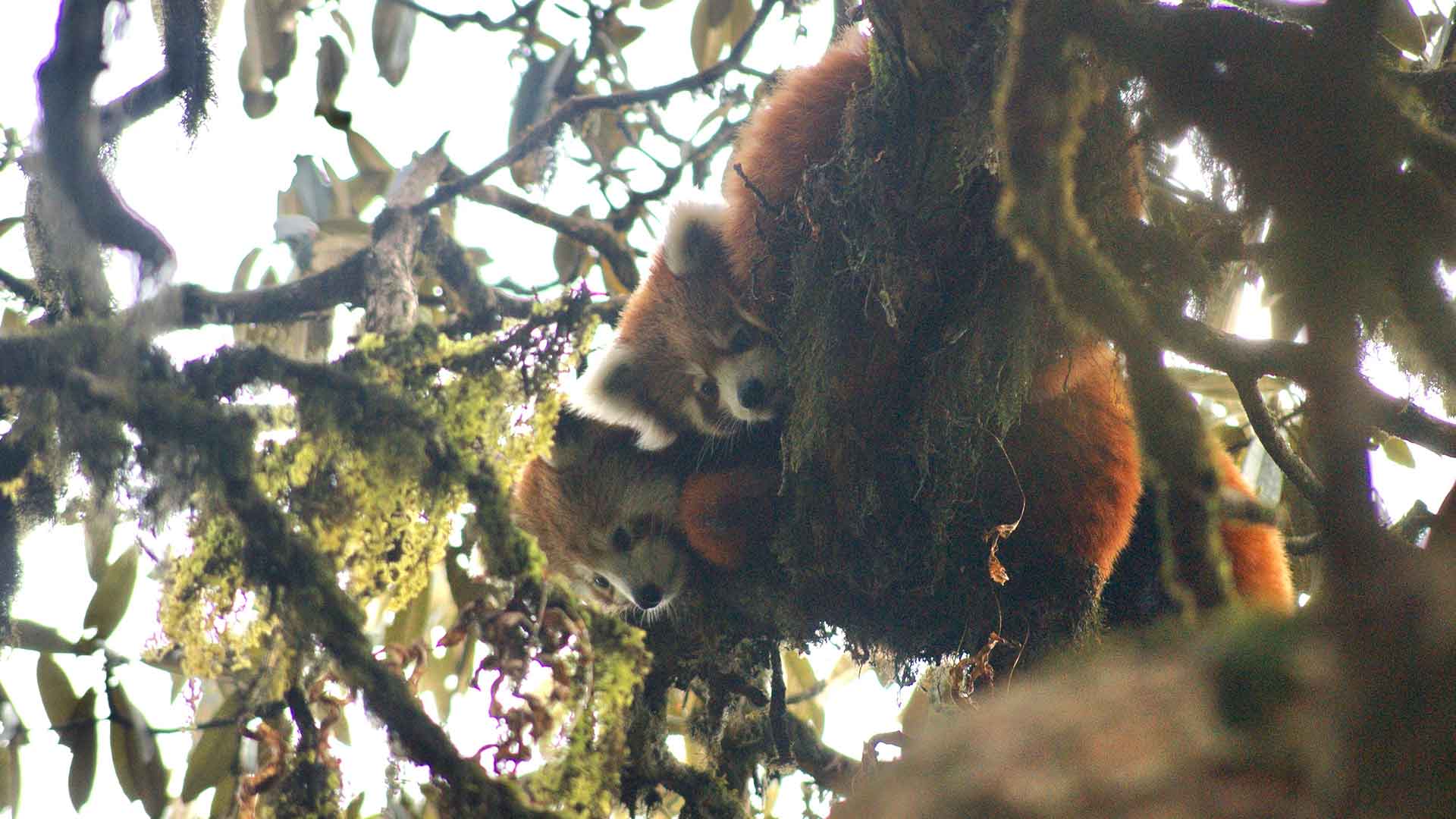
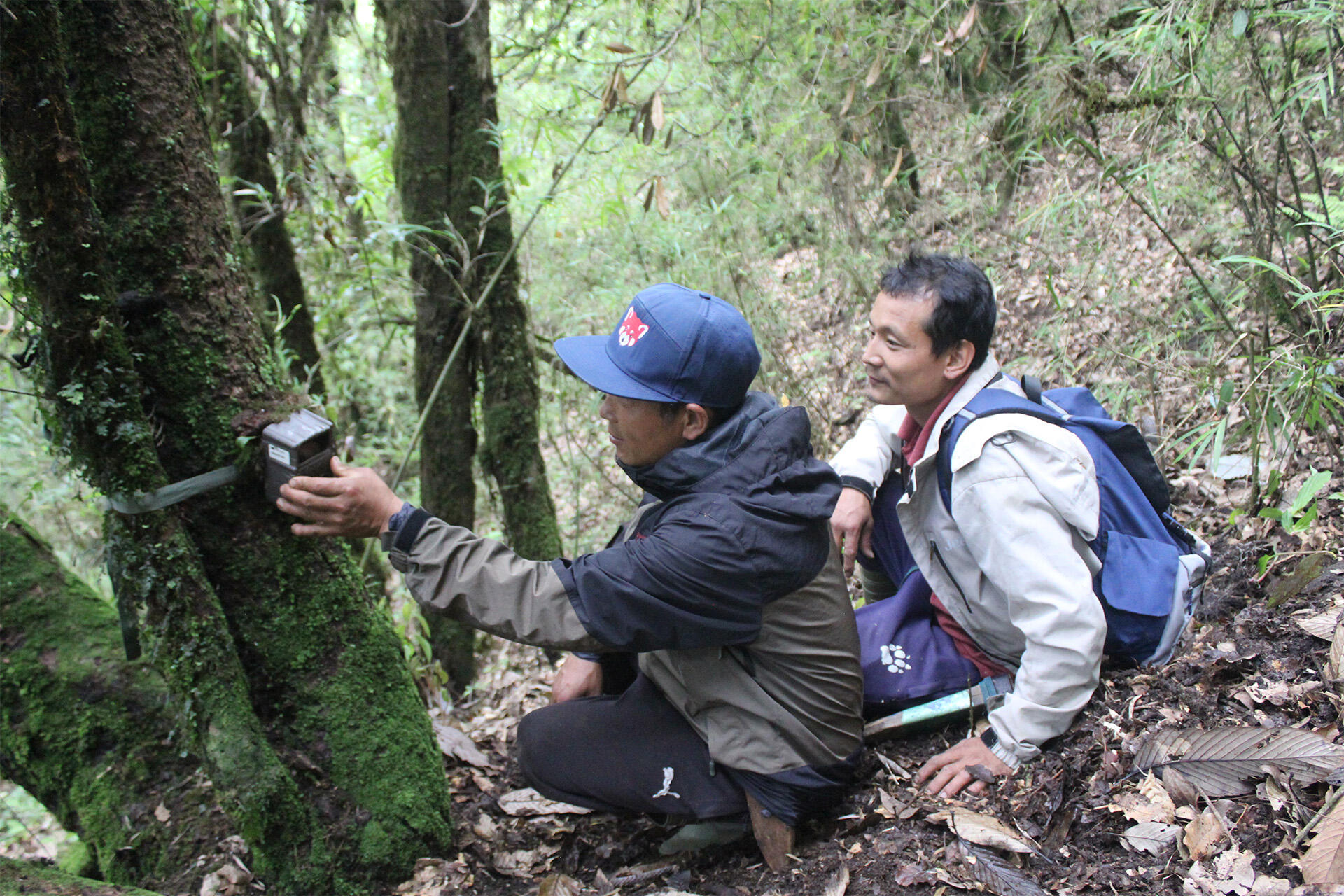
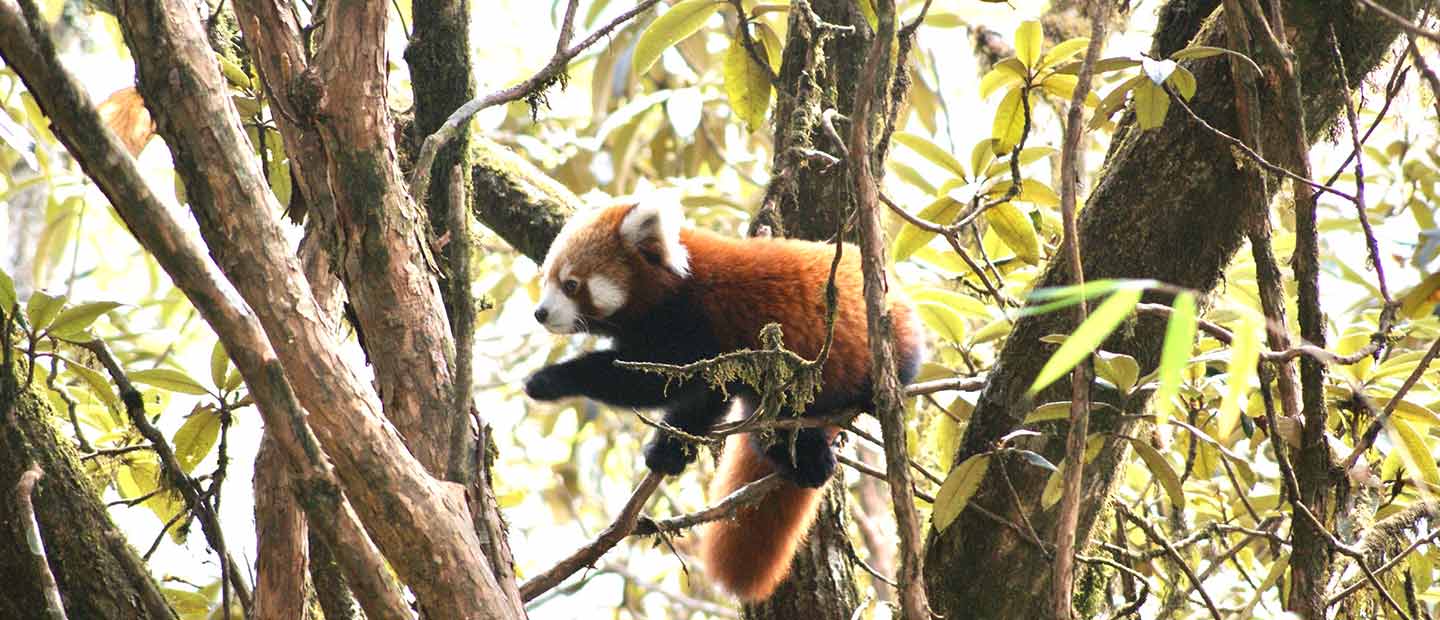
Our partnership with Red Panda Network (RPN) spans more than a decade! RPN lead global efforts in red panda conservation and their ‘Forest Guardians’ are a team of passionate and trained Nepalese rangers.
Their work involves research and monitoring, habitat management, mitigating environmental risks (like forest fires), and community awareness and education. This fieldwork is crucial as wild red panda populations have halved in the past 20 years, primarily due to deforestation and habitat loss (from the growth and encroachment of human populations) and poaching for the illegal pet trade.
Each Forest Guardian receives comprehensive training in red panda monitoring, anti-poaching, camera trapping and use of field instruments. It’s also important that the team are equipped with protective field gear as they work in challenging topography and weather.
Currently over 1,000,000 acres of forest are protected by RPN, every year 23,000 students are educated on red panda conservation and more than 2,000 local families are supported by their sustainable livelihood programmes.
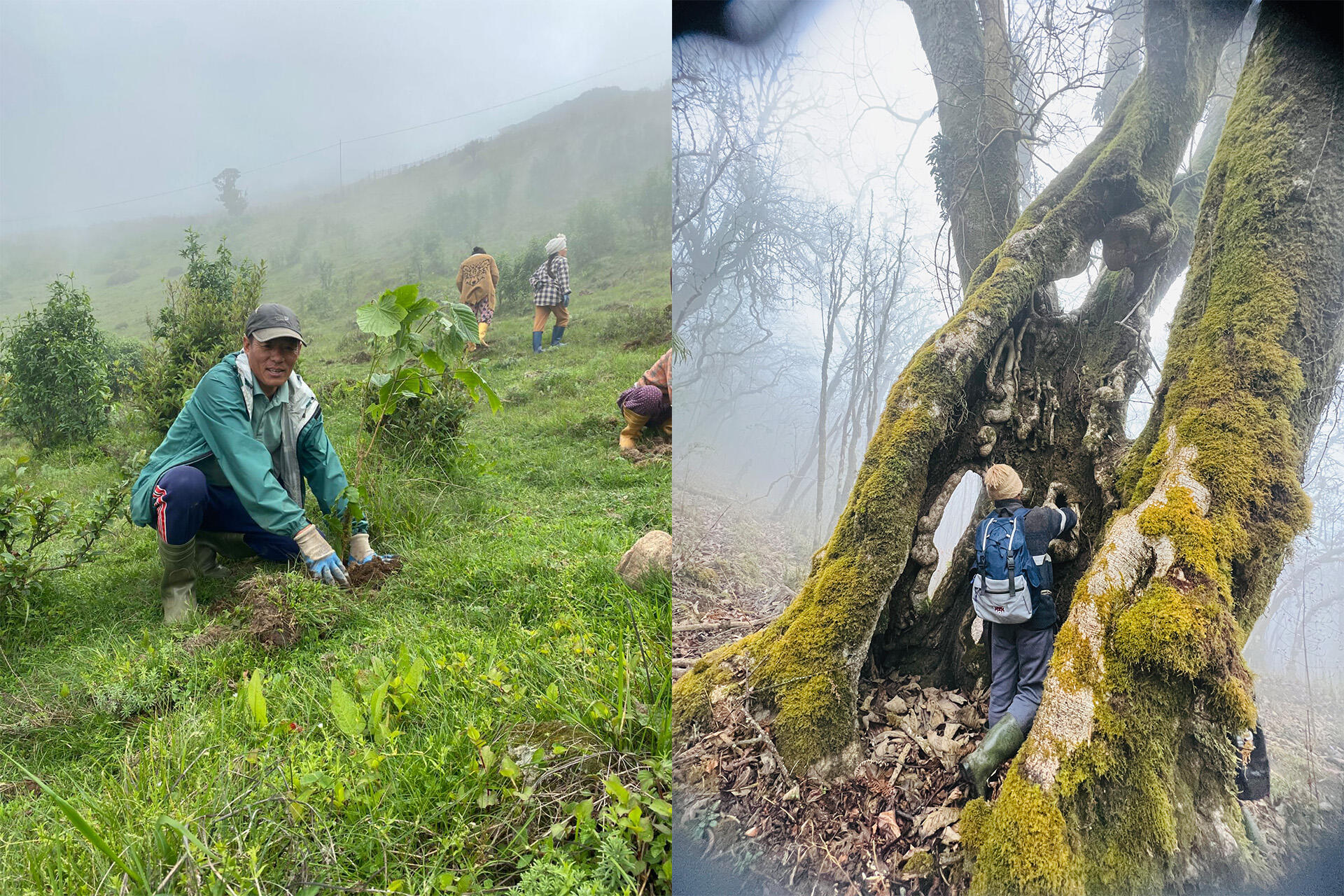
Recently, the guardians have completed their second quarterly monitoring of red panda and their habitats, and are involved in on-going restoration work. You can learn more by reading carnivore keeper Kristin’s visit to RPN in Nepal, and further support their ‘Plant a Red Panda Home’ project that improves degraded land and links up fragmented forests.
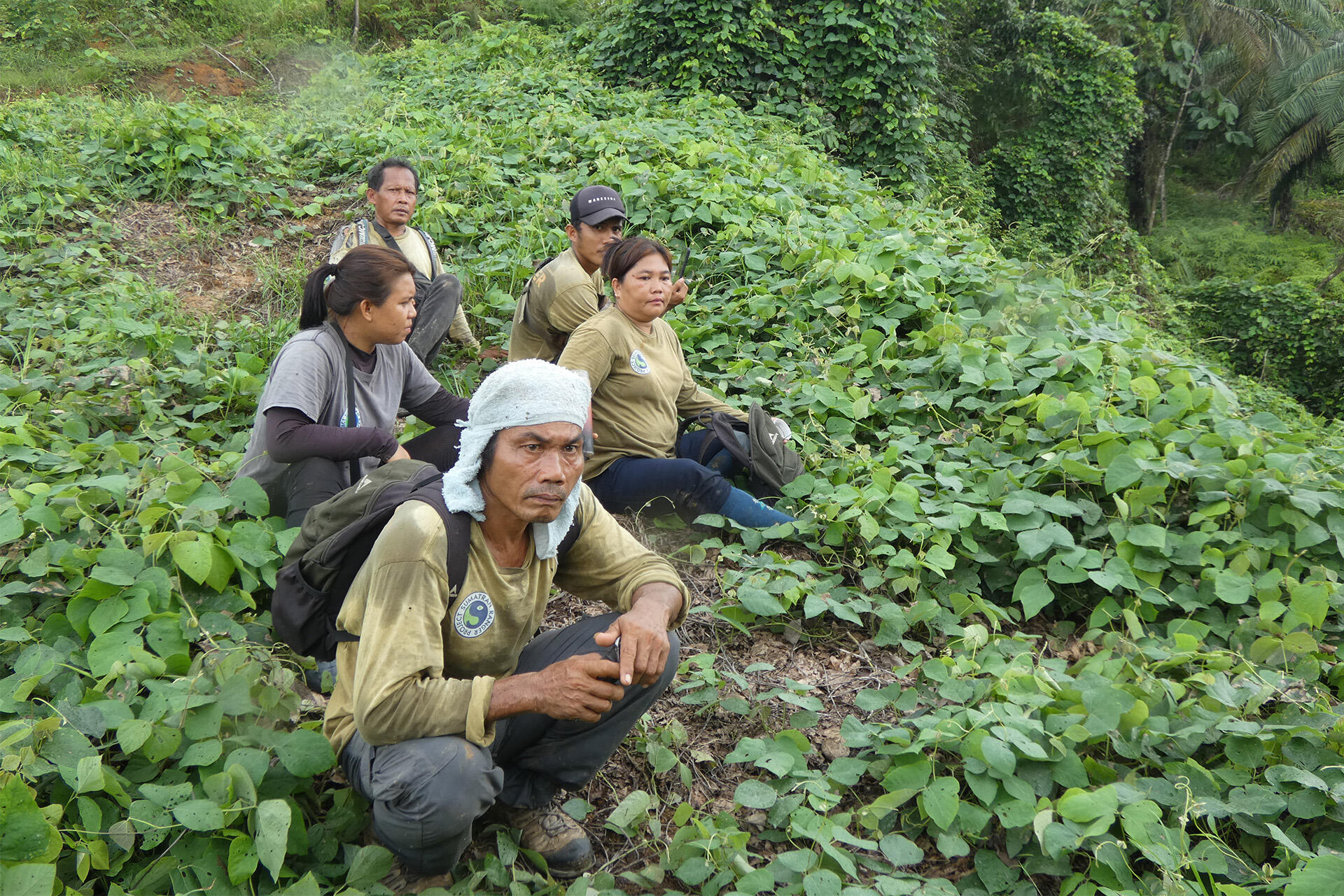
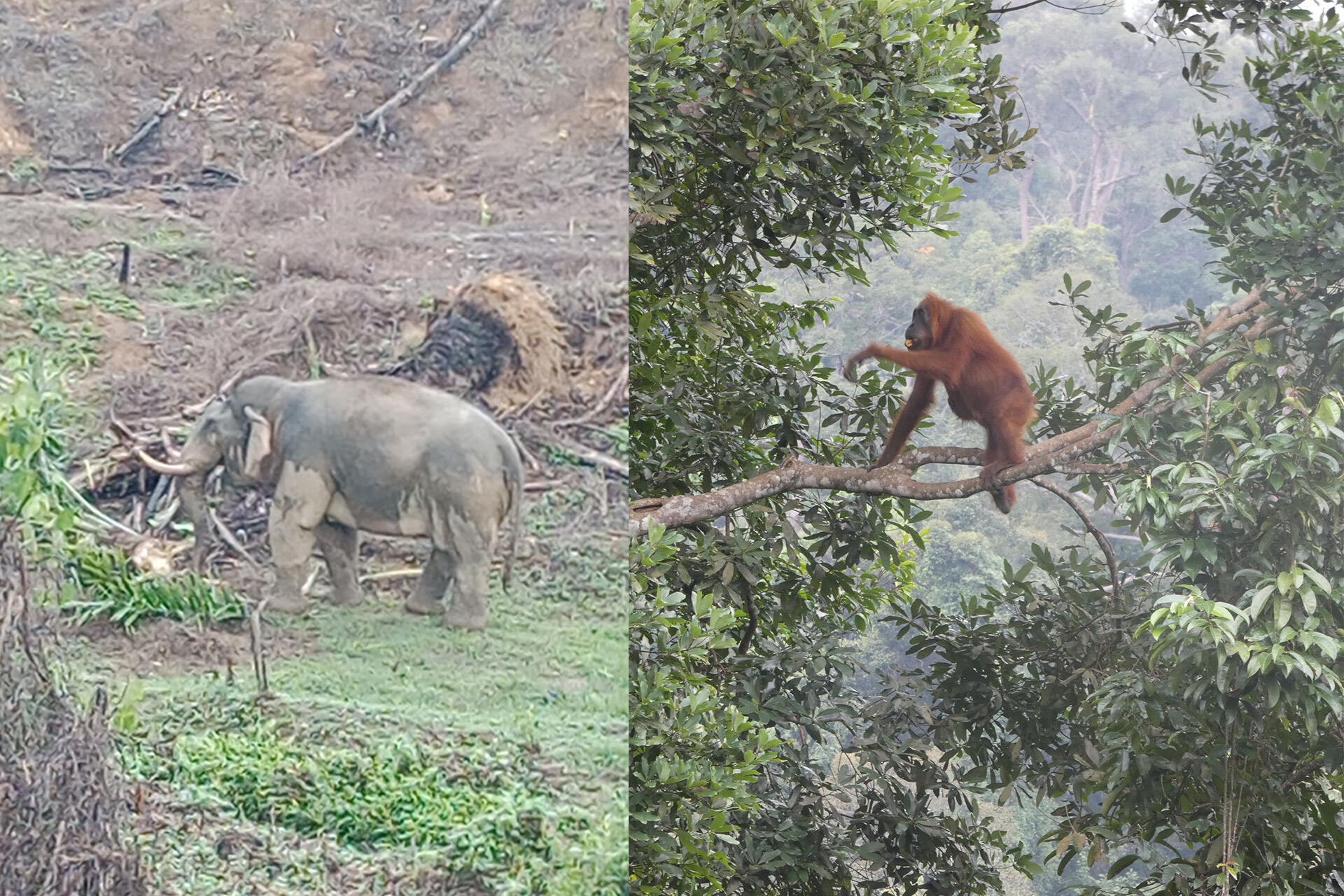
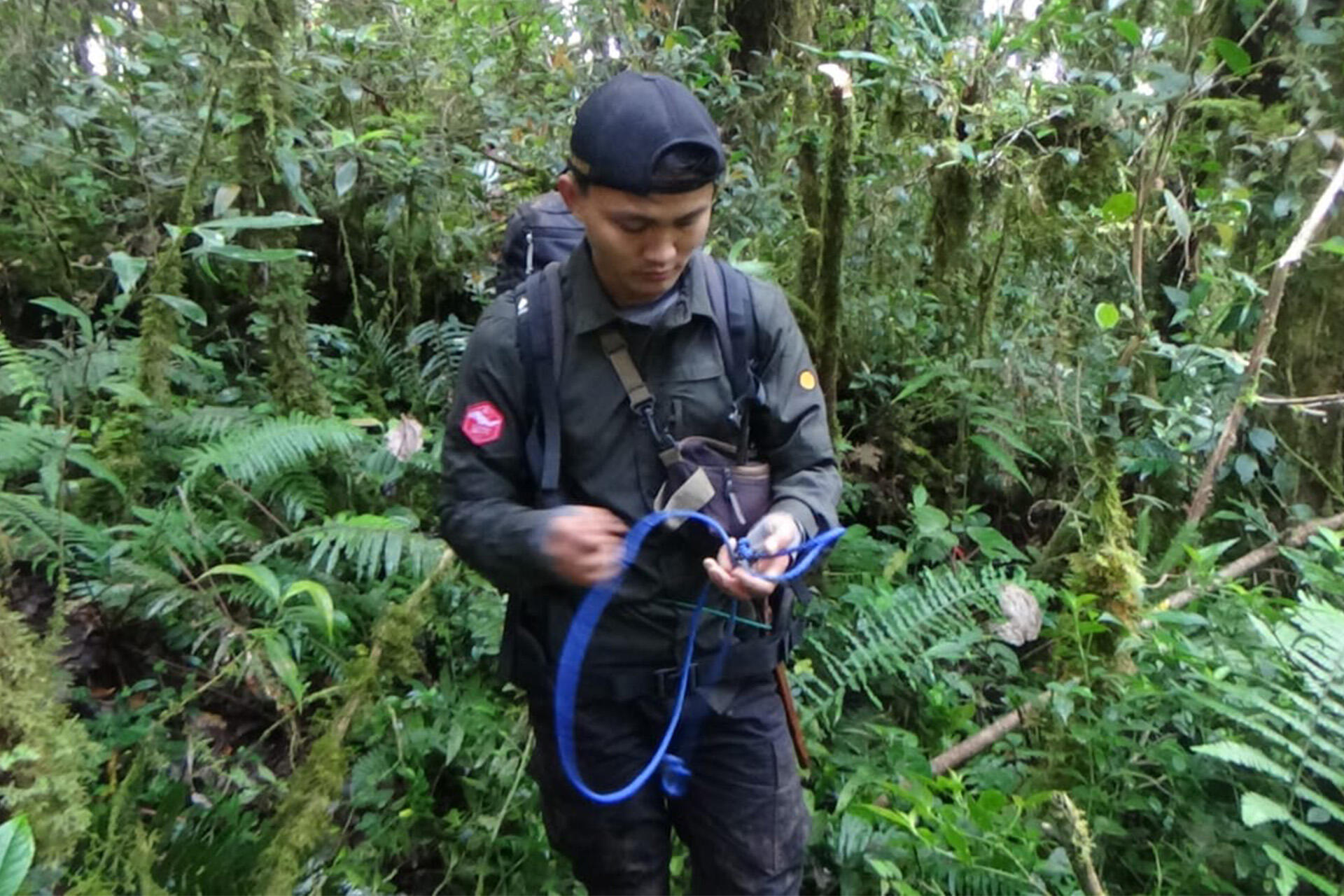
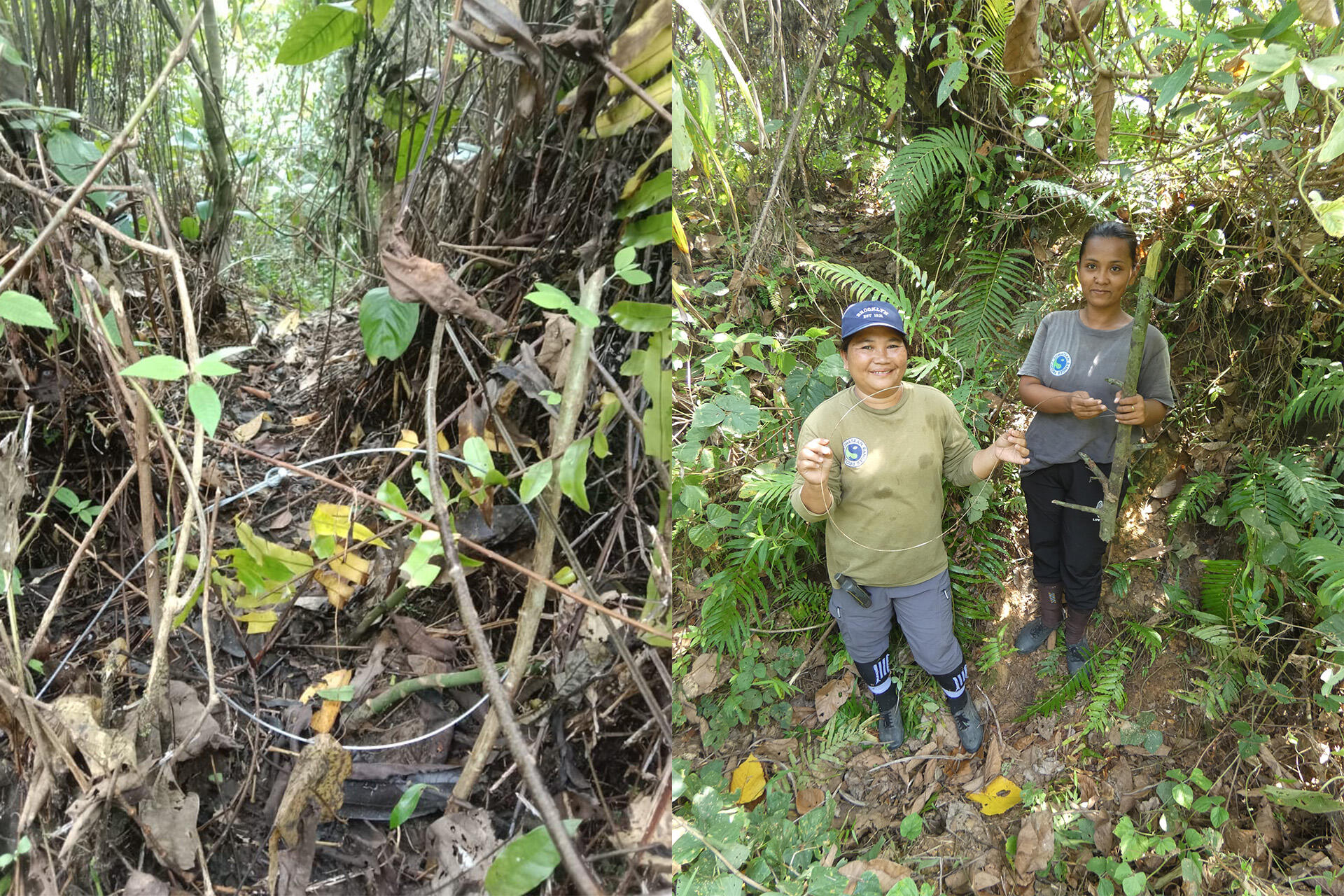
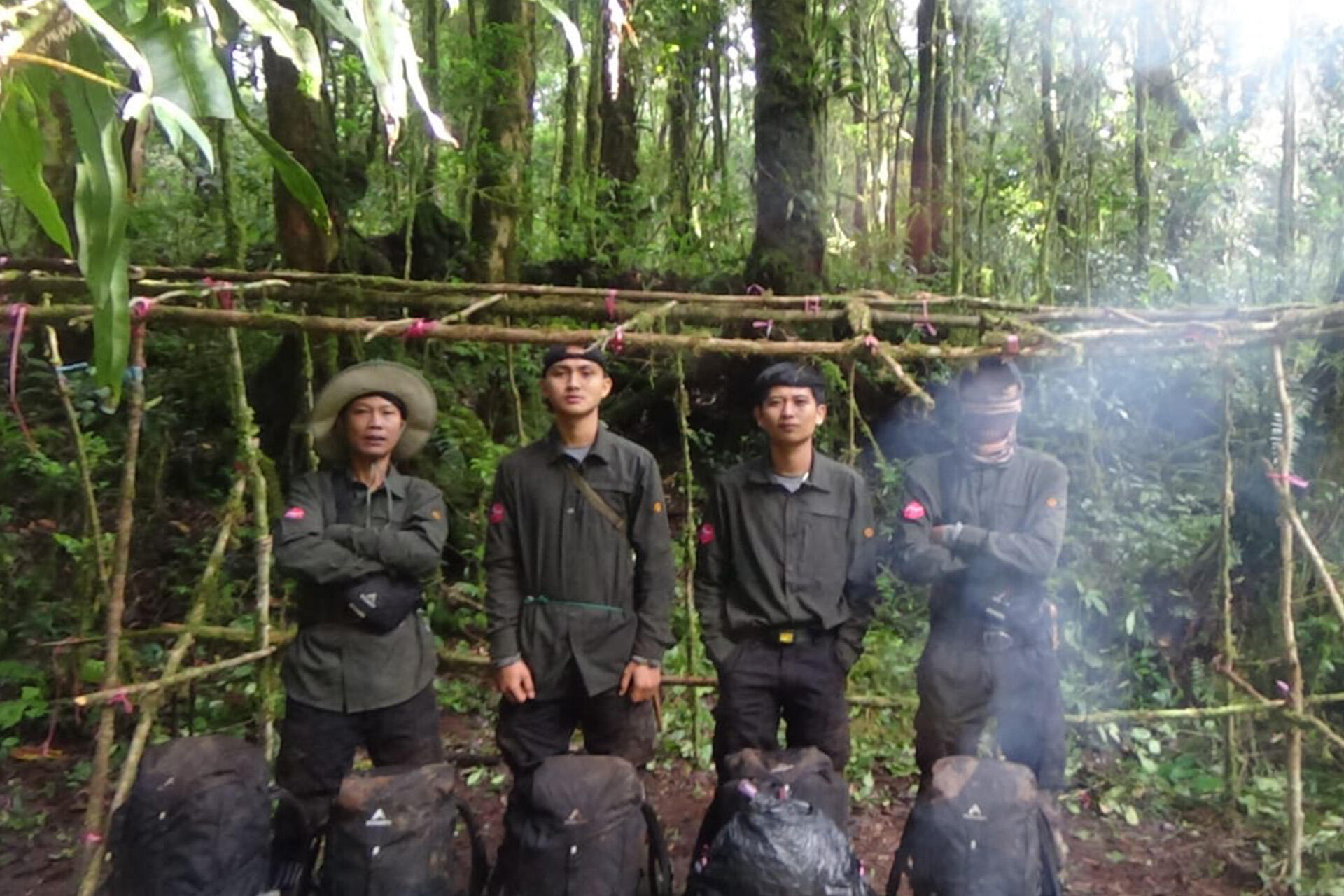
In the jungles of Sumatra, amidst Sumatran elephants, orangutans, tigers and Malayan sun bears - the Sumatran Ranger Project team work diligently to conserve wildlife and champion communities.
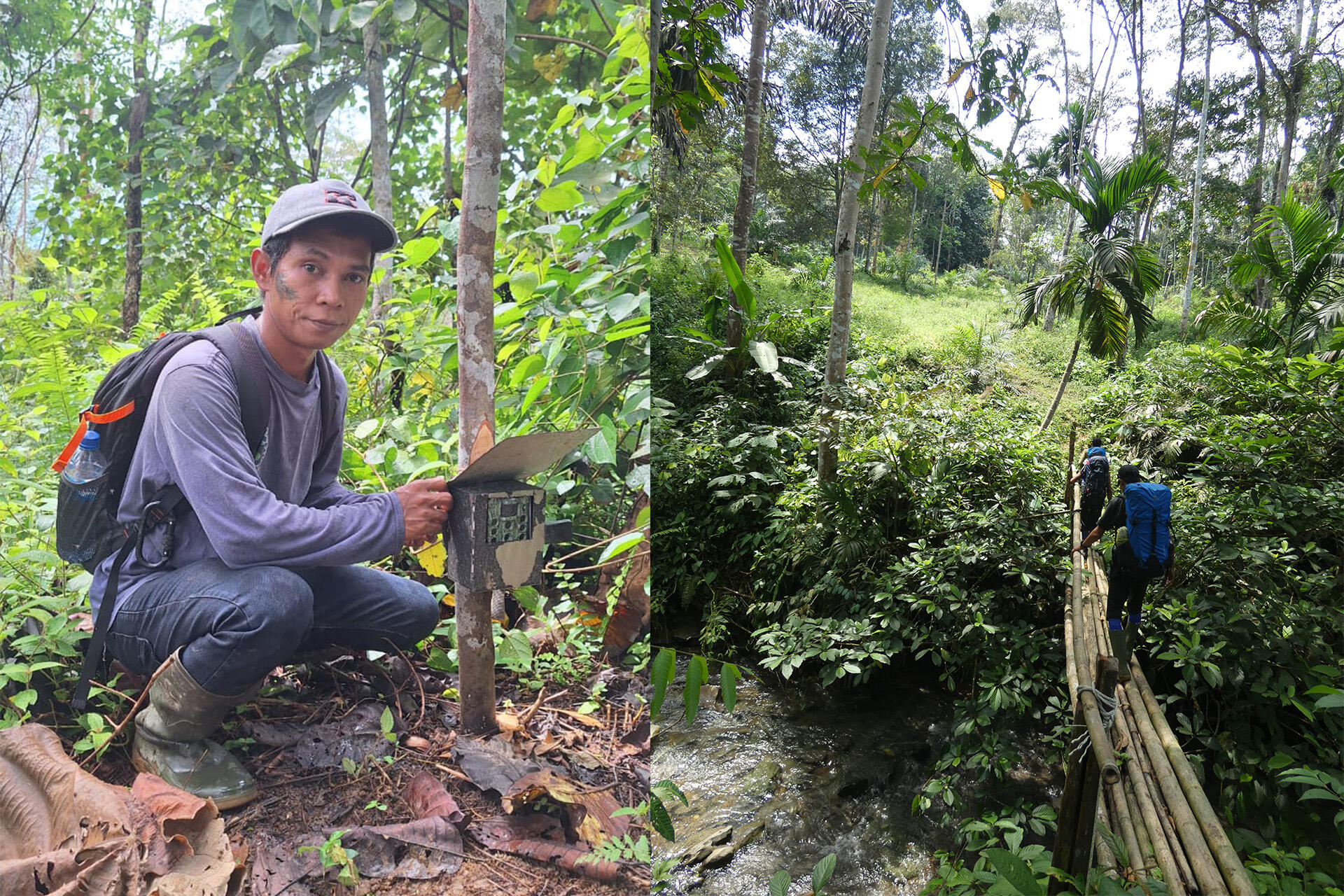
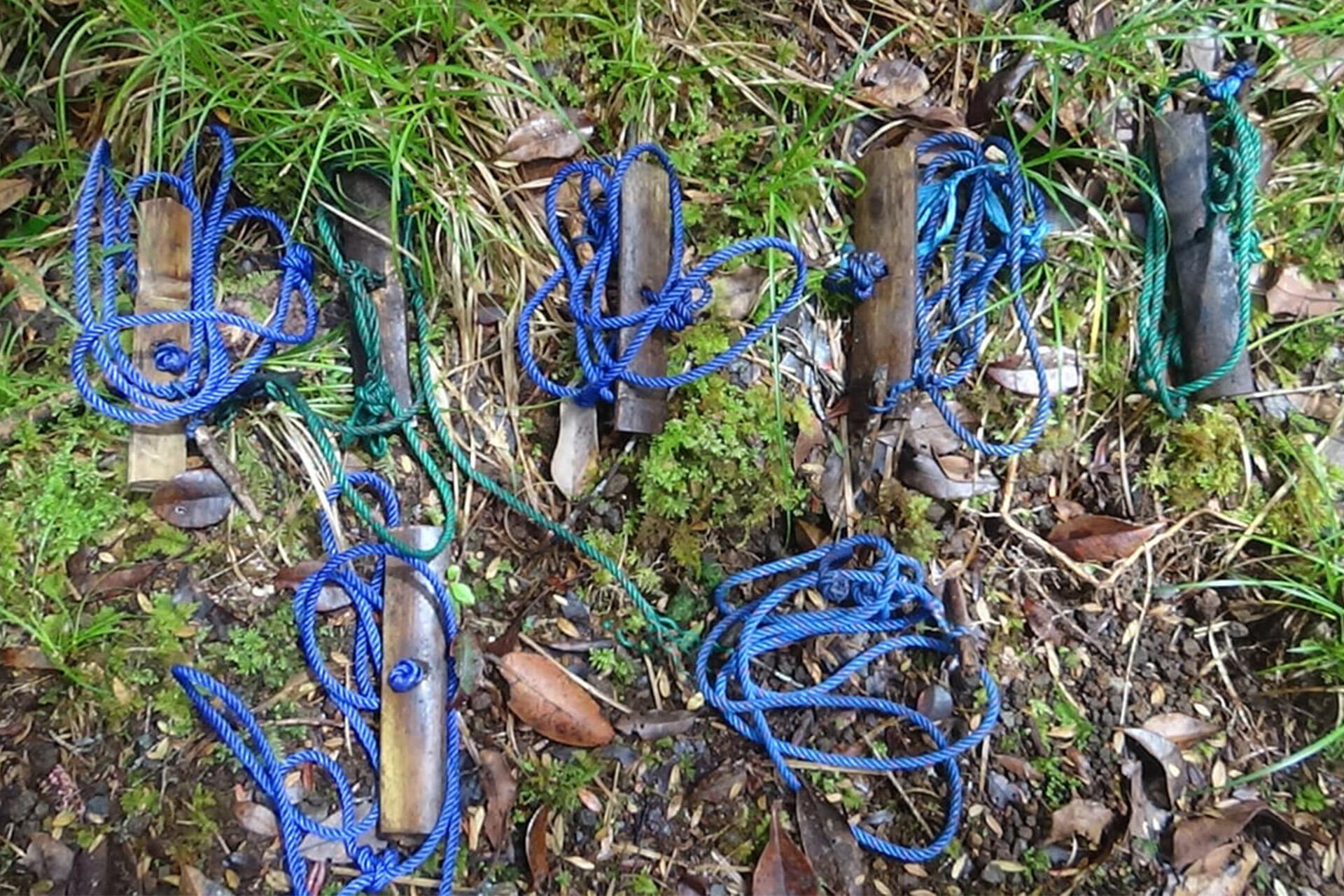
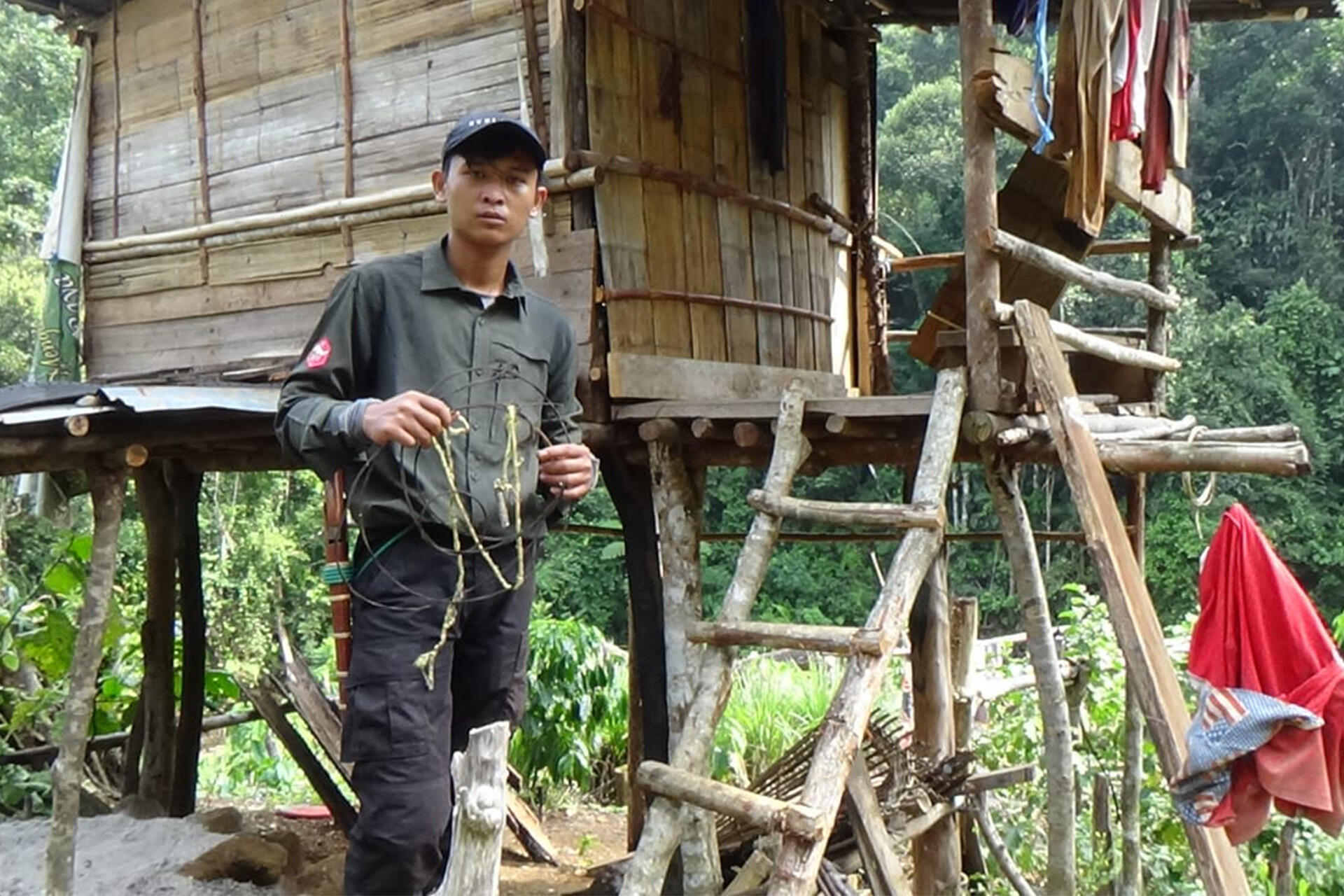
Some of their daily actions include removing poachers’ snares, preventing and mitigating human-wildlife conflict risks, actively monitoring wildlife and supporting forest-edge communities living in the buffer zone of the Gunung Leuser National Park.
Providing direct solutions to human-wildlife conflict, the team are currently building their 17th and 18th predator proof livestock corrals for two more forest edge communities. These corrals are made with donated ranger and locals’ time and effectively mean that livestock can be safely kept away from tigers that wander into communities that have settled along the forest border. This protects the livelihoods of the local farmers, while also protecting tigers from being attacked out of retaliation for killing livestock. The rangers closely monitor Sumatran elephants and orangutans as well, keeping them safely away from community land whenever they can.
Another way that SRP care for forest-edge communities is by donating crops to landowners and community groups. To date, they’ve grown over 8000 seedlings to disperse throughout local communities. This can help locals transition away from unsustainable oil palm or rubber, or help to support their livelihoods.
Recently, SRP celebrated World Female Ranger Week and recognised the incredible work their four female rangers undertake every month, challenging cultural norms and stigmas about women working in what is traditionally seen as a male-only field.
Tragically, in February SRP lost one of their long-serving and very experienced rangers Serasi, after he developed sepsis from a leg injury. His wife Rina is now an employed member of SRP and ensures the family is not left without an income.
SRP are currently fundraising for field first aid training to ensure the team are better equipped to deal with first aid whilst on patrol. This will happen in August 2025 and again in early 2026 from American specialists who train rangers in the field.
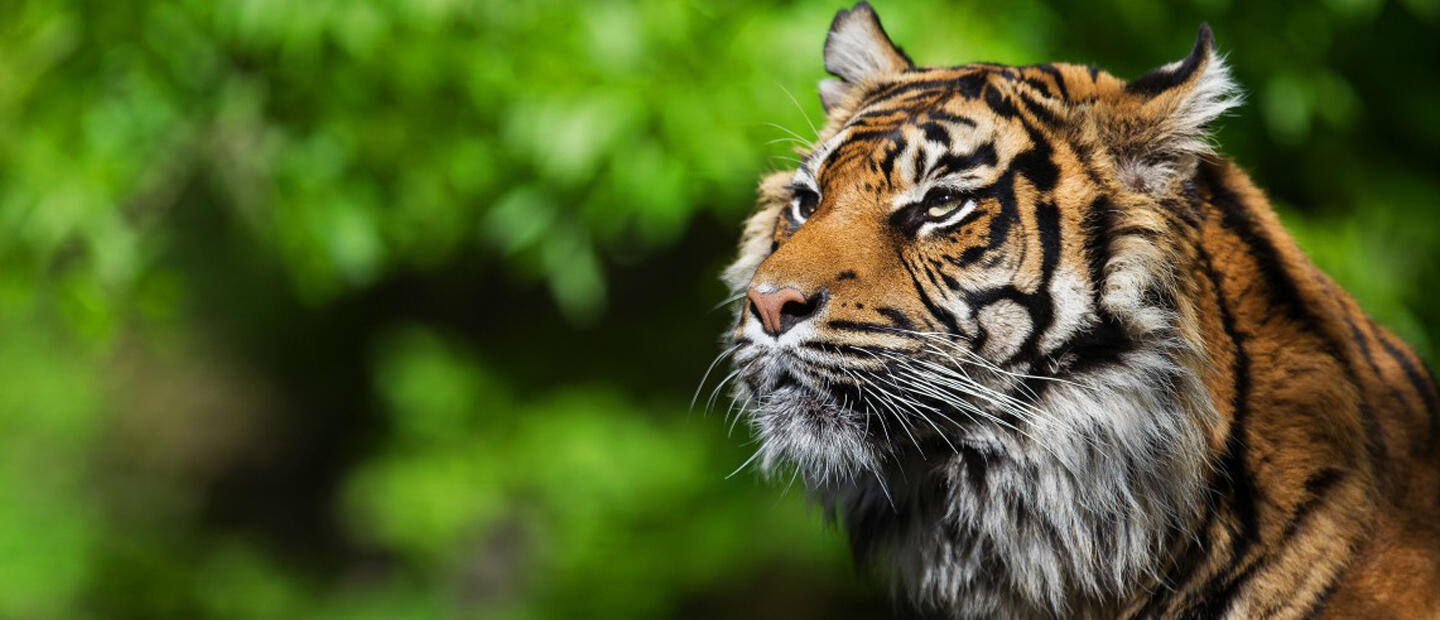
WildCats Conservation Alliance are another long-term conservation partner for the Zoo, and we have been assisting with annual funding since 2006 Their mission in Indonesia is to protect the critically endangered Sumatran tiger and its habitat.
Their conservation partners Lingkar Inisiatif have carried out six patrols in the past six months across 159km of forest surrounding Kerinci Seblat National Park in Sumatra. This is the second-largest national park in Southeast Asia, it covers 1.83 million hectares and is home to at least 166 Sumatran tigers (from a population of roughly 400-500 in the wild).
With funding from Auckland Zoo, within the past six months the rangers have identified five poaching sites and one illegal logging site, found 28 locations where forest had been illegally cleared for plantations and removed seven glue traps set to catch birds
These patrols are driven by local knowledge and careful tracking, helping to prevent illegal activity and keep the forest safe not just for tigers, but also for many other threatened species that share their habitat.
Zoos have historically made up 75% of the donations to WildCats Conservation Alliance. You support this mahi every time you visit us, but you can also further support or learn about the project via the WildCats website.
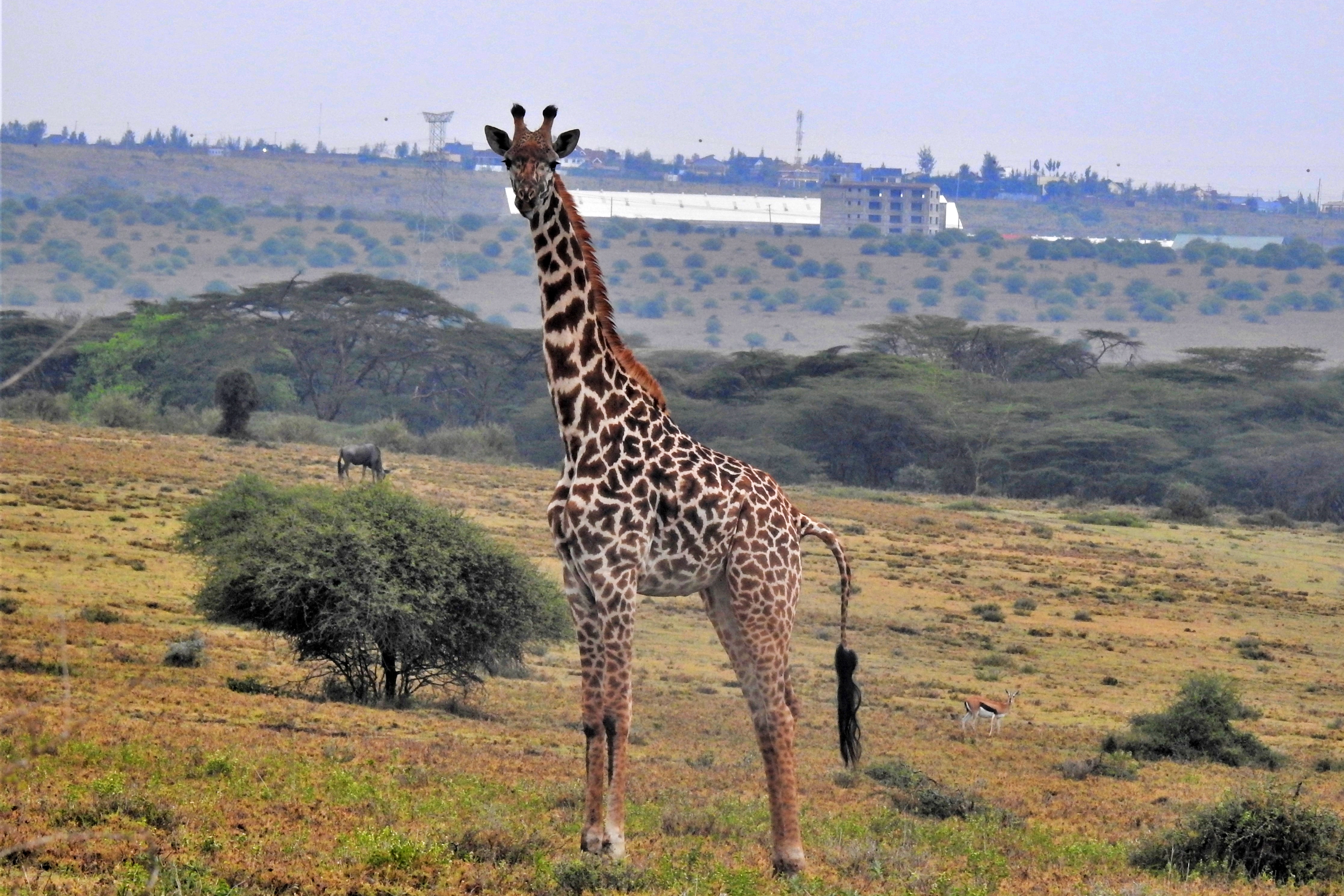
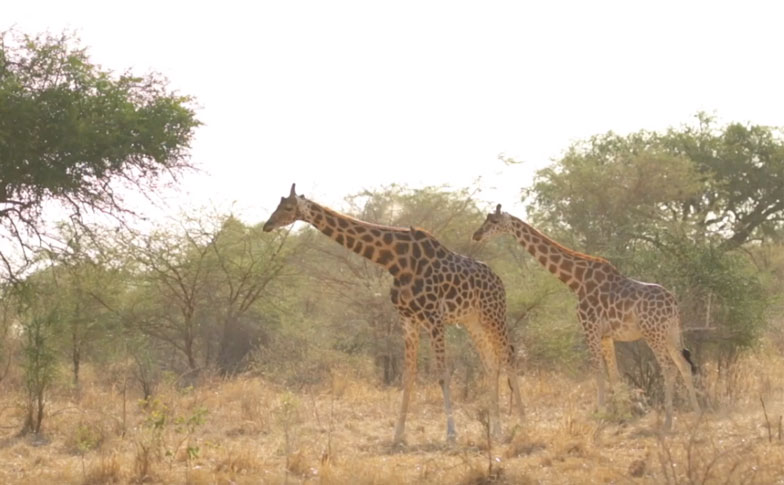
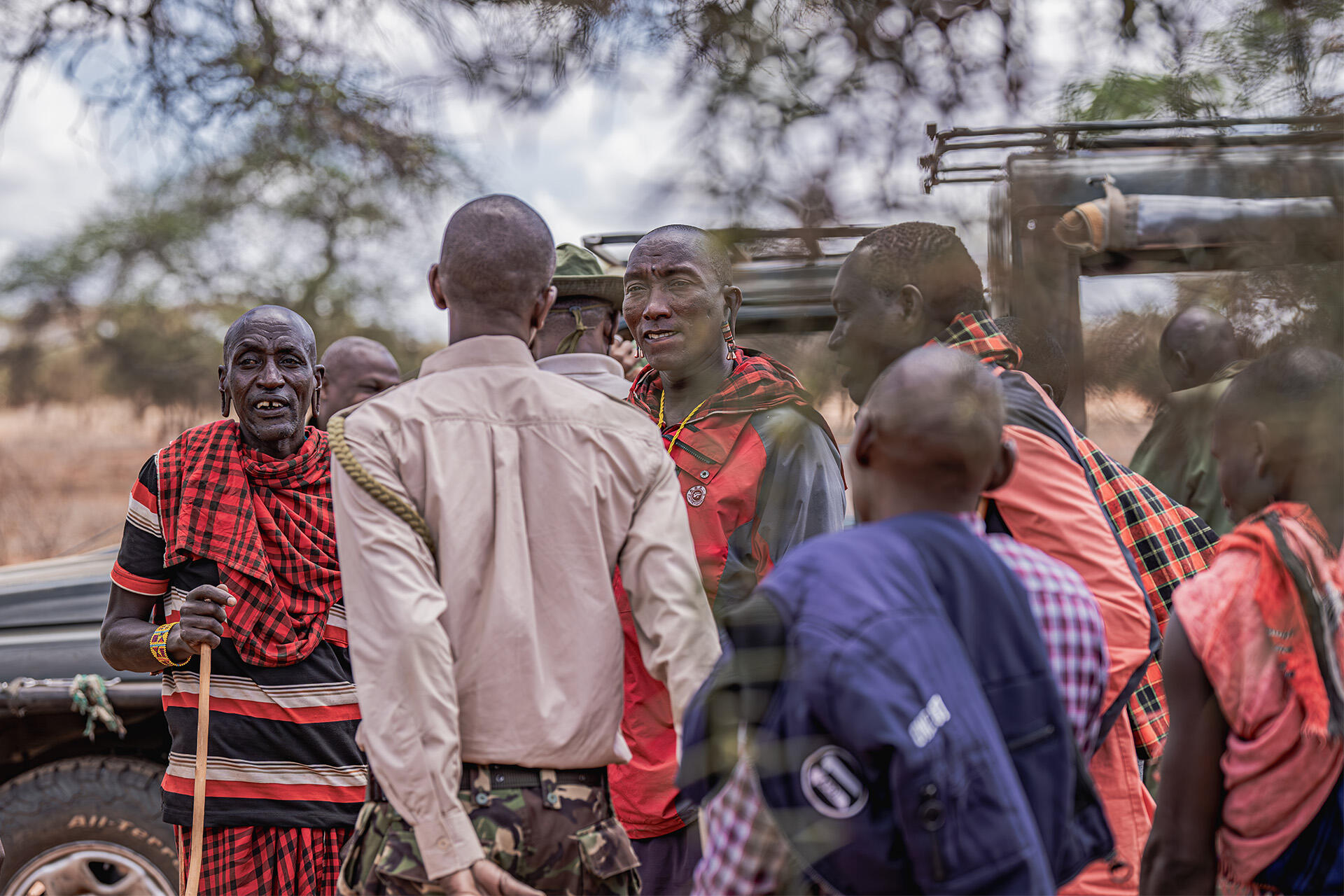
Everyone knows of the iconic giraffe, yet the species is facing a silent extinction. Over the past three decades, giraffe populations have decreased by nearly 30%, and over three decades, nearly 90% of their historical range has been lost.
We’ve been partnered with Giraffe Conservation Foundation (GCF) and funding their vital work since 2012. They’re the only NGO focused solely on giraffe conservation, and they are active in 21 African countries.
Their recently released report ‘State of Giraffe 2025’ shows good signs that conservation intervention is having a positive impact on giraffe numbers in Africa. However, this data also gives a strong case for listing three of the four giraffe species as Endangered or Vulnerable.
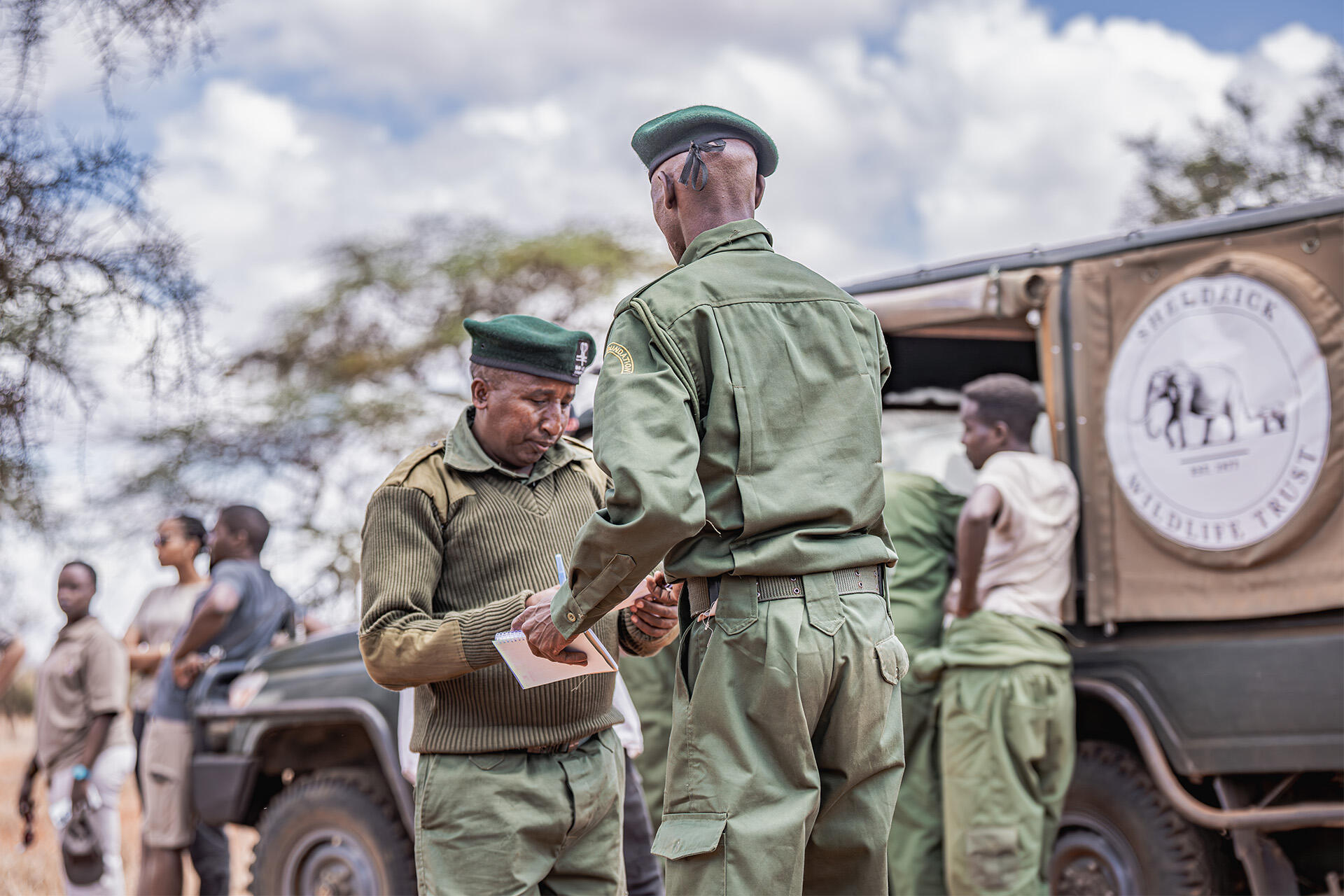
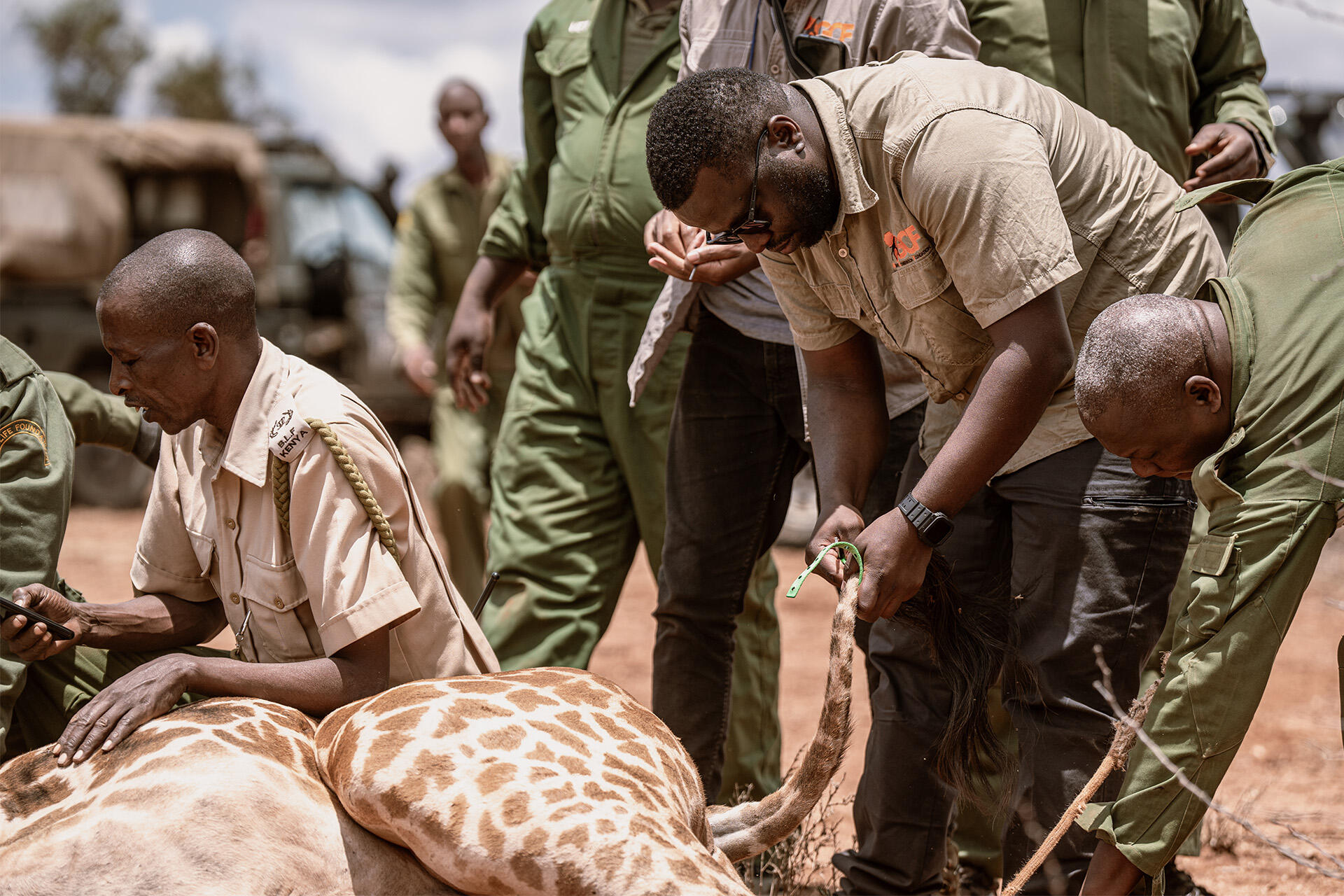
Working with local partners including rangers and community members is key to GCF’s conservation successes – as shown in these photos from Amboseli National Park in Kenya. With their partners, GCF monitor, tag and survey these iconic African animals to inform targeted conservation actions and secure the future of giraffe in the wild.
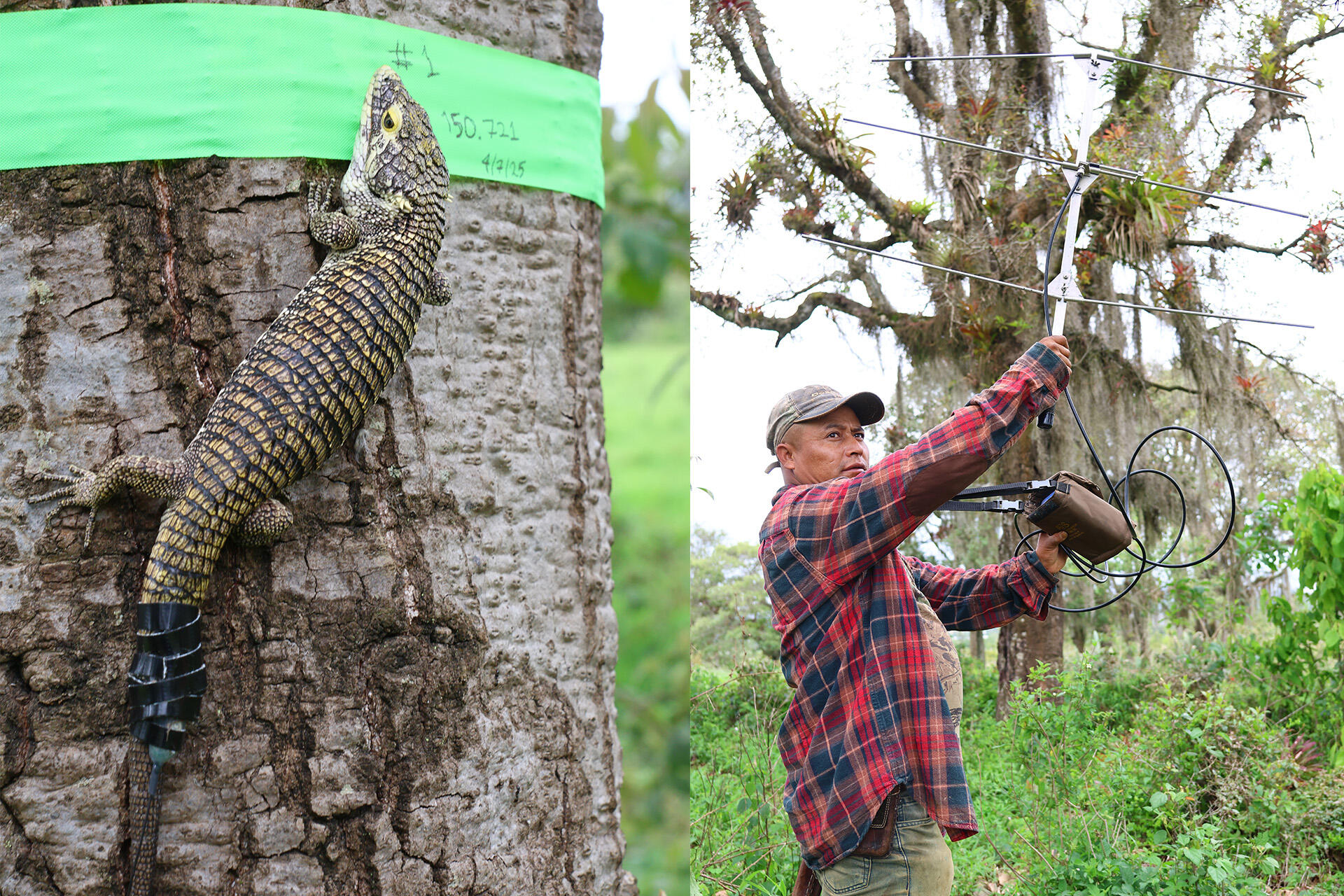
By visiting us in Auckland, you’re also helping to support a critically endangered lizard found exclusively in a small mountainous pocket of Guatemala!
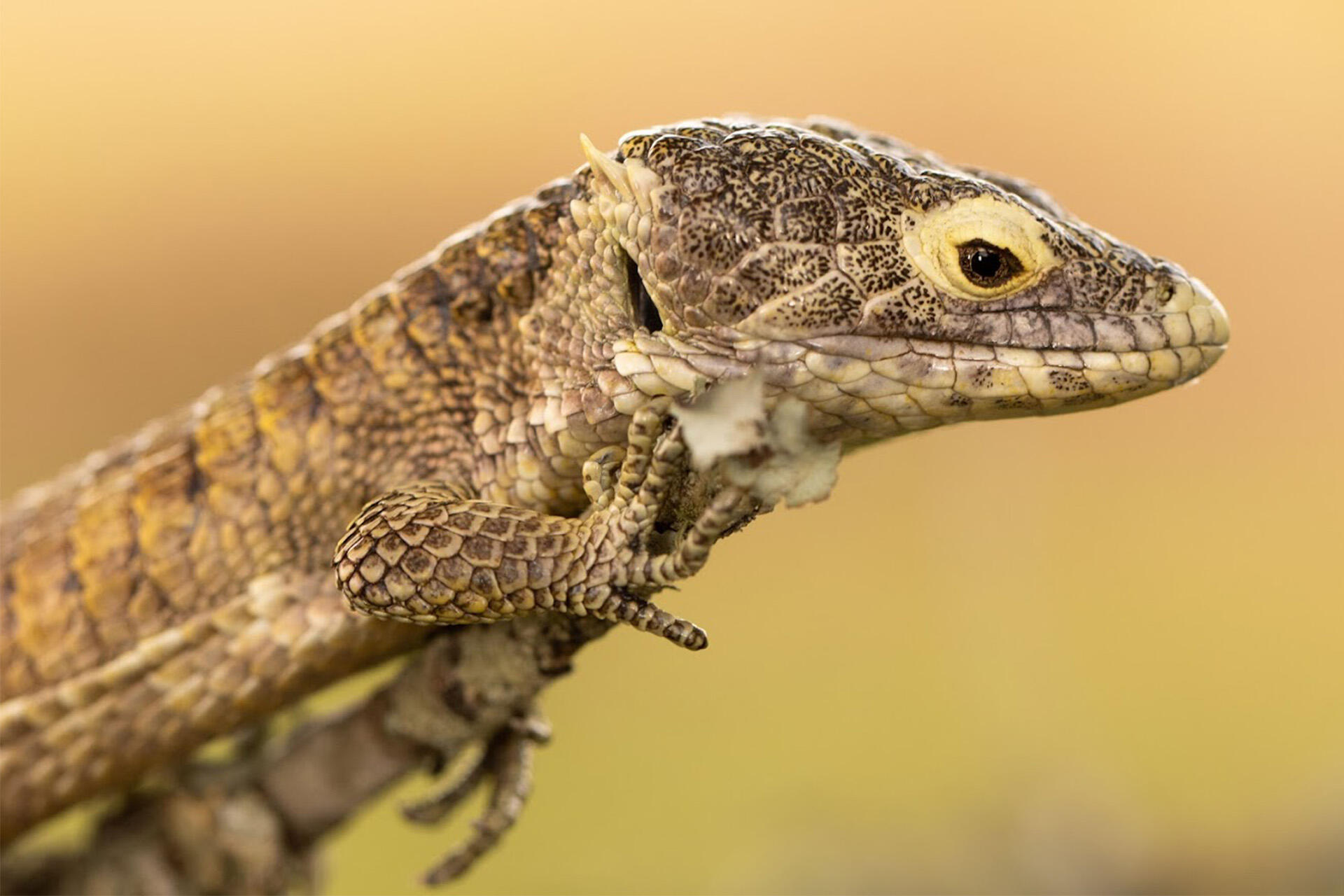
This is through our partnership with FUNDESGUA, an organisation whose mission is to ensure thriving populations of endangered endemic Guatemalan reptile species. One of their projects focuses on the Campbell’s alligator lizard (Abronia campbelli). The species depends on the pine-oak forests of the region, which are rapidly shrinking, and their habitat is now an alarming 3% of the lizard’s original range!
While habitat loss remains the primary threat, it’s not the only one – community fear and the illegal wildlife trade also contribute to the threat to this cryptic lizard. Collaboration with local communities and authorities has been instrumental in curbing this threat, but ongoing efforts are essential to secure the species’ future.
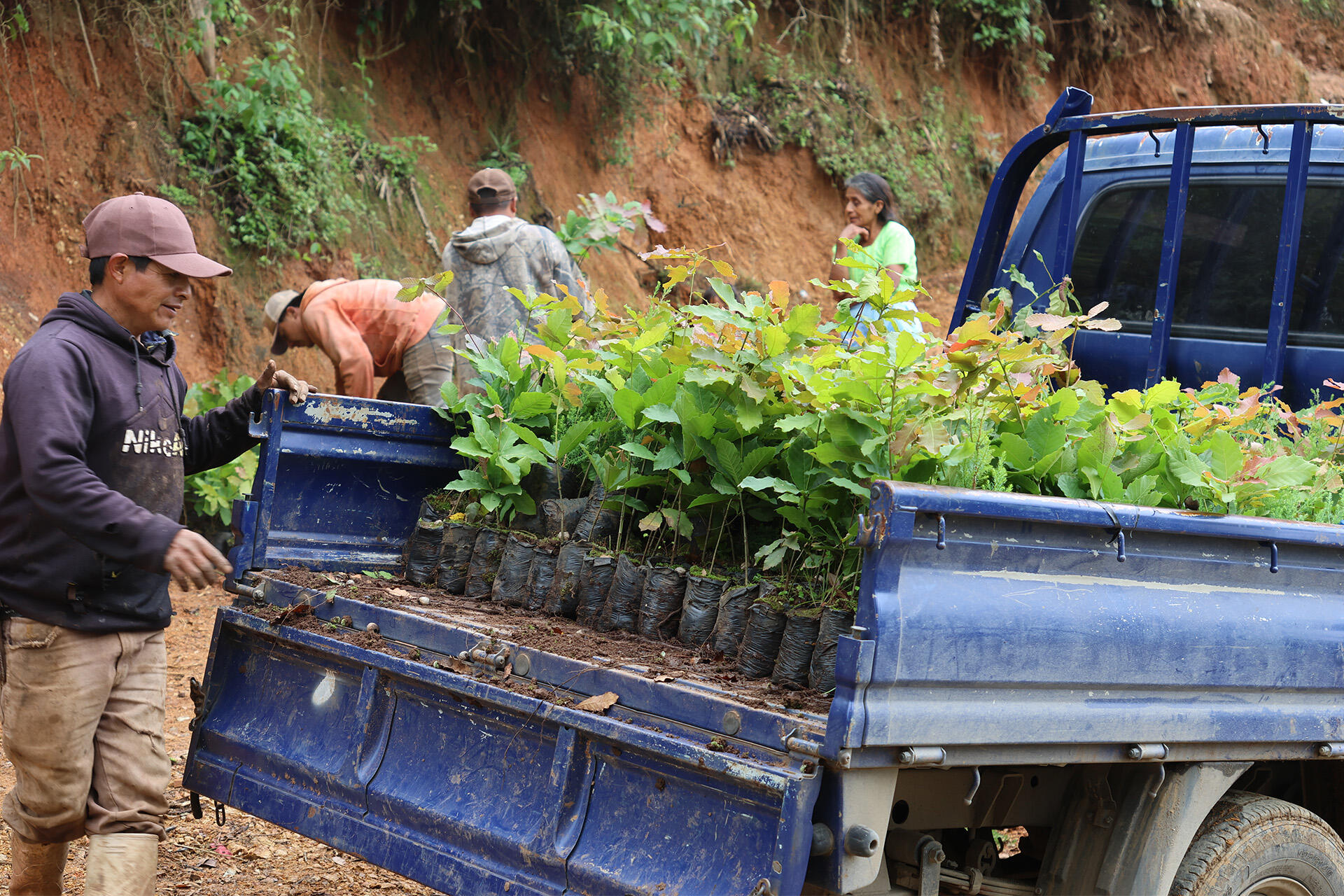
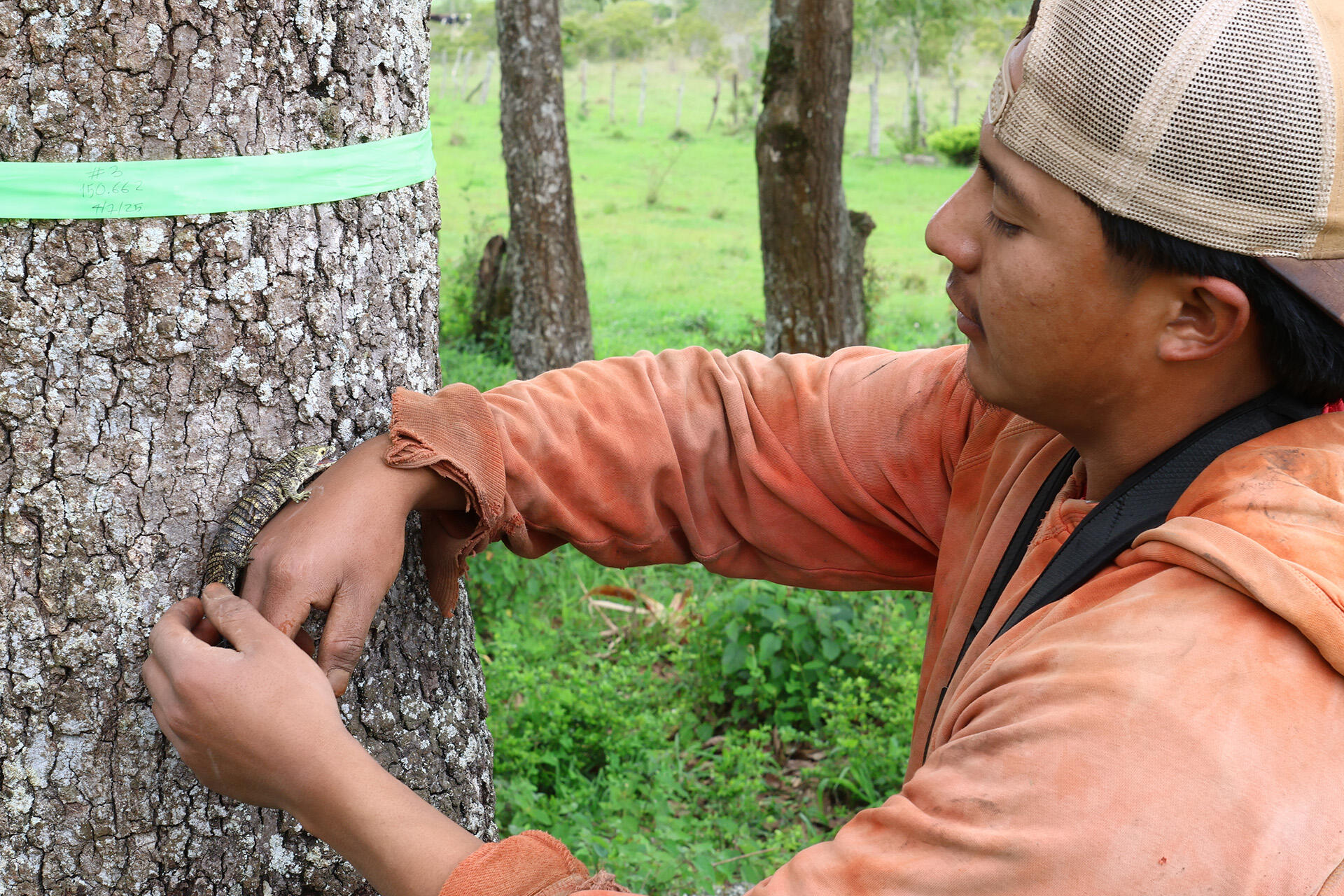
Recently, their ranger team have been tracking the movements of the alligator lizard using radiotelemetry to better understand their behaviour, habitat use, and dispersal patterns. These insights will help to design more effective habitat restoration strategies and guide long-term conservation efforts for this critically endangered species. Another important part of this work includes expanding and reconnecting habitat for Abronia campbelli in the cloud forests of Jalapa. In these photos you can see rangers transporting native tree seedlings to a restoration site as part of these efforts.
Stand with Rangers this month by visiting your local accredited zoo (like Auckland Zoo!), spreading awareness to your friends and whānau, or making a contribution to a conservation project that speaks to you. We’ve selected only a few of the many partners and projects we support in this article, read more about our partnerships and our Conservation Fund on the Zoo website.