Would you hunt for a snake that hasn’t been seen for 30 years?

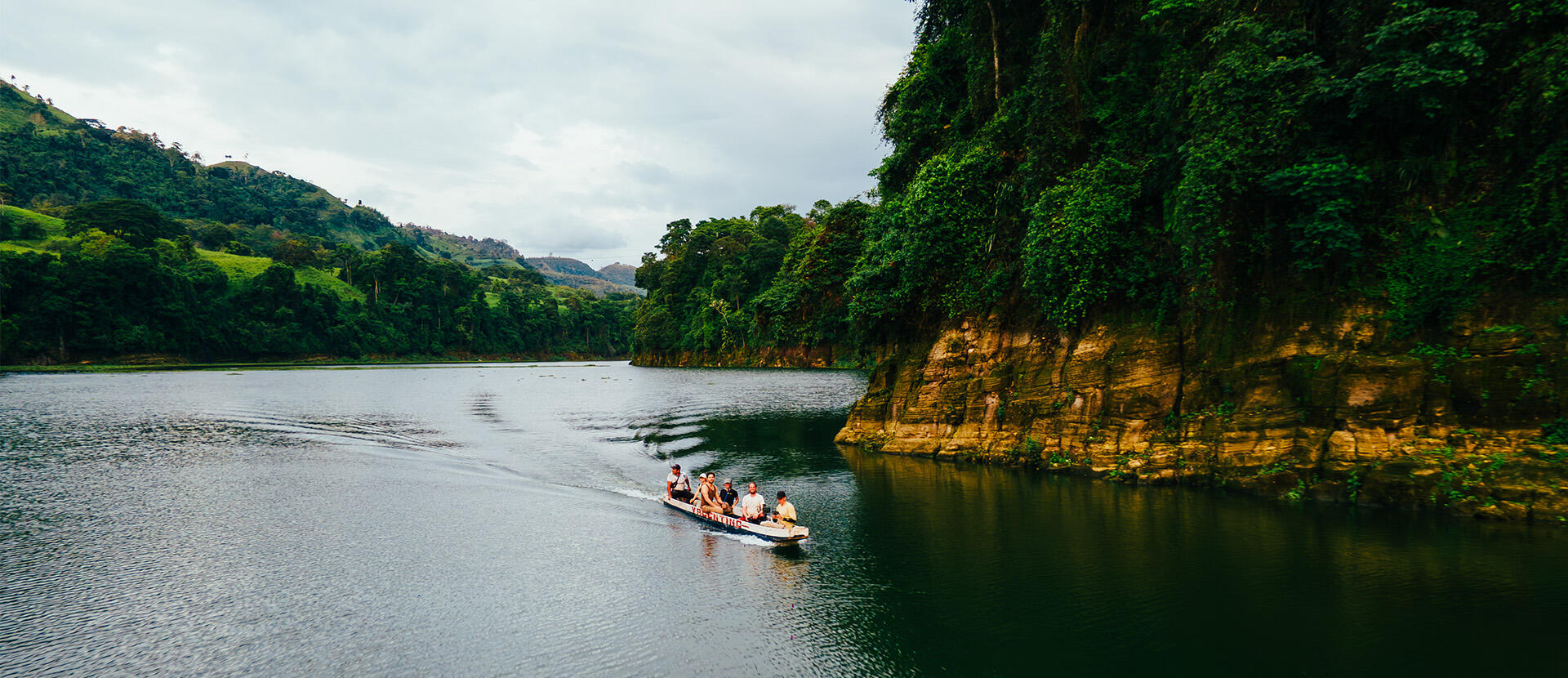
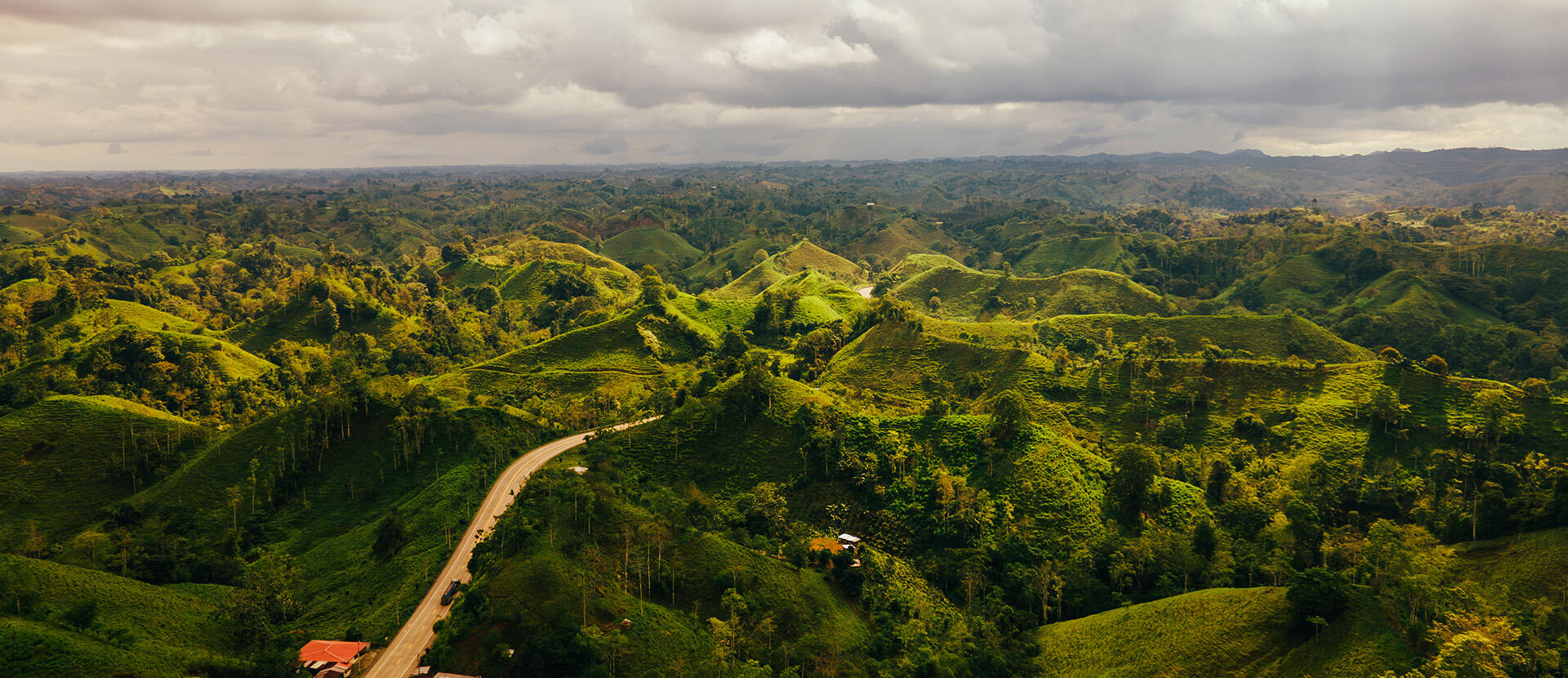
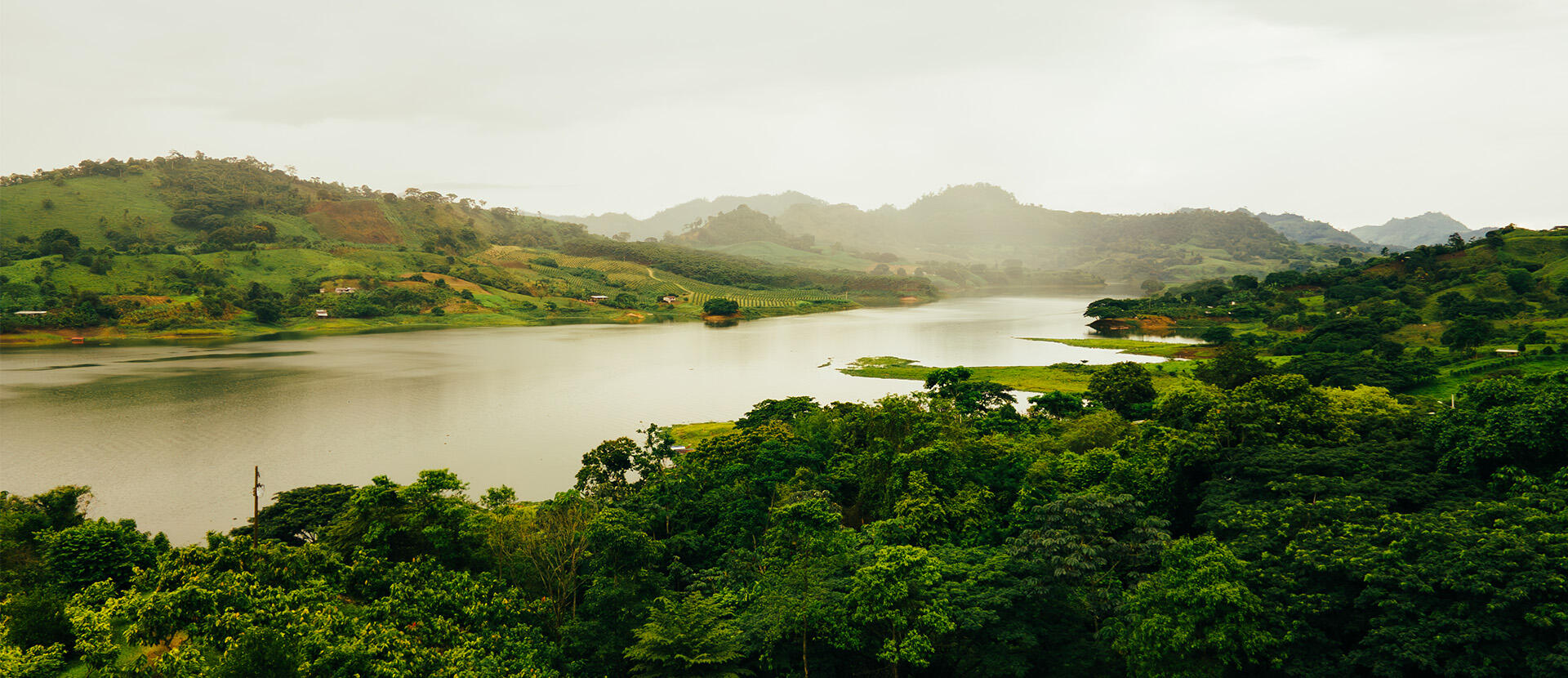
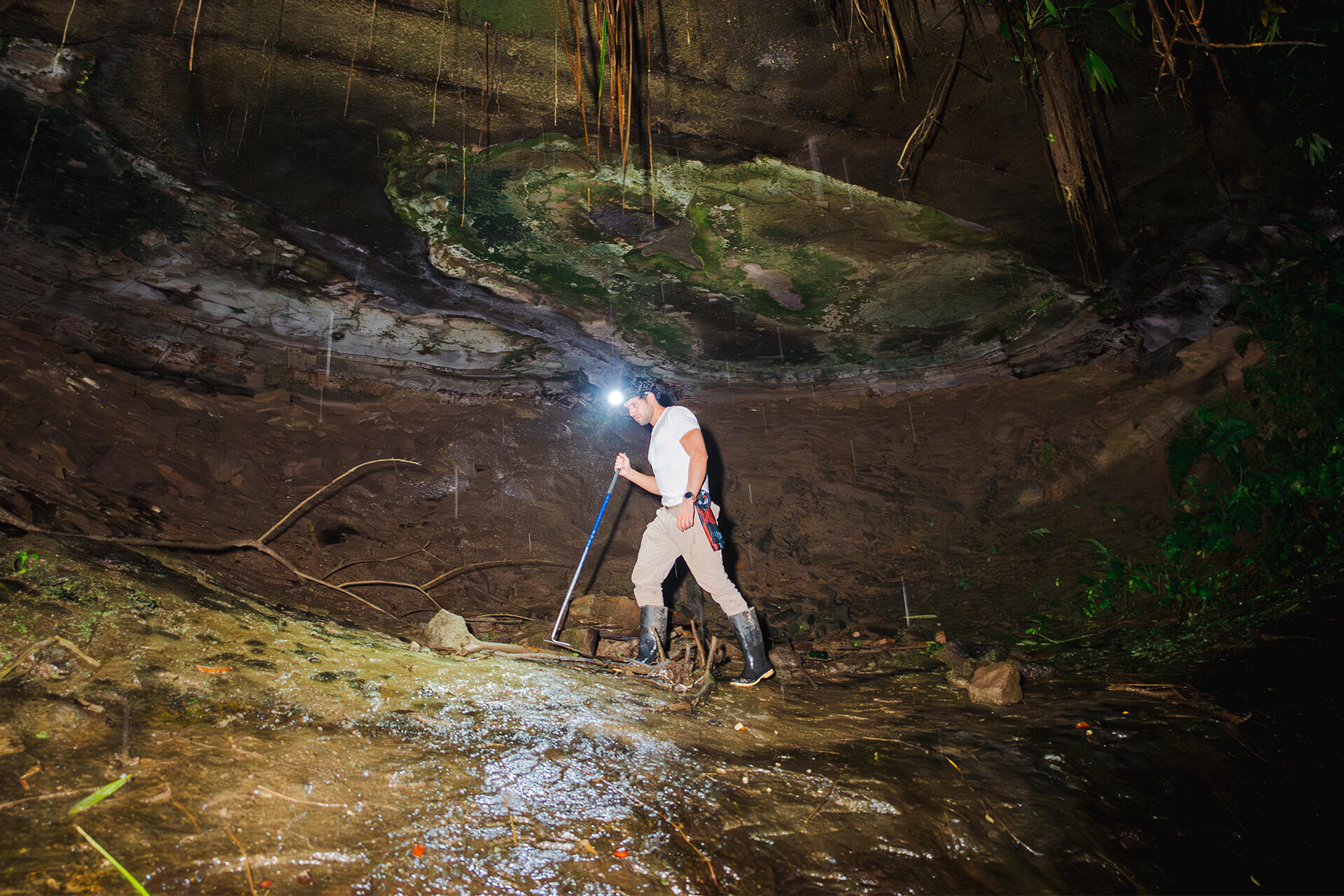
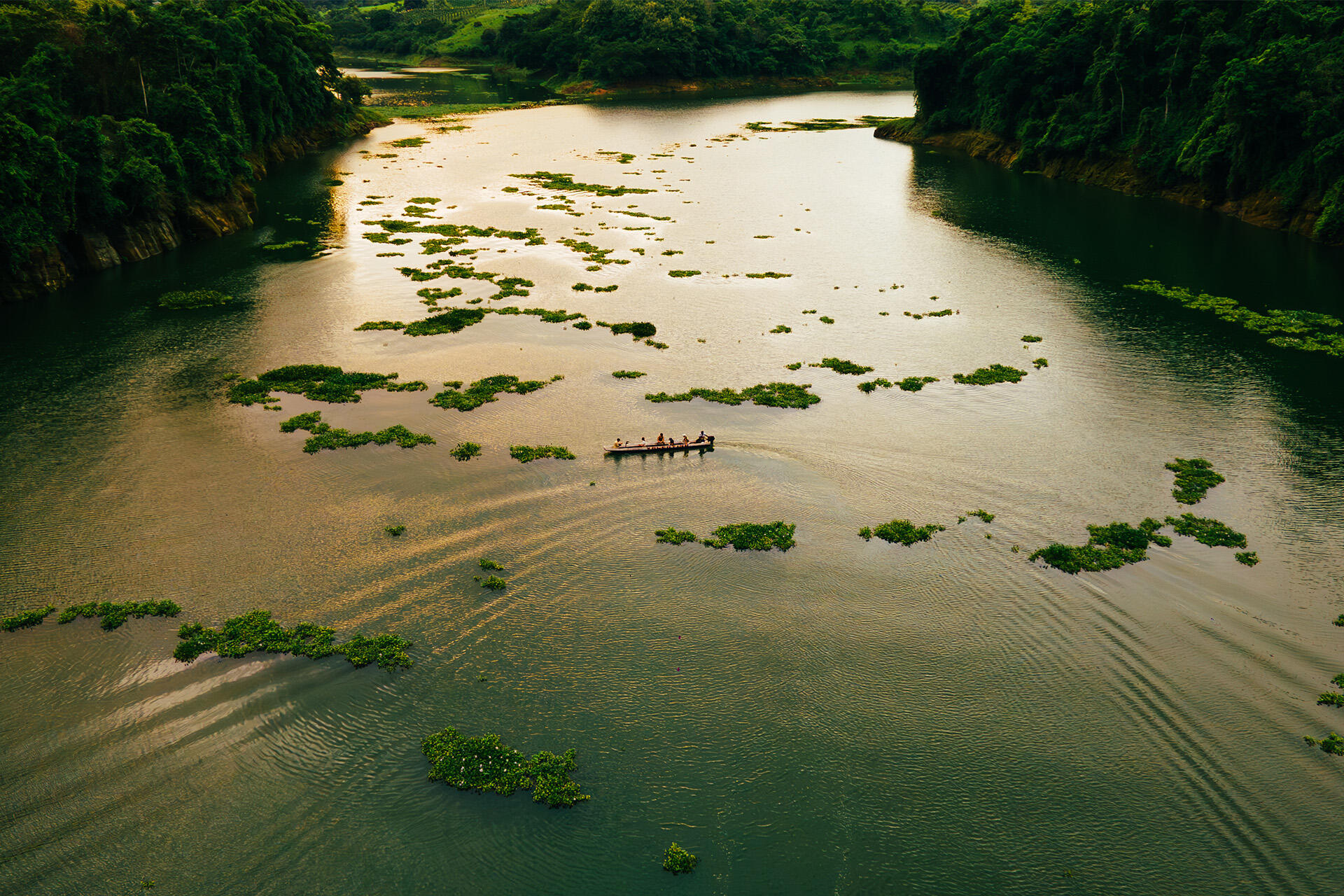
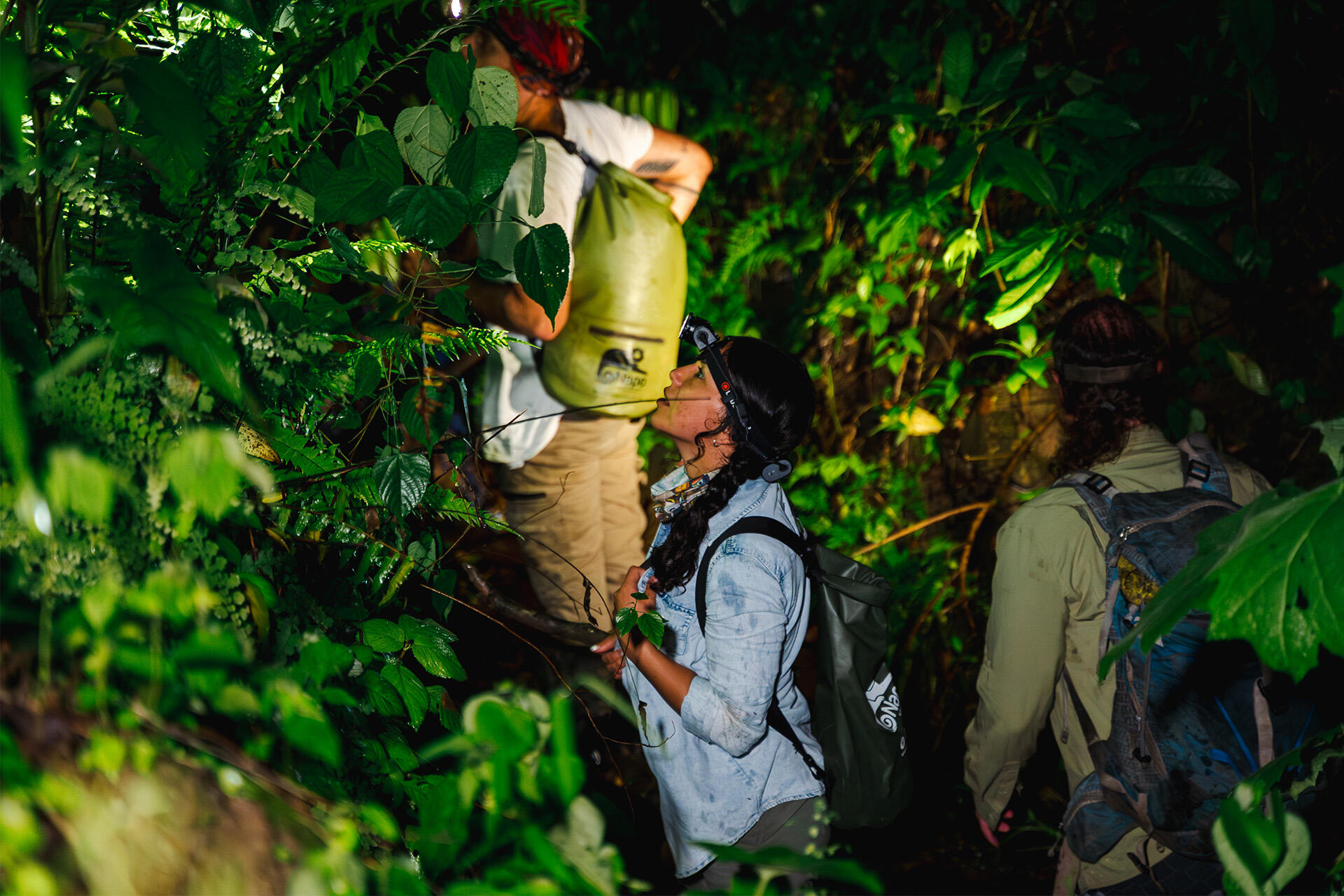
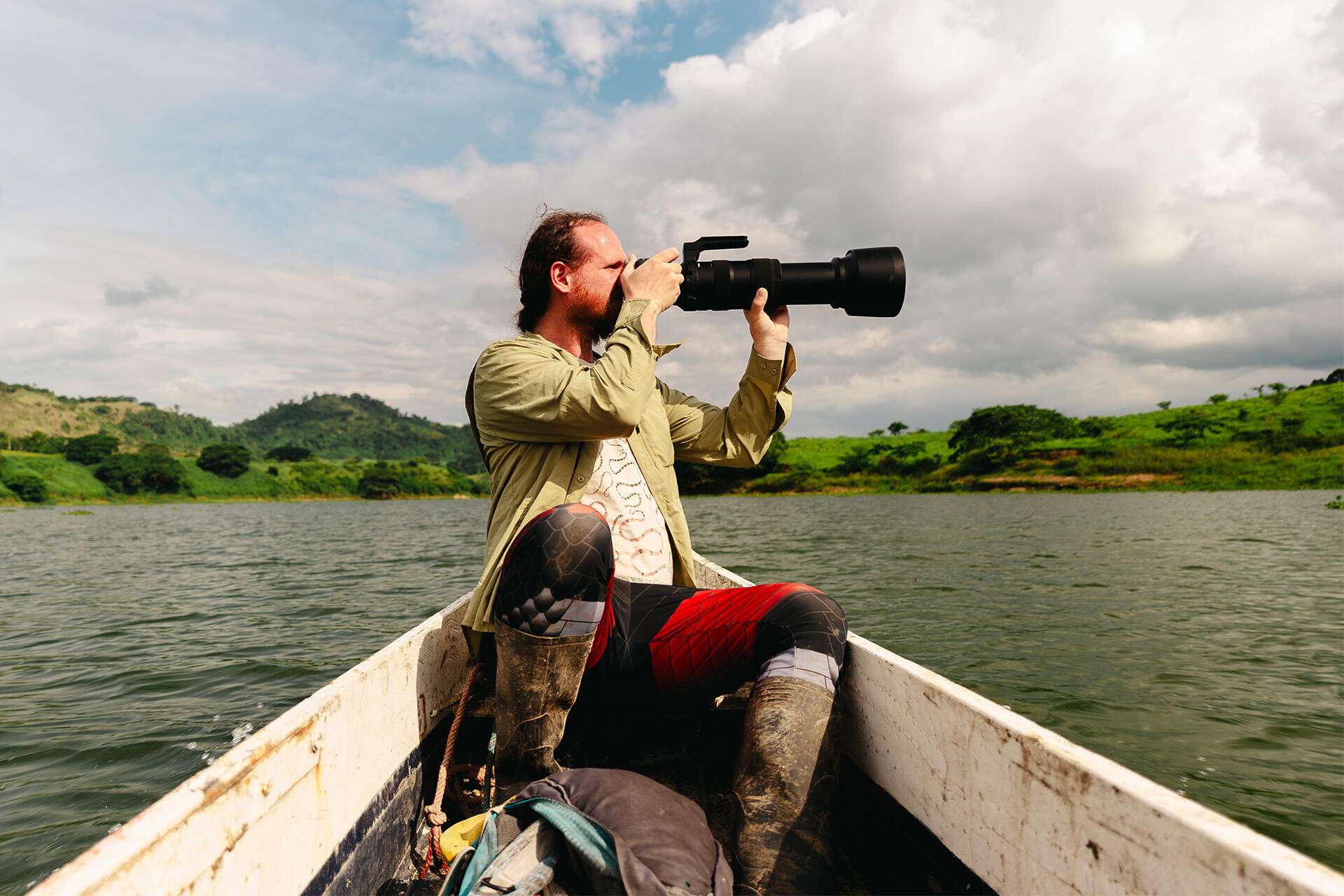
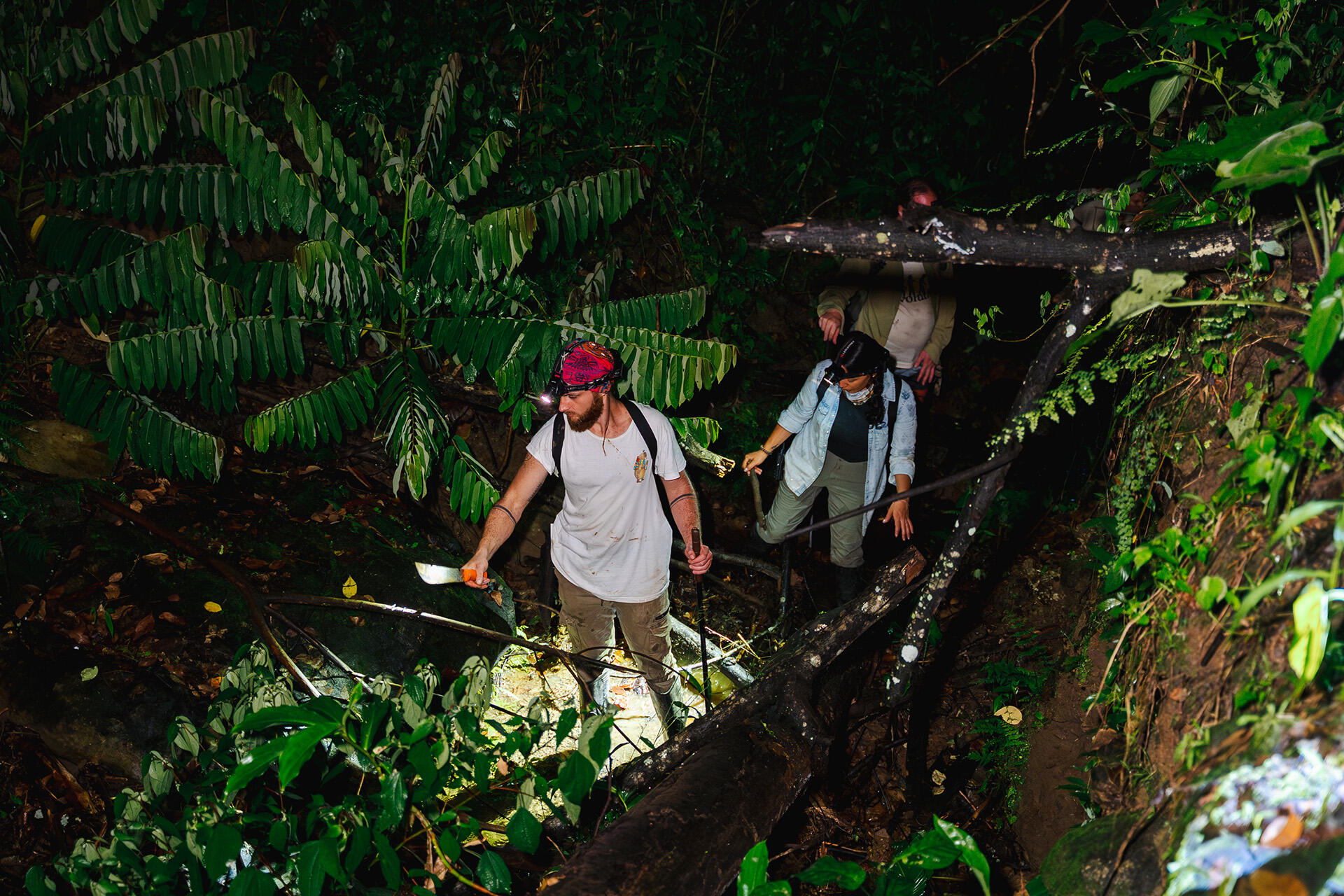
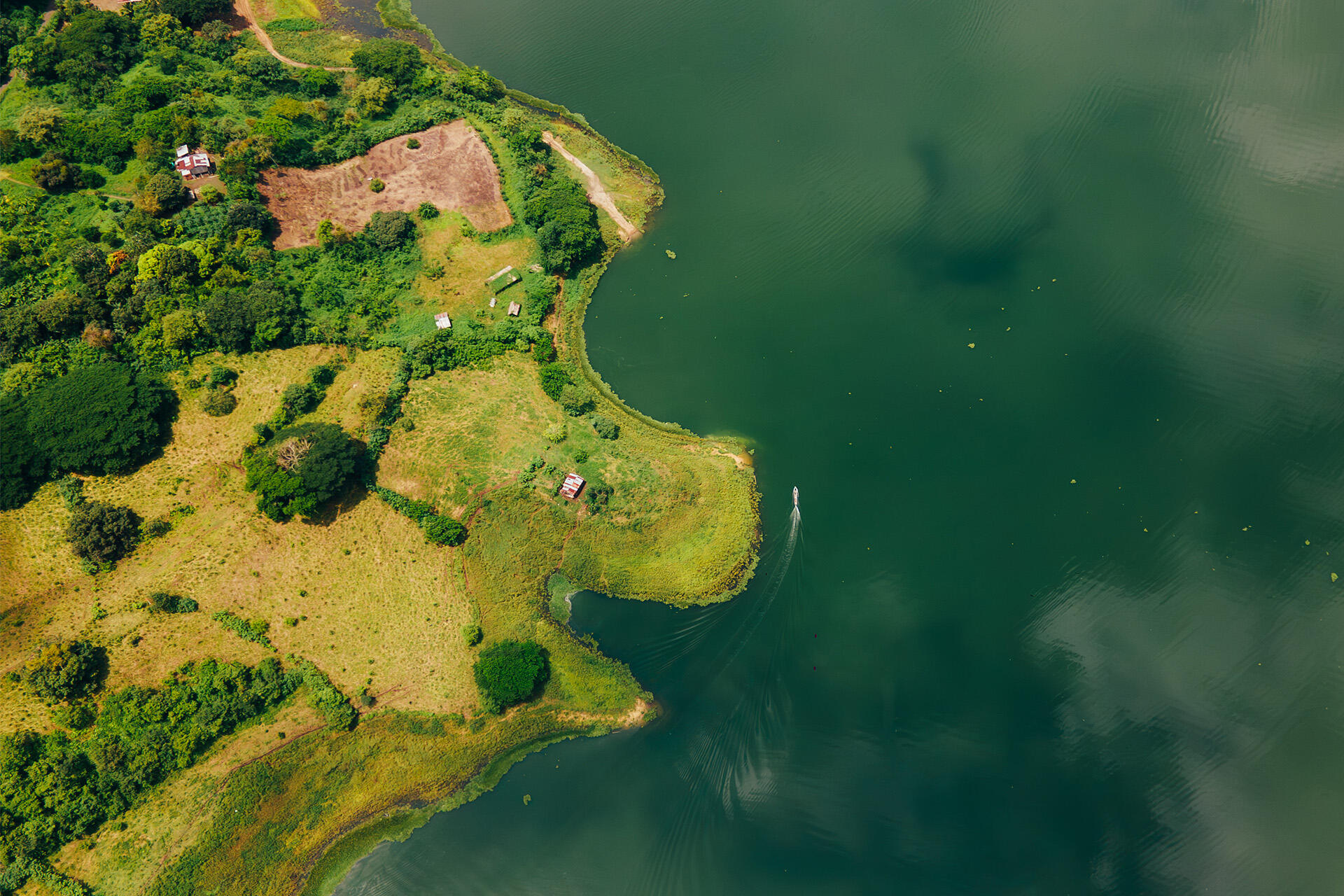
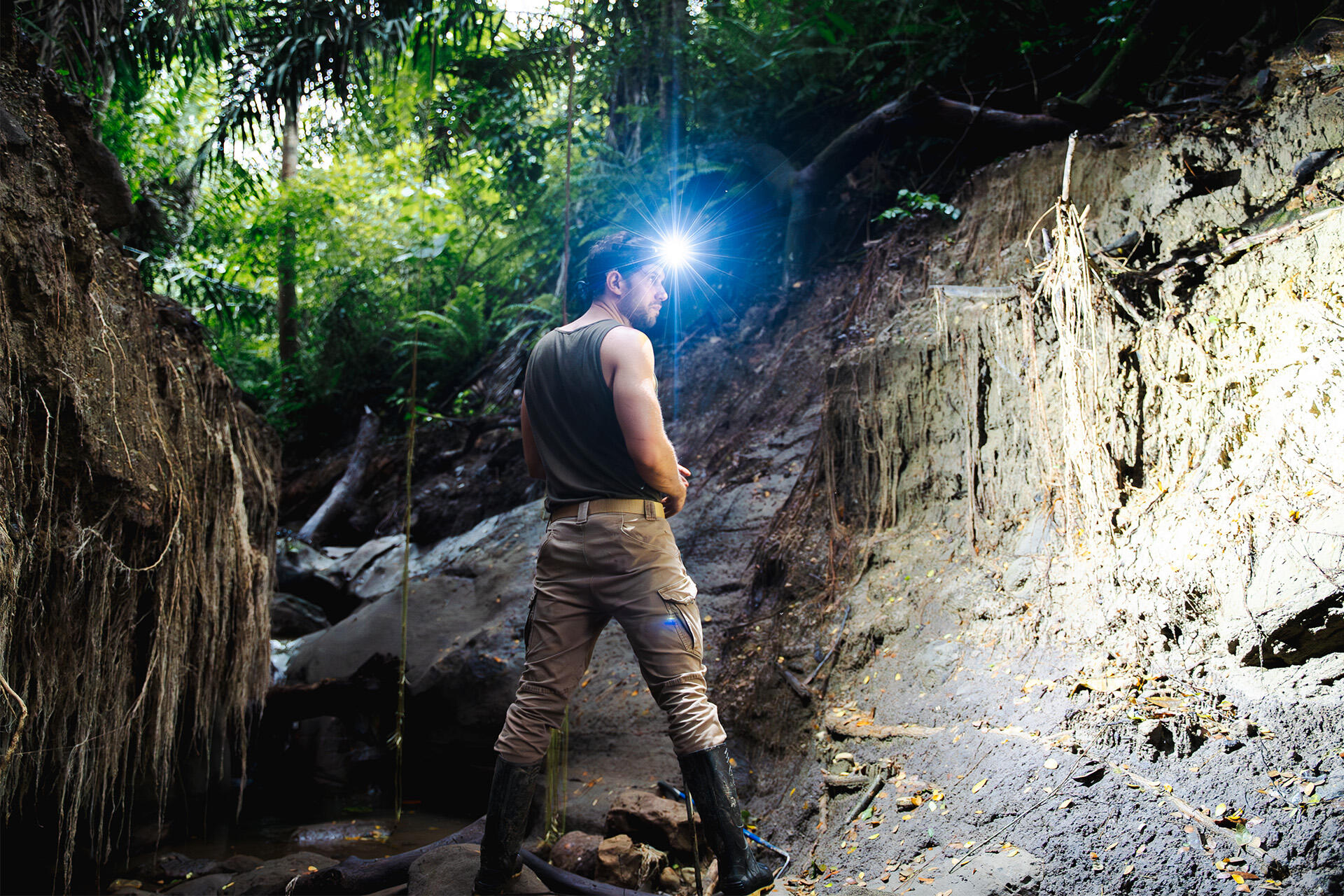
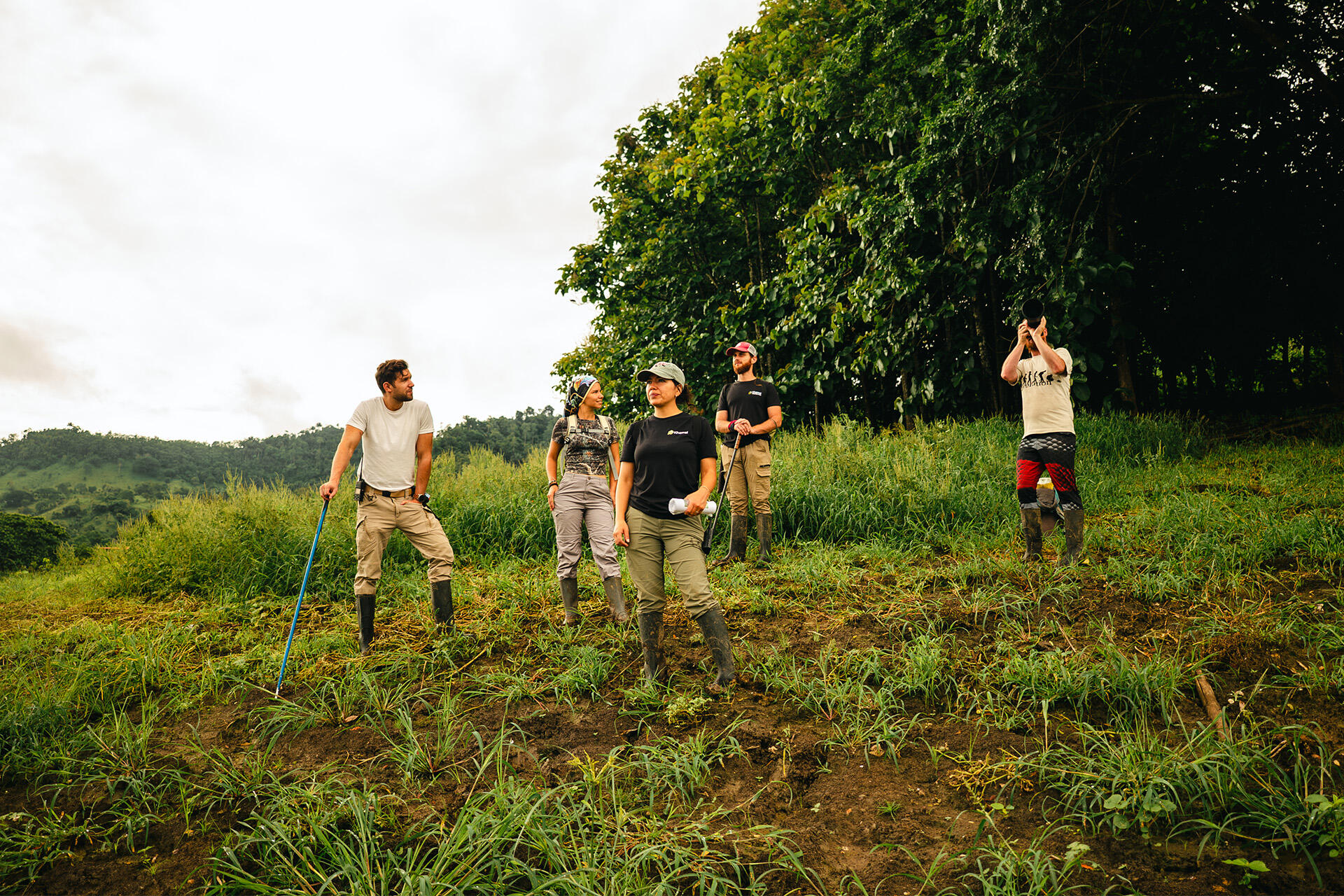
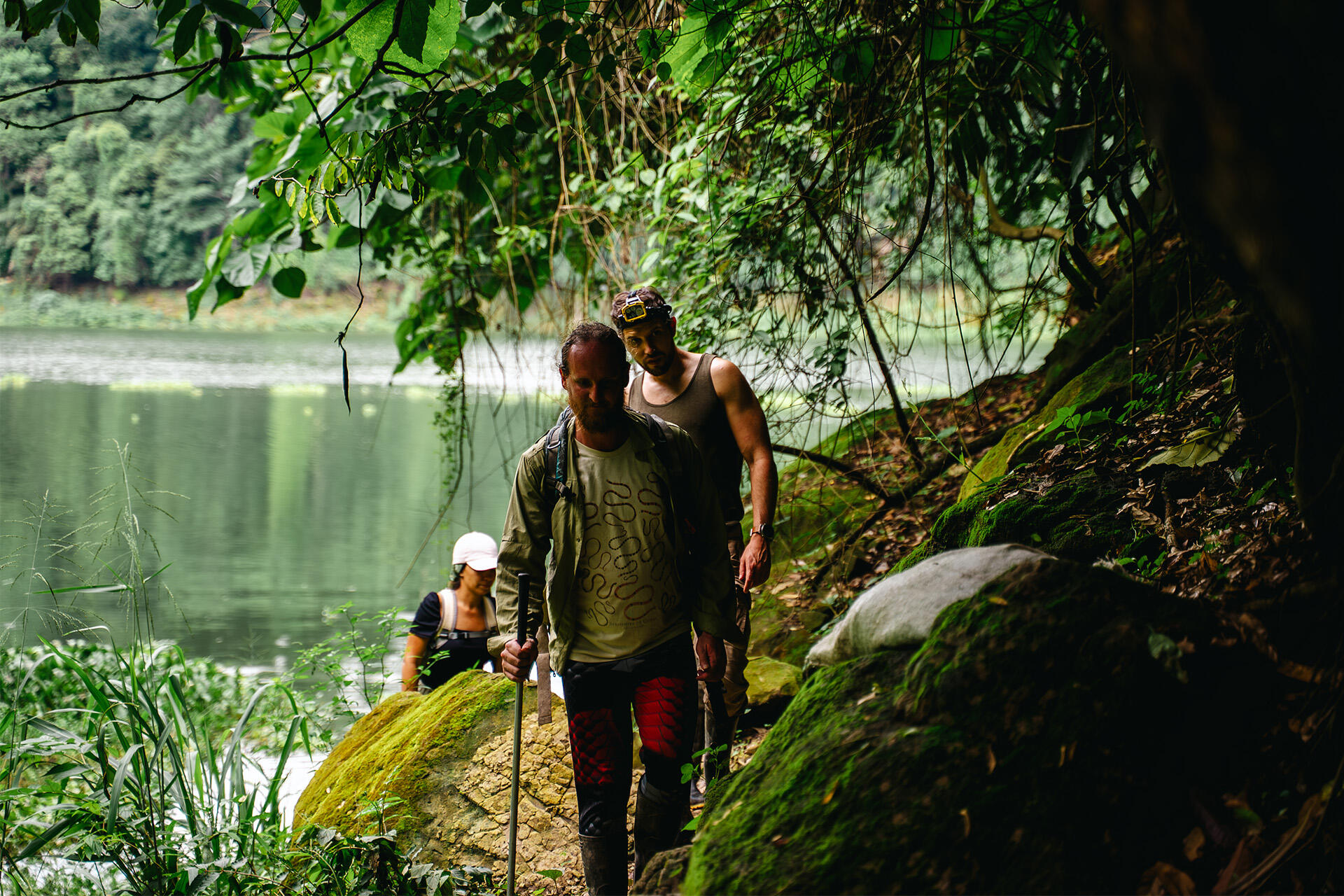
That’s what the experts from the Khamai Foundation have been up to, venturing into Manabí province in the coastal region of Ecuador to track down the Ecuadorian dwarf boa (Tropidophis gularis). It’s considered to be one of the rarest serpents in the world, and possibly extinct –  in fact, fewer than 10 people alive have ever seen one!

We lent our support to this project through our Conservation Fund small grants programme. They were one of six successful applicants we supported in 2025/6, for the Year of the Snake, that focused on conservation for IUCN Red List Threatened and Data Deficient snakes.

The research team was led by Alejandro Arteaga, a young biologist who has helped to discover and describe 35 new animal species, and rediscover 10 reptile and amphibian species that were presumed extinct.

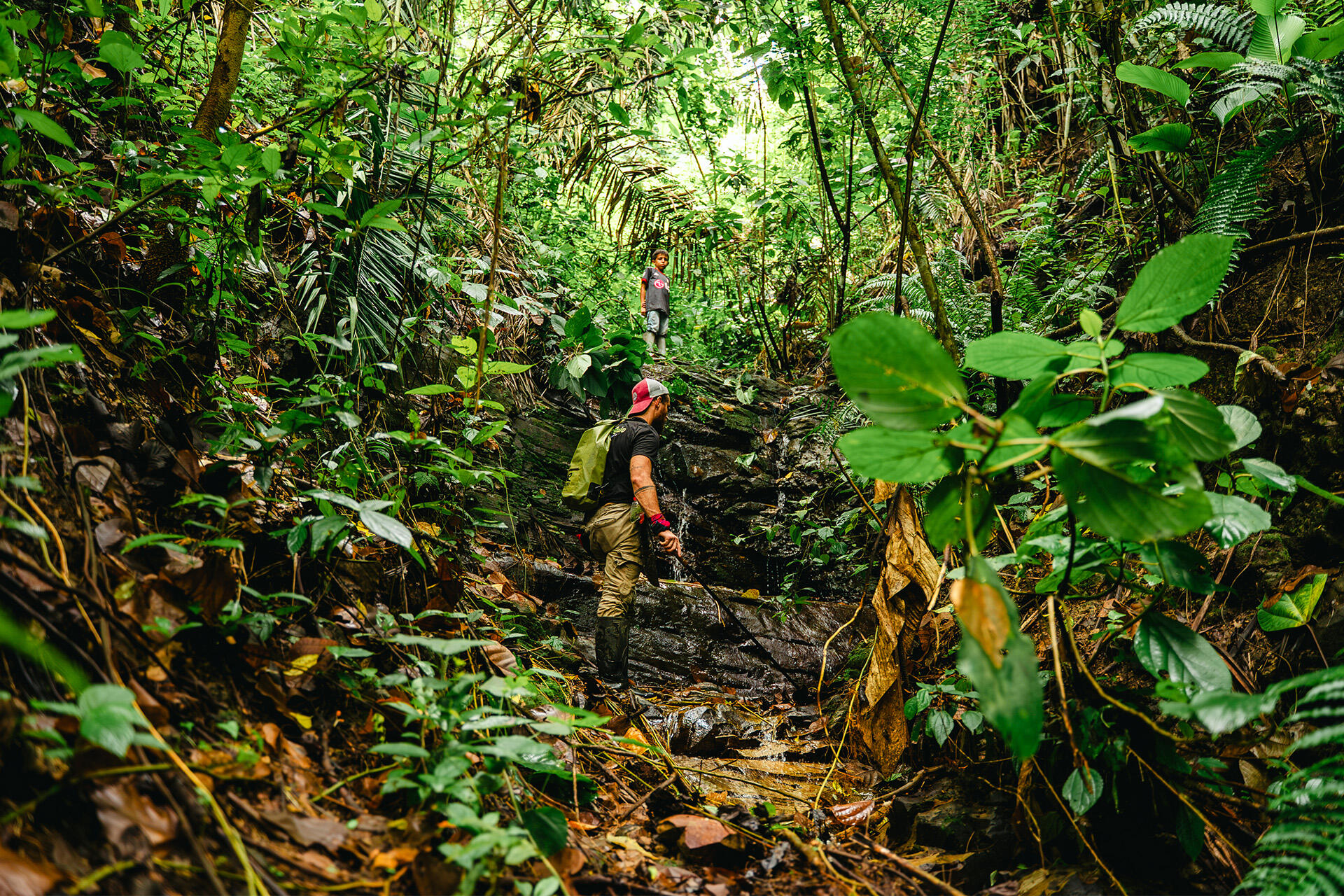
This snake is small (around 35cm), semi-aquatic, and is known to inhabit seasonally flooded swamps and creeks. To assist with their search, the team first targeted areas where the boa was known or rumoured to have been seen in the past. 

Video

The Search for the Ecuadorian Dwarf Boa

Watch the Khamai Foundation's documentary of our “week in the mud” searching for this snake.

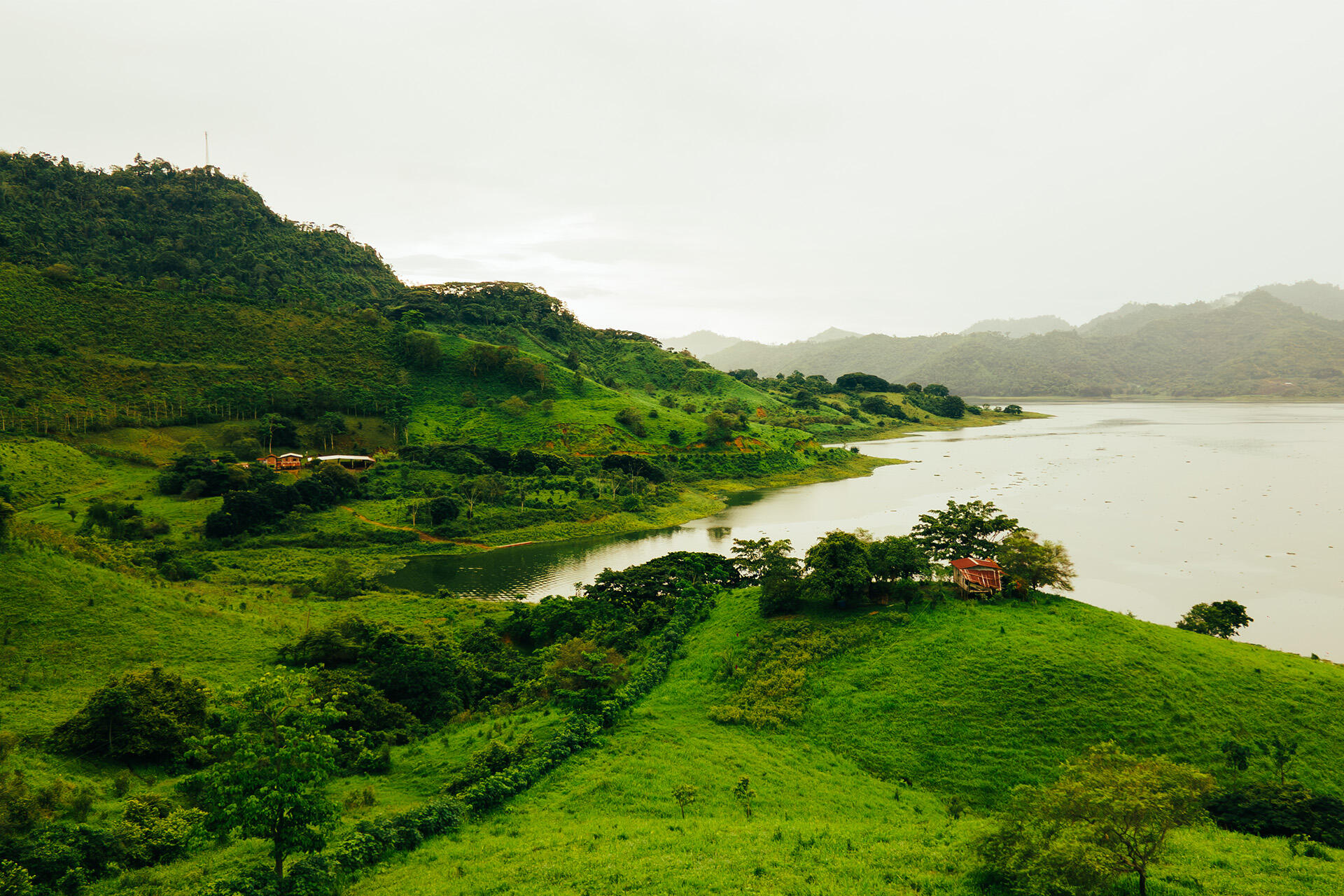
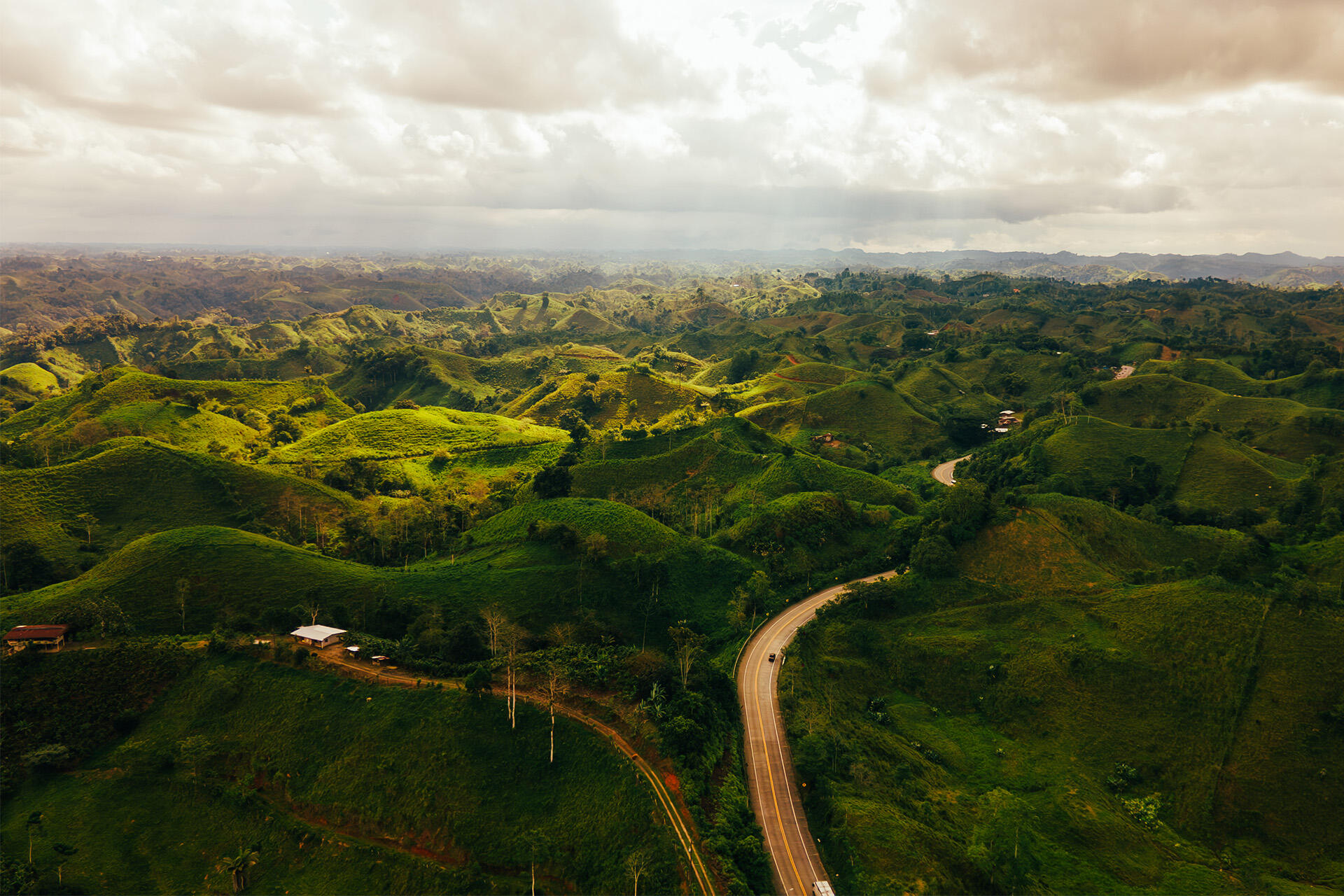
The last recorded sighting and photograph of the boa was taken thirty years ago in 1998. Since then, much of its habitat has been destroyed, yet vital forest fragments remain. Despite weeks of searching suitable wild habitats, and sighting a myriad of other stunning species like basilisk lizards which can run on water, unfortunately the survey team did not find the target species.   

While this particular expedition did not lead to a confirmed sighting of the boa, it will help to narrow down locations for searches in the future. The team have also left brochures and information with locals, and are looking to embark on an awareness campaign through social media to encourage tips about potential sightings.

If future searches are successful, a project to create an insurance population of the species would be planned.

You help to support conservation work in New Zealand and around the world every time you visit the Zoo!