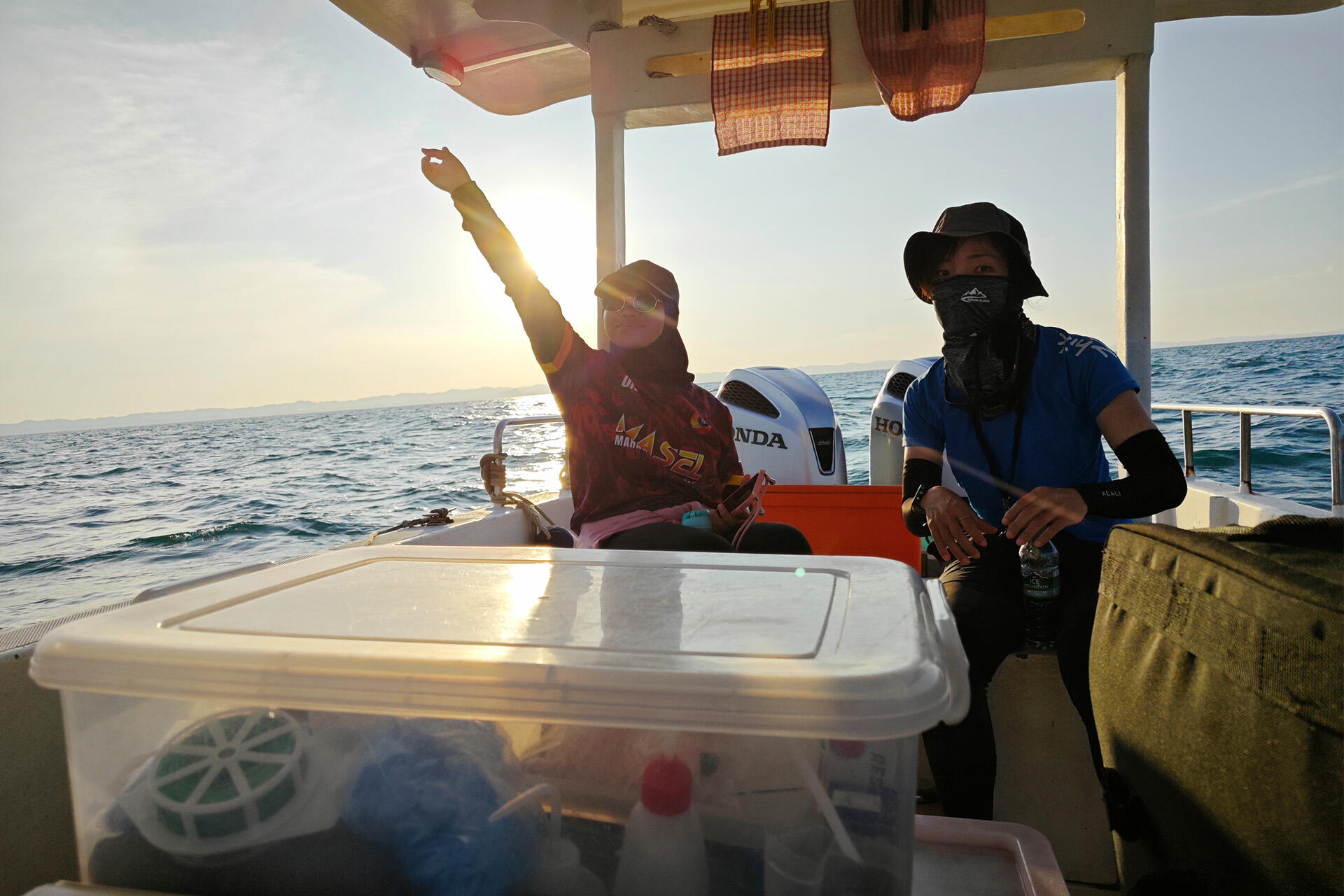
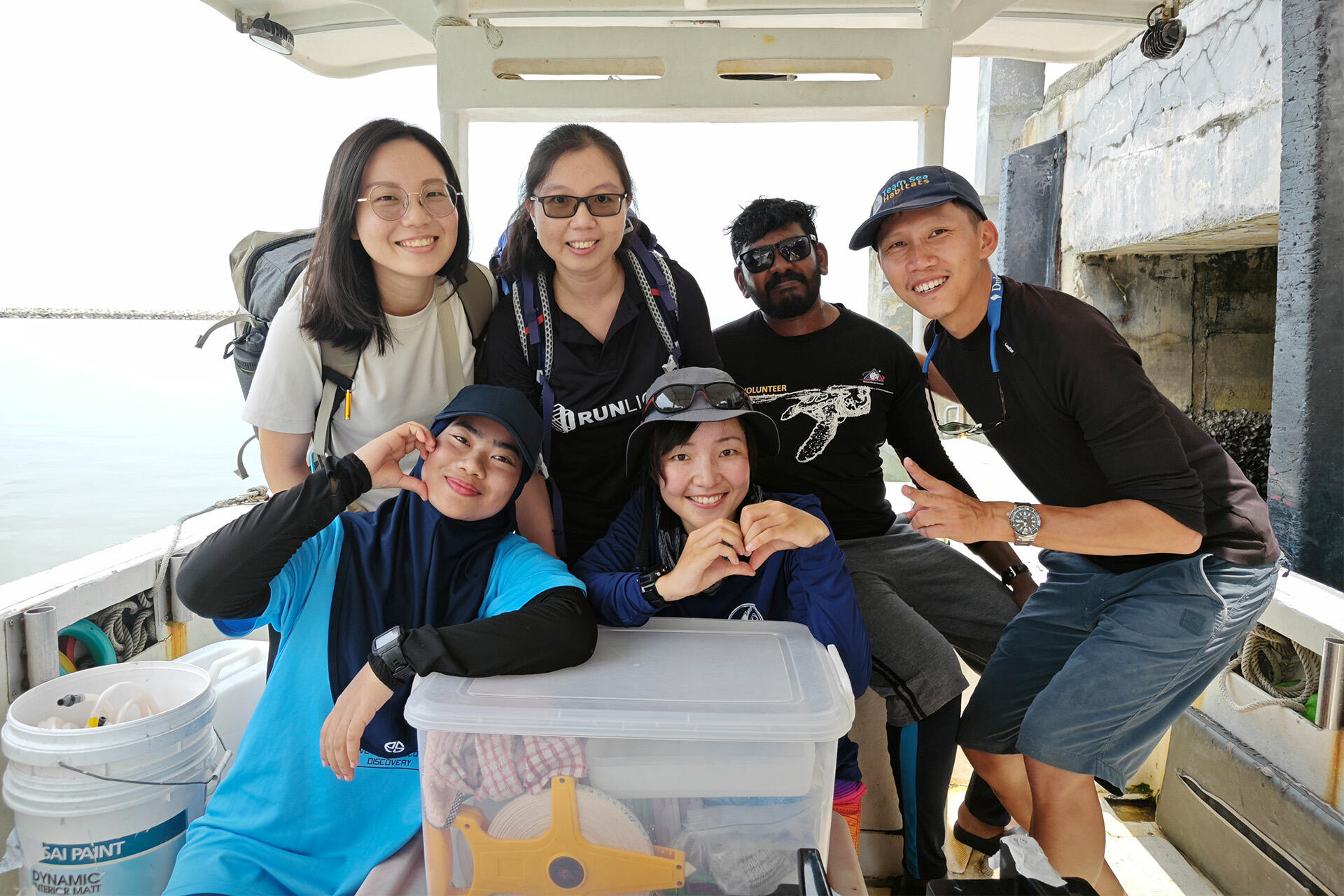
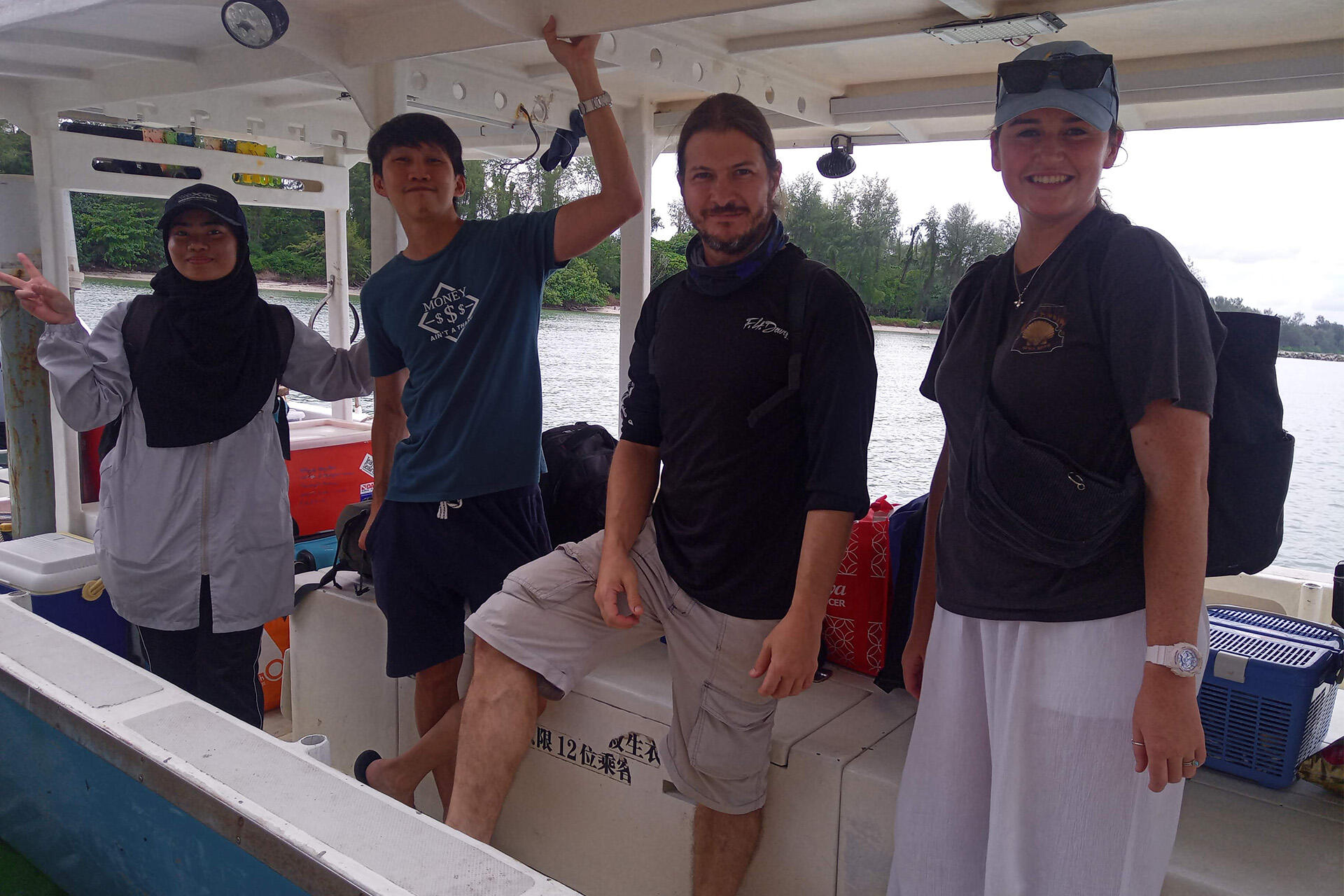
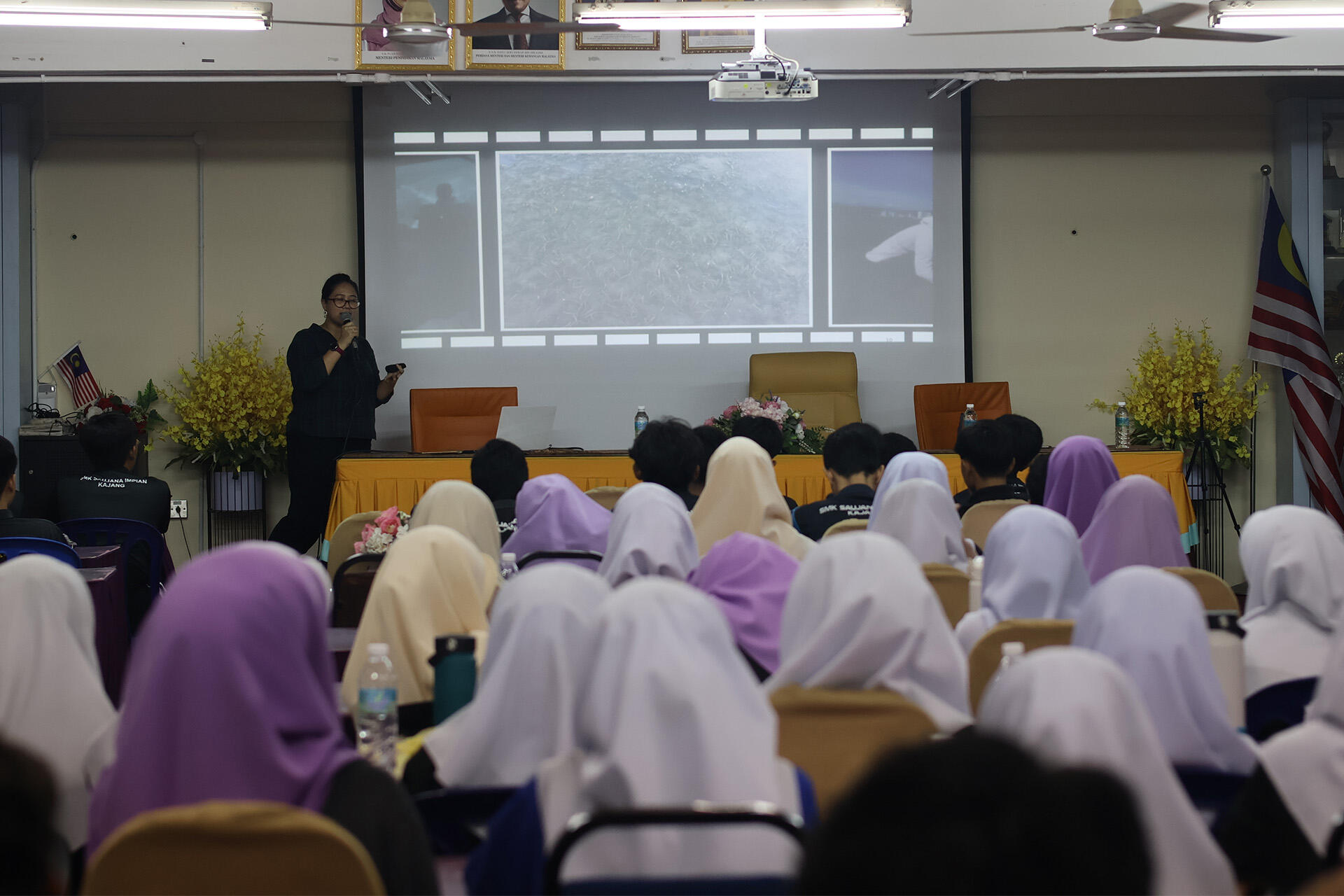
Marine ecologist Harris Wei-Khang Heng is attempting to fill this knowledge gap by leading an innovative new project, with support from the Auckland Zoo Conservation Fund small grants programme. Working alongside partners from Universiti Malaya, the Malaysian Society of Marine Sciences, Kelab Alami, the University of Nottingham Malaysia, and the University of Queensland, the team is testing new, non-invasive ways to detect dugong in habitats where conventional monitoring methods are more limited.
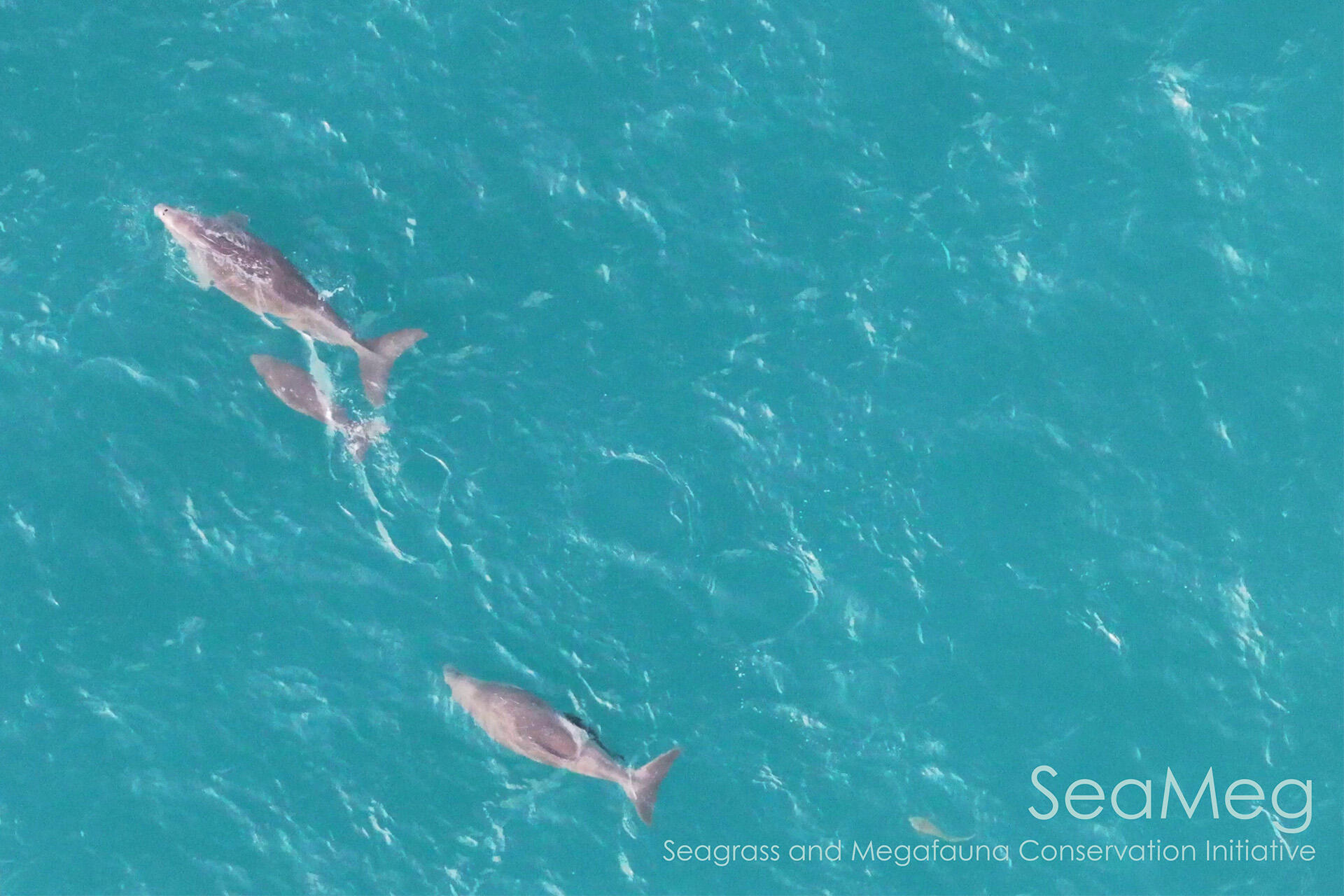
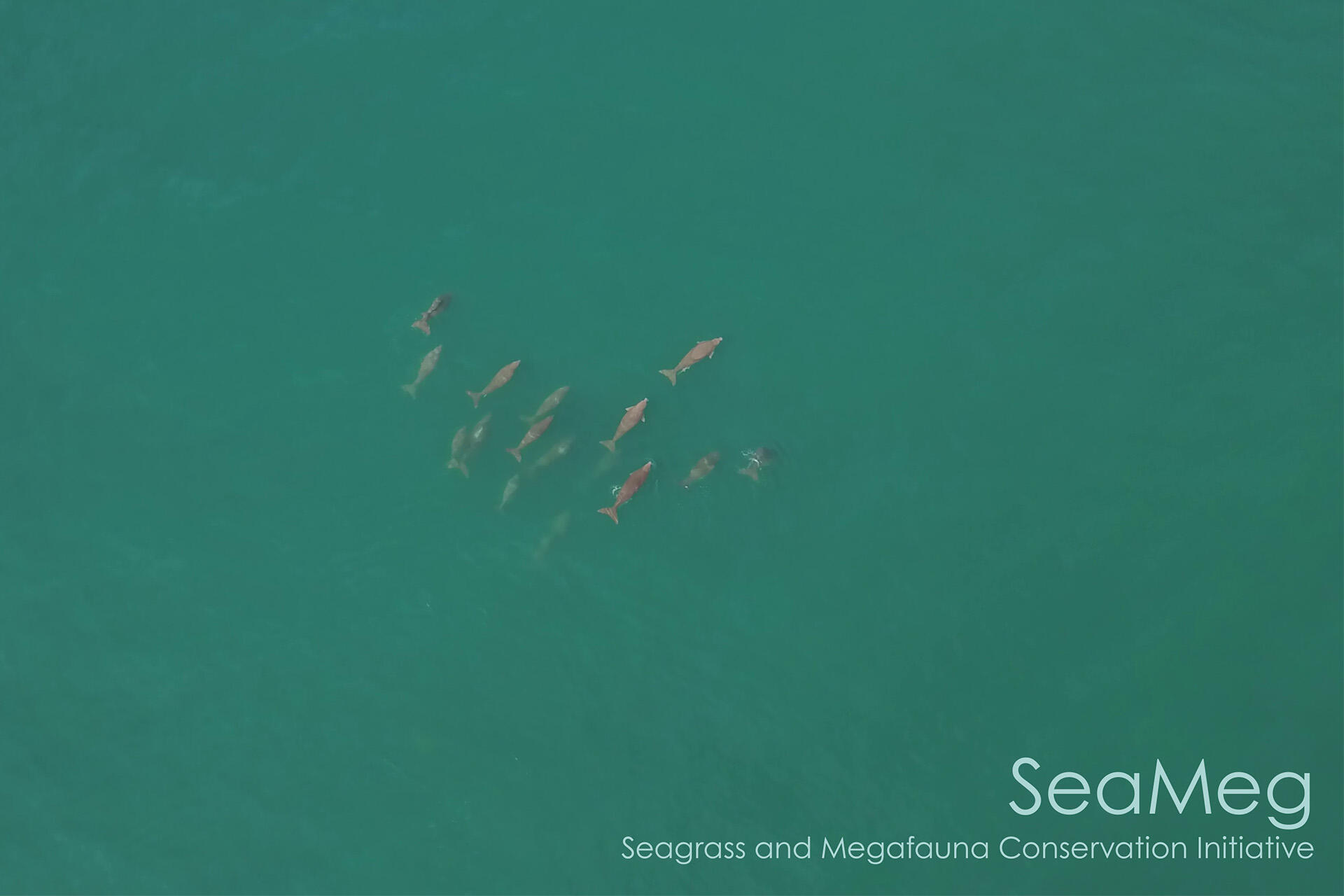
Dugong are classified as vulnerable globally and endangered in Malaysia, yet little baseline information exists on how many remain or the travel corridors they use to get between seagrass meadows. Deep, low-visibility waters make them extremely difficult to spot, even from boats or aircraft! This really limits conservation planning and leaves many important habitats unidentified.
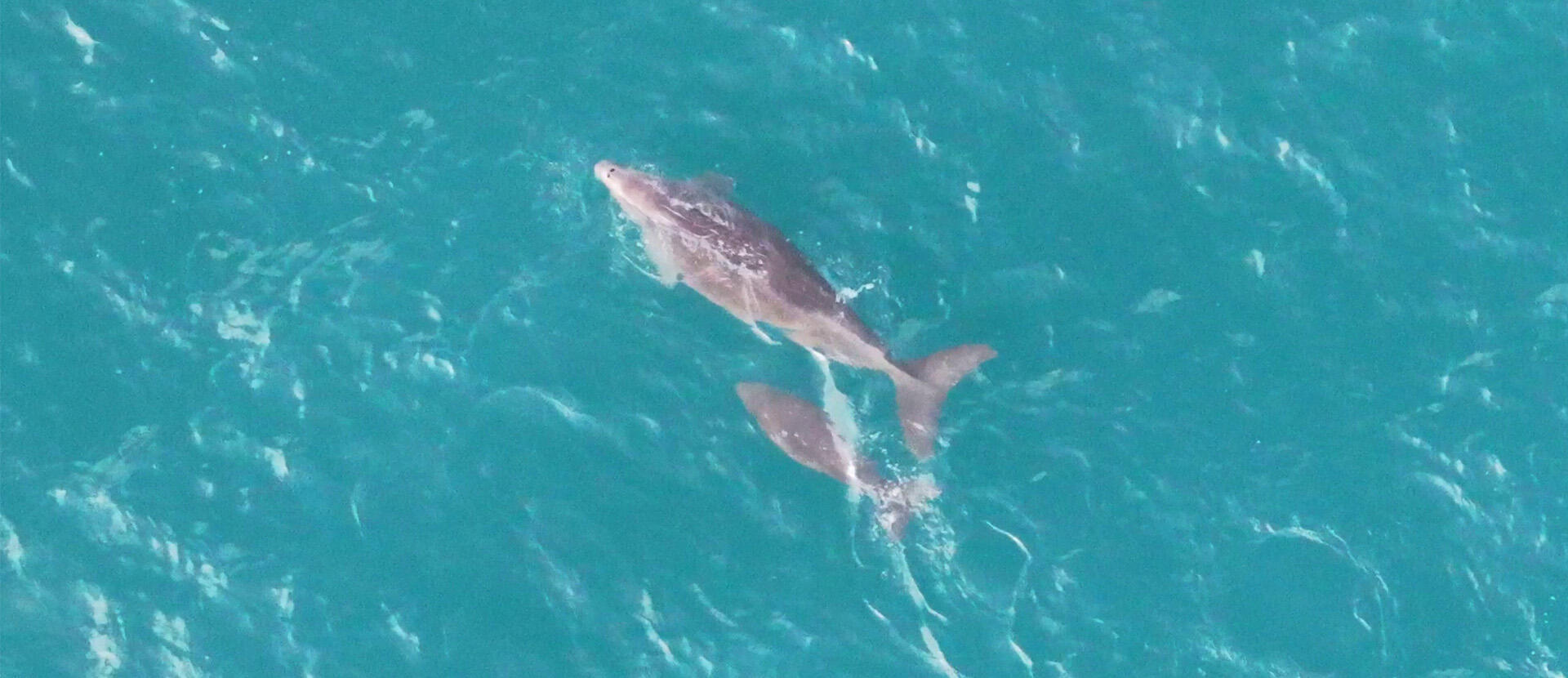
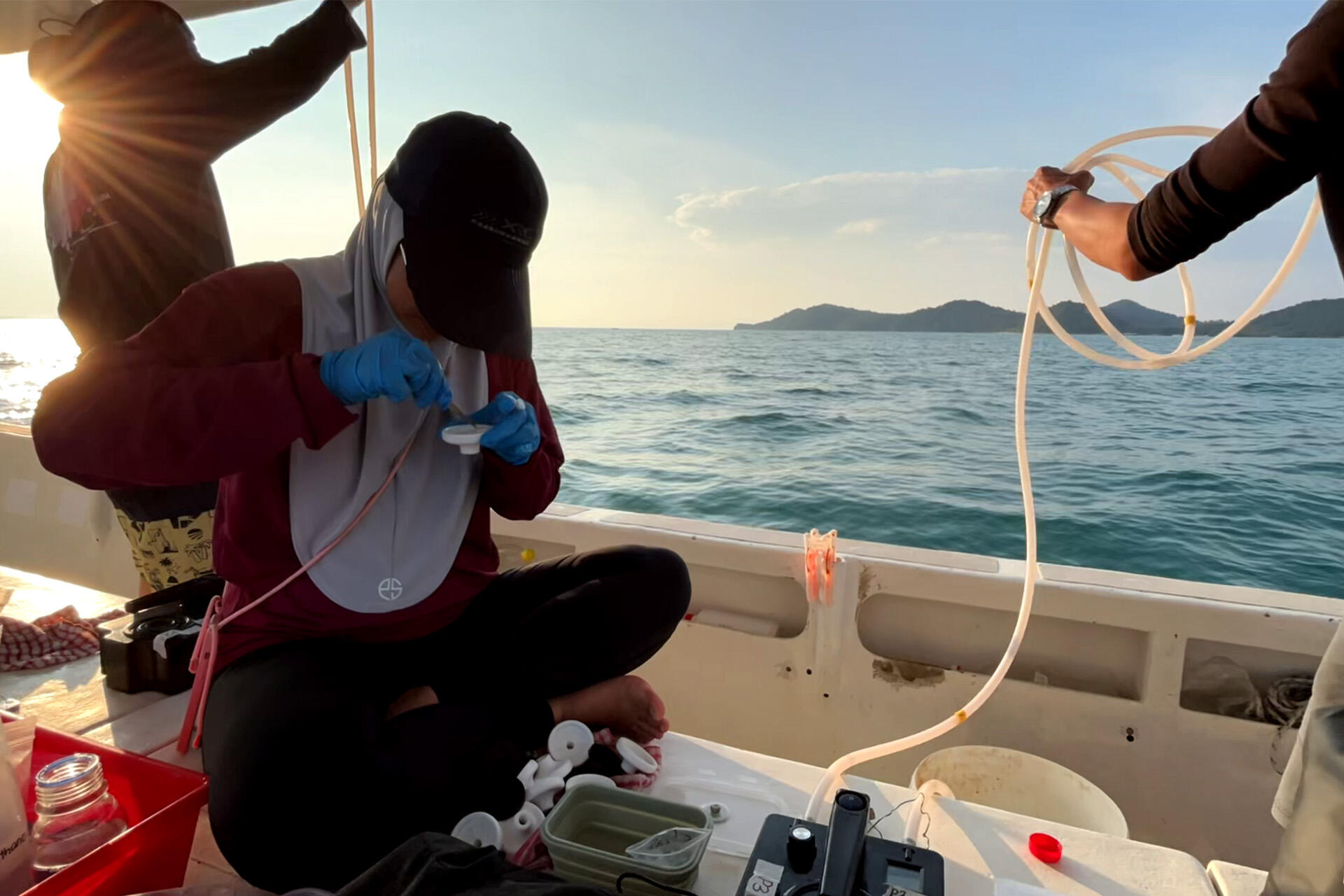
To overcome these challenges, the team combined drone surveys with environmental DNA (eDNA), which refers to tiny traces of genetic material that animals leave behind in the water. Across three field surveys, the researchers completed 114 aerial drone transects and collected 85 water samples, covering multiple seasons. A major breakthrough for the project was the successful detection of dugong using eDNA markers in natural conditions, which allowed the team to detect dugong even without visual confirmation!
These results made it possible to produce the first eDNA-based occupancy and detection estimates for dugong in Southeast Peninsular Malaysia, shining a new light on their secret lives. Alongside drone footage, the data will contribute to an updated dugong distribution map for the east coast of Johor and help guide the dugong and seagrass management plan in Johor, Malaysia.