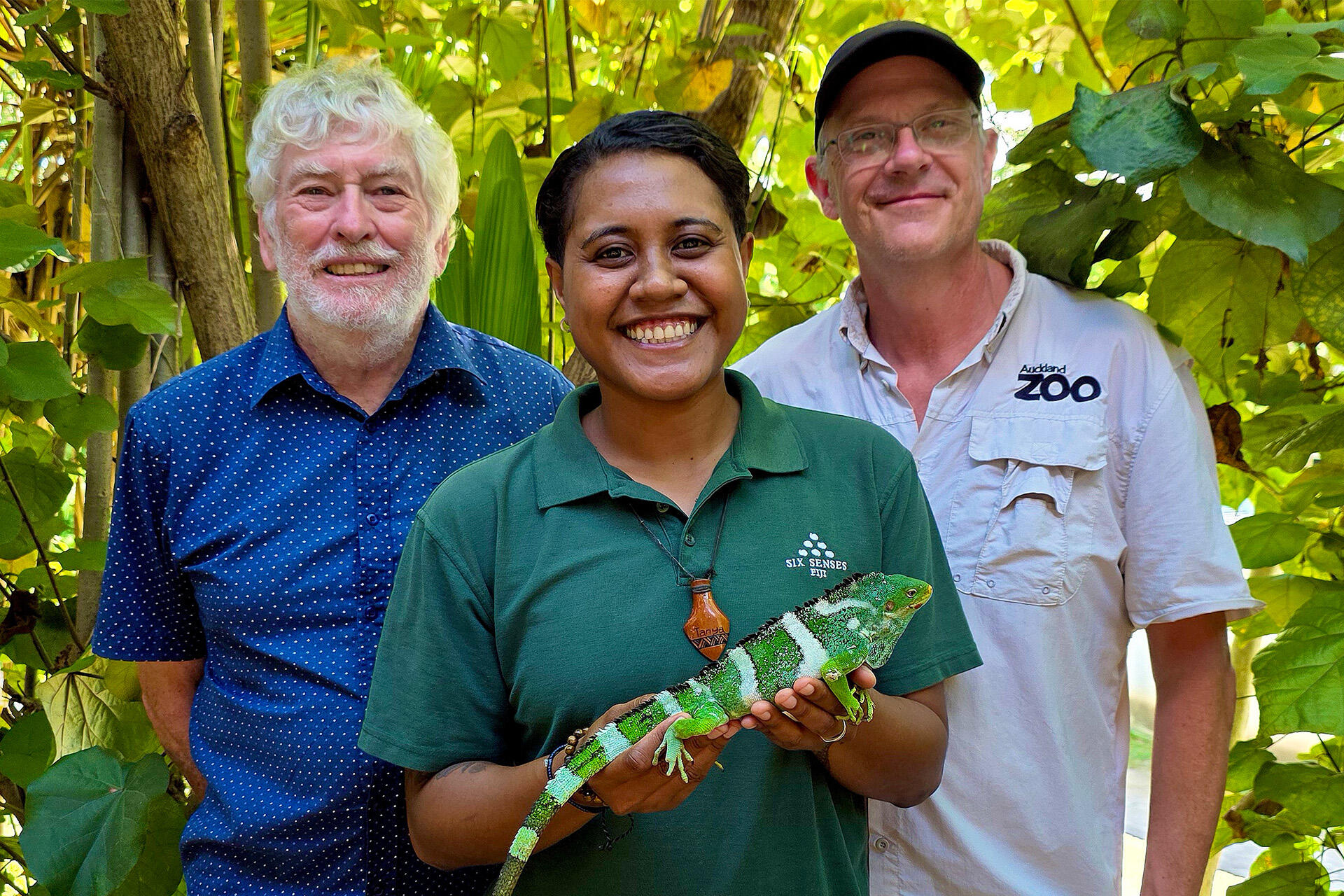

In early December 2025, our head of animal care and conservation, Richard Gibson, flew to Fiji to support an exciting new conservation project for Fijian crested iguanas. Here, he gives an account of this conservation in action.
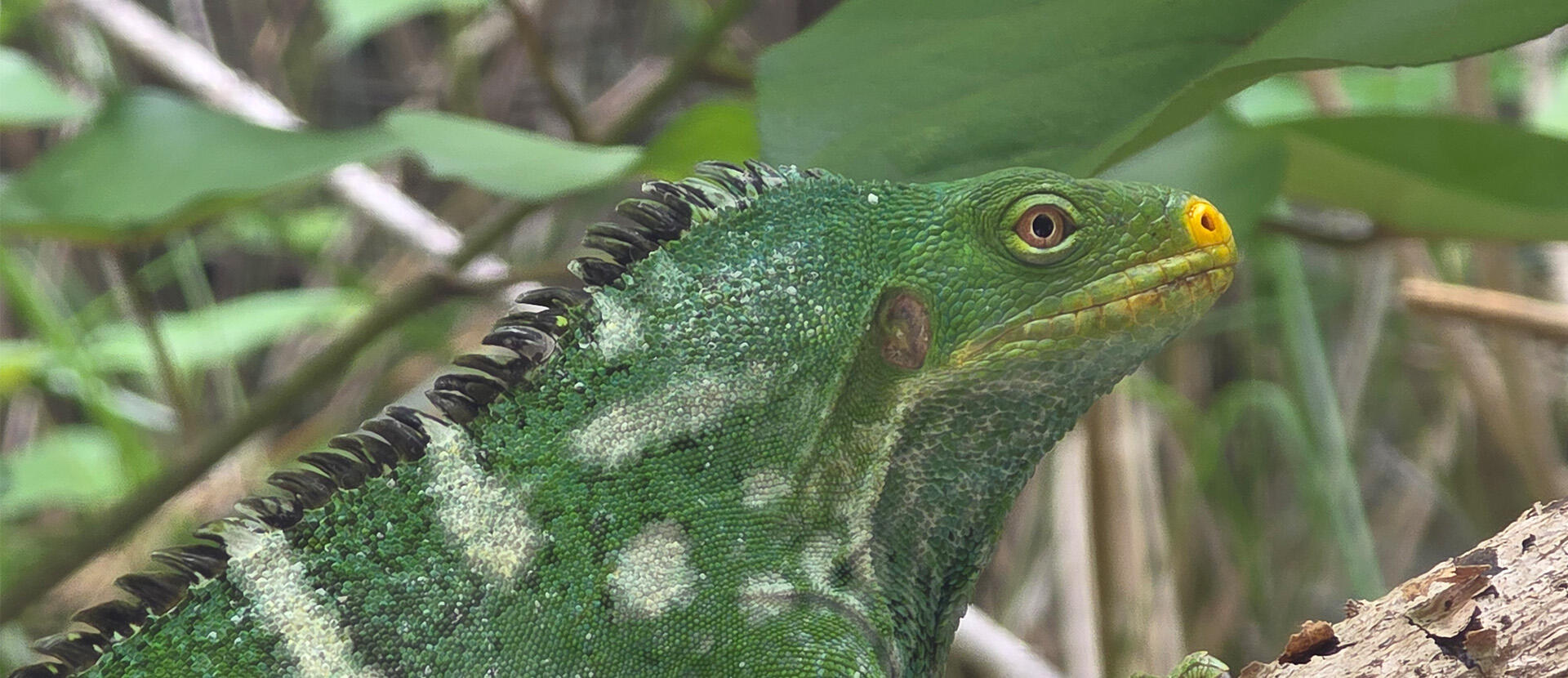
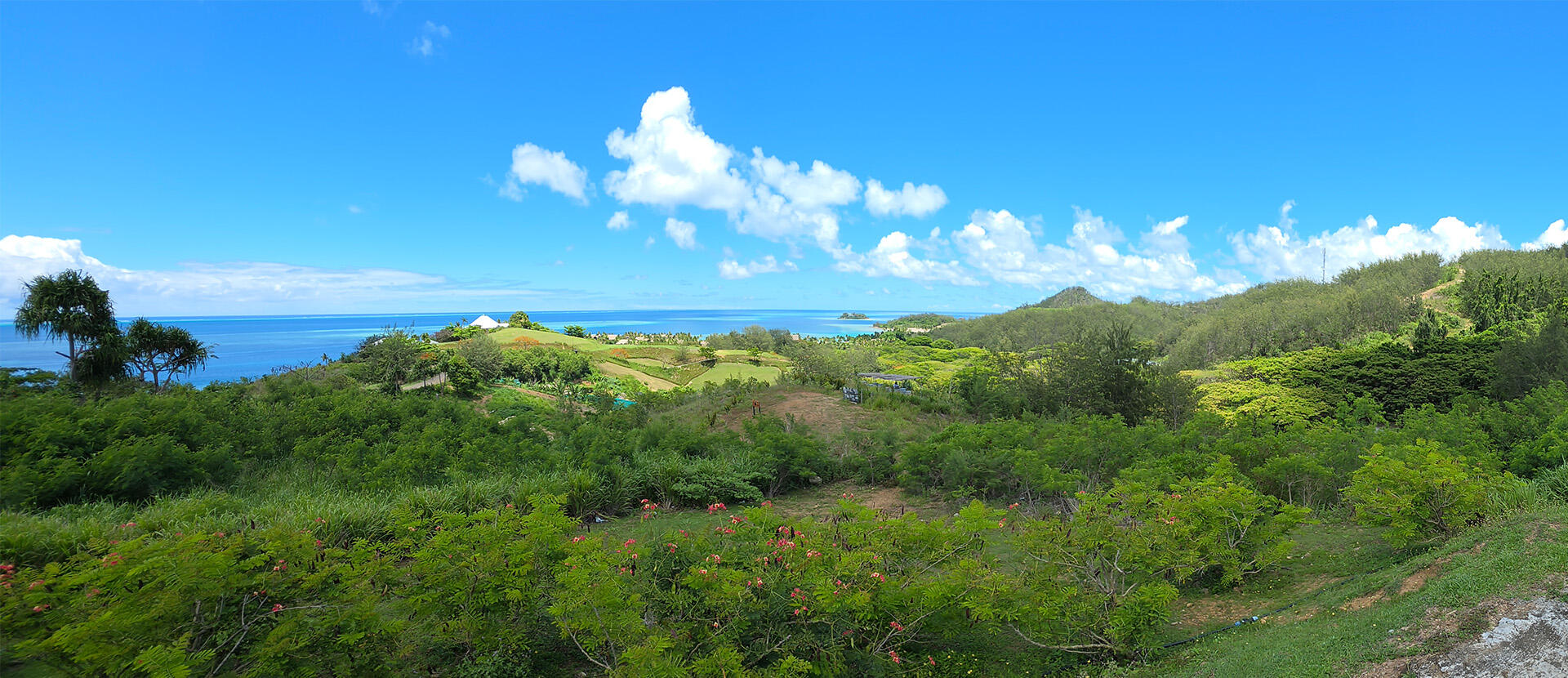
Critically endangered Fijian iguanas released onto island paradise
Richard Gibson, Auckland Zoo
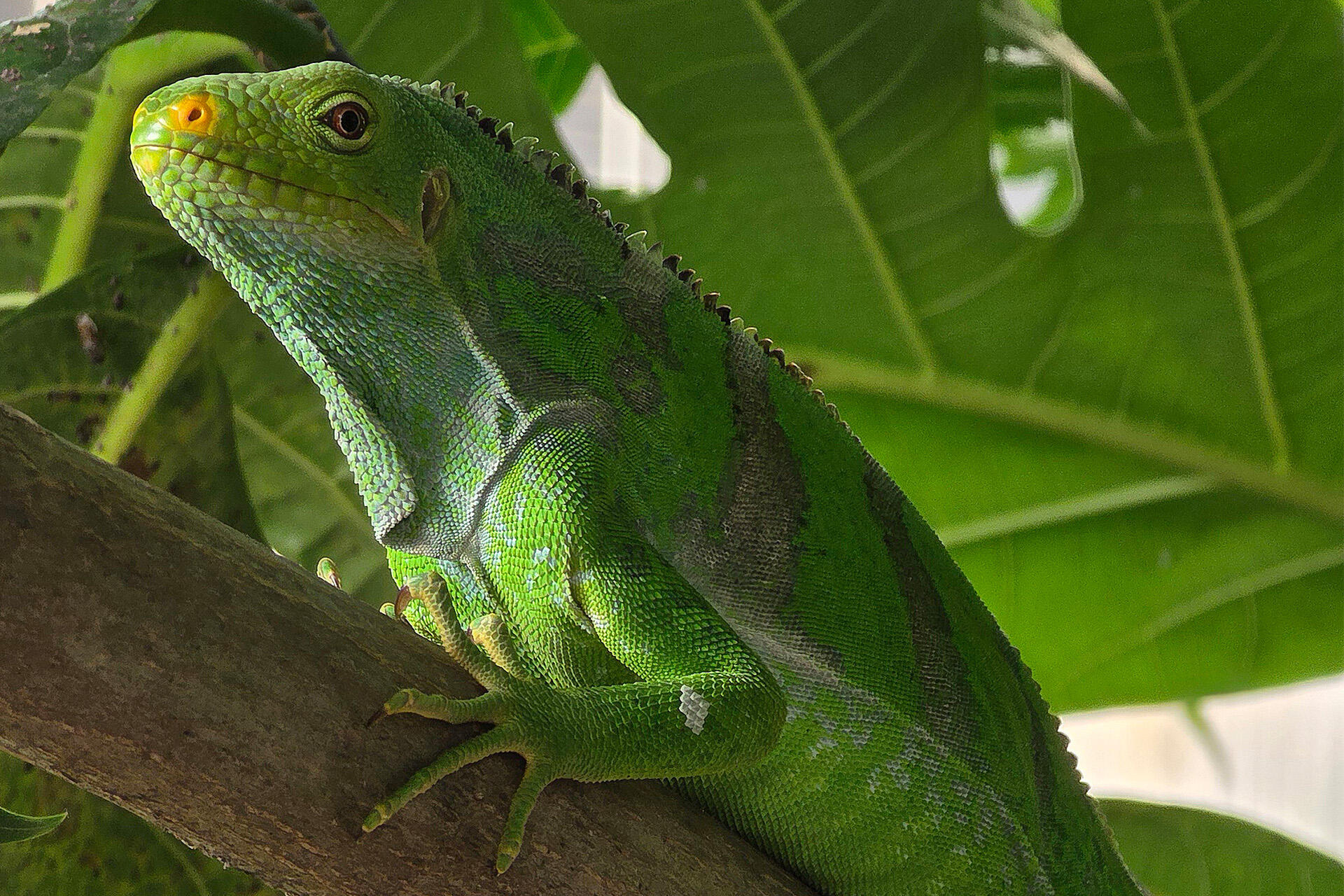
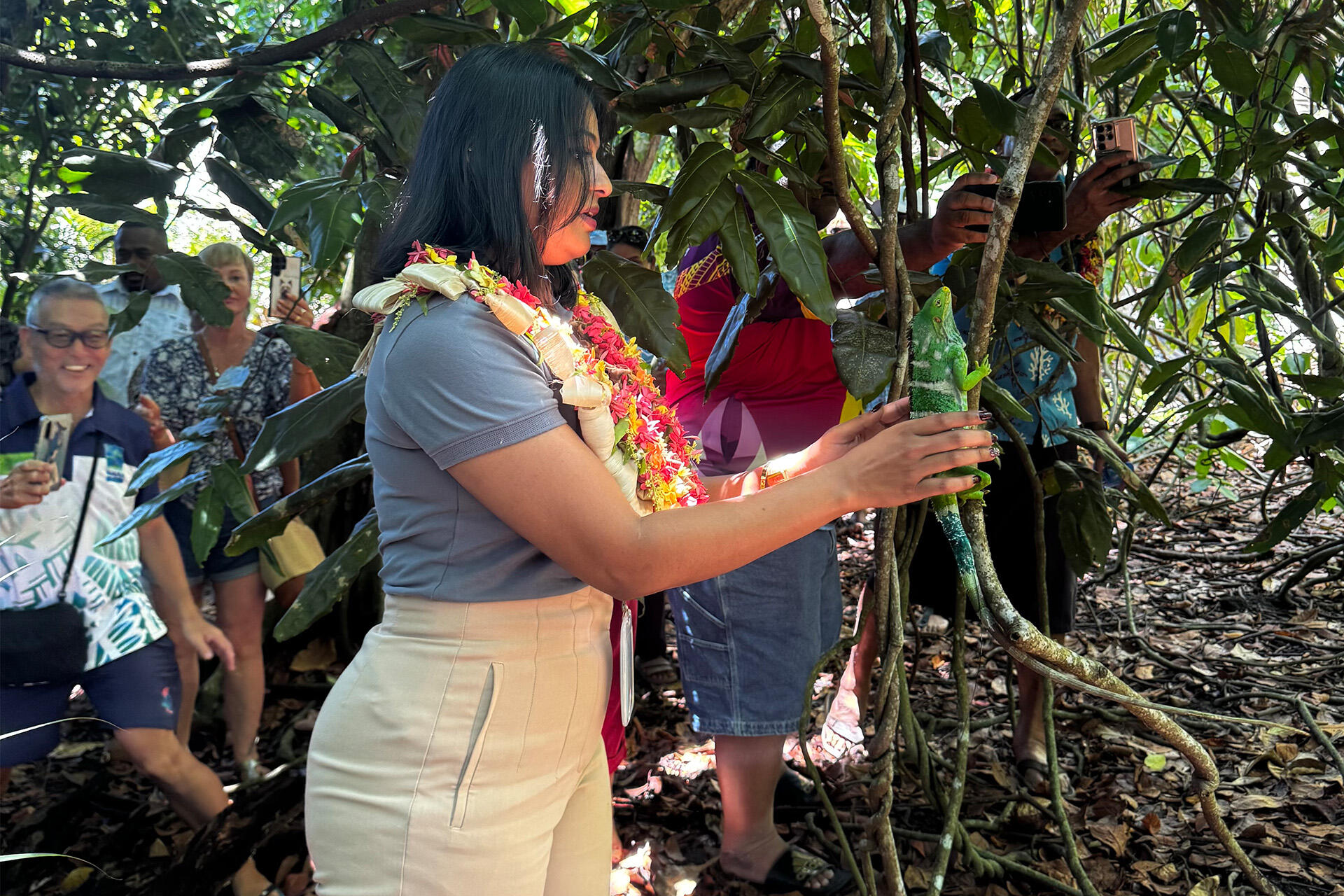
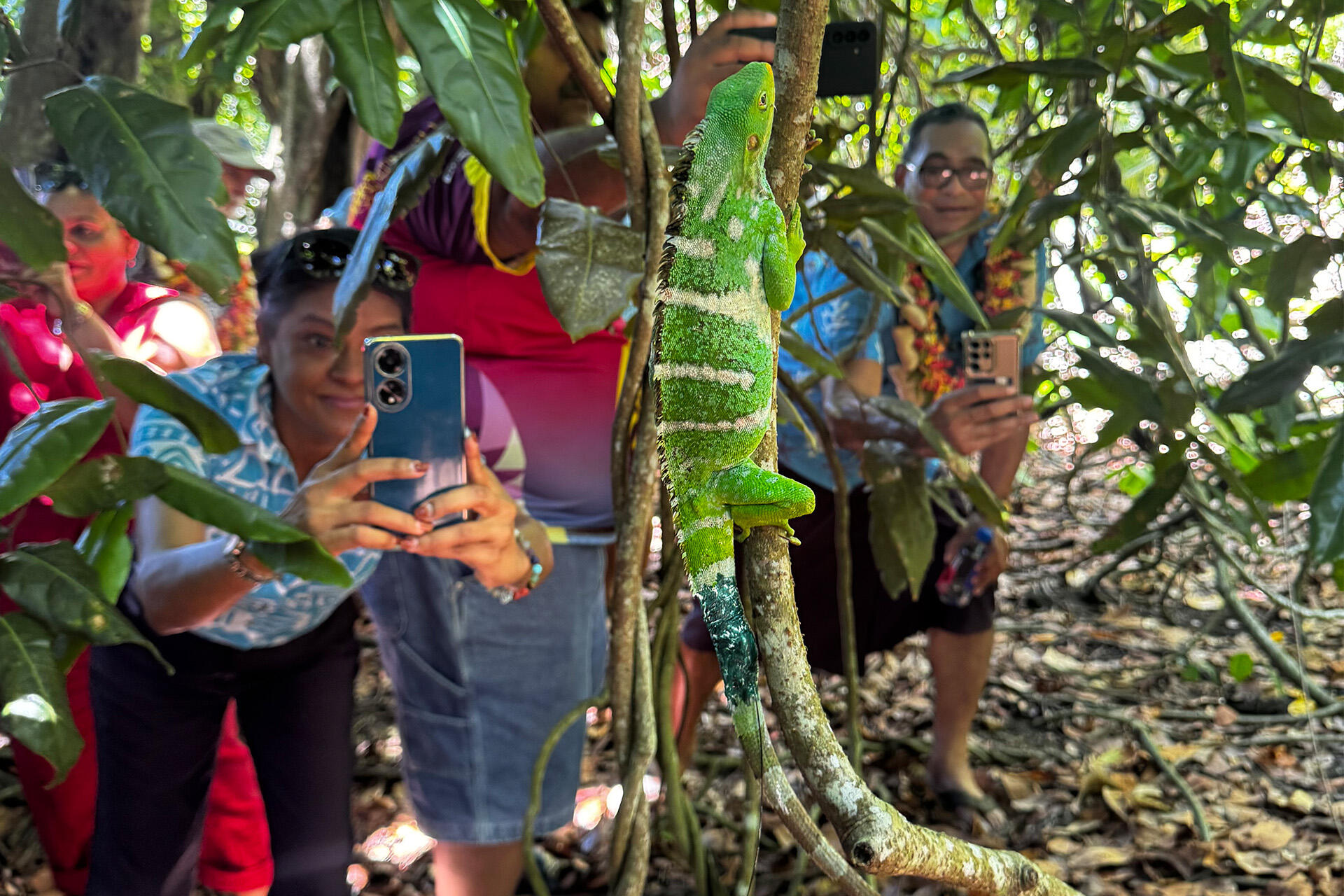
In early December last year, I flew to Fiji for an exciting new conservation project. Twelve critically endangered Fijian crested iguanas (Brachylophus vitiensis) – known locally as vokai – were successfully translocated from Malolo island to Qalito island in the Mamanuca’s, west of Viti Levu.
This is the first of several planned transfers of iguanas and was led by herpetologist Dr Peter Harlow who has been studying and conserving this species for more than twenty years. It’s taken years of planning and preparation by several local organisations, especially Six Senses resort on Malolo, which is home to a carefully protected relict population of iguanas and provided the six males and six females for the transfer, Castaway Island resort on Qalito who facilitated the preparation of the island to receive the iguanas and their post-release monitoring, and the Mamanuca Environment Society.
Qalito island was chosen to receive the iguanas because it is pest-predator free, has extensive native dry-forest (unlike all the other islands in the region) providing near-perfect habitat for the arboreal and herbivorous iguanas, and has the long-term support and commitment of the indigenous landowners.
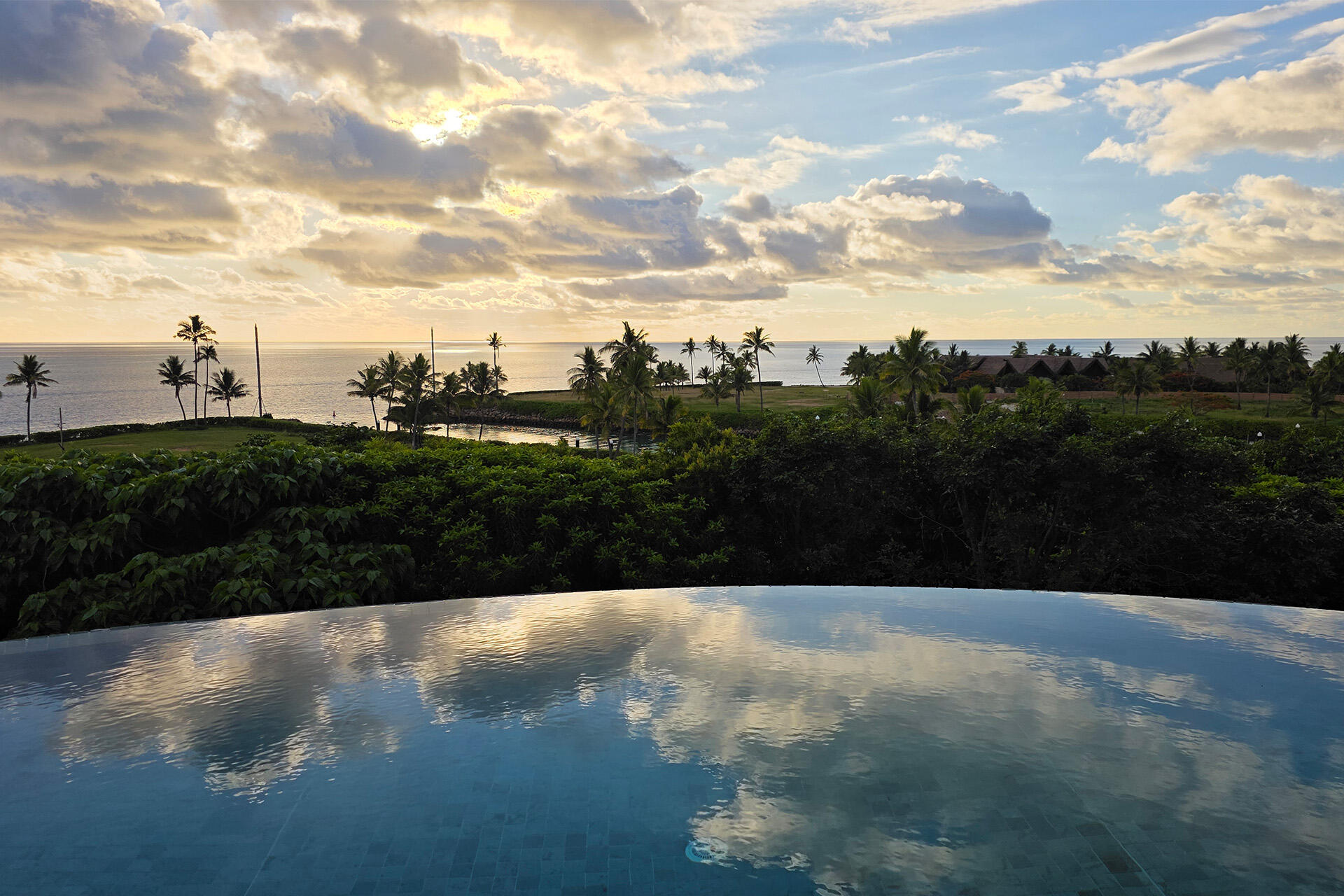
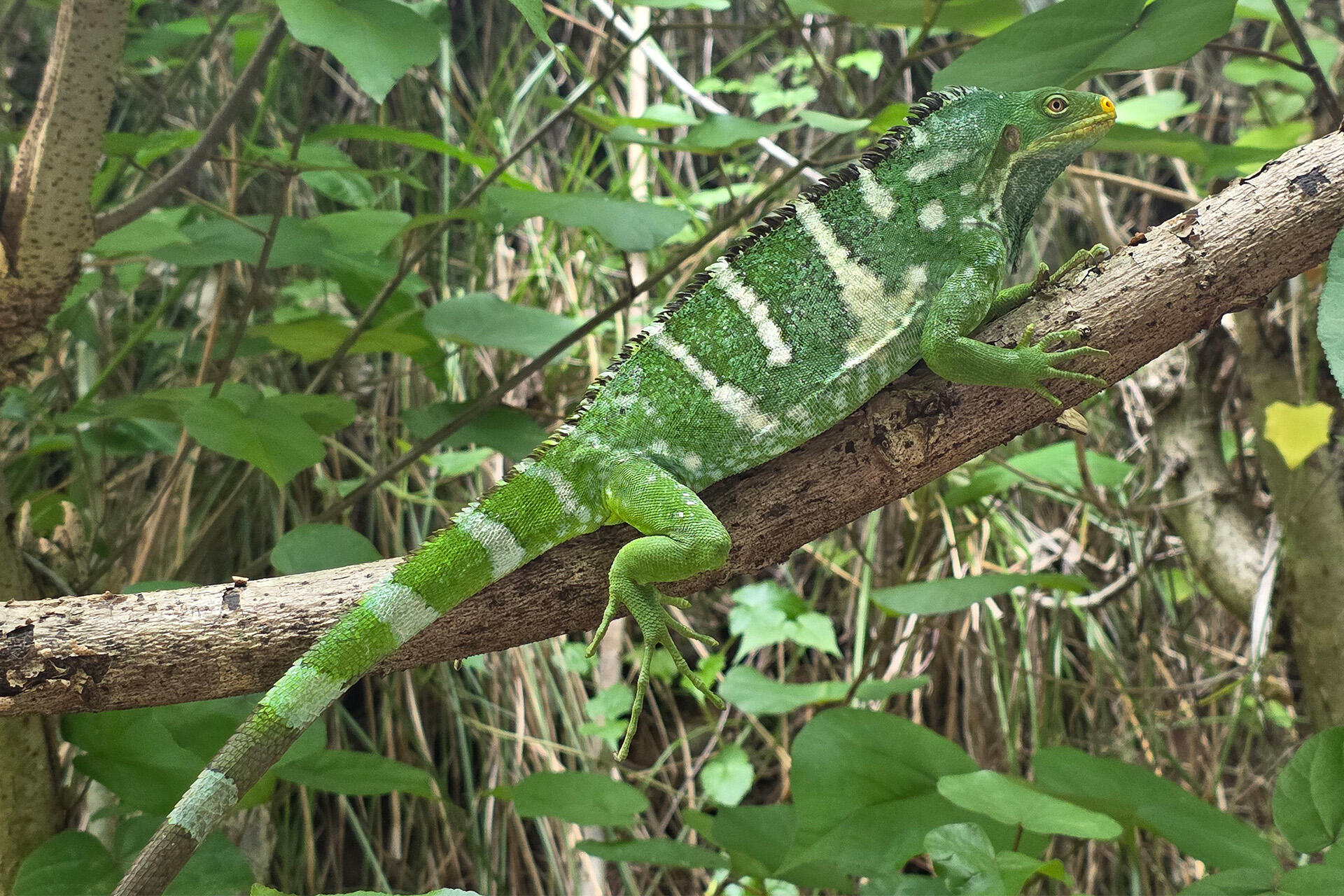
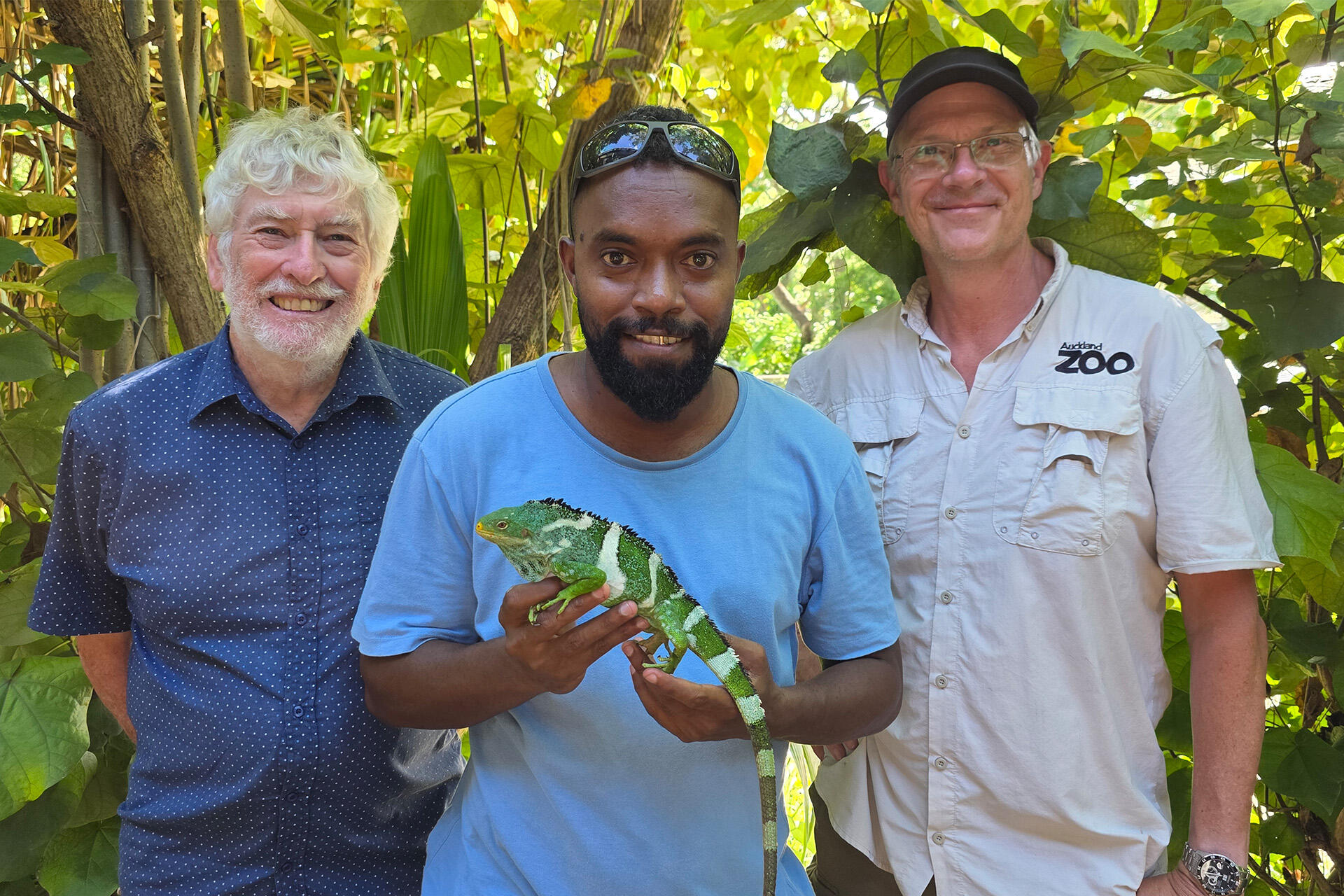
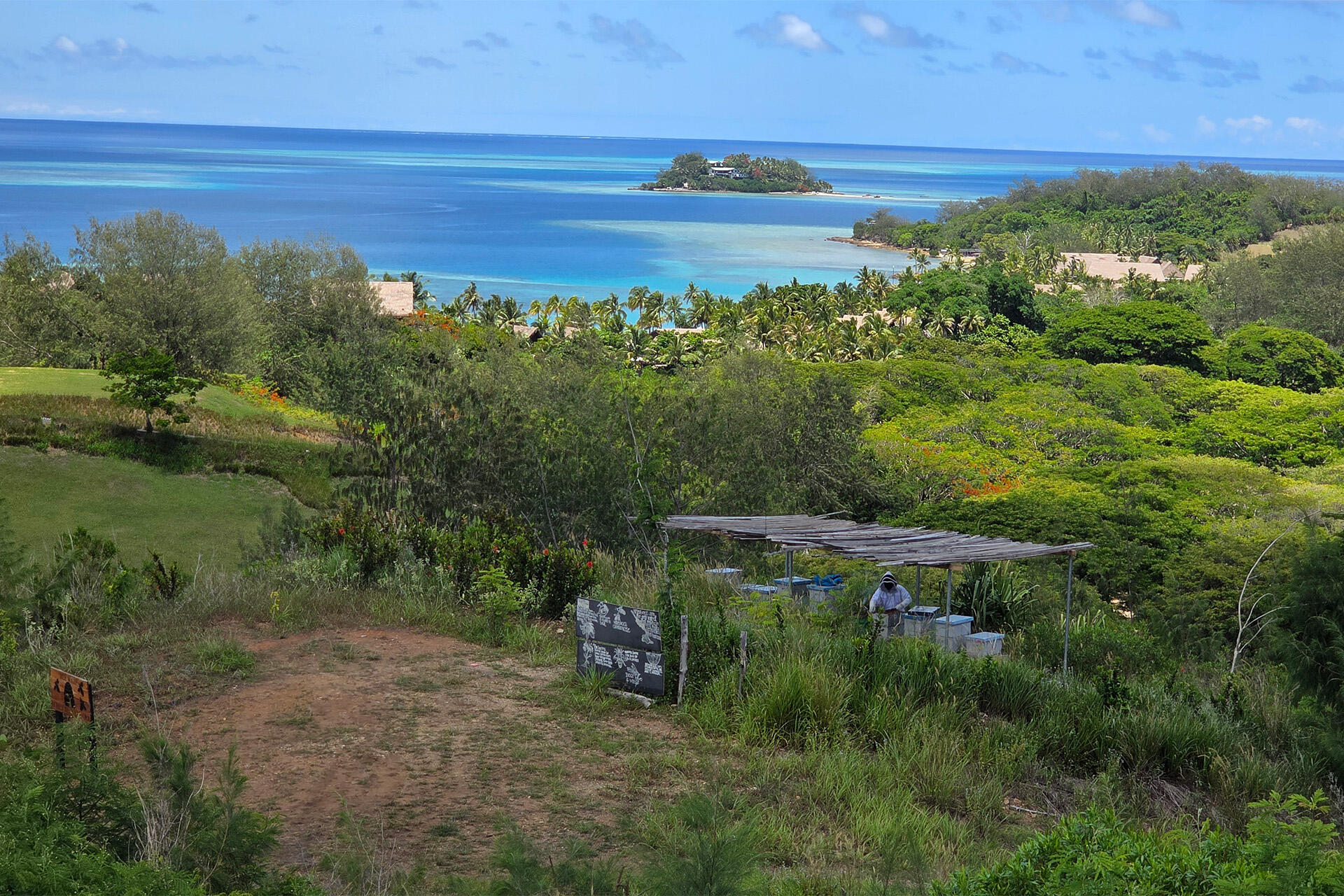
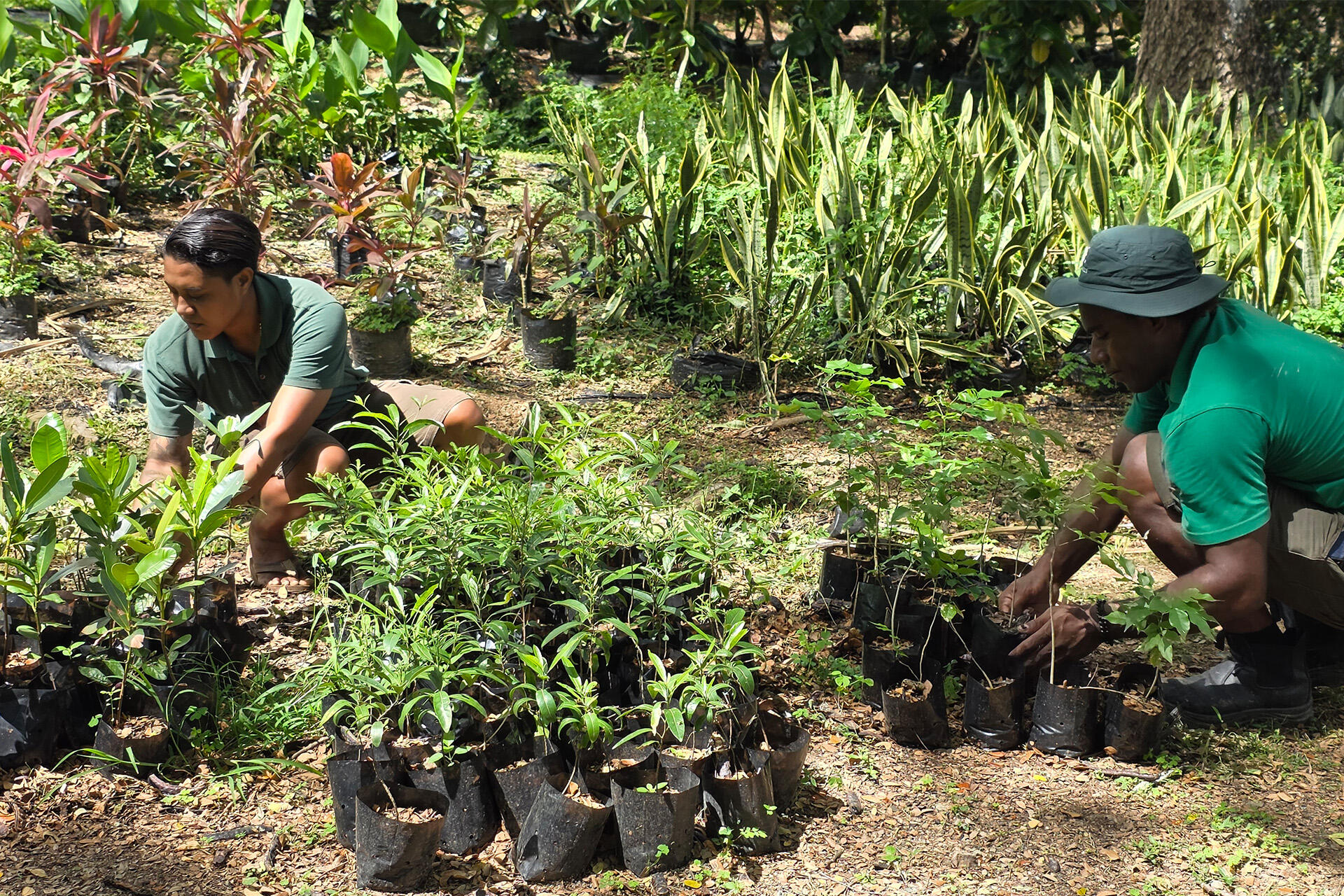
Auckland Zoo provided financial support through our Conservation Fund for Fijian master’s student Manasa Vula, to study the iguanas post-release. All twelve had little radio-transmitters temporarily attached to the base of their tails so we can monitor how they adapt to their luxurious new forest home. After 50 days of monitoring, ten of the twelve iguanas still have their transmitters and all are doing well, each having settled in a suitable food tree, gaining weight and spending nearly all their time more than 10m high in the canopy - making their transmitters essential! The three largest and mature males have been the most active, probably because its breeding season and they’re tracking down the females.
I joined the team in December catching and transferring the iguanas. It was a highlight of my career in the Pacific, being able to support and make a meaningful contribution to the conservation of perhaps the world’s most beautiful but threatened iguana. Strangely this harmless herbivore, essential for dispersing the seeds of the native dry forest trees, is much maligned and misunderstood in Fiji.
We hope to help dispel some of the myths and grow appreciation for this iconic endemic of western Fiji and were privileged to film the whole project for Wild Heroes. Keep an eye out for this amazing story about these spectacular lizards and their spectacular home, coming soon on Three New Zealand!