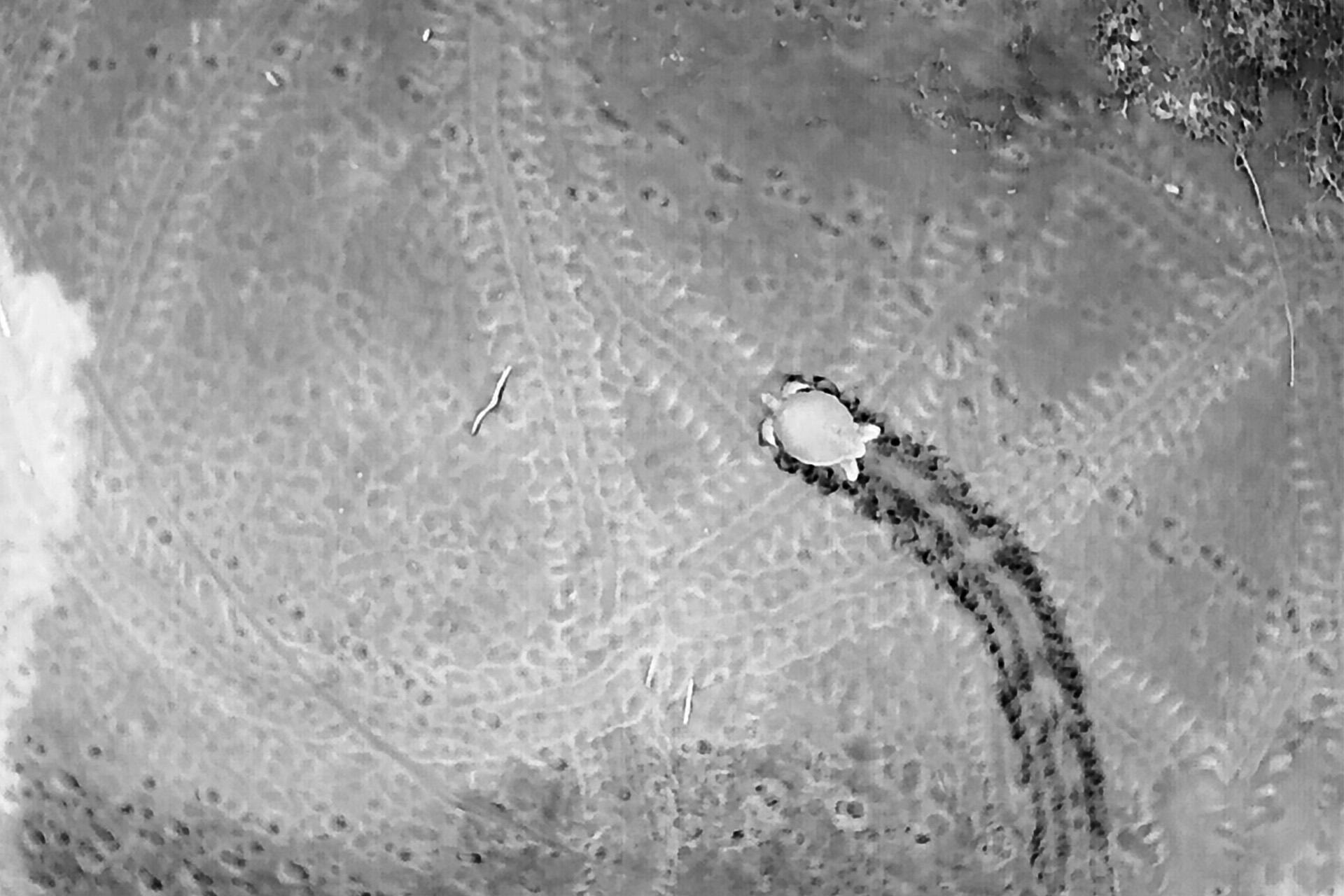

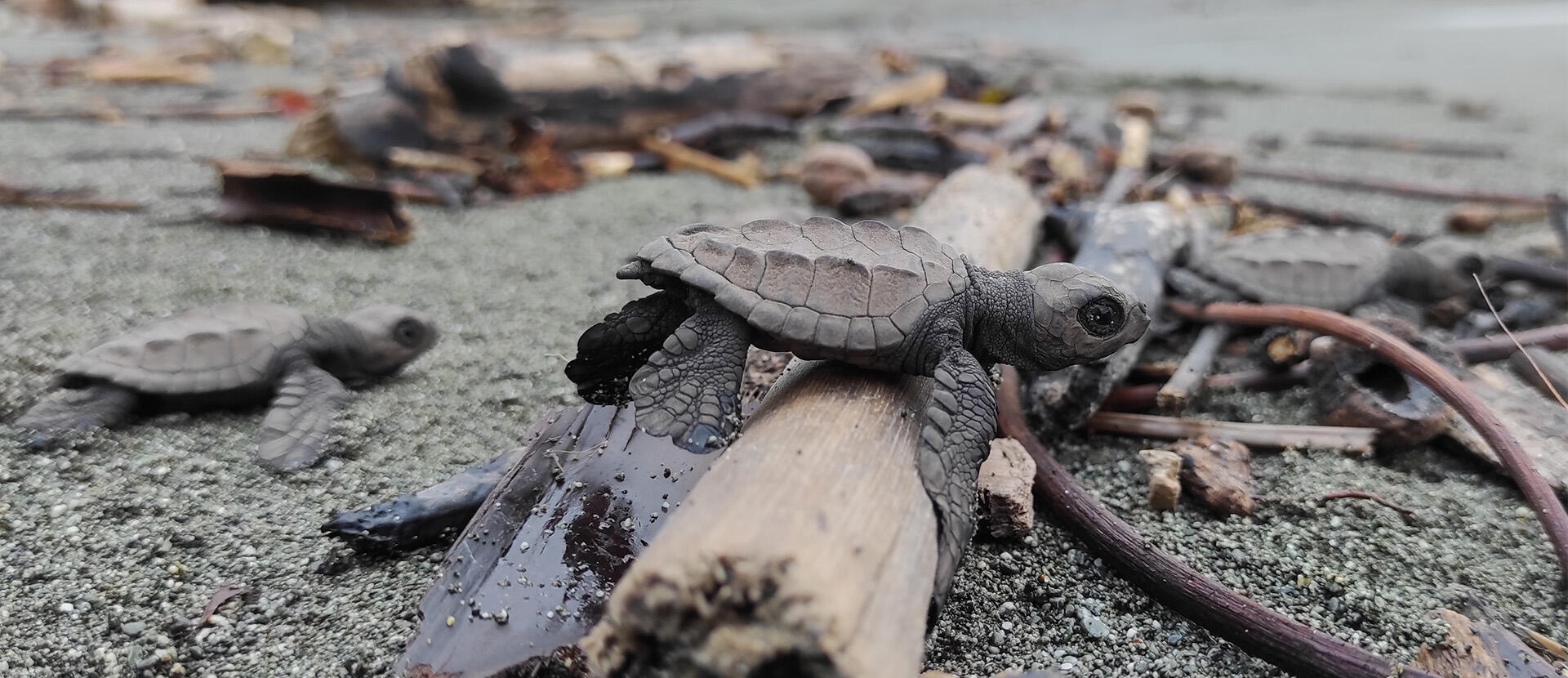
Scientists in Costa Rica are taking sea turtle conservation to new heights (literally!) by using thermal drones and emerging AI tools to study some of the world’s most spectacular marine wildlife.

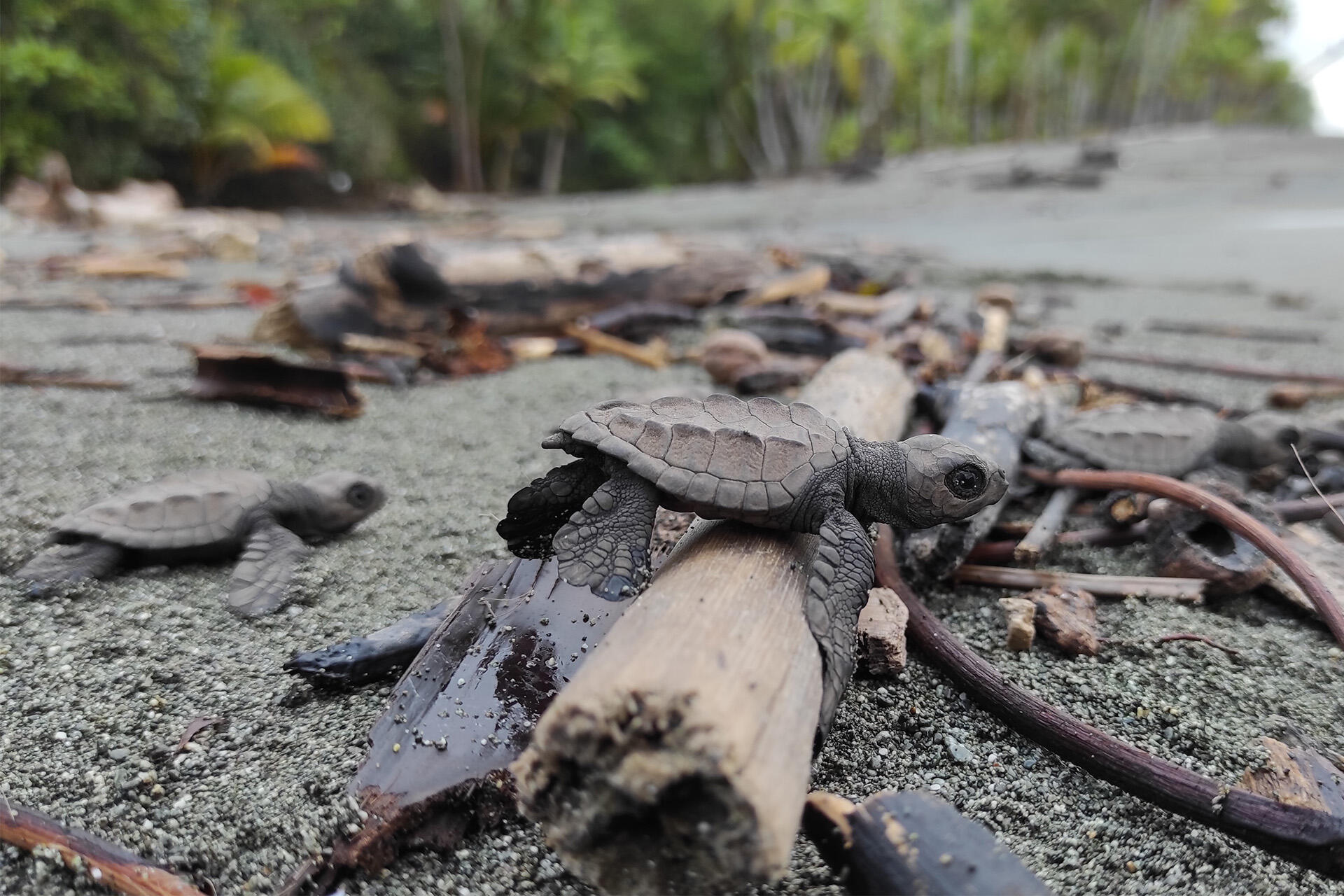
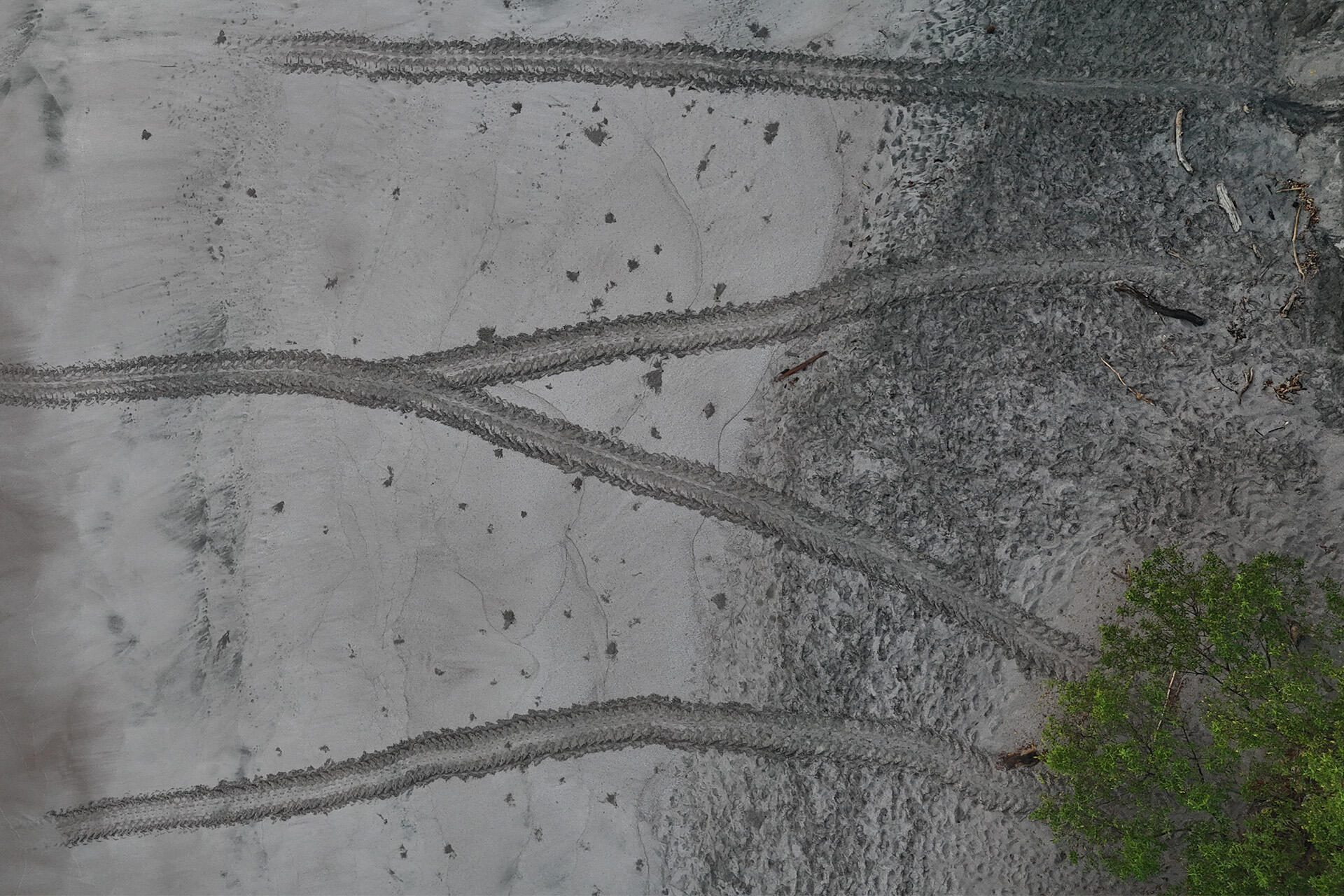
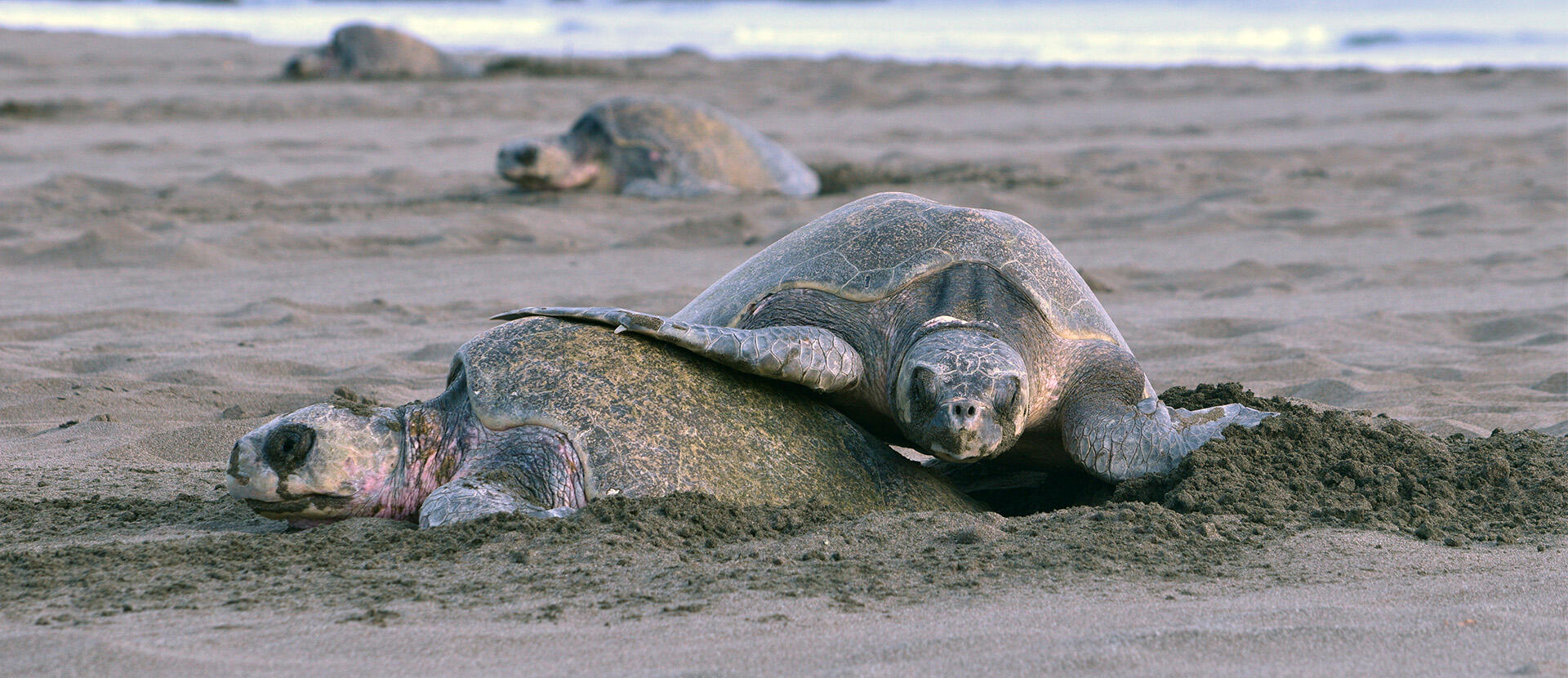
Conservationists originally set out to test thermal infrared drones during Costa Rica’s world-famous arribadas, the mass nesting event of hundreds of thousands of olive ridley turtles (Lepidochelys olivacea). These gatherings are breathtaking, but also extremely difficult to monitor accurately, inspiring the team of Bárbara Sellés Ríos, together with partners DELT, Kuemar and Costa Rica por Siempre, to explore new technology that could offer safer, more precise and non-invasive monitoring.  

But nature had other plans...
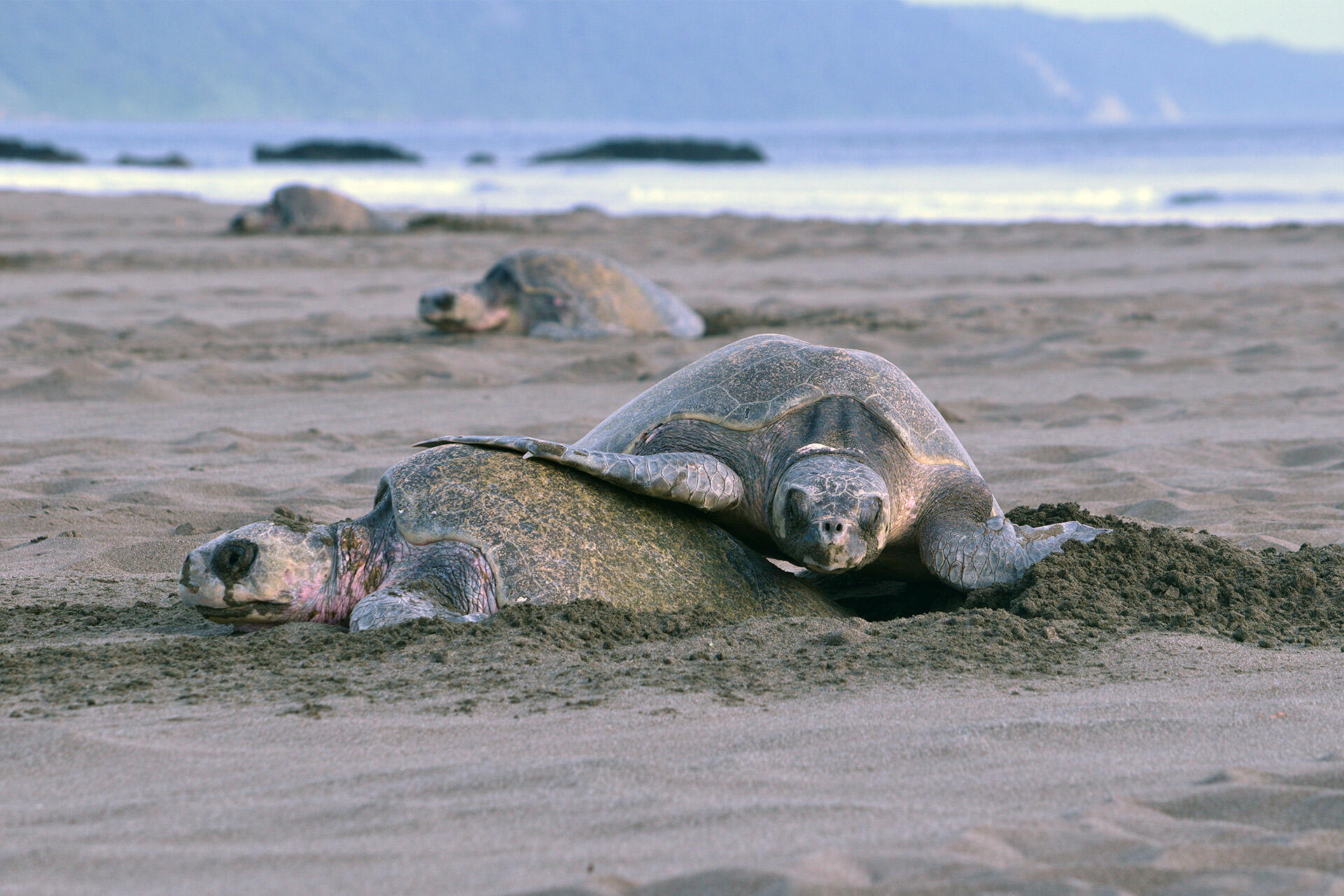
In late 2024, arribadas occurred irregularly and far earlier than expected before fieldwork could begin. For the first time in decades, no significant arribadas occurred. Rather than pausing their work and waiting for the next year, Bárbara and her team re-designed this project to continue supporting sea turtle conservation.

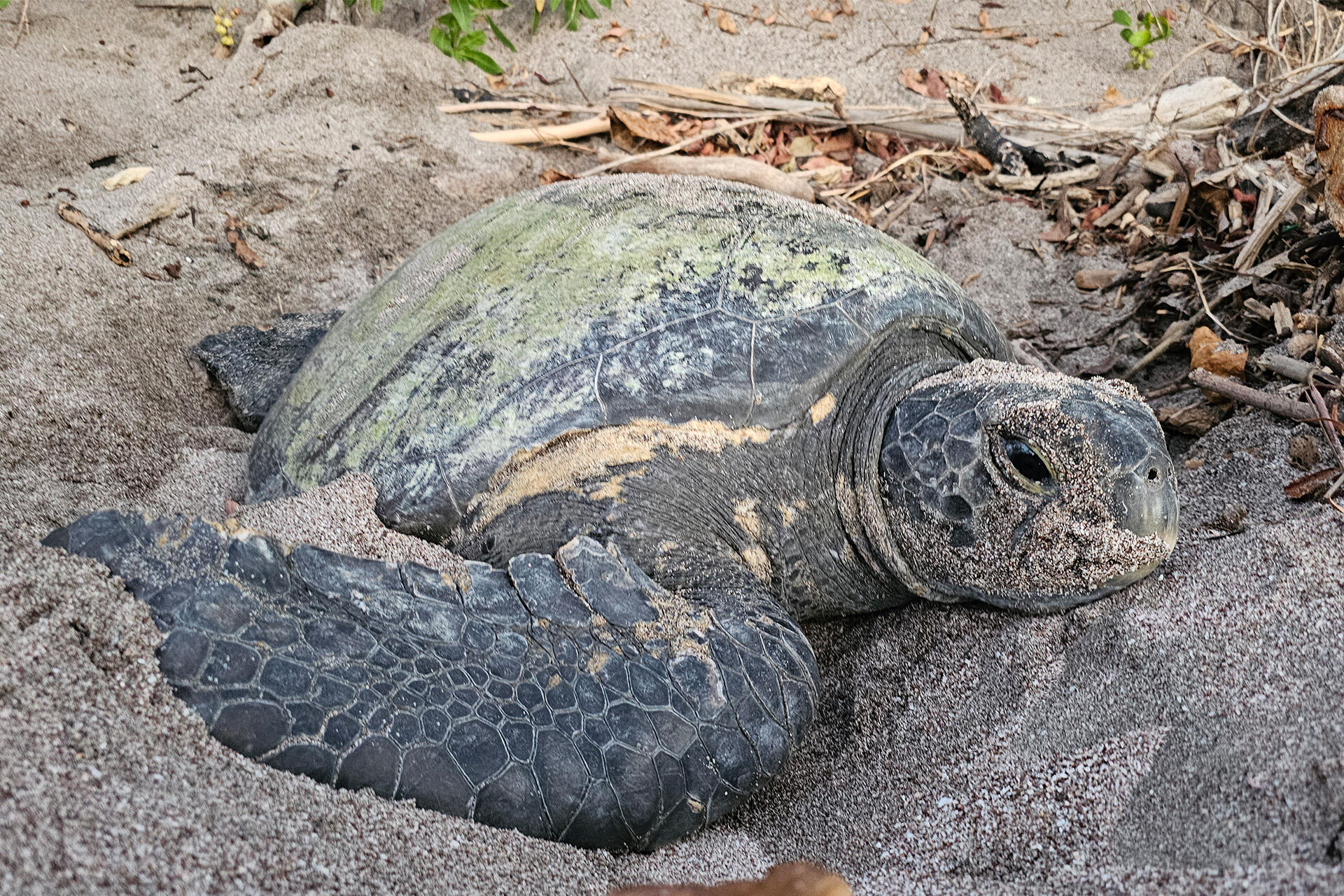
Through a partnership with Kuemar, an NGO who have over a decade of experience protecting turtles on Costa Rica’s coast, the team expanded their work to monitor green turtles (Chelonia mydas), olive ridleys (Lepidochelys olivacea) and Eastern Pacific leatherback (Dermochelys coriacea) in waters surrounding key nesting beaches. These beaches host some of the highest numbers of nesting green turtles anywhere in the Eastern Pacific, yet their behaviours at sea, especially those of males, remain poorly understood.

Over several months, the team carried out twice-weekly drone surveys along pre-programmed routes, capturing detailed ecological information. Their footage recorded turtle abundance, sex ratios, reproductive behaviour and at-sea activity linked to nesting patterns. The drones went beyond sea turtle research, detecting irresponsible fishing practices, illegal egg harvesting and plastic pollution hotspots, even documenting a boat collision involving two turtles that later gained attention on social media.

Video

Conserving sea turtles in Costa Rica!

Drone footage of sea turtles on land and in the sea.

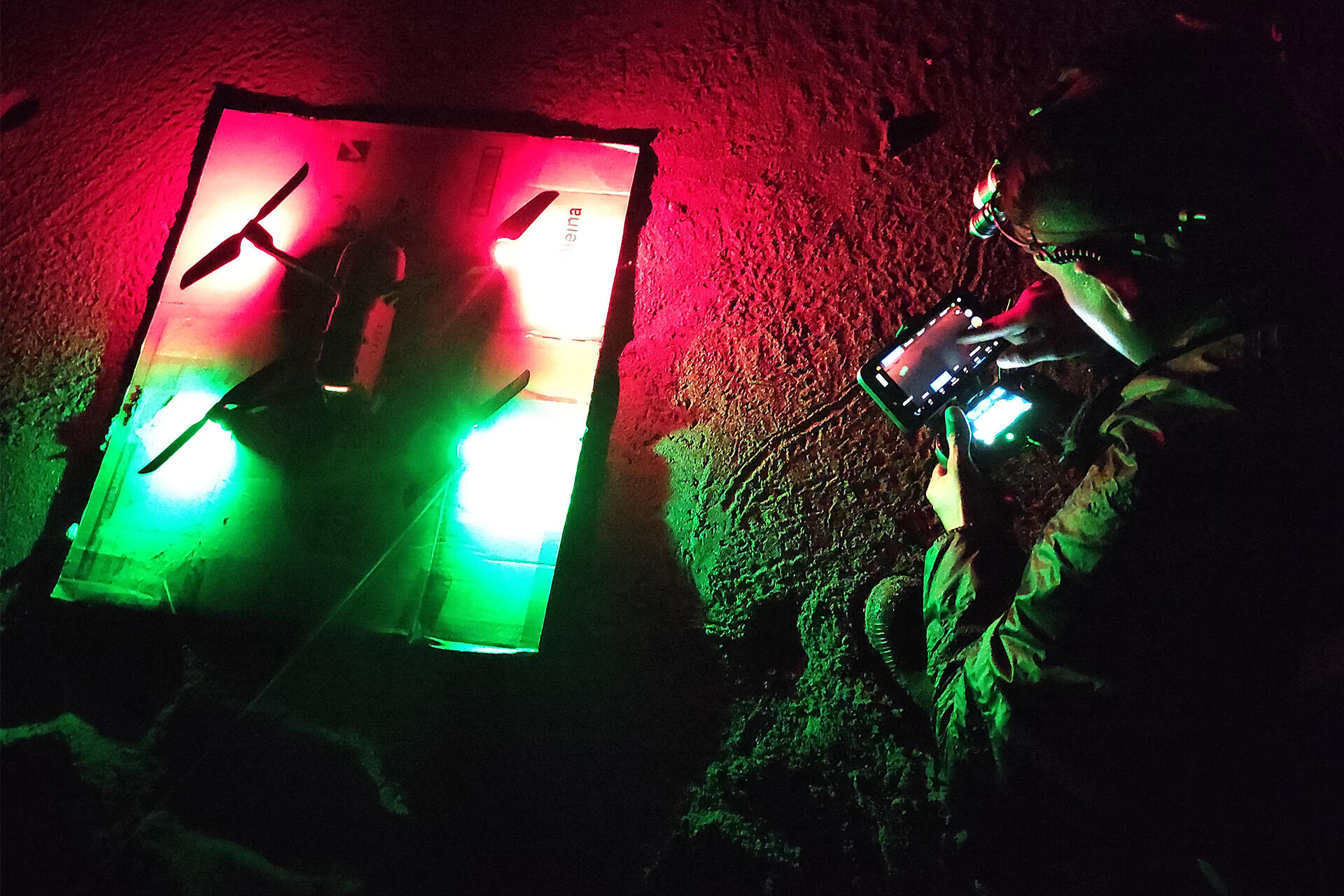
Bárbara and her team also presented the relevance of their work to sea turtle conservation organisations, CREMA, the Ostional National Wildlife Refuge and The Leatherback Trust. They conducted nighttime demonstrations at each of their camps, showcasing the effectiveness of drones in detecting sea turtles and establishing a collaborative foundation for future works.

The project also drove exciting technological progress. DELT’s evolving AI models successfully identified turtles in drone footage and mapped high-use areas, paving the way for real-time detection tools that could transform how conservation teams patrol and gather data on these beaches. These advances promise to enhance long-term monitoring and reduce the heavy workload placed on field biologists.

Looking ahead, Bárbara and her team plan to expand the project into the 2025/2026 nesting season, hoping to get an earlier start so they can collect a full season of data on the arribadas.

The project is also strengthening local capability by training Costa Rican conservationists from Kuemar in advanced drone operation and monitoring techniques. They are also looking to work with local organisations to deliver outreach programmes in schools, youth clubs, and community centres, focusing on sea turtle conservation, sustainable fishing practices and reducing plastic pollution in the area.  

You help us to support projects like this every time you visit the Zoo or make a donation to our Conservation Fund