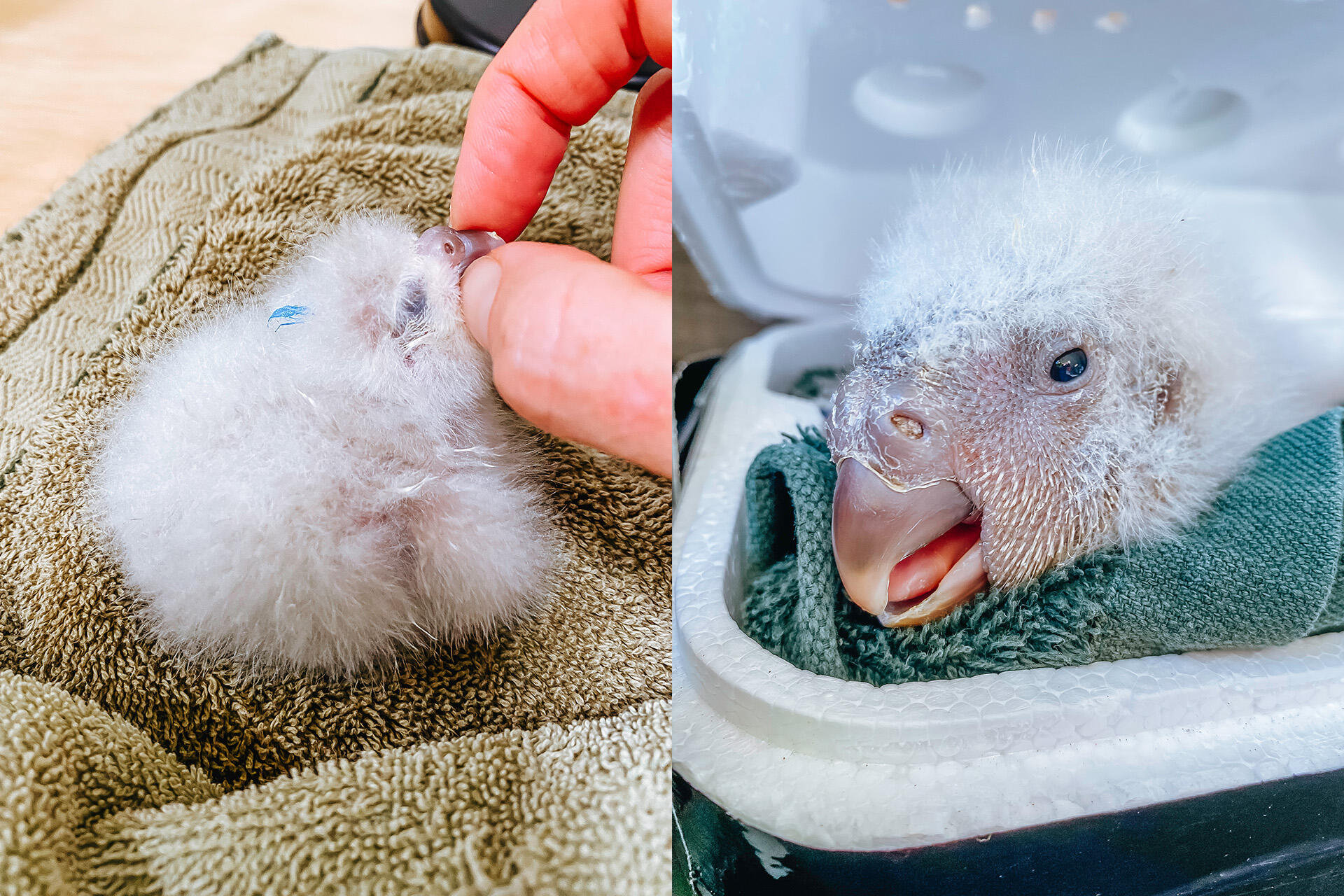
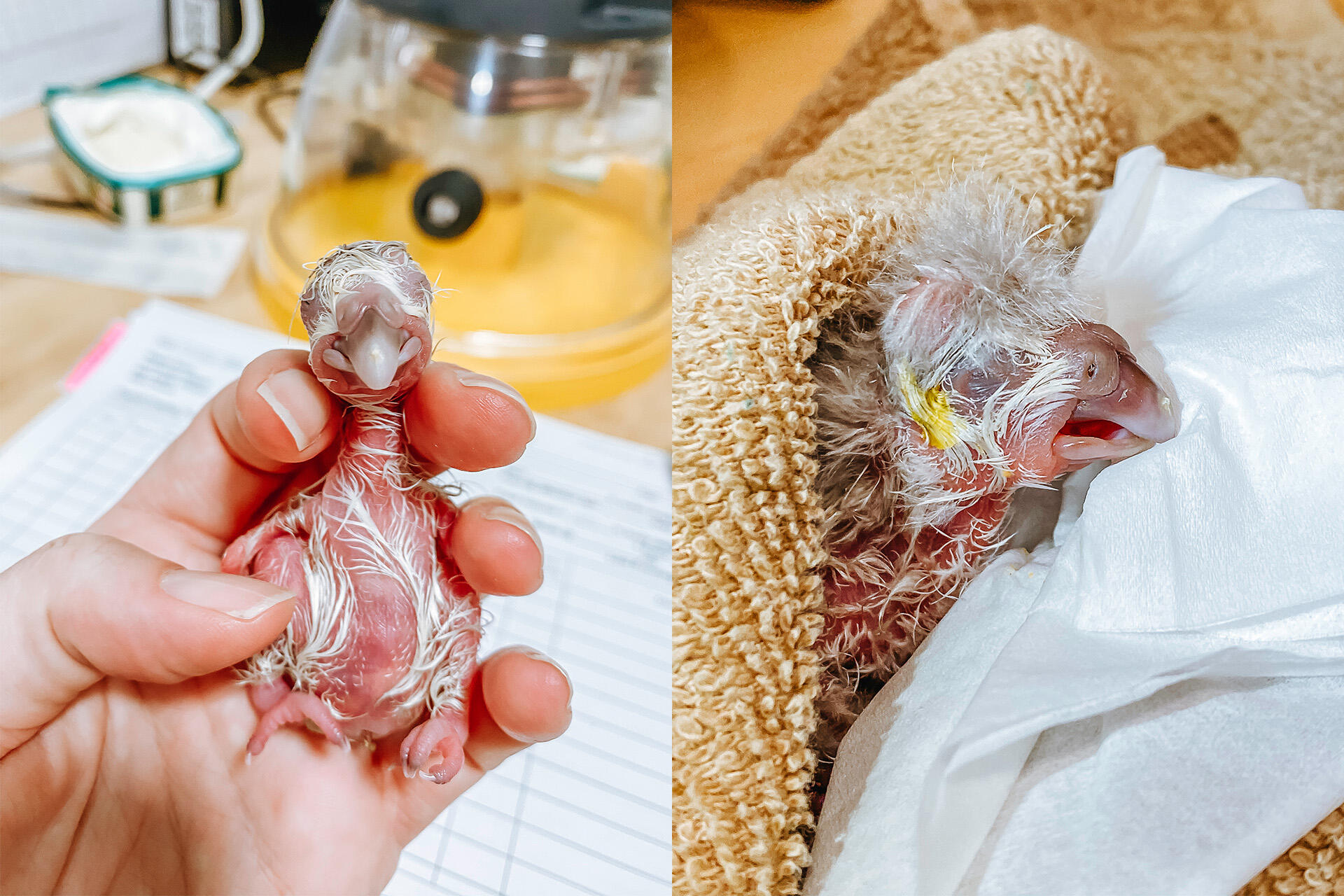
Our veterinary clinical coordinator Mikaylie Wilson recently spent several weeks on two of the three kākāpō breeding islands, helping with this bumper season. So far, our friends at the Department of Conservation’s Kakapo Recovery have hatched a healthy 98 fluffy kākāpō chicks!

This is absolutely massive news as there are currently 235 adult kākāpō alive today – that’s the entirety of these enigmatic and iconic New Zealand birds in the entire world! So, it’s clear when there’s a bumper breeding season it’s all hands-on deck to help out.

Prior to this, the Zoo was involved with the 2019 breeding year, where the kākāpō population increased to 252, the most in recovery history. This 2026 breeding season was highly anticipated as it had been four years since the last season, and there were more breeding-aged females than ever before.

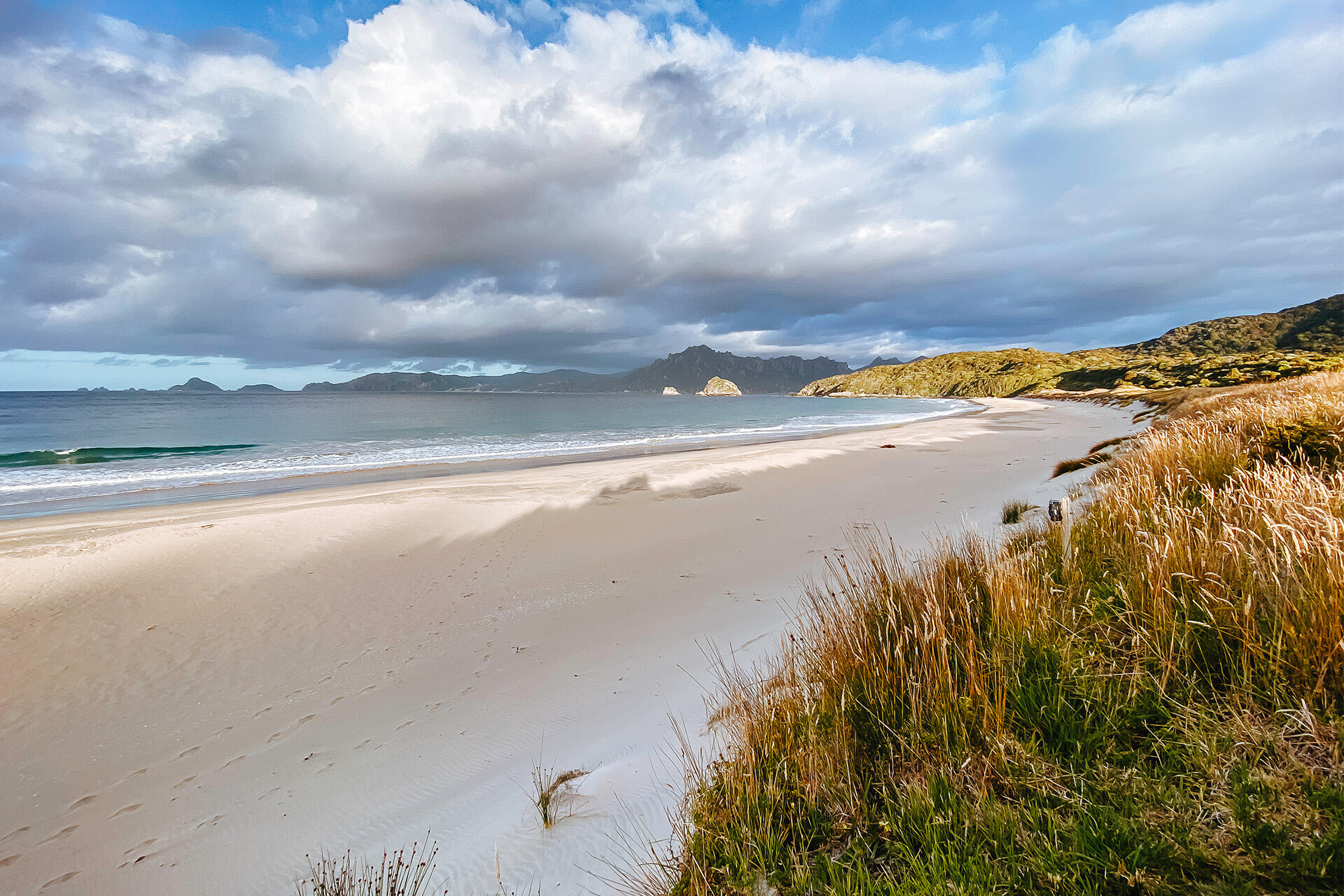
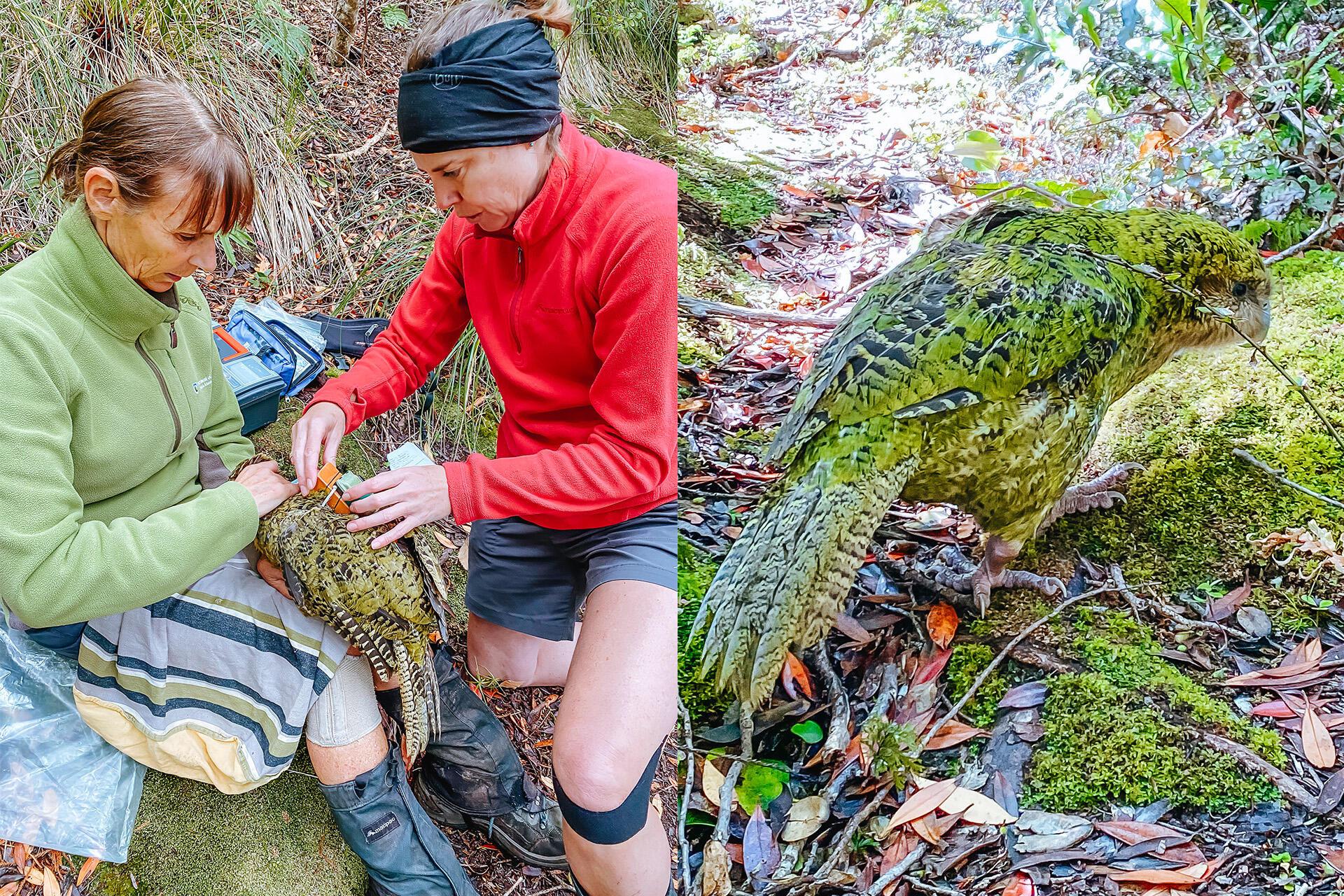
Mikaylie has been helping kākāpō, both in the field and at our veterinary hospital, since 2012; and she leapt at the chance to help again in 2026. In late January, she arrived on Whenua Hou/Codfish Island and spent over two weeks here. Her responsibilities involved lending a hand to track kākāpō for Artificial Insemination (an important part of kākāpō conservation that ensures key genetics are passed on), transmitter changes, and taking part in egg incubation refresher training ahead of her upcoming work on Pukenui/Anchor Island.    

So how exactly do experts know which kākāpō are nesting? Each bird is fitted with a lightweight backpack transmitter. This technology is invaluable to the conservation of these manu; helping experts to locate kākāpō on the island and providing remote activity data that can signal if a female is likely nesting.

If a change in activity is detected, the team will track the kākāpō via telemetry and each nest is checked. When an active nest was found, Mikaylie assisted the DOC rangers to set up a few pieces of non-invasive tech to ensure they can monitor the progress of the eggs and chicks. One of these clever devices is a ‘doorbell’ system that is triggered by motion and indicates when the kākāpō mum leaves the nest for food, or if something else has entered the nest. This monitoring is crucial on Whenua Hou, where petrels can compete for the same burrows.

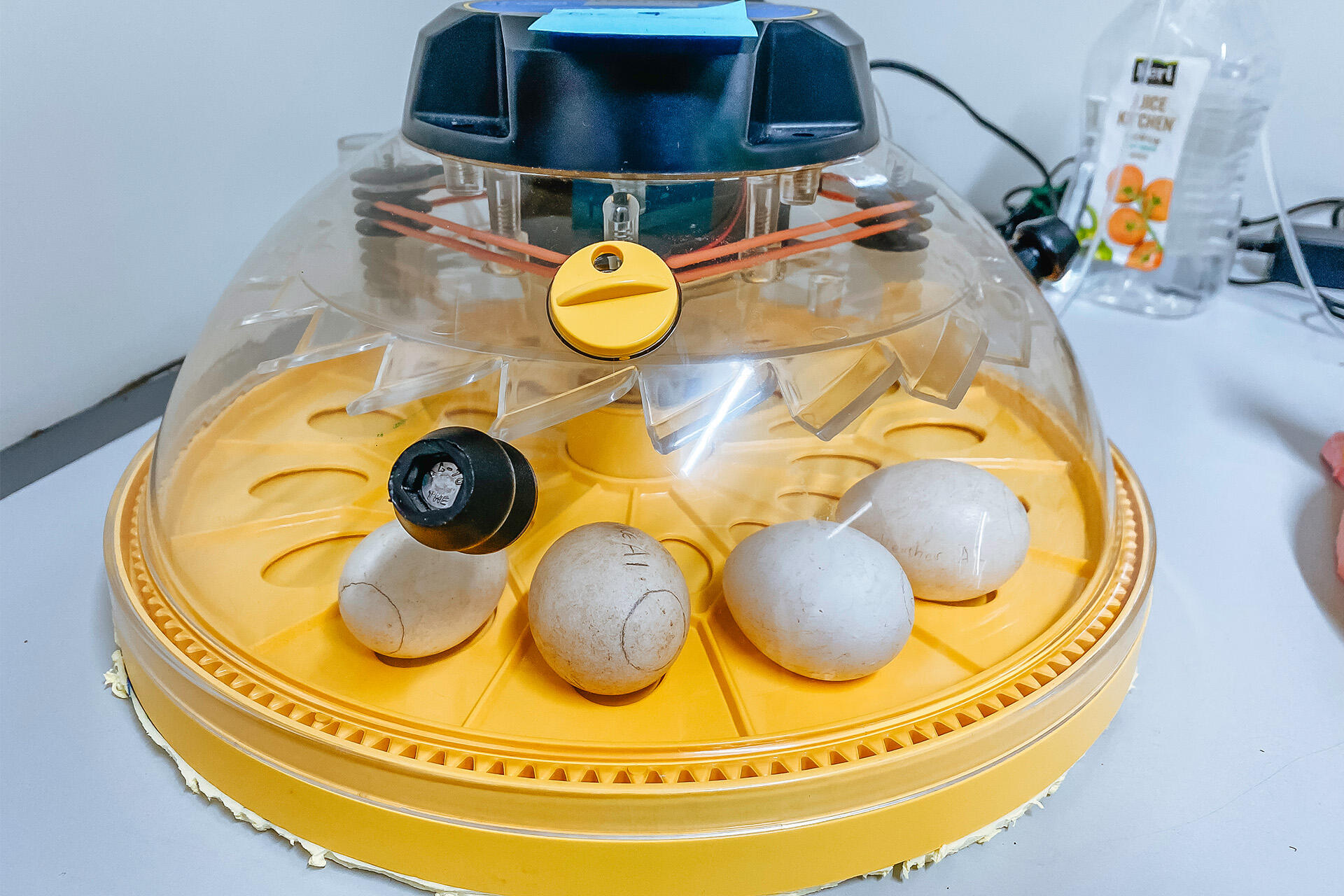
These petrels are breeding too and are simply trying to find their own nests, but in the process, there can be commotion in the darkness, where eggs and chicks can accidently be trampled. Because of this, all fertile eggs on the island were taken in for safekeeping in incubators until they were due to hatch.

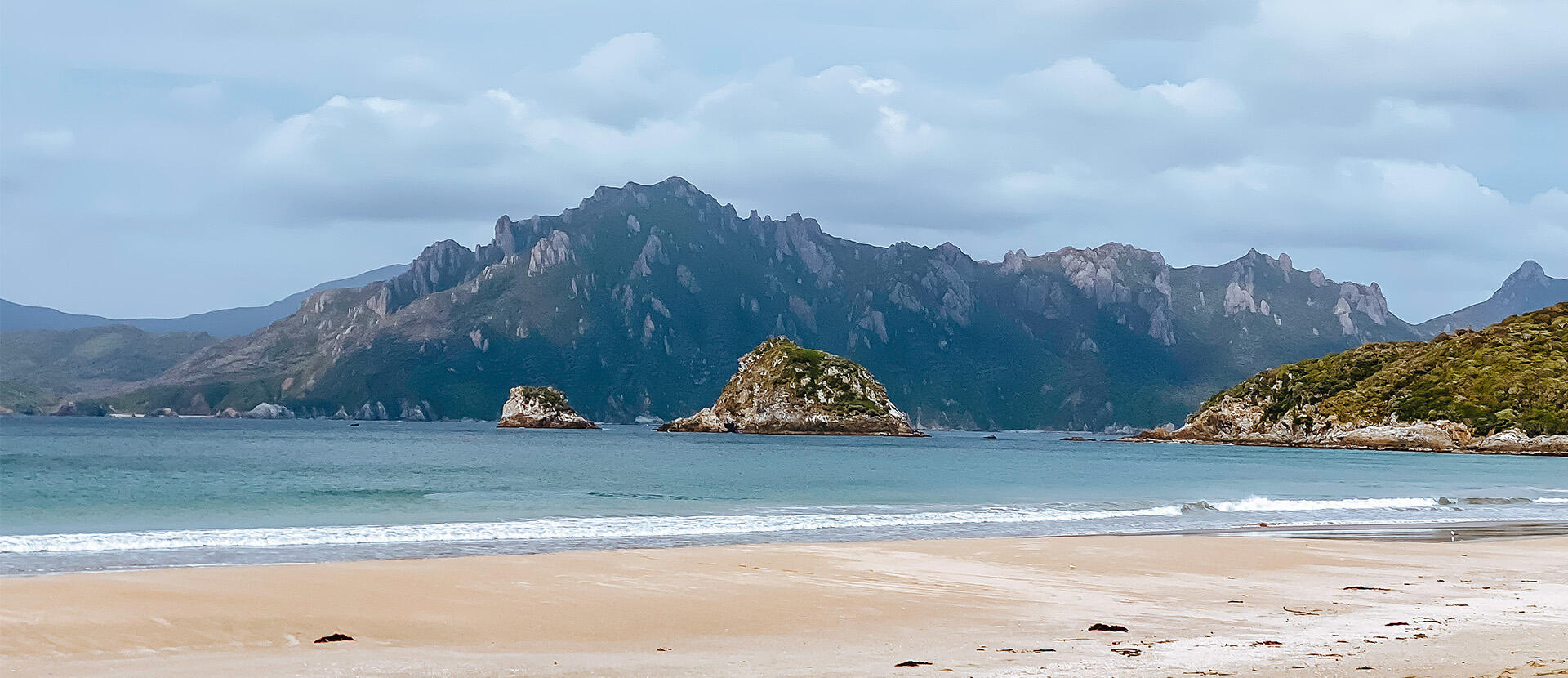
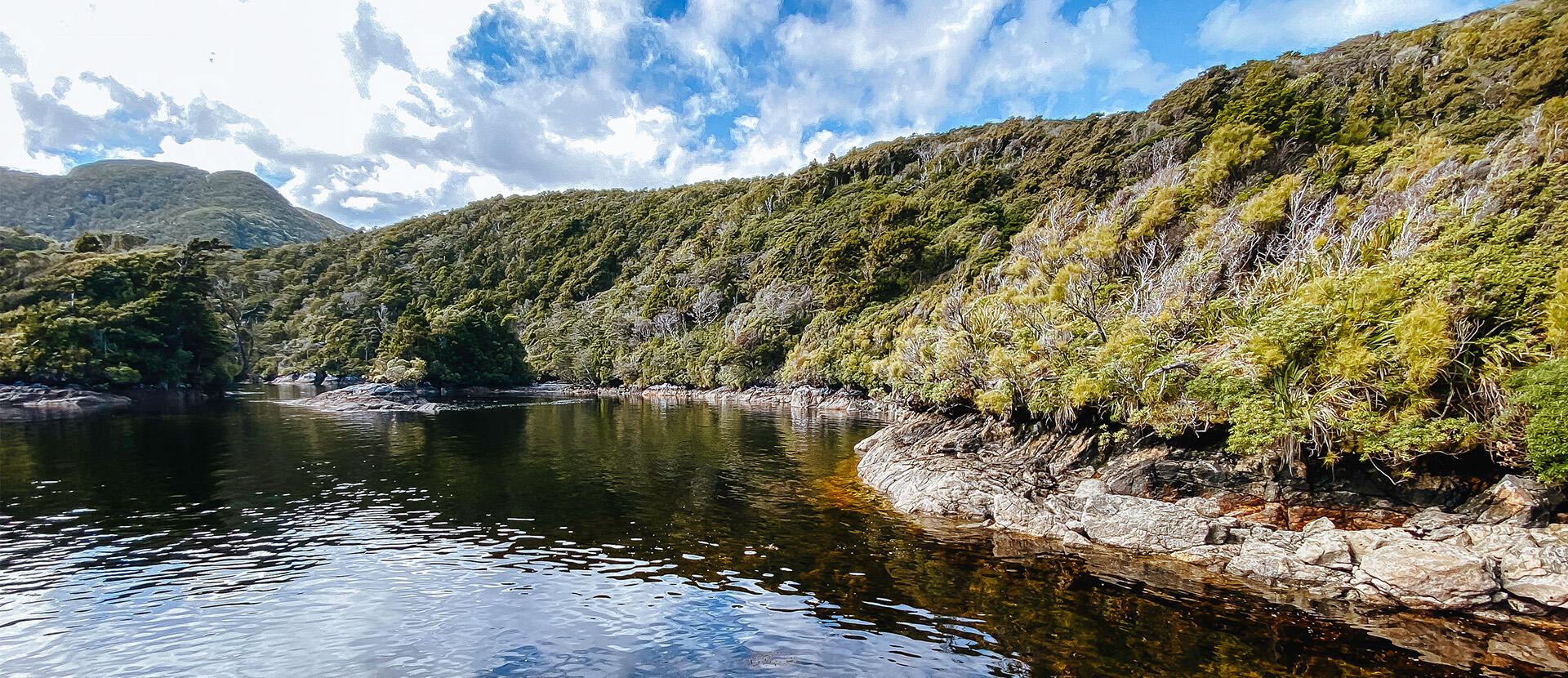
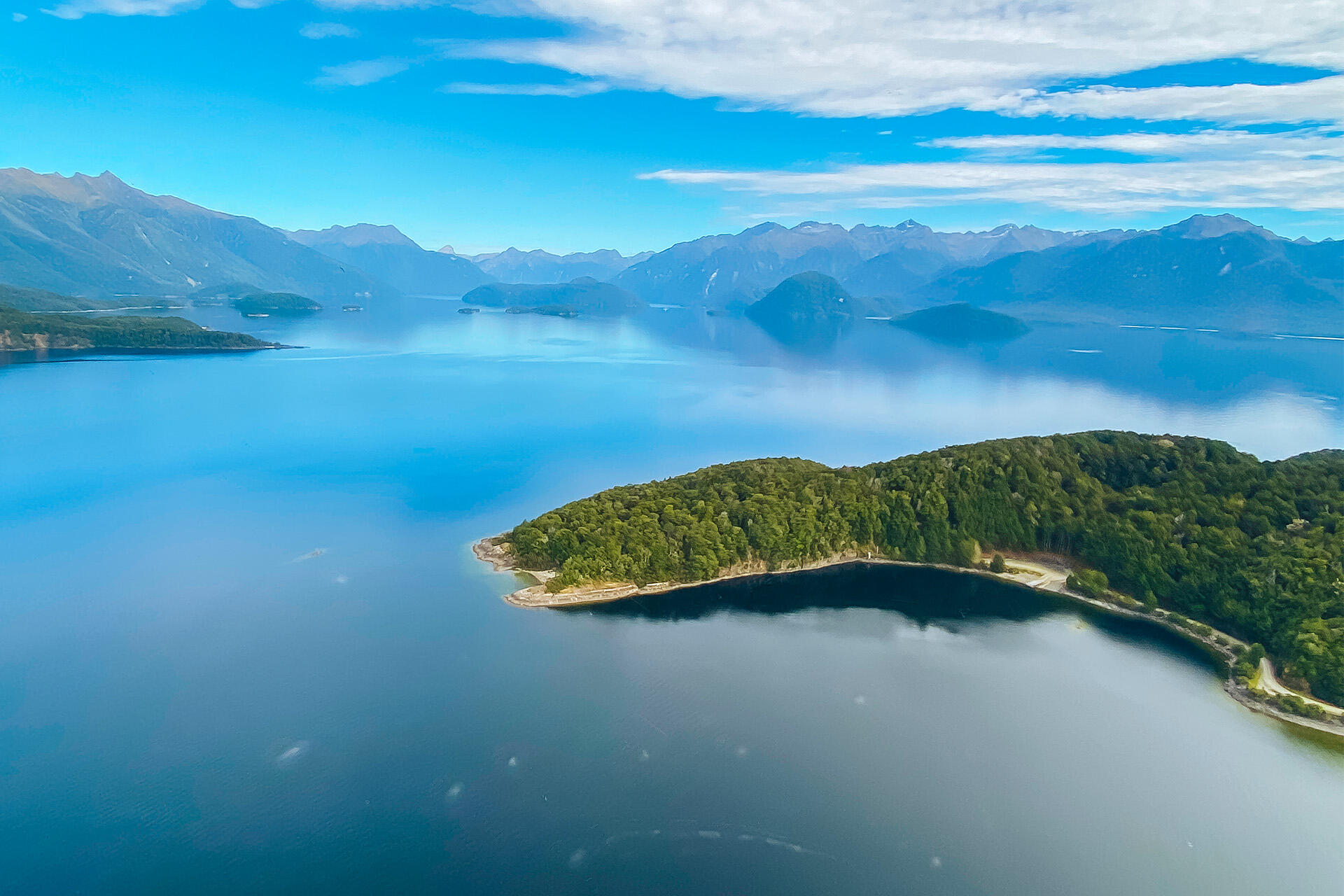
After a week break for Mikaylie, her next conservation pitstop was Pukenui, another kākāpō sanctuary island located near Fiordland. On this conservation trip, her main duties were assisting with egg incubation and hatching, monitoring active kākāpō nests to track chick development and helping to transfer chicks to nests.

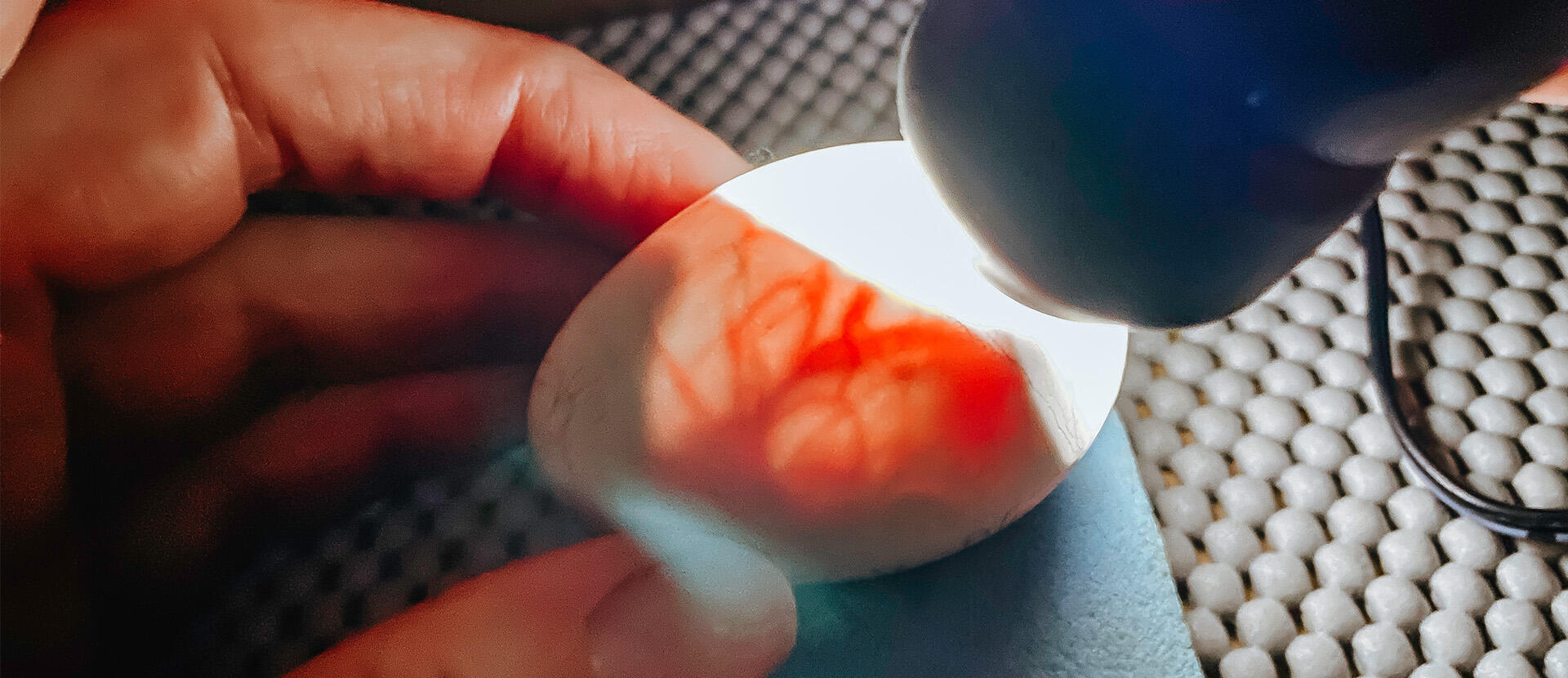
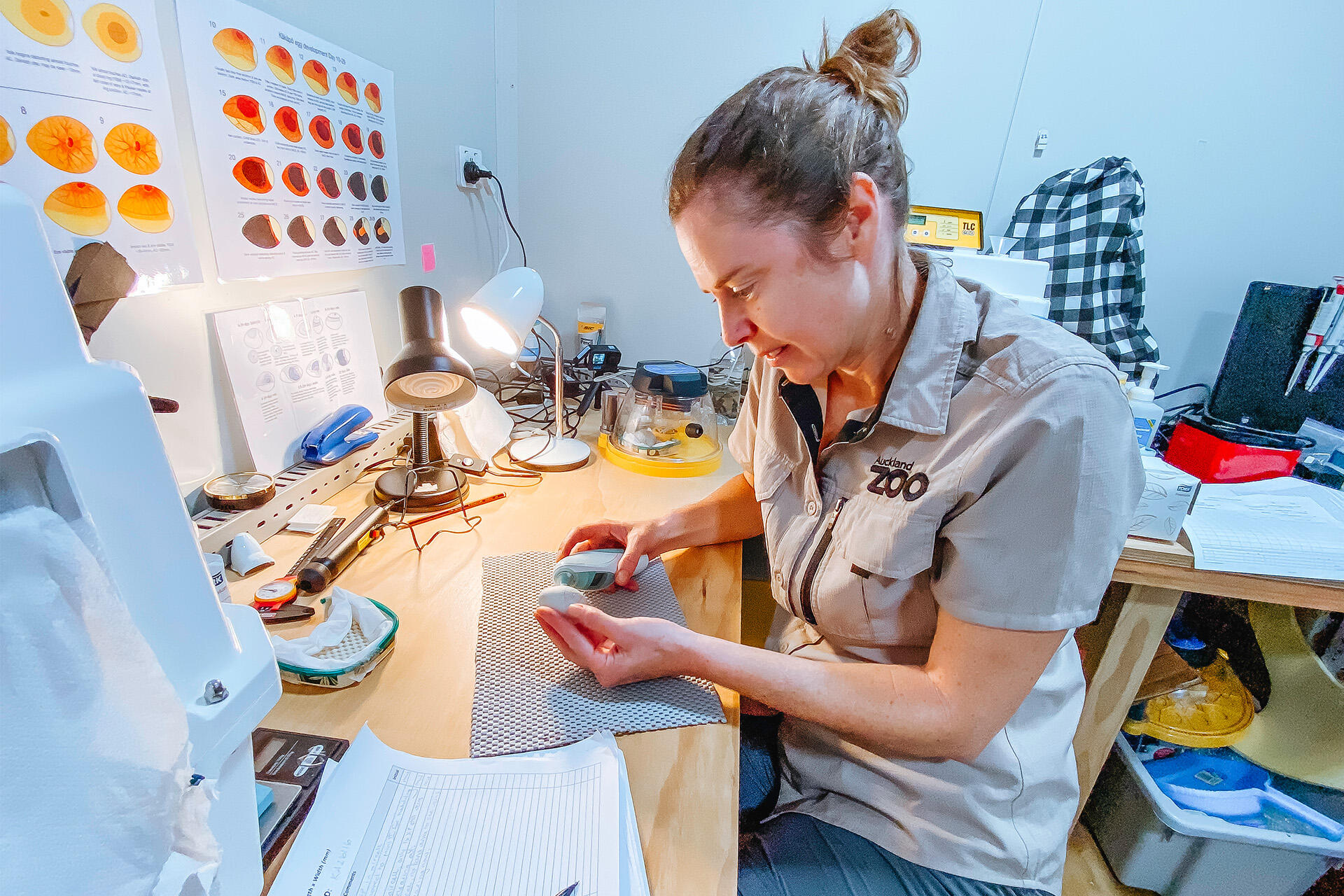
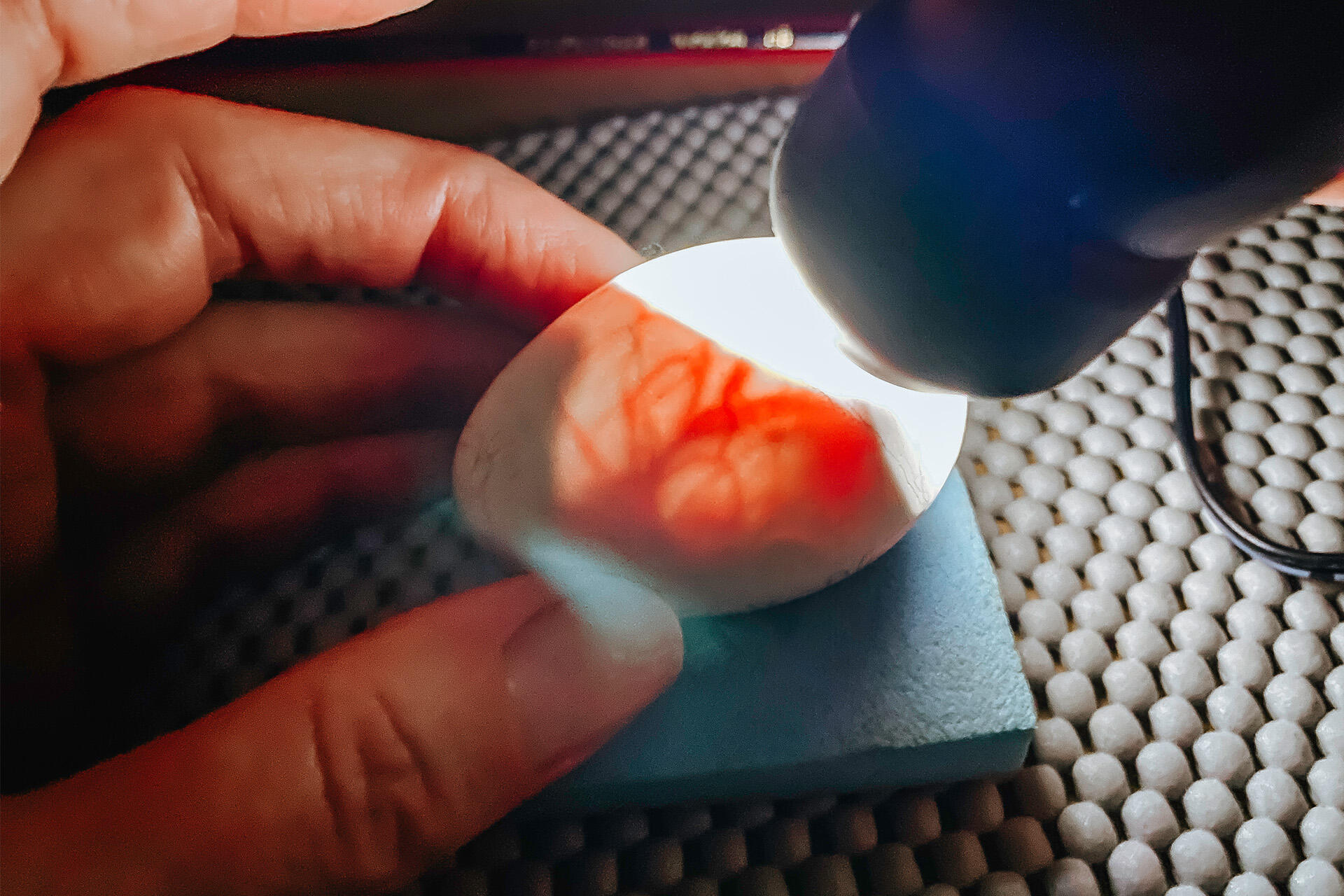
While all eggs this season were hatched under kākāpō if possible, some are safer hatched in an incubator. Using a thermometer, Mikaylie would take the eggs out of the incubator to check their temperatures three times a day, to ensure the incubators are working as they should. The eggs are also candled (a bright light is shone on the egg to check its development) once a day, and a weight is taken as well. During her time there, she was able to hatch four eggs in the incubation room, with all other eggs returned to nests.

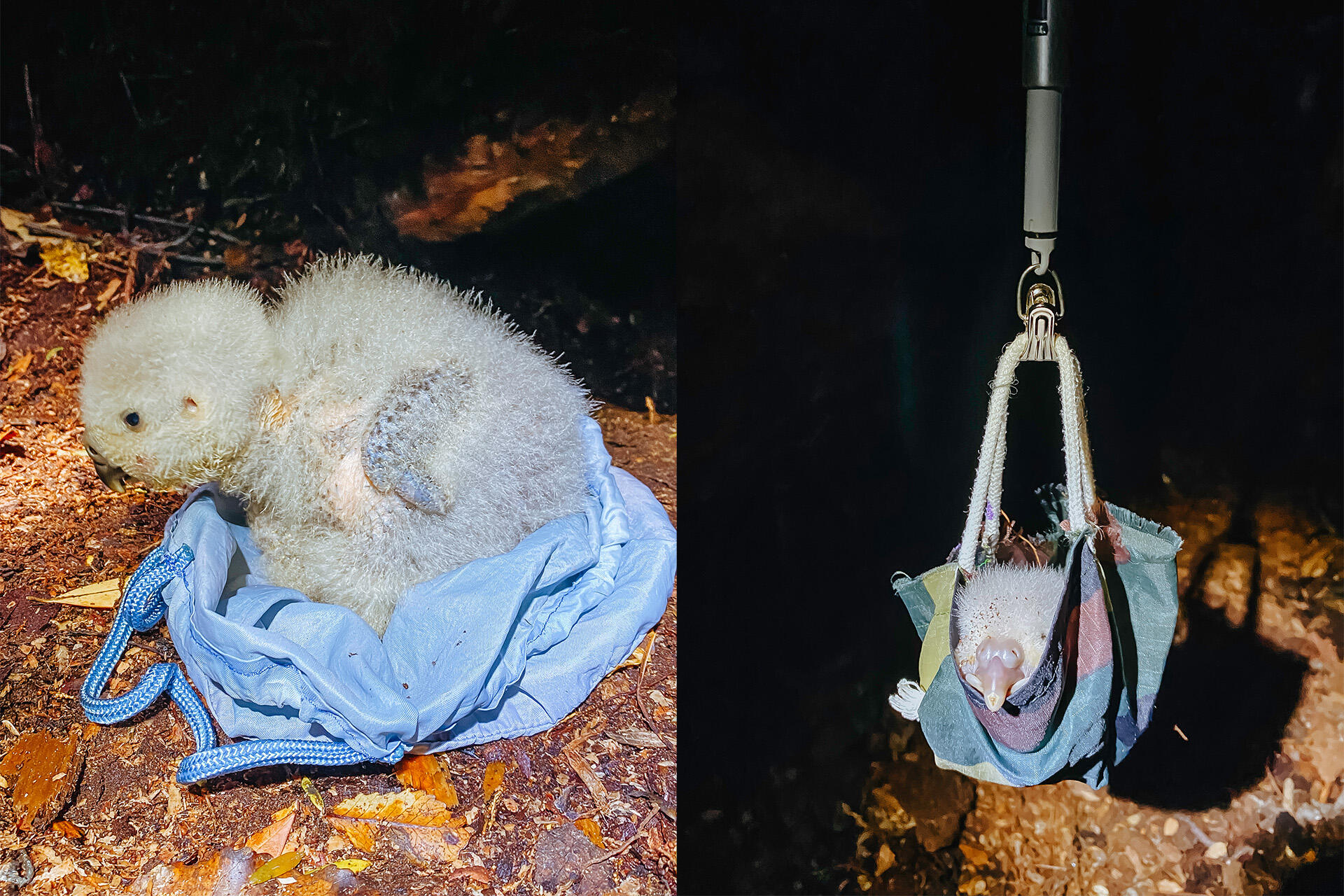
At night, when kākāpō mothers are out getting food, the nests would be checked to ensure the health of the chicks. This involved gently checking the chicks’ crop for food, checking their respiration and weighing them. This important data is radioed back to the team at the hut so that individual graphs for each chick can be updated. This is key to tracking the weight of the chicks in real time. If their weights are too low, the team make a call whether the chick needs to be transferred to another nest, or to bring it to the hut for veterinary assessment and supplementary feeding if required.  

Eggs and chicks may also be cared for at the hut for other veterinary issues. While Mikaylie was on Punekui, this was the case with two eggs that had issues with their ‘CAM’. The Chorioallantoic Membrane, or CAM for short, is a vascularised membrane that is crucial for embryonic development, and chicks can die if it doesn’t develop properly. One of the two chicks was able to hatch on its own, but the second chick was in active hatching for too long and was tiring.

Mikaylie was able to carry out an emergency assist hatch, calling on an incubation expert at Whenua Hou to get their advice via phone.

“When an egg is in the process of hatching it becomes brittle. I was able to cookie-cut a piece away from the egg with my hands, peeling away the shell nearest its head and enabling the chick to hatch out. This was nerve-wracking, but it was amazing to be able to help rescue this chick,” explains Mikaylie.

This went successfully and both chicks were delivered into the nest and care of kākāpō Phoenix. While it’s still early days for these chicks, they’re currently alive and responsive!   

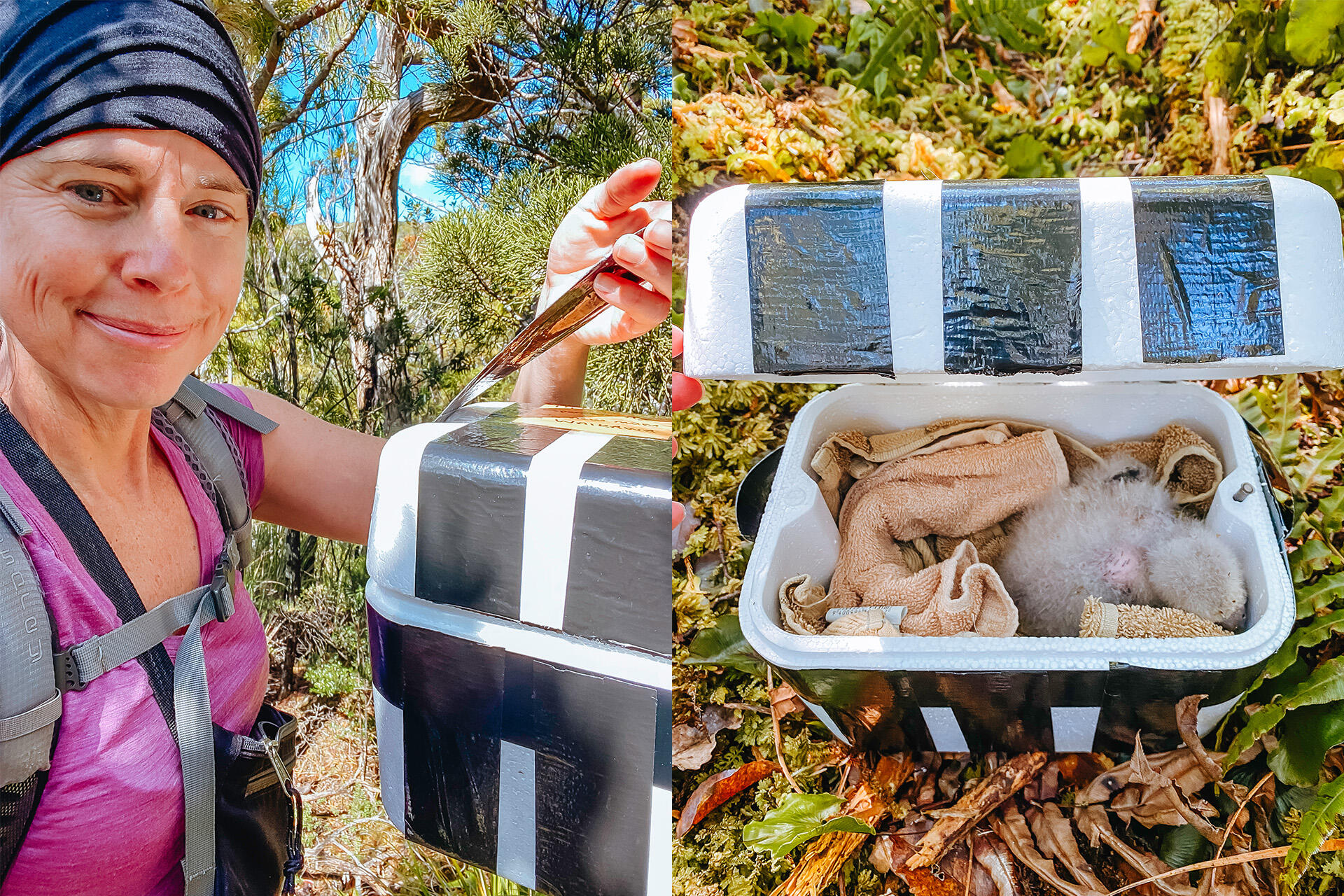
Another exciting event during her time on the island, was helping to collect five chicks from the helicopter which had been transferred from Whenua Hou to Pukenui! They were being transferred as, with more ripe rimu fruit on Pukenui than Whenua Hou, it gave them a better chance of thriving in two chick nests. Mikaylie and the DOC team were able to meet the helicopter and return all five chicks to nests.

“I was responsible for delivering one of the chicks to nesting female Waikawa, who at that stage was only caring for a single chick. After delivering her a new second chick, I waited patiently by the nest so I could check again and make sure everything was going well. After 20 minutes, I looked into the burrow and the new chick had been pulled in under her, confirming that she had accepted the second chick! This was so wonderful to see, and shows what amazing mothers kākāpō are,” explains Mikaylie.


At the end of her trip when she was leaving Pukenui island, Mikaylie was able to help transfer three chicks (Evohe-A-2, WAA-A-1 and WAA-A-2) to the mainland via helicopter, enroute to Dunedin Wildlife Hospital. Once they landed safely, she gave them a feed ‘for the road’ at the helicopter pad at Manapouri, and one of the DOC rangers drove this precious cargo over to Dunedin. The great news is, two of the chicks have already returned to the island.

We love helping our amazing partners with this conservation mahi as every new chick that hatches gives hope for the future of the species. If you missed it, read our story about birds curator Juan helping out this season, and check out Radio New Zealand’s Kākāpō Files to hear about kākāpō chick CPR from our Zoo vet Adam!