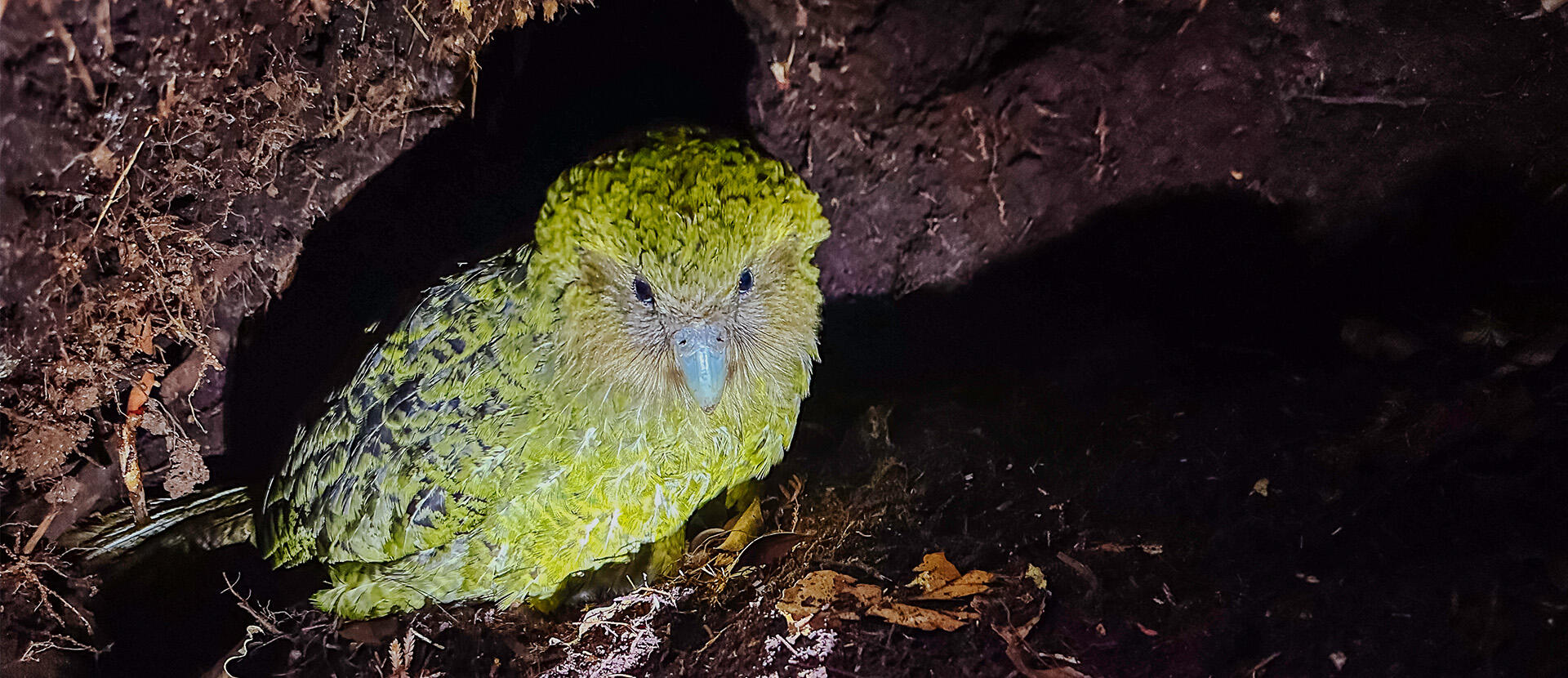
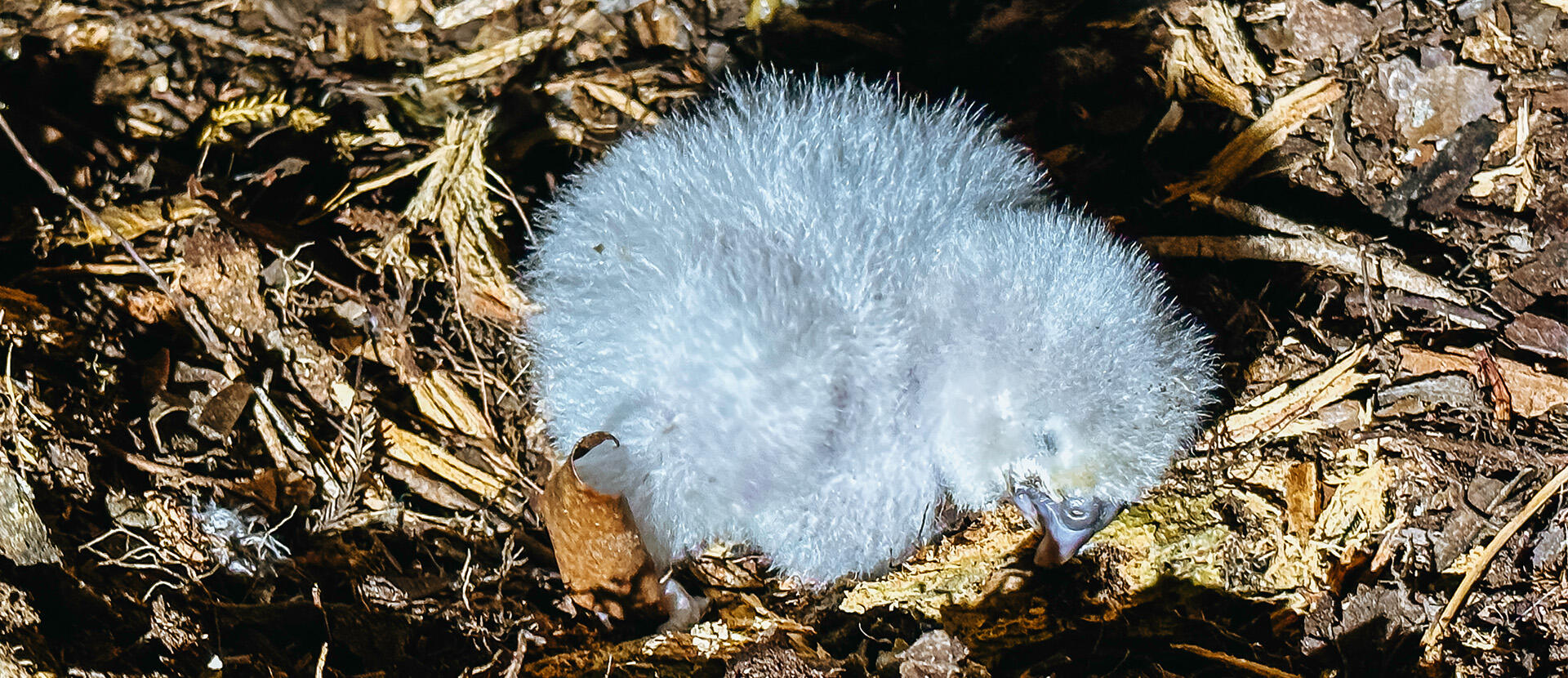
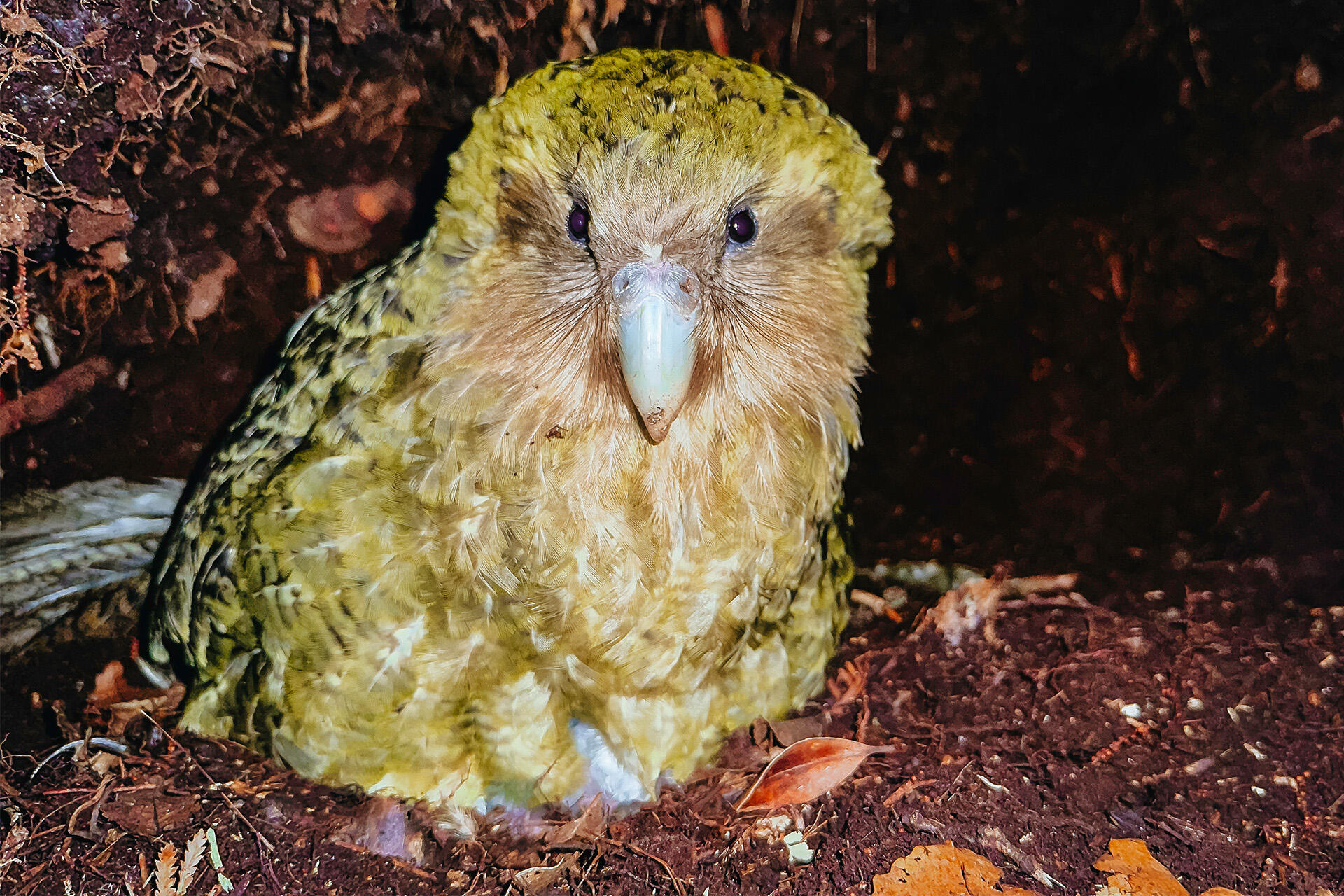
It’s another bumper kākāpō breeding year? No need to tell us more, we’re there!

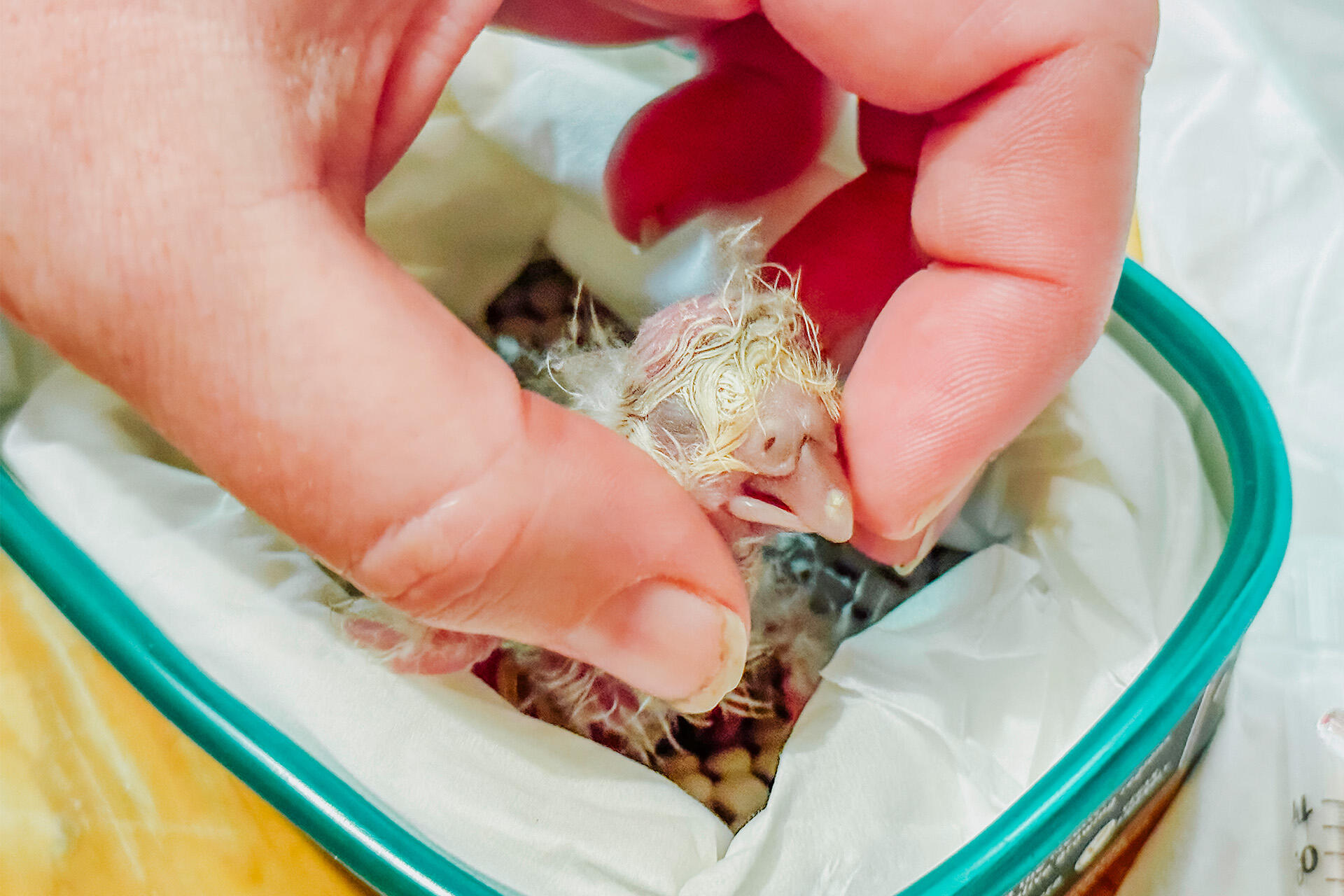
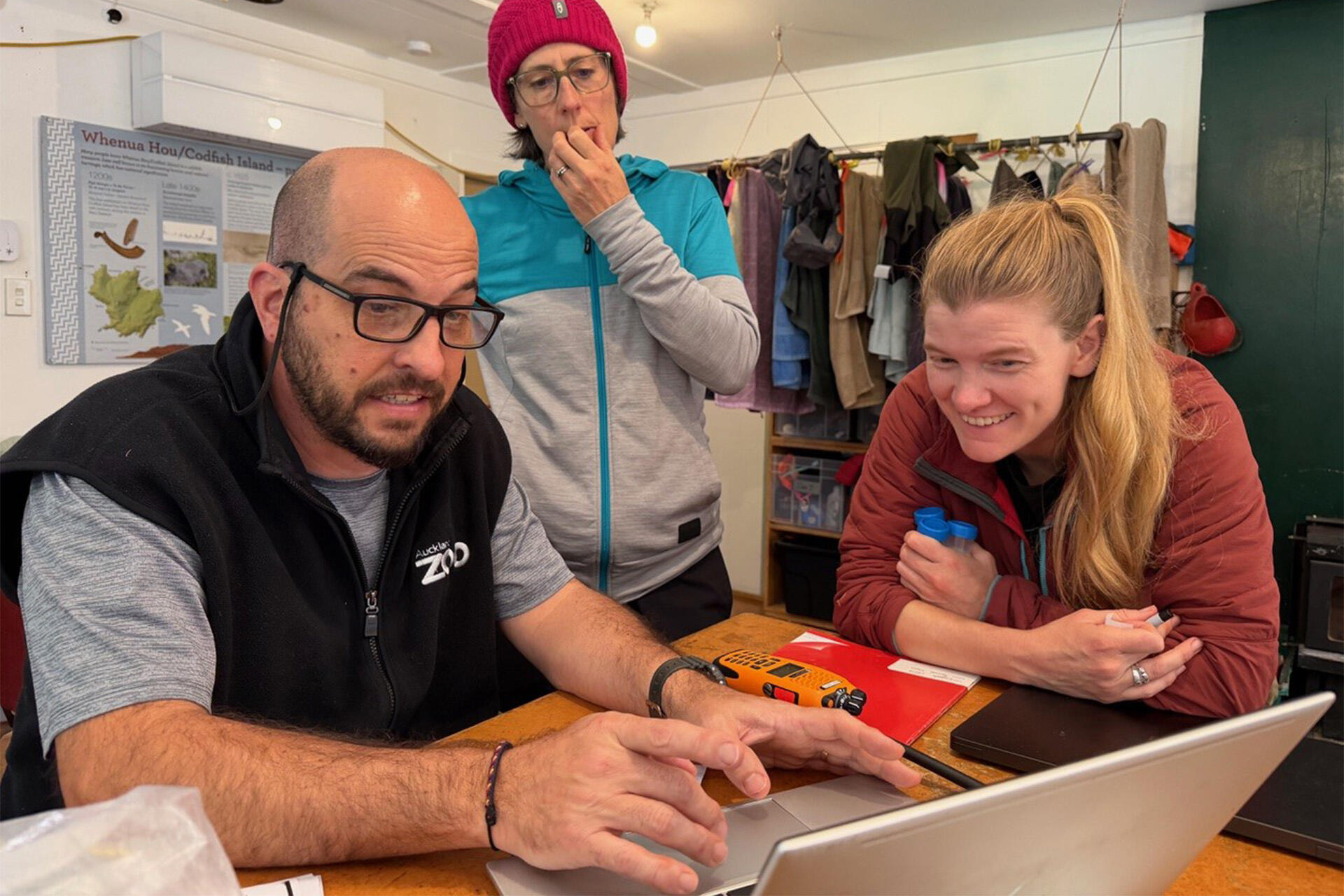
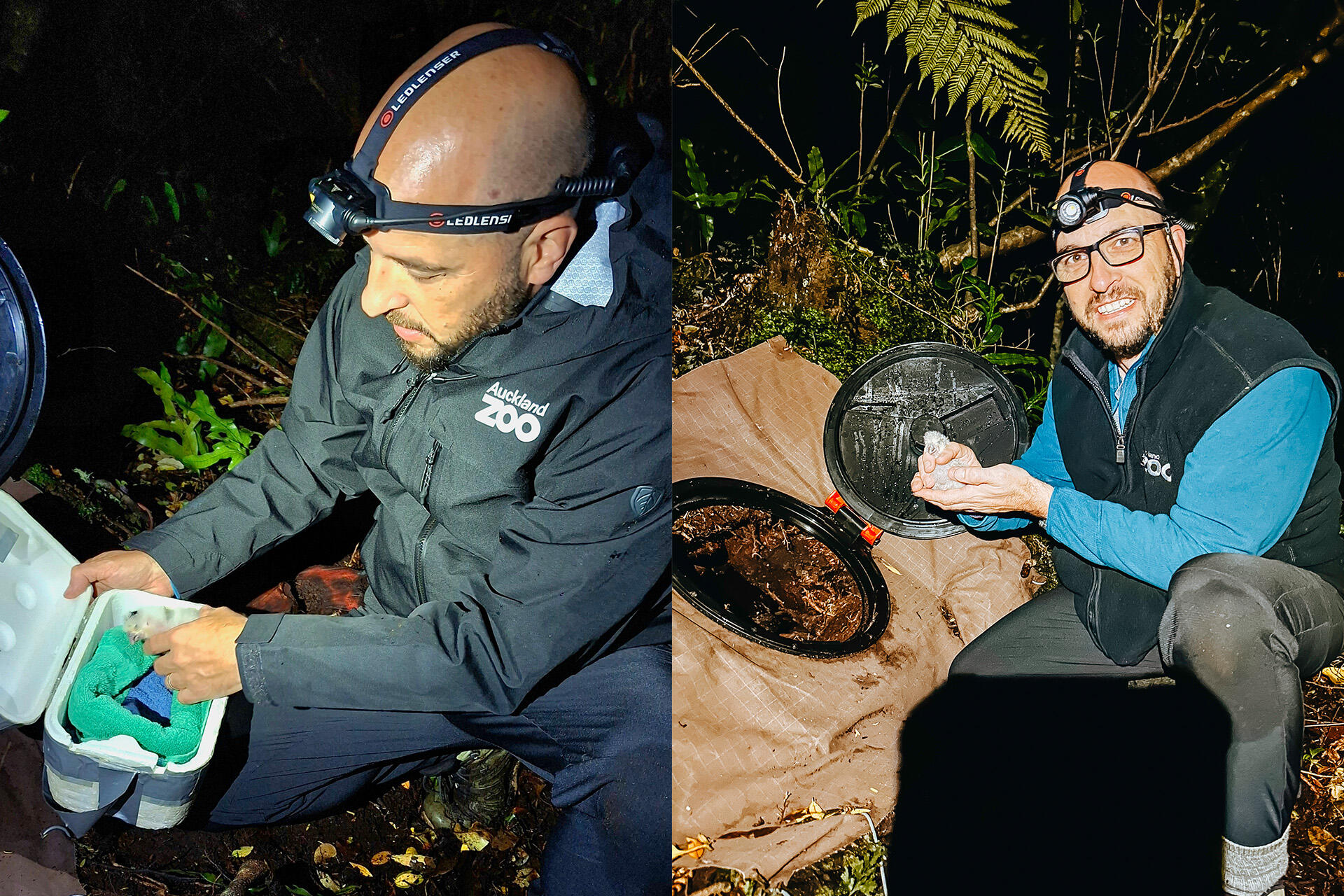
We’ve been lending a hand to help our very skilled friends and partners at the Department of Conservation’s Kākāpō Recovery with this exciting kākāpō breeding season. Our birds curator Juan recently spent a week on Whenua Hou, one of a few islands where kākāpō are found, to assist with rearing chicks and incubating eggs.

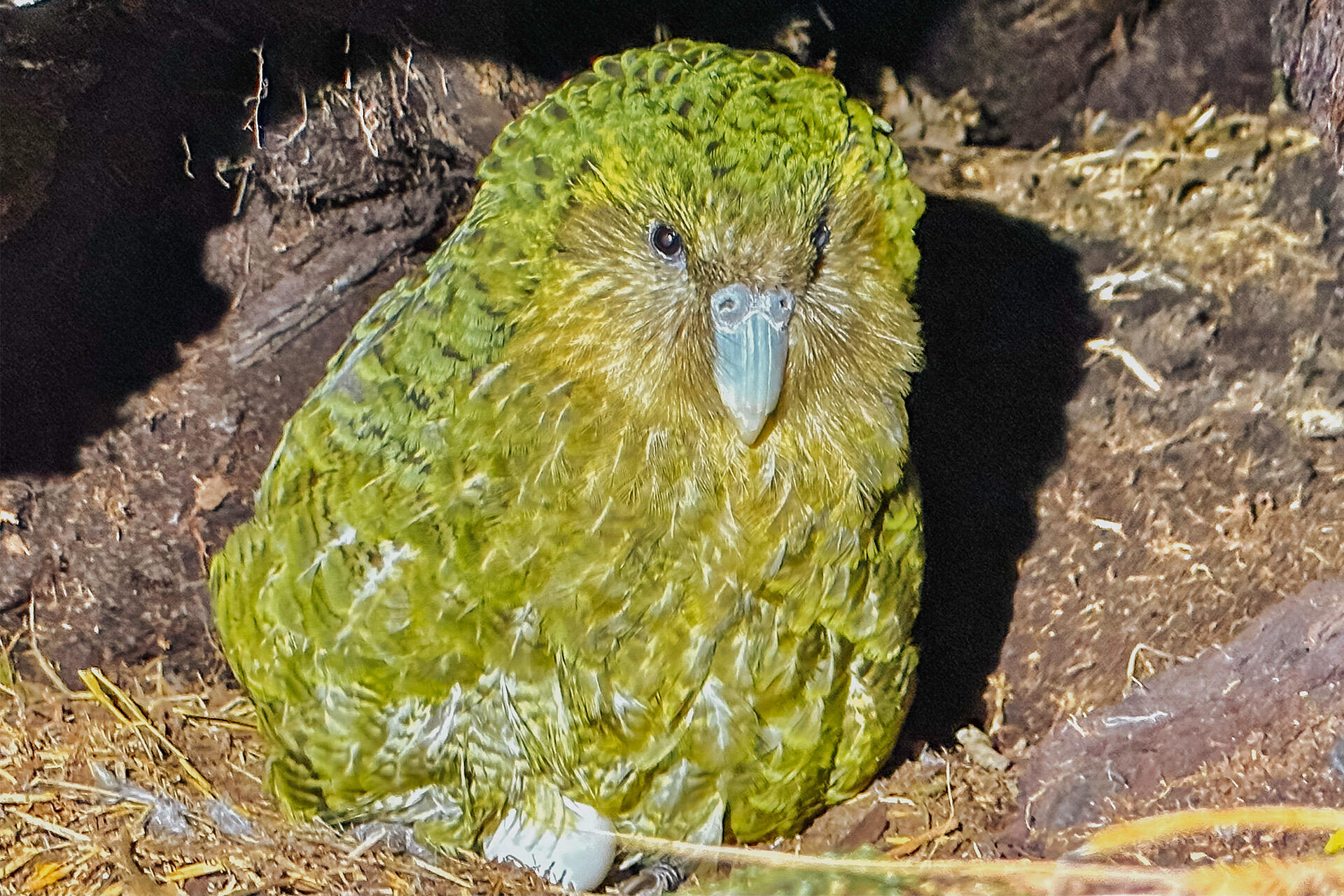
These critically endangered parrots breed every few years when the rimu tree masts (a mass fruiting event that happens every 2-4 years) as this provides plenty of nutrient-rich food for their chicks. DOC scientists look at environmental trends and can forecast when the next masting and kākāpō breeding season will take place. There’s a whole lot of preparation and it’s all hands on deck, pooling resources from around the motu.   

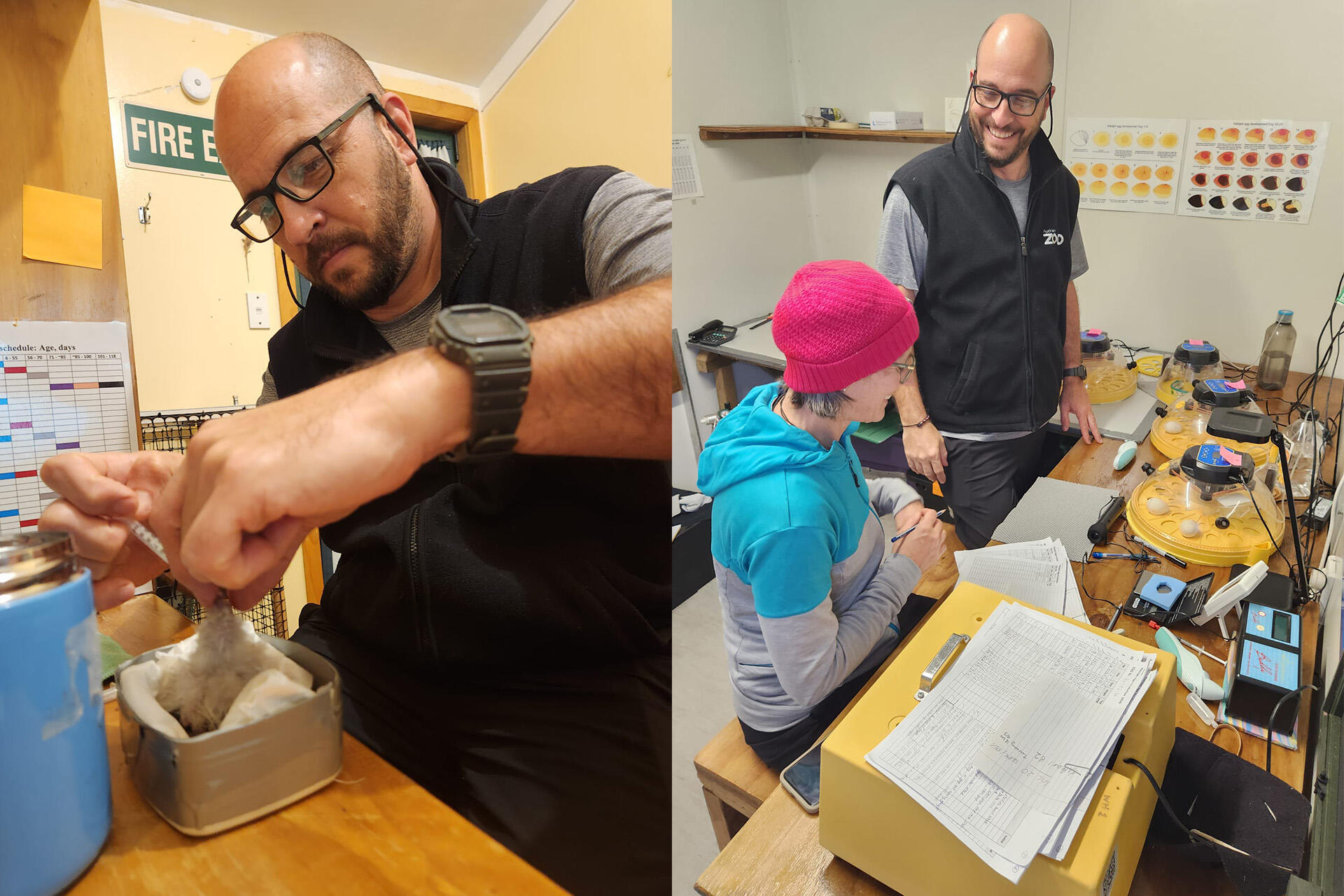
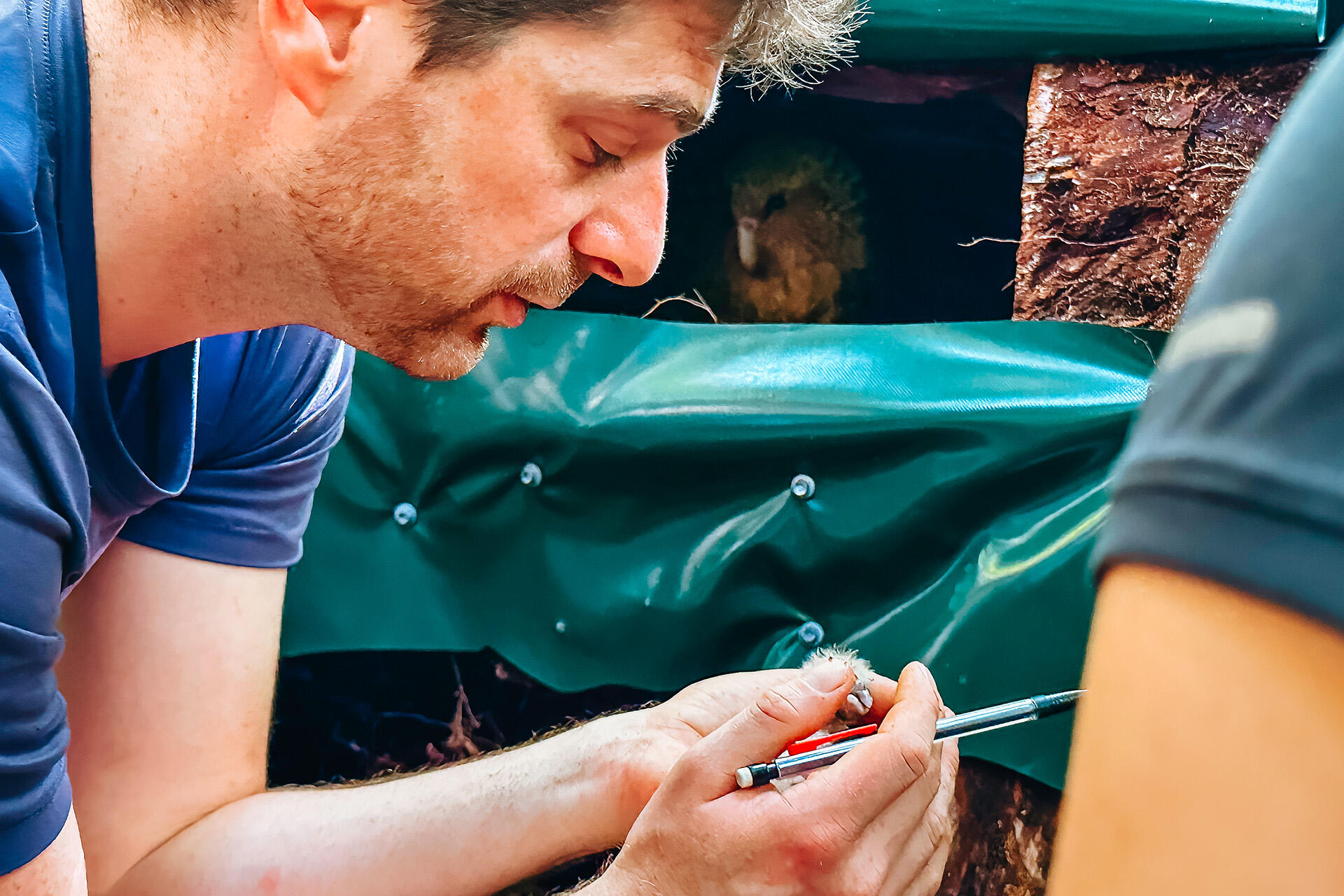
Juan worked alongside DOC to support the hand-rearing of precious chicks, and kaimahi from the National Kiwi Hatchery to assist with egg incubation – which are Juan’s areas of expertise.

As kākāpō are still critically endangered, it’s mahi tahi in action, where experts come together in a breeding year to support the species. This season, all eggs laid on Whenua Hou were taken in for safekeeping in incubators until they were due to hatch. This extra precaution is taken as kōrure (mottled petrels) and tītī (Cook's petrels) can physically compete for the same burrows as nesting kākāpō on this island, creating a high risk of eggs being accidently damaged during fights or scuffles.

Genome data from every living kākāpō (currently 235 adults) and the use of targeted artificial insemination also help to support the best outcomes for the long-term genetic health of the species.


Using the latest technology the team is able to remotely monitor each bird’s activity levels and see what males mate with which females, when the females are likely nesting and when they are out foraging for food.

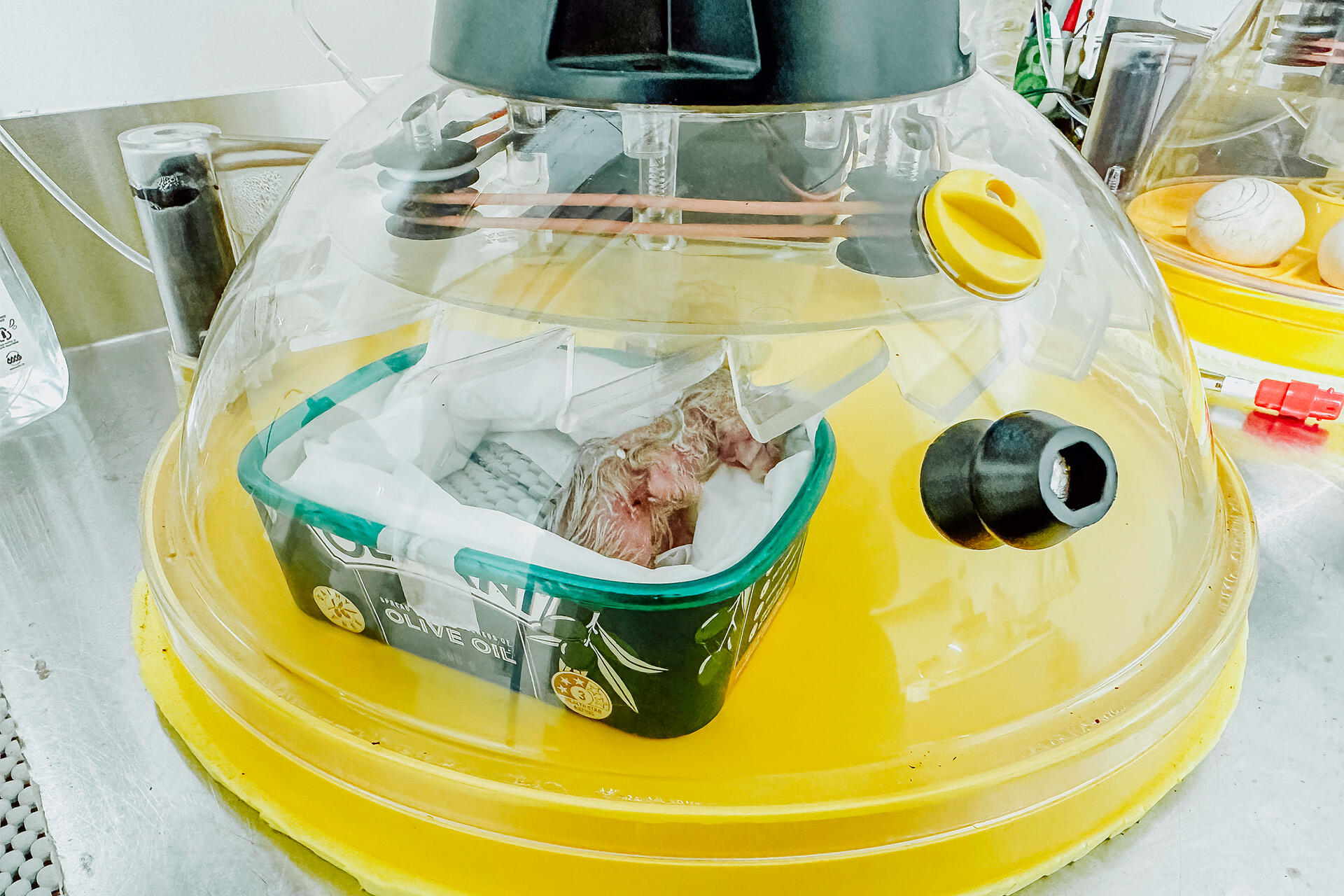
Eggs are placed in incubators with different humidity levels and temperatures depending on what stage the egg is at and its development. As the egg develops it will begin to require lower incubation temperatures, as the developing embryo will start to generate its own heat. Just before hatching, the egg will be returned to a nest. This could be the nest it came from or a foster mum, depending on the best available options and chances of success.

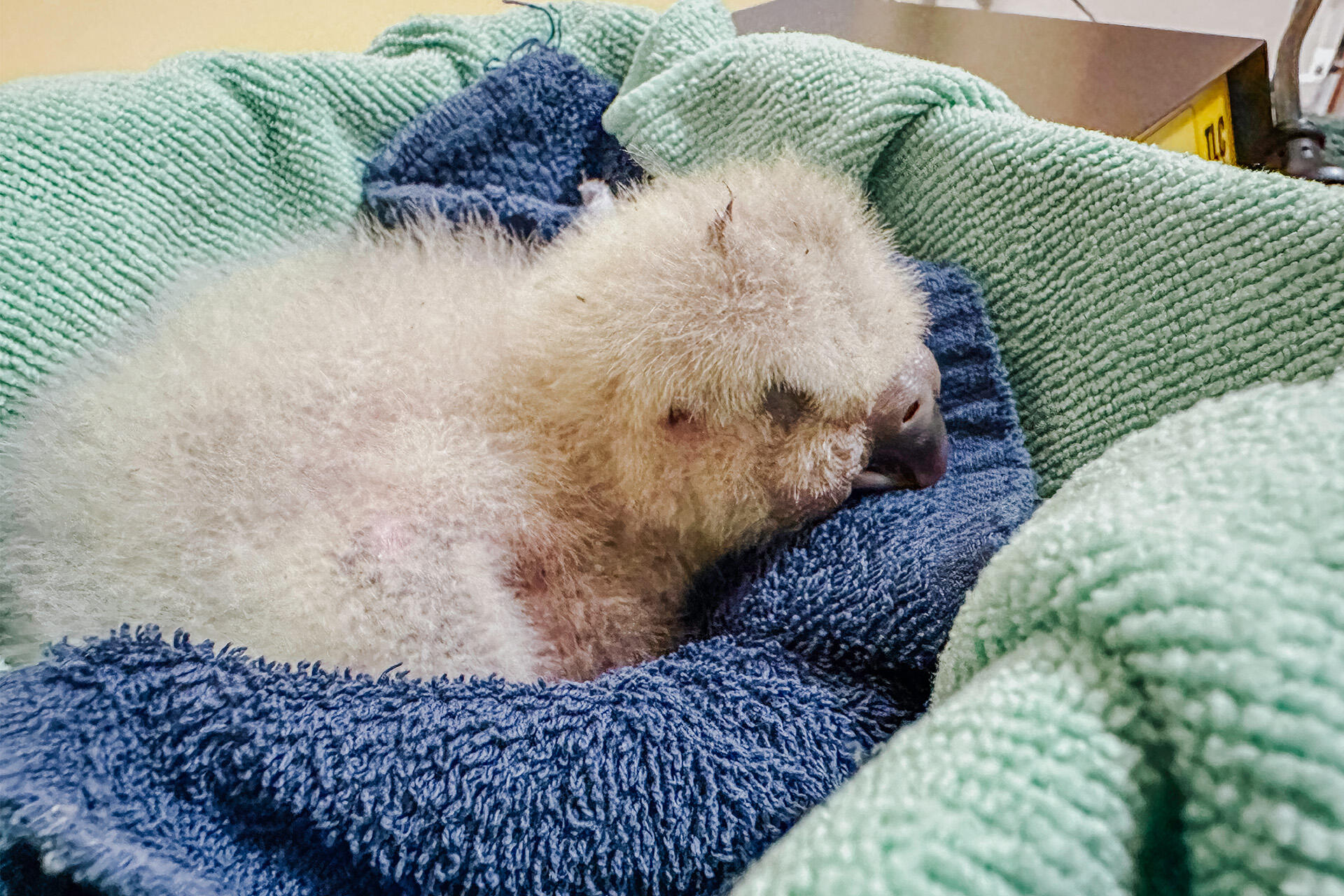
Sometimes eggs need support to hatch safety in the incubator, and in those cases, the chick is hand fed initially until it is strong enough to be transferred to a nest mum. A newly hatched chick will be fed from 6am – 12pm every two hours, and the frequency of feeds will decrease over time as they grow.

“I’m really impressed by how this programme combines hands-on fieldwork techniques with cutting-edge technology to deliver an intensive conservation management programme in such a remote location. It’s a great example of Kiwi resourcefulness. I was privileged to be part of a kākāpō breeding season and to work along such dedicated team,” explains Juan.

“I learnt a lot about this species – some of which is surprising for parrots! As in most parrot species, incubation is carried out solely by the female. However, in these cases, even if the male doesn’t sit on the eggs, it would support the female by provisioning her with food. In kākāpō however, the male plays no role in either incubation or chick rearing, leaving all parental care to the female. As a result, the female must leave the nest each night to forage, temporarily leaving the eggs or chicks unattended. Kākāpō eggs and chicks are uniquely adapted to this strategy and are able to tolerate the low night temperatures of their cool, forested habitat”.

Kākāpō breeding seasons are a lot of mahi but it’s all for an amazing cause. Our team all feel privileged to be able to give their skills and time to such a rewarding project, as Kākāpō Recovery work towards a self-sustaining future for kākāpō. Stay tuned as we’ll share more from our bird team and veterinary staff as they continue helping out over the coming months.