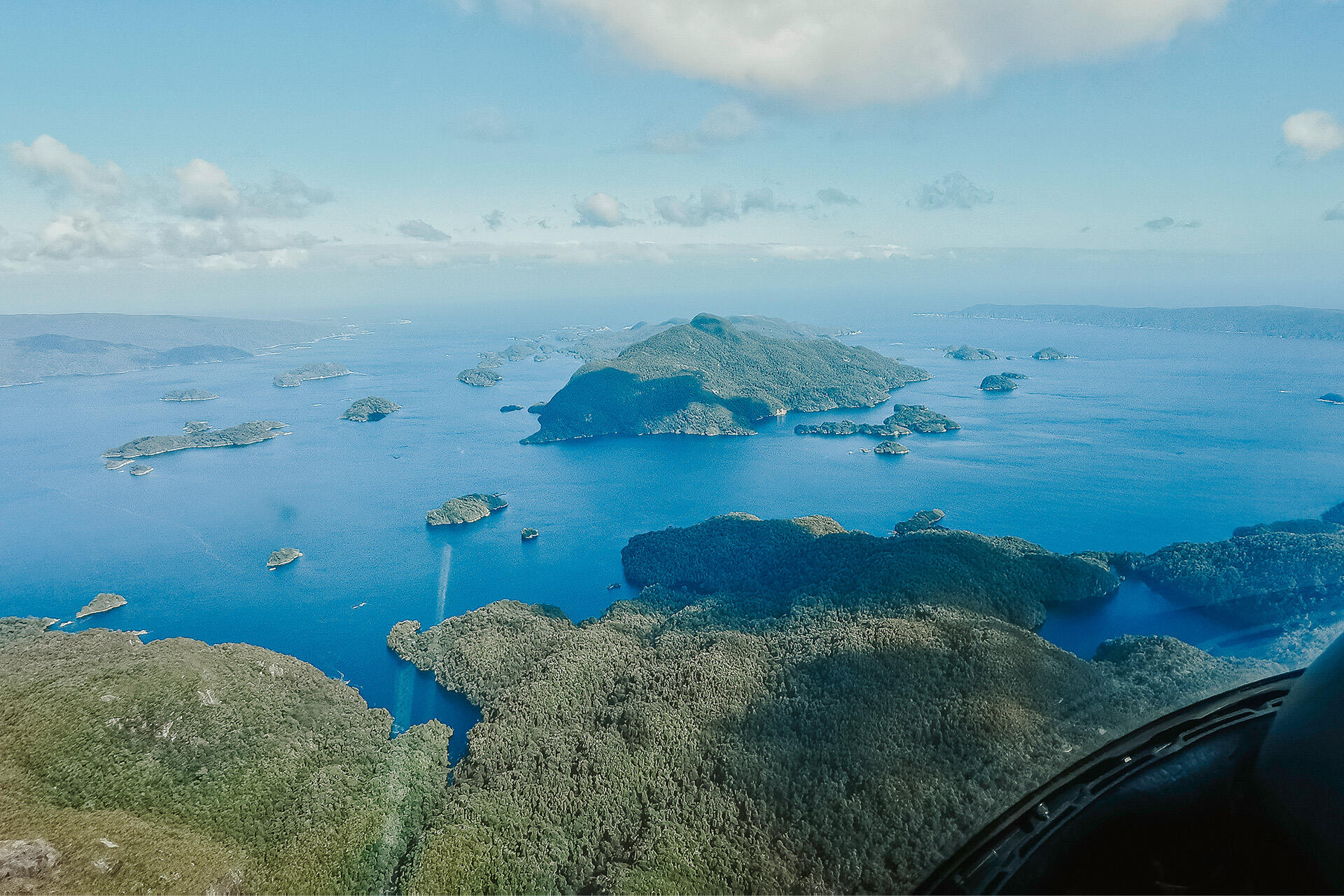
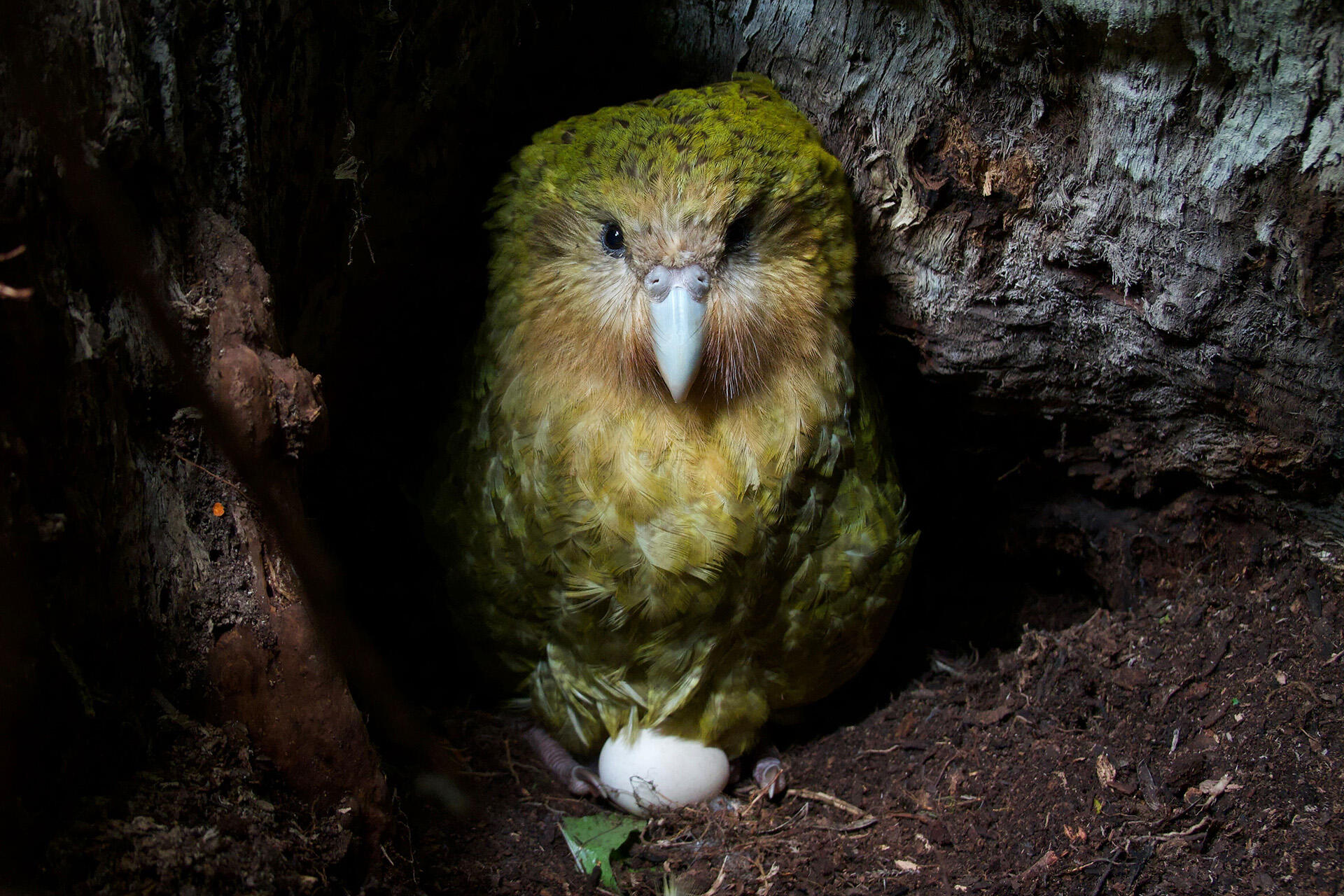
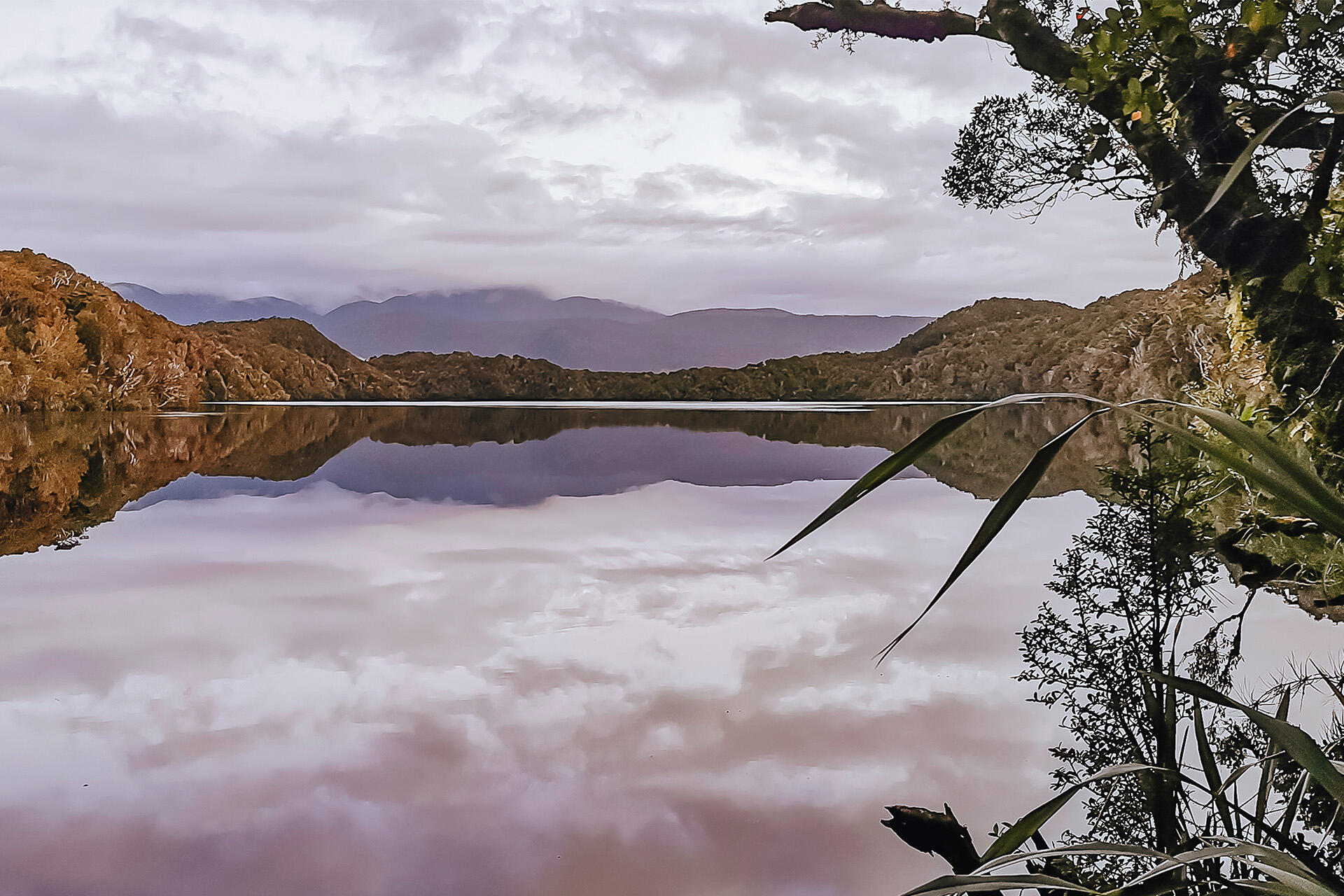
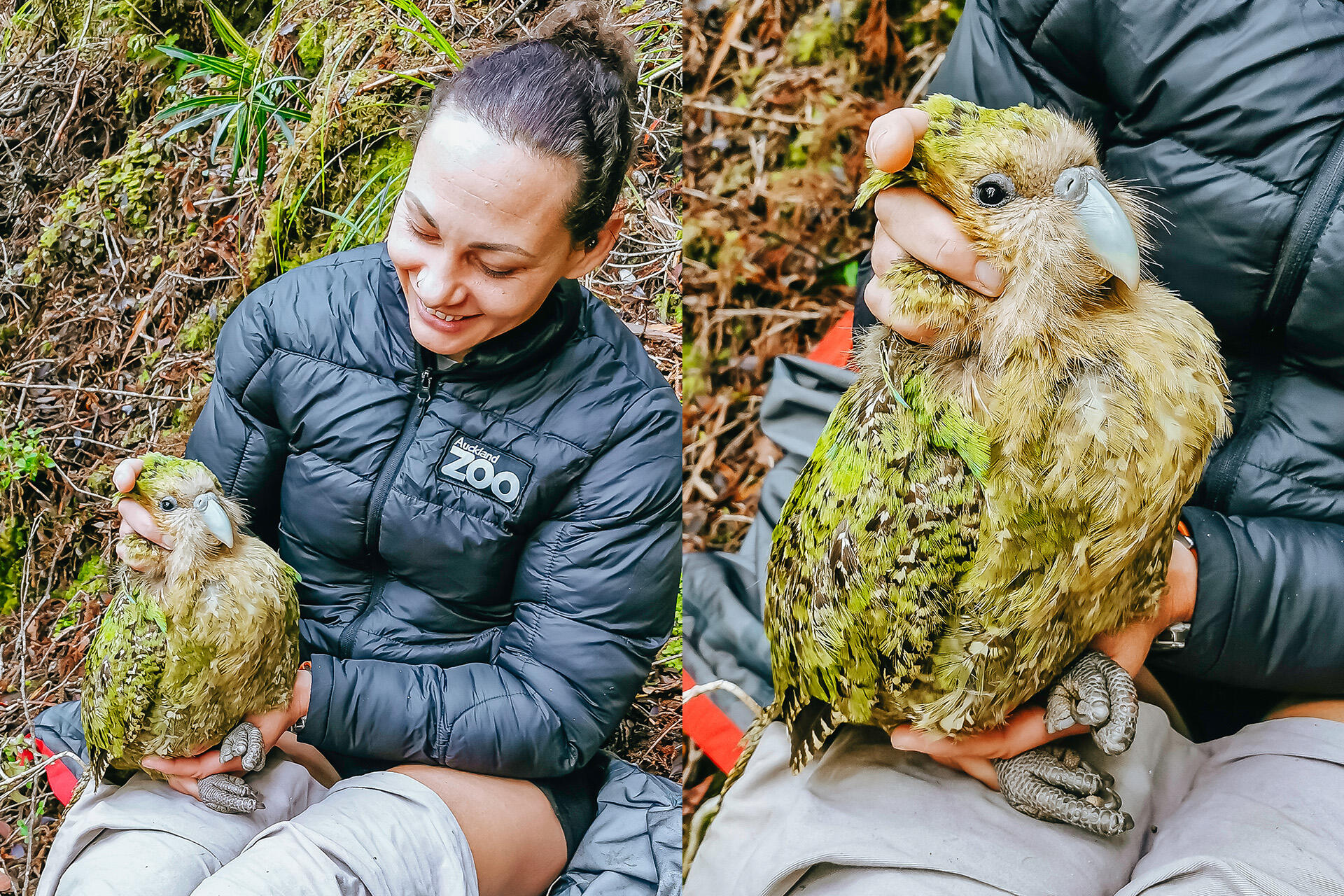
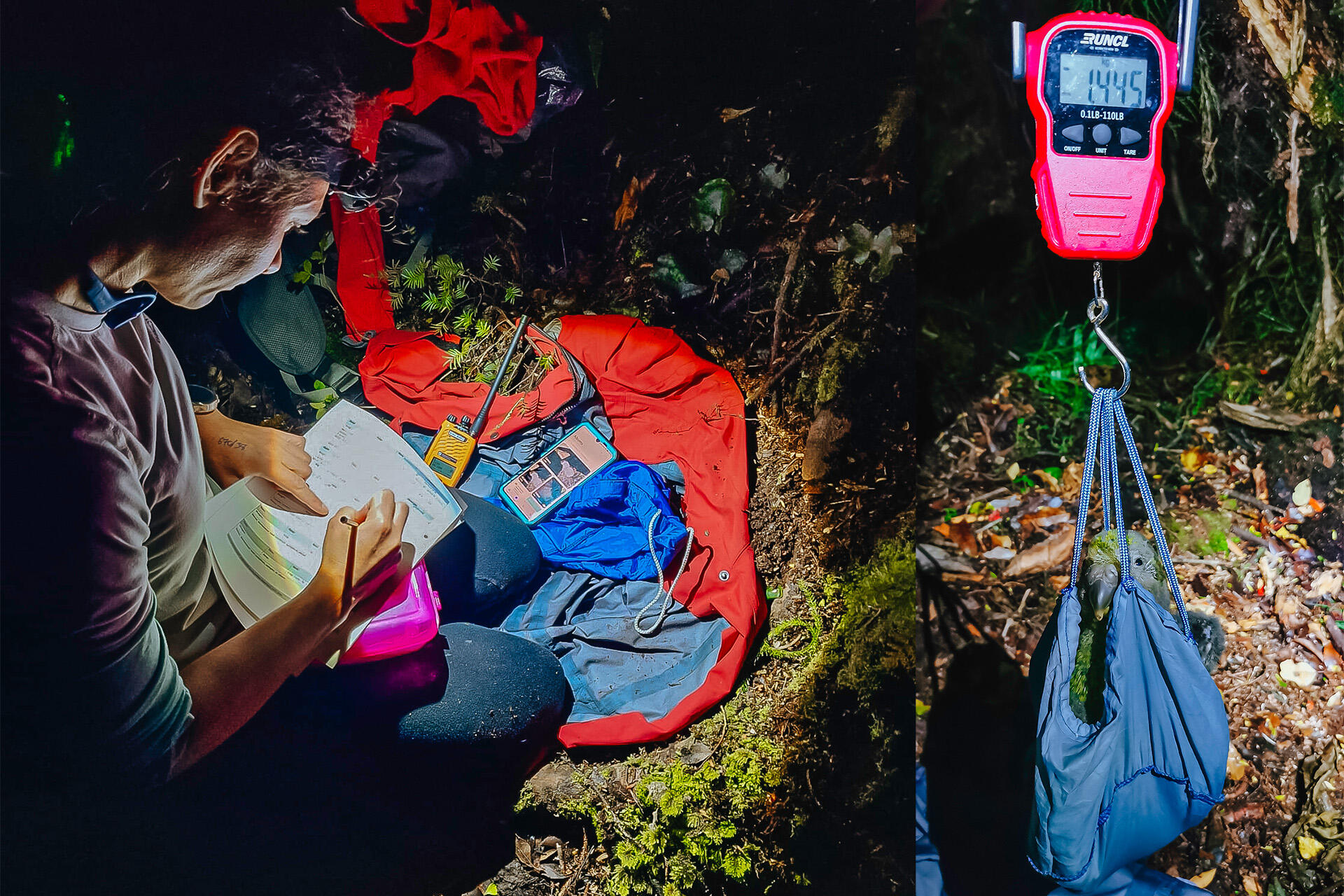
In late March, bird keeper Jasmine Rabaud spent two busy but immensely rewarding weeks on Pukenui/Anchor Island, helping our friends and colleagues at the Department of Conservation’s Kākāpō Recovery with this massive breeding season!

There are just 235 adult kākāpō surviving today, so every breeding year (taking place every 2-4 years) brings a fluffy of activity as experts pull together to make sure it’s a success.

Jasmine is no stranger to kākāpō fieldwork, and this is her ninth year of helping to care for these charismatic mossy-green parrots. This typically involves assisting with kākāpō health checks and transmitter changes on their sanctuary islands each year. During the 2019 kākāpō breeding season, Jasmine was able to contribute to hand-rearing a multitude of kākāpō chicks of various ages on Whenua Hou – and she leapt at the chance to help out again this season. 

This year her mahi on Pukenui involved working alongside Kākāpō Recovery rangers and experts to check kākāpō nests, check the health of chicks, help to transfer birds to nests if required, and hand-rear chicks at the DOC hut. 

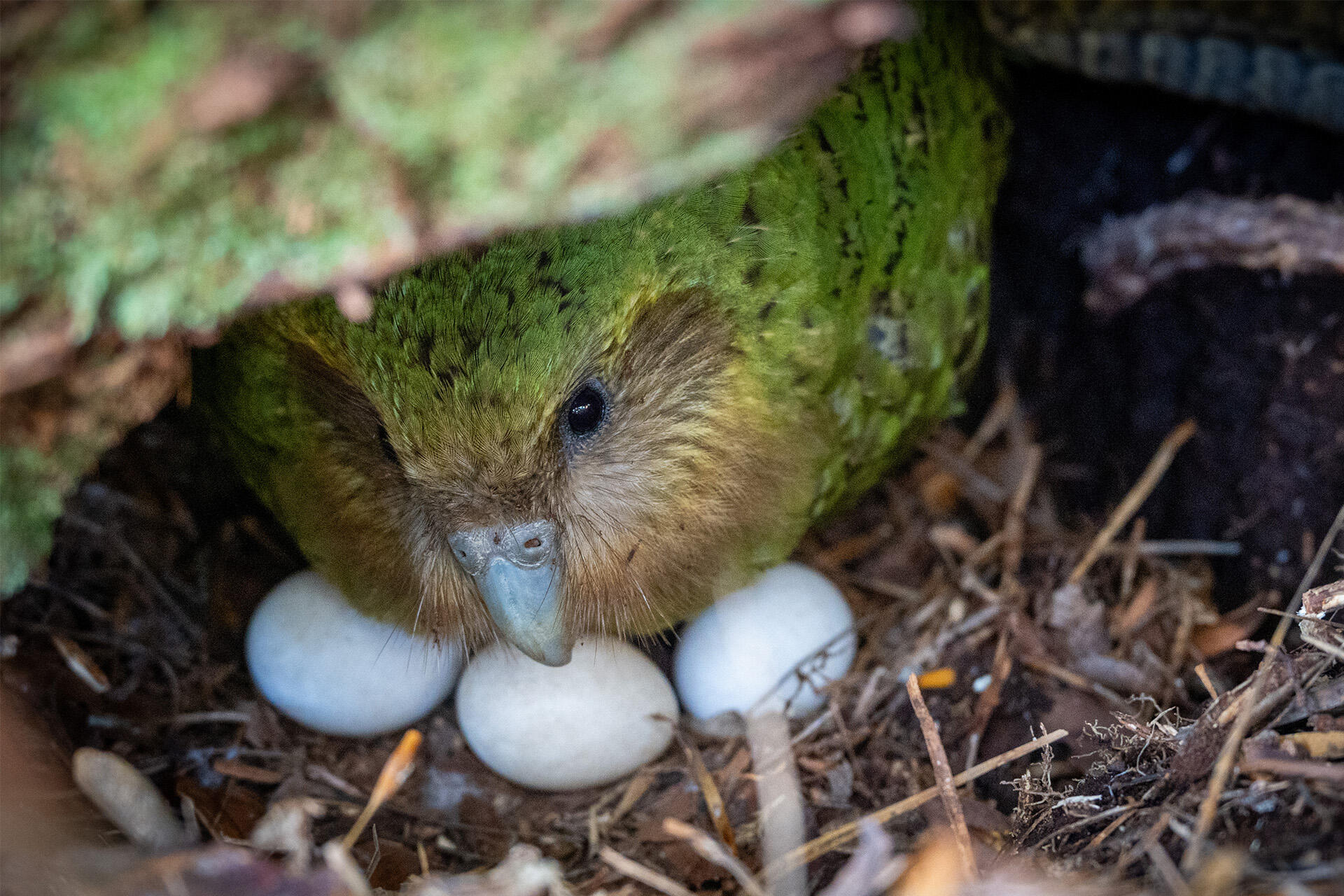
One such chick, Pākiki-A-3 was evacuated from their nest as an egg, as Pākiki (a new mum that hatched in 2022) showed signs of abandoning it. Kākāpō eggs are given this naming format [mother’s name – clutch – the number of the egg within the clutch] as a way of tracking them during the breeding season, with the chicks gaining an official name of their own once they reach a year old. If eggs are not incubated consistently by their kākāpō mothers, they will lose heat quickly and could die. Fortunately, the team monitor eggs for situations like this, and a DOC ranger was able to take it back to the hut for incubating. 

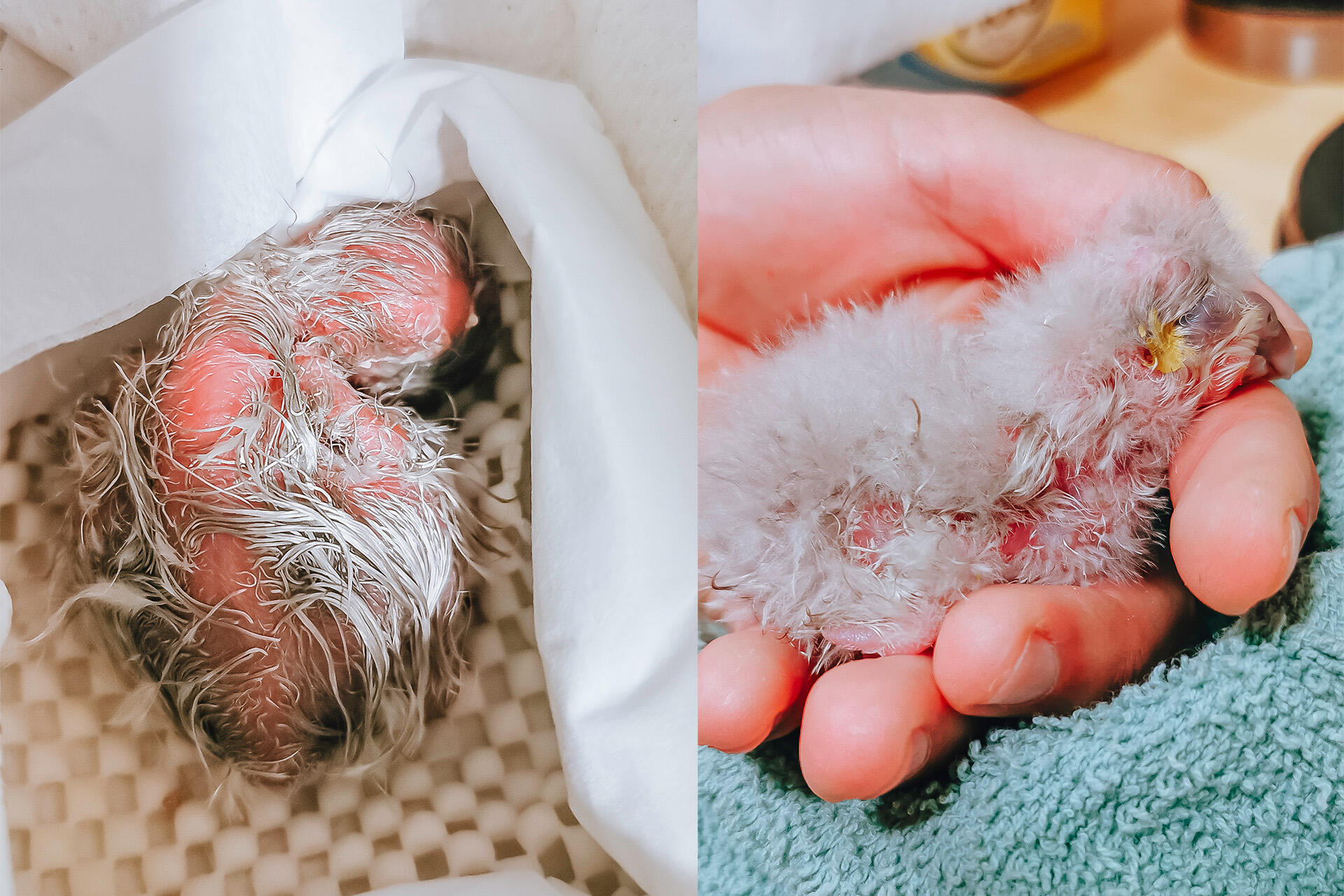
The egg was cared for over two days in one of several carefully monitored temperature-controlled incubators. When Jasmine checked just before midnight on the 22 March, she saw it was close to hatching and set an alarm for 3am to monitor its progress. When she woke, she could see that the chick had broken through more of its shell and was progressing well, so she set another alarm for 6am. This time when she woke up – the chick had successfully hatched!

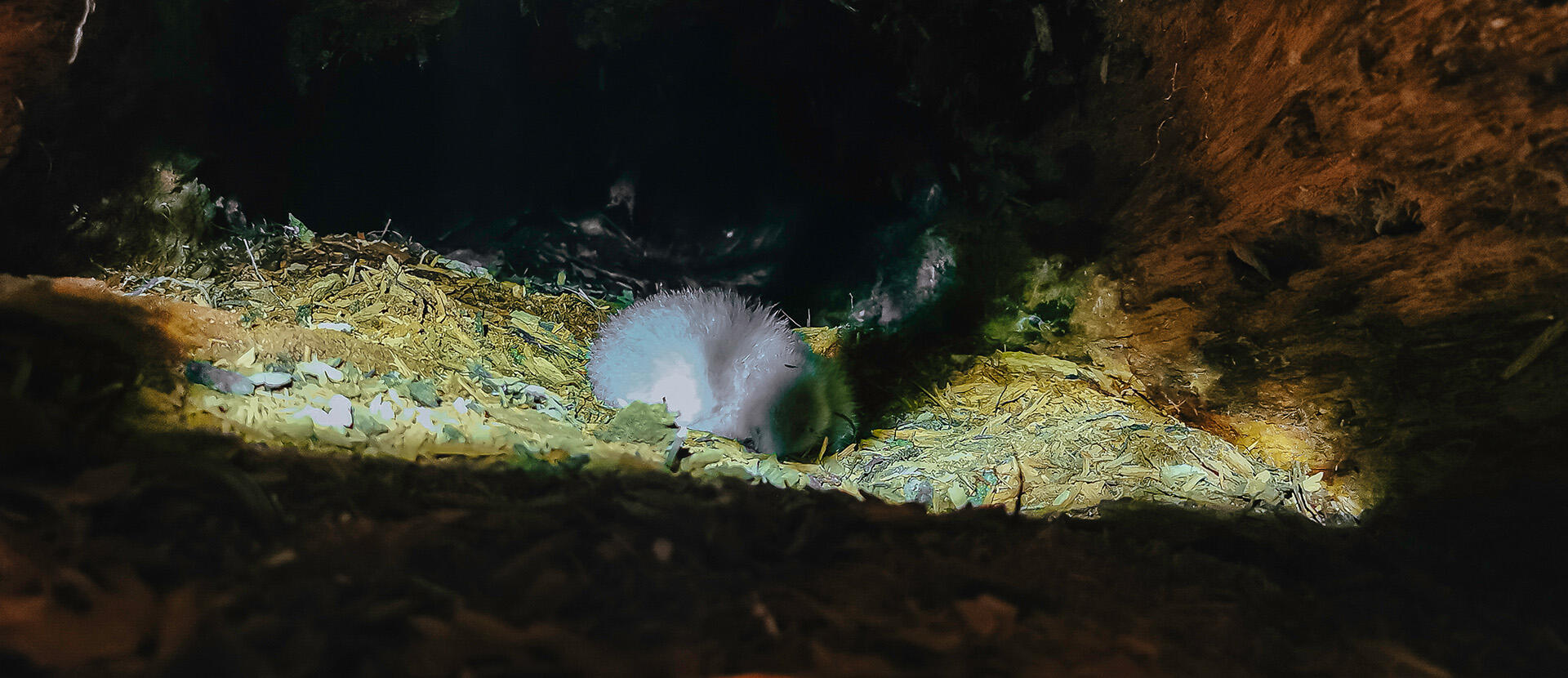
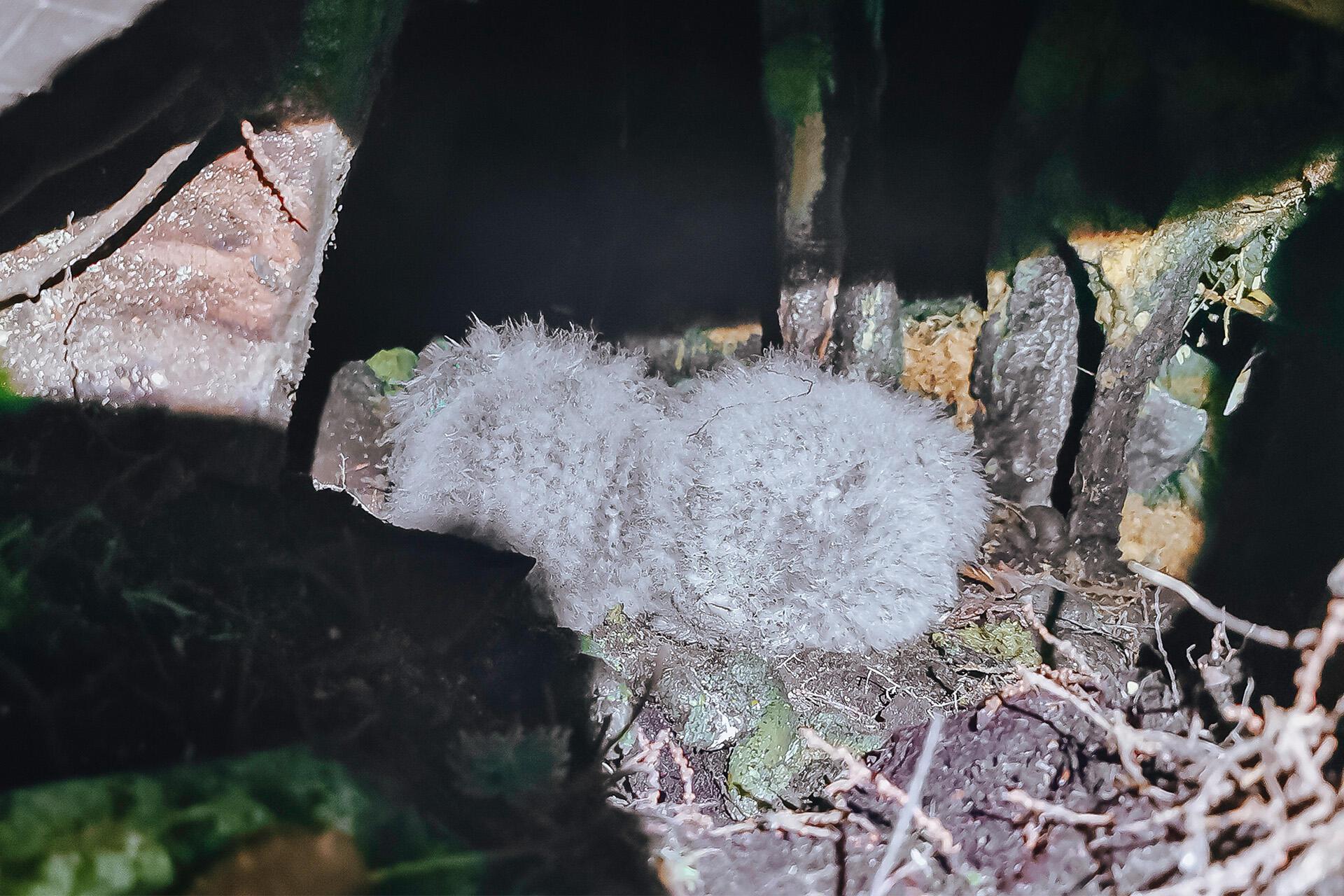
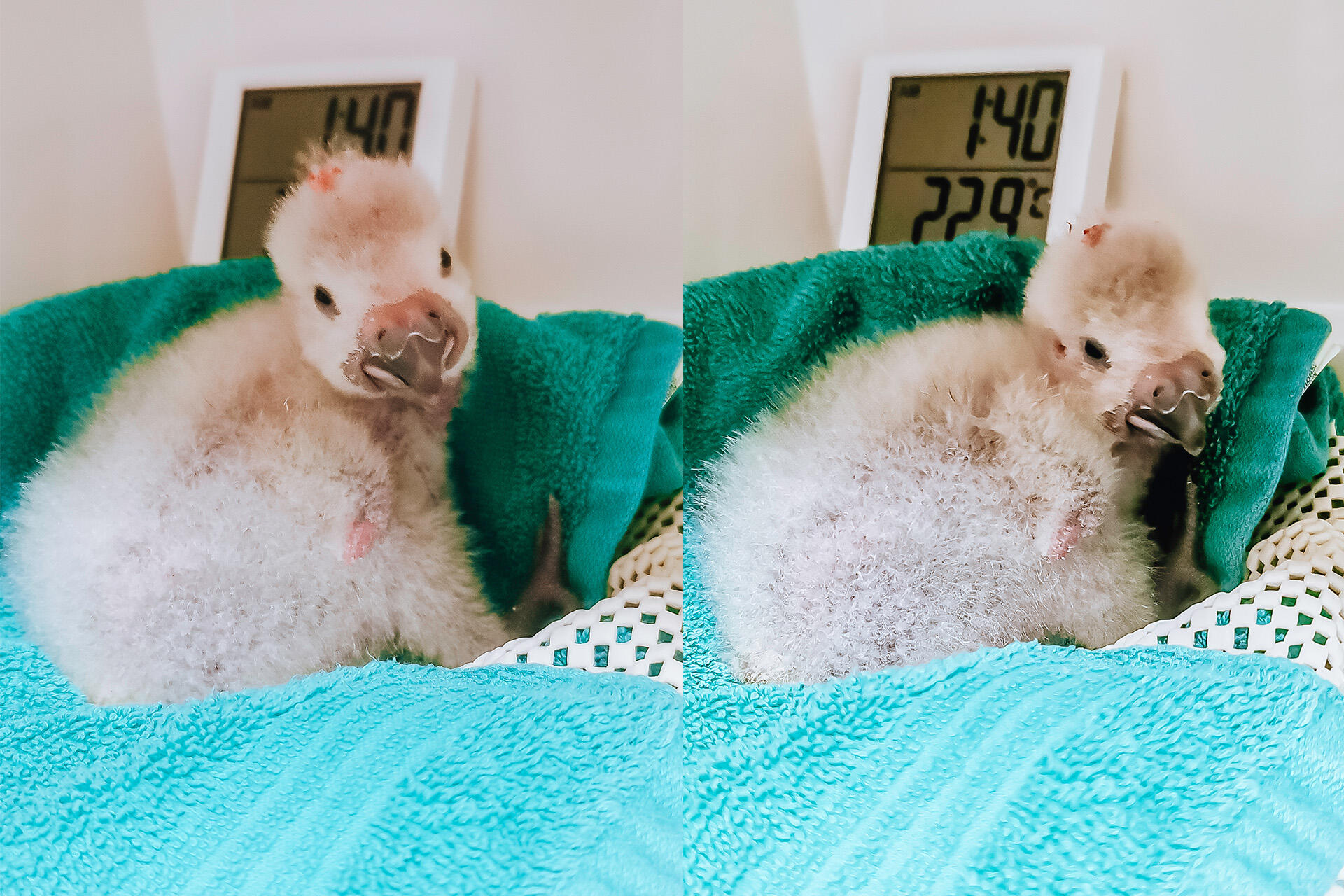
Throughout this day and the next, the chick was hand-reared by Jasmine and Zoo vet James Chatterton. This involved feeding it parrot handfeeding formula every 2 hours. On the evening of the second day, Jasmine carried the chick in a portable, padded box, hiking out just over an hour to place it in kākāpō Wendy’s nest at around 9pm at night. She stayed in a tent near the nest so she could check on the chick later that night. At 5am when Wendy had left the nest to forage, Jasmine was able to see that the chick was accepted and cared for by this kākāpō mum as it had been fed (food was visible in its crop) and she quickly weighed and checked its vitals. After returning to the tent to get a bit more sleep she was woken up by young wild kākā!

We’re pleased to say the chick has done well under Wendy’s care and now weighs over 2kgs! He’ll soon start to explore outside the nest and will begin to fledge at around 70 days old. From there, he will follow his mum, learning necessary skills on how to forage, before becoming independent at around five months old.

“This work is always amazing and reiterates why I’m involved in bird conservation. It’s a big cycle of learning – bringing my Zoo bird skills out into the wild and also learning new techniques to bring back into the Zoo. Conservation involves everyone working together – and we all have the same goals and aspirations for these precious bird species,” explains Jasmine.

If you missed our stories with other Zoo staff helping out this 2026 season, read more about vet Adam, birds curator Juan and our clinical coordinator Mikaylie’s mahi for kākāpō!