Gathering data: weighing and microchipping little penguin chicks
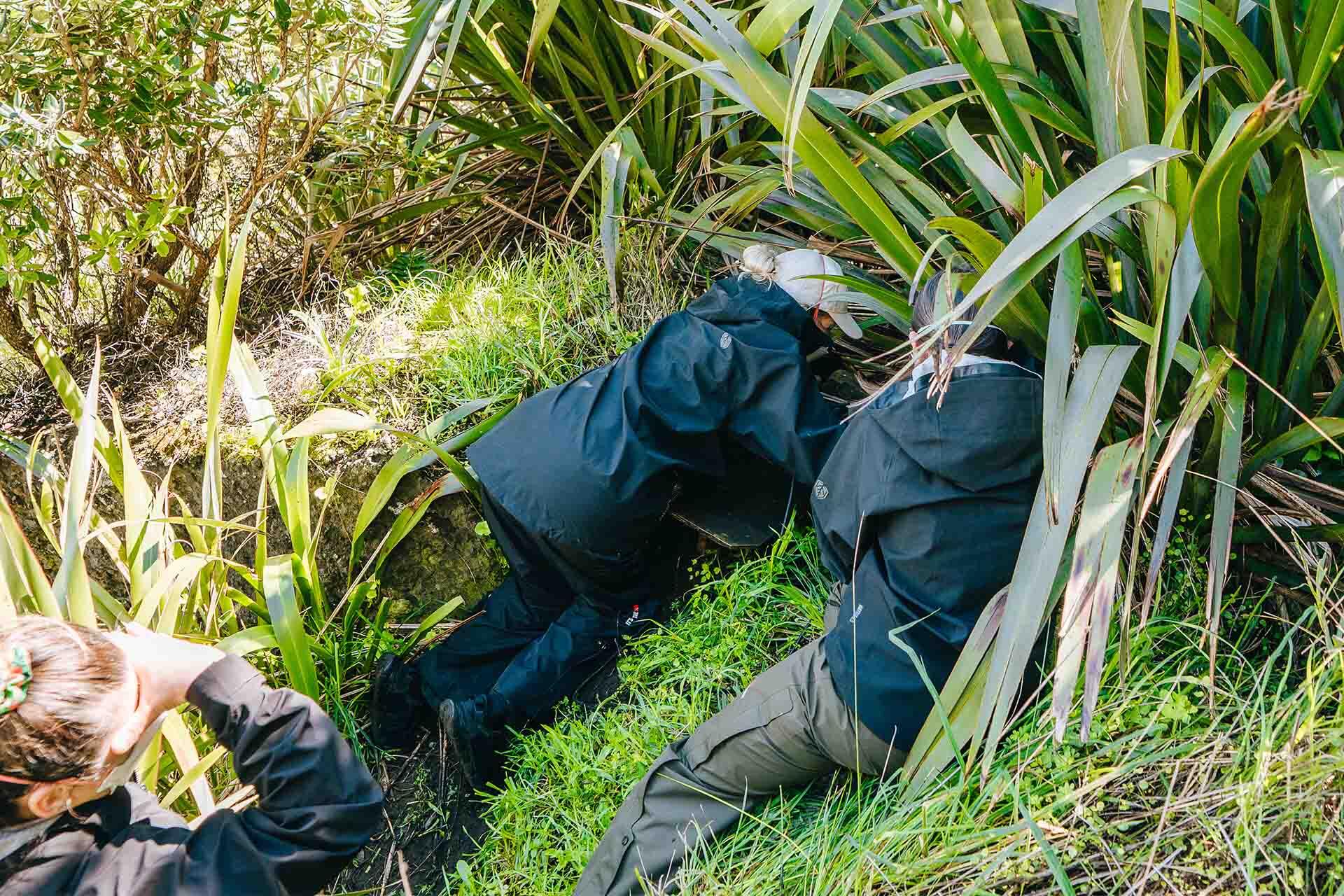
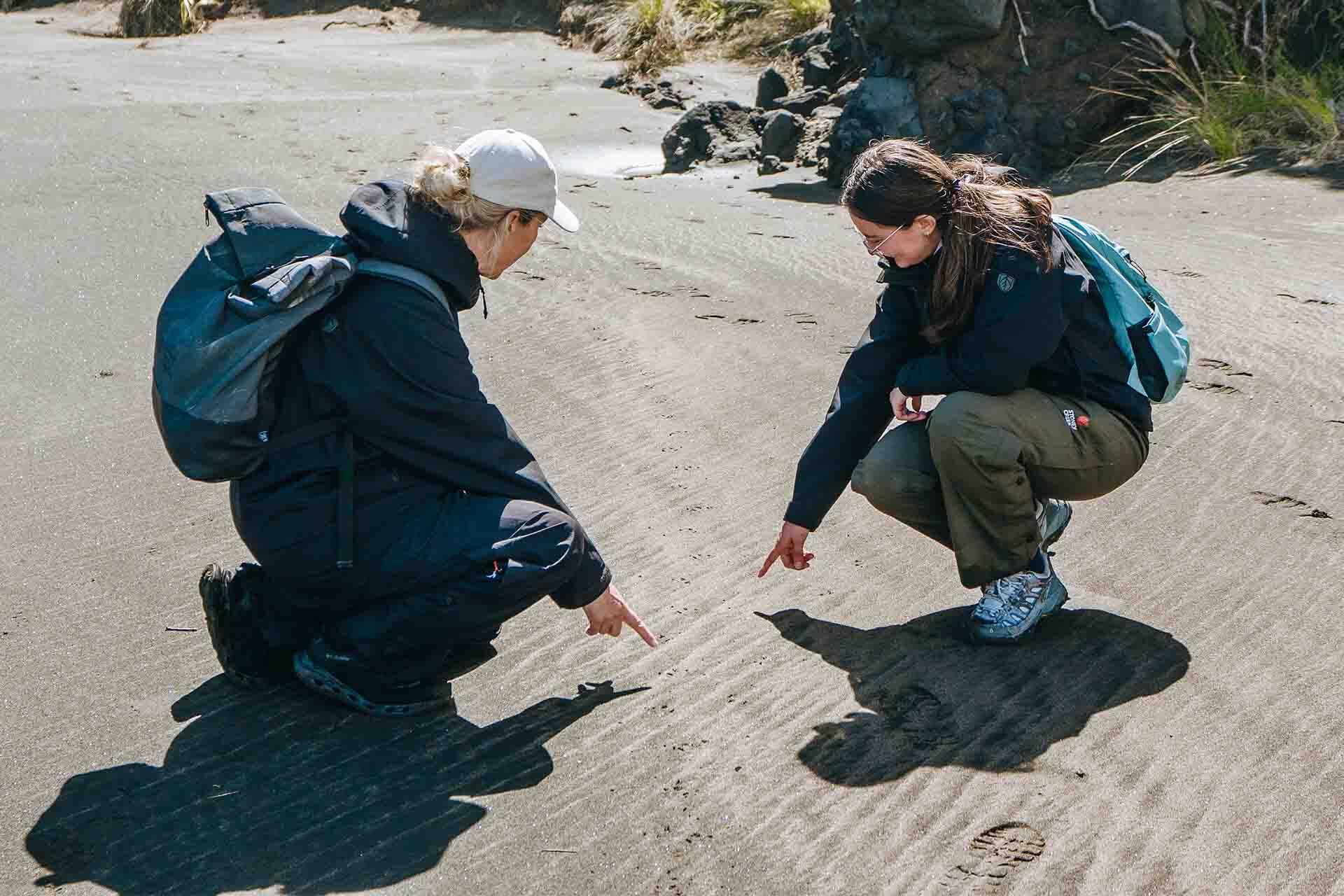
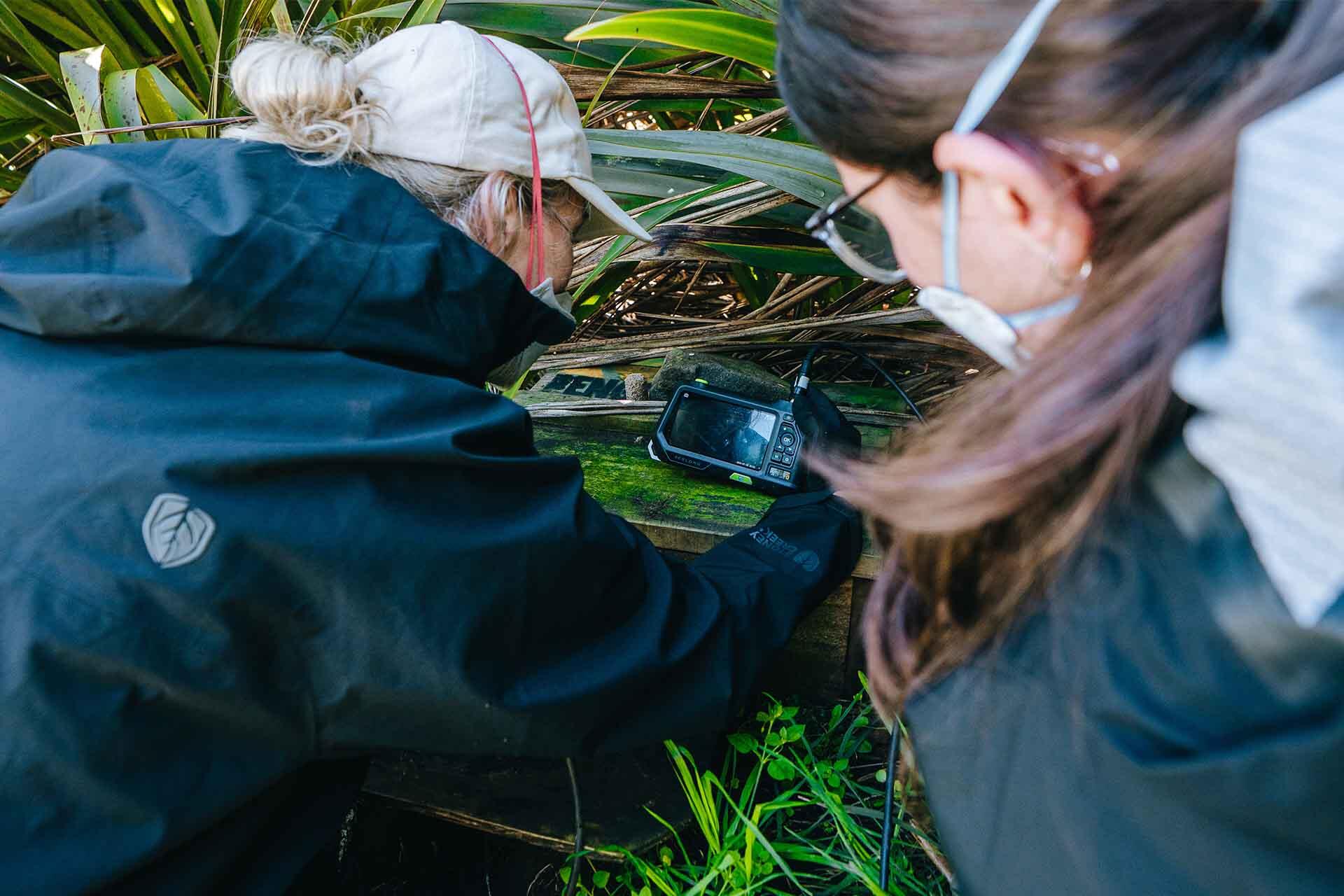
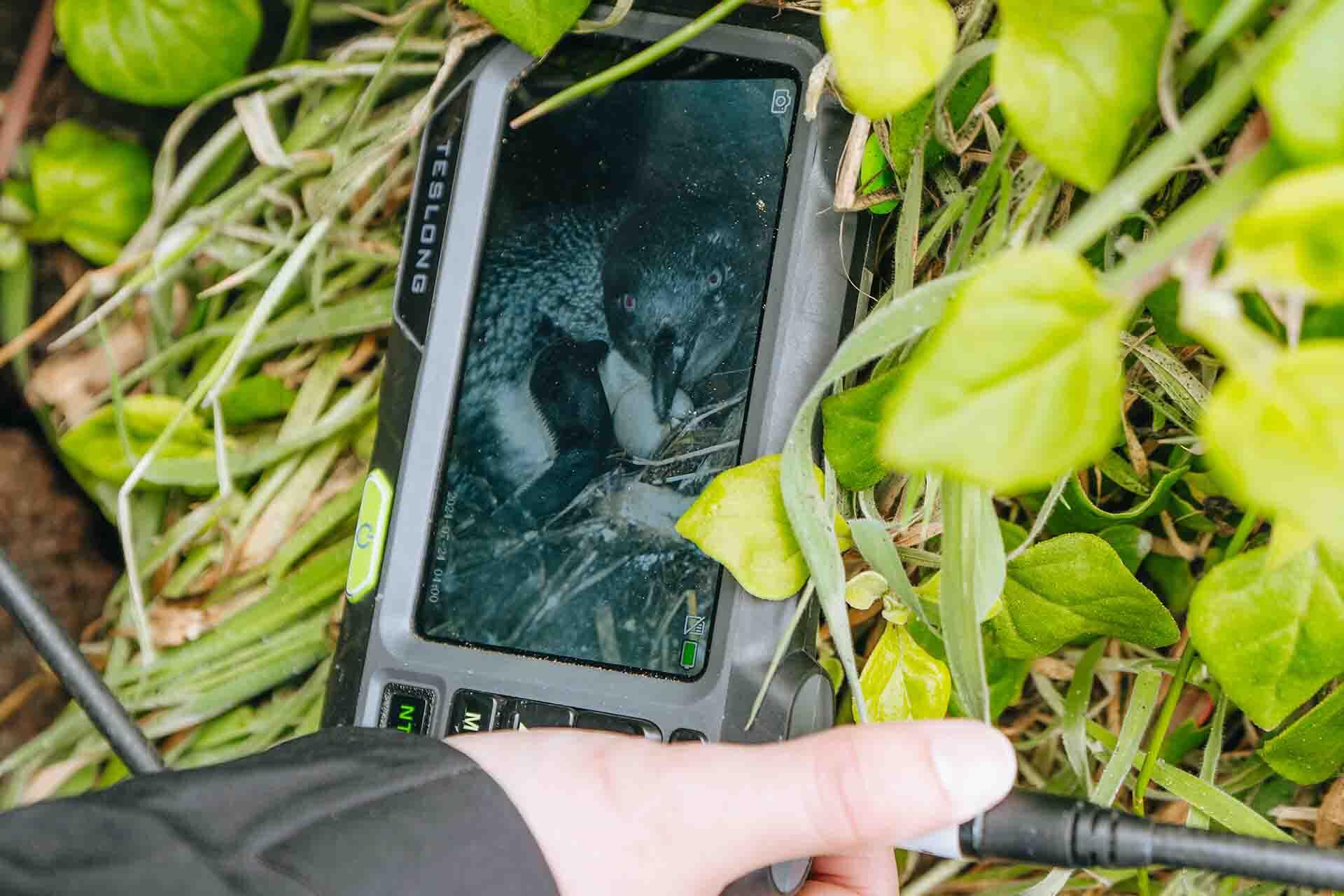
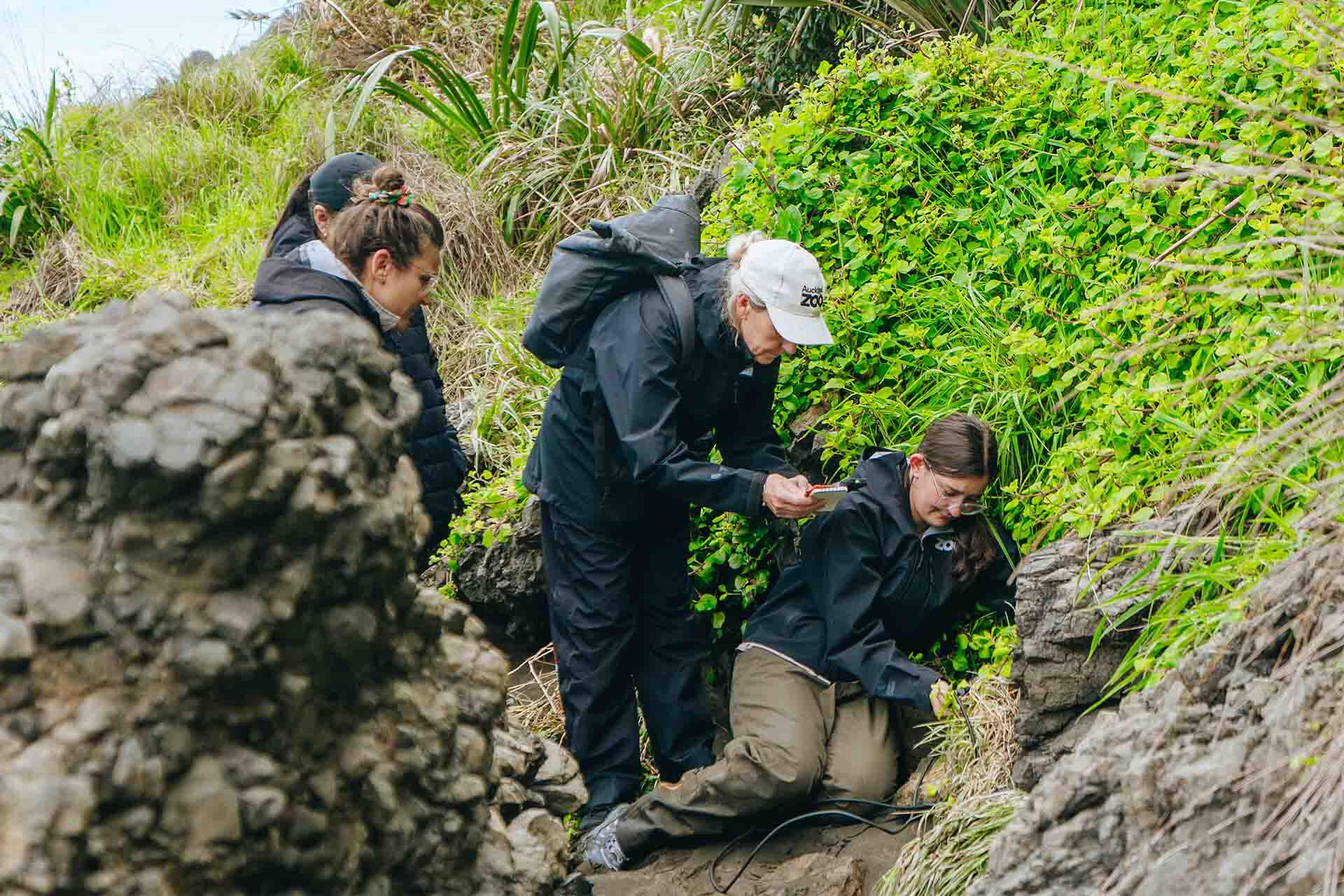
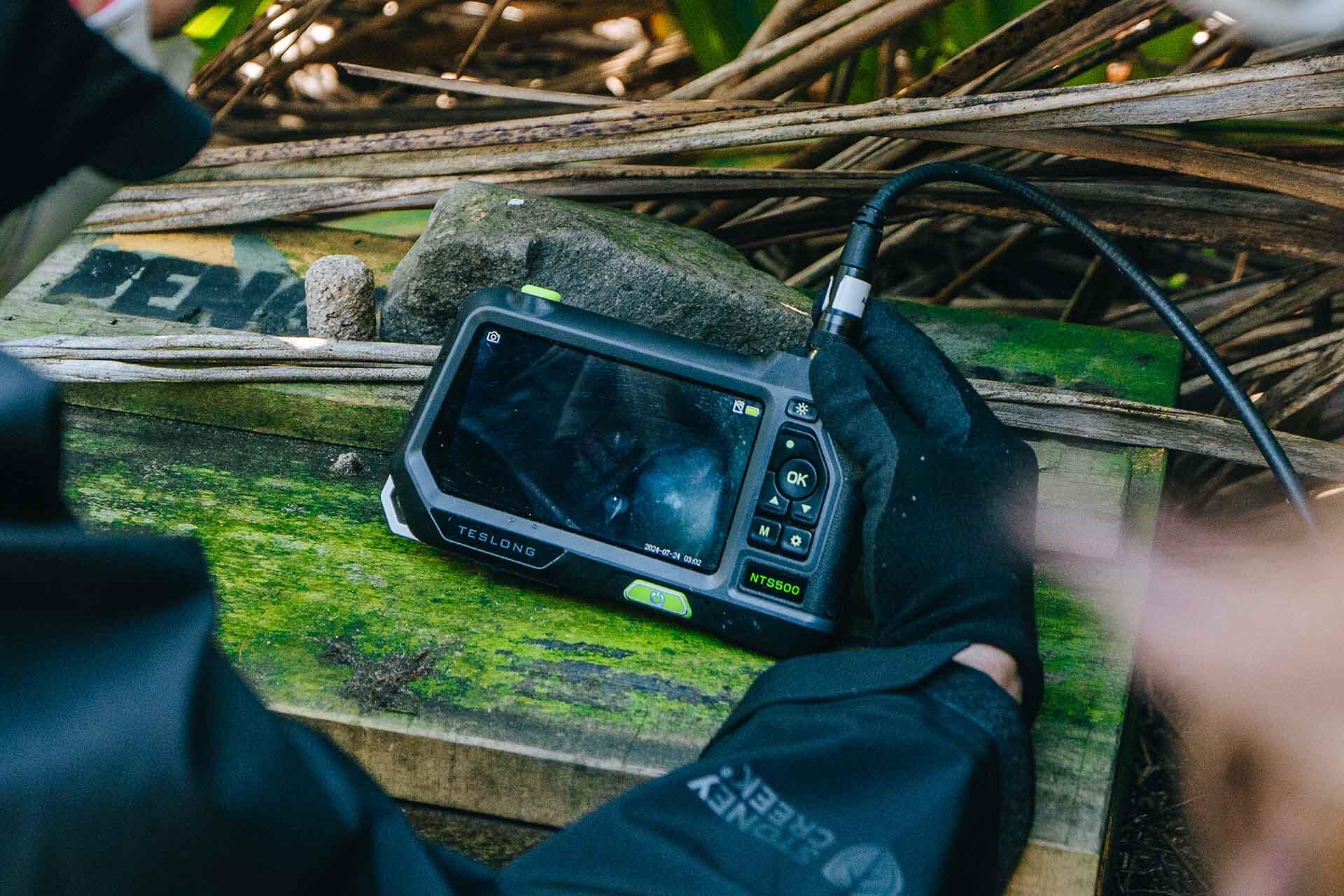
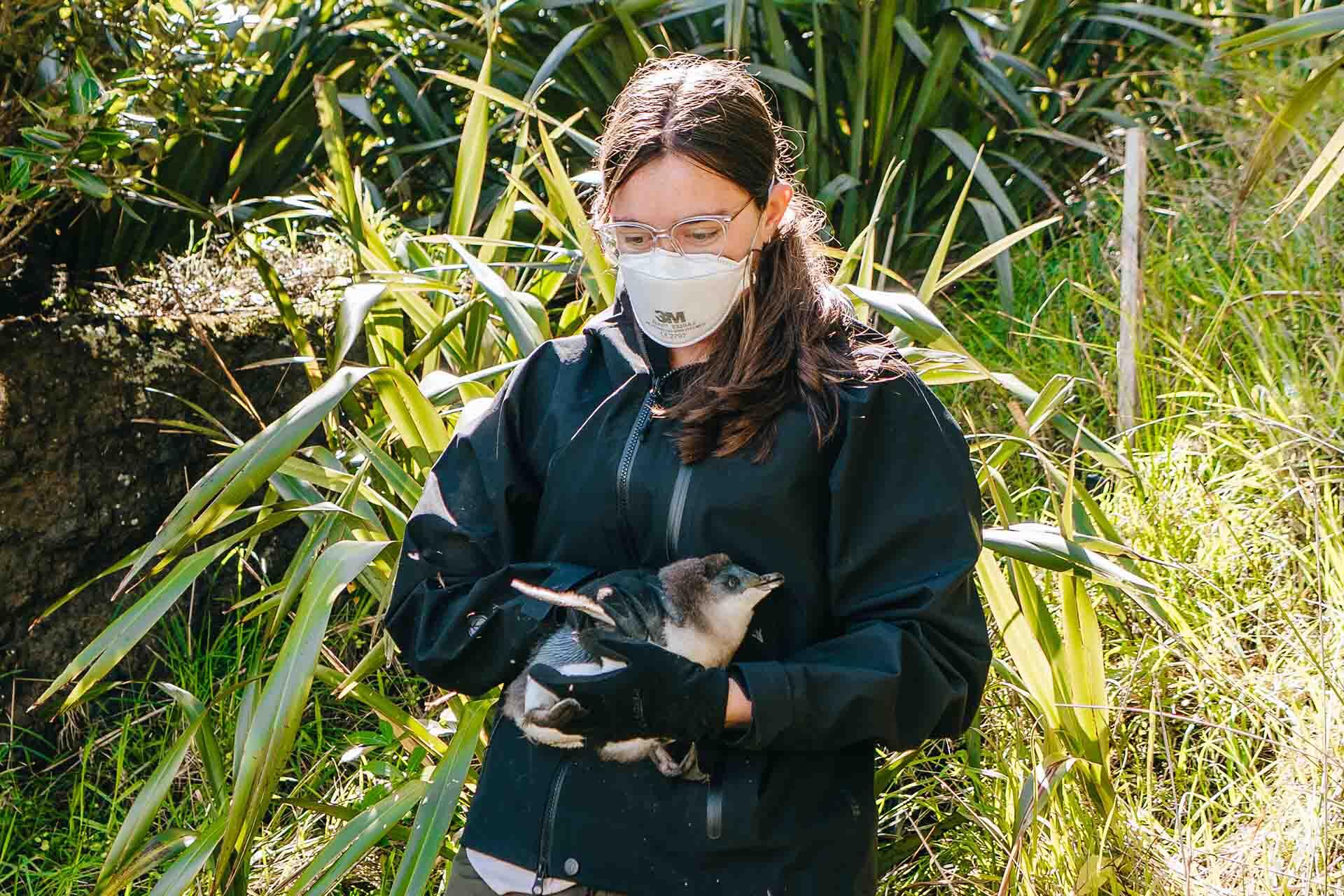
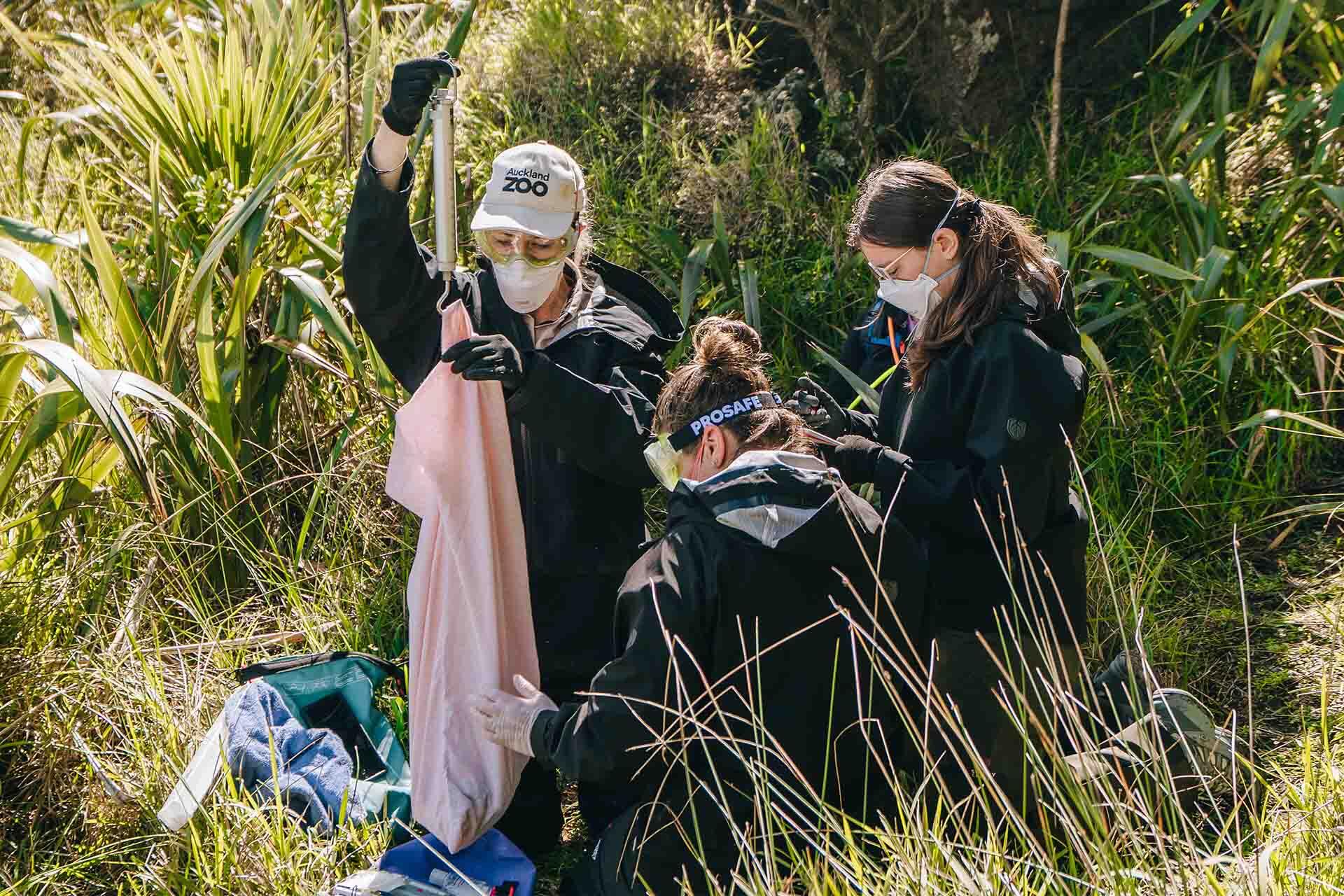
Sarah and Amy, with other Zoo kaimahi, received training in 2024 from Julia Graham of Penguins Plus Consultants, on how to locate penguin burrows, and how to safely and correctly catch and handle birds for health checks and microchipping.
Microchipping wild penguins requires a specific certification, which Sarah has achieved. When penguins start searching for nest sites, this gives the team an opportunity to carry out a health check and microchip them before they lay their eggs.
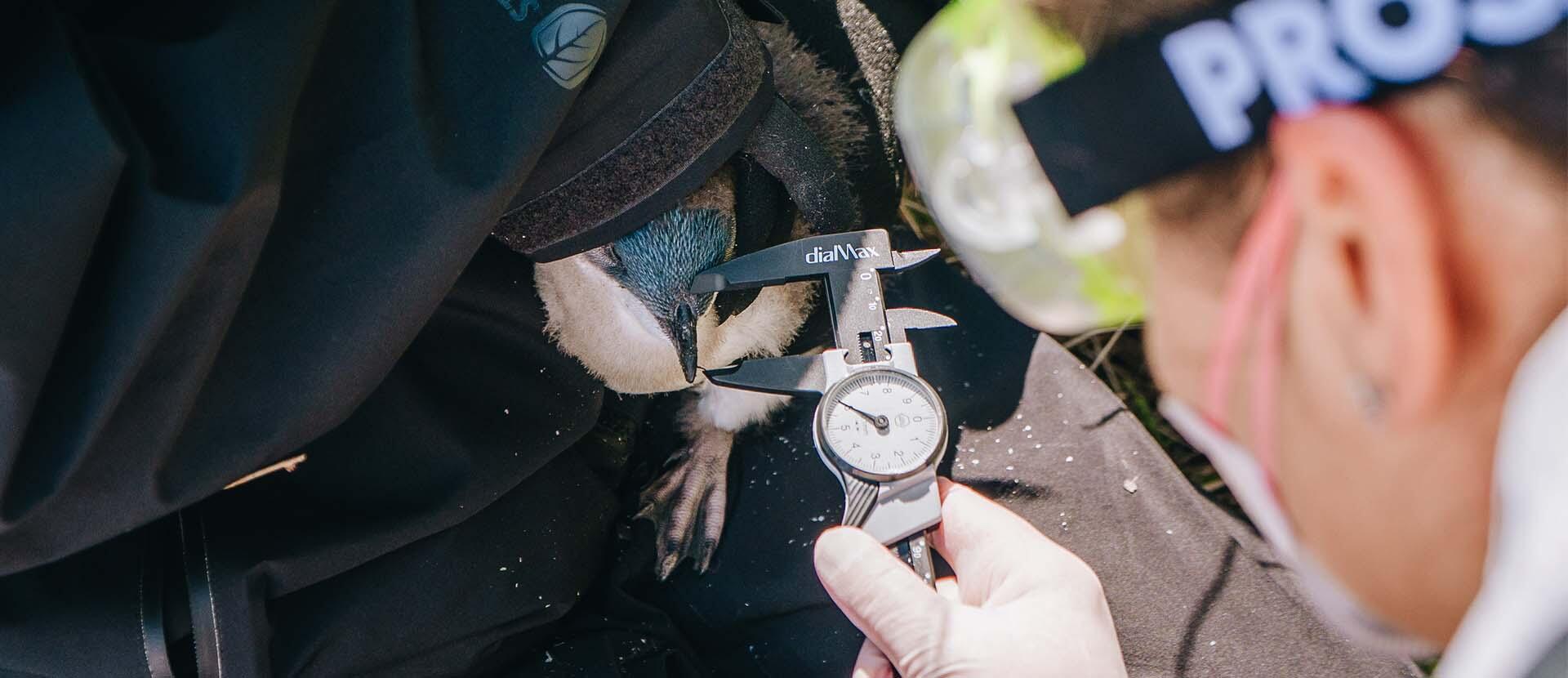
The microchips give each penguin an individual identification number, allowing the team to recognise the same bird when it is seen again. This helps to track individual birds over time, including where they are nesting, whether they return in subsequent breeding seasons and their breeding success and survival. When combined with information such as weight, age and breeding activity, these records contribute to a better understanding of the health of individual birds and the wider population.
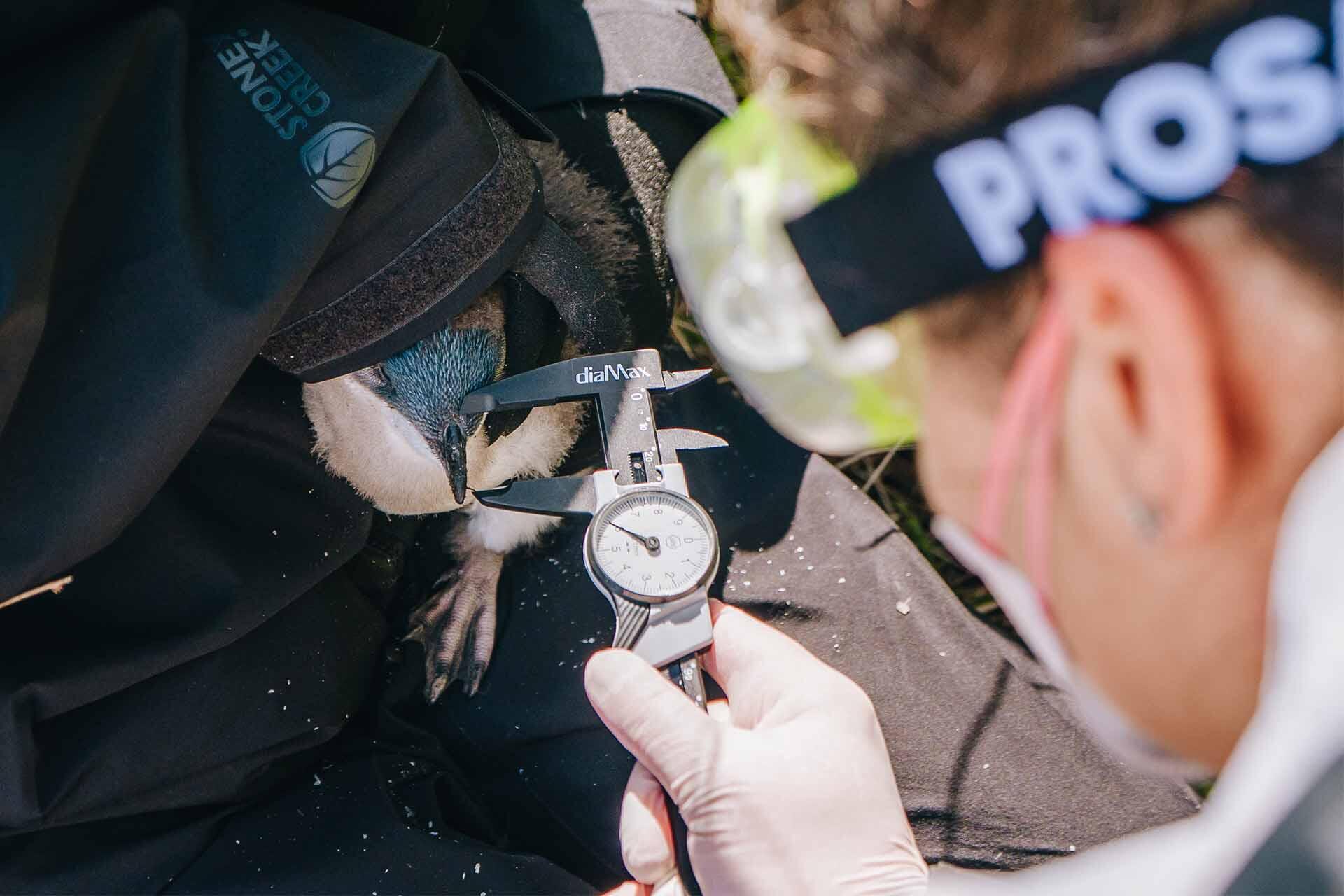
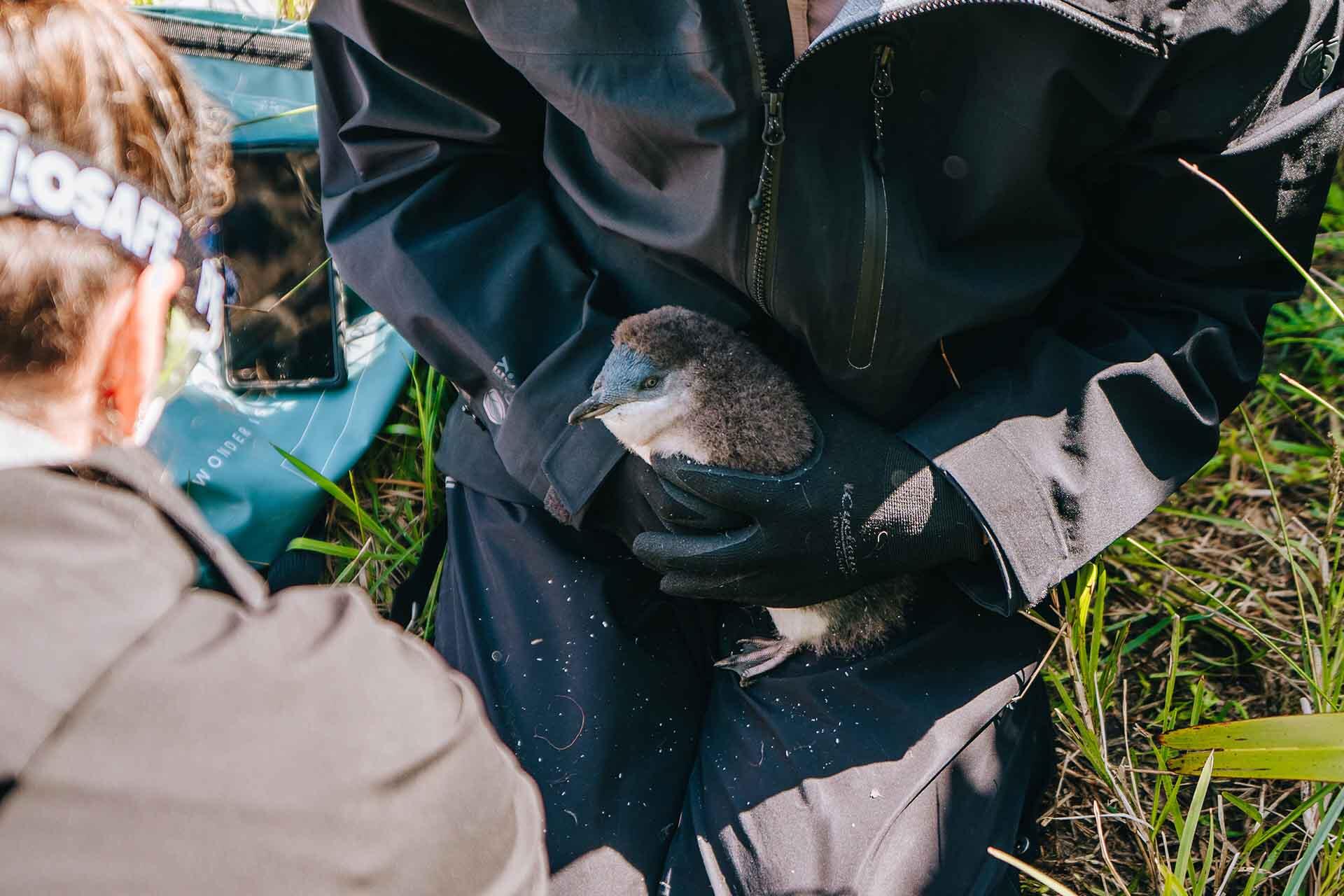
Monitoring starts in July, with microchipping taking place in late October each year, when the chicks have reached approximately 6 weeks old or 650 grams – two weeks before they’ll leave the nest and head out to sea.
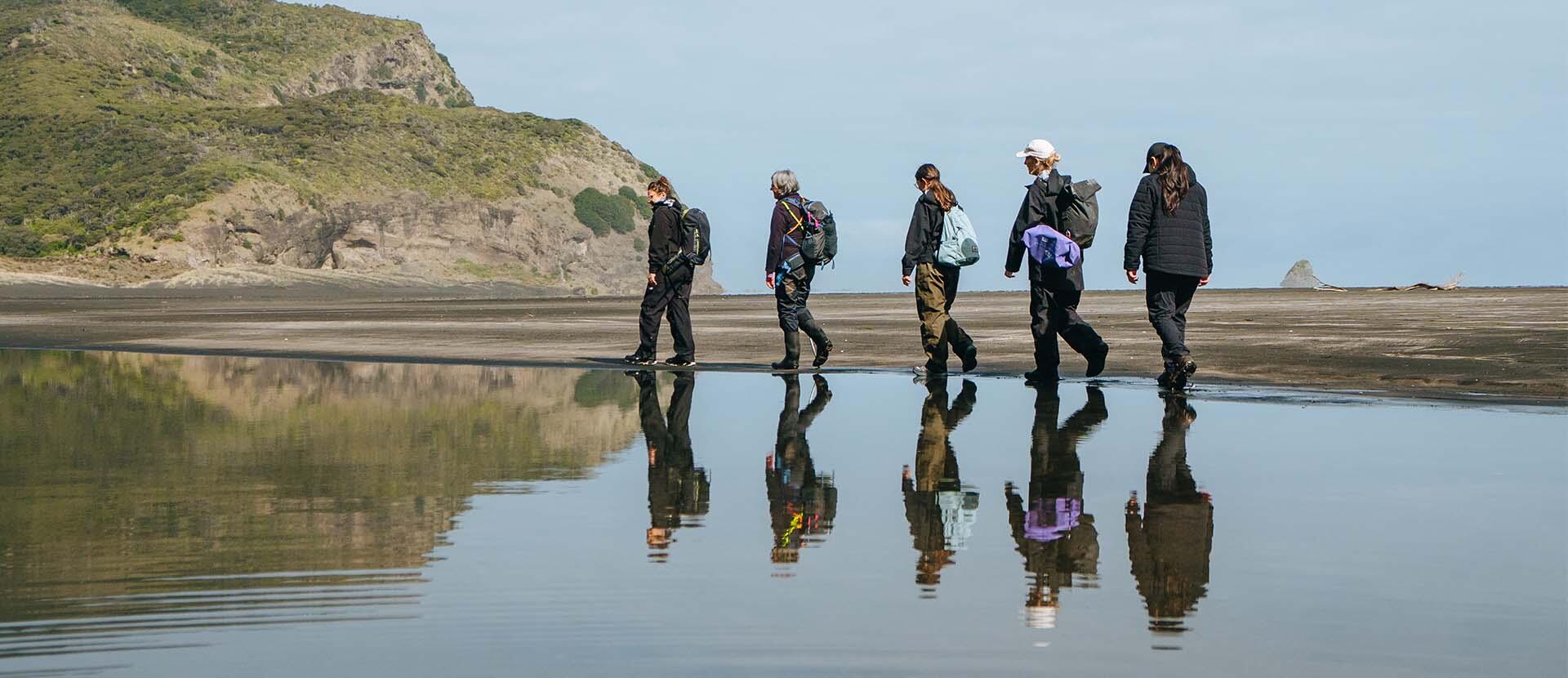
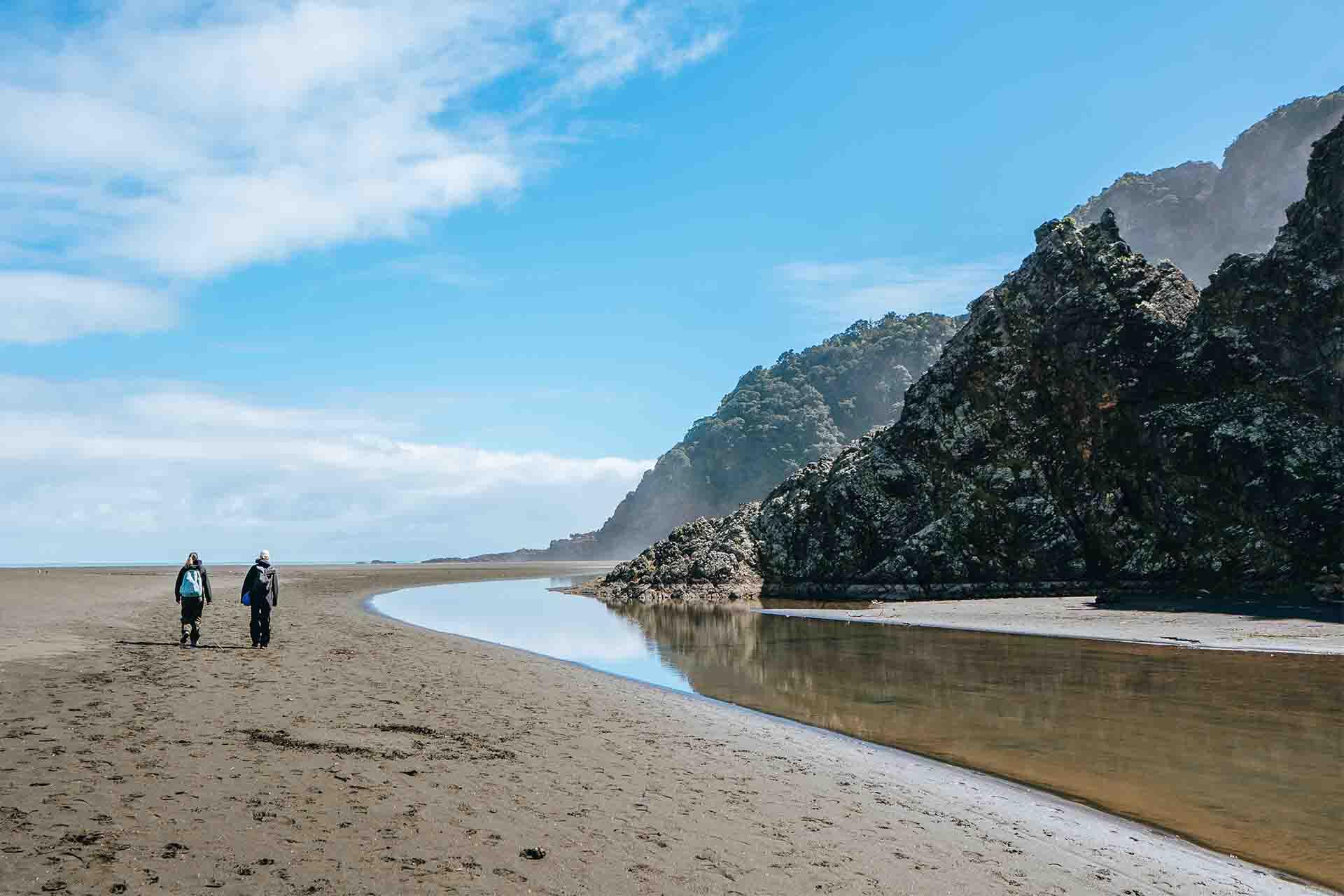
Sarah and Amy were joined by keeper Caitlyn and iwi representative Victoria to check nests again for the 2026 breeding season. On their recent field trip in North Karekare, 11 penguins were sighted with three confirmed nests, and another three suspected nests.
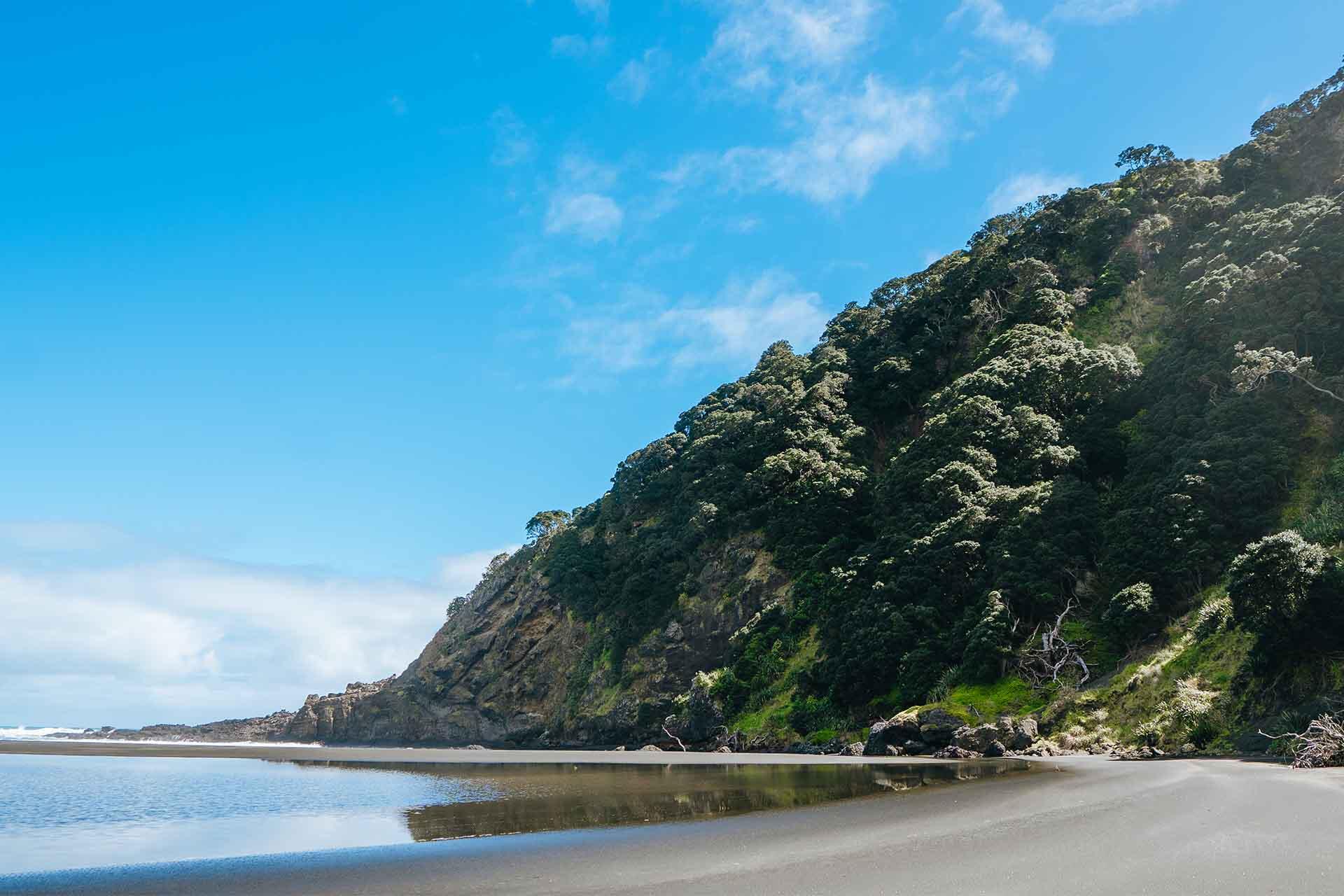
At Karekare beach, one of the chicks was big enough to be weighed and microchipped. Other chicks that were sighted were not yet six weeks old, so our team will be able to weigh and microchip them on their next field trip.