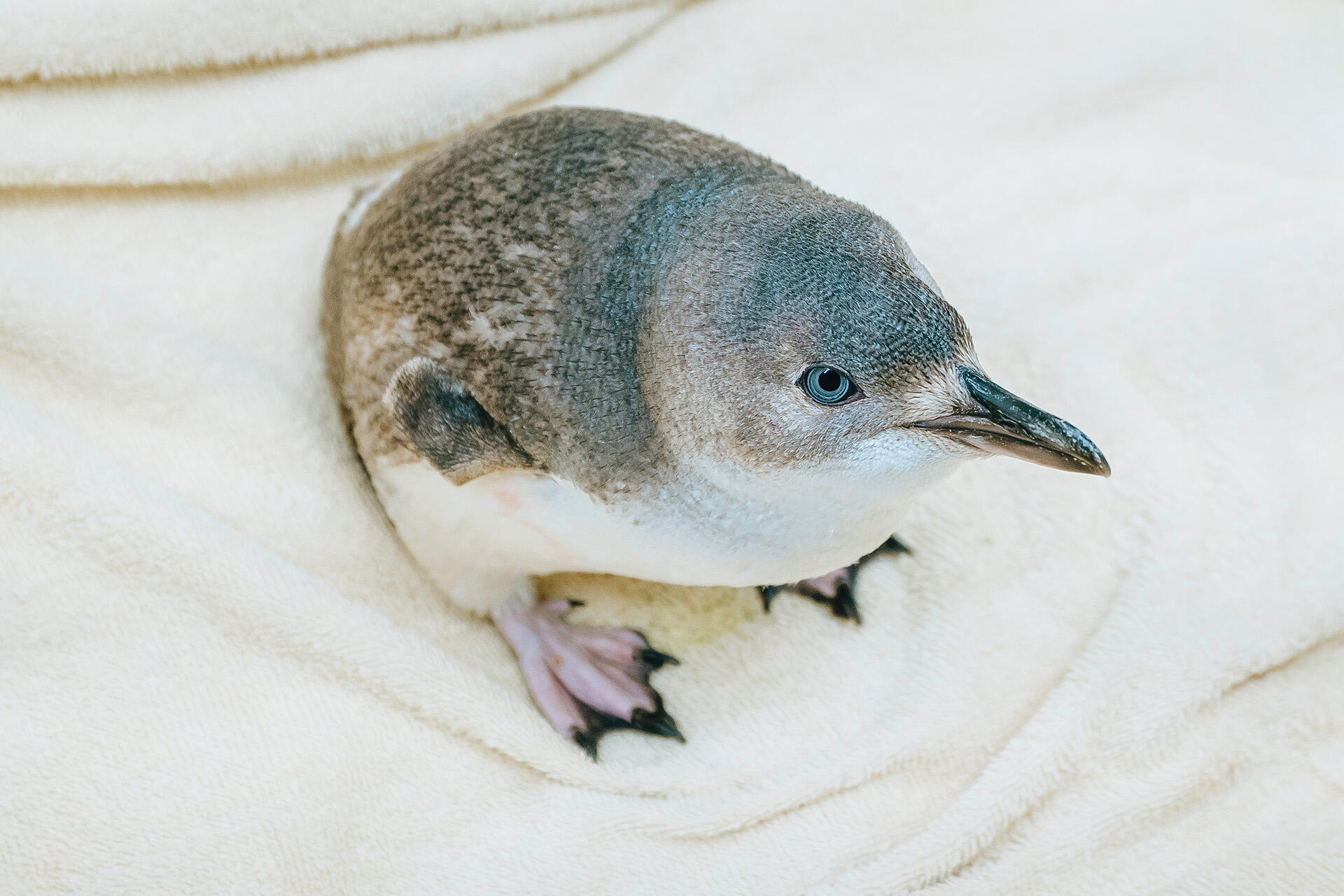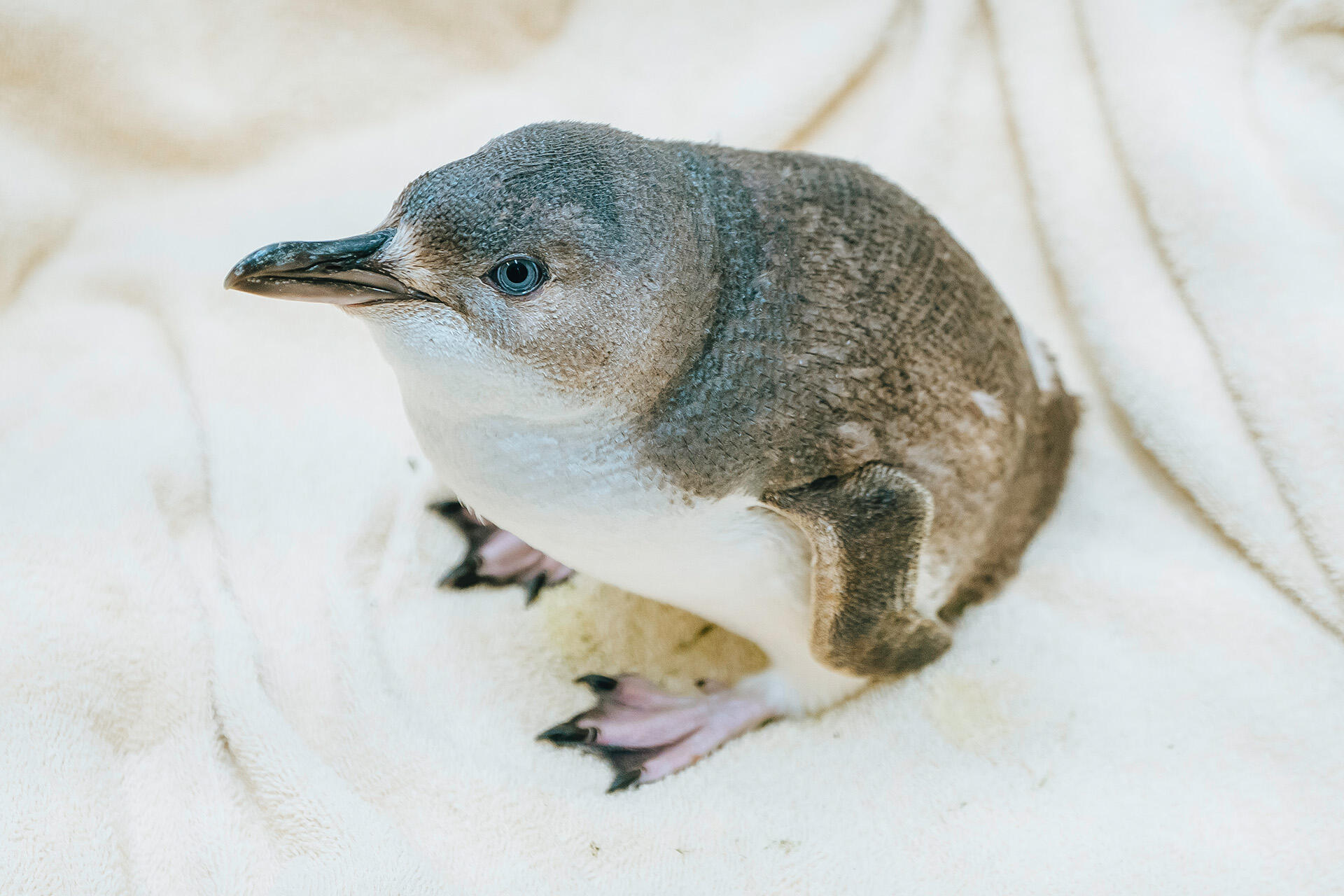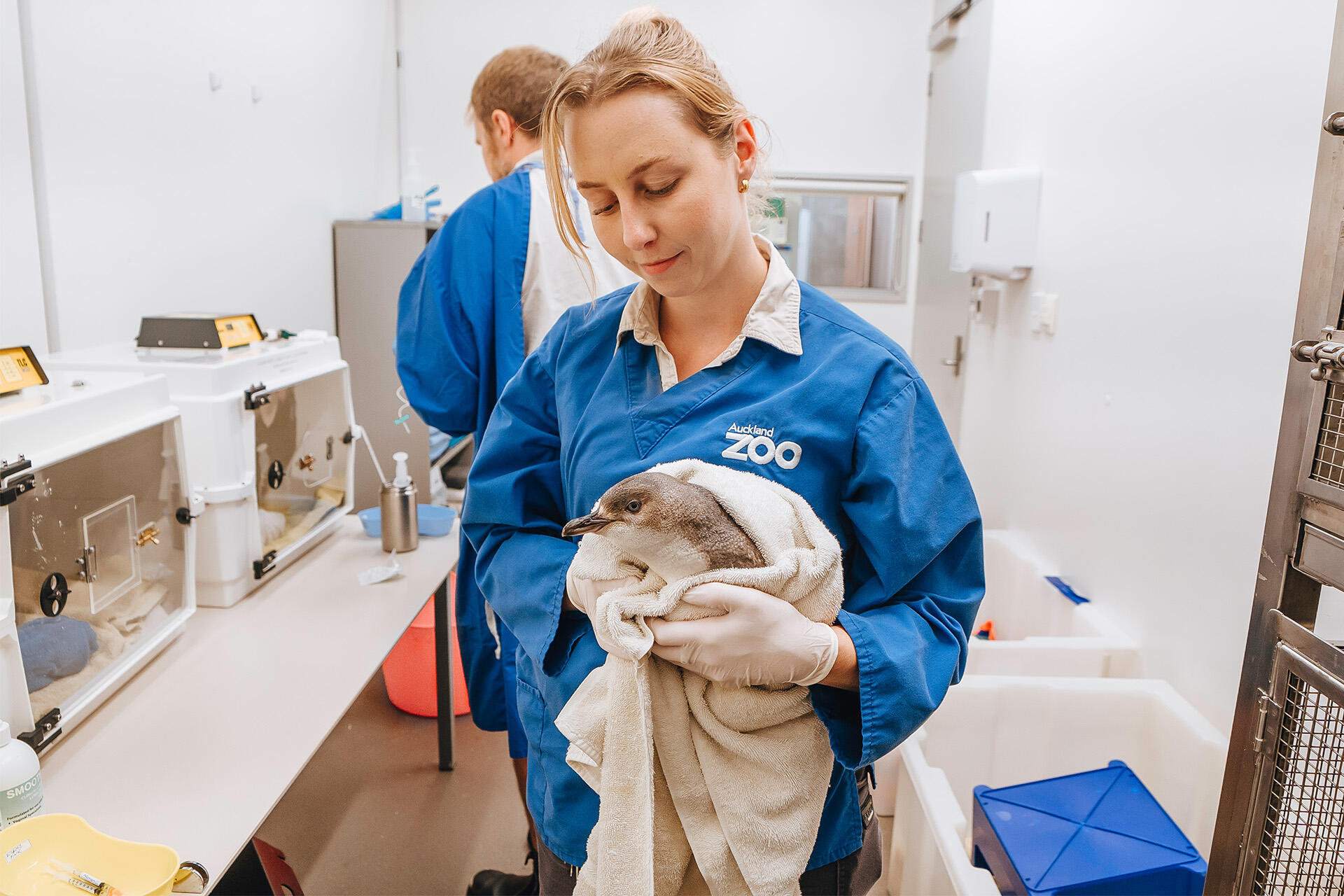

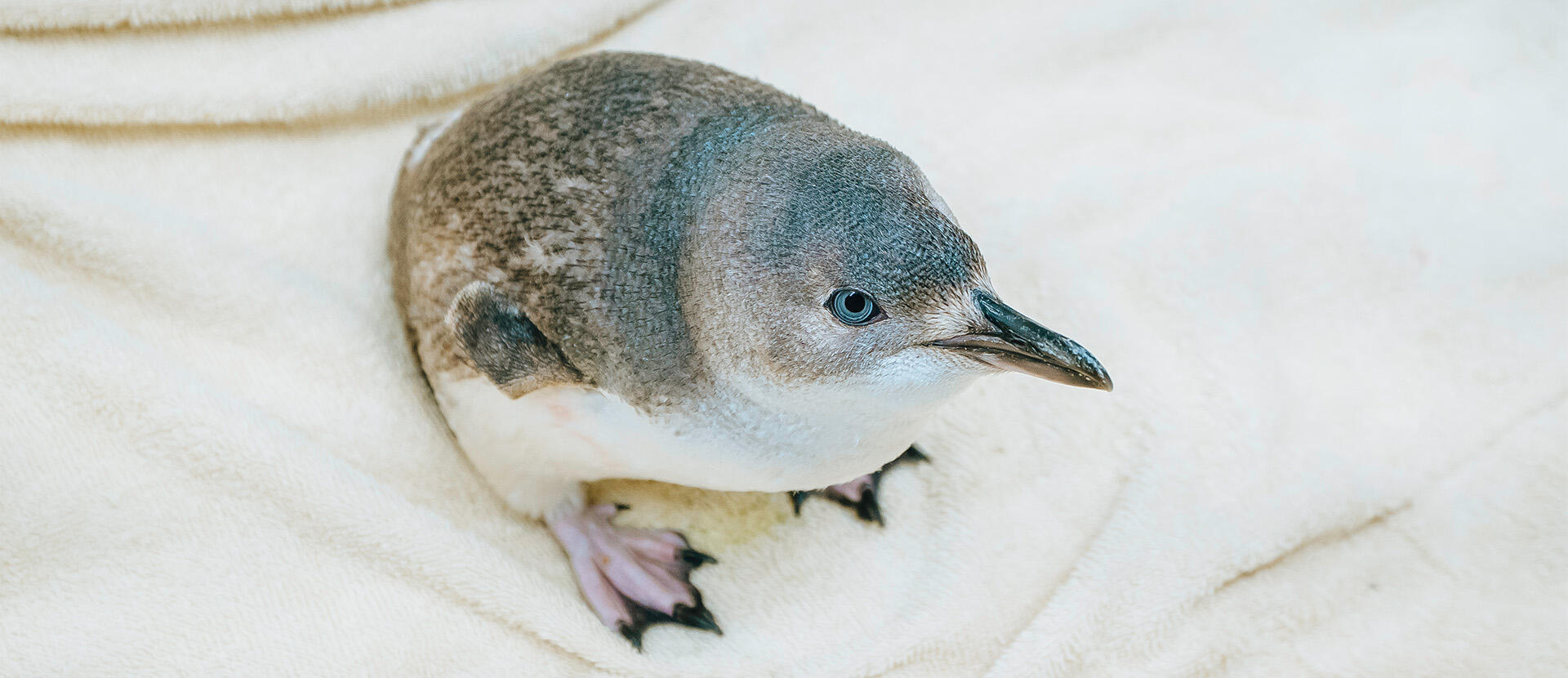
In late January, a wild kororā (little penguin) was brought to our veterinary hospital after being found in a dangerous and unexpected place. A caring citizen pulled their car over and carefully collected the bird from where it was standing in the bus lane at the base of the Auckland Harbour Bridge and contacted DOC, who arranged for it to be brought directly to us.
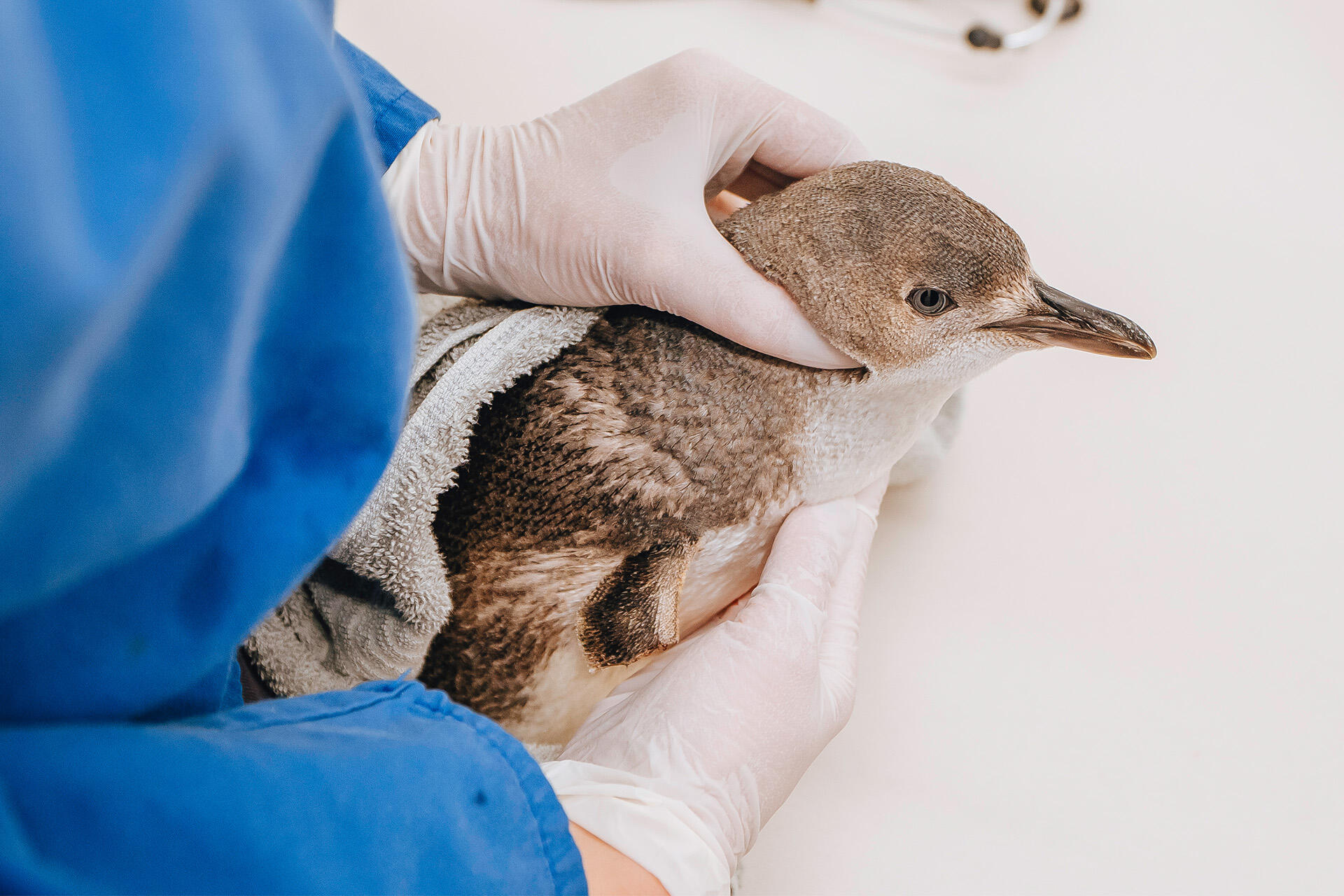
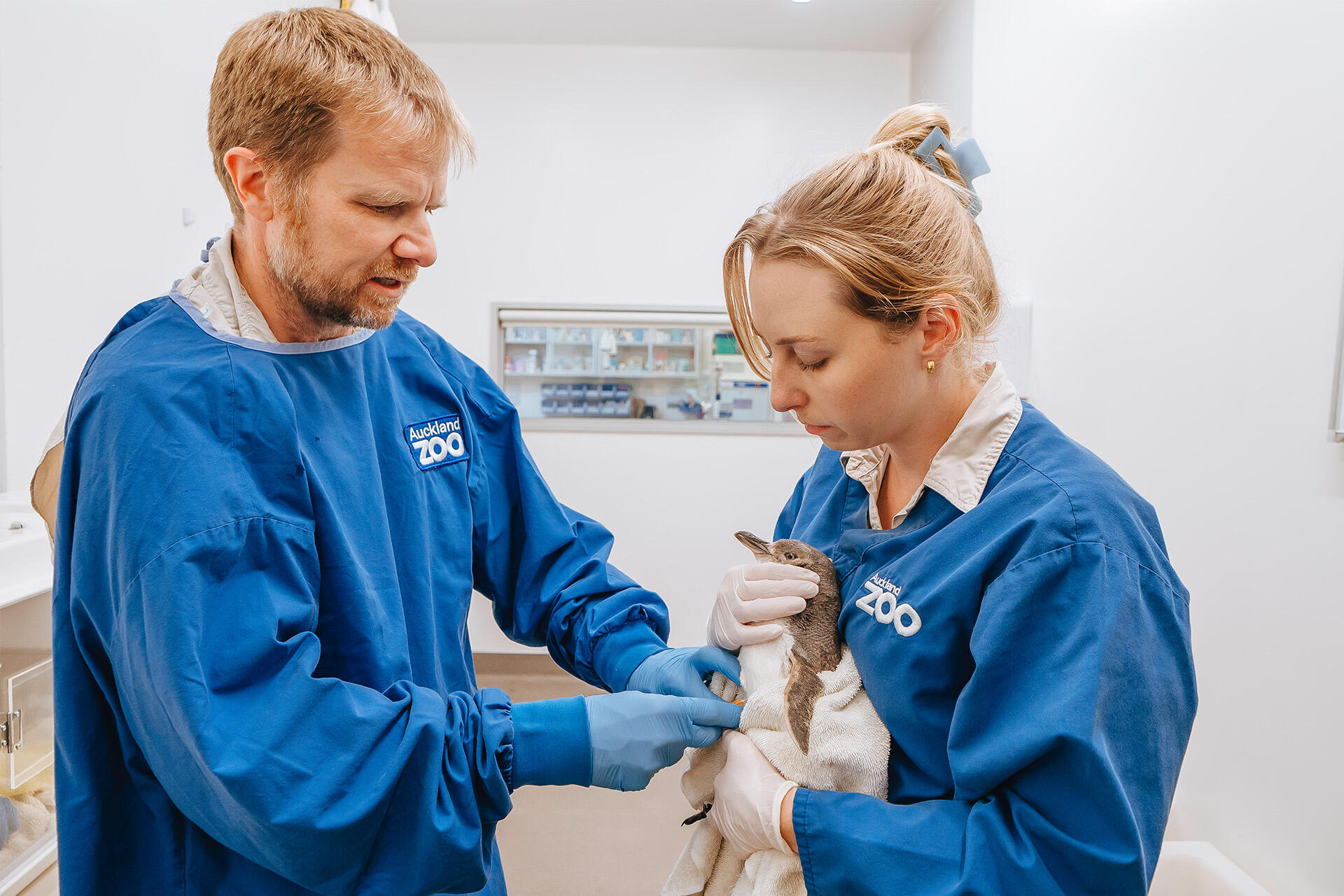
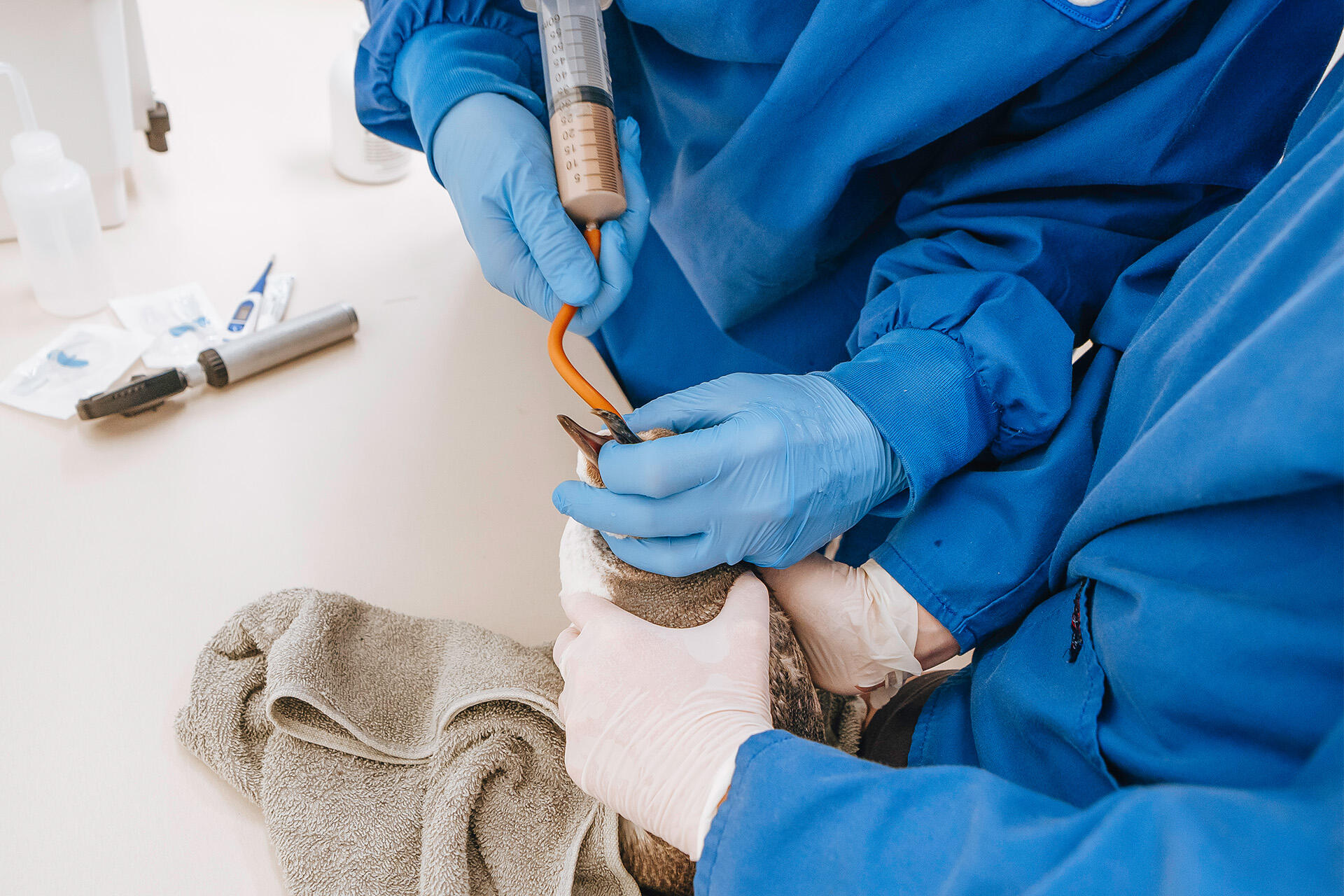
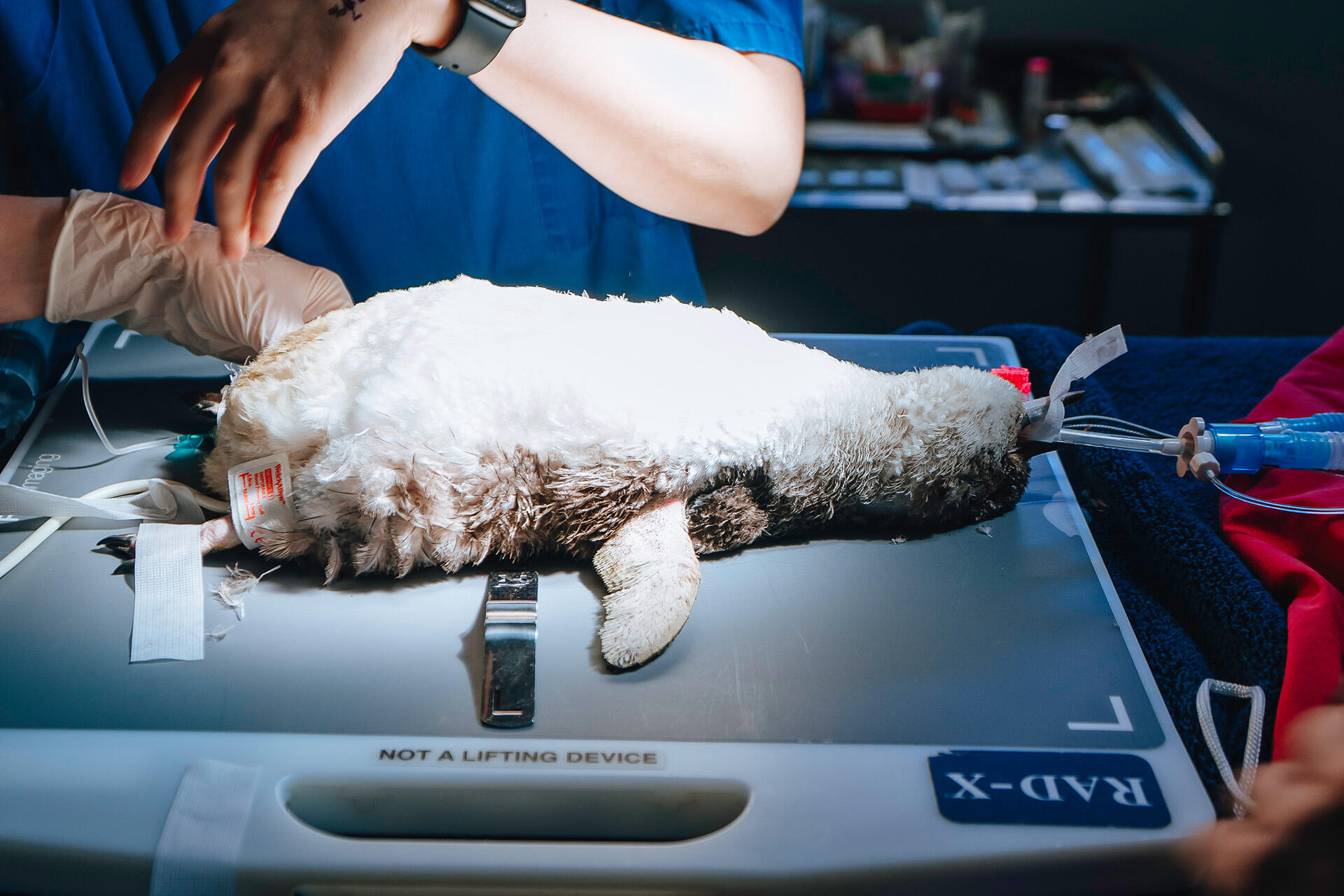
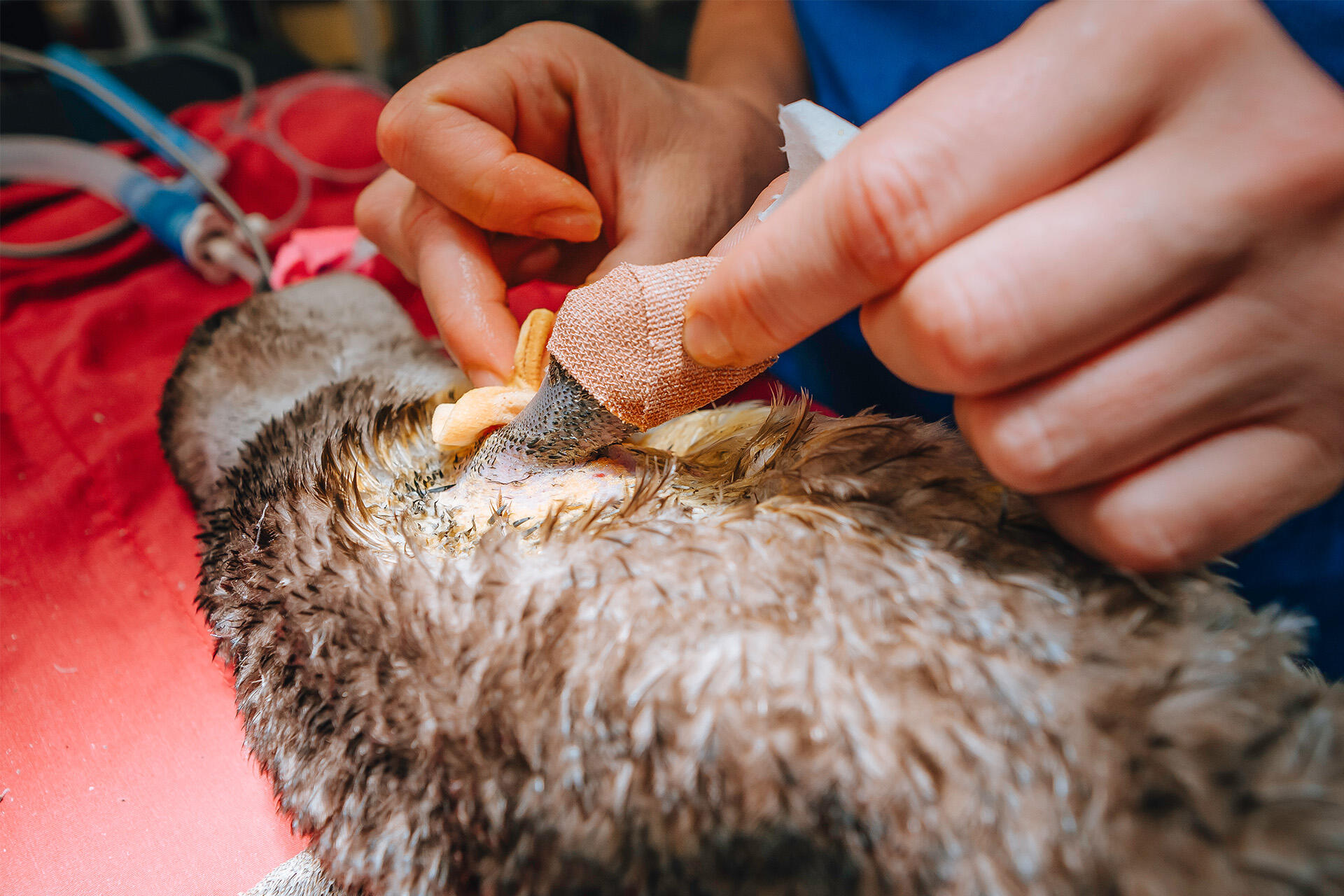
In their initial exam, our vet team found an injury to the right flipper which they estimated had occurred around two weeks earlier. Despite this, our patient was bright and strong, with good body condition, and was given pain relief, fluids and food via tube.
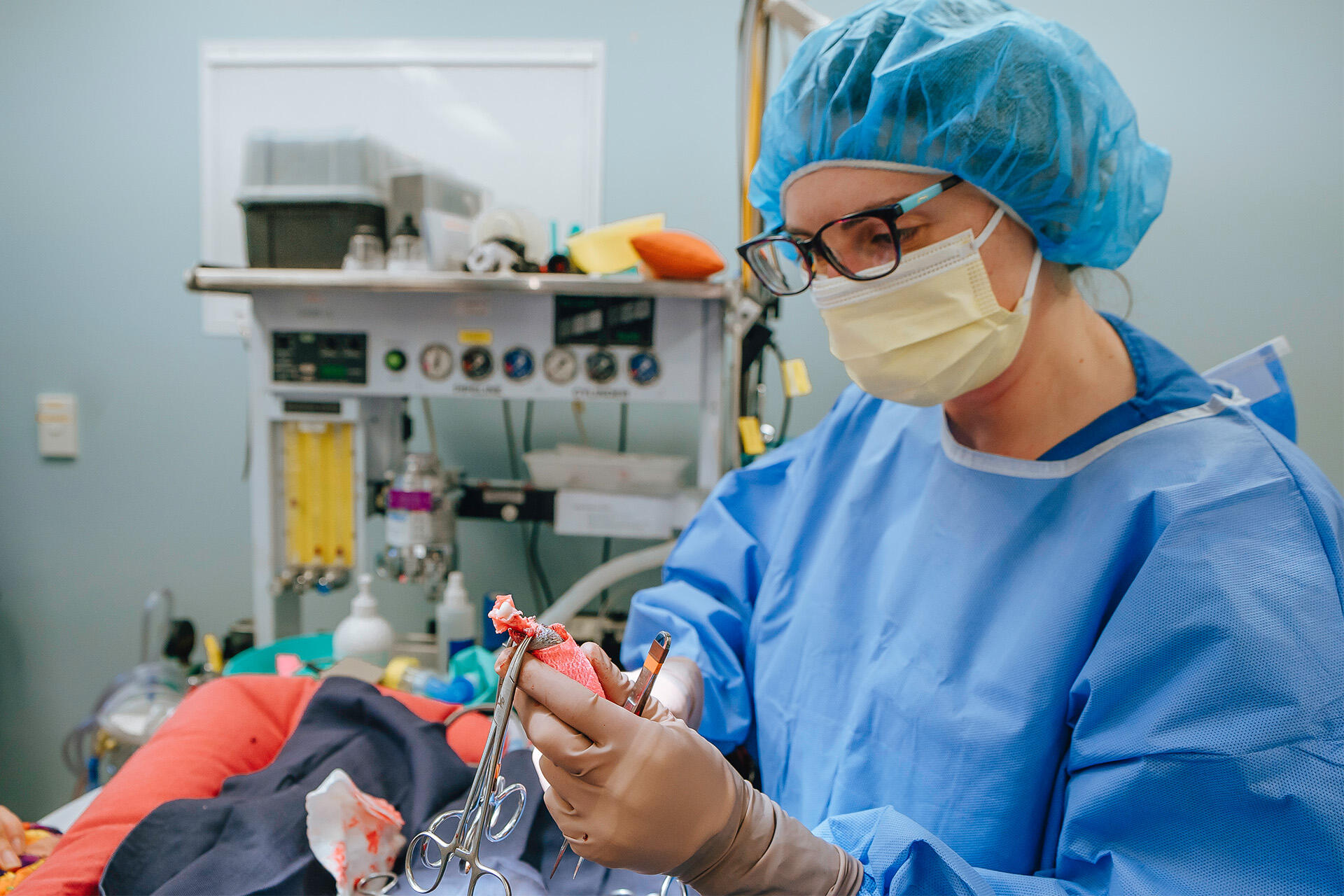
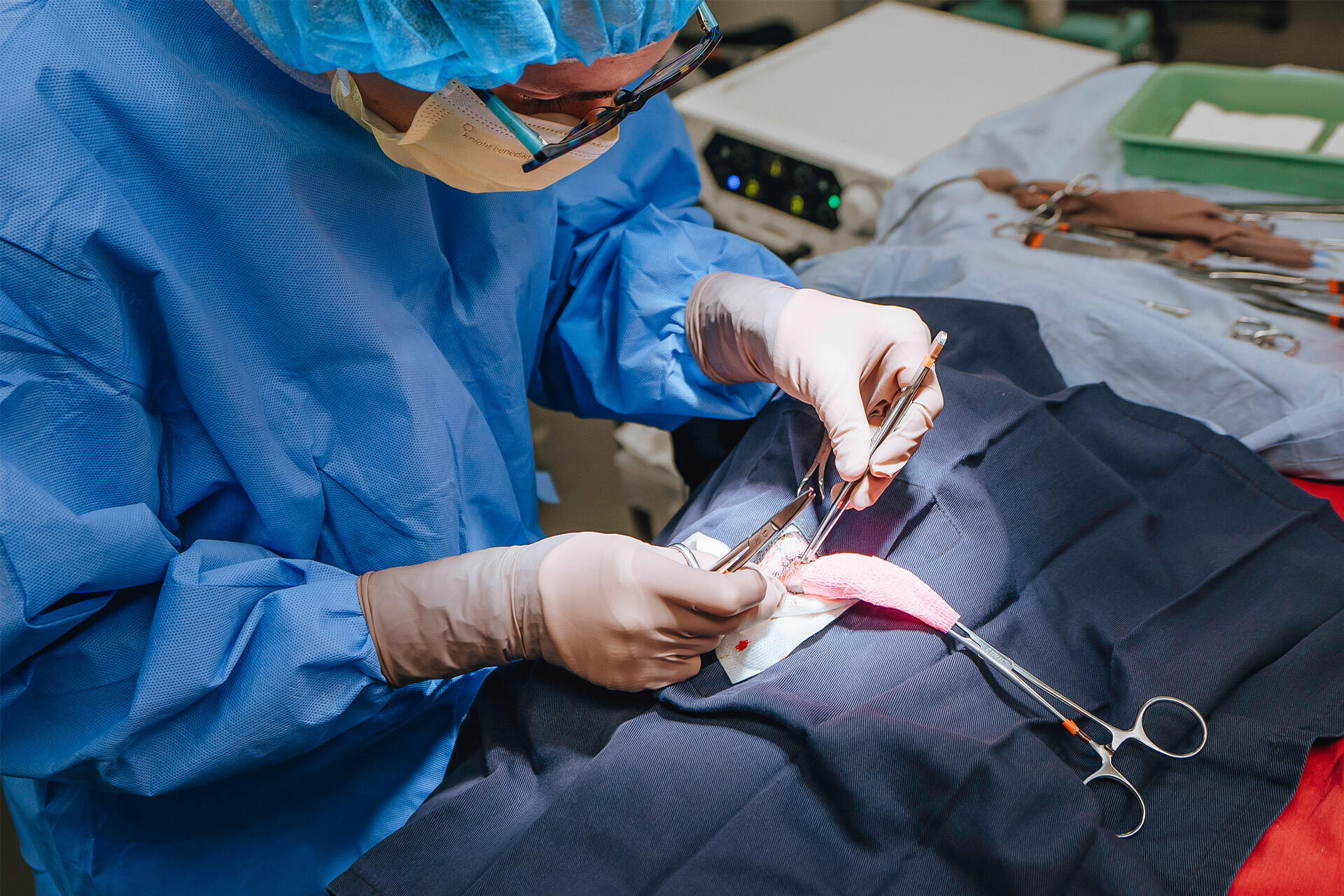
Once the penguin was stable, the decision was made to amputate the flipper at the shoulder joint, to prevent further injury or infection. Because the patient was in moult, one of the key surgical concerns was the increased risk of bleeding, as moulting birds have increased blood flow to the skin and underlying tissues.