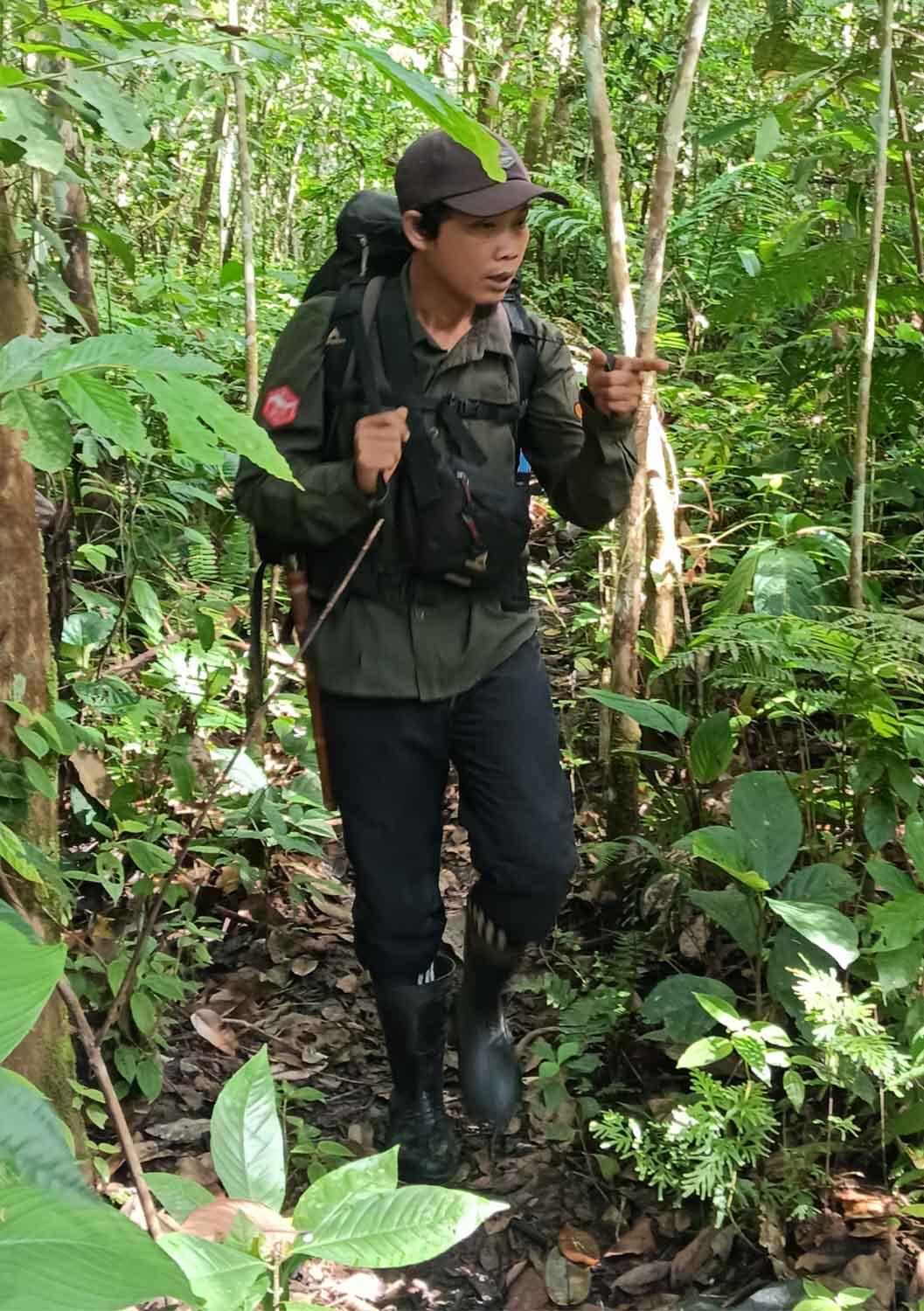
Trekking through deep bush and over steep terrain, checking your surroundings for the signs and signals of sun bears and tigers, and encountering aggressive wildlife poachers and traffickers – these are just some of the everyday perils that conservation rangers face.

These rangers are on the frontline of wildlife conservation and it’s due to their brave and diligent hard work that endangered animals in wild places around the world are that much safer.  

This World Ranger Day we’re highlighting just a few of Auckland Zoo’s global conservation partners and why they get up every morning to engage in this challenging but rewarding work.

Advocating for lions in Africa

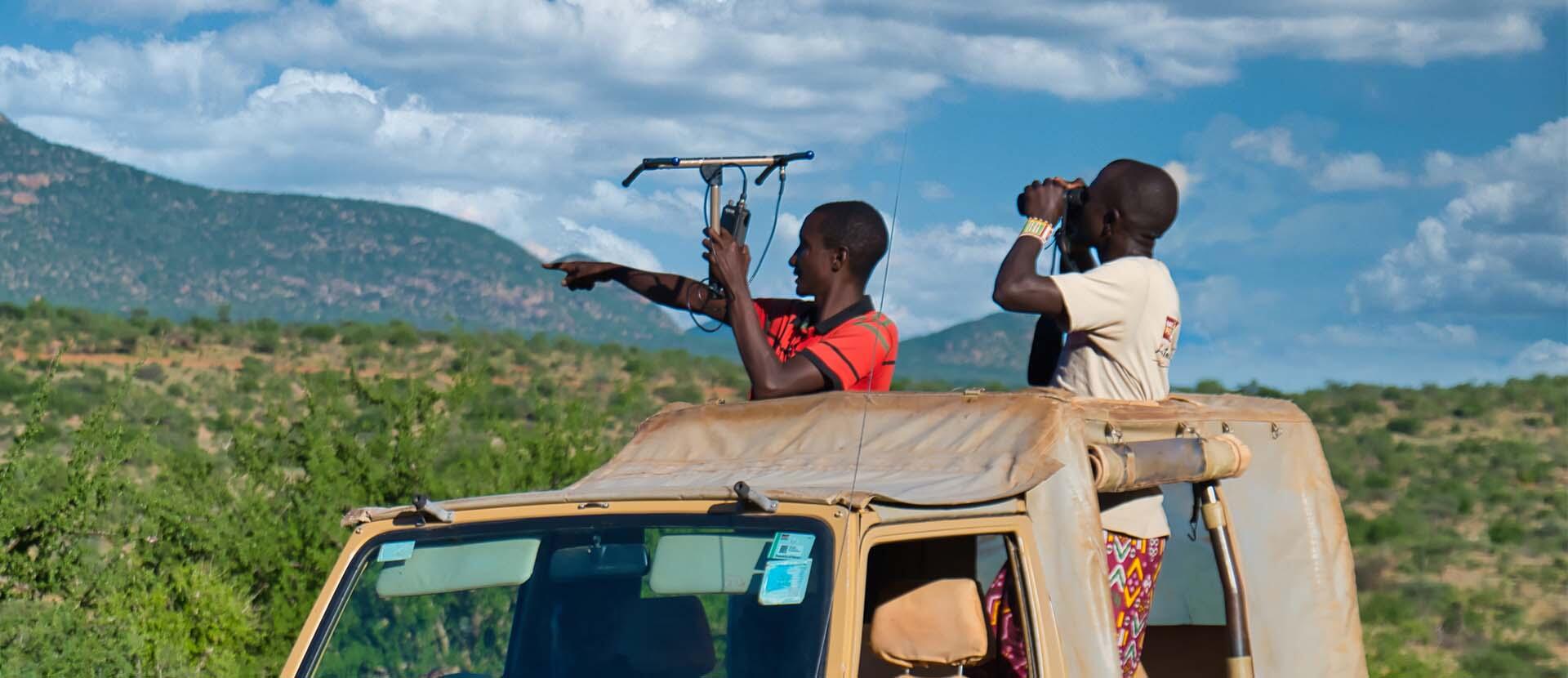
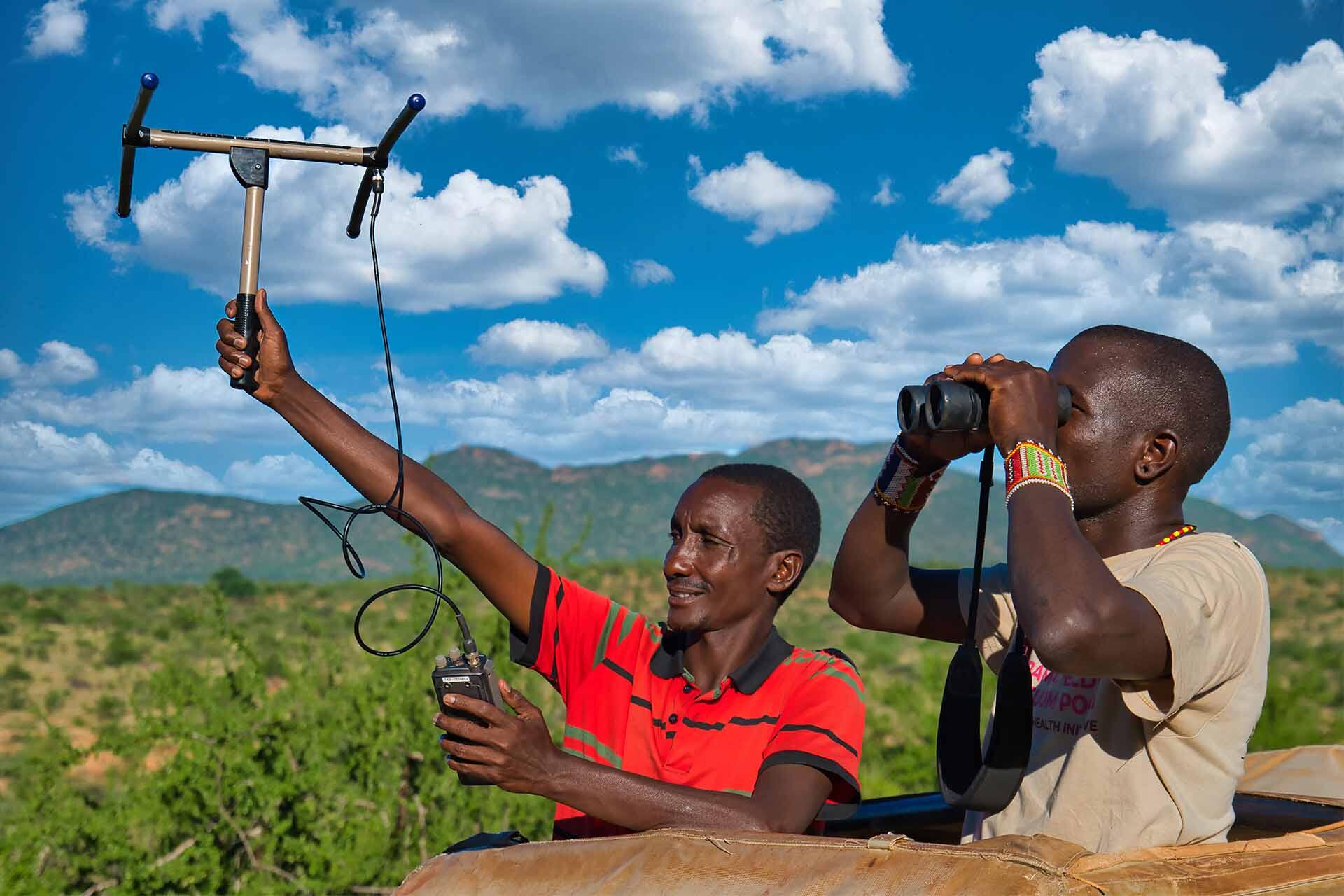
“Monitoring lions is something I have grown to love deeply—it has become part of who I am,” explains Jeremiah.

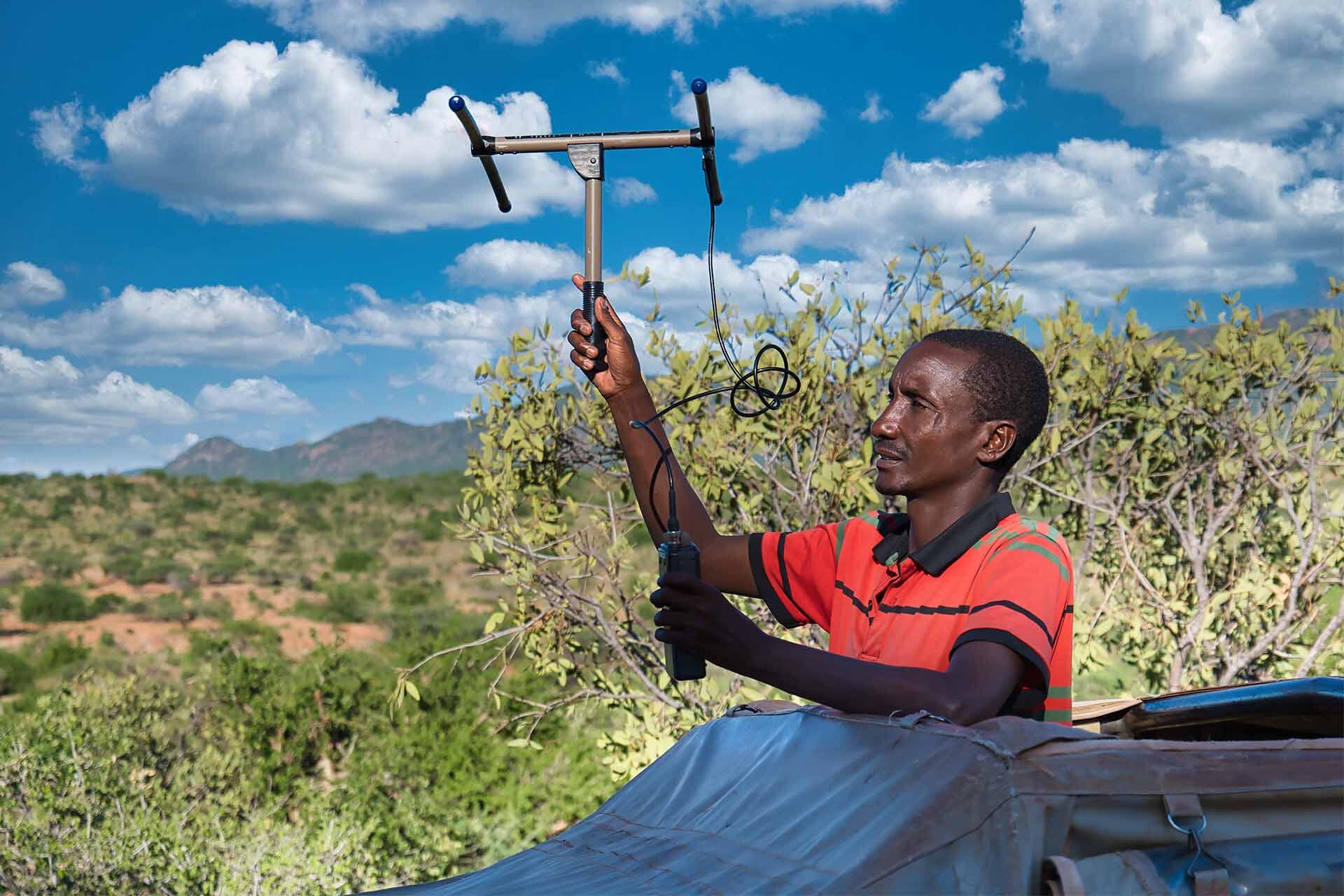
Jeremiah Letoole has been an Ewaso Lions Ranger for almost 18 years, and a crucial part of their lion monitoring programme. He first gained experience in the field and later attended ranger training at the Kenya Wildlife Service Training Institute in Manyani, giving him the knowledge, discipline, and confidence that continues to guide his work today.

He was inspired to pursue a career in wildlife conservation when he saw how far people would travel from all over the world, just to experience the incredible wildlife in Westgate Community Conservancy in Kenya. This made him realise how important wildlife and wild places are to “our heritage, our culture, our livelihoods, and the future of the landscapes we call home.”

As a ranger, he is often called to mediate human-wildlife conflict. An ongoing challenge is balancing people's immediate needs with the long-term goal of conserving lions.

“Before I began this work, lions had almost disappeared from my area. Many people in my pastoralist community saw lions as a threat because they preyed on livestock, and they would often kill them in retaliation. Through Ewaso Lions' work with communities and its advocacy for coexistence, I have seen attitudes change. Today, communities are much more willing to coexist with lions, and I am proud to have played a role in that transformation as an Ewaso Lions ranger.

Our Samburu culture has, for centuries, been rooted in conservation, long before we even used the word "conservation." Traditionally, we have lived in harmony with wildlife and nature. Intentionally harming wildlife or destroying nature was considered a taboo and was believed to bring bad luck. These cultural values helped keep our landscapes rich in wildlife for generations, and they continue to inspire me in the work I do today.”

The Forest Guardians protecting red pandas 

Red Panda Network (RPN) conserve and protect red panda in Nepal and we’ve been supporting their work, including the Forest Guardians programme, since 2010.

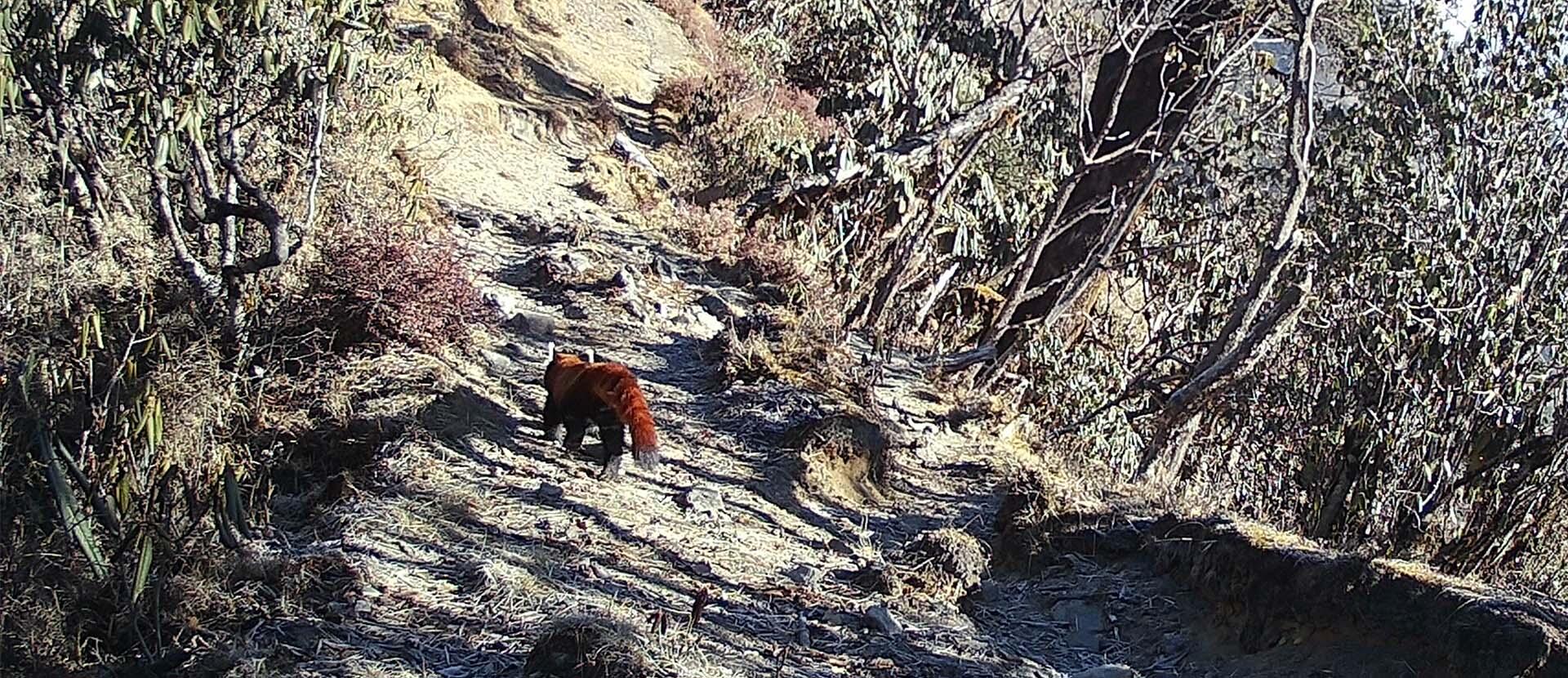
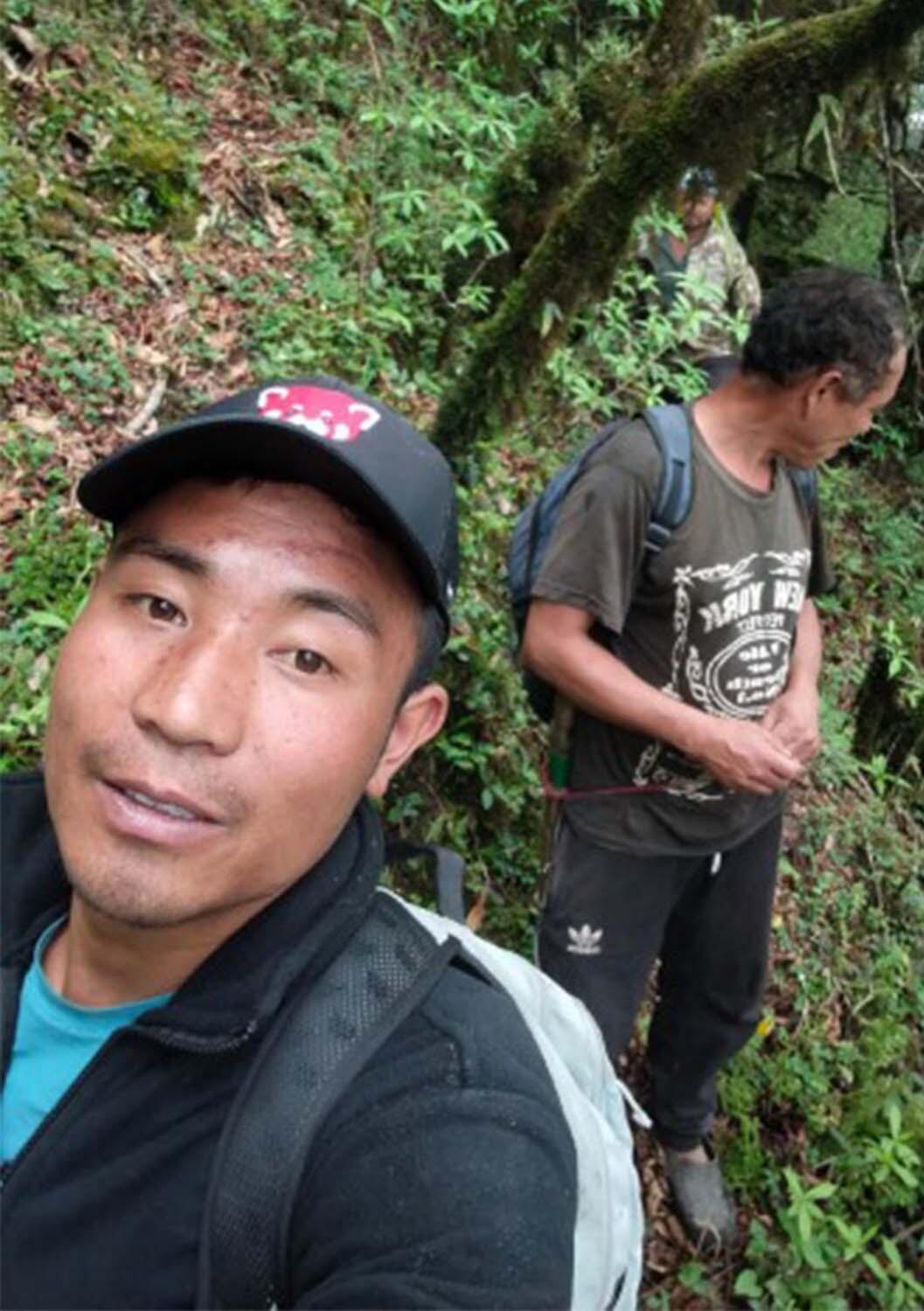
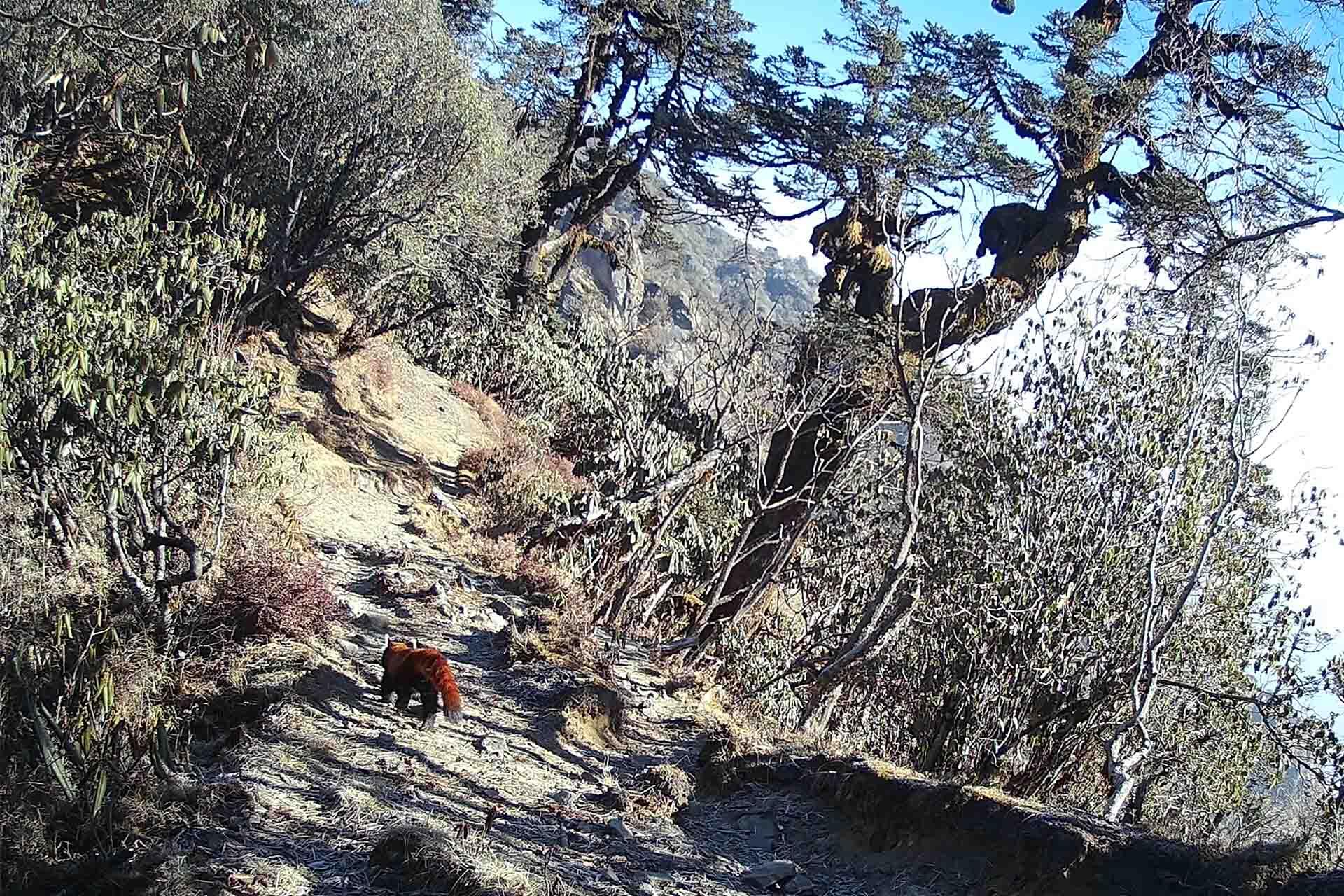
A Forest Guardian since 2024, Mr. Phurba Sherpa is a Nepalese a yak herder by trade. In 2024, Red Panda Network were setting up camera traps (a method conservationists use to photograph and monitor wildlife in a specific area) across the Tinjure-Milke-Jaljale (TMJ) complex, a protected ecological ridge in eastern Nepal. Phurba saw first-hand the wildlife that was then documented on camera. This motivated him to report illegal poaching happening in his region and eventually join RPN.

His role includes wildlife monitoring (setting up camera traps in targeted forest locations), training and mentoring newly hired Forest Guardians in the area, coordinating data collection between rangers, and liaising with local authorities.

To date, Phurba has compiled impressive camera trap data on a variety of wildlife including the common leopard, Asian wild dog, Himalayan black bear and red panda, and has effectively tracked sensitive poaching incidents on four to five occasions.

These dedicated rangers navigate remote wilderness, endure severe weather and trek across steep terrains during fieldwork. Other challenges include communication with herders and poachers, which can take both an emotional and physical toll. Some of the wild places rangers travel to are also out of reach of telephone signals, which can cause concern during emergencies.

Despite these ongoing struggles, Phurba remains devoted to conservation. He is keen to advance research, document animal behaviours, further anti-poaching efforts and conserve red panda for future generations.

Removing traps and saving wildlife in Sumatra 

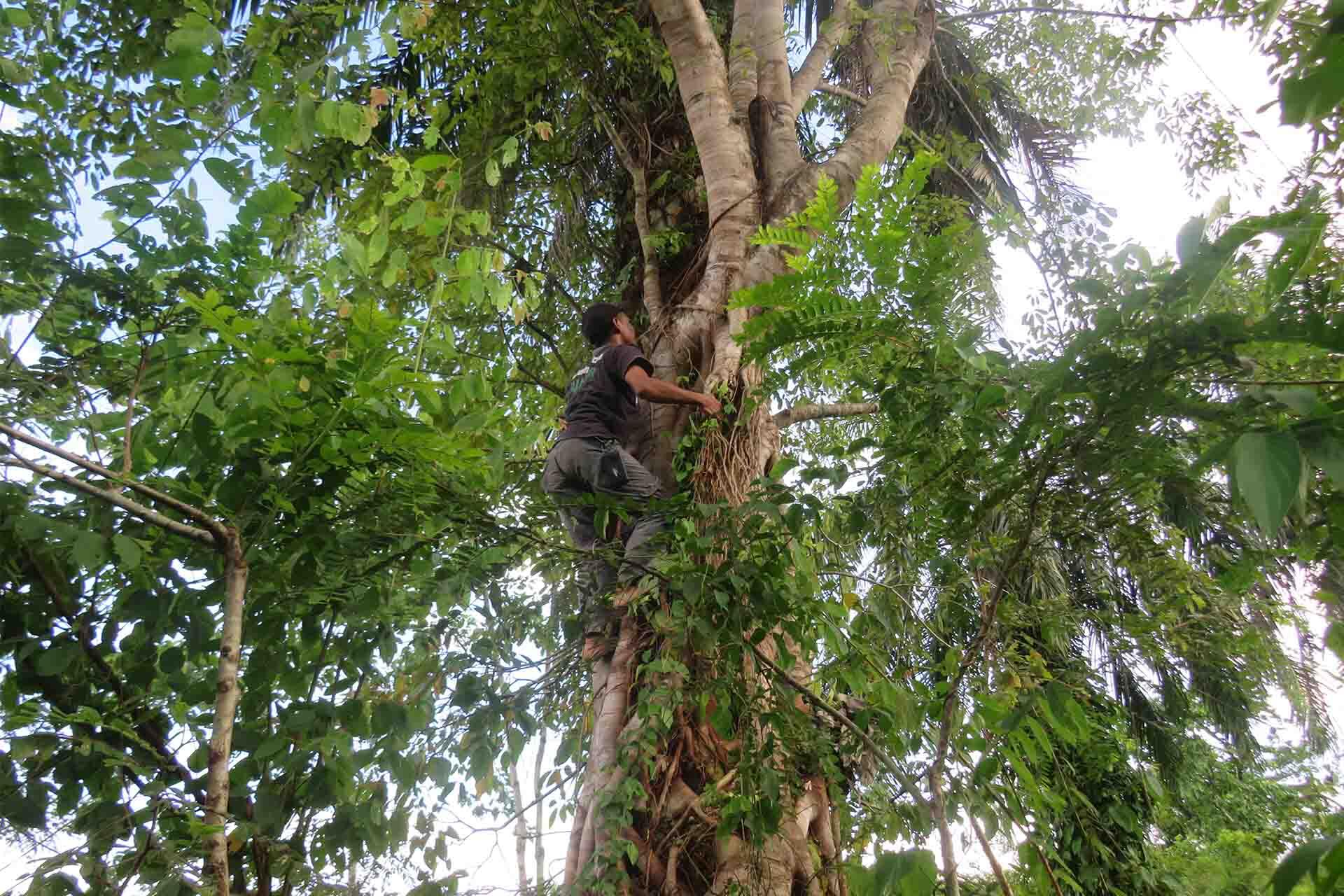
Auckland Zoo has supported the Sumatran Ranger Project and their incredible team of 11 full time rangers since 2016. For World Ranger Day, three of their rangers explain why this conservation work is so important and what it means to them.

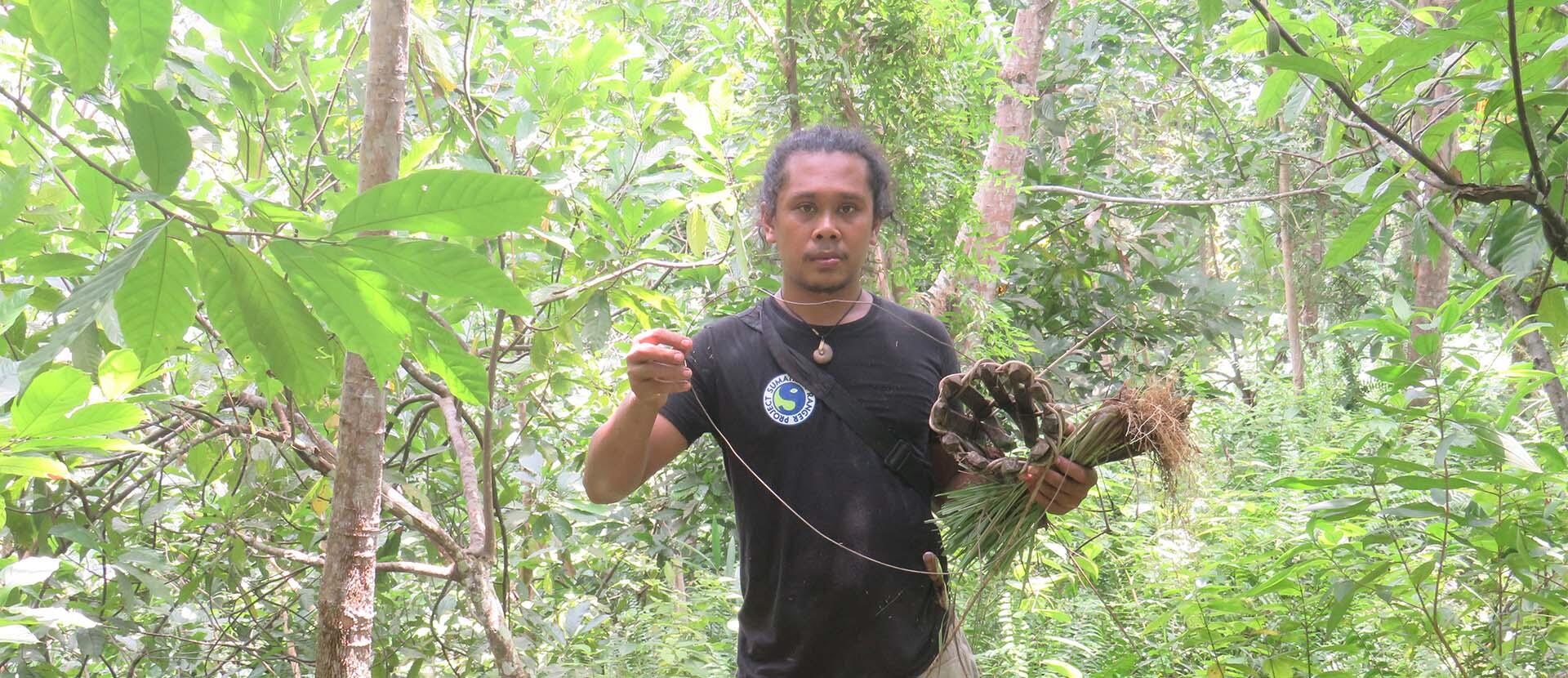
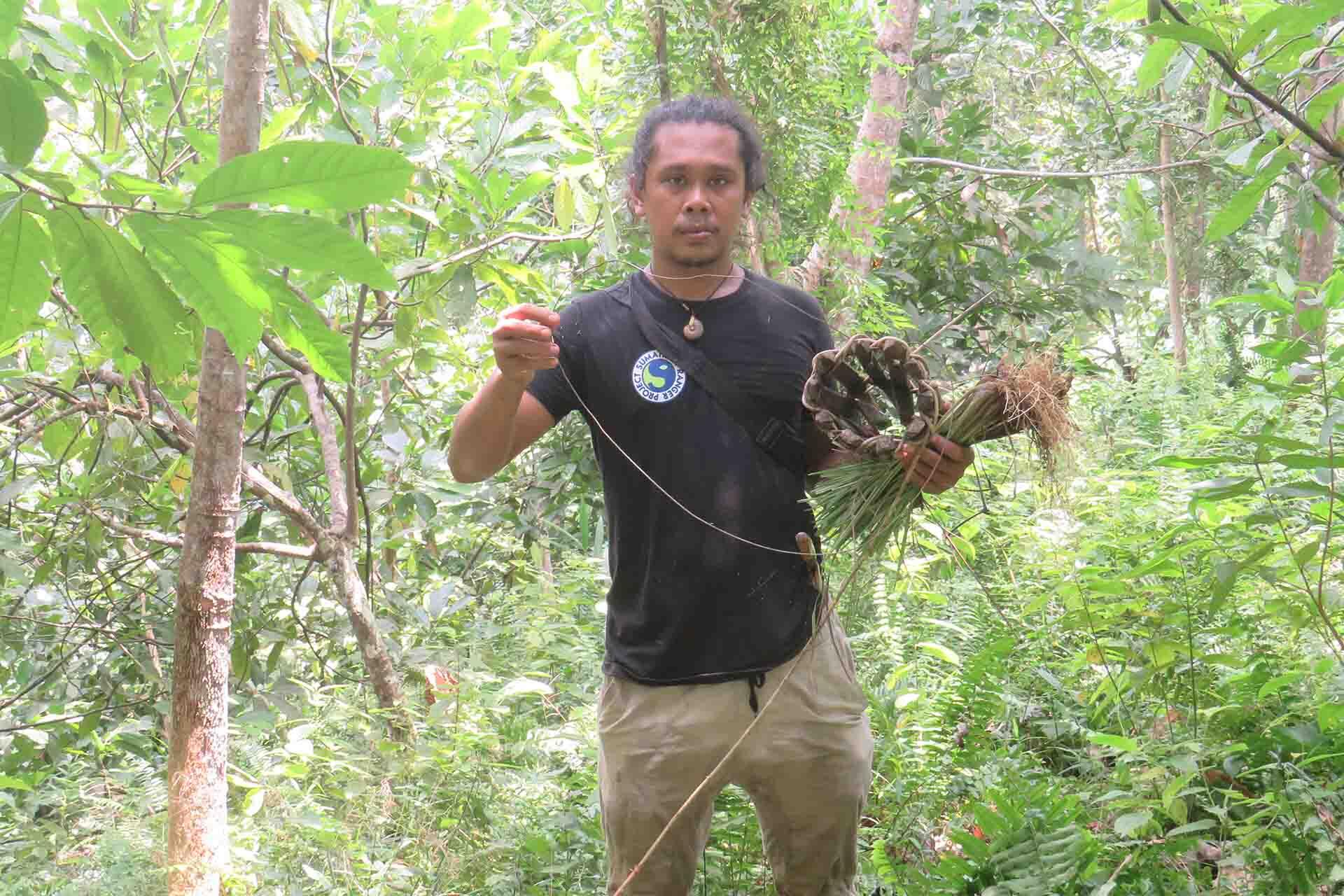
One of the active roles of the team is patrolling the border of the Leuser Ecosystem in Sumatra – this is where communities have settled, and where human wildlife conflict commonly occurs. Their work includes removing traps and snares that could be used to trap animals like Sumatran tigers, sun bears or elephants.

“Every single trap we collect in the border of the national park means we save one animal,” explains Jasson. The rangers patrol the forest 14 days out of every month, and when Jasson started with Sumatran Ranger Project seven years ago, the team would find around 900 traps during every trip. Now, they find 7-10 traps along the forest border, which means their consistent long-term effort is yielding results.   

Unfortunately, the rangers are seeing more oil palm planted in the border of the forest, which is an ongoing challenge. It is important for palm oil to be grown in a sustainable way, using existing area cleared for these plantations, and not encroaching into new areas of the forest. This is because oil palm is not suitable habitat for these animals (it doesn’t provide either food, shelter or support any life), and so the plants are frequently removed by the rangers. The rangers help support communities to seek and implement alternative crops.

Sarah sees it as her life’s purpose to protect nature and has been working as a ranger for two years. “The forest is like my home, and it's also the home for incredible wildlife. The forest provides us with clean water, fresh air, and also a healthy environment for people. After I finish the 14-day patrols, I go back home and share my knowledge with the kids that live near my parents' house. It's good to share the knowledge with the new generation,” explains Sarah.

Some of the challenges the rangers face come with working within the rainforest, such as extreme weather events, and from wildlife itself! “A few months ago, elephants came to our house twice in the night. It's not far from our place, just around 7-10 meters away.”

Togar grew up in the jungle and has loved being a ranger for the past seven years. “When we patrol the border of national park each month, we sleep in the forest border. This makes me feel connected with nature,” says Togar. One of the challenging aspects of his role is helping to mitigate human-wildlife conflict. This can happen when orangutans take farmer-grown fruit from trees, or when domesticated cattle are predated by wild tigers. The rangers help provide communities with ways to coexist with wildlife and includes providing time and resources to build livestock corrals to protect domestic animals from wildlife incursions.

We thank the rangers for their ongoing work protecting wildlife and wild places!

Protecting endangered parrots in Ecuador 

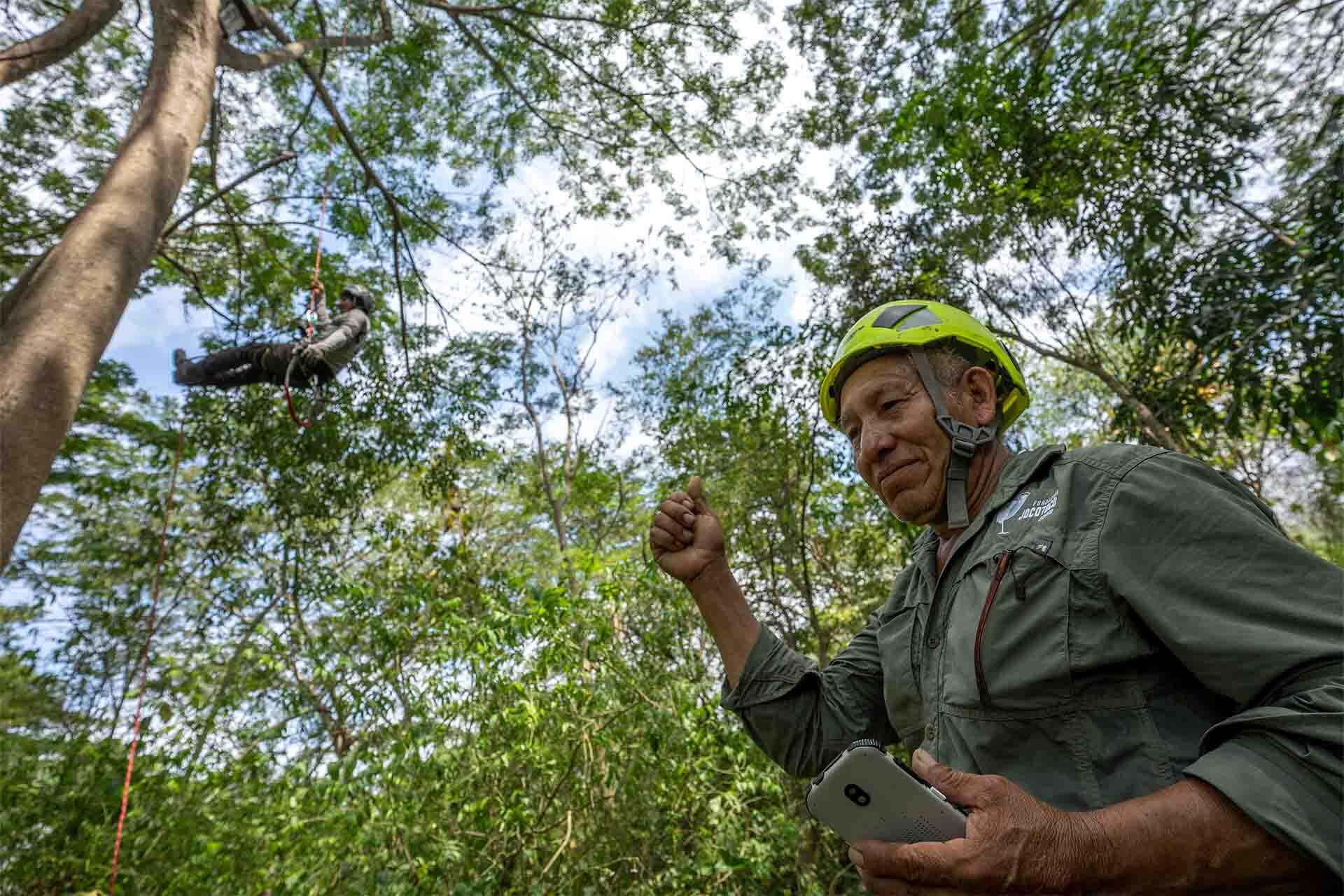
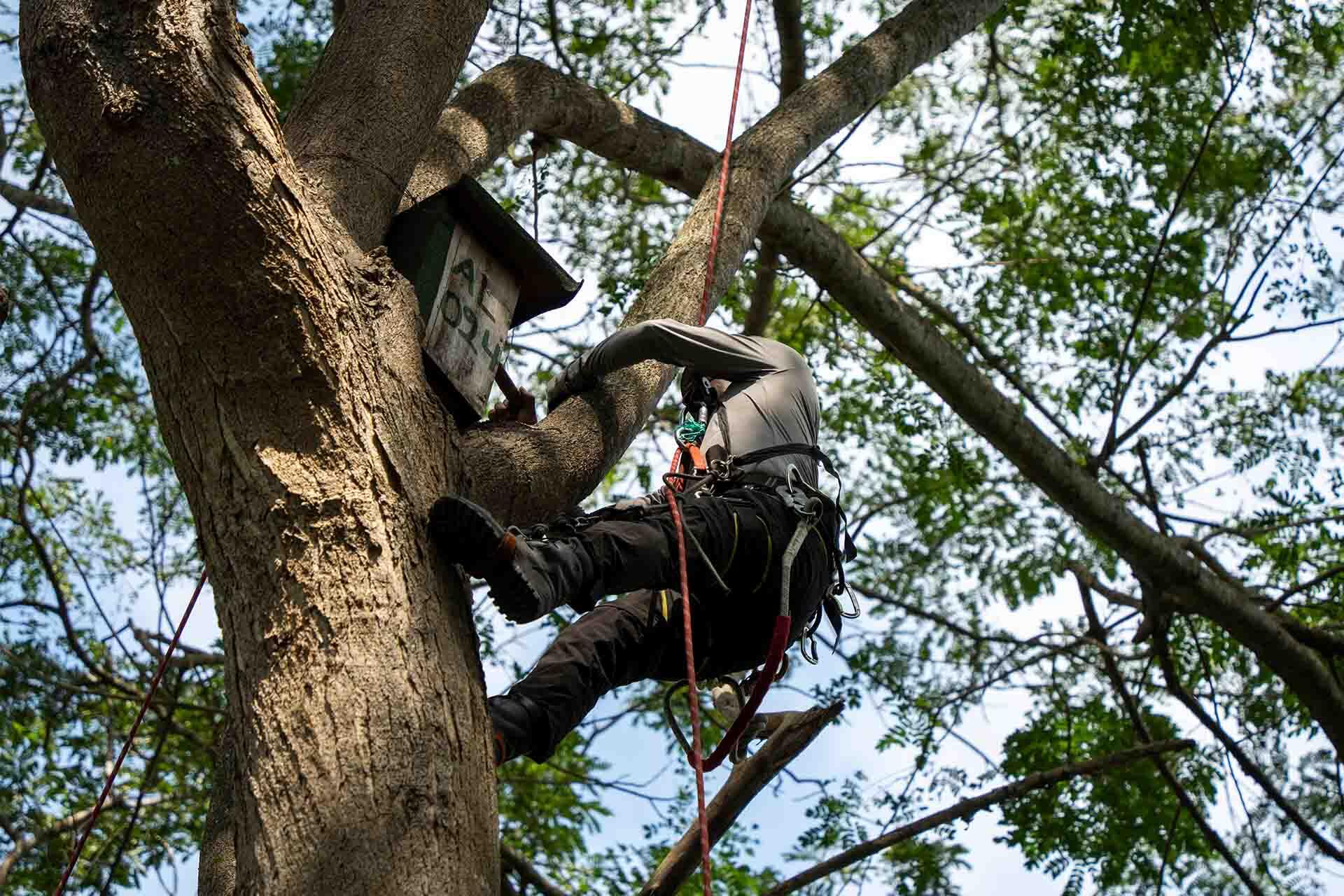
Fundación de Conservación Jocotoco is an Ecuadorian NGO that works to protect natural habitats and conserve threatened species like the endemic and endangered lilicine amazon parrot, which is estimated to number around 1,500-2,000 individuals. Auckland Zoo has been supporting this work since 2016.

Patricio Reyes Ramírez started as a ranger for Jocotoco Fundacion in 2018. Soon after he joined, two biologists arrived from Madrid looking for the lilacine amazon parrot. Patricio was able to show them the sites where the birds roost and feed, and together they did a survey of the birds. At the time, they were able to record 800-900 of these endangered birds and that motivated Patricio to do even more to conserve them.

“What I enjoy most about my job is that every patrol has a purpose. On our daily patrols we sometimes encounter people who are damaging the forest (by logging or trafficking wildlife). Dealing with those situations and protecting the forest is one of the biggest challenges of the job. That’s why we work closely with local communities, encouraging people to set an example by rejecting hunting and wildlife trafficking. We also focus on environmental education, especially with children. They’re the future and we want them to become stewards of nature, because protecting biodiversity benefits everyone.”

David Latorre Reyes has been working as a ranger of the Las Balsas Reserve for five years, and before that he worked as a community park ranger of Ecuador’s Socio Bosque Forest Conservation Program.

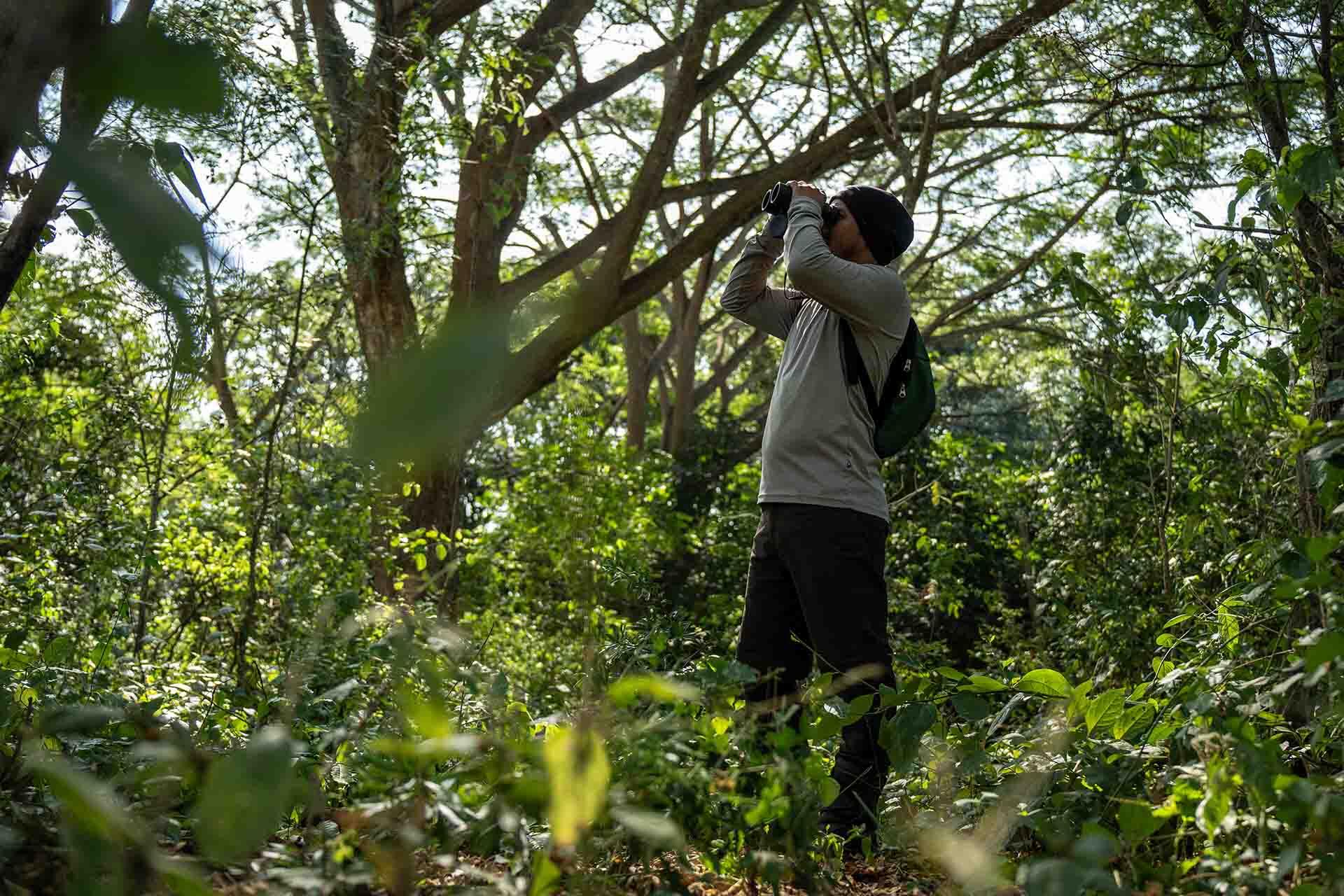
“I like every part of the job, but my favourite part is the evening count of the lilicine amazon as the parrots return to their communal roosts. It’s an unforgettable, colourful spectacle.

One of our main challenges are in breeding season, when poachers try to capture chicks for the illegal wildlife trade. As a park guard, our role is to safeguard the areas we protect. We also promote conservation through environmental education, working with local schools to help children understand its importance, and inspire them to protect nature.”

Rangers’ passion for saving Sumatran tigers and their forest homes 

The Sumatran tiger is critically endangered, with a population of roughly 400-500 in the wild. Auckland Zoo has been supporting the work of WildCats Conservation Alliance to protect these beautiful animals and their Indonesian forest habitats for 20 years!

WildCats partner with Lingkar Inisiatif who carry out patrols in Kerinci Seblat National Park in Sumatra. This is the second largest national park in the region, covering a staggering 1.83 million hectares and is home to more than 160 Sumatran tigers.

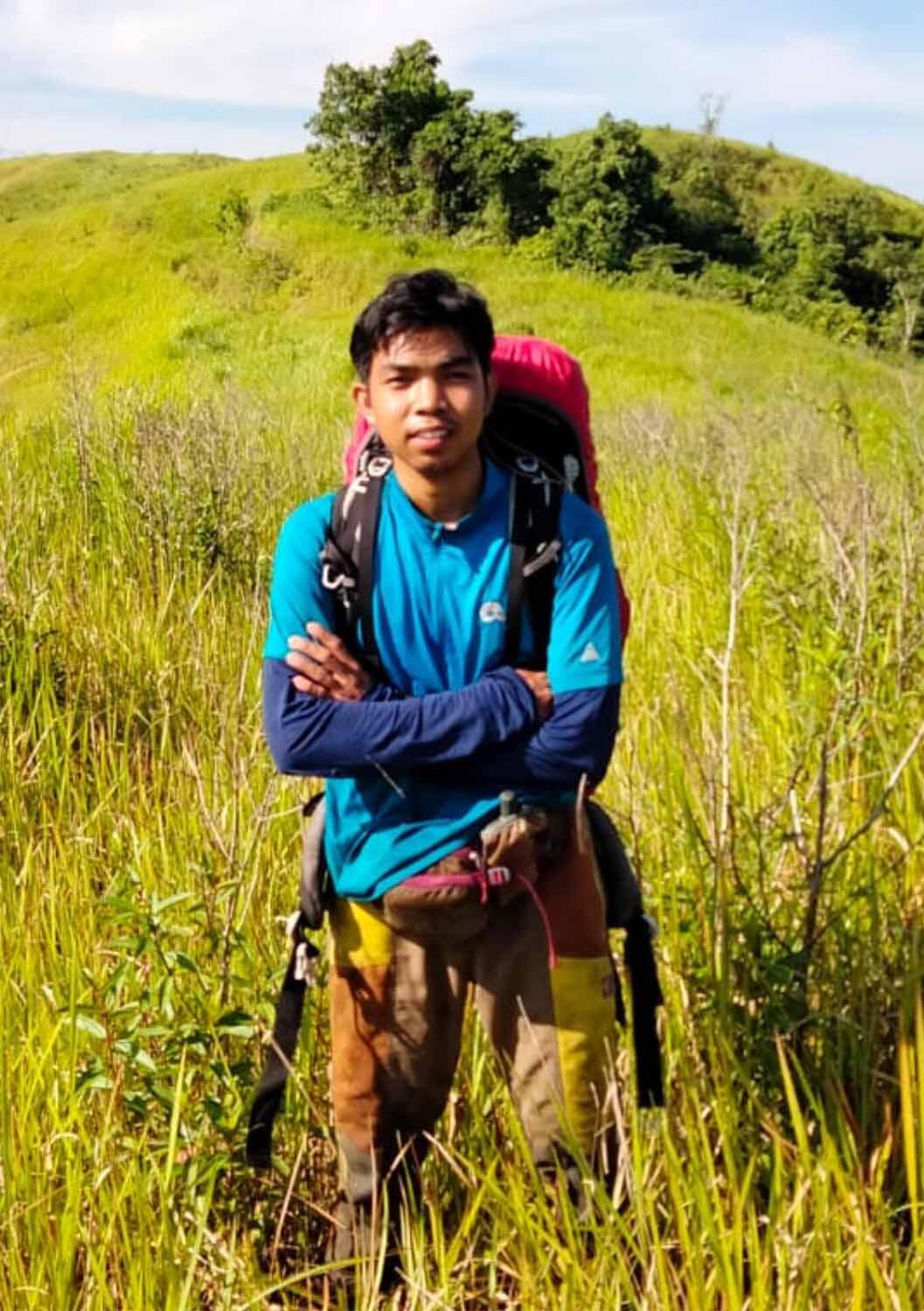
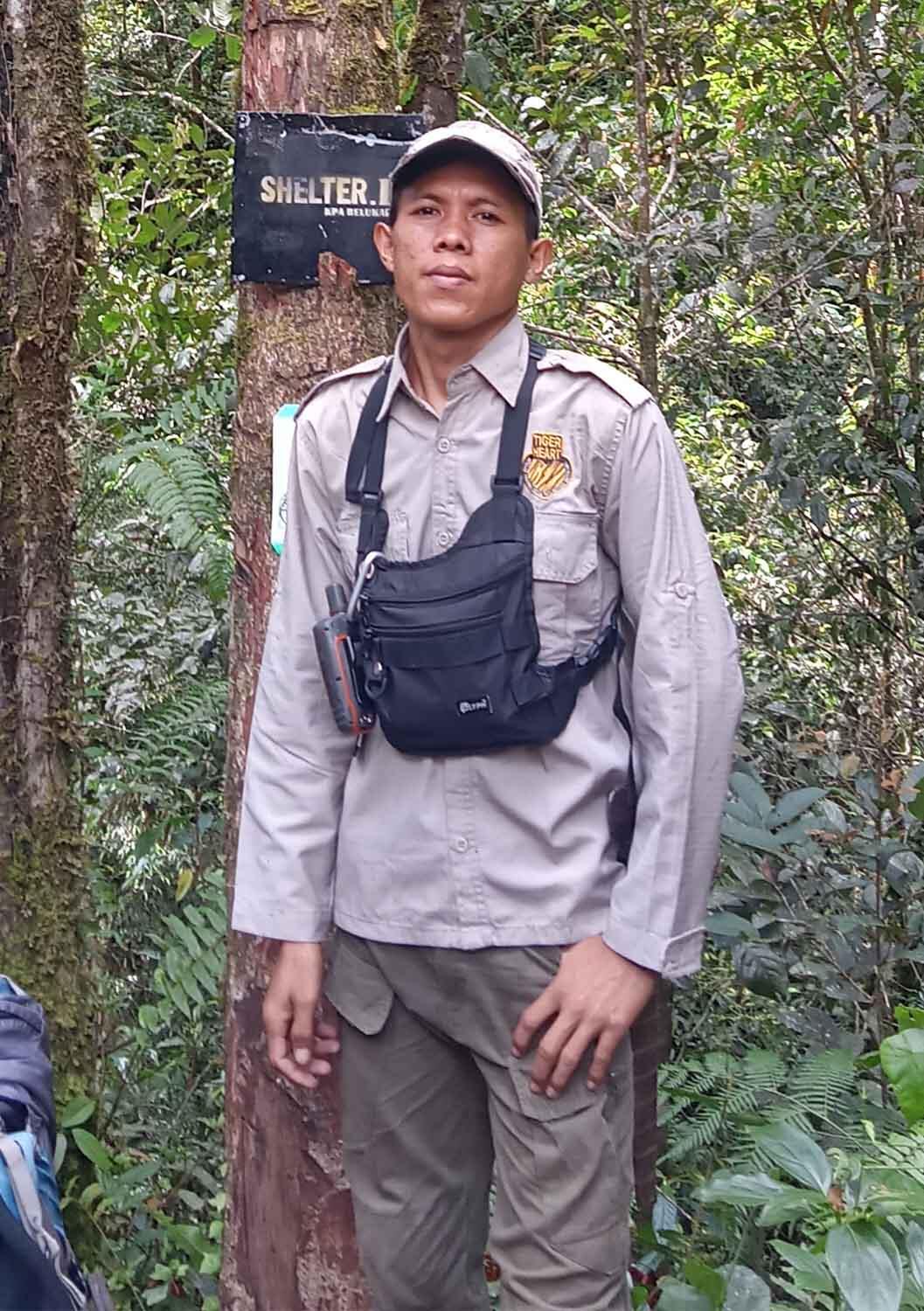
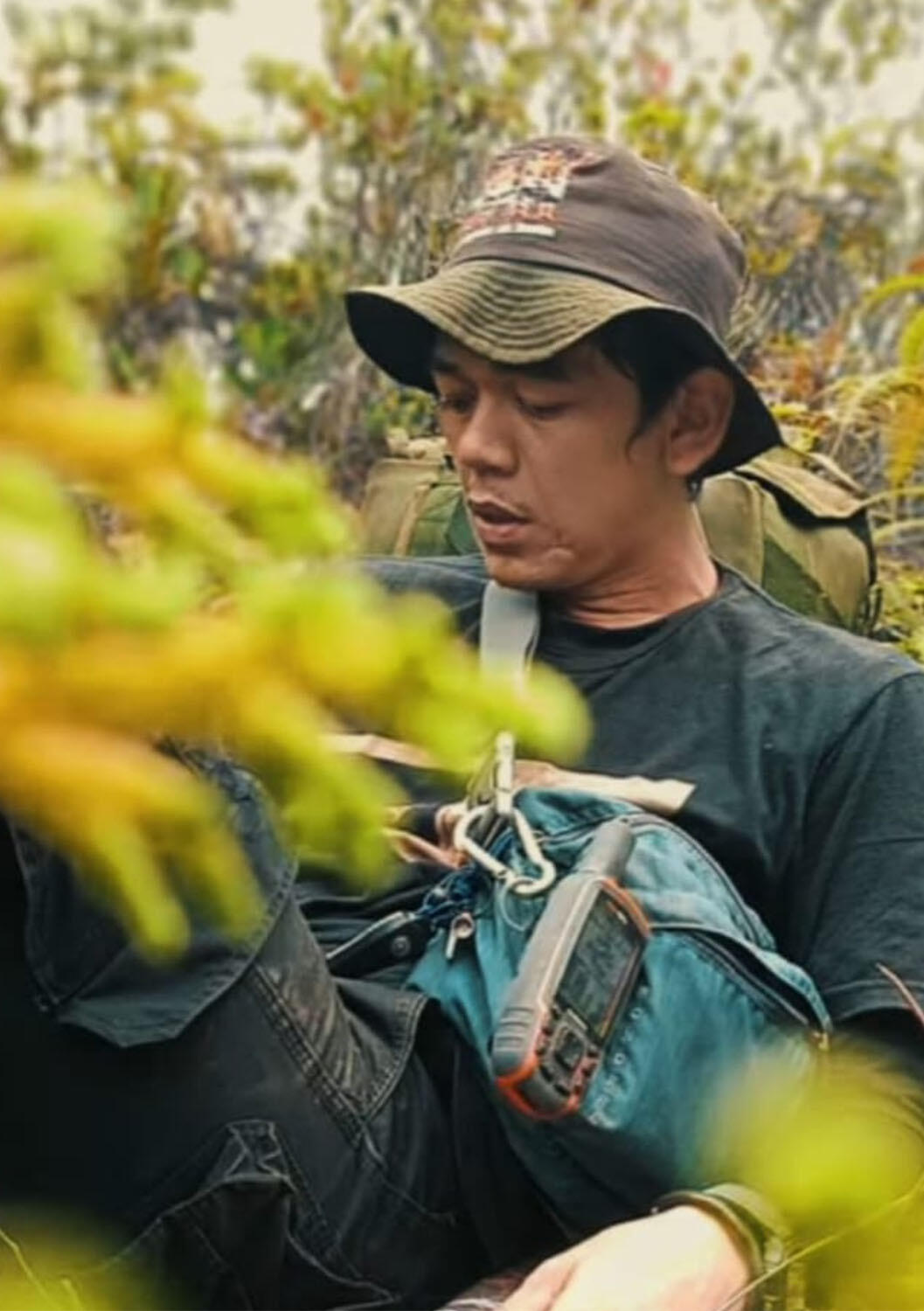
We’re honoured to have five of the rangers from Lingkar Inisiatif share their passion for wildlife conservation with us.

Varozi Saputra (22) is part of the Habitat and Forest Protection Patrol Team at Lingkar Inisiatif and joined in 2022. He was born and raised in Bengkulu and says, “I love being in the forest and witnessing its rich biodiversity. Seeing healthy ecosystems and hearing the morning songs of forest birds give me a sense of peace that is difficult to describe. Although many people see working in the forest as dangerous, I find it deeply meaningful. Because of the risks involved, careful preparation is essential, and safety is always our top priority. One of the most challenging experiences I have faced was encountering illegal loggers who were hostile toward our patrol team while we were carrying out our duty to protect the forest.”

Also a member of the Forest Protection Patrol Team, Fikto Uwais (23) was born and raised in a village near the forest, which inspired him to dedicate his career to protecting nature. “I want Indonesia's forests to remain healthy and well preserved for future generations. To me, protecting the forest means protecting our dignity, our safety, and our future. Together, we must stop illegal logging, prevent forest fires, and safeguard the sustainability of nature,” explains Fikto.

Edwin Ravinki sees working in the forests as a natural fit for him and says, “I have loved hiking and mountain climbing since high school, so joining the forest patrol team felt like a natural path for me. Working in the jungle is physically demanding and sometimes feels overwhelming, as the dense forest can make you feel completely surrounded. Despite the challenges, I truly enjoy this work.”

Juan Antonio (35) grew up in Lebong Regency, Bengkulu Province where attitudes towards wildlife were different and he hopes to be part of the change. “When I was growing up, hunting Sumatran tigers was common in my village, and that reality saddened me. It inspired me to become part of the forest patrol team dedicated to protecting this critically endangered species. I hope that Sumatran tigers and all other endangered wildlife can continue to survive and thrive, ensuring that future generations inherit a rich and healthy natural environment,” explains Juan.

Bambang Supriadi (39) sees working in conservation as his purpose. “Through my work, I have the opportunity to contribute to the conservation of Sumatran tigers and other endangered wildlife. At first, working in the forest was physically exhausting because we spent long days trekking through challenging terrain. Over time, however, I came to love this work. Every patrol allows me to experience the beauty of Indonesia's forests and observe the incredible wildlife that depends on them. I hope more people will join us in protecting our forests and ensuring they remain safe for future generations,” explains Bambang. 

You support these wildlife rangers and the incredible work they do simply by visiting the Zoo. Thank you for continuing to support conservation around the world!