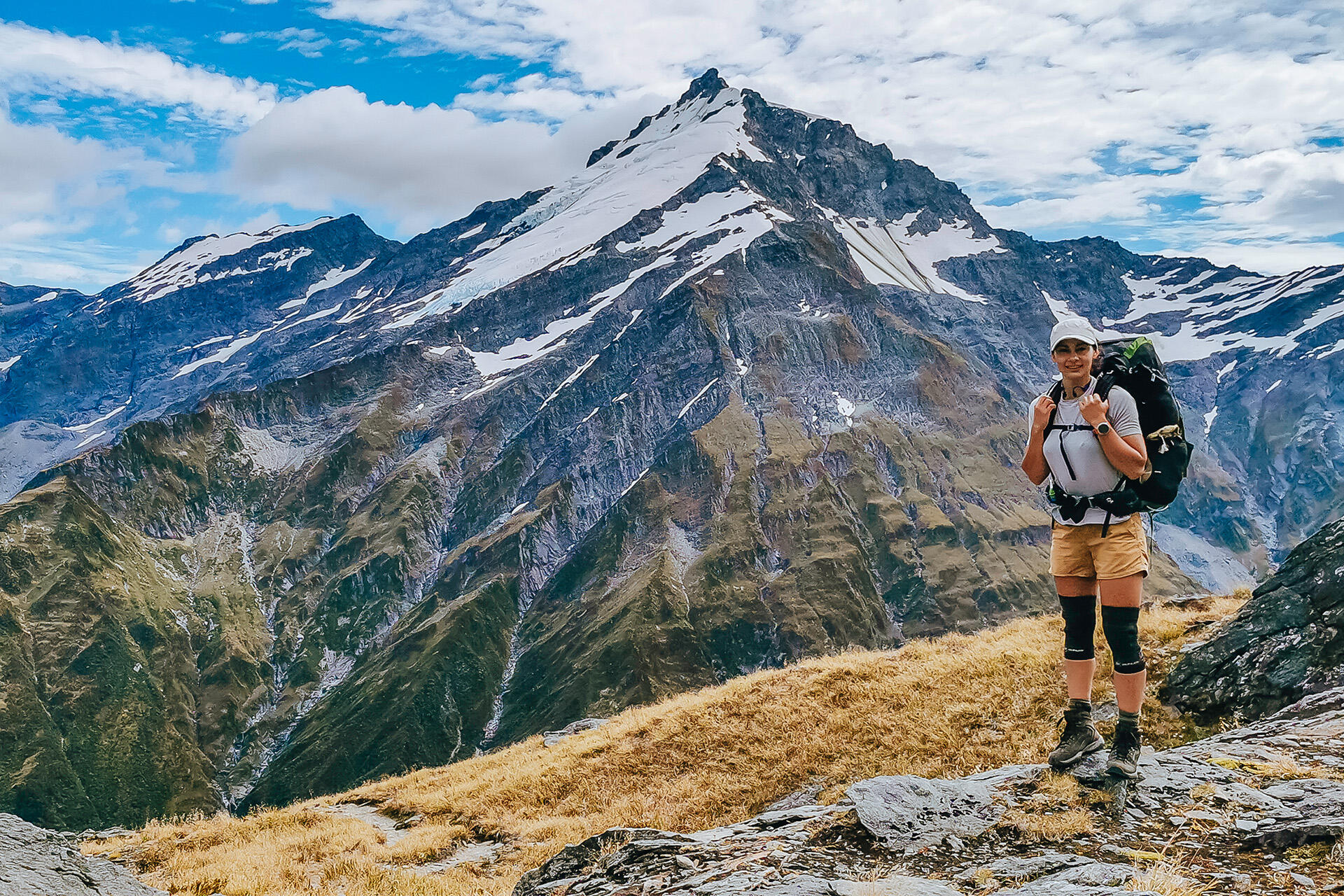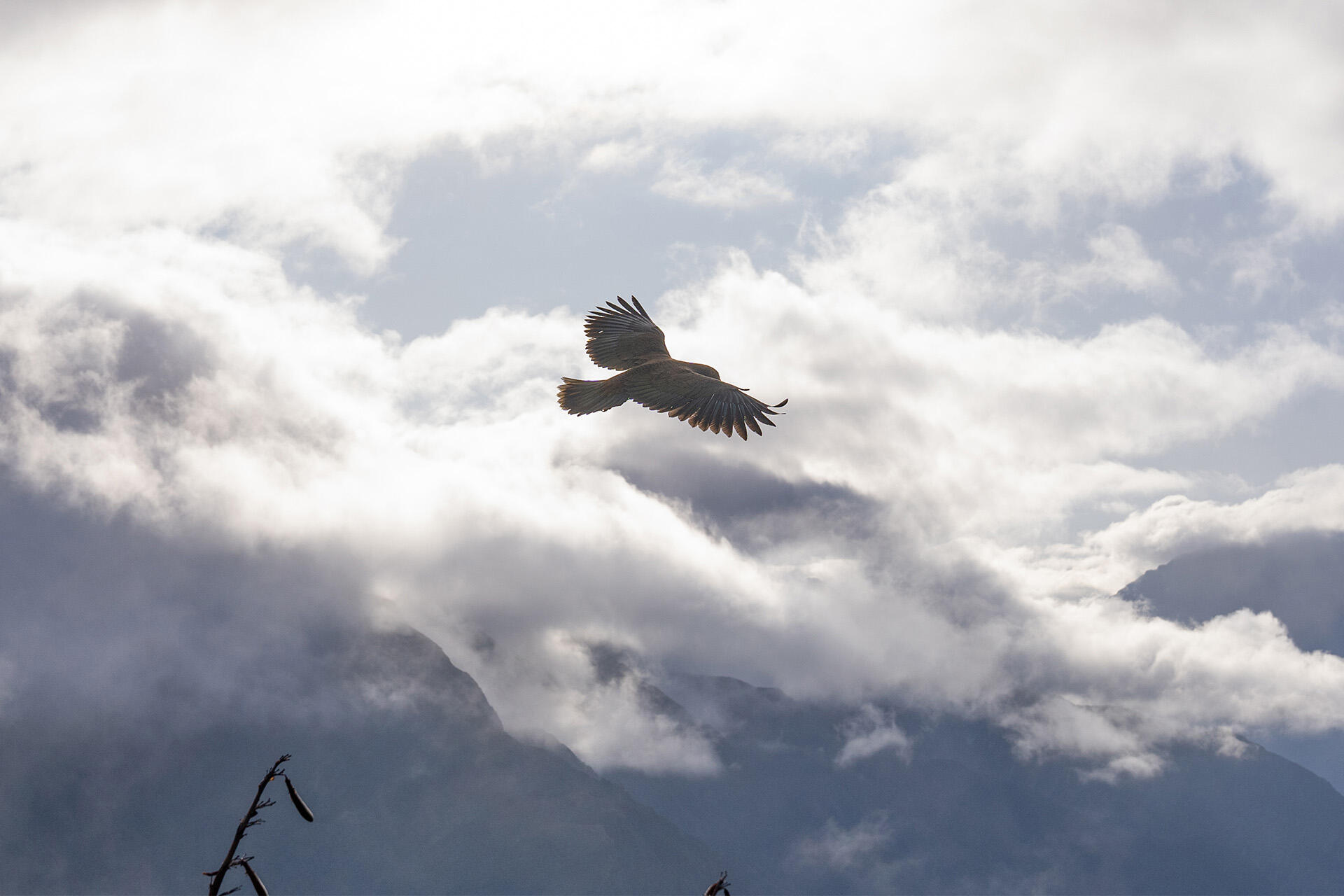

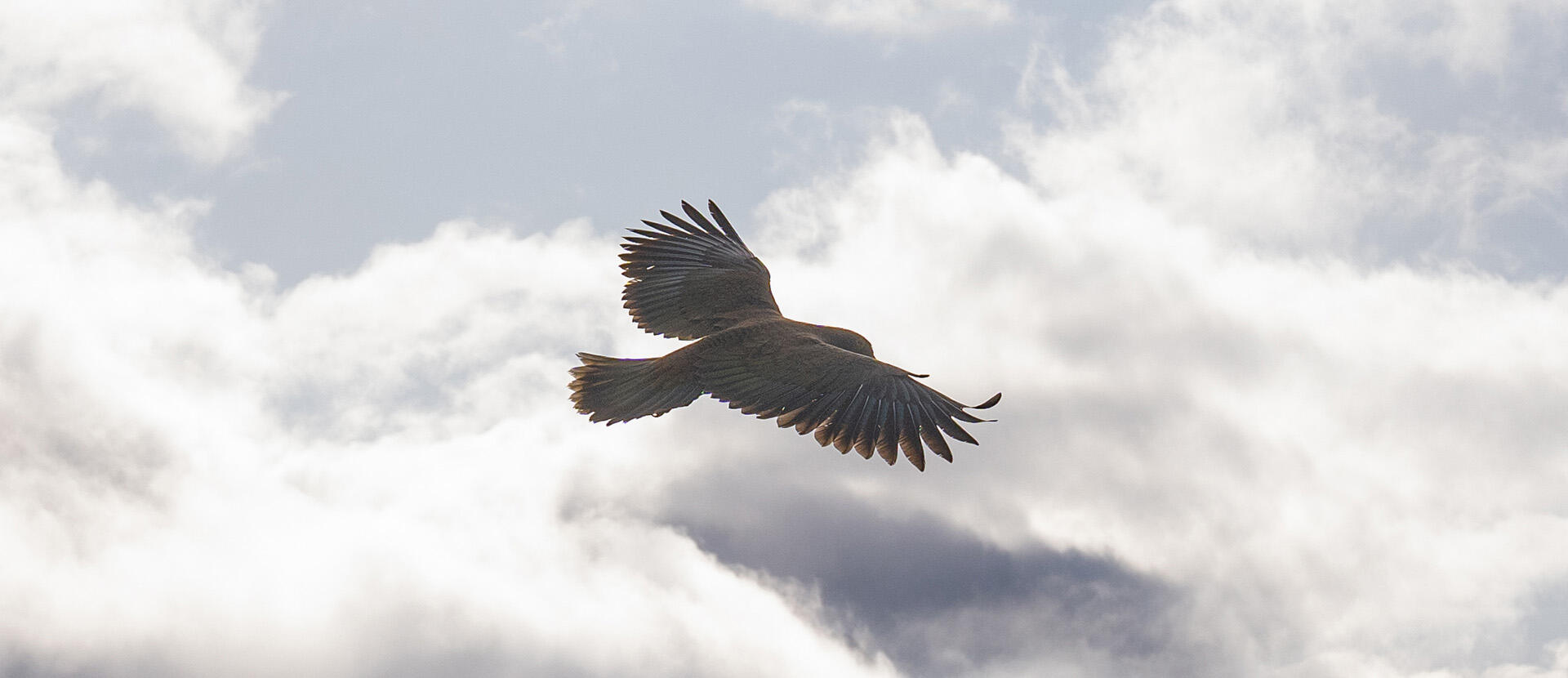
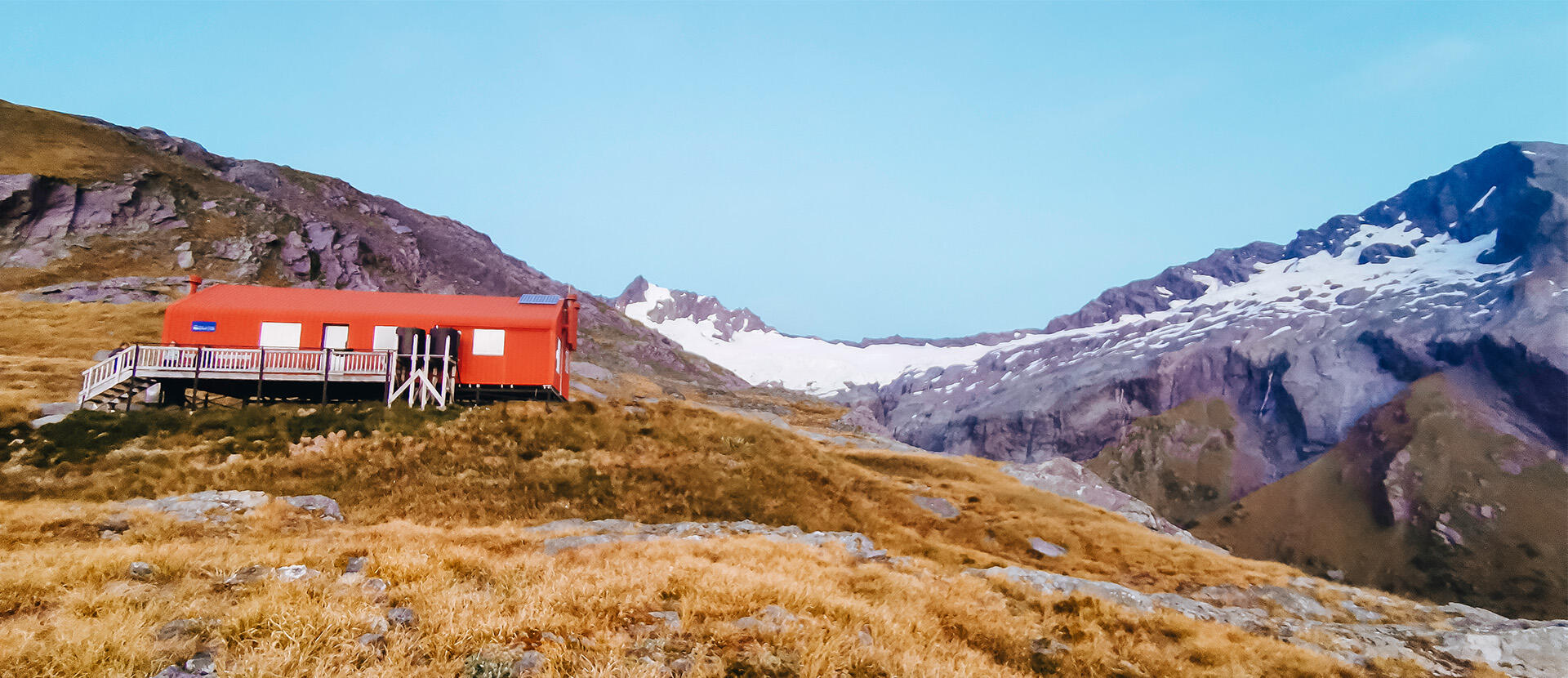
Our bird keeper Jasmine recently spent a week in Mt Aspiring National Park assisting our partners at Kea Conservation Trust, with conservation fieldwork for kea.

We’ve been partnered with KCT since 2009 and this is the 4th year that Jas has ventured to Matukituki Valley to support this conservation project.

This annual monitoring is crucial for collecting data about kea, and how the species is faring. Individual kea will be safely caught up by the team for banding, weighing, morphometric measurements (measuring their beaks and heads) and recording various age stages. Adult females are also fitted with a transmitter so that they can be tracked to nest sites and their breeding monitored. Some birds also have bloods taken to test for lead levels.

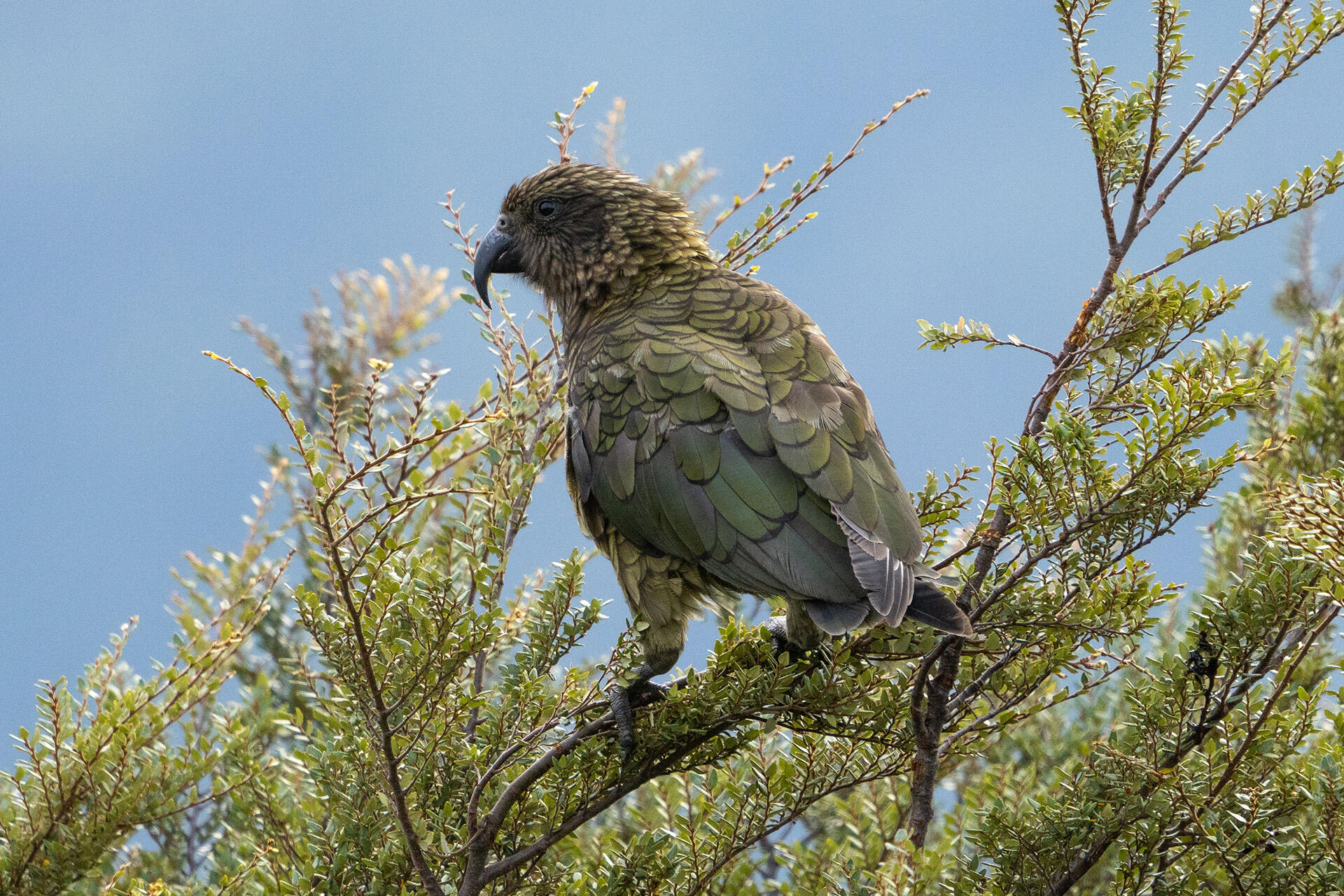
The team can determine the age of the birds – fledgling, juvenile, sub-adult and adult – from these measurements and by observing the colour around their eyes and cere (an area of skin surrounding their nostrils) and by the colour of feathers on the top of their heads (fledglings from the most recent breeding season have a much lighter 'cap' of feathers).

Banding is important for recognising birds from a distance (and you can help to record sightings when you see a banded kea!). Jasmine personally banded 14 kea that were of various age ranges.

“As a bird keeper, it’s amazing to be able to use my keeping skills to help endangered New Zealand birds, like kea, in the wild. This monitoring work allows us to better understand reproductive successes, estimate kea populations in the valley, and document the risk from predators”, explains Jasmine.

You support conservation for native New Zealand birds every time you visit the Zoo.