

Flight School
Imagine sitting inside a forest canopy as a macaw flies over your head – this is the kind of …
Experience the hidden beauty of Aotearoa
Join us at the Wild Work Centre to get a close-up view of some of Aotearoa New Zealand’s cryptic and unique native species.
Discover some of the incredible native species that call Aotearoa home in this free experience.
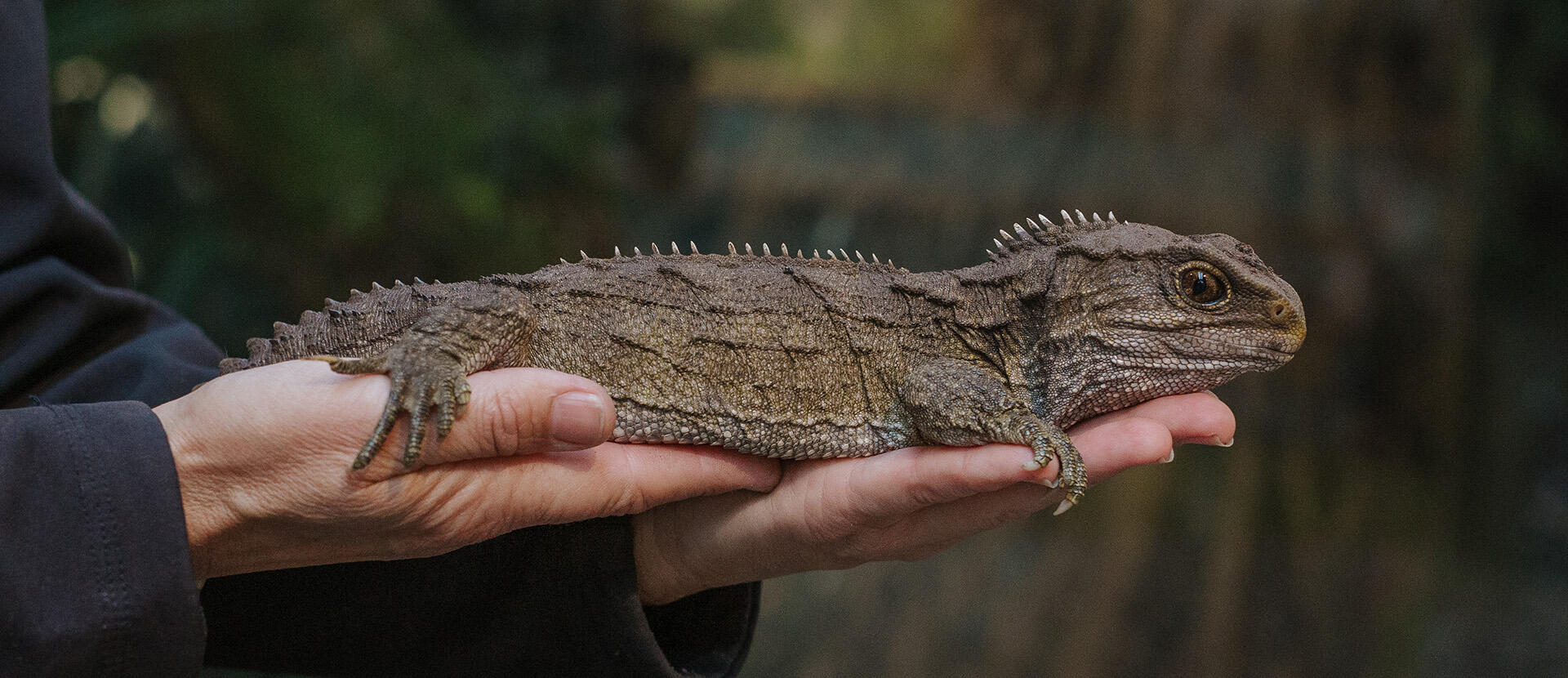
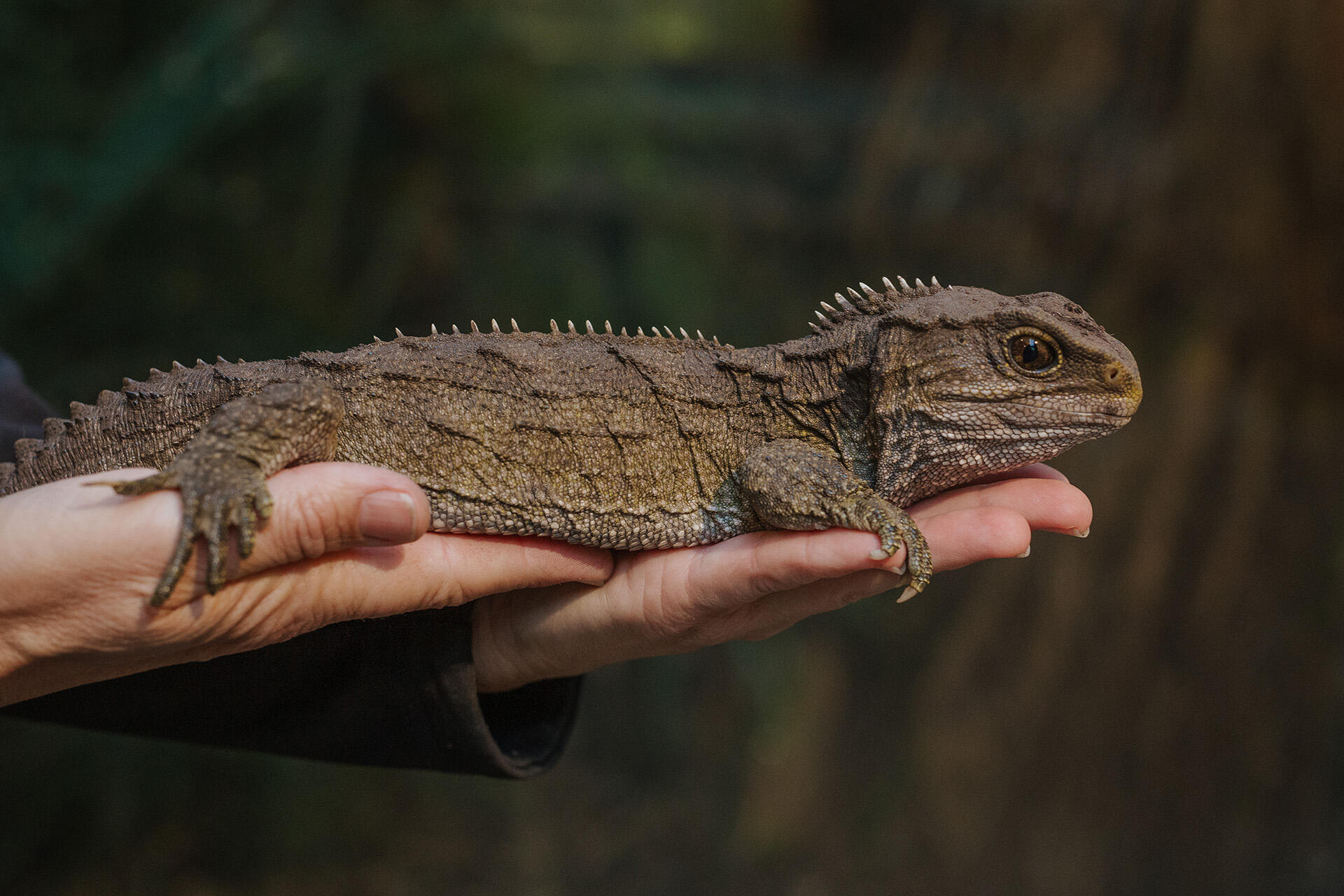
Hidden New Zealand is your chance to see some of our more elusive native animals up close. Discover the iconic ancient reptile, the tuatara. Marvel at the giant wētāpunga. Meet one of New Zealand’s newest native species the barn owl, and more.
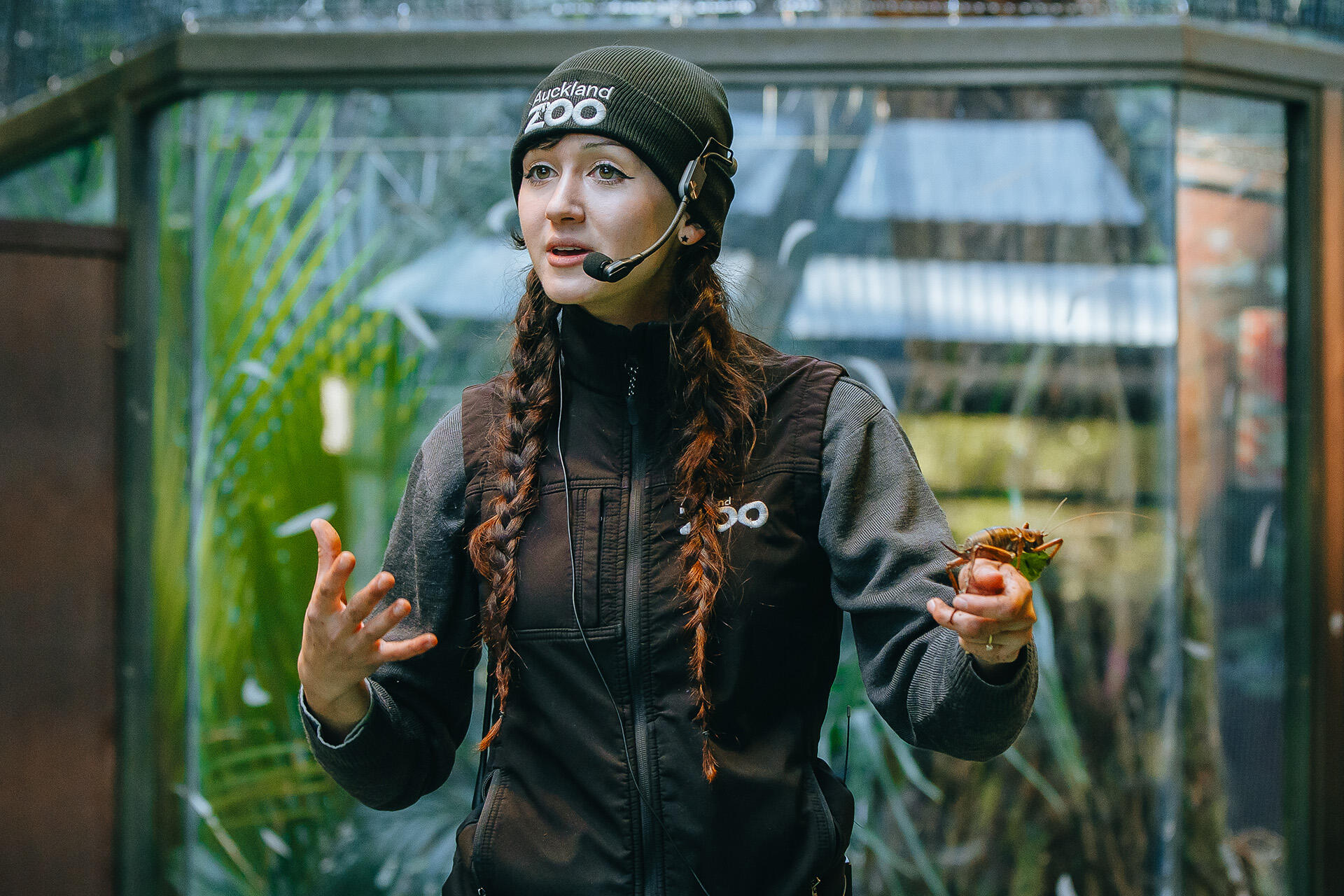
Learn some of the amazing stories behind this range of diverse and beautiful creatures from our engaging kaimahi (staff). Find out why they are special, how their adaptations help them to survive, and what makes them so important to our ecosystem.
This is an excellent opportunity to learn about how we can all act to help native wildlife thrive – in our own backyards, neighbourhoods, at the beach or in the bush.
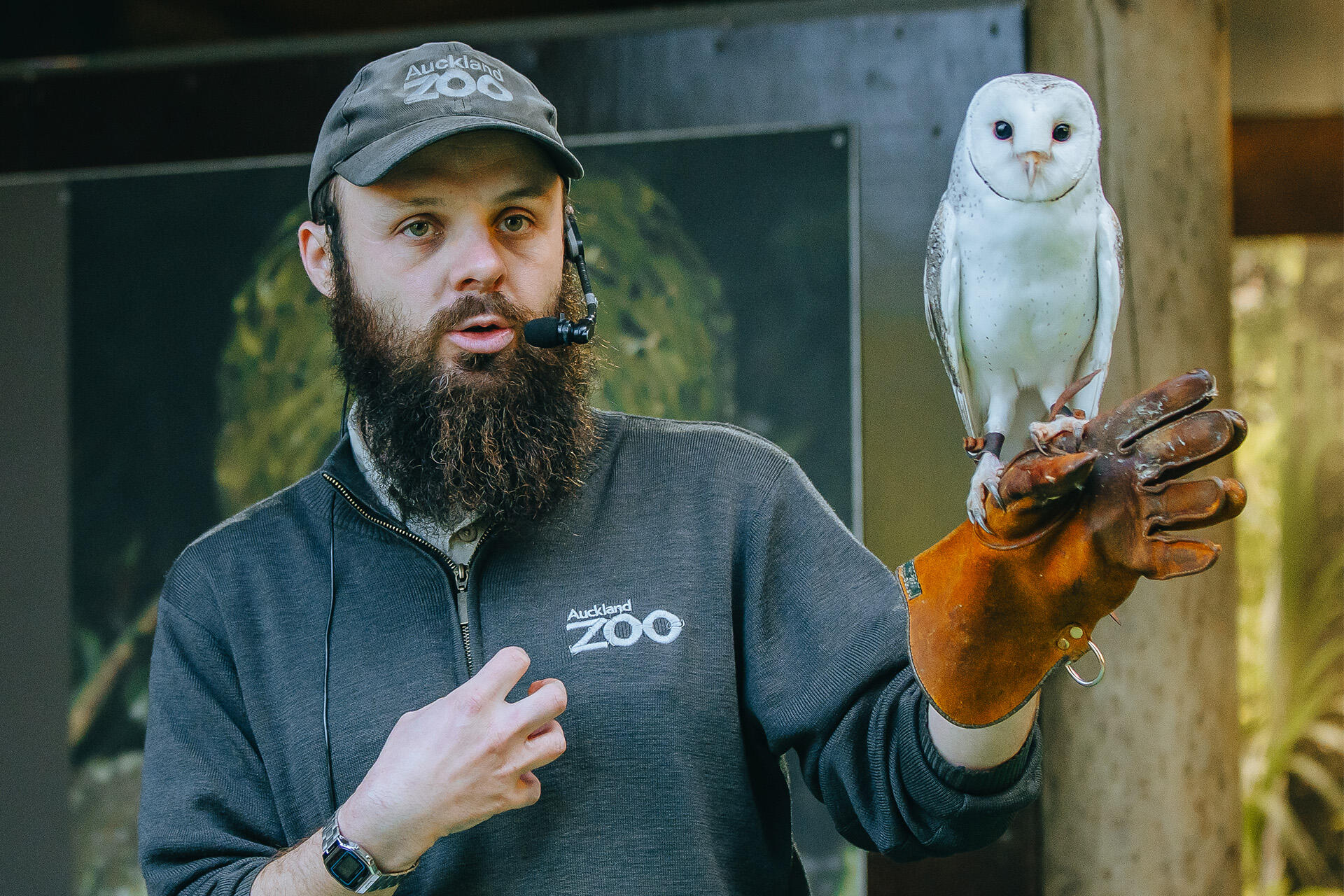
Connecting our Zoo visitors with wildlife is one of the key roles of our Animal Experiences team – connection builds caring and caring is the first step towards action. These interactions are powerful and could inspire the next generation of conservationists to care for wildlife and wild places. We encourage you to engage with our team and learn more about these fascinating taonga species, and just by visiting you’re also contributing to the protection of New Zealand’s native wildlife.
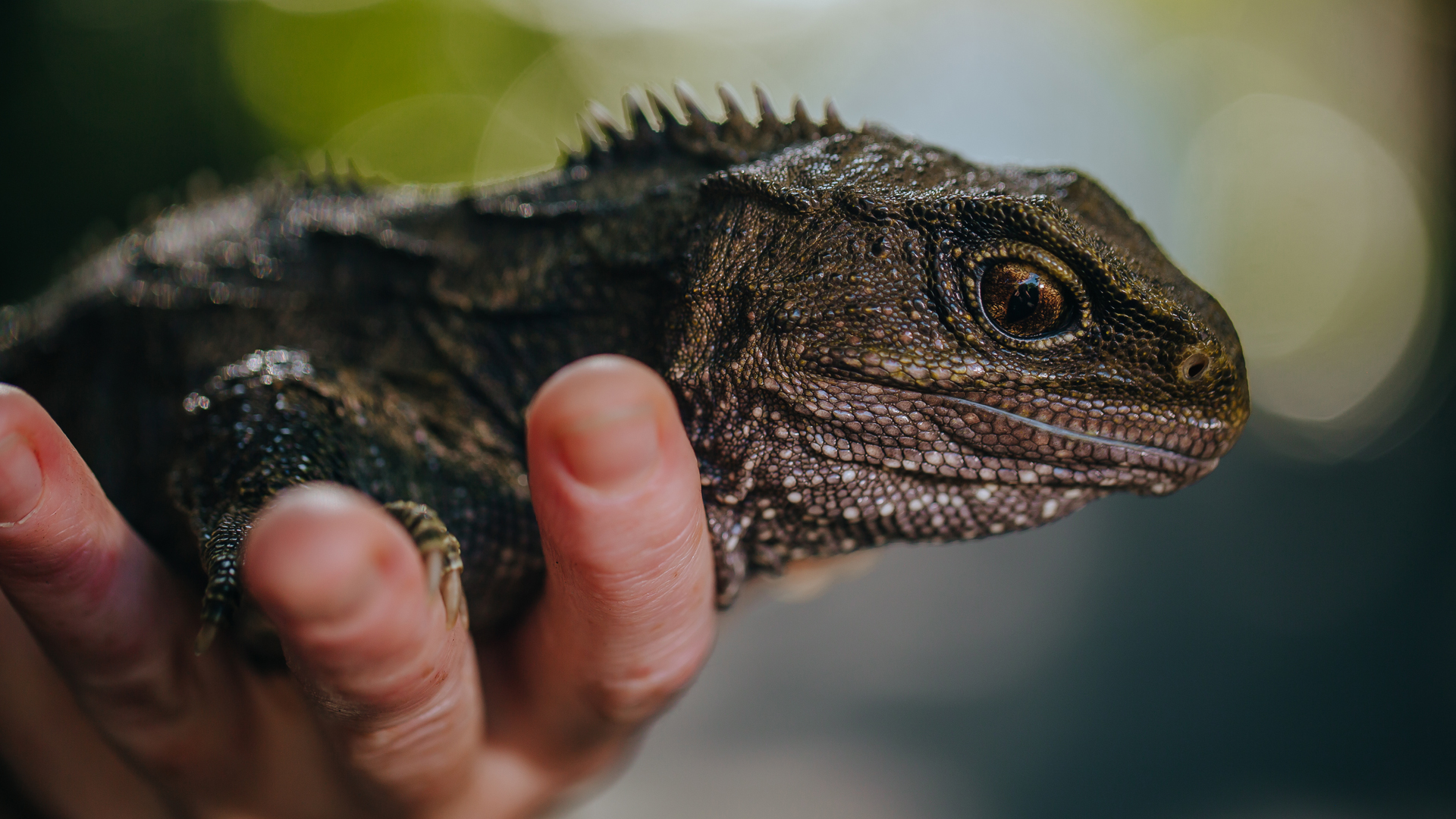
The spiny-backed tuatara is the sole surviving species of an order of reptiles that thrived in the age of the dinosaurs, separating from lizards and snakes around 240 million years ago. Endemic to Aotearoa, these ectotherms are truly one-of-a-kind. They were once found throughout New Zealand but now only survive on predator-free off-shore Islands and in mainland sanctuaries.
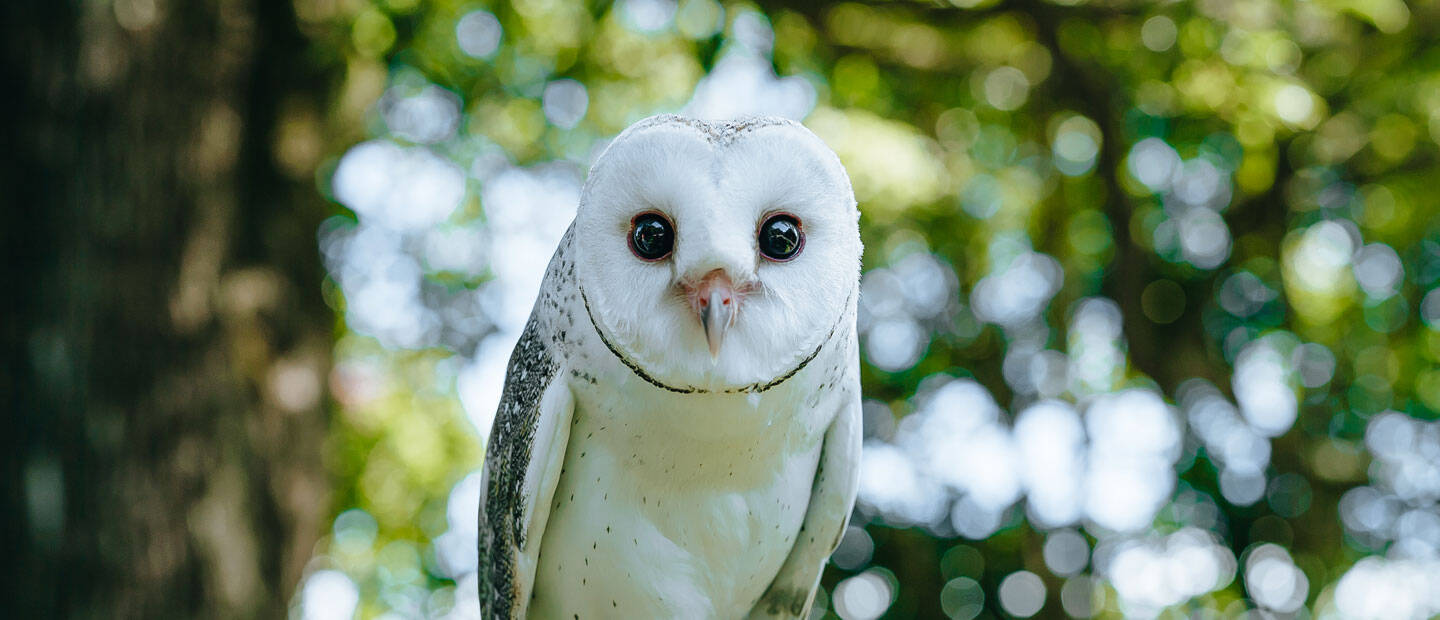
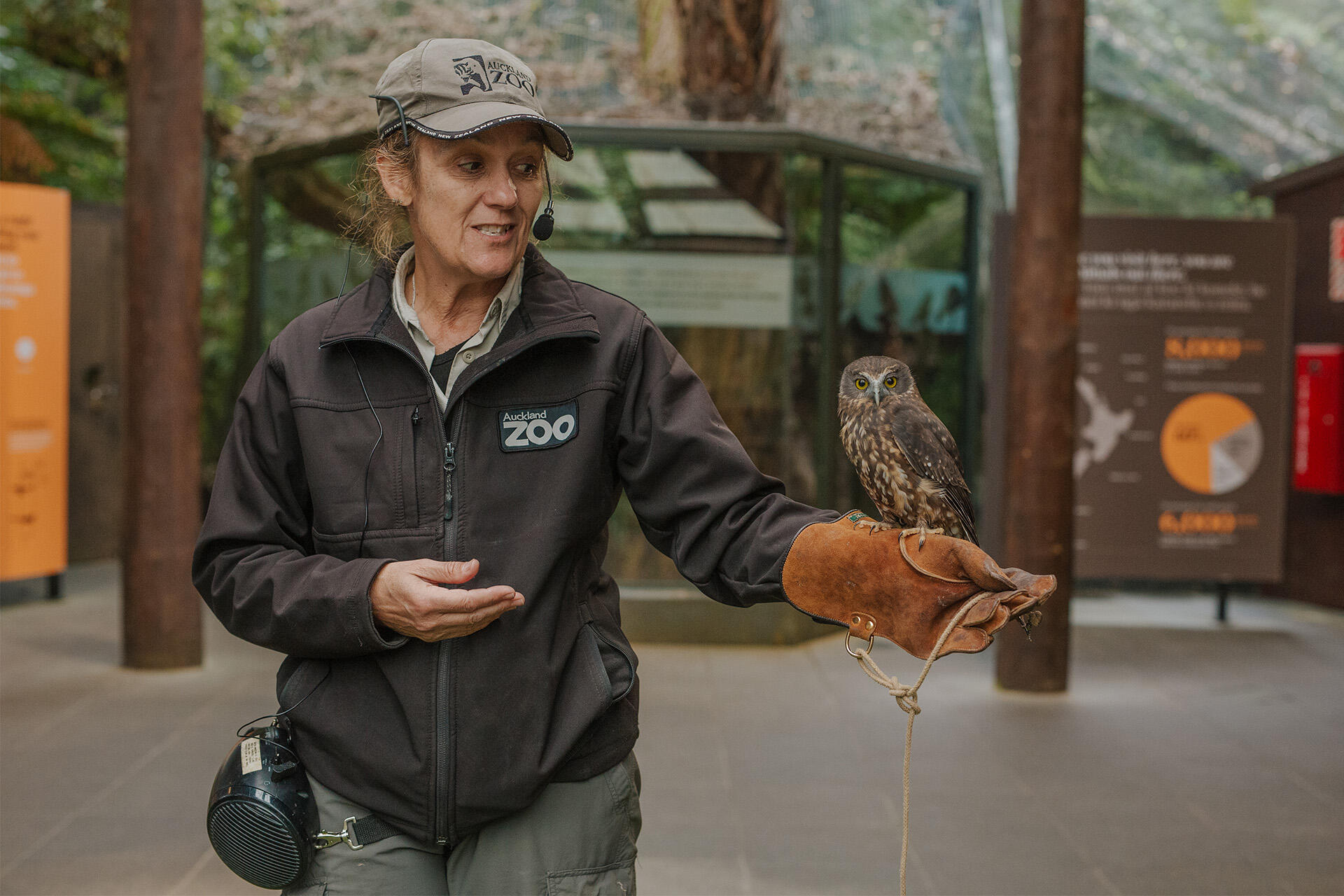
Barn owls are the most widely distributed owl species in the world - found on every continent except Antarctica! In New Zealand, they were granted native status in 2008 when a pair successfully bred in Northland and have become valuable allies in controlling populations of mice and rats in Aotearoa.
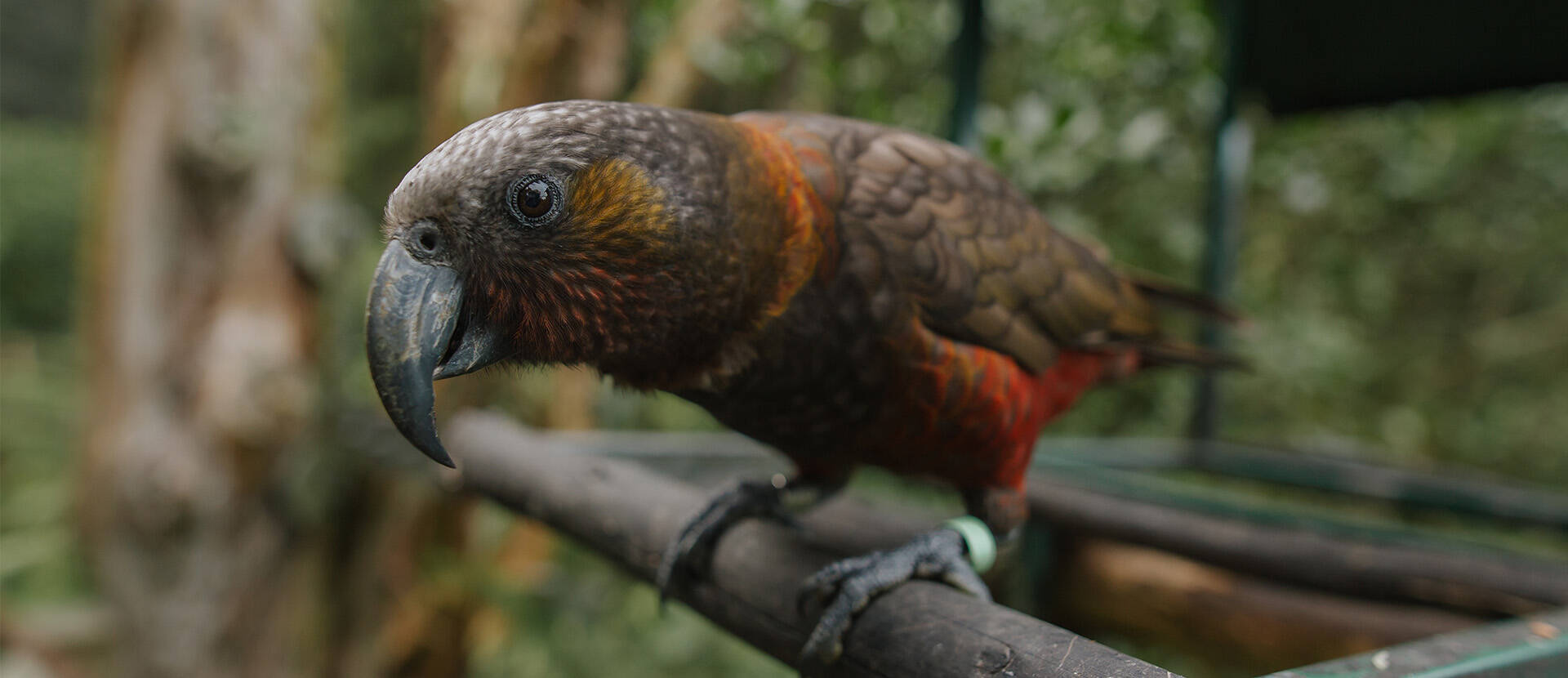
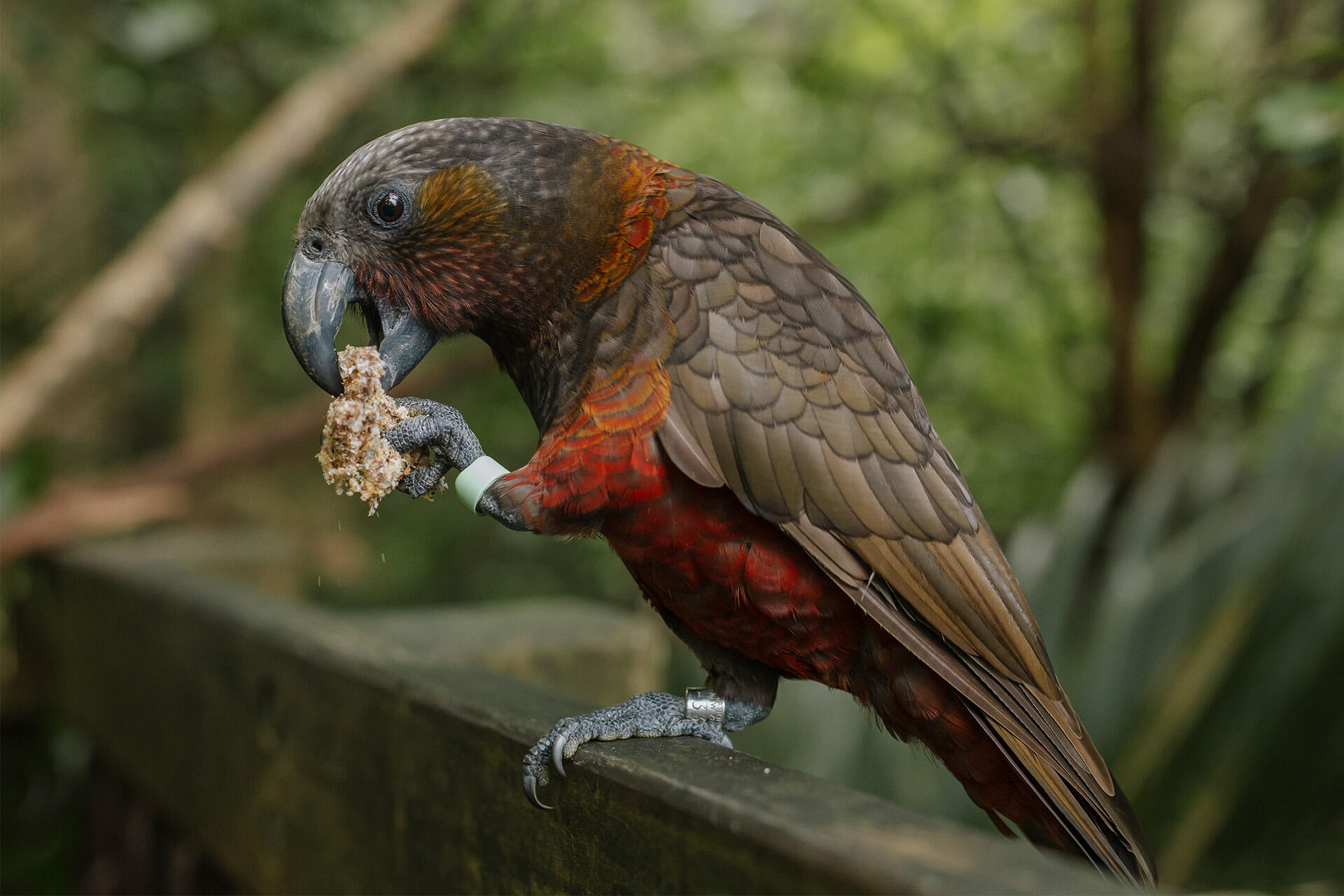
Kākā are one of three large endemic parrots that are found only in Aotearoa. Kākā are very intelligent birds and have some special features - a brush-like tongue for collecting nectar and a strong beak which they use like a third limb for climbing trees. Their robust beaks can open the tough cones of the kauri tree and dig out grubs from logs.
Learn more about North Island kākā
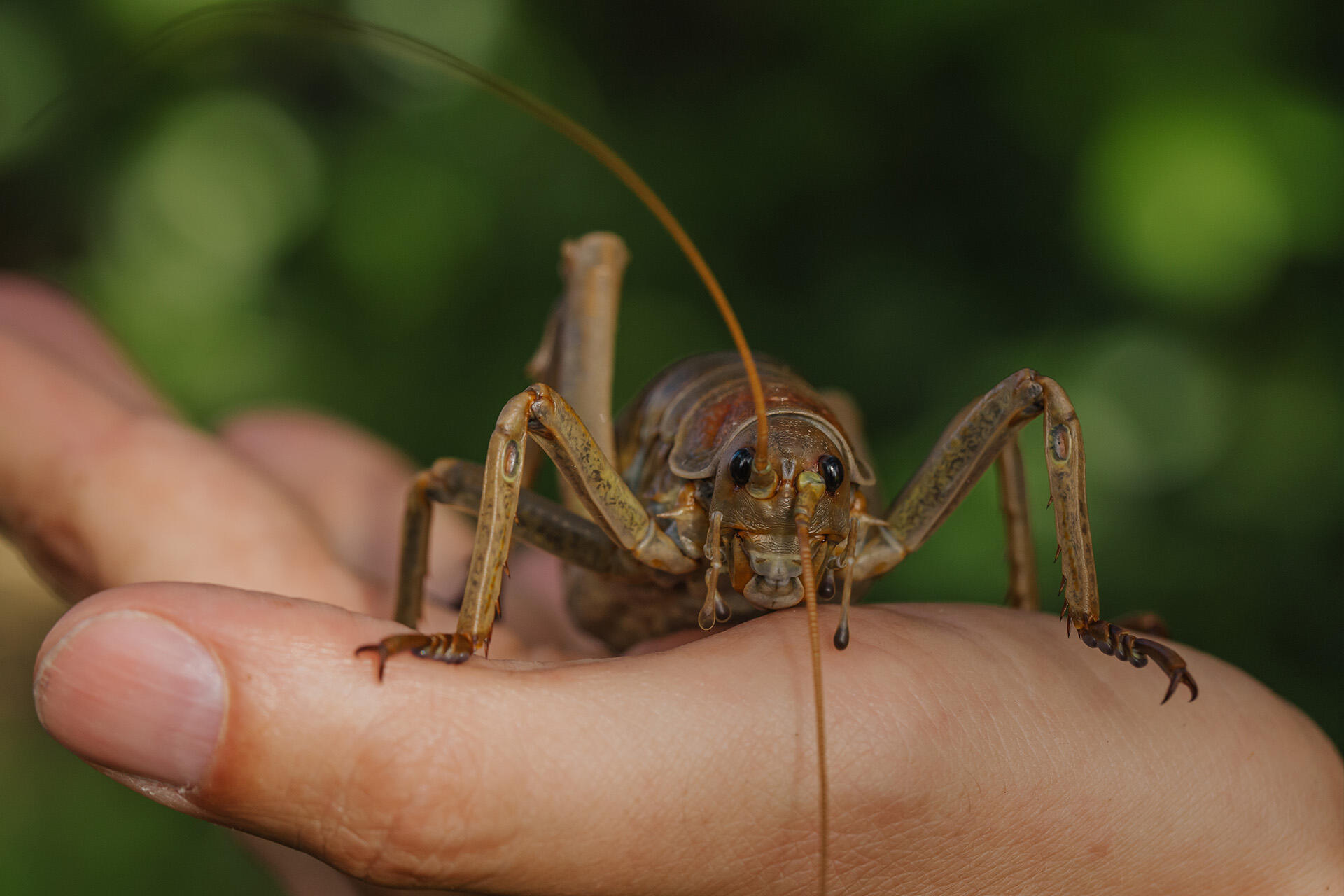
The wētāpunga holds the record for the world’s heaviest insect. Historically, New Zealand’s largest wētā was found from Auckland to Paihia, but due to habitat loss and introduced predators, had become restricted to just one off-shore island - Te Hauturu-o-Toi / Little Barrier Island. For over a decade, Auckland Zoo staff have perfected the art of breeding wētāpunga – and to date have released more than 8,000 individuals to eight predator-free islands!
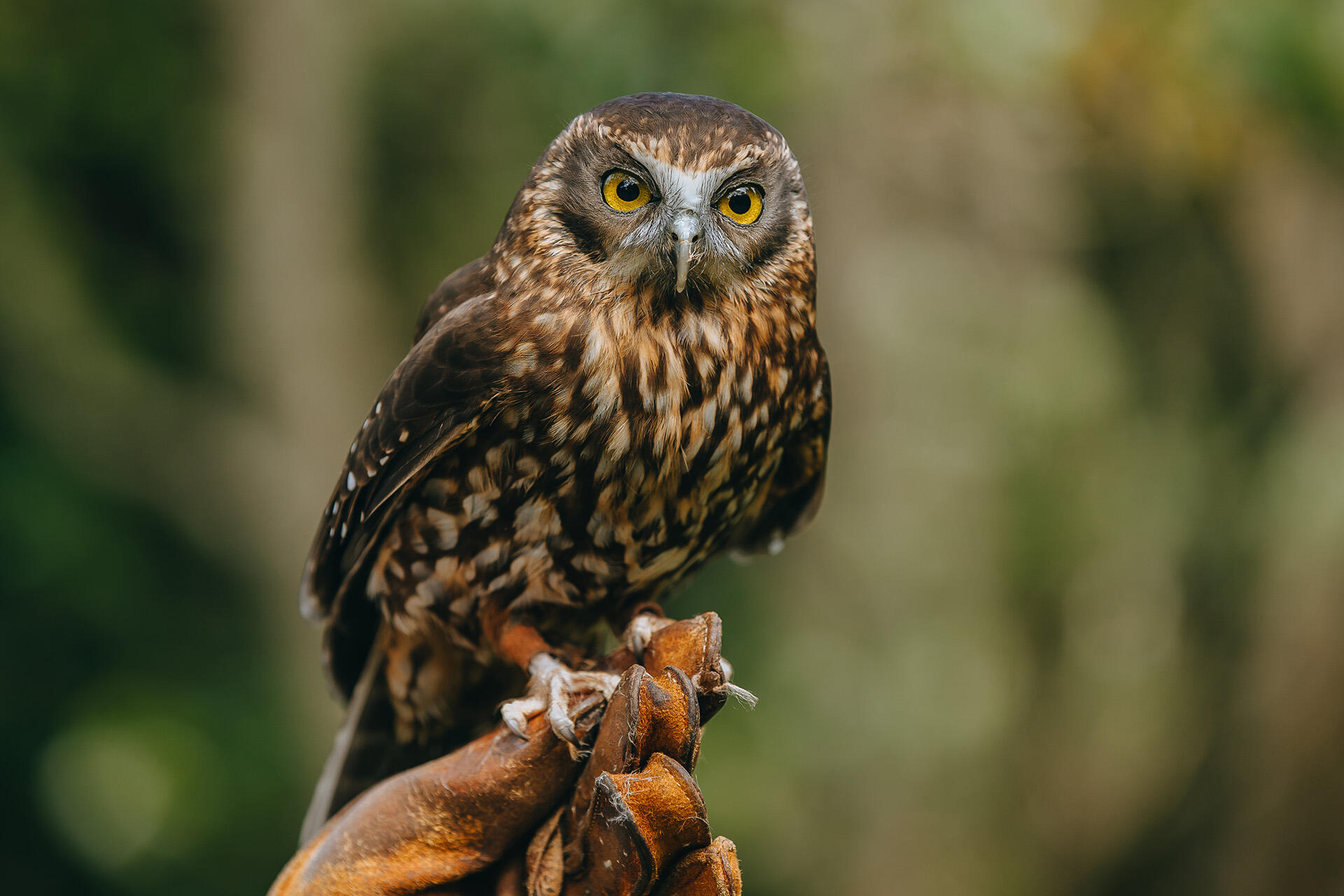
Ruru are native to New Zealand and are known as silent hunters; their soft wing feathers make no sound as they swoop down on their prey. Unlike you and I, their head is able to turn in almost a complete circle. These adaptations, coupled with keen hearing and big eyes, mean they can detect even the slightest movement.
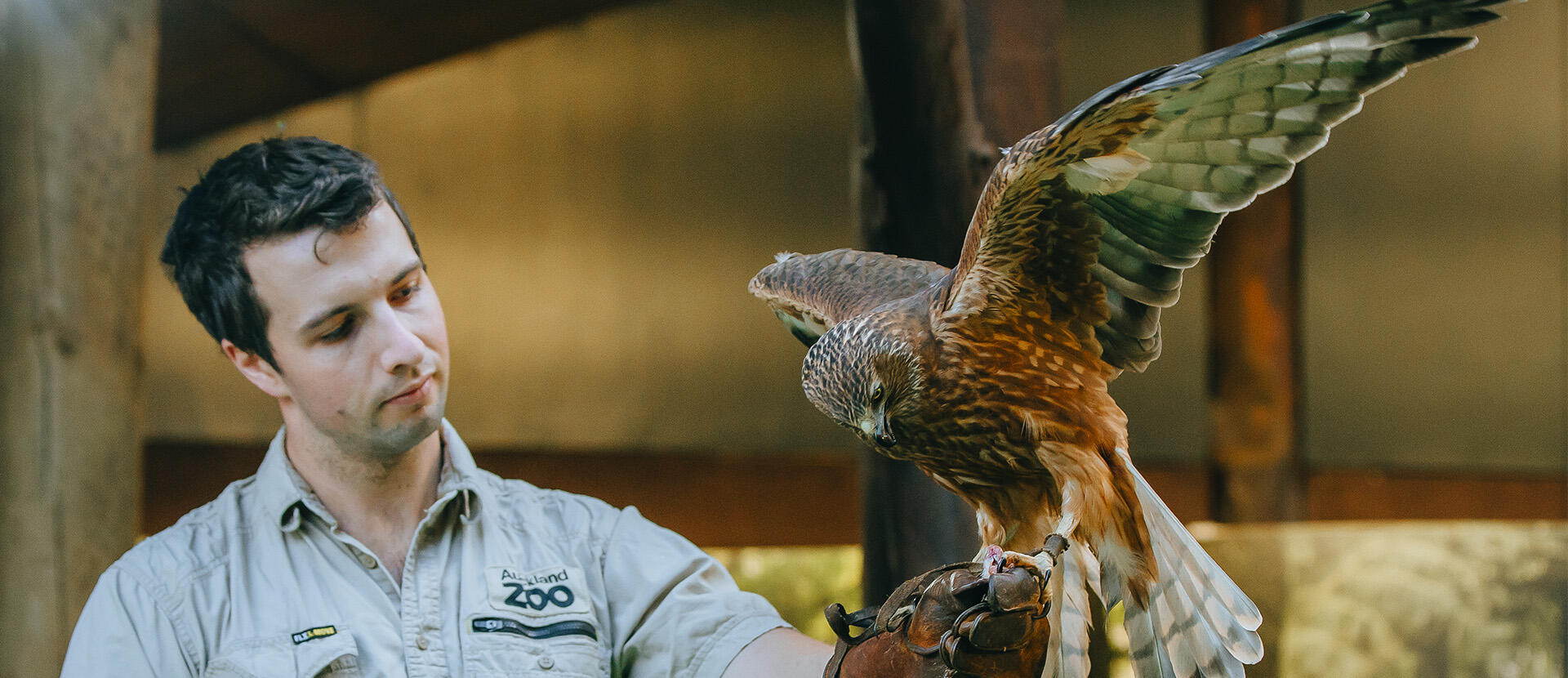
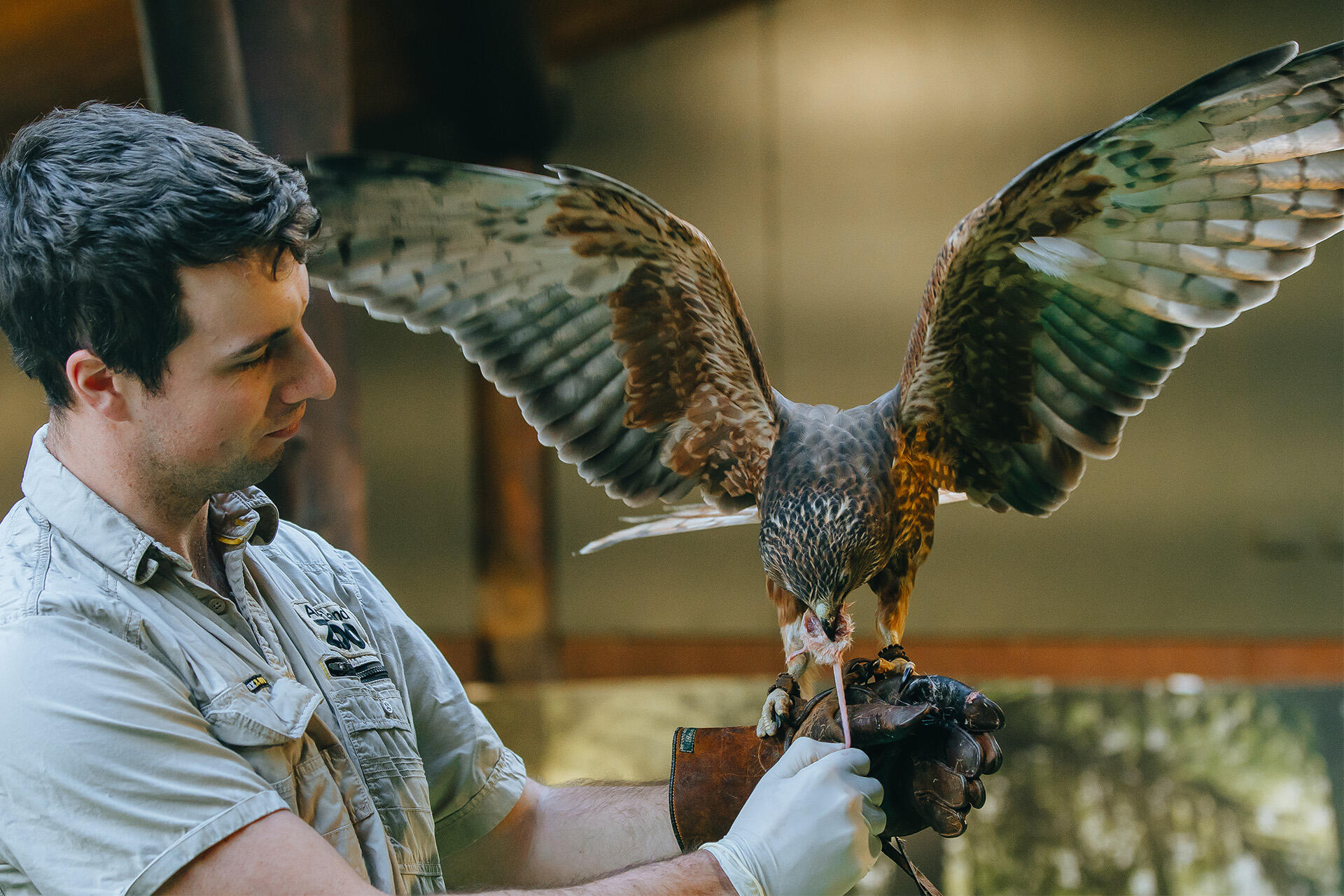
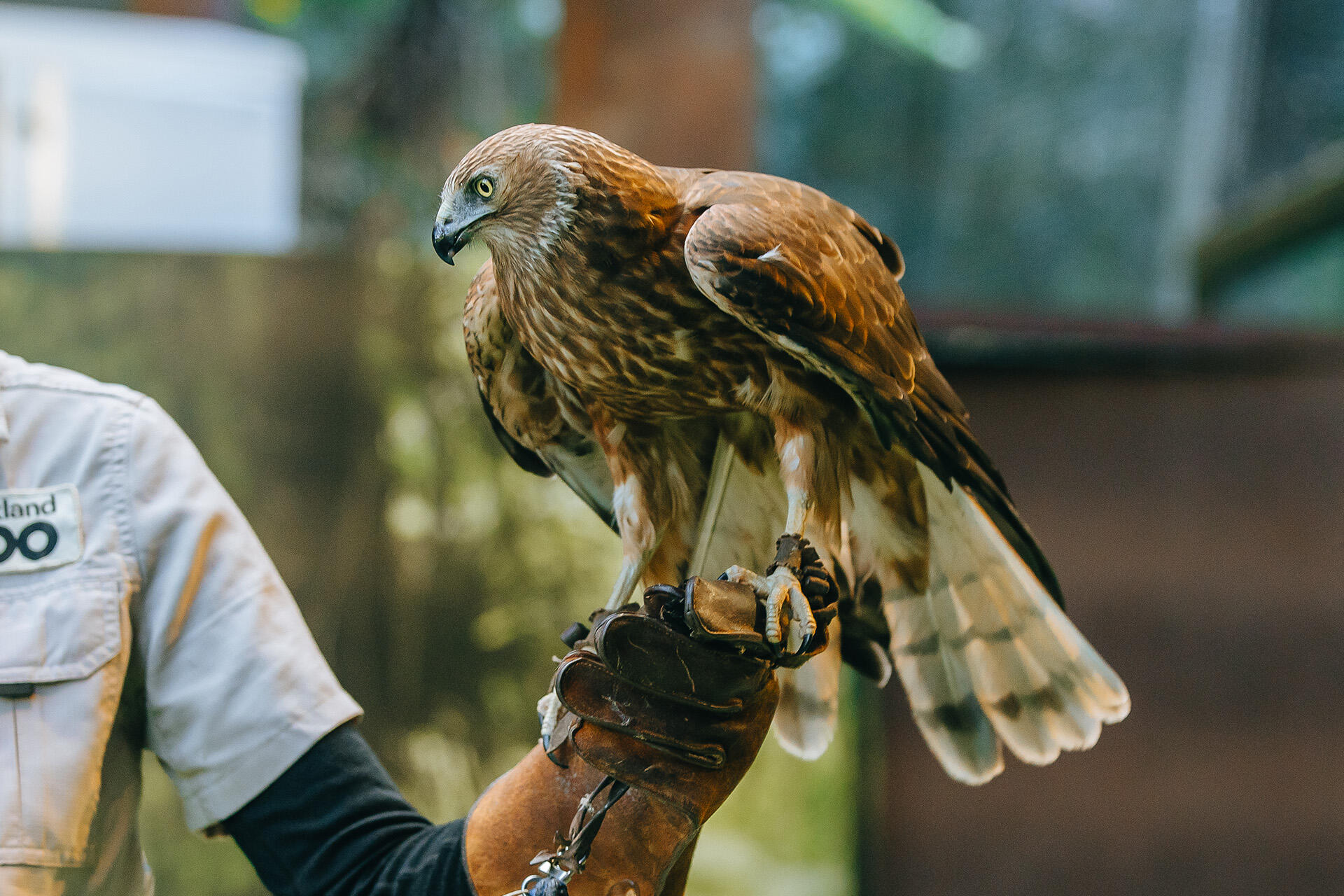
Kāhu, also known as a harrier hawk, swamp harrier or Australasian harrier is a large, tawny-brown, native bird of prey that is found throughout New Zealand. Known for their dramatic ‘sky-dancing’ courtship display, the kāhu is the largest of the 16 species of harriers found worldwide.
Imagine sitting inside a forest canopy as a macaw flies over your head – this is the kind of …
There's lots to see and do at Auckland Zoo including events, keeper talks, delicious food and more! …
Experience Te Wao Nui, the Zoo’s Aotearoa New Zealand track, as it explores the past, showcases the …