
If you’ve been following the regular updates from our friends at the Department of Conservation’s Kākāpō Recovery, you’ll already know that 2026 has been a massive breeding season for this beloved New Zealand parrot.  

Our expert staff literally jump at the chance to assist with kākāpō conservation in any way we can, utilising zoology and veterinary skills to help with health-checking and monitoring adult females on nests, caring for chicks that might need an extra helping hand and sometimes performing complex surgery!

Why kākāpō have needed conservation intervention.

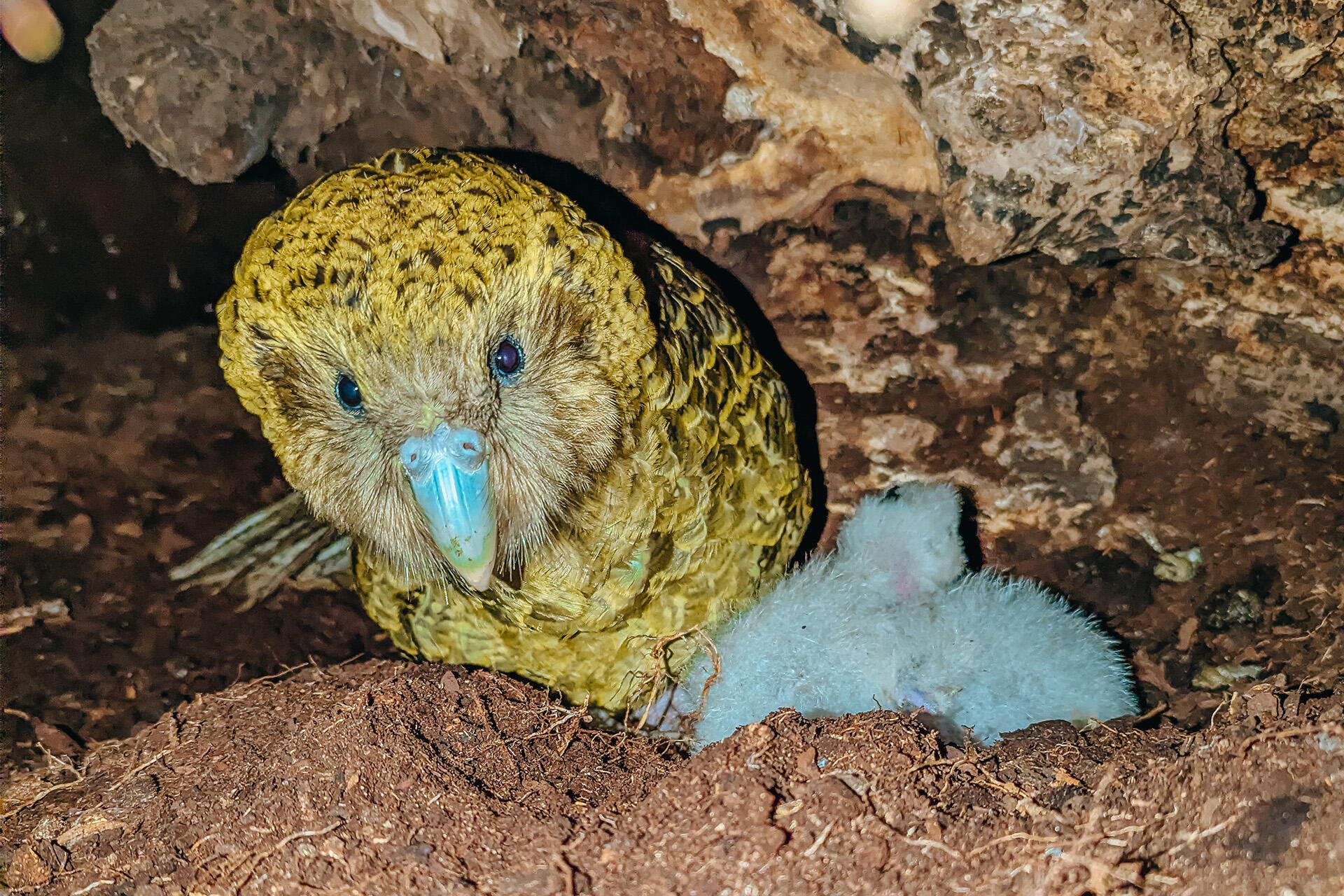
These critically endangered birds, which currently number 235 individuals, breed every 2-4 years when the rimu tree masts, as this mass fruiting event provides enough food for their young. Like most New Zealand species, these flightless birds are heavily affected by introduced predators like stoats and cats. In the mid-1900s, kākāpō were thought to be extinct but through the work of Kākāpō Recovery, in partnership with Ngāi Tahu, these manu have been brought back from the brink.  

This year, eight of our Zoo staff – at various times across three months – journeyed to two remote kākāpō sanctuary islands to assist this breeding season. Zoo veterinarian Hannah Rowland and veterinary resident Georgia Beasley were the last of our staff to help out in late March – early April 2026.
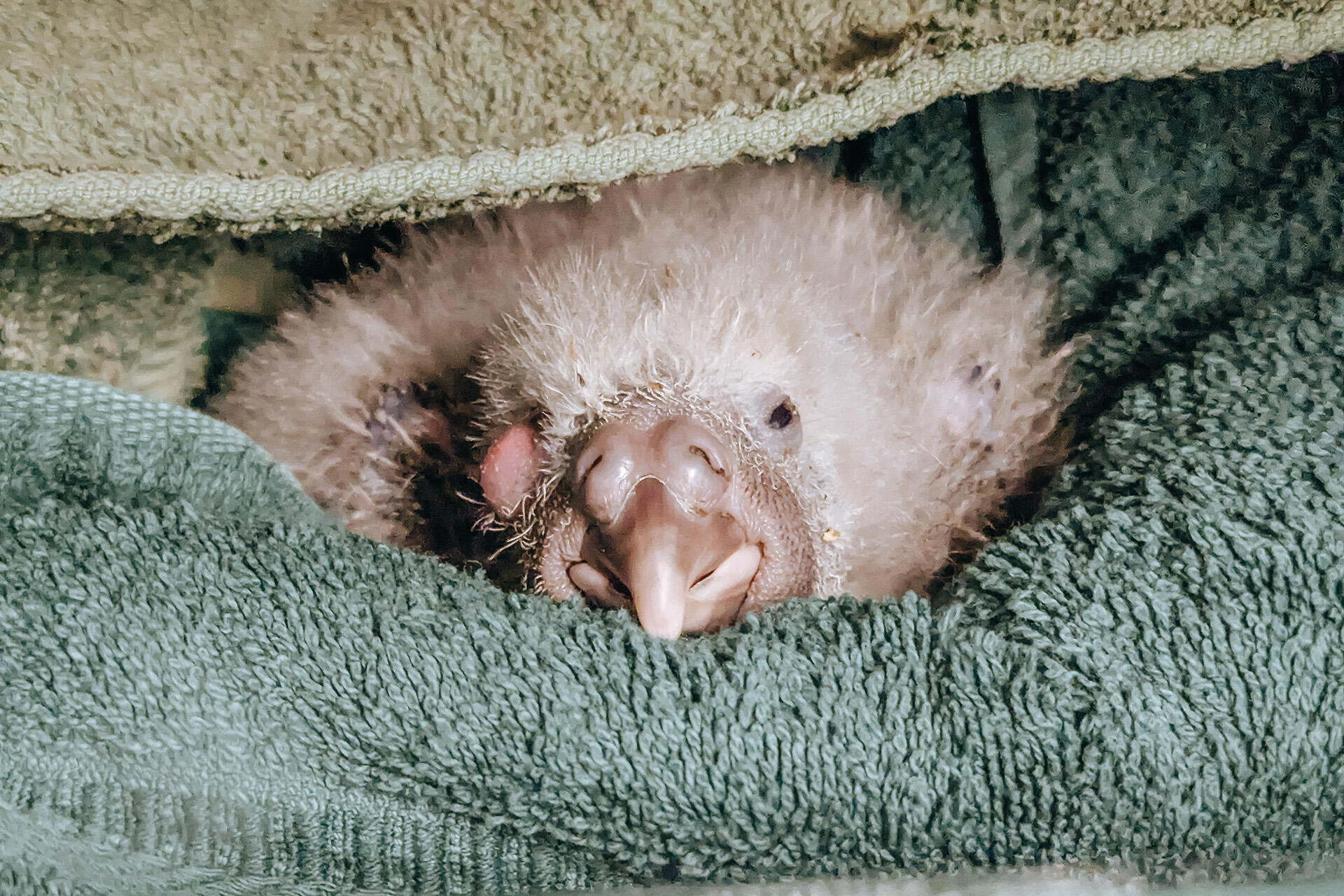
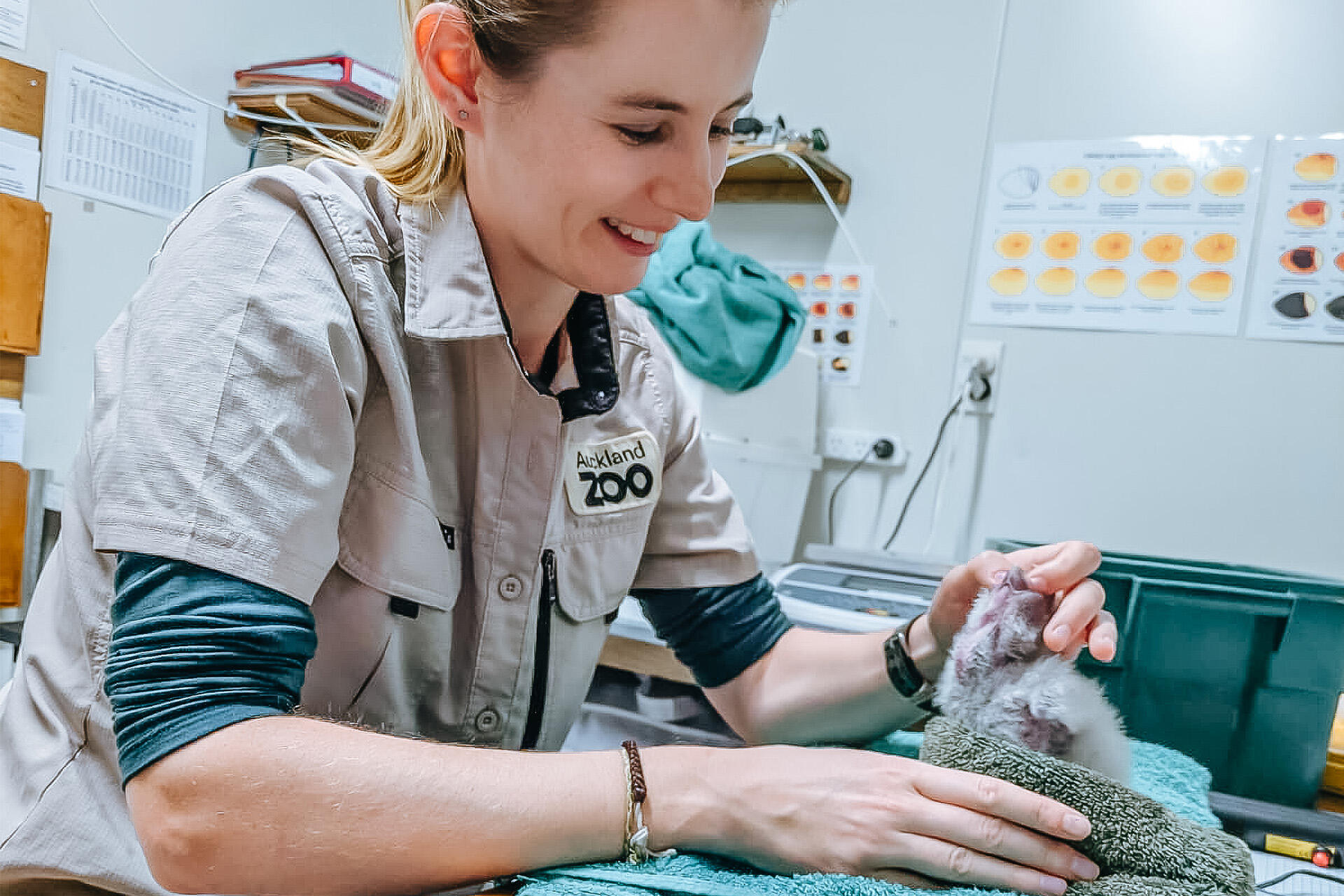
Caring for young chicks on Whenua Hou.

Georgia describes her time caring for kākāpō as a “pinch me moment.”

She spent two weeks on Whenua Hou/Codfish Island helping to check kākāpō nests and hand-rear young birds and was on the island when the very last egg of the season hatched, egg number 106!

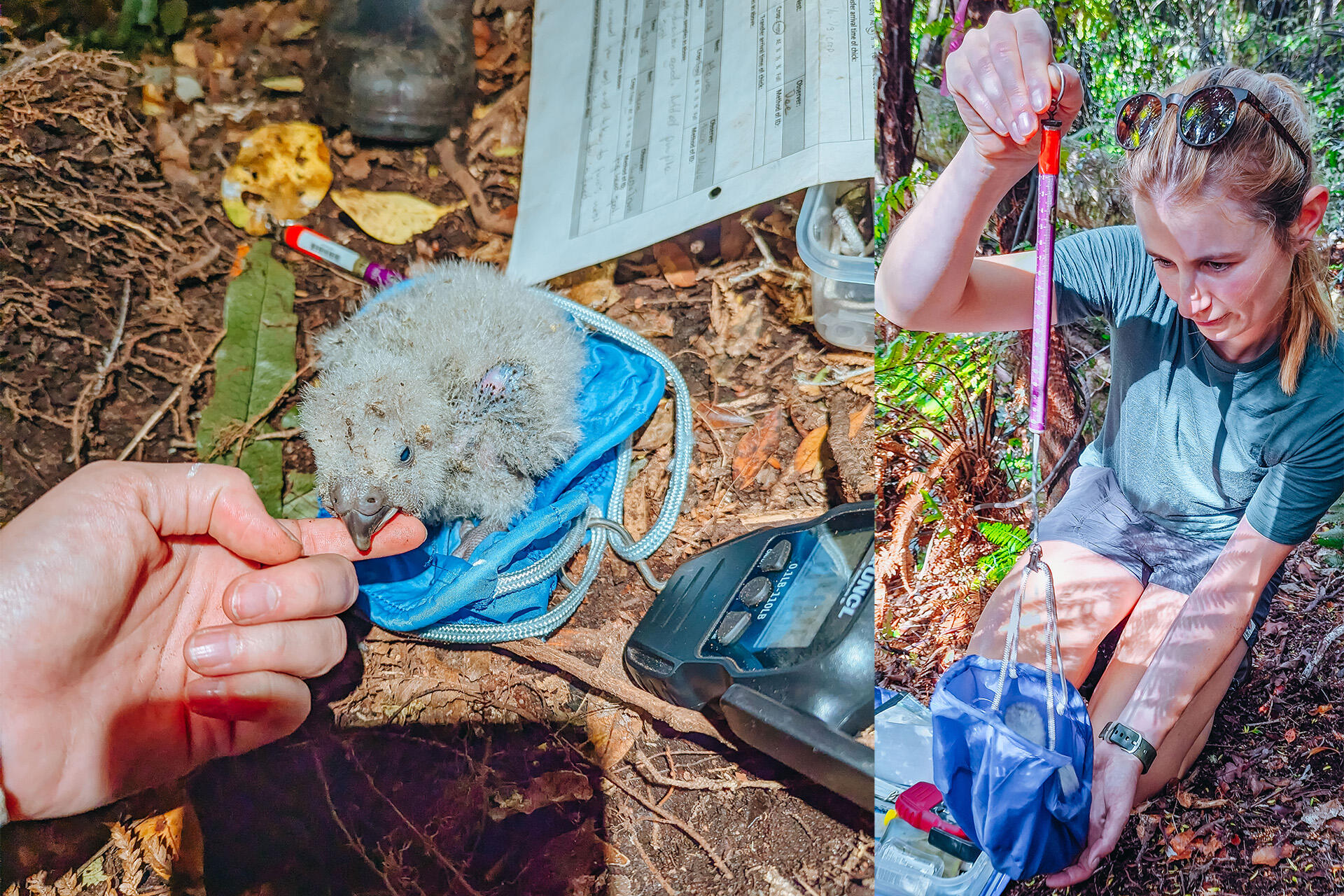
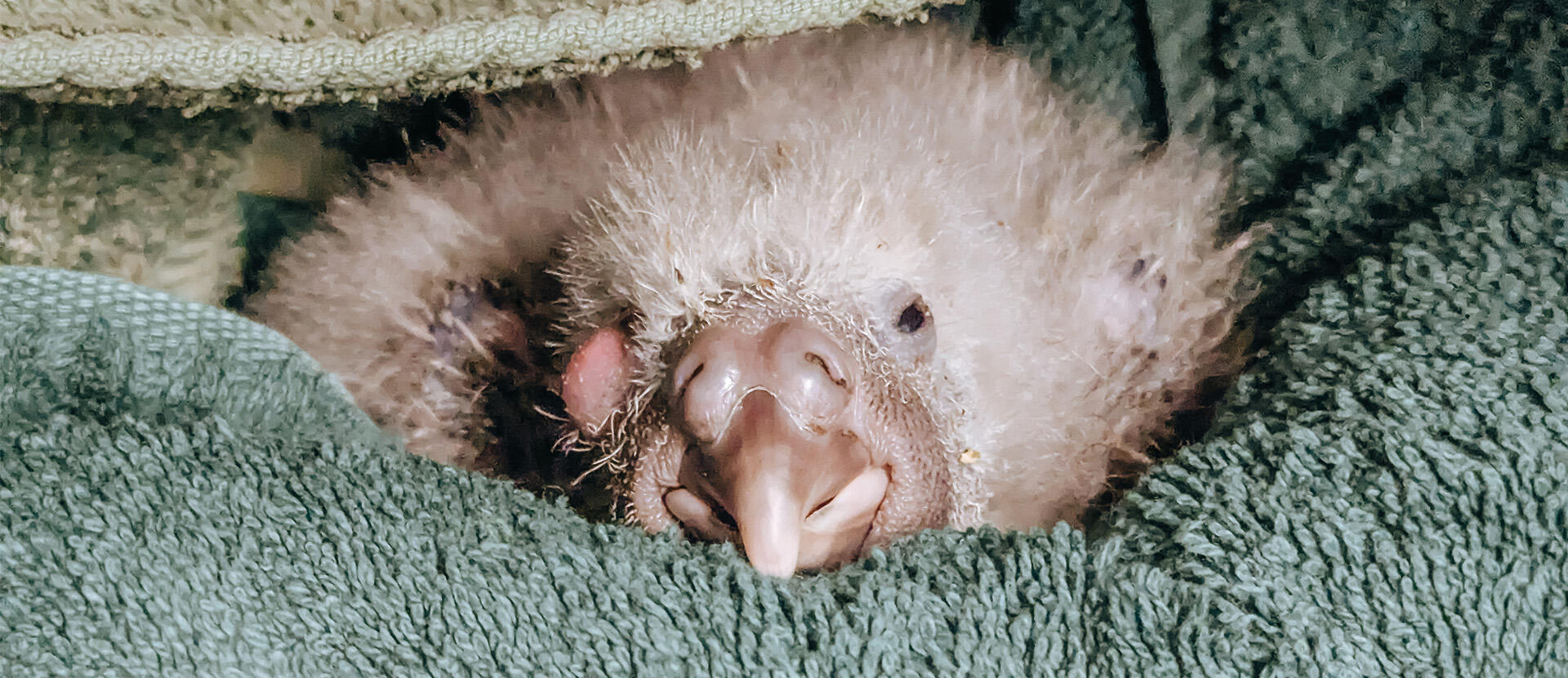
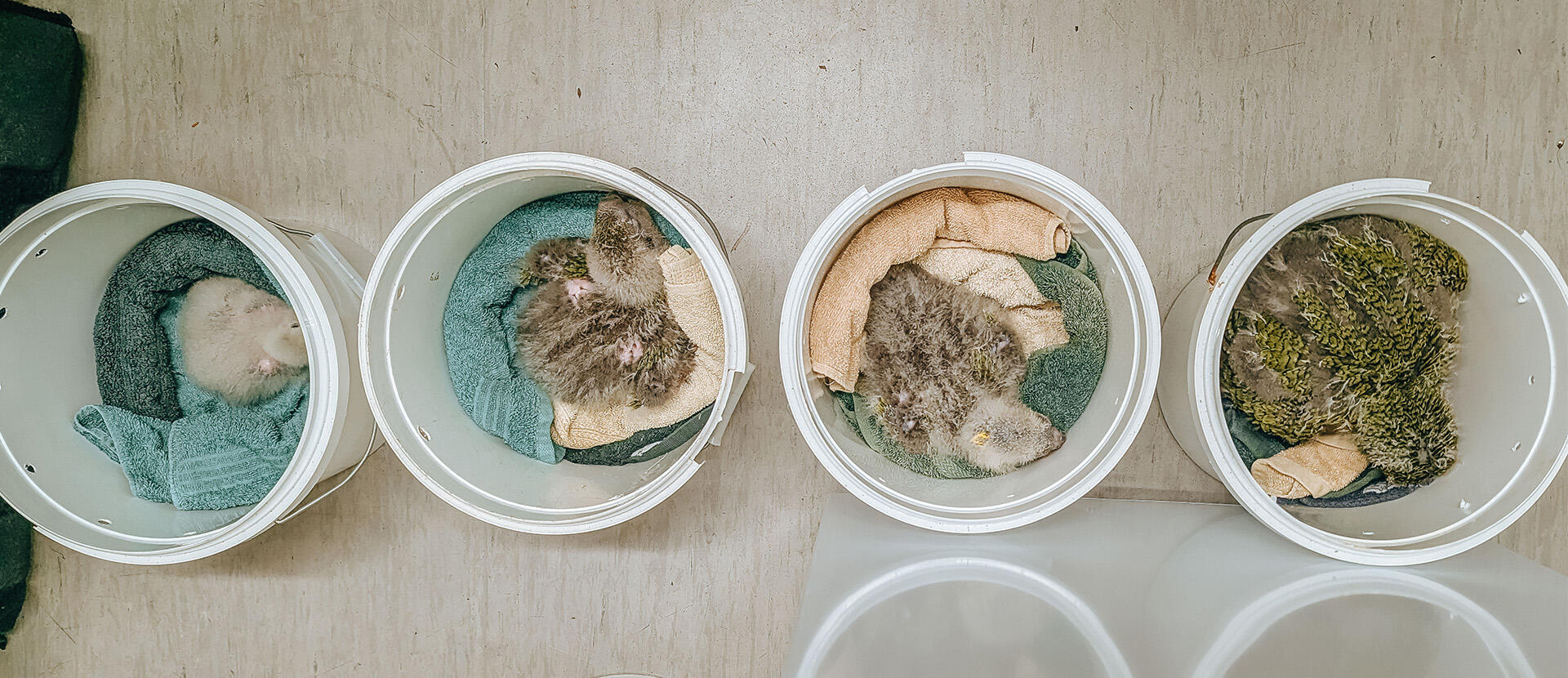
A total of 258 kākāpō eggs were laid across 80 nests this season, it’s not always smooth sailing and sometimes the chicks need a helping hand. Pearl-B3-2026 was the first kākāpō that Georgia had the opportunity to help hand-rear. Prior to this, she had been monitored in the nest, where it was found she had developed a swelling on her face. Unfortunately, this swelling got bigger over time and the 3-week-old chick was taken to the DOC hut for monitoring and care. Georgia helped to hand-rear and medicate the chick for a few days, with the assistance of DOC ranger Sarah Little and Wellington Zoo veterinarian Kirsten Anderson, before the chick was helicoptered to the mainland for further veterinary treatment at Dunedin Wildlife Hospital.

During her time on the island, Georgia also checked the nest of Rakiura-A2, a chick that Zoo veterinarian Adam Naylor has previously assisted with urgent surgery. As mentioned on the Kākāpō Files, a ranger had found the few-days-old chick with a deep laceration on its neck. The ranger was able to bring the chick back to the DOC hut where Adam carefully sutured the wound with tiny stitches to close it. When Georgia checked on the chick weeks later, the wound had completely healed, and the chick was one of the biggest on the island.

Unlike the abundance of fruit found on Pukenui/Anchor Island, the rimu on Whenua Hou hadn’t fruited to the same levels this year. As every nesting female has a satellite tracker, the rangers monitor how long kākāpō mums are searching for food each night. To help these mums out and provide them with supplementary food, Georgia was able to assist with adding a nutritious pelleted feed at hoppers placed around the island.

Georgia recently joined our veterinary team as our latest Veterinary Resident (a three-year residency programme), which made this her first fieldwork in New Zealand – and she loved it!

“It was so special to work alongside the Kākāpō Recovery team and volunteers, and use my veterinary skills to care for such a critically endangered species. Everyone was so hardworking, knowledgeable and passionate – and were also very willing to teach me. This was a huge learning opportunity to work side by side with such experts in their field! They were intense days, but in the best way. I couldn’t think of anything more rewarding to be involved with!”, says Georgia. 

Blood sampling of chicks adds to genetic knowledge

“Rooty, dark, hilly…and beautiful!” That’s how Hannah describes her time on Pukenui Island.

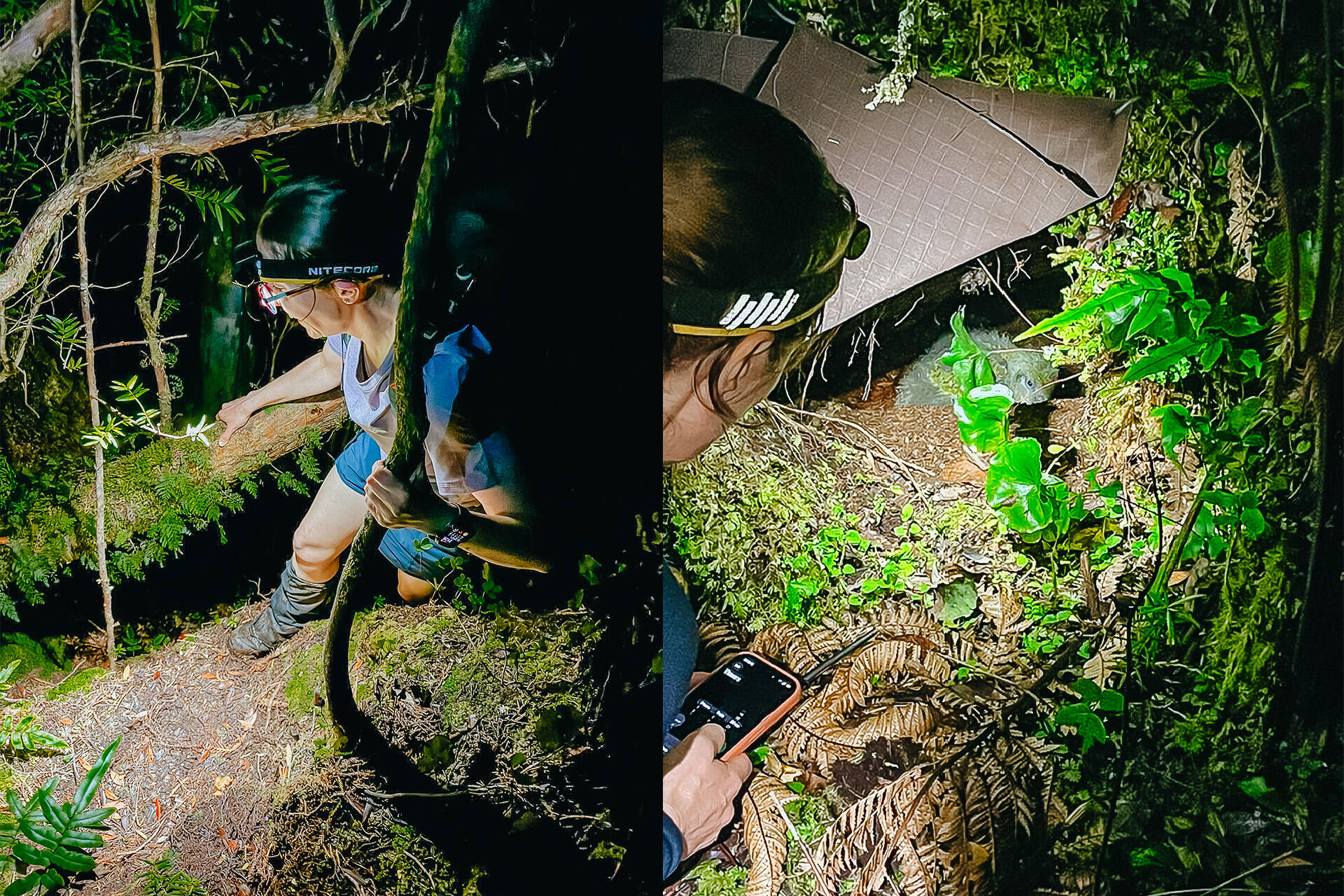
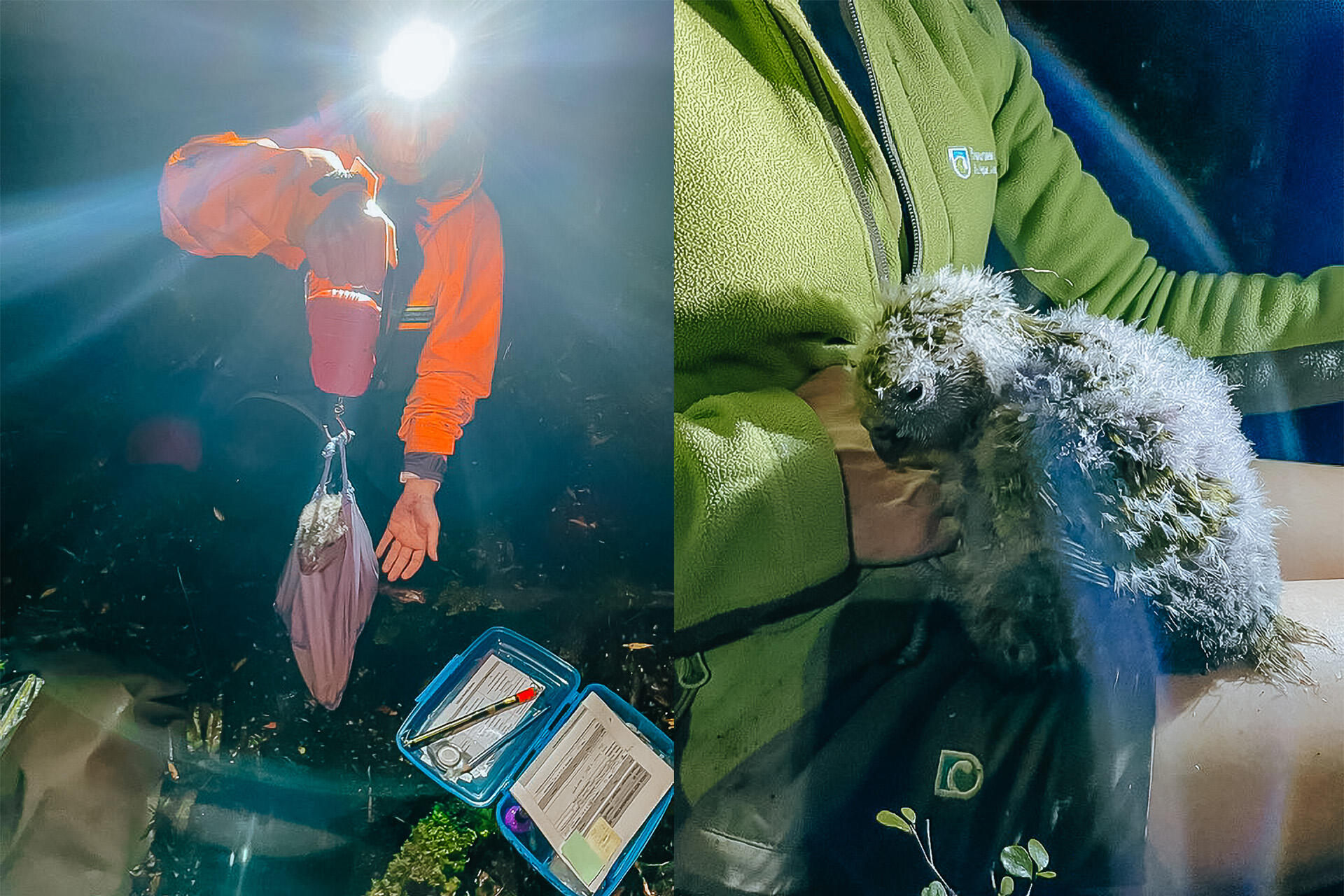
On her first day she was literally thrown into the mahi, with four kākāpō nests to check in one night. This took seven hours in total to journey between each site, as the nests are often deep underground or sometimes even on the side of a cliff.

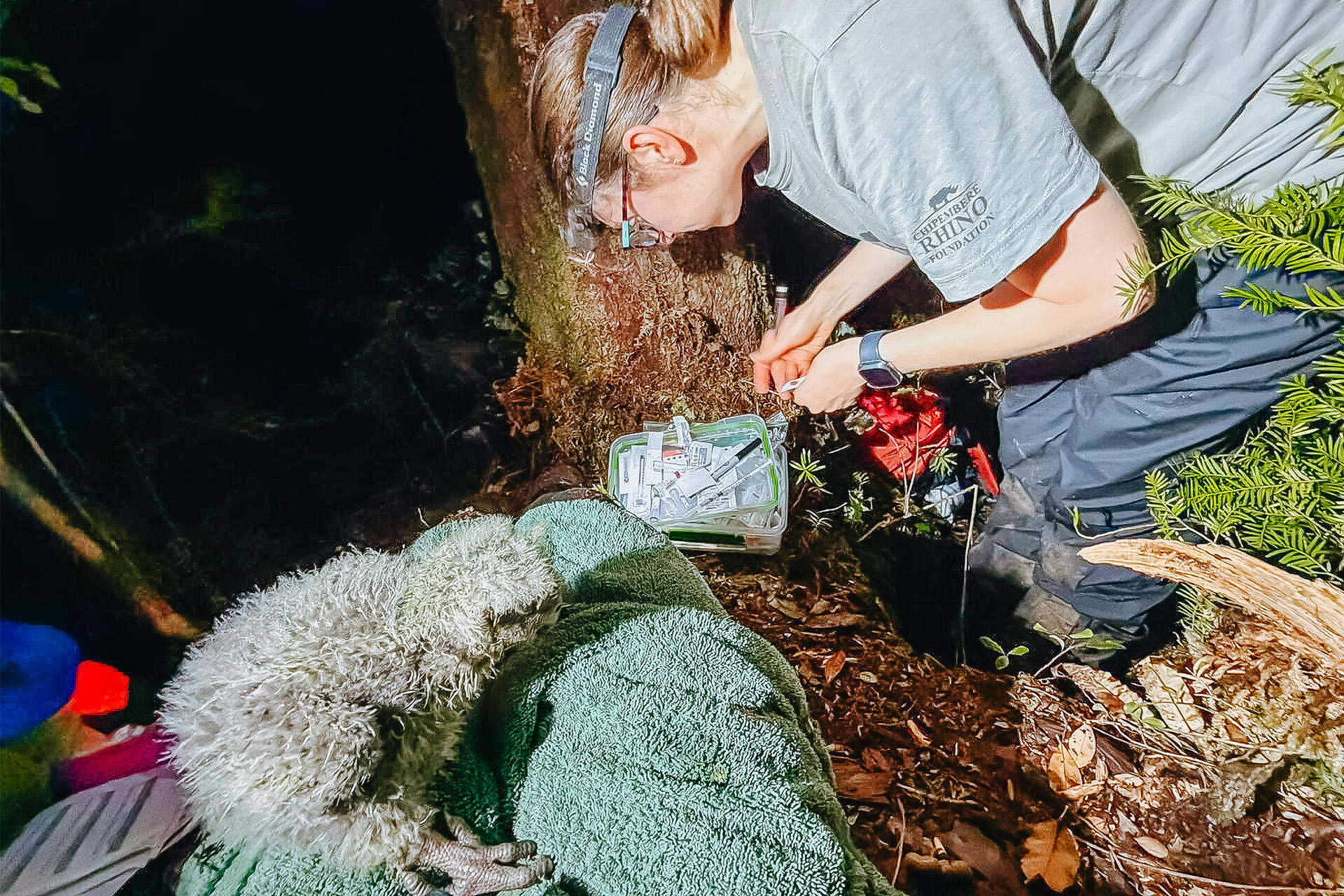
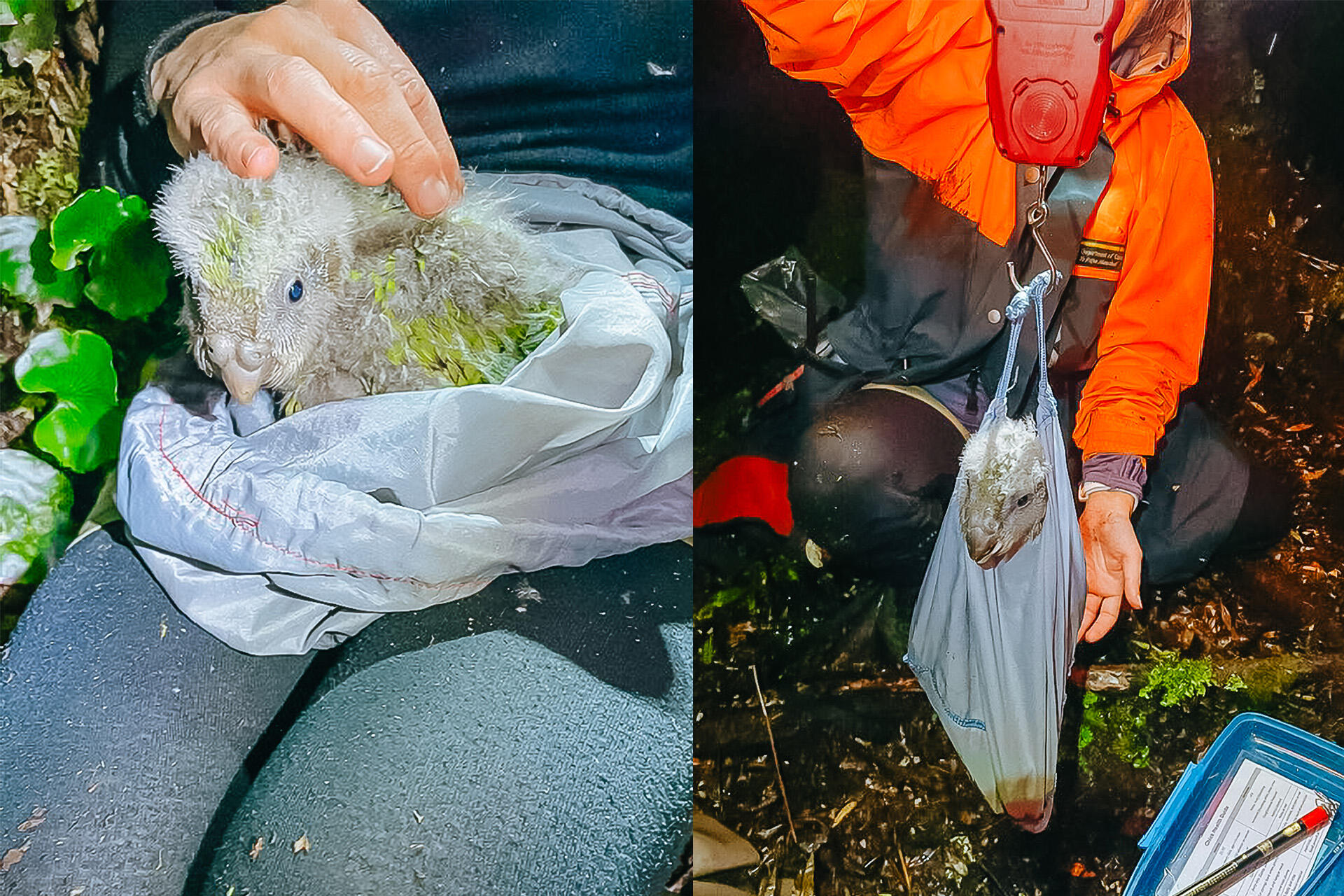
Hannah was mostly caring for older birds that were between 4-6 weeks old. This care included regular checks of all nests on the island, microchipping the chicks to provide unique individual identification and blood sampling before the birds left the nest. With such a small population of kākāpō, it’s important to know what genetics are represented in each chick. These blood samples are sent to a lab which can then confirm the parentage of each bird, helping with future breeding seasons. 

The satellite transmitters each kākāpō wears not only helps with locating the adults for annual health checks but also allows the females to be more closely monitored over breeding season. For example, if the mum doesn’t get off the nest at a normal frequency to forage for food, it might be cause for the rangers to give the nest a second check.

“This was such a special and positive experience. So many people are not lucky enough to see a kākāpō, let alone be able to care for one. It brings it back to why I am involved in wildlife veterinary work – to ensure beautiful species like this thrive into the future,” says Hannah. 

Zoo staff that have helped out this kākāpō breeding season

This breeding season, eight of our Zoo kaimahi assisted in fieldwork on Whenua Hou and Pukenui. This was a combined total of 138 days caring for kākāpō, with 1190 fieldwork hours logged. In July last year, three of our staff ventured to Sanctuary Mountain, Maungatautari which adds an additional 9 days or 72 hours to our kākāpō fieldwork in the past 12 months. 

This season we’ve followed kākāpō stories from the field from multiple Zoo staff including Birds Curator Dr. Juan Cornejo, Senior Bird Keeper Jasmine Rabaud, Zoo Veterinarian Adam Naylor and Clinical Coordinator Mikaylie Wilson.

Because of the incredible work of Kākāpō Recovery and their amazing partners and volunteers, so far 90 chicks are surviving. In early September, once kākāpō have reached 150 days old, having passed their most high-risk period where they’re most reliant on their mothers, these juveniles will be added to the overall population number.

Keep an eye out for episode 9 and 10 in season four of our documentary series Wild Heroes to follow more of Mikaylie and our Manager of Veterinary Services James Chatterton’s time on the island.