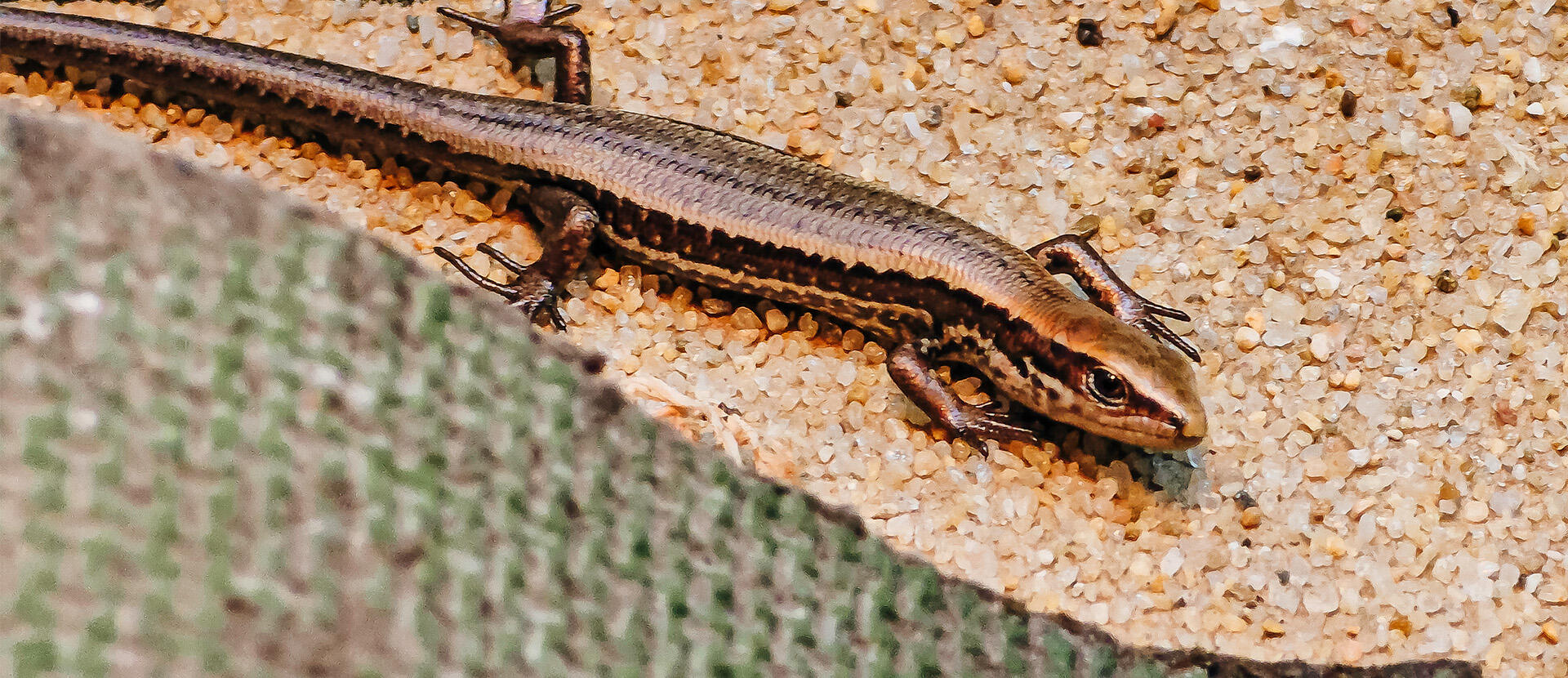
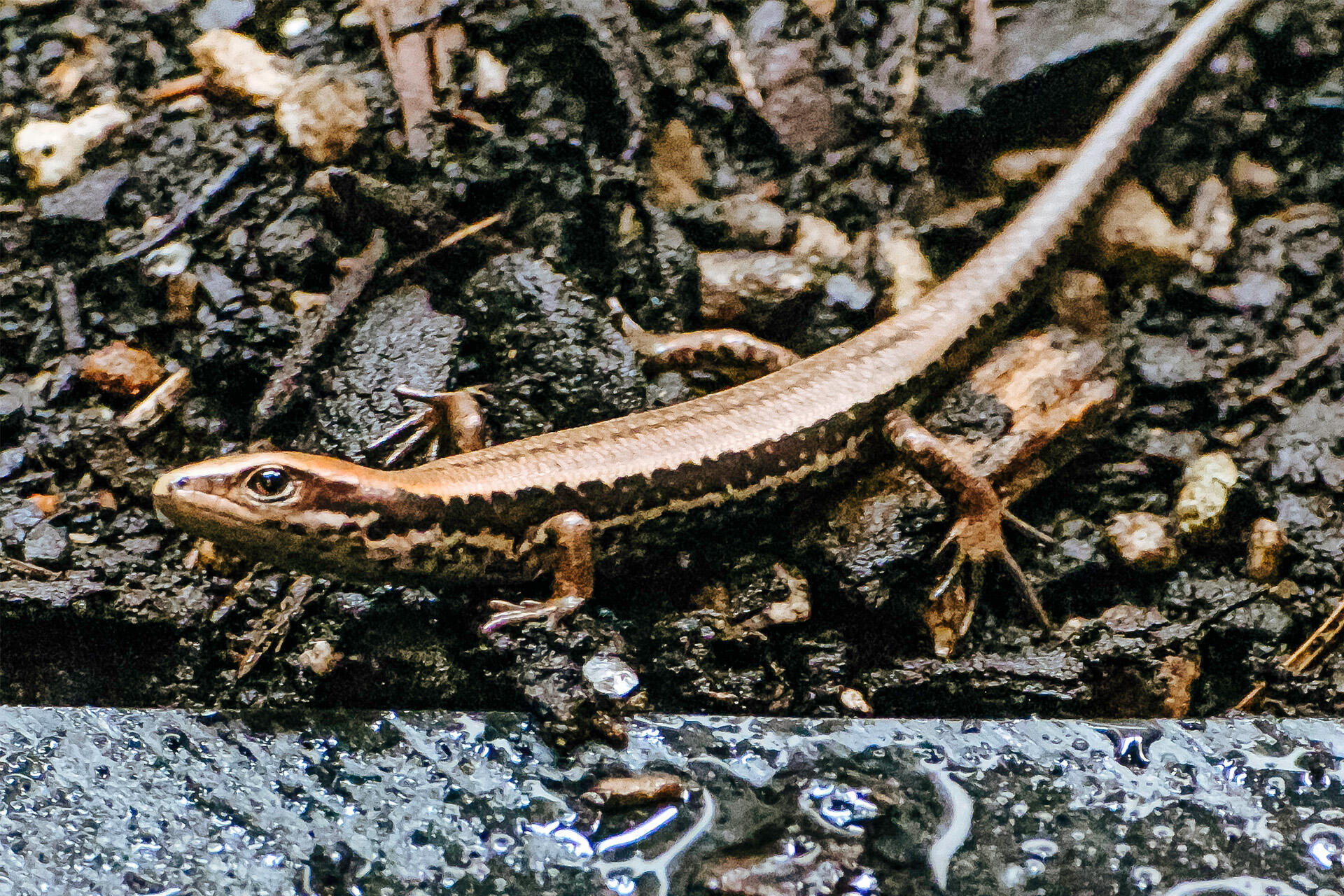
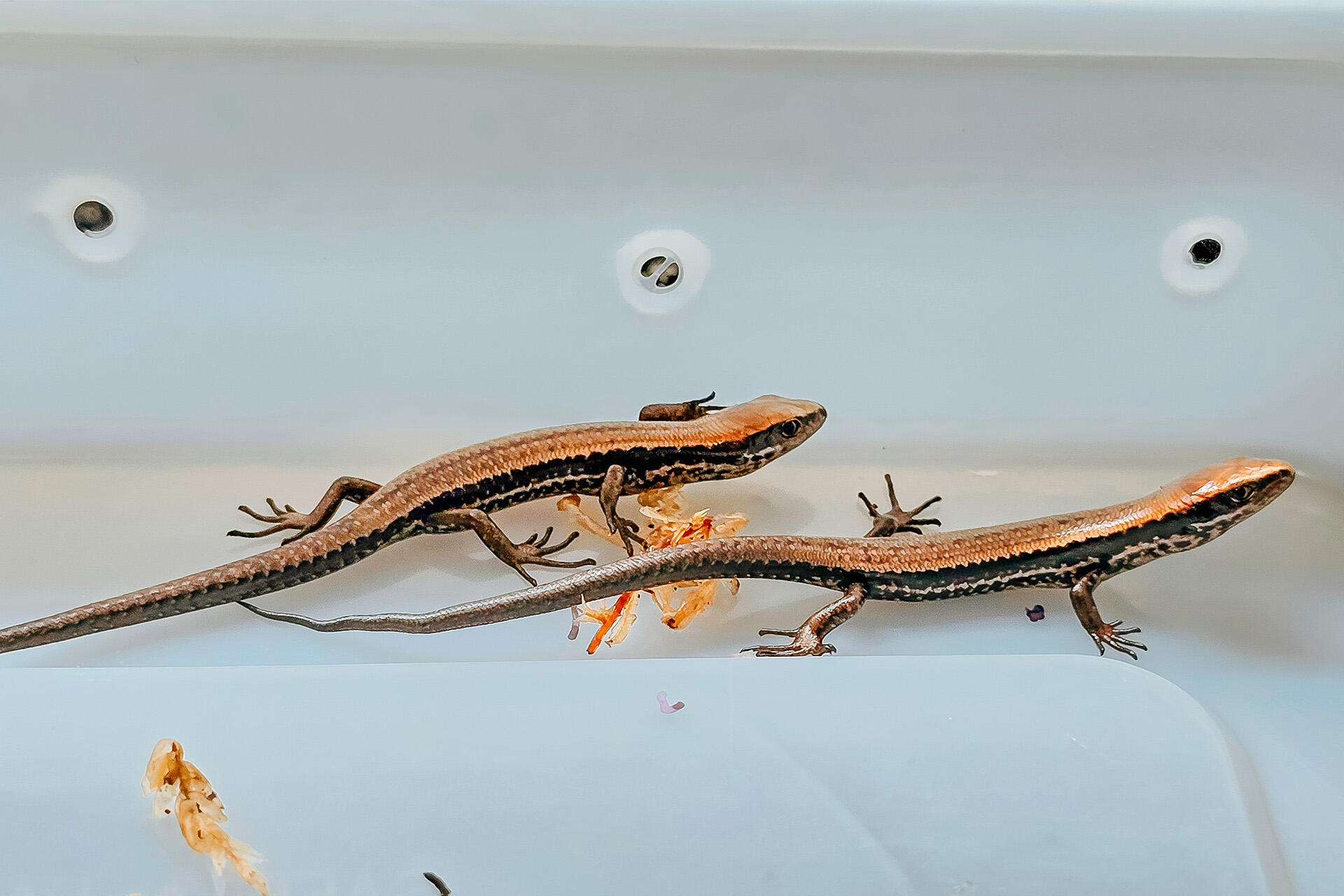
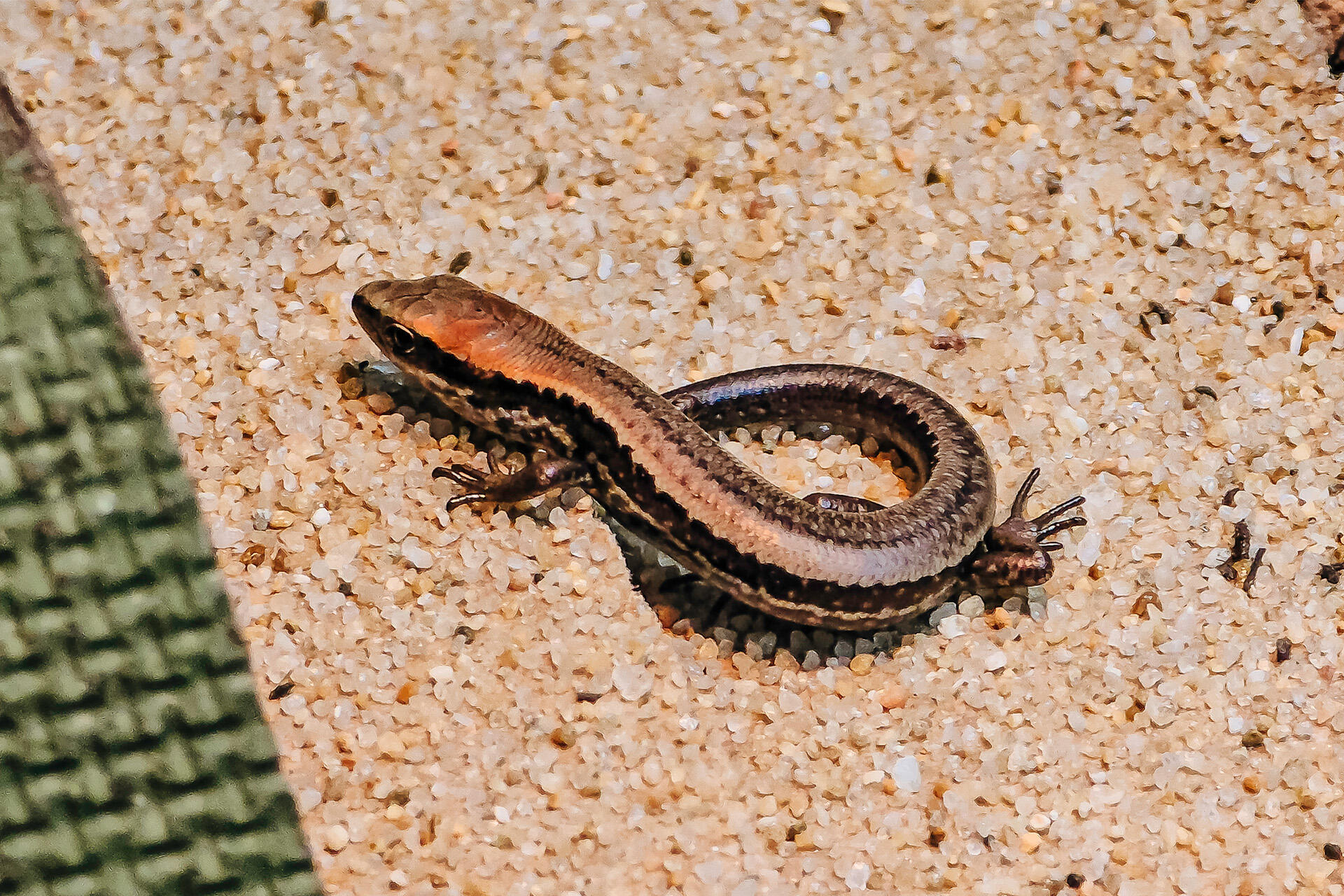
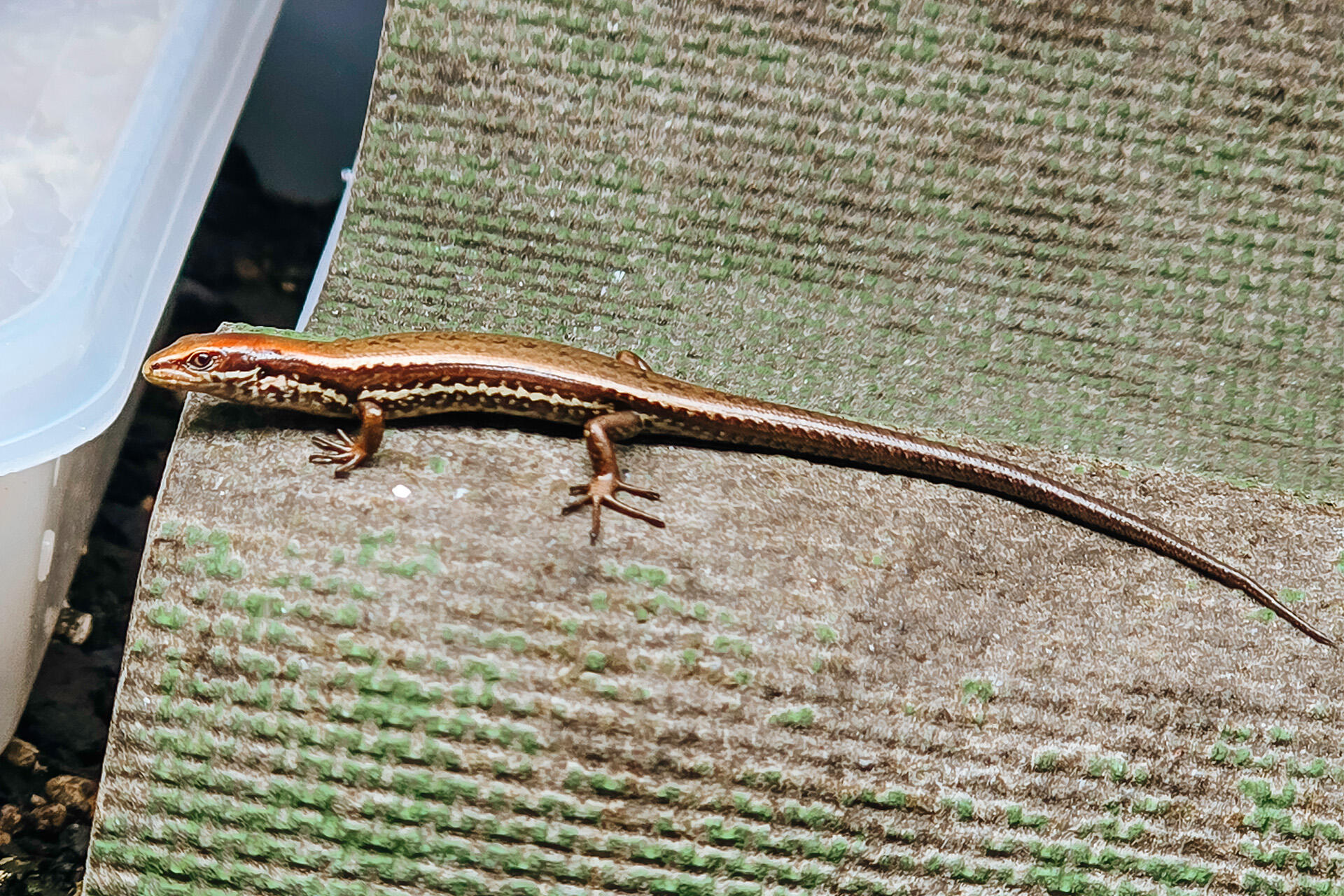
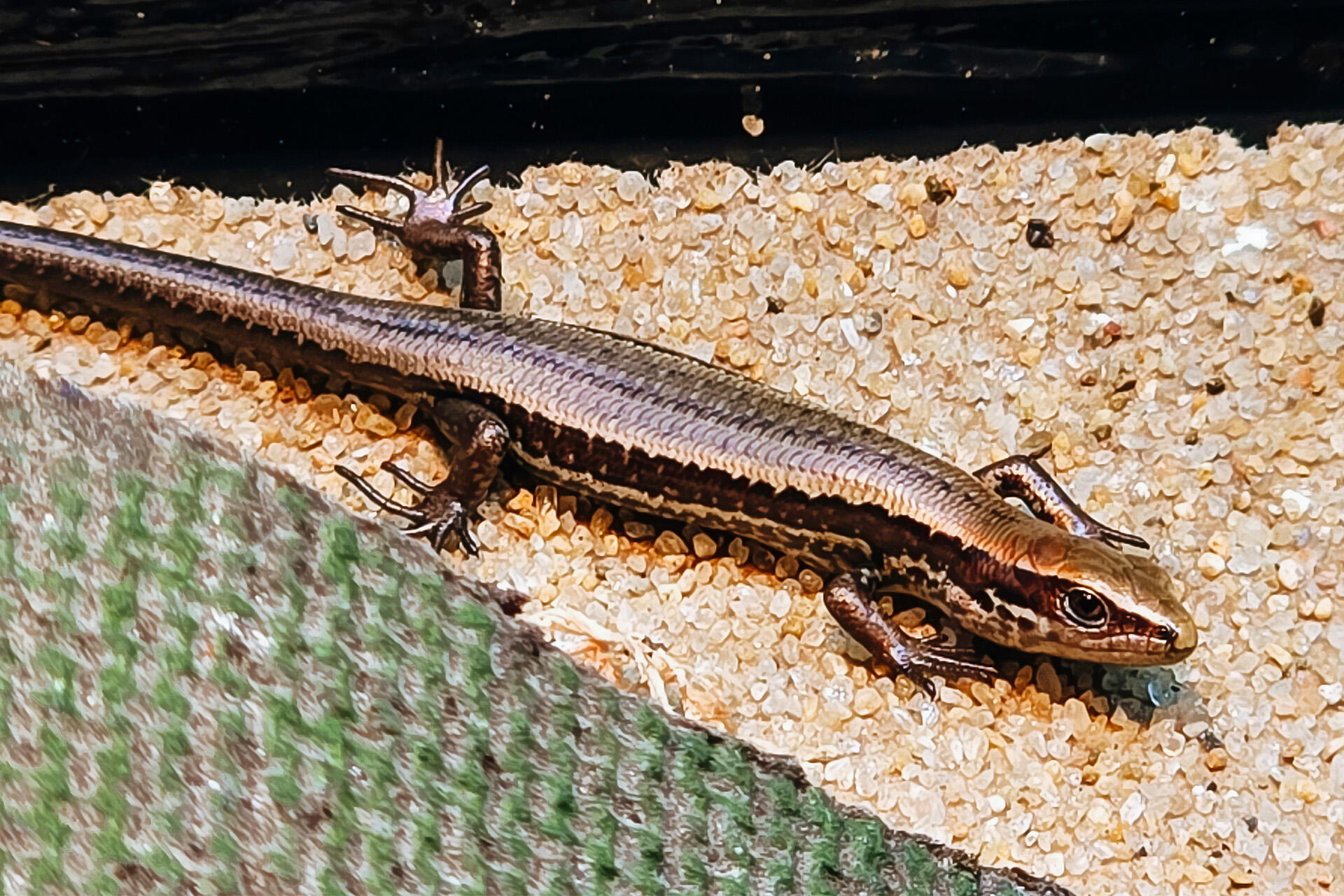
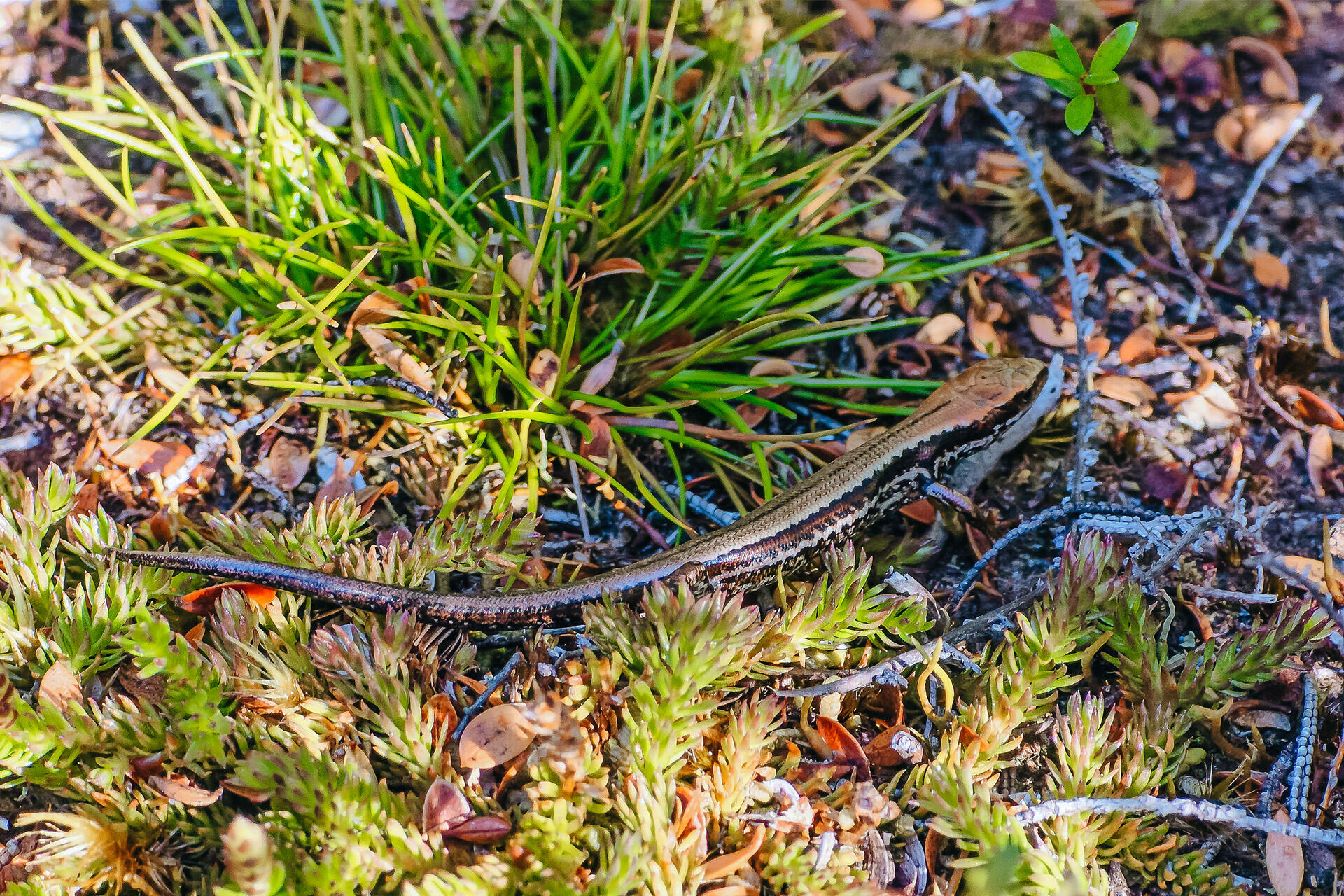
This Conservation Week we’re delighted to share news about the recent birth and progress of two tiny Alborn skinks here at Auckland Zoo. These are precious additions for a taonga species whose entire known wild population is just 30 individuals!

Weighing just 0.3grams (equivalent to a third of an almond!) when born in mid-February, the two skinks are the offspring of a gravid female urgently collected from the wild and brought to the Zoo last November. This female and five other skinks relocated during 2025, are part of a wider team effort with our Department of Conservation colleagues to help prevent this lizard’s extinction.

The Alborn skink, classified as ‘Nationally Critical’, was discovered in the early 1990s and is found only within a five-hectare wetland forest area near Reefton on the South Island’s west coast. The endemic species has been hammered by mammalian predators and was hit particularly hard in summer 2024-25 - a mast year (when mass fruiting of beech forest occurs) that saw the mice population explode.

“These two juveniles bring the number of rescued Alborn skinks we’re currently caring for to eight. They are progressing well in our climate-controlled Zoo facility with husbandry based upon years of successful work with other threatened West Coast skink species. Though eight is a tiny number of skinks, it’s a significant proportion of the confirmed population and therefore an essential safety-net back-up measure, while DOC continues implementing conservation measures in the wild” explains the Zoo’s head of animal care and conservation, Richard Gibson.

Creating predator-proof sanctuary

“As always with complex species conservation, it’s a big team effort. Since 2020, the Zoo’s primary role, with the support of DOC and iwi, has been regular monitoring of the wild population. When monitoring in late 2024 revealed a sharp decline in skink numbers and an abundance of mice, DOC responded quickly with enhanced predator control measures, in addition to its already extensive predator programme, and initiated the fast-tracking of a predator-proof fence around the five-hectare habitat to create a skink sanctuary.

“This essential fence solution has been enabled by the support of the New Zealand Nature Fund and nature-loving Kiwis who are getting on board to back this worthy cause. With the fence now in place and DOC’s predator control programme having knocked the mice back to zero, we have reason to be cautiously optimistic. While skink numbers are very low, their habitat is now immeasurably safer and with a few good breeding seasons we’re all hopeful the species will rebound,” says Richard.

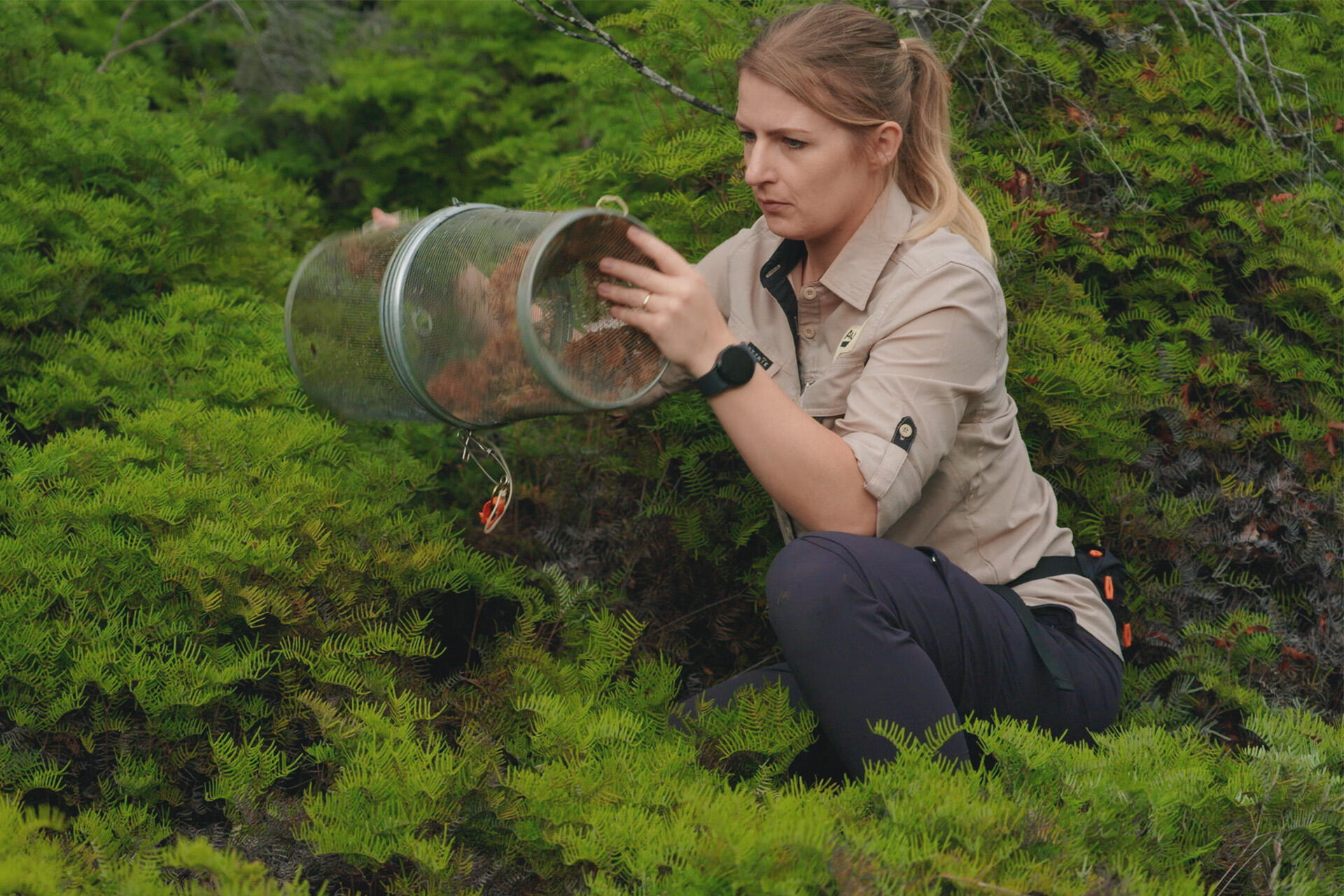
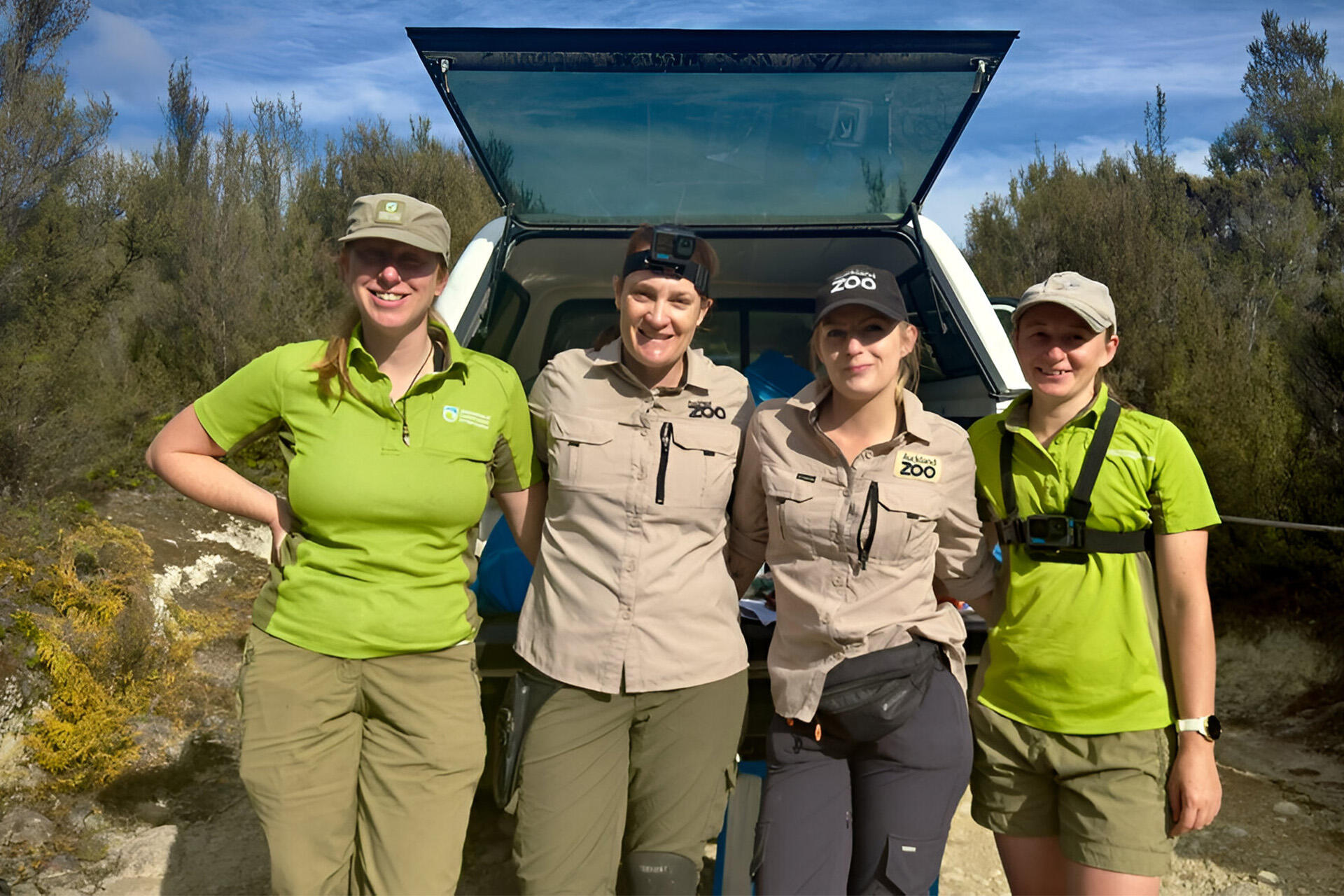
Zoo ectotherm team lead keeper Sonja Murray – a key member of every Alborn monitoring trip since 2020 and among keepers caring for the cohort at the Zoo - says the opportunity to work so closely with such a rare species is “just amazing”.

“It’s a unique and very exciting situation to be right at the beginning of discovering and learning about this taonga species only formally described in 2019 after advanced DNA analysis confirmed it as a distinct species.

Creating a bespoke environment at the Zoo

“We’re still very much in the dark about much of their biology – from their behaviour and reproduction to how they utilise their very complex habitat where temperatures can be very hot, very cold, very wet and everything in between!  Here at the Zoo, we control all aspects of their climate and environment, providing intermittent basking with halogen lamps and managing daily and seasonal temperatures, light, and humidity based on weather station recordings, so that these lizards experience their normal circadian rhythm.”    

Sonja says like all our endemic skinks bar one (the Suter’s skink), Alborn females don’t lay eggs, but give birth to live young.

“While still insufficiently studied to confirm, observations in the field lead us to think they have a year-long cycle and like most native skinks give birth between December and March.”  

A fantastic DOC-Zoo collaboration

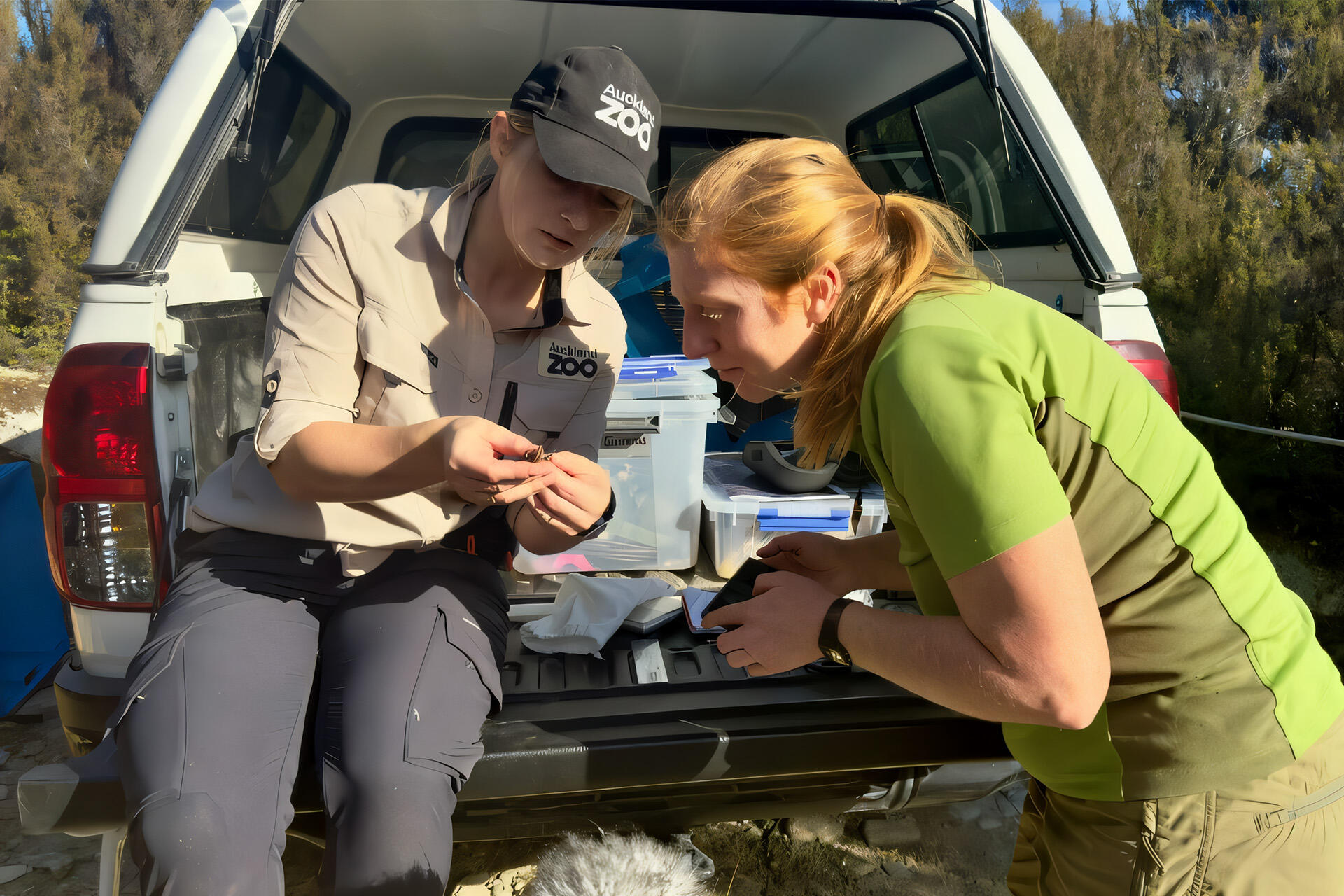
A highlight of this conservation project for Sonja is the working relationship with her DOC ranger colleagues.

“Everyone is totally focused on what is best for the species. On the ground we’re, combining our resources and expertise, from monitoring to tracking pests for the benefit of the skinks, and we’ve grown really great friendships as well.”

Principal Biodiversity Ranger Gemma Hunt says the new predator proof fence provides a secure place for the skink population to breed and grow.

“Because there were so few skinks and they were so vulnerable, it was a big relief to get the fence built, and the predators cleared from within it. The fence is constructed of stainless-steel mesh, and is just under two metres tall, and the foot of it is dug half a metre into the ground.  We are monitoring within the fence to make sure it remains free of predators, and we’ve got great hopes for this population.

‘We know that fenced enclosures work really well for lizard species. The Kapitia skink near Hokitika has downgraded from the ‘Nationally Critical’ threat rating to ‘Nationally Endangered’ in the five years since a predator proof fence was built, bucking the trend for lizards which when unmanaged, are declining in numbers.