

We’re celebrating the International Day of Women and Girls in Science, which is held on 11 February each year. Today, we’re sharing the stories of six incredible wāhine and their passion for science – be it in animal care, veterinary medicine, sustenance and enrichment, or Zoo design and construction. Read on and get inspired!
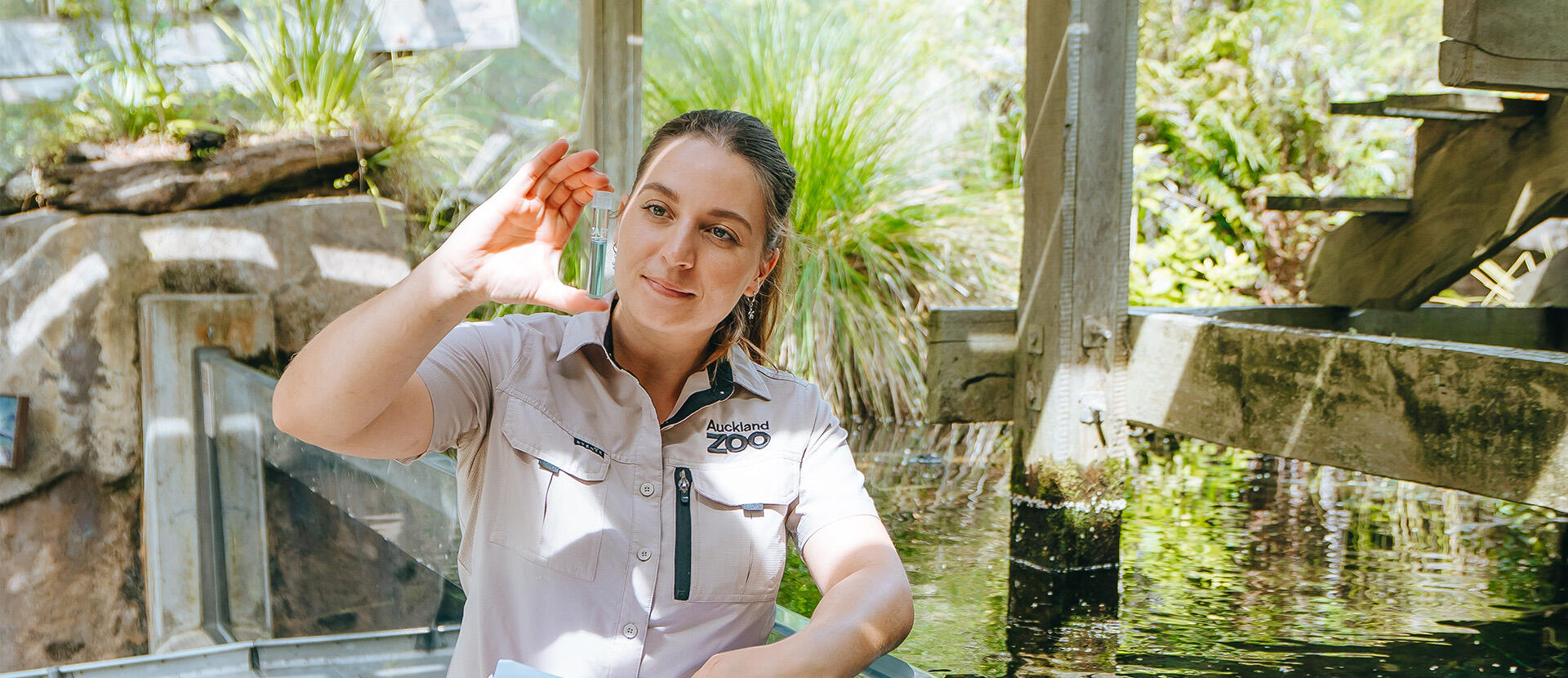
International Day of Women and Girls in Science 2026
Auckland Zoo team
Casey Will
Meet bird lover Casey…
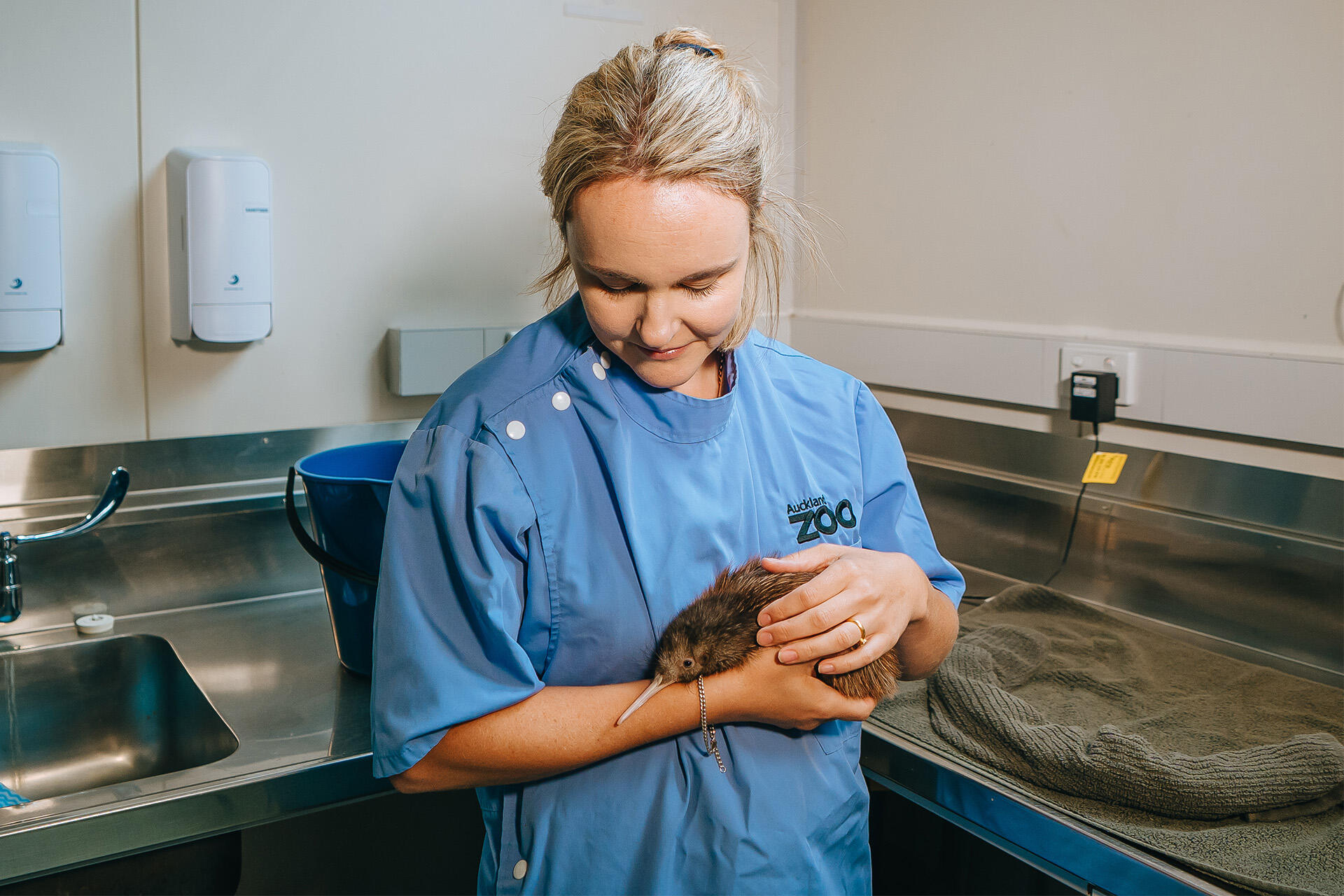
A proud Kiwi, Casey Will says growing up in Aotearoa fostered a love and passion for native species and their conservation from an early age.
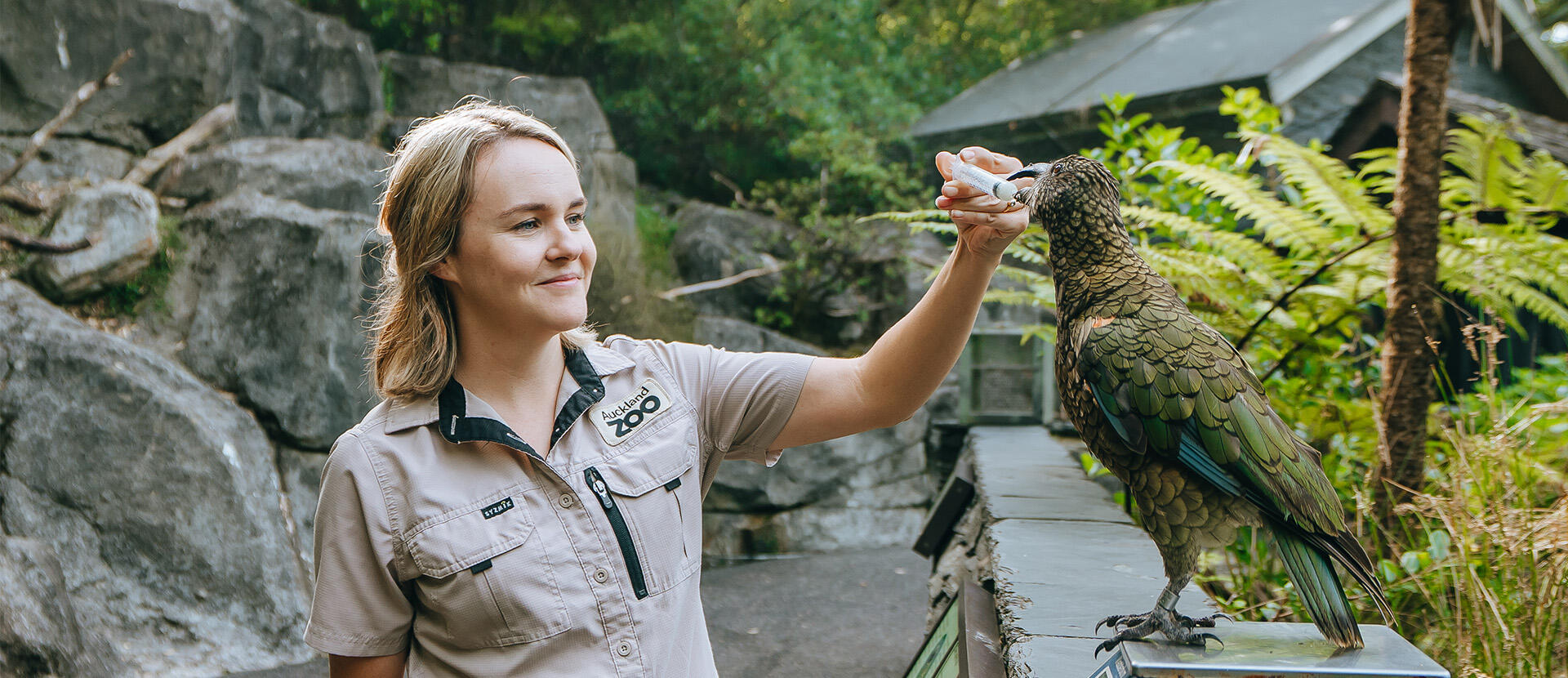
Today, the Auckland Zoo bird keeper, who joined our whānau in 2016, gets to work with some of our country’s most endangered manu – like tara iti, while also balancing family life and raising two small children.
“Our mahi involves incubating tara iti eggs collected from the wild by our DOC colleagues – to give them the best chance of survival, then rear the chicks and prepare them for release to the wild. Together, we’re constantly learning and adapting our approach and improving each year and it’s incredibly rewarding to be working alongside DOC and other partners to achieve real outcomes for wildlife like this,” says Casey.
Casey’s career journey started with gaining a Bachelor of Zoology and Ecology from the University of Otago. After graduating she did everything from work as a tour guide at Dunedin’s Royal Albatross Centre to volunteering at Orokonui Ecosanctuary.
“I highly recommend gaining experience through volunteering, internships, and study. There’s a lot of opportunities out there and you just never know where they might lead – so trust yourself and don’t doubt your abilities!”
Using science to directly benefit the species she cares for is one of the things Casey loves most about her job.
“People are often surprised by how much science and careful planning zookeeping involves. Along with feeding and daily care, we make detailed observations, collect and report data, monitor behaviour, manging breeding, incubation, hand-rearing and enrichment and input into habitat design. All of this supports animals’ health, development and long-term success – both at the Zoo and in the wild.”
Brodie Abel
“We use science you can see, measure, and feel proud of every day as a keeper!” says Brodie.
As a South Island girl, growing up around animals fostered a love of wildlife. Her pathway into zookeeping wasn’t a straight line – yet her journey towards her career is something she values today.
At university she studied Ecology and Law, which gave her a broad understanding of wildlife, conservation, and the frameworks that guide how we care for animals. Next, she completed a PGDip in Wildlife Management and a Masters in Ecology, and deepened her understanding of our connections to wildlife within Kaupapa Māori at the University of Otago.
Brodie was able to apply all this knowledge in a hands-on practical way, as one of five amazing interns that joined our programme in 2024. Luckily for us, she accepted a permanent keeping role at the Zoo the following year.
“Science is at the heart of everything we do, and I love that the science we use is constantly evolving. We’re always observing, adapting, and learning — from the animals themselves, our zoo colleagues around the world, and from the communities that care for species in the wild. So much thought goes into it; from adjusting diets to designing habitats and planning enrichment.
It’s incredible to see the direct impact of this approach on the animals in our care. For me, the most meaningful parts are the outcomes we create for wildlife. Knowing that the work we do helps to protect species for generations to come, especially in Aotearoa, is incredibly important to me.”
Her advice for wāhine interested in careers in science? “Science is really multifaceted; whether you're drawn to microbiology, nutrition, botany, veterinary science – find what genuinely sparks your curiosity. And always remember, follow what excites you, not what others expect of you!”
Georgia Beasley
“Support other women in the field – the more passionate female scientists we have the better,” says Georgia.
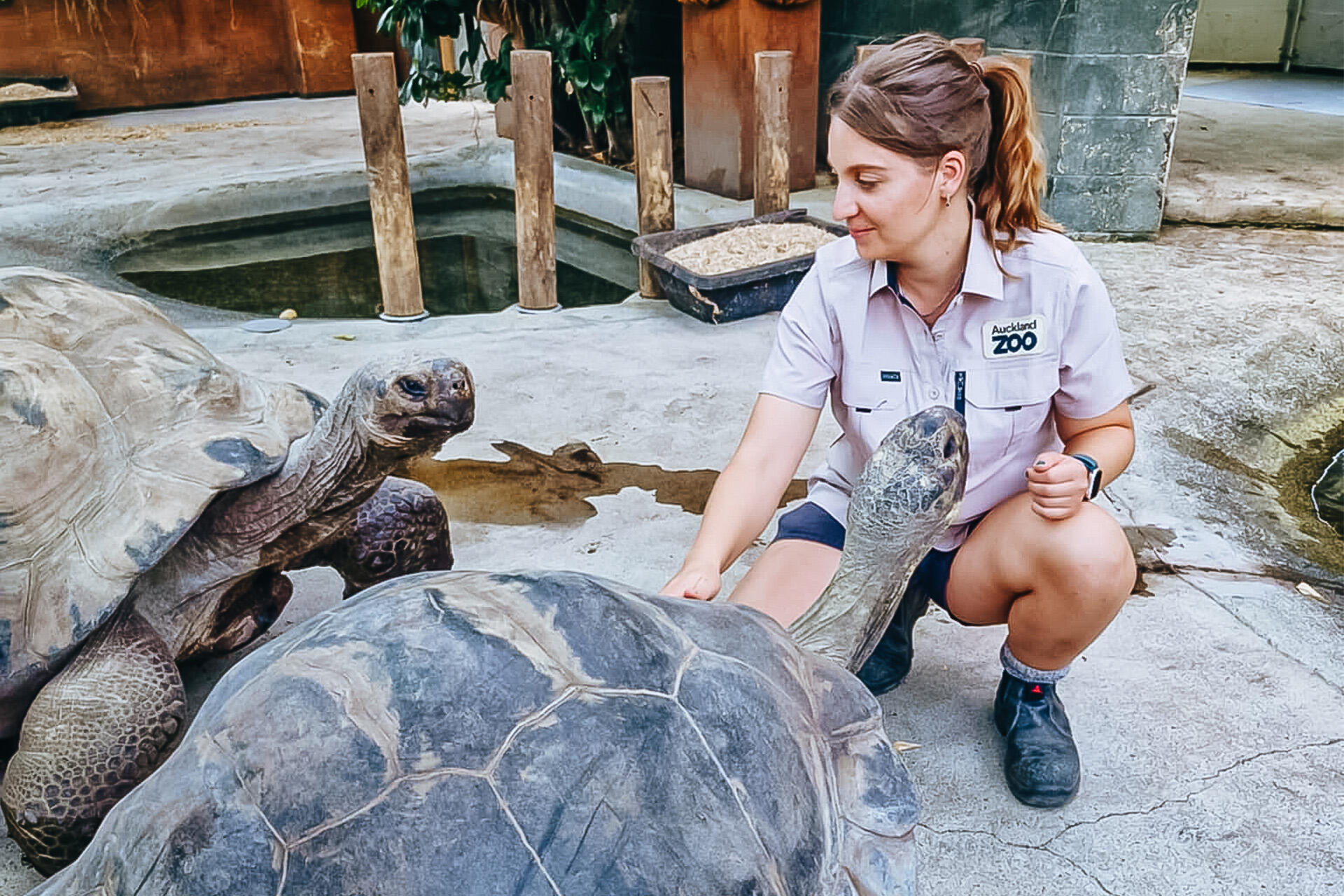
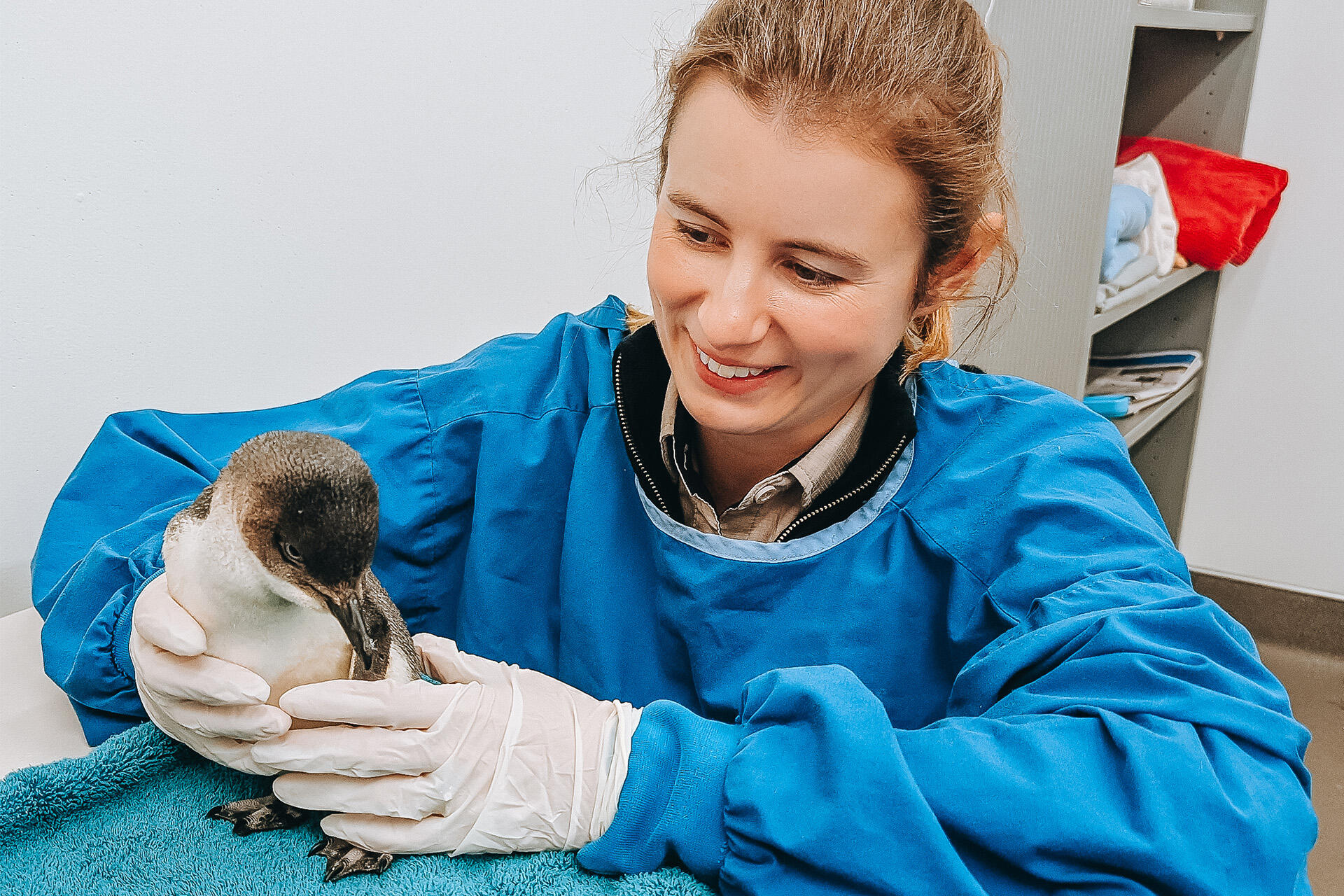
Meet our new veterinary resident, who is six months into her three-year residency programme at our Zoo vet hospital.
This Kiwi originally trained at Massey University and her pathway into zoo medicine took her from lifestyle block veterinary work in Auckland, to treating pets and exotic animals in the Cotswolds UK, as well as volunteering at a wildlife hospital.
“People are often surprised to learn how much planning goes into veterinary care at the Zoo. Procedures can be months in the making, and you need to wear many hats; you could be doing the job of a surgeon, anaesthetist, epidemiologist, radiologist and pathologist all in one afternoon.
We’re working with animals as diverse as a 1.8-tonne Southern white rhino, to a 5-gram awakōpaka skink. Every day is exciting and you don’t know what problem solving will be required.”
Georgia is completing doctorate research that focuses on the impacts of humans on marine wildlife, using wildlife hospital data to help assess ecosystem health in the Hauraki Gulf. With around 20% of the world’s seabird species visiting or living in the Gulf, her research aims to contribute meaningful, local conservation outcomes for native wildlife.
Ruth Nielsen
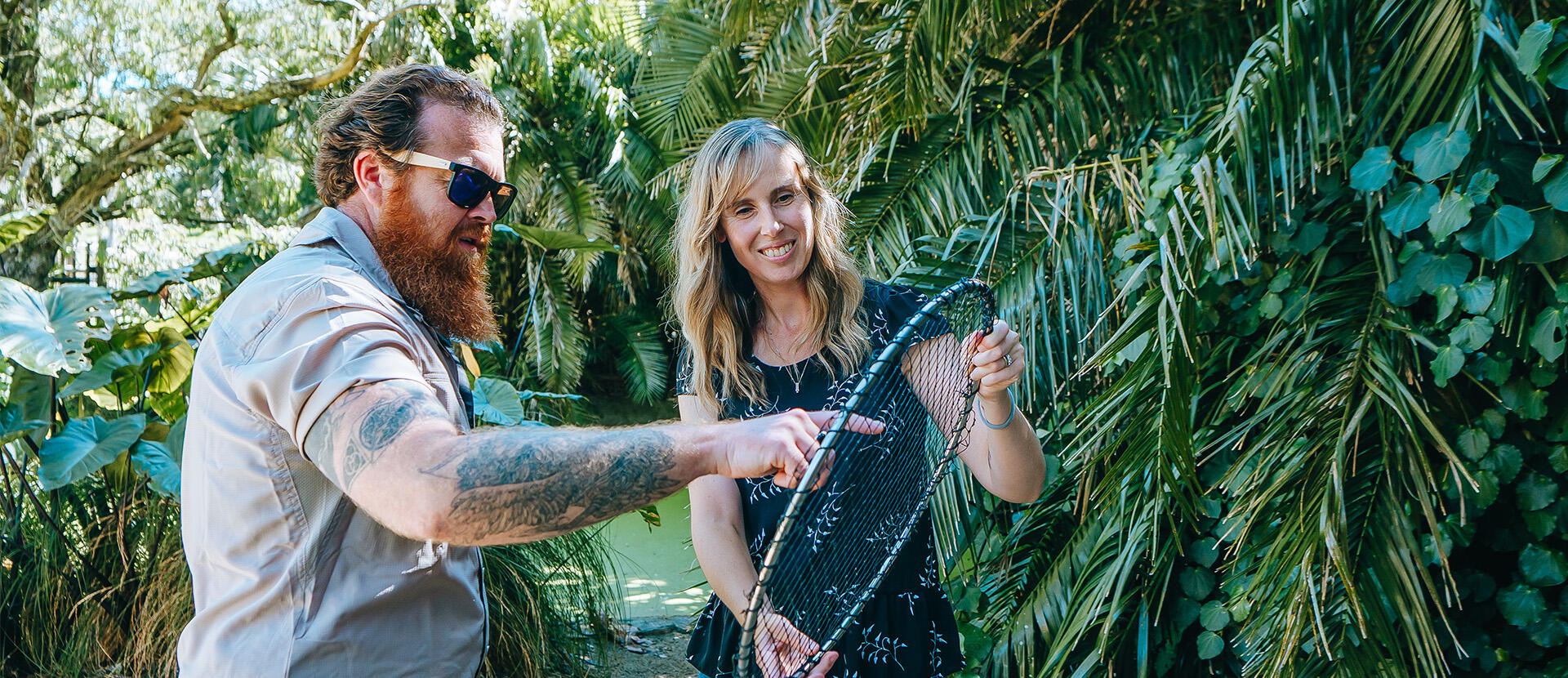
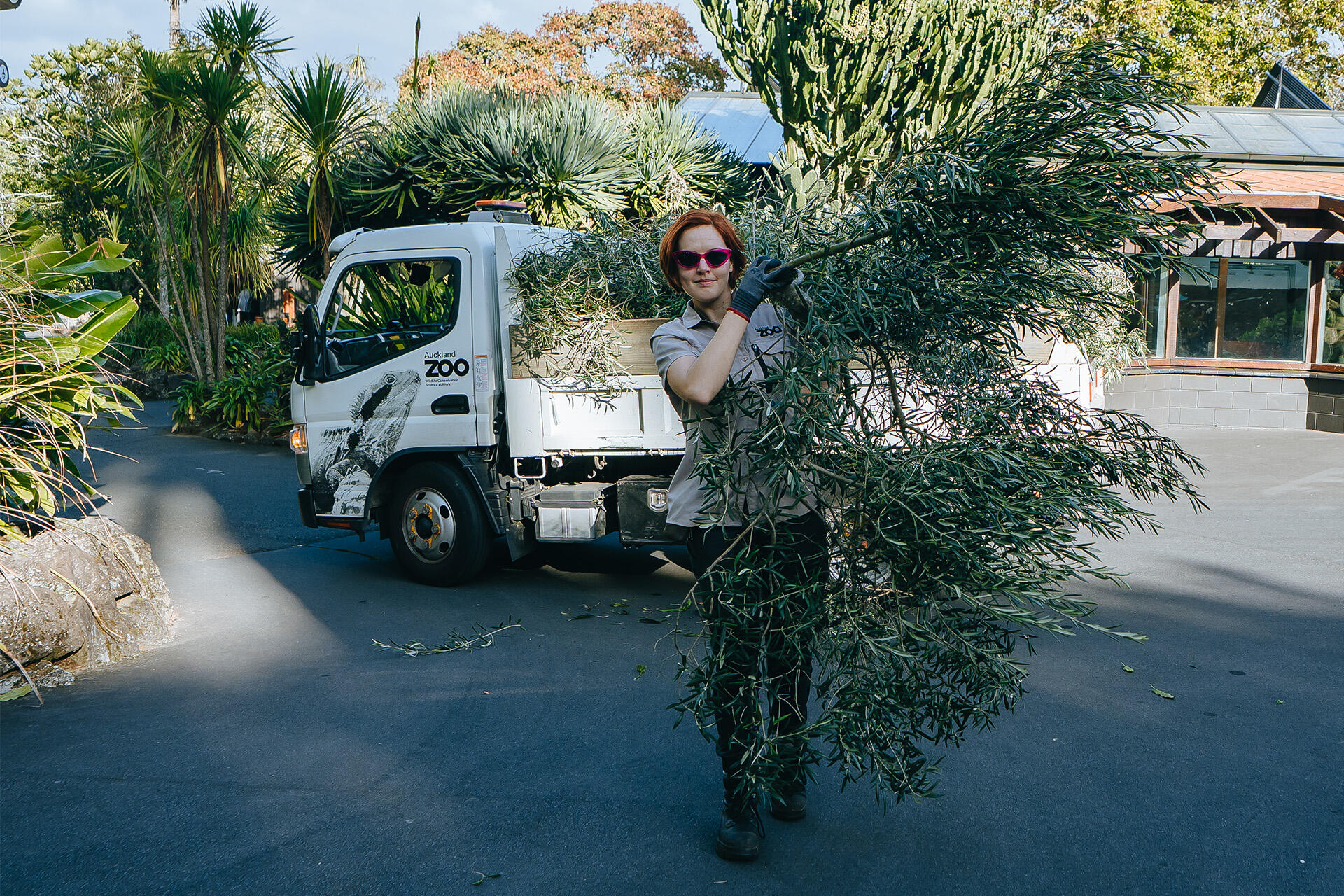
Auckland Zoo’s browse coordinator Ruth Nielsen has an impressive array of talents and skills, but it is plants that have become her greatest love.
“If I can spend all my life around plants, I’ll be very happy,” says Ruth, who has trained and worked in the fashion industry, been a sewing teacher, had jobs in childcare, bioengineering, retail, and prior to her Zoo role – in ecological restoration.
A desire to become more active in caring for te taiao led Ruth to volunteering for planting days throughout Tāmaki Makaurau, then full-time study of te reo and biological sciences ahead of an Auckland Council summer ranger role in the Waitākere Ranges.
“All this made me want to improve my plant knowledge, so I worked in ecological restoration - mostly for local and regional parks. When a browse assistant position came up here at the Zoo in 2023, it seemed like the role was made for me – incorporating the perfect combination of my passions and skills.
Sourcing plant food and enrichment for many different Zoo animals is a full-time job for Ruth and two other kaimahi, and she loves the diversity and challenge of the role.
“I love seeing how animal browse preferences change over time, and how they’re influenced by seasonality. Different animals have vastly different plant preferences and species go into flower or fruit, and the leaf size and texture changes with the seasons.
The team collects from gardens of wonderful community members, schools, community gardens and development site owners, and grow and maintain large plantations within the Zoo grounds and at some Council reserves.
“Working with the keepers, we’re constantly experimenting with new plant species and noting how animals react. It’s fantastic to be able to watch the animals respond to their browse and provide us with immediate feedback,” says Ruth.
Ruth’s advice to young wāhine interested in a career in science: “Be curious, passionate, keen to learn - people in science are very welcoming, and eager to help you find your niche.”
Jenna Hollamby
“Be curious, give everything a go, and never underestimate what you can learn by stepping outside your comfort zone.”
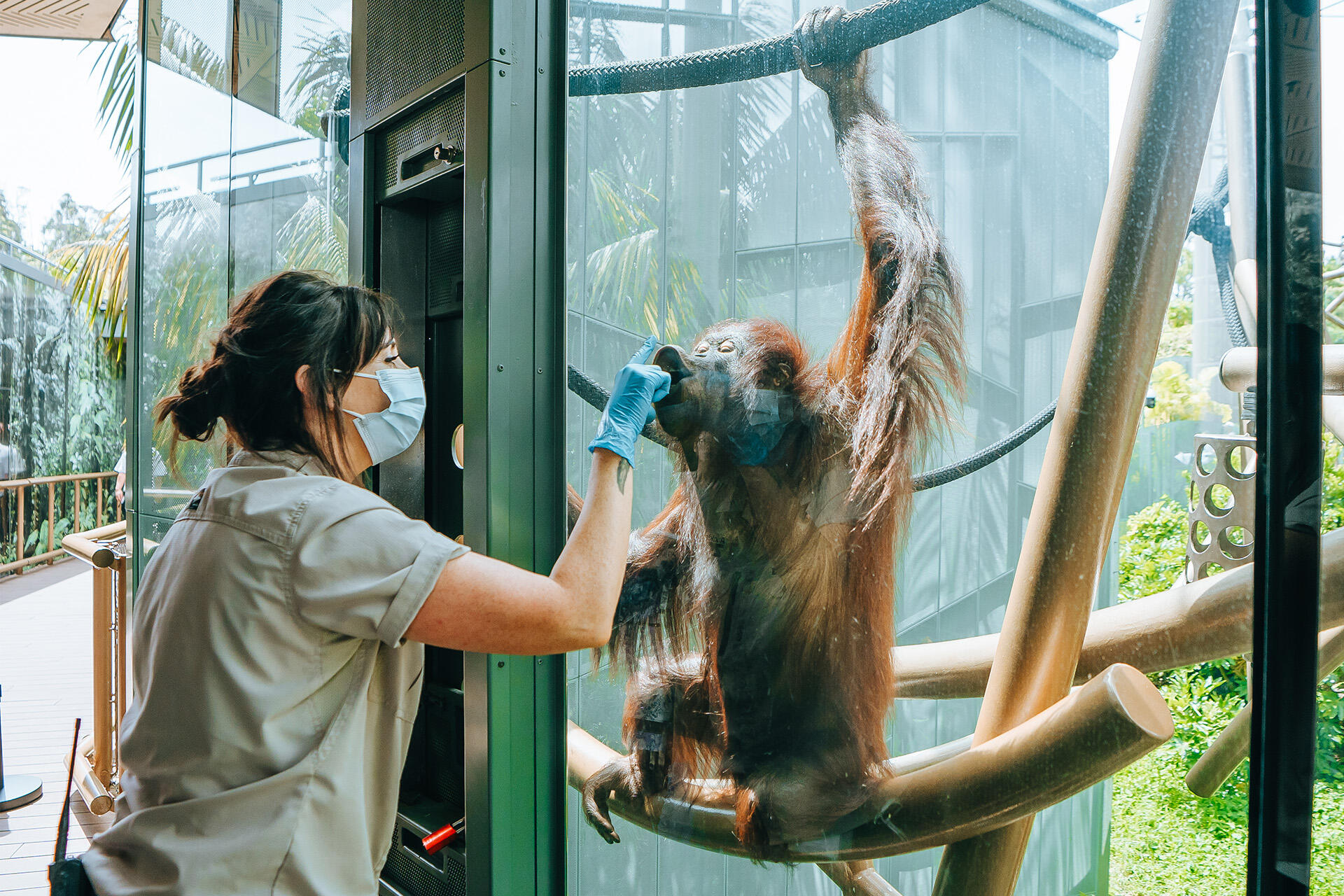
Meet Jenna, Auckland Zoo’s new team leader of primates, who joined our team four months ago after more than a decade working in zoos in Australia. Jenna began her studies with an Animal Technology degree; starting her zoo career with work experience and completing a zookeeping certification. Later on, she gained her Masters in Wildlife Health and Conservation.
Jenna applies evidence-based approaches every day to ensure animals in our care thrive physically, behaviourally, and mentally.
One of her favourite areas of science is building behaviours through animal training, where animals learn through positive reinforcement to actively participate in their own healthcare. When working with the orangutans here, this process is grounded in behavioural science, trust, and building on strong relationships between these primates and their keepers.
For Jenna, science isn’t just data and documentation, it’s also curiosity, creativity and a willingness to explore new ideas. One of the Zoo’s partners she has enjoyed working alongside is the Sumatran Ranger Project in Indonesia, and has helped with deploying bioacoustics recording technology within the Leuser Ecosystem. This technology helps to identify wildlife along the forest in a non-invasive way and adds to conservation efforts.
Jenna’s advice “Never discount what you can learn from a new experience, situation or person. Trying new things will always lead to learning”
Sarah MacWilliam
“I work with our animal care teams to understand how different species use space, respond to their surroundings and interact with the features we design,” explains Sarah.
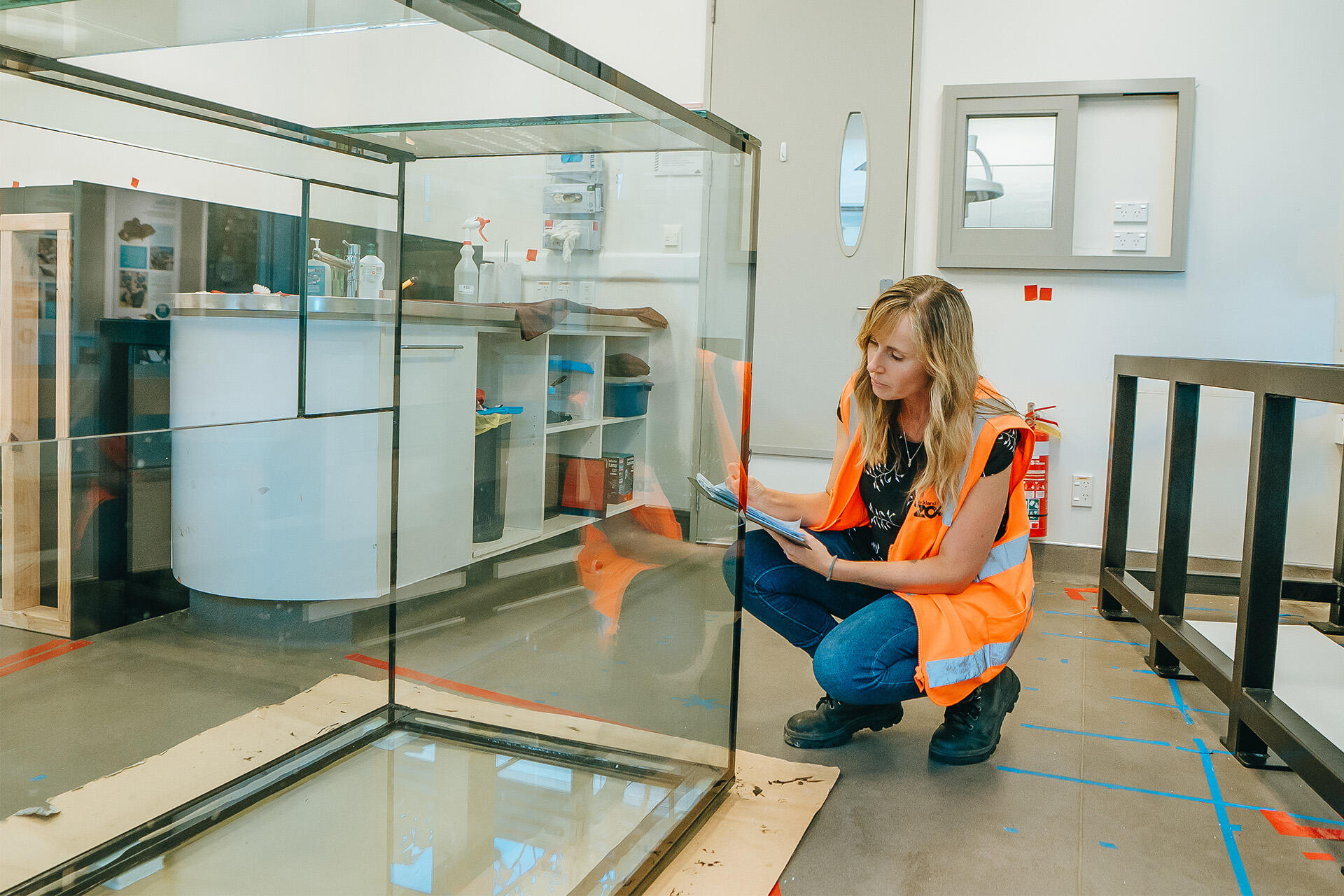
Sarah is one of the amazing project managers in our zoo design and construction team, responsible for the design and delivery of physical projects at the Zoo. This includes the creation or modification of habitats for animals, and relies on collaborating across departments to understand animal behaviour, welfare needs and environmental factors.
“Figuring out the biological and environmental needs of a species and turning that into a functional habitat is incredibly rewarding. And there’s a real science to it! As our habitats are designed to meet the needs of animals, we naturally think about things like materials, water systems, planting and how these spaces can best support species‑appropriate behaviour.
There are many specialists involved in getting a zoo project right. Depending on the project, it can include input from animal care and veterinary teams, horticulture, engineering, sustainability and many others. A big part of my role is combining all these perspectives so we can create spaces that work safely and smoothly for the animals, the people who care for them and the people who visit.
This is my ninth year at the Zoo, and the mahi I’m involved in is technically challenging as well as genuinely meaningful. I love working on projects that are a little out of the ordinary, like a new habitat for the sea krait – the only snake you can visit in New Zealand!”
Her advice for wāhine interested in science-based careers? If you find something that interests you, give it a go. Curiosity, enthusiasm and a willingness to keep learning can take you a long way.