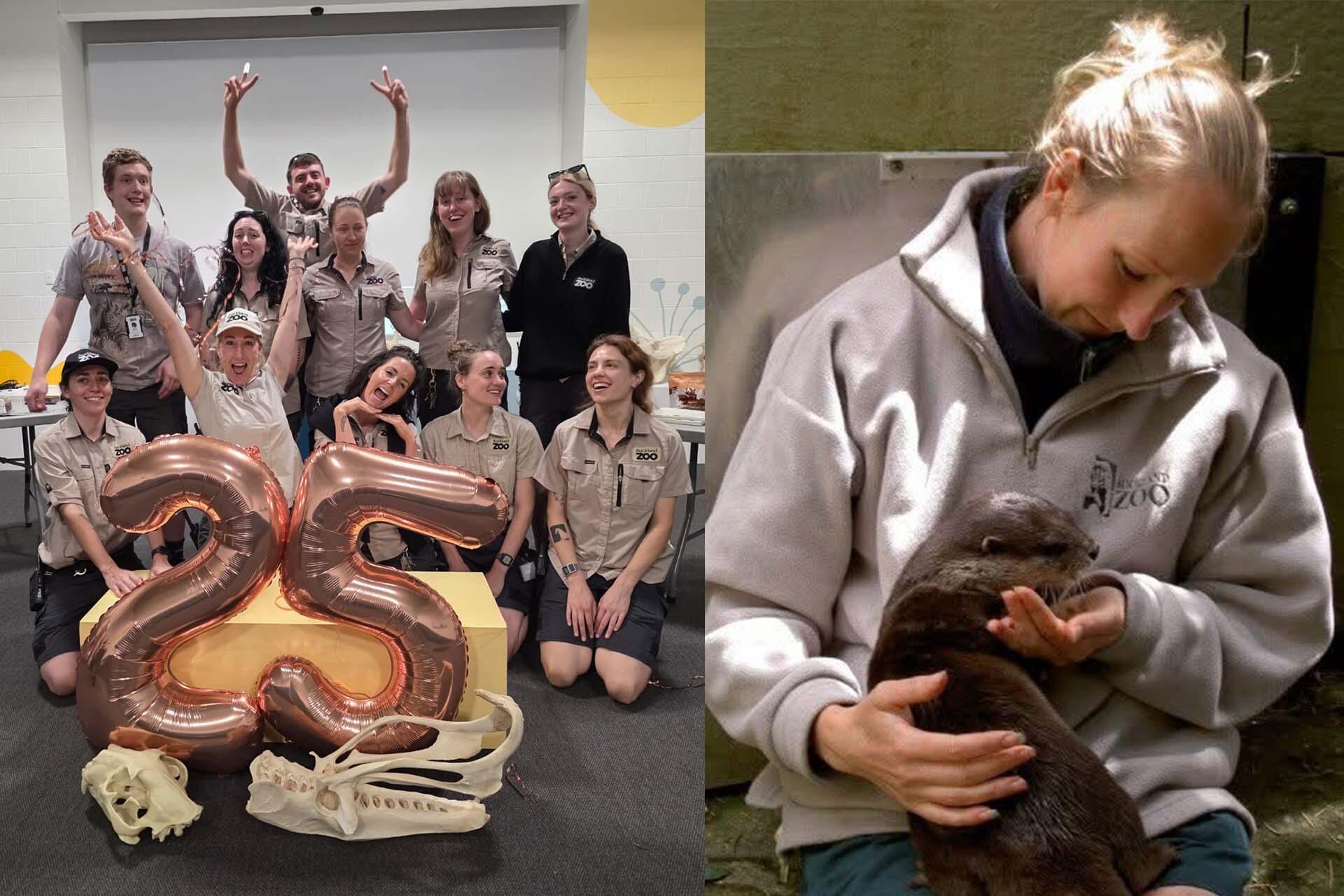
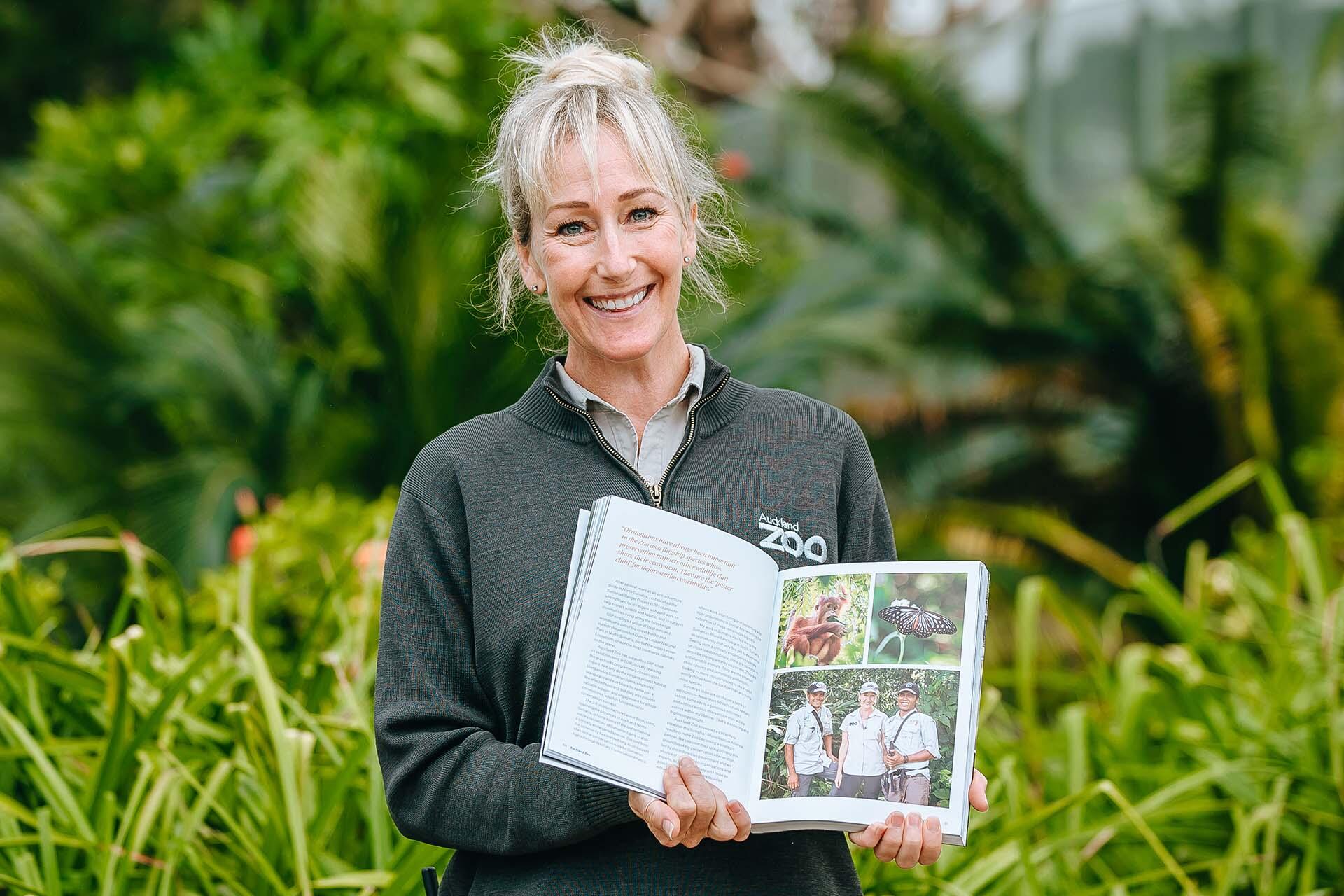
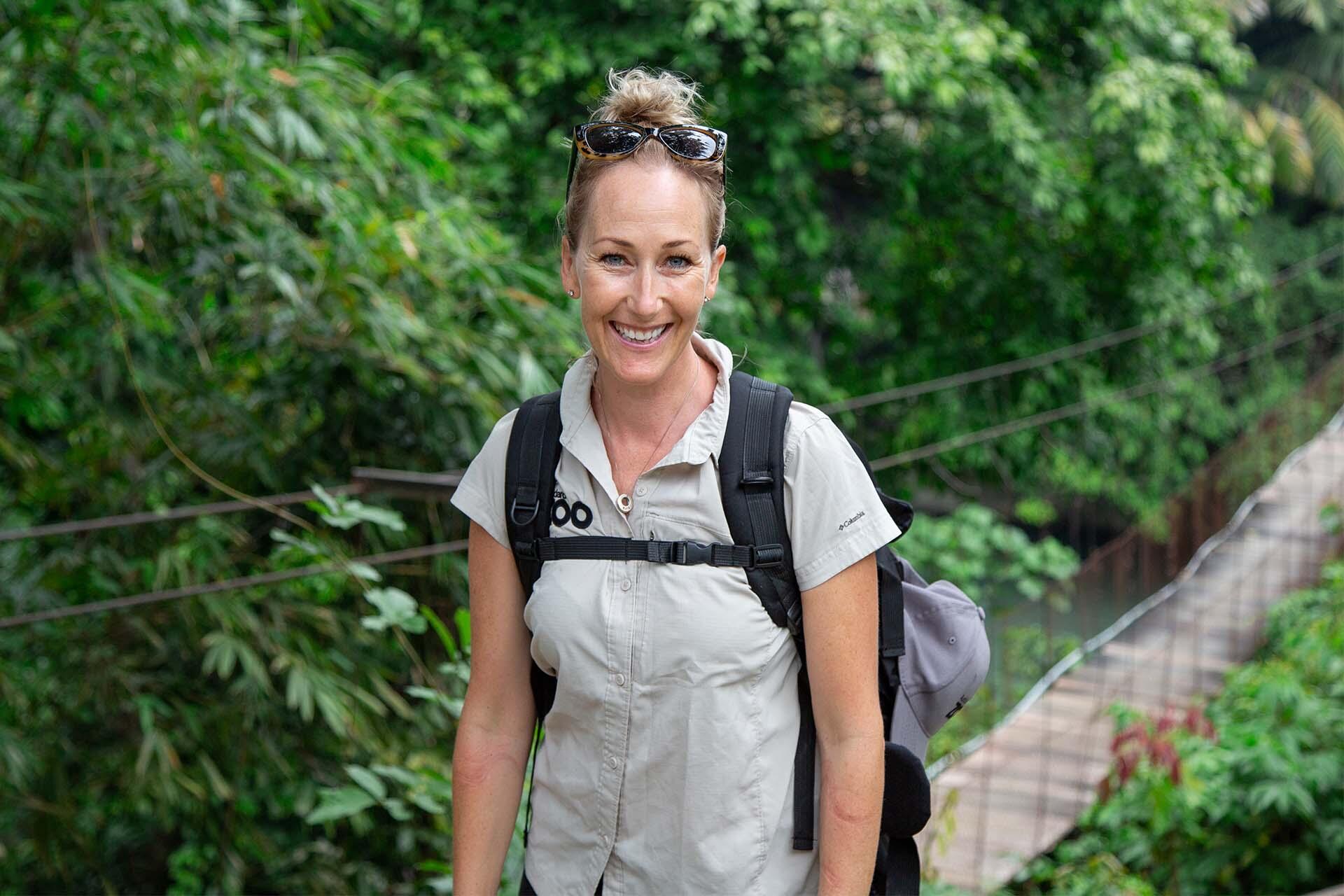
Nature lover and passionate conservationist Amy Robbins was three years old when she visited Auckland Zoo with her dad and told him she wanted to be a zookeeper when she grew up.

Nineteen years later, having gained a science degree from the University of Waikato while also volunteering at Hamilton Zoo, Amy got her first zookeeping role here at Auckland Zoo.

Fast-forward to 2026, and our now deputy curator of mammals says her childhood dream has been realised in roles, experiences, and life-changing opportunities she could never have predicted.

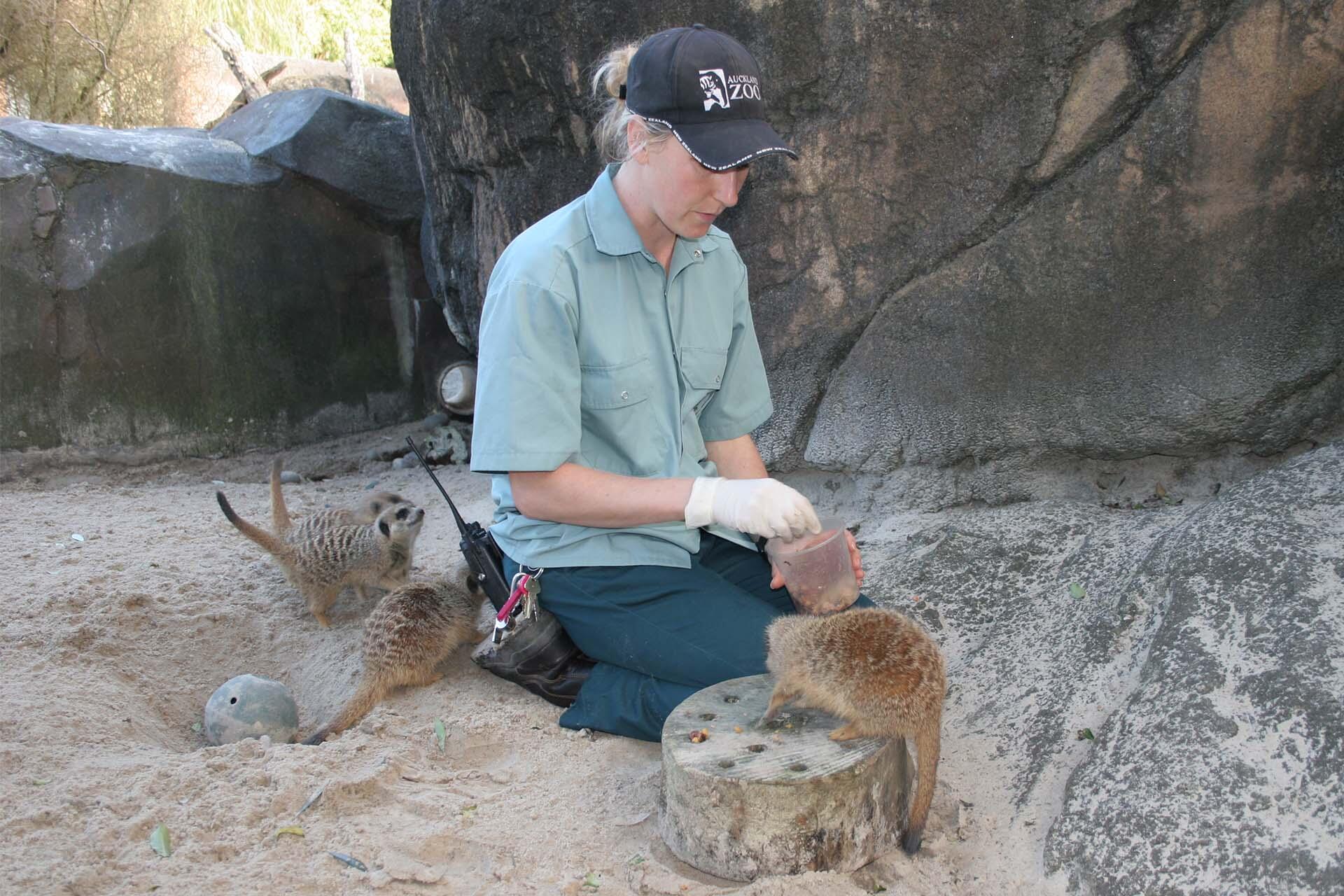
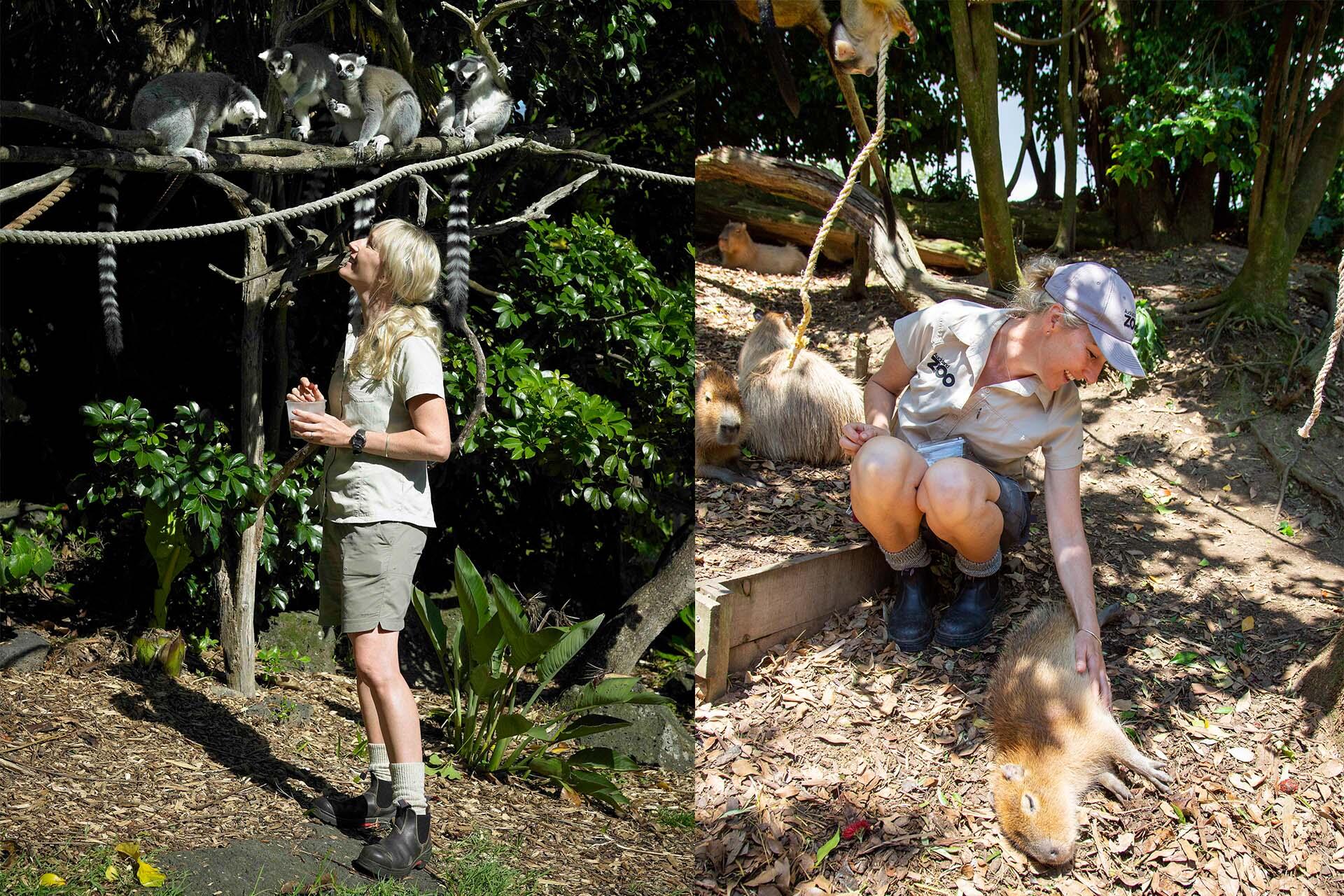
In her action-packed quarter century here, Amy has cared for species from elephants, hippos and big cats to great and lesser apes, otters, and capybara. She’s had the benefit of exceptional role models and become a primate expert – developing a deep love for orangutans. She’s worked on Auckland Zoo supported conservation projects in Africa and Southeast Asia and founded the Sumatran Ranger Project and Raw Conservation Adventures.

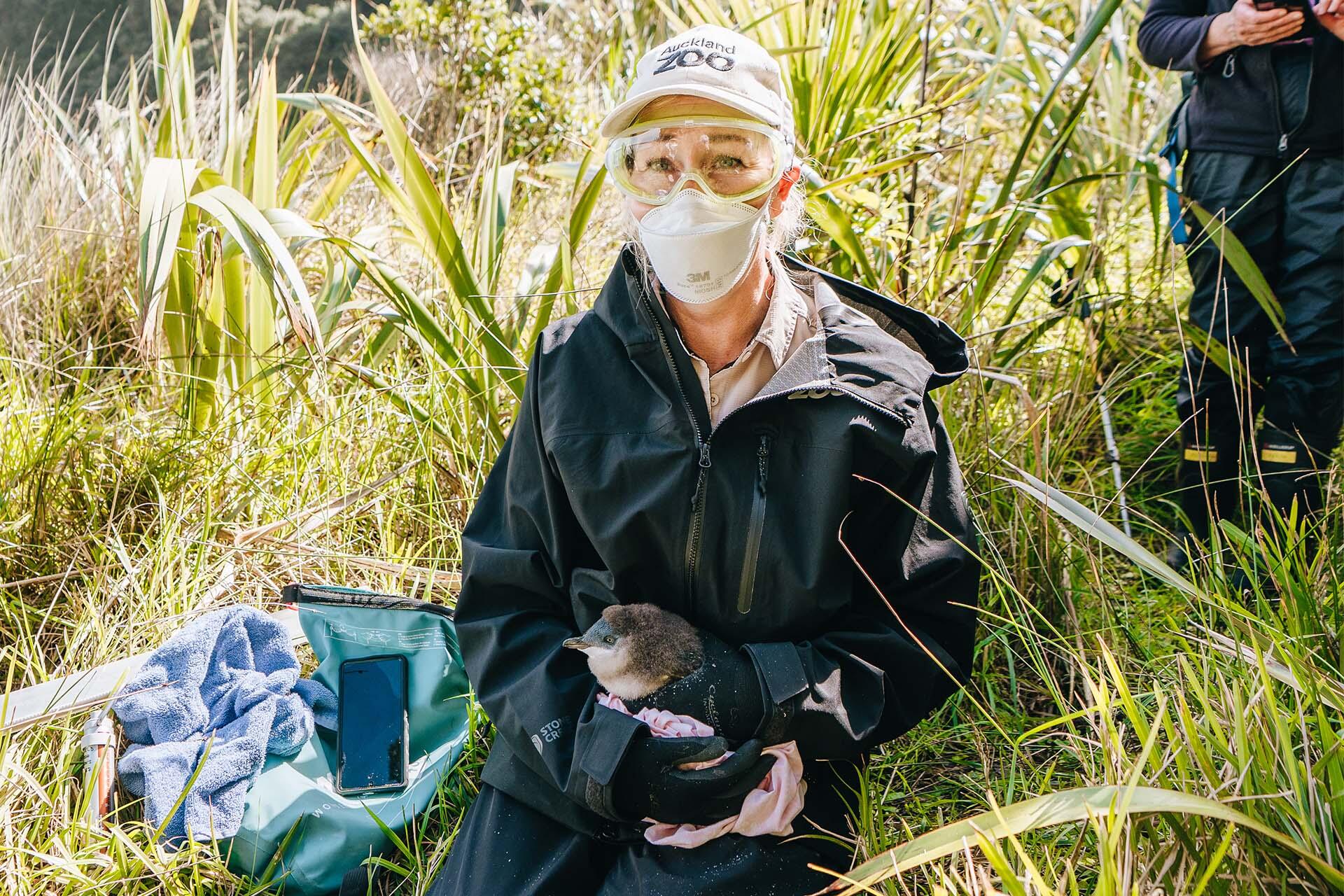
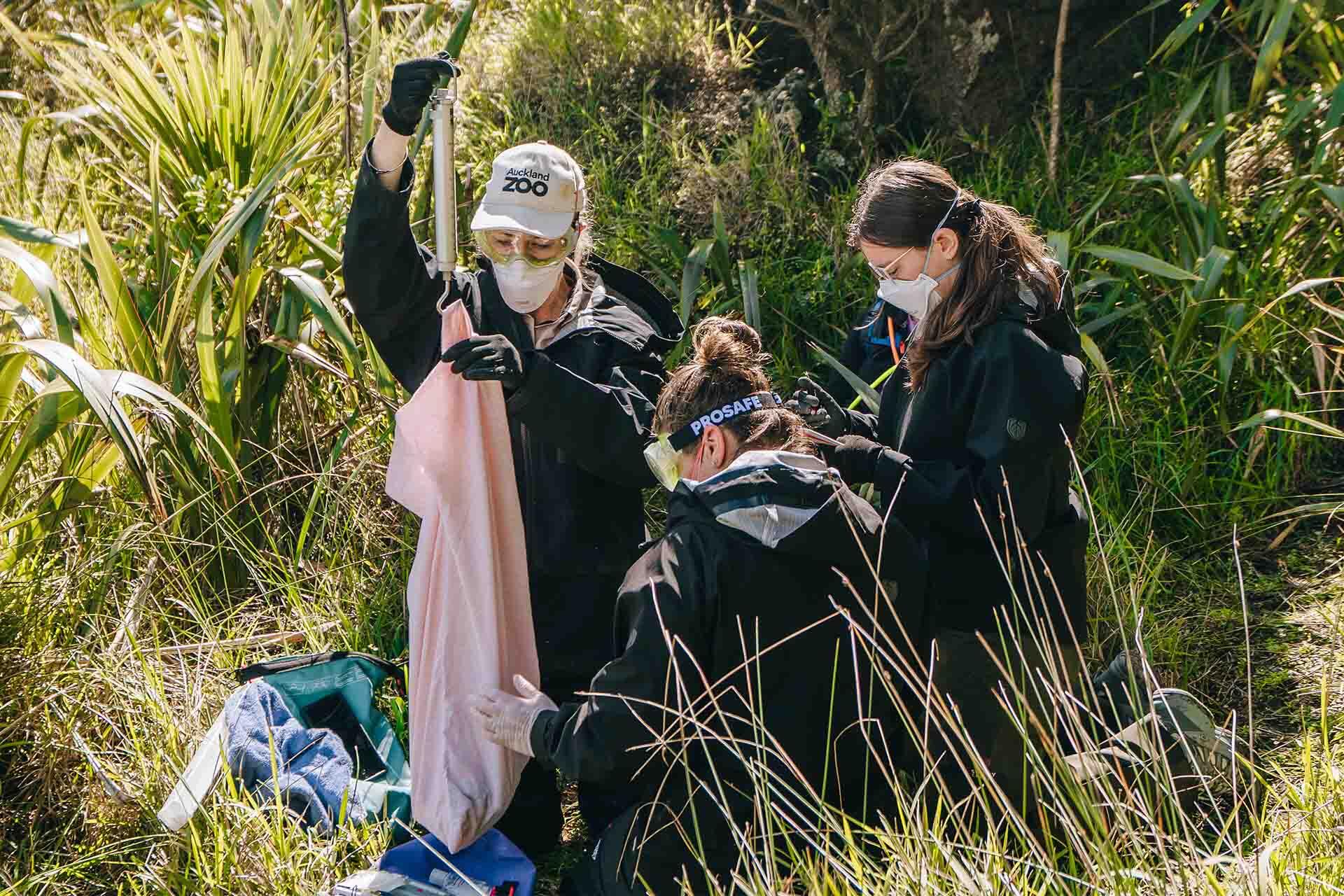
In more recent years (and on many rainy days this month!) the Tauranga-raised Kiwi who is equally passionate about seeing taonga of Aotearoa thrive, has been out on Auckland’s West Coast beaches monitoring kororā. This is as part of a programme she and another Zoo colleague initiated in 2023 to help improve understanding, protection, and conservation management of this ‘At Risk-Declining’ penguin species.
Auckland Zoo’s leading science-based animal welfare and conservation focus

What Amy considers integral to all of this mahi has been her participation - alongside colleagues, in the ongoing learning, growth and evolution of our Zoo as a conservation science and research driven organisation, where animal welfare and good conservation outcomes are paramount.

“Leading the way, as Auckland Zoo is, in animal welfare and good conservation outcomes, is essential for zoos to connect people with nature and inspire them to care and understand that we’re all inextricably connected to, reliant on and part of nature. In our increasingly urbanised world – with climate change and huge biodiversity loss, and so many people disconnected from nature, good zoos like ours have become more important than ever. This is what drives, me. It’s why I’m still here and love what I do.”

In Amy’s 26 years in zookeeping, she says there’s been “huge advances in research and the understanding we have of the inherent needs of animals, and how this translates into how they are cared for”.

“Good, accredited zoos like ours use the Five Domains of Animal Welfare model  to actively promote positive welfare – that not only has a positive effect on the animals we care for, but also our staff, our visitors, and our conservation outcomes. And we’re continually reviewing, questioning, and researching so that we keep progressing.”

Currently undertaking a post-graduate course through Massey University where she’s in her element gaining further formal training from some of the world’s best animal welfare scientists, Amy says these advances are also reflected in the science-based profession zookeeping has become.

Zookeeping has evolved to be a highly specialised profession

“Today, most of us are university educated, many have post-graduate and multiple academic qualifications. Yes, we still pick up poo, but these days we analyse that poo – intensively! We look at texture, consistency, and colour to understand what is and isn’t normal. We grade animal faeces daily to give us data on what normal looks like and what it tells us about the health of our animals. We know our animals inside out, as we must, so that we can do the very best for them.”

“As zookeepers, we’ve become highly skilled and specialised conservationists, behaviourists, educators, nutritionists, researchers, and caregivers. We thrive on continued professional development and contributing to global conservation science. We are some of the most important animals in the zoo, and I feel proud to be part of this evolution.”

“Zookeeping can be exceptionally demanding and challenging but the rewards are immense. One of the key drivers that keeps me motivated and always striving to do better, is the incredible animal-care professionals I get to work with daily.

“Along with our science-led approach to animal care, more than ever, I am motivated to lead my teams with empathy and compassion and help them succeed. I want to be as good a role model and some of the innovative women that influenced me early in my career,” says Amy.  

High Canopy habitat for orangutans and siamang a career highlight

As a primate specialist with extensive experience working with orangutans (here at the Zoo and in the wild), Amy’s most satisfying career achievement so far has been being part of the team that helped create the Zoo’s High Canopy habitat for orangutans and siamangs.

“It brings me so much joy to see these arboreal primates absolutely thriving and using their home in exactly the ways we collectively designed it for.  

“It’s been my privilege to work with the Zoo’s (changing) orangutan group throughout my 26 years here, that’s included building a special relationship with 45-year-old male Charlie, who I still do training sessions with most days. Charlie constantly challenges us to think outside the square and pushes us to research and try and interpret what he needs and wants. He’s very quick, easily bored (like me), and in his older years is becoming more impatient, which I totally respect!

Orangutans are extraordinary thinkers, observant, inquisitive, and unbelievably innovative problem solvers, and constantly remind Amy that there are other incredibly intelligent, very emotionally complex species living alongside us.

“In our High Canopy habitat, they have the world-leading and highly complex environment they need and deserve. It gives them a huge range of choice and flexibility in how they utilise the different spaces, and the unique ability to leave their habitats and range across parts of the Zoo via their extensive network of aerial pathways.

“As well as providing for their best welfare, it’s amazing for us as keepers to experience our visitors loving being so immersed. We see them so in the moment connecting with each other as well as the siamangs and orangutans with expressions of awe, wow, and sheer delight, some even moved to tears, as they look up and see the likes of 100kg  Charlie, females Melur and Daya, and Charlie and Melur’s four-year-old son Bahmi 25 metres up in the air behaving and moving so effortlessly - just as these great apes do in the wild.

“These connections are often what lead to conversations with keepers, our volunteers, and other staff. For visitors having these experiences, then learning that orangutans are Critically Endangered and how our everyday shopping choices can impact not only the habitats they need to survive, but also the air we breathe - and how they can help in easy tangible ways, becomes incredibly powerful.

“Our free PalmOil Scan app to choose products that contain sustainably produced palm oil, that Auckland Zoo helped create with other international zoo colleagues is a great example of the important connection and conservation roles zoos play to help wildlife in the wild,” explains Amy.  

Working local and global: Amy’s Auckland Zoo-Sumatra connection

You could say Sumatra is almost a second home for Amy! Her gateway to this biodiversity hot spot came about during the 2000s when the Zoo founded it’s Auckland Zoo Conservation Fund and began supporting the now world-renowned Sumatran Orangutan Conservation Programme (SOCP).

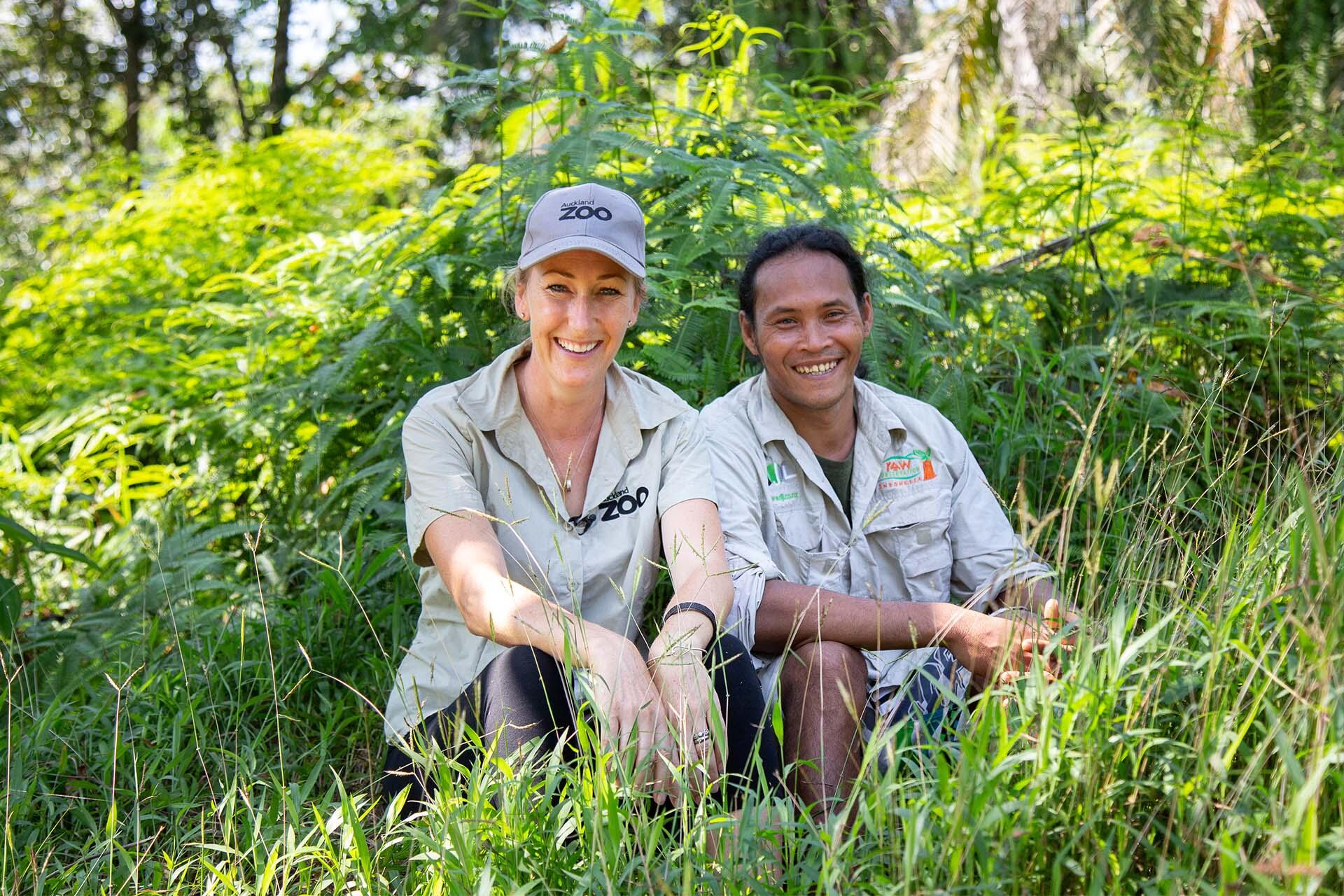
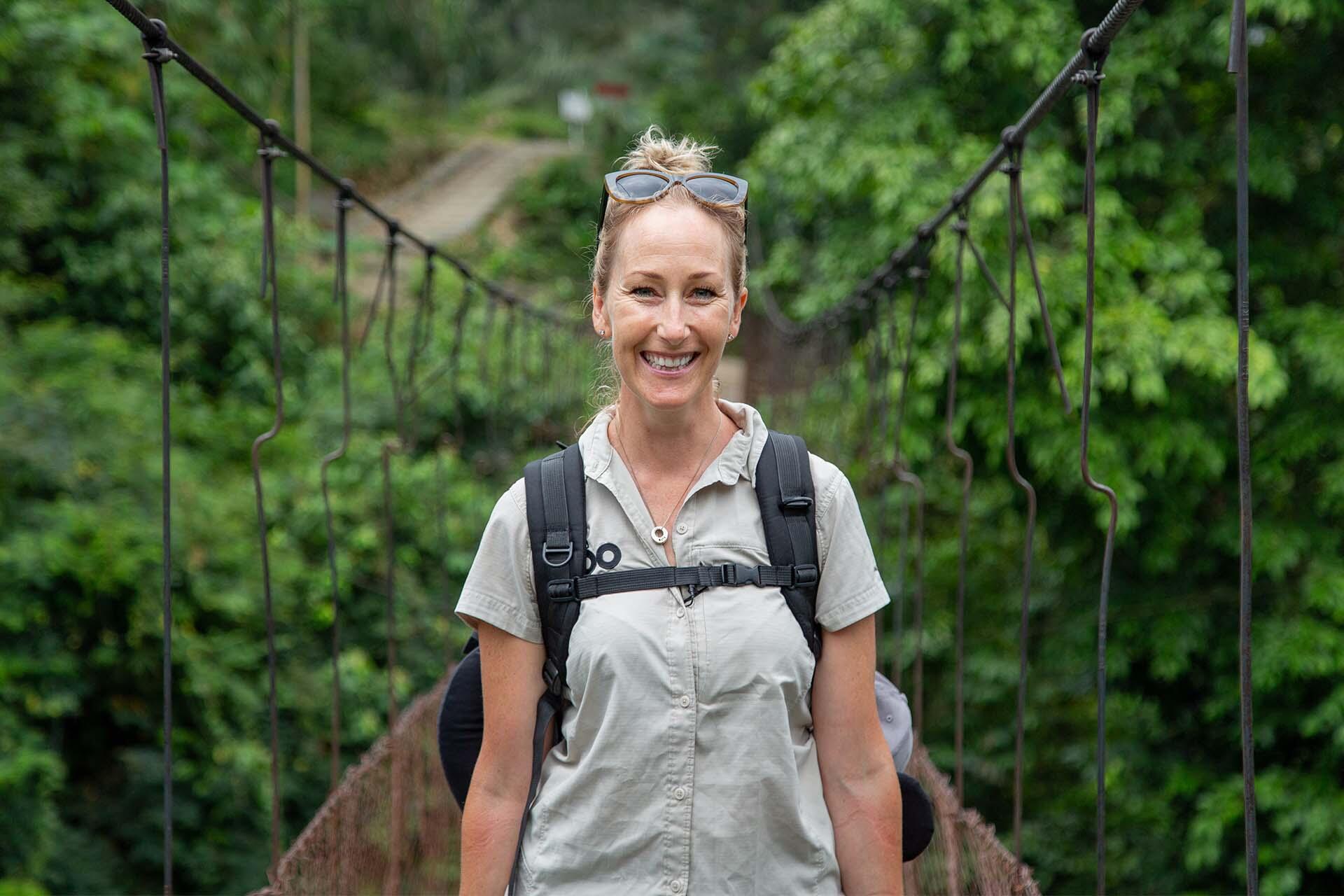
Amy first travelled to Sumatra in 2009 to work alongside SOCP staff in the forest of Bukit Tigapuluh National Park and used her Zoo skills to work with rehabilitated orangutans and follow their releases back to their forest habitat.

In 2013, and she continued to support SOCP’s work and vision – helping them fundraise to establish a new facility, Orangutan Haven, for orangutans unable to be released back to the wild.  

In what was to be a life-changing opportunity, Amy then began leading eco-adventures in North Sumatra to further help SOCP to purchase land to build the haven and became friends with locals living within forest-edge communities.

“These were incredibly hardworking people, passionate and skilled in the forest with a strong desire to preserve and protect it – for wildlife and the wellbeing of their own communities. However, they didn’t have the means or connections with those that might help fund conservation work.

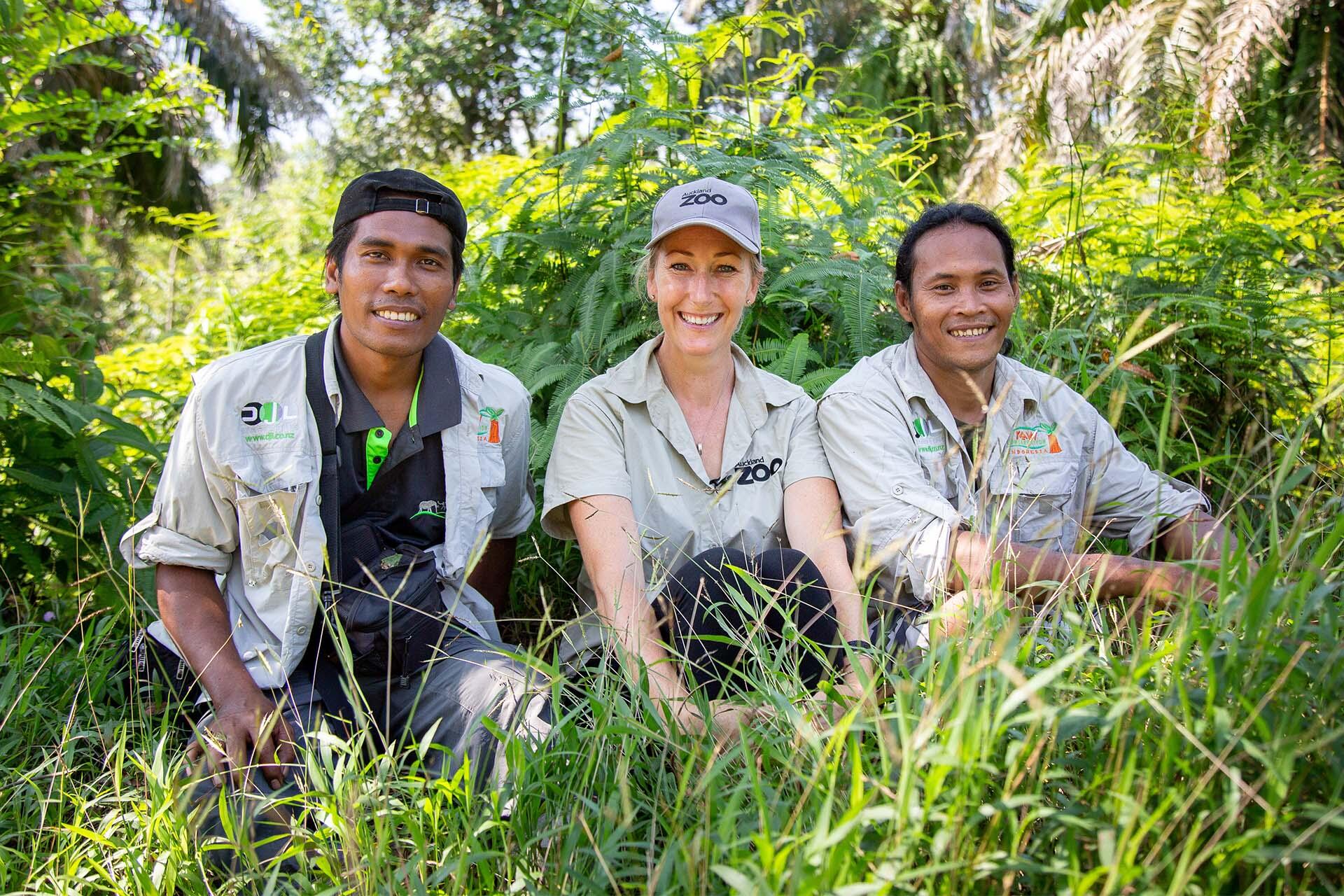
“In 2016, this is what led me to establish the Sumatran Ranger Project (SRP) with the aim to employ these dedicated locals, provide opportunities for long-term employment, and support their communities to help them coexist with wildlife,” explains Amy.

“The forest edge is where most human-wildlife conflict occurs, yet little to no support exists to help people with solutions or mitigations. Ten years on, SRP now employs 10 rangers who patrol the edge of the Gunung Leuser National Park in North Sumatra. Their mahi is helping protect wildlife and support their own communities to develop solutions enable coexistence with wildlife – from Sumatran tigers and elephants as well as orangutans, and in turn, many other species, “explains Amy.

Auckland Zoo’ s Conservation Fund has been a long-term supporter of SRP since its inception and been a supporter of SOCP (its longest conservation partner) for the past 24 years.

“I feel so fortunate to have such strong connections to these incredible people and impactful programmes. Some of my Zoo colleagues have also joined me in working alongside these partners, where there’s a real sharing of knowledge on both sides along with practical training and support.”