Zoo to pair up adult awakōpaka to breed
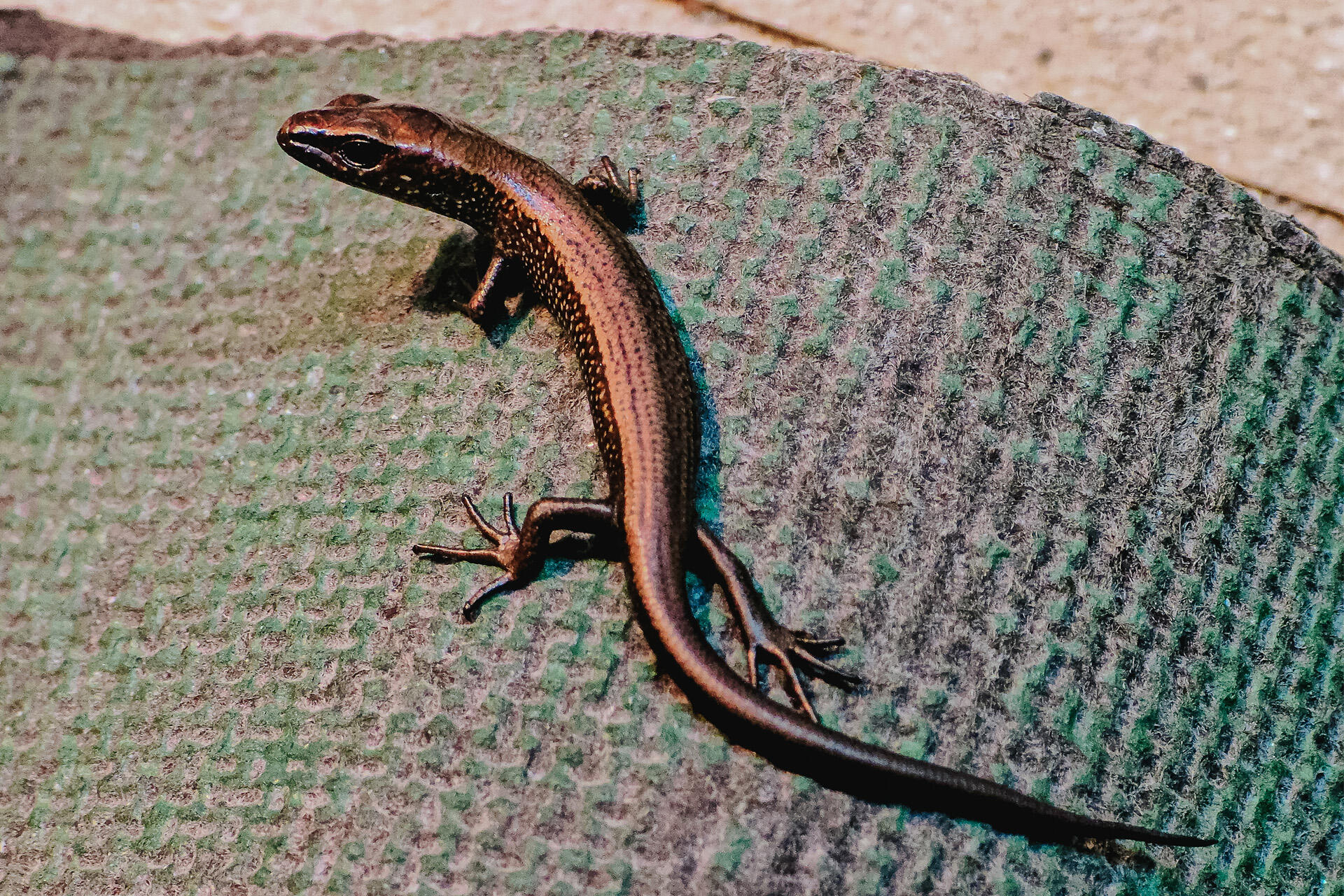
“While our DOC colleagues continue to search for more skinks and implement extensive rodent control across the species’ known distribution area and beyond, here at the Zoo we will soon pair up the adult male and female awakōpaka to mate and, we hope, successfully breed.
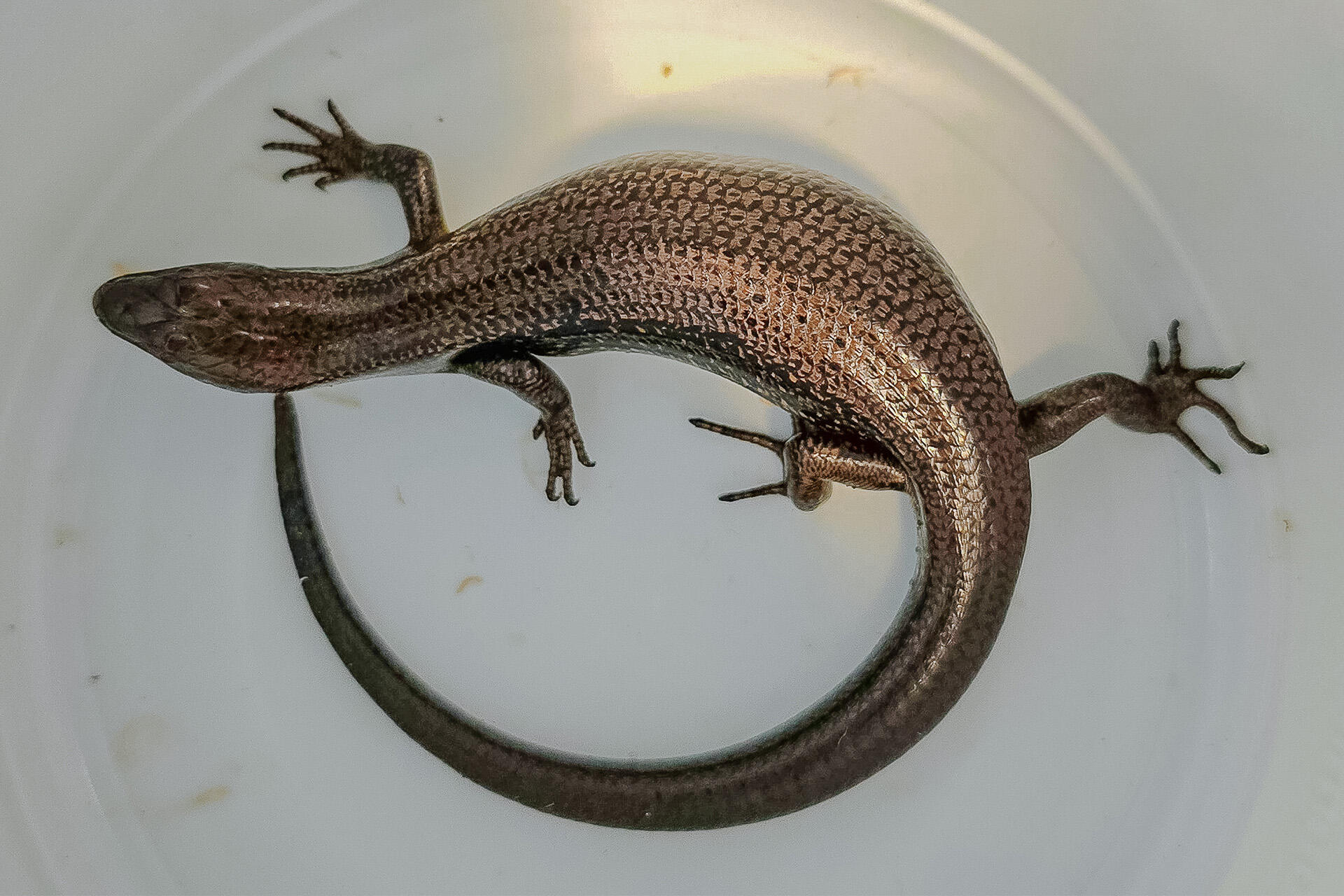
“As part of developing a zoo-based breeding programme, we plan to undertake DNA testing, working with UNITEC. This will enable us to understand the genetic diversity and relatedness of the adults as a measure of population inbreeding and also to inform future breeding decisions at the Zoo. We’ll also be able to confirm the sexes of the juveniles well in advance of sexual maturity” explains Don.
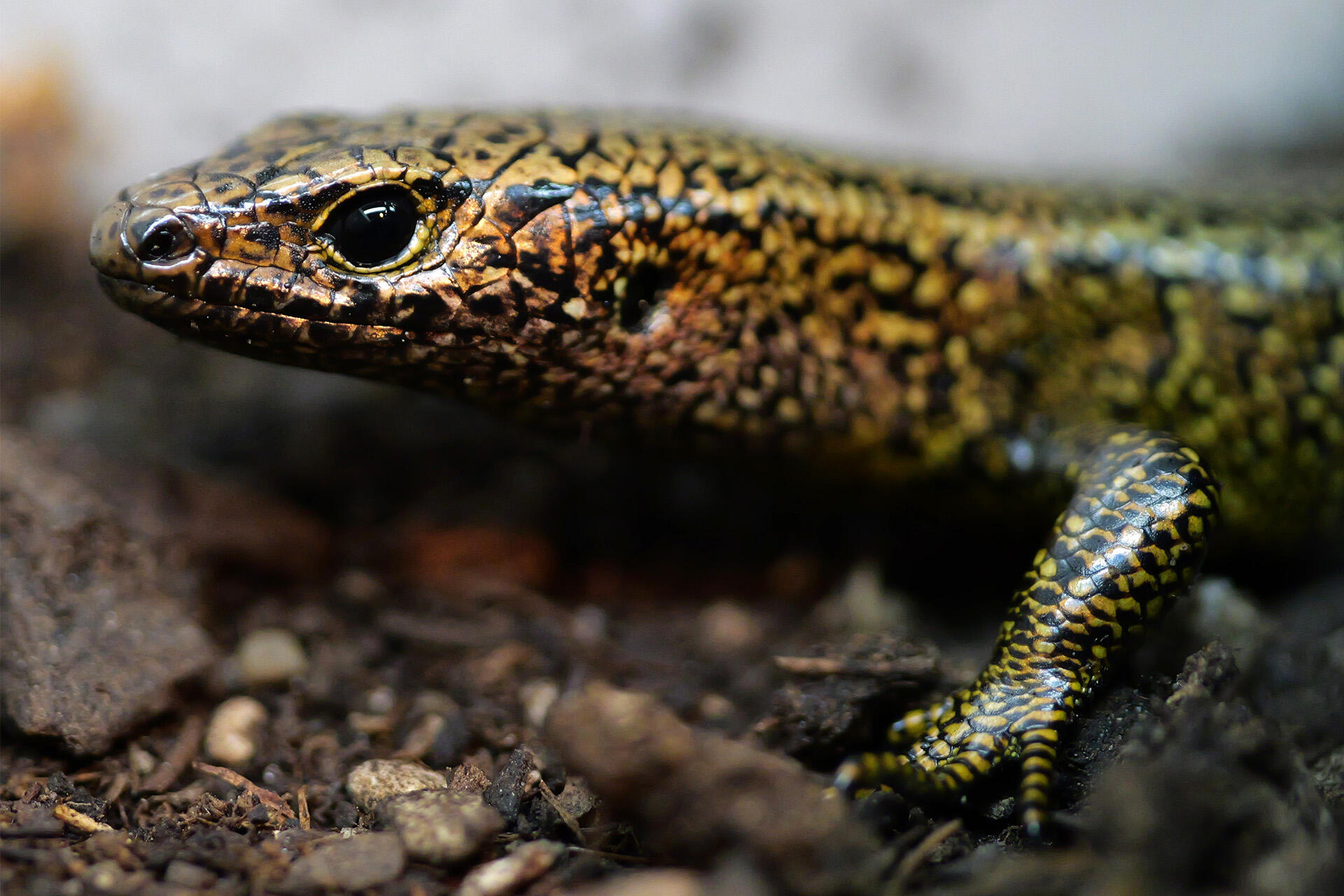
While very little is known about this highly cryptic skink and its life in such a complex, extreme alpine environment (temperatures alone can range from 3 °C to 30 °C) the Zoo is drawing on its long experience successfully caring for and breeding other rare Oligosoma species including grand, Otago, cobble, Kapitia and Alborn skinks.
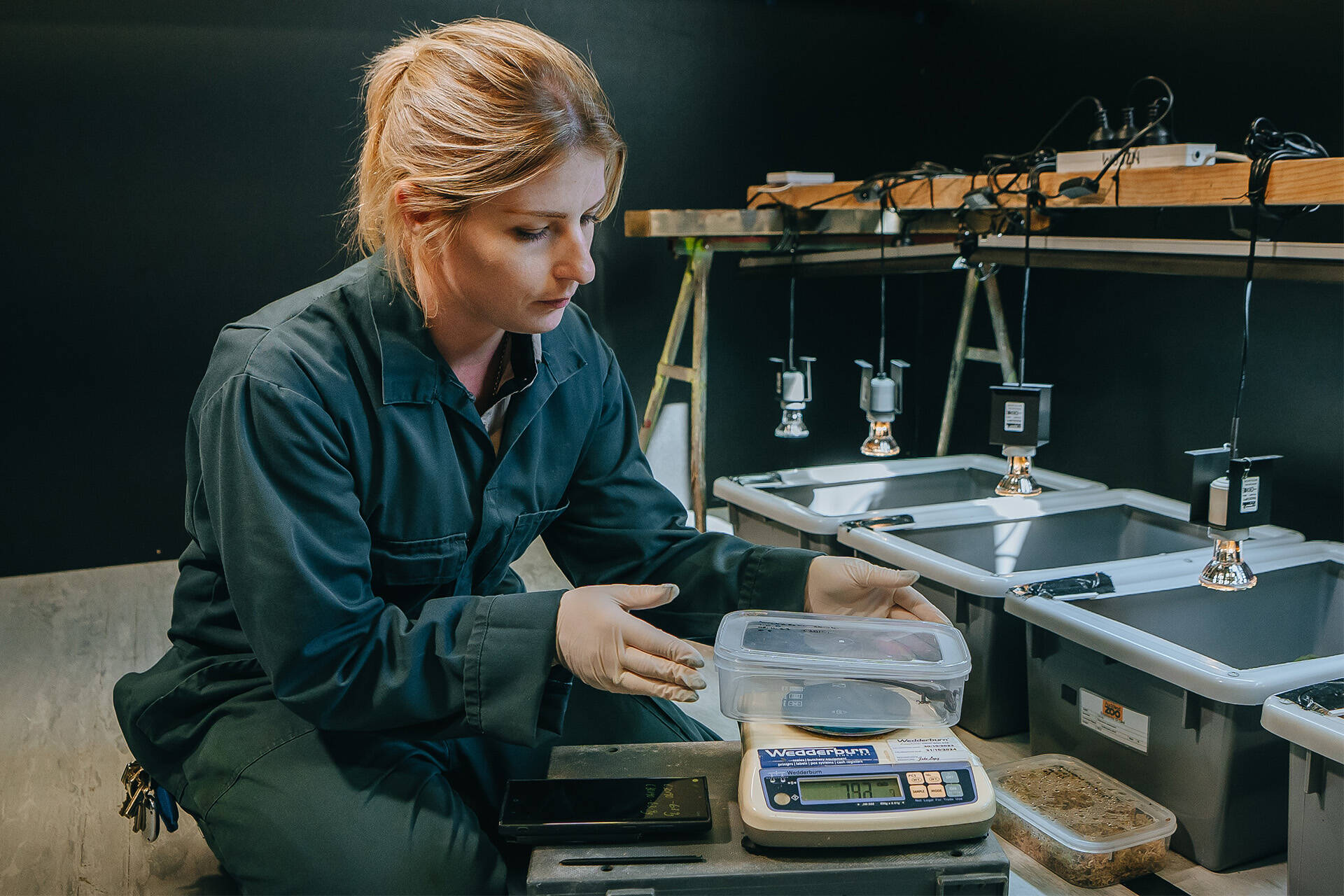
“Caring for a species ex situ for the very first time without detailed data on the microhabitats they use and thrive in, brings its fair share of challenges, but also some incredible opportunities. Our ability to provide for and observe the gravid females throughout their gestation and then witness via camera footage the birth of the offspring from the first salvaged adult female (the first ever recorded!) has been pretty extraordinary, and a career highlight,” says Sonja Murray, a lead keeper on the ectotherm team.
“In many ways, awakōpaka have behaved like other Oligosoma species we’ve worked with, which has enabled us to start with solid husbandry foundations and then refine things as we learn more about this taonga.
“These refinements have been influenced by our observations of the skinks and how they respond to the environment we provide. Their behaviour is very similar to what’s been seen in the wild – they’re naturally shy, bask ‘cryptically (as opposed to out in the open) and are quick to slip away from a warm halogen basking spot the moment they sense someone nearby.”
“For a species this endangered, seeing those natural predator evasion behaviours is exactly what we want, and every observation helps us tweak their environment and shape their care more accurately,” says Sonja.