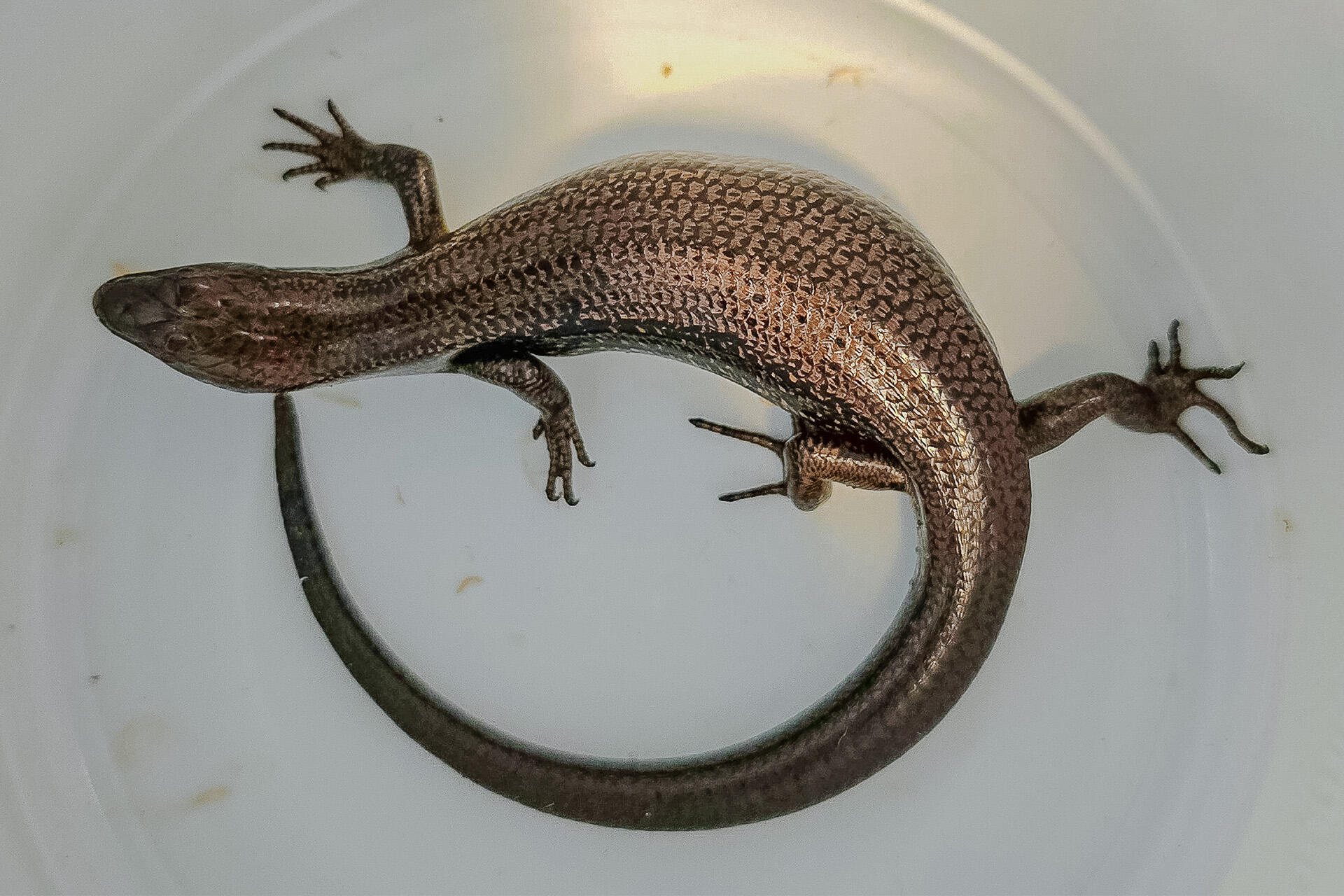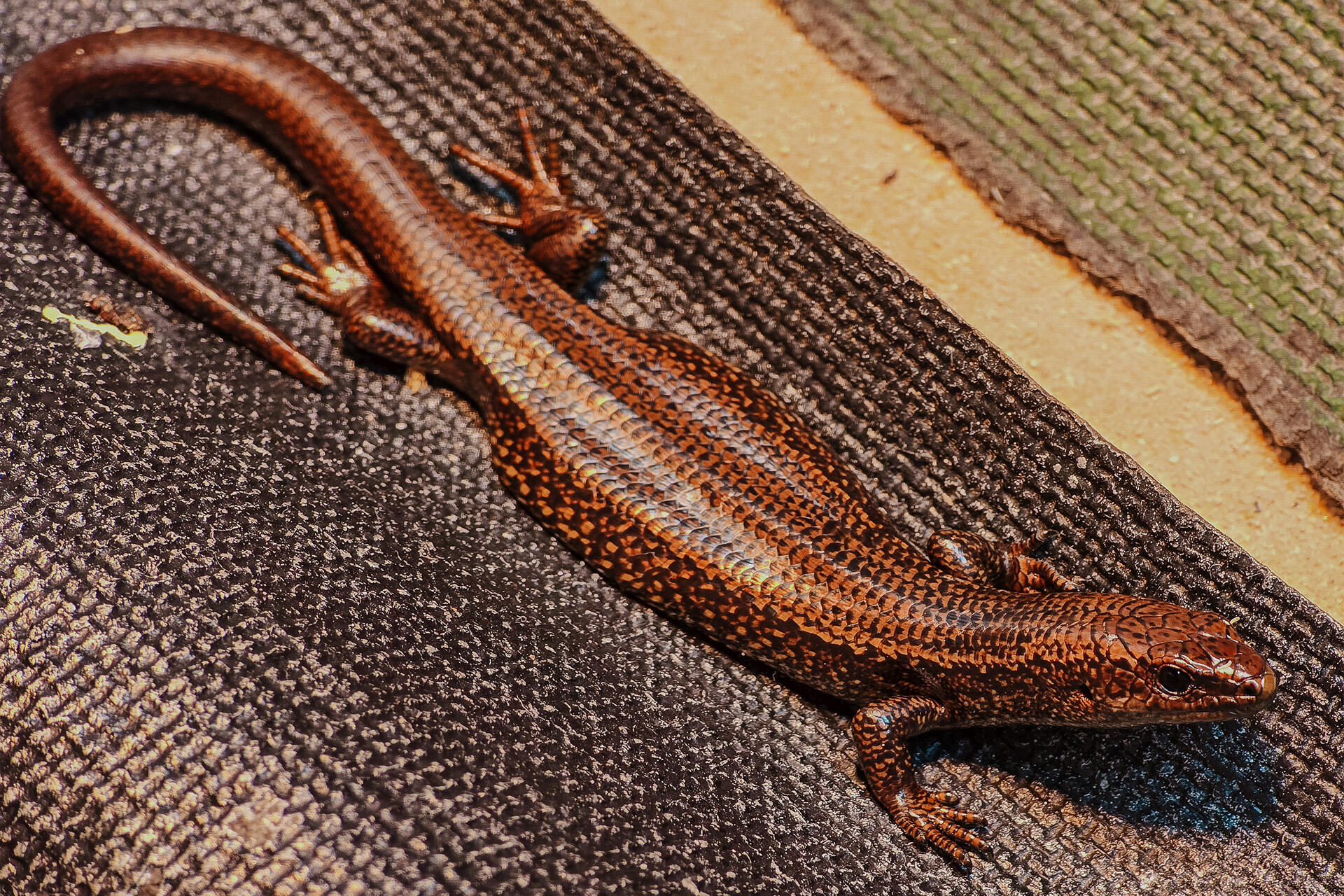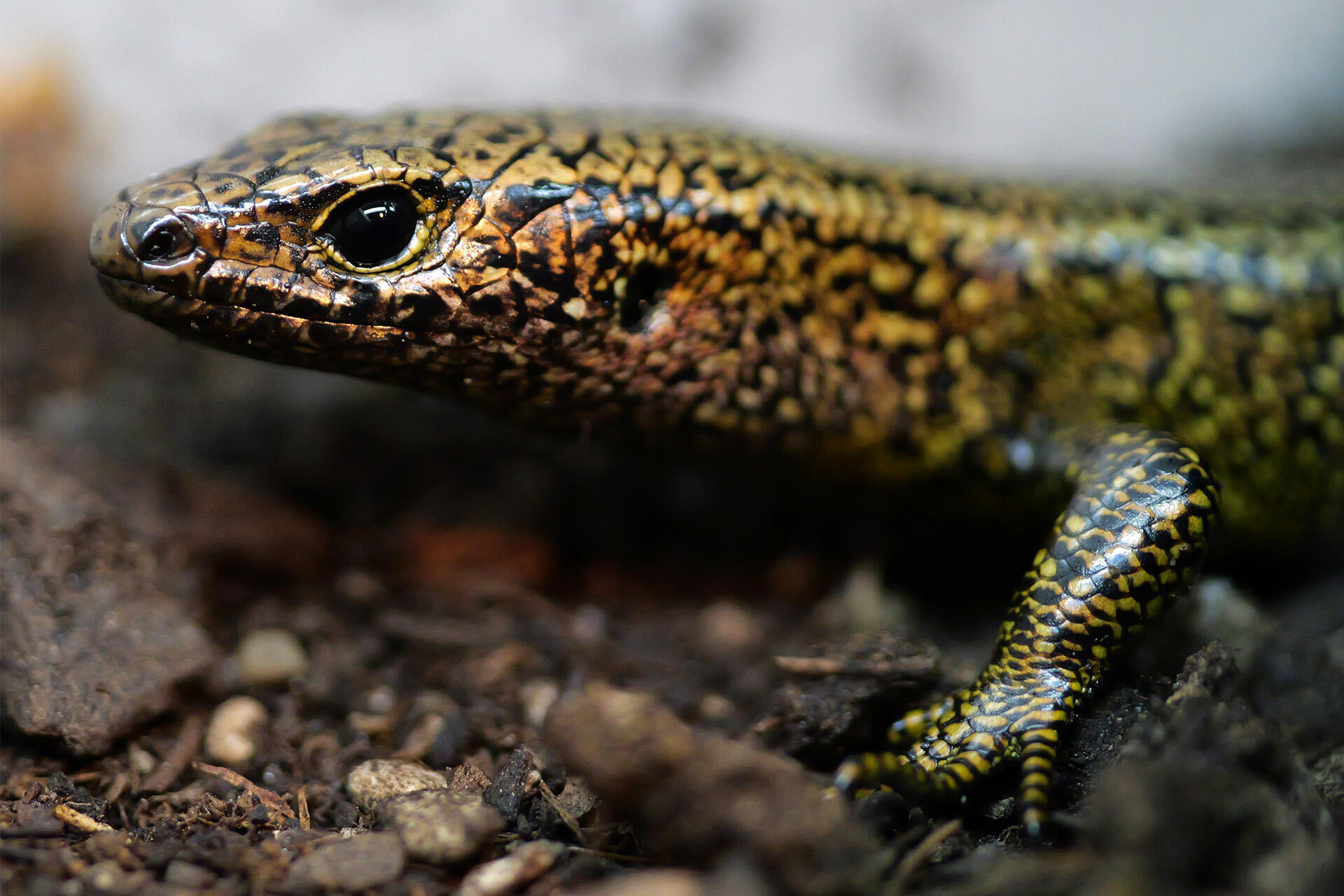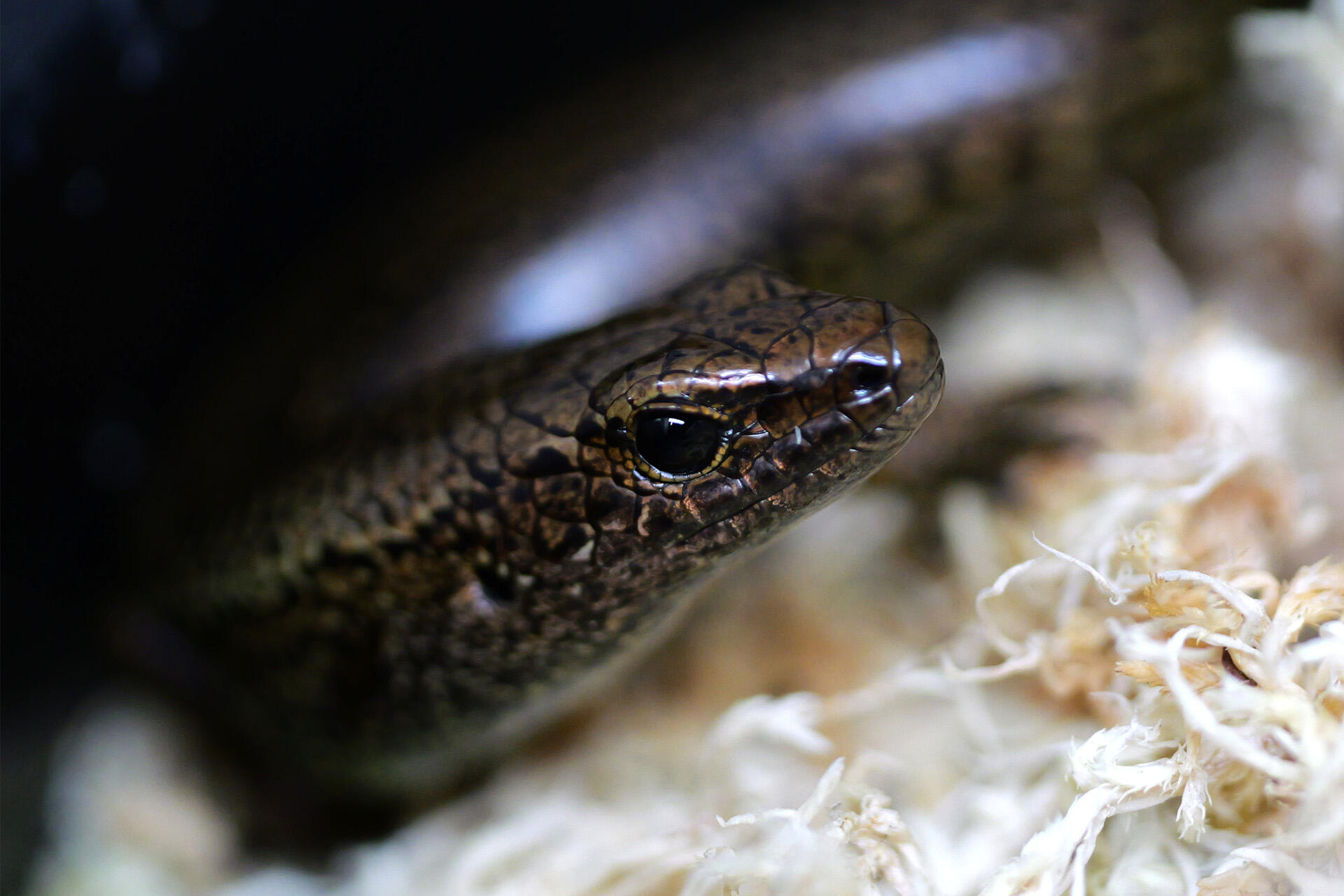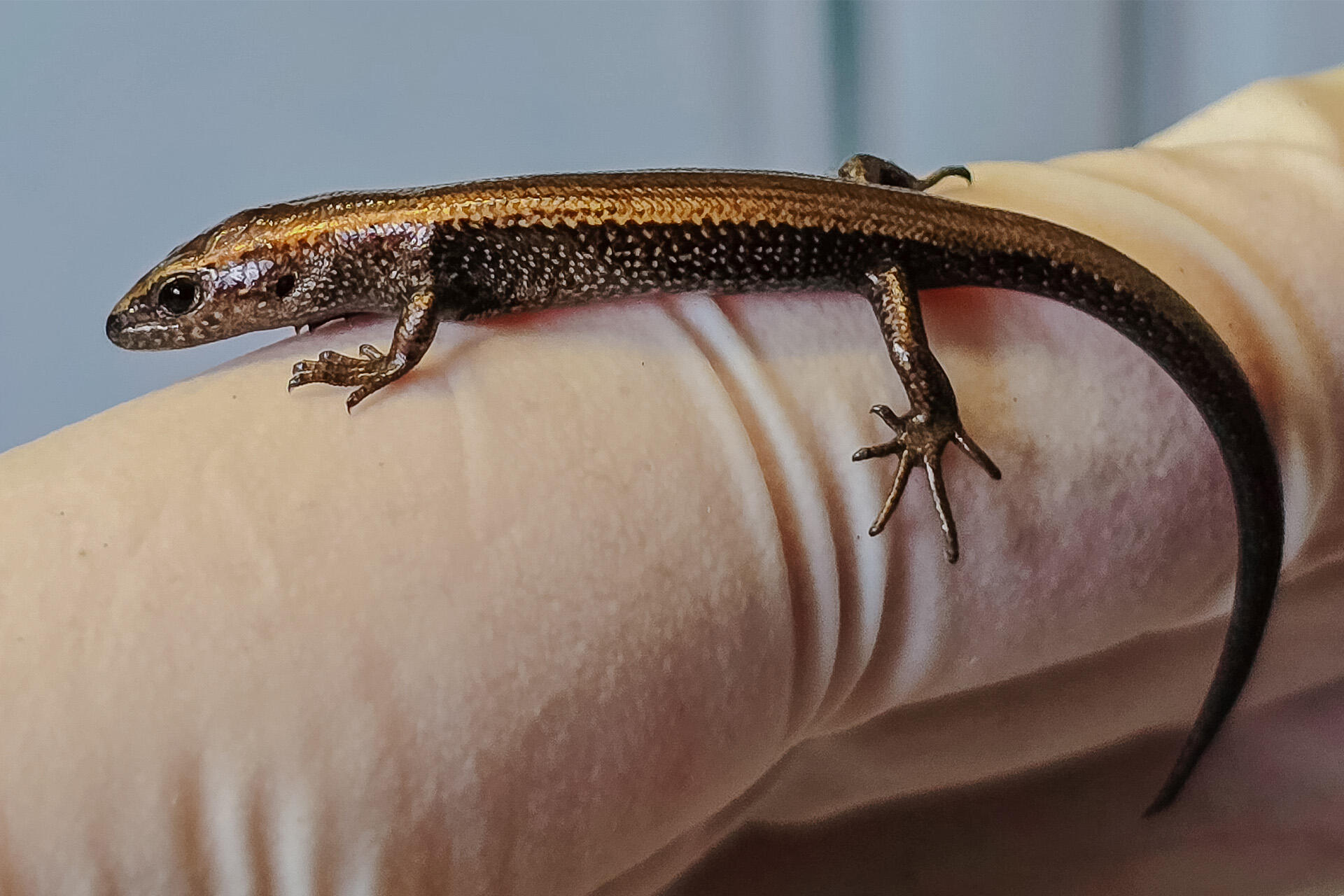

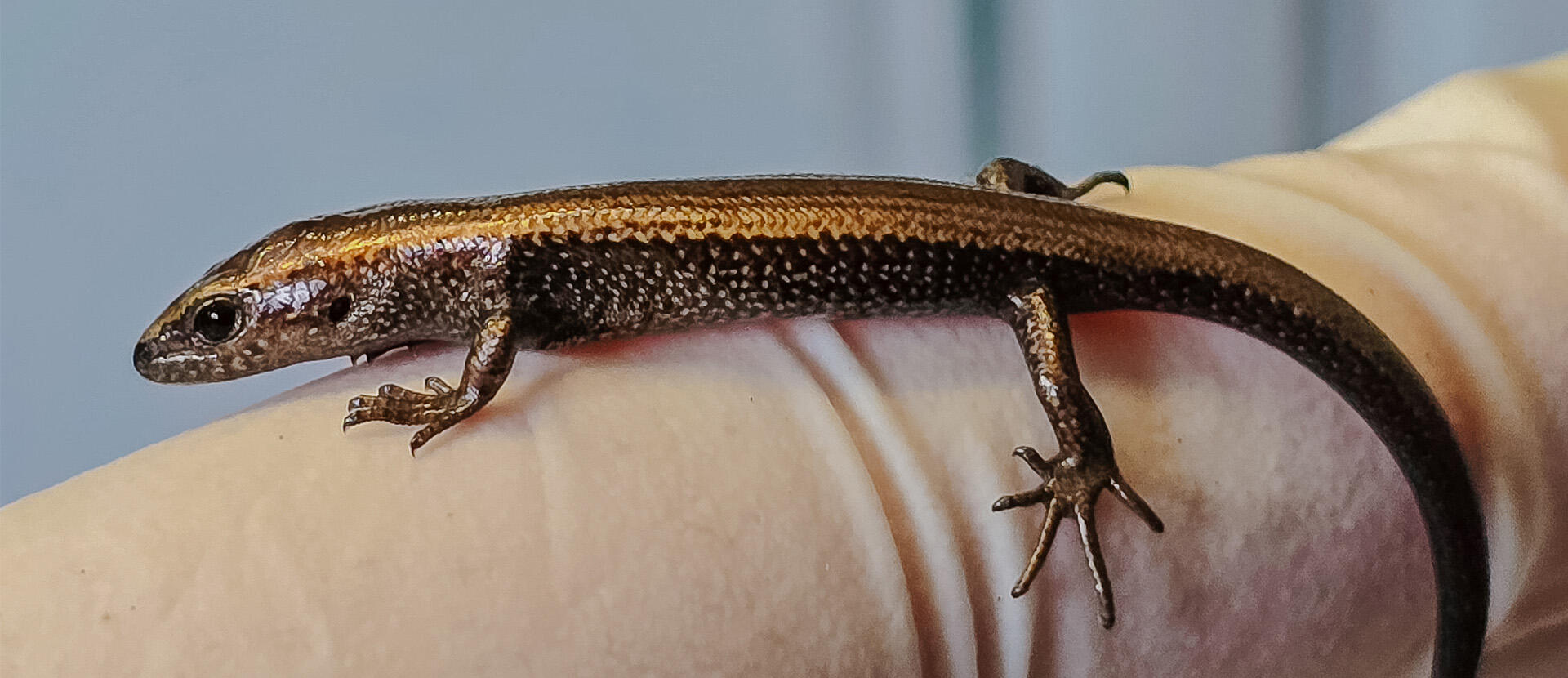
A second female awakōpaka – a rare endemic alpine skink (with fewer than 20 animals recorded in the wild) has given birth to a healthy offspring here at Auckland Zoo!

This pregnant female was urgently translocated to the Zoo from Fiordland’s Homer Saddle last summer as part of a team effort with our Department of Conservation (DOC) colleagues and Ngāi Tahu to help prevent the extinction of this ‘Nationally Critical’ taonga.

With this latest Spring birth and earlier births in May from the first female translocated to us last November, the Zoo is now home to a cohort of nine awakōpaka as part of a husbandry research programme to learn more about this little-known species.   

While adult awakōpaka are pretty small - this newest adult female weighed just 8.4 grams prior to giving birth – the babies are really tiny. Imagine a third of a paper clip (0.32-0.42 grams) - that’s about the weight of a newborn awakōpaka!

Our skilled ectotherm keepers are caring for these skinks in a special climate-controlled facility – providing them with a range of fluctuating temperatures and humidity to create an environment that closely resembles what they would experience in their high-altitude home in Fiordland. Awakōpaka feed on a variety of invertebrates and tiny native fruits. Here at the Zoo, they are given hatchling locusts, baby crickets, moths and their lava, and native fruits.
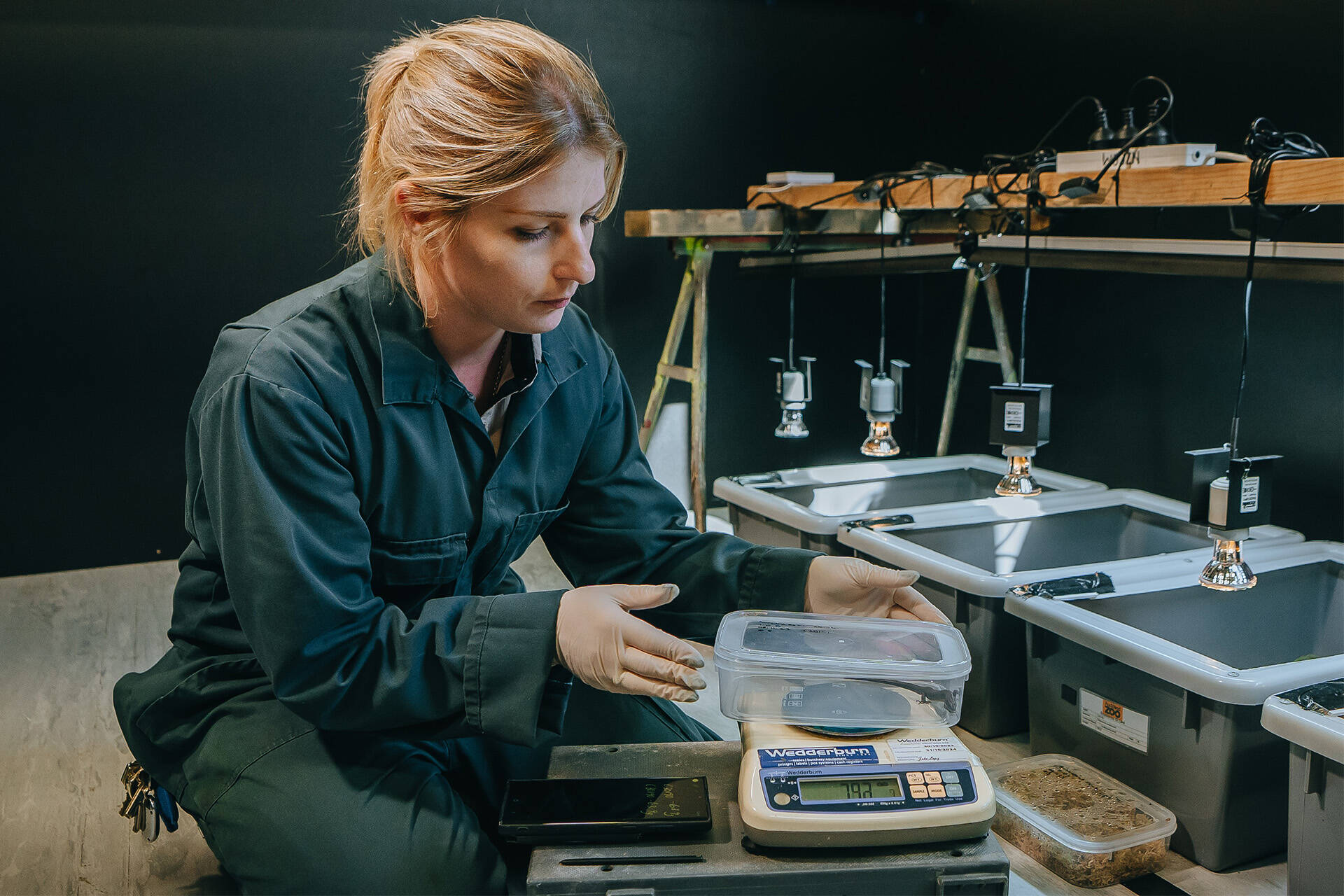
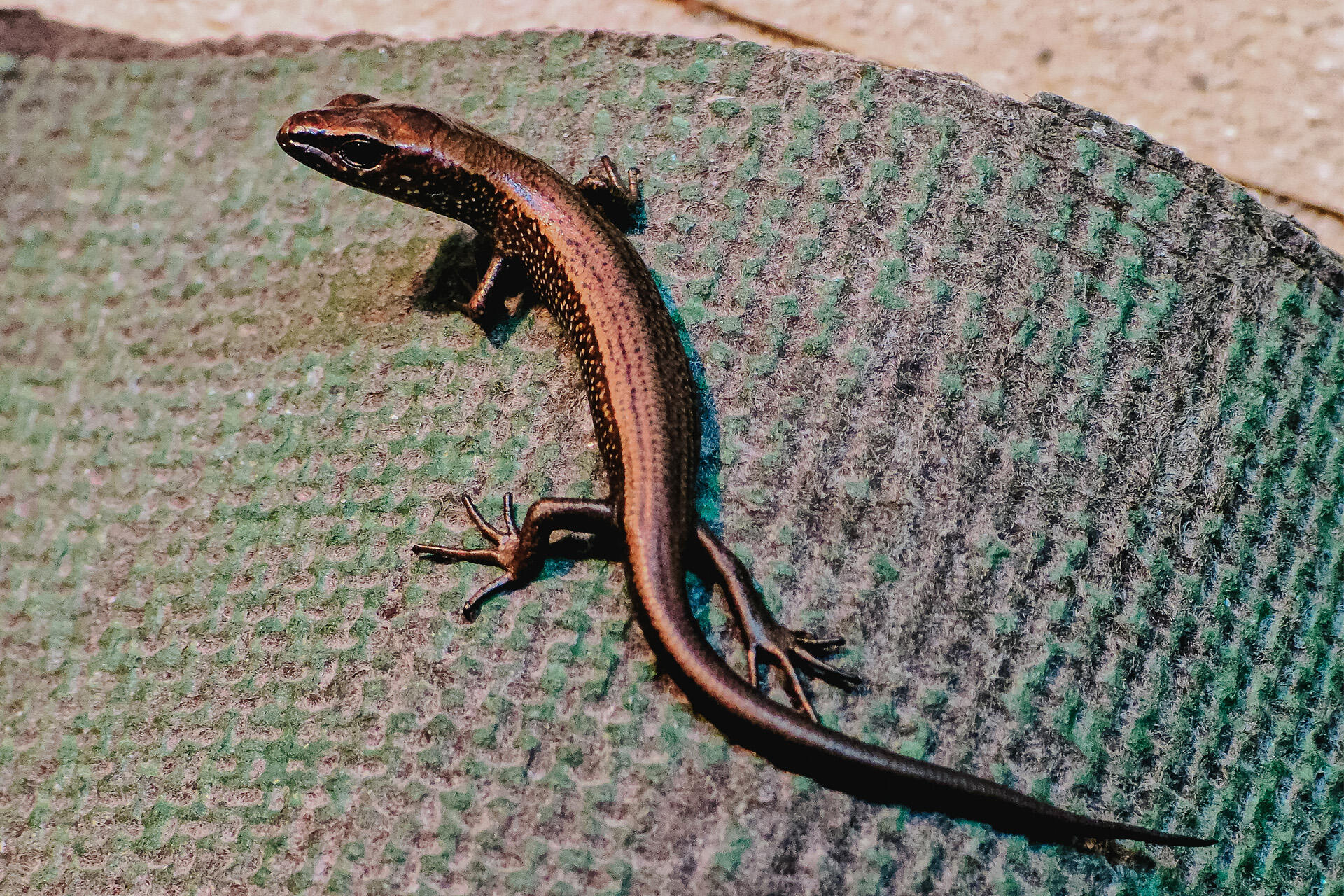
Lead ectotherm keeper Sonja says both mum and newborn are doing well and like all the other adults and older juveniles, are housed in their own individual habitat.

“Their feeding responses and activity levels as well as their respective body conditions are indicating to us that they’re in good health, and it’s exciting to see this progress.

“Because this species has never been housed in human care before, and only limited wild observations exist, we don’t yet know what ‘normal’ behaviour looks like. We’re taking an adaptive approach and drawing on all our knowledge of similar skink species and observing very carefully and adjusting as we learn,” explains Sonja.

Like nearly all lizard species in Aotearoa, introduced mammalian predators are an existential threat to awakōpaka. Our DOC colleagues carry out extensive rodent control across the species’ very challenging known distribution and are continuing to search for these skinks in other bluffs in the area.

With warmer weather approaching Zoo ectotherm keepers and DOC staff will likely head back out to the Homer Saddle soon, to search for more female awakōpaka to add to the Zoo cohort. As we shared earlier this year, with our team continuing to learn and refine husbandry techniques, we can be prepared to ramp up the breeding programme for a larger safety-net population and/or if required, even reintroduction to the wild.

We’ll keep you posted!