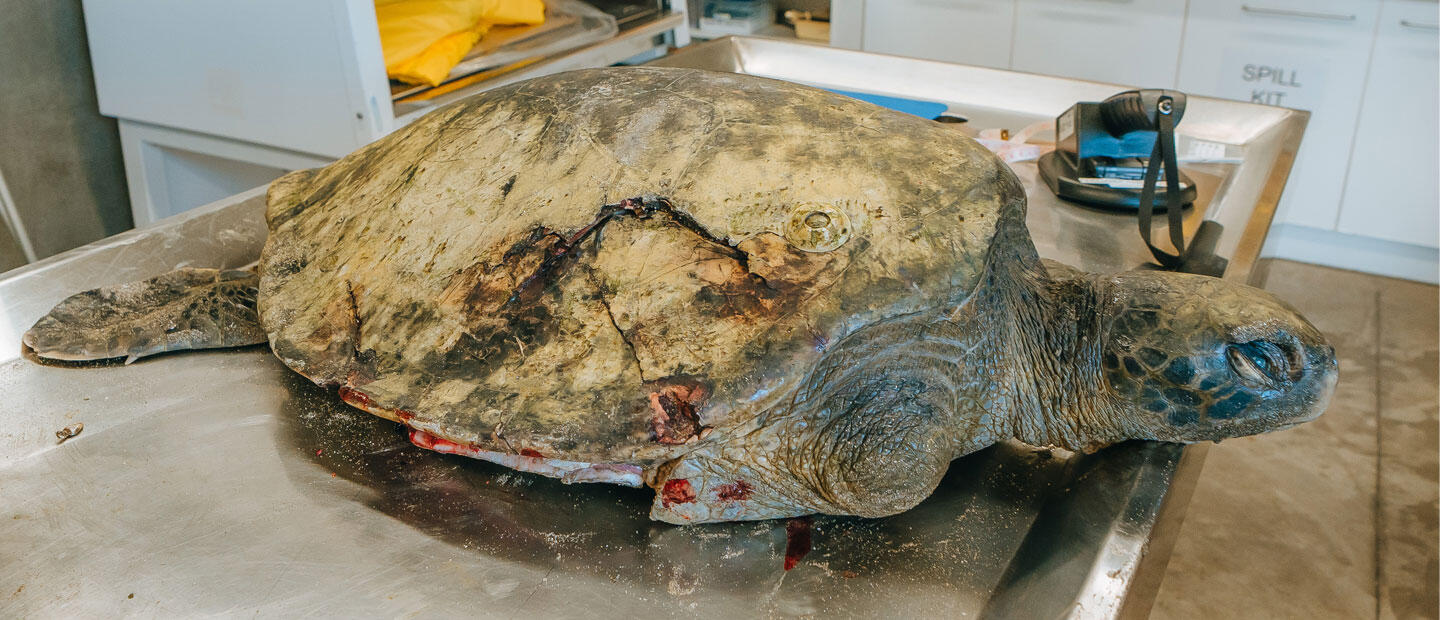
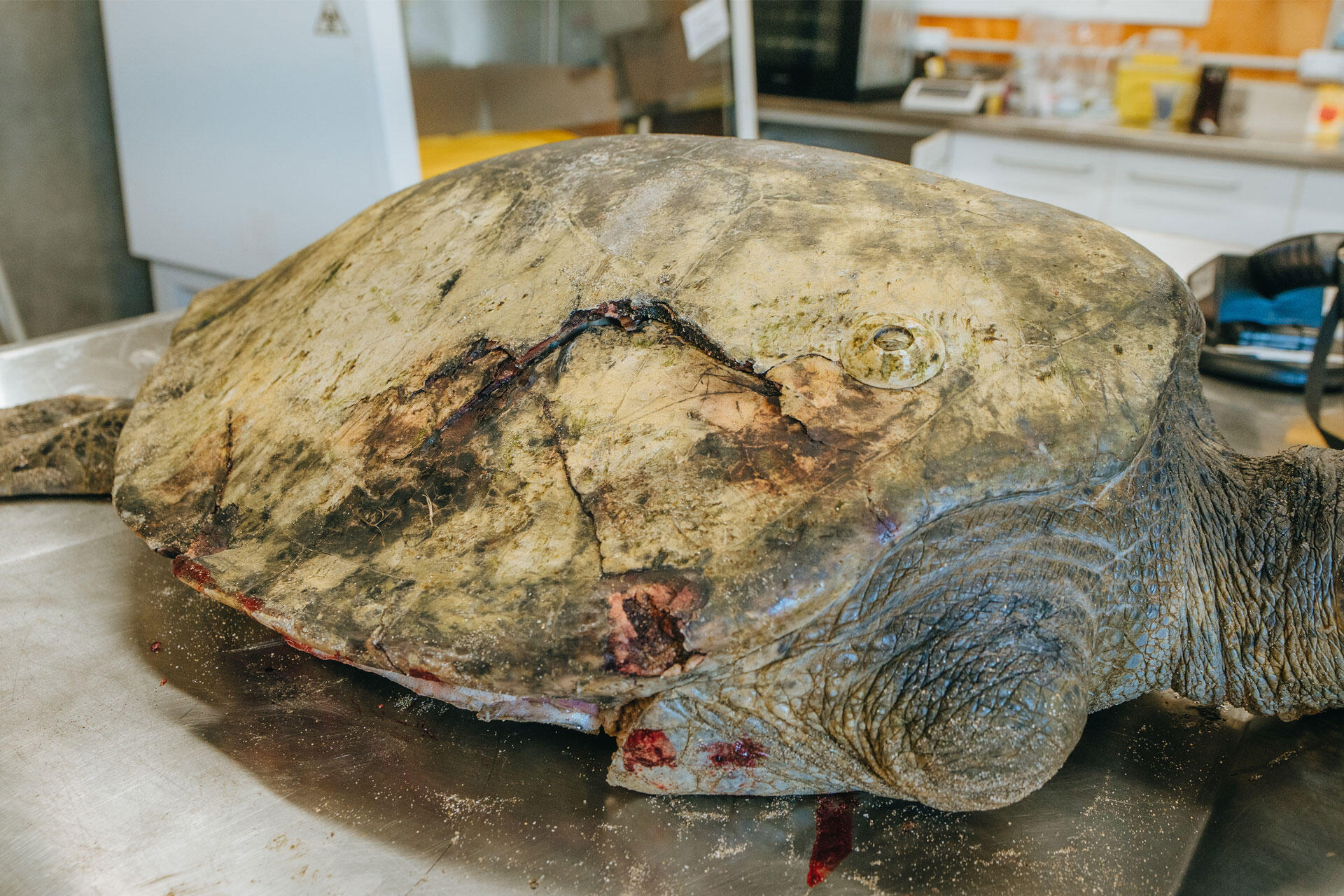
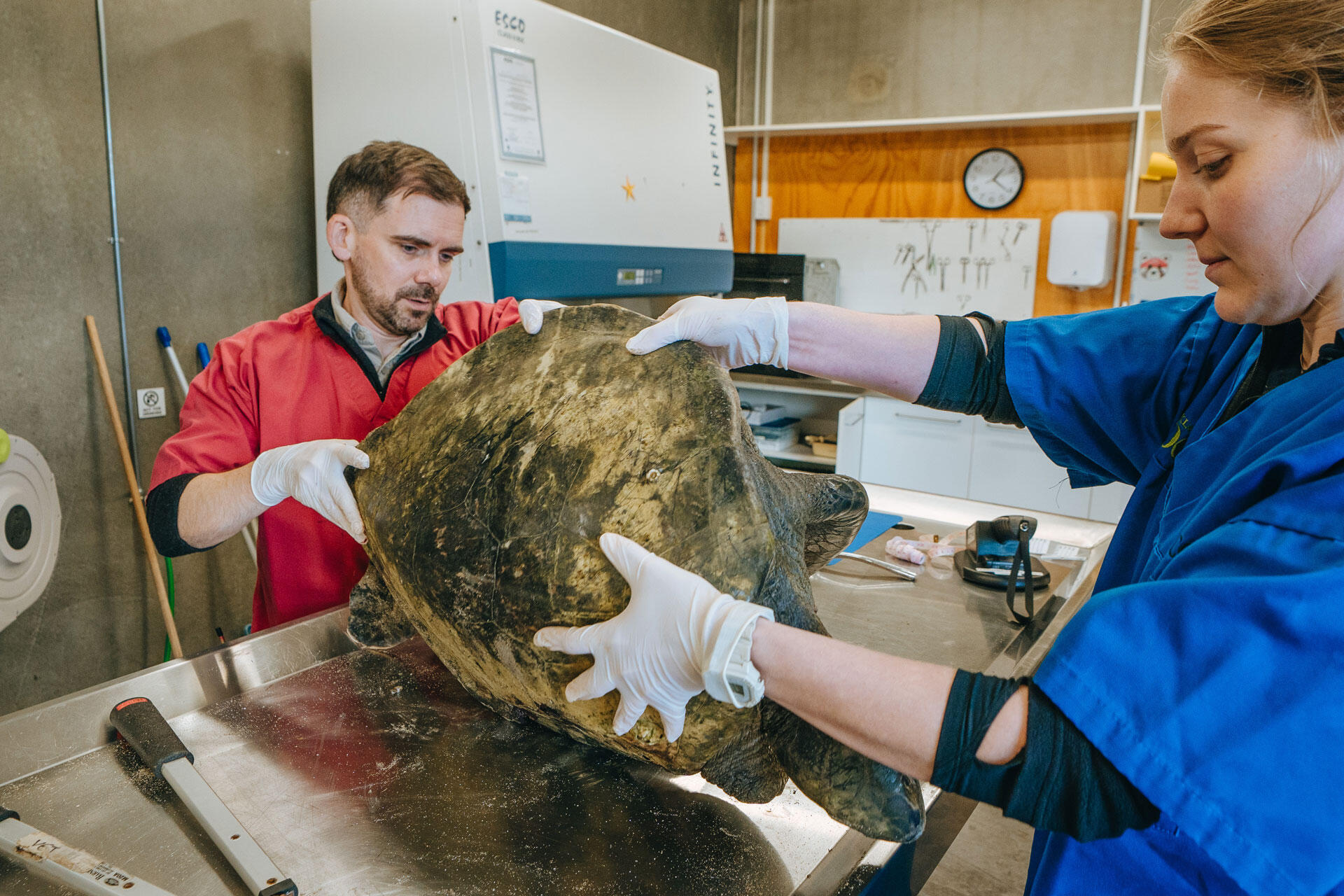
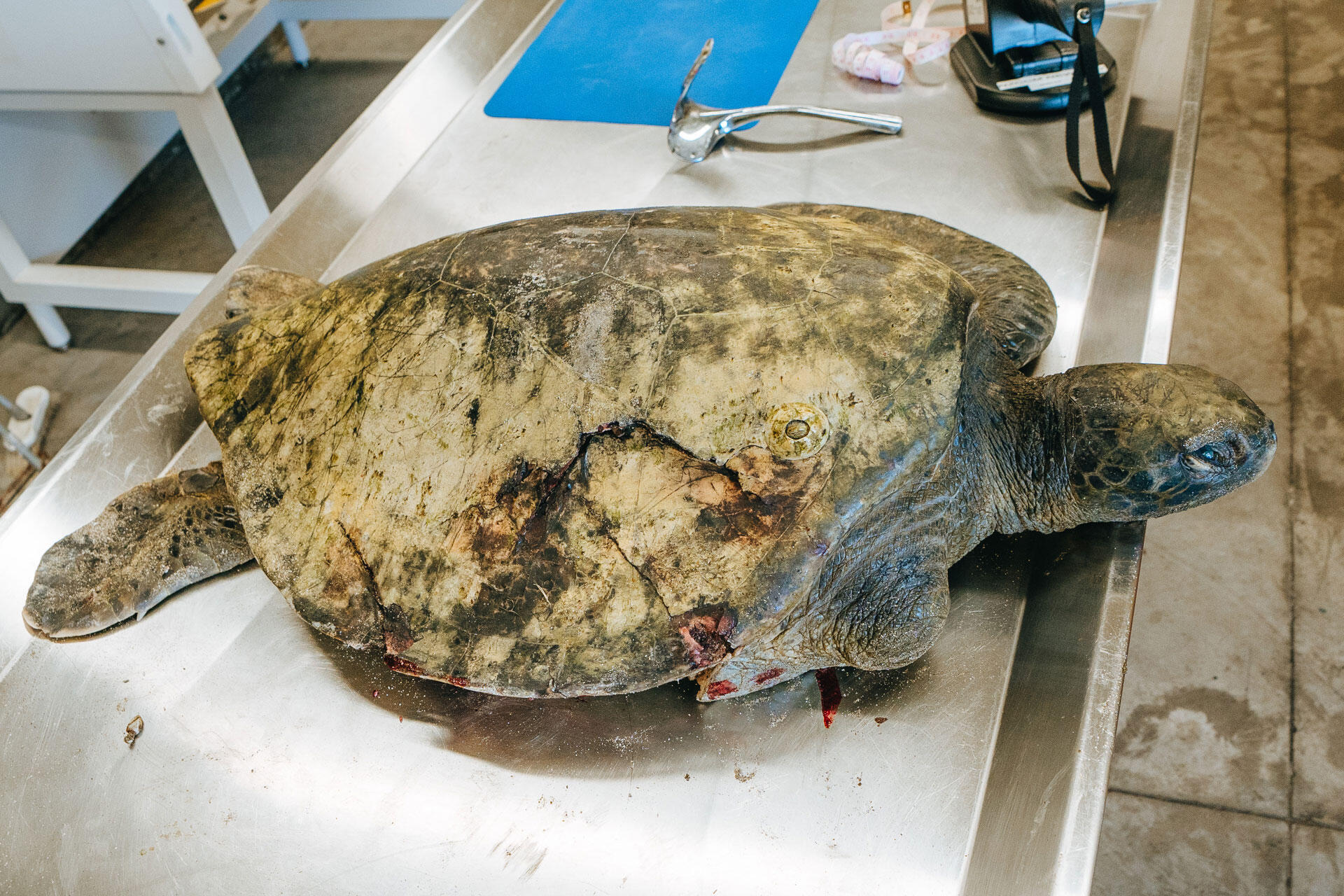
This beautiful Pacific green honu/sea turtle’s life was recently cut tragically short after she was fatally struck by a boat in the Hauraki Gulf.

Found stranded on a Whangaparāoa beach at Matariki Weekend by a member of public - who rightly notified the Department of Conservation (DOC), she had large fractures to her highly sensitive carapace (shell) consistent with major trauma caused by a boat strike. These were severe and critical injuries, and she died prior to arriving at Auckland Zoo’s veterinary hospital.

This ‘Team Turtle’ patient was thriving in wild

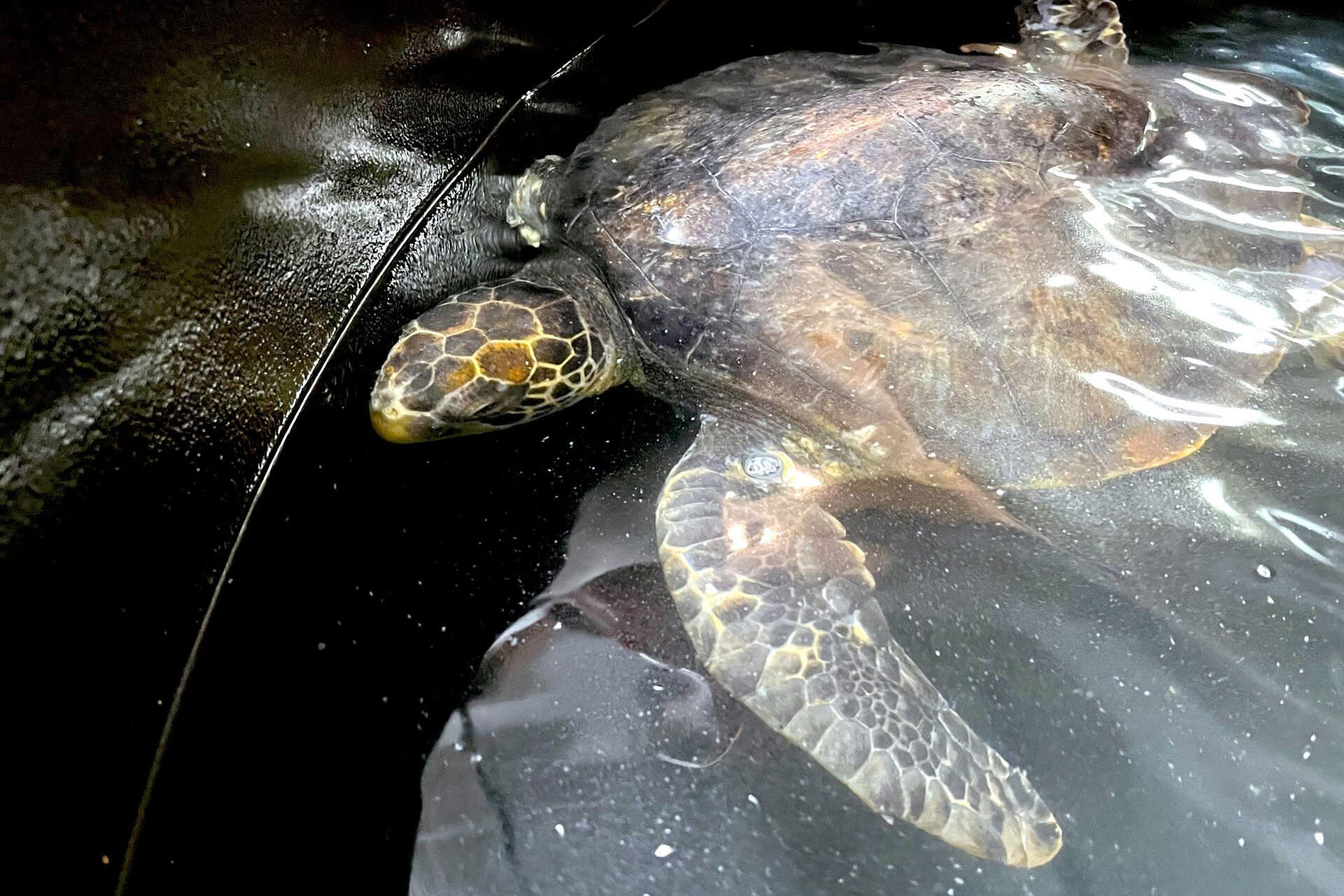
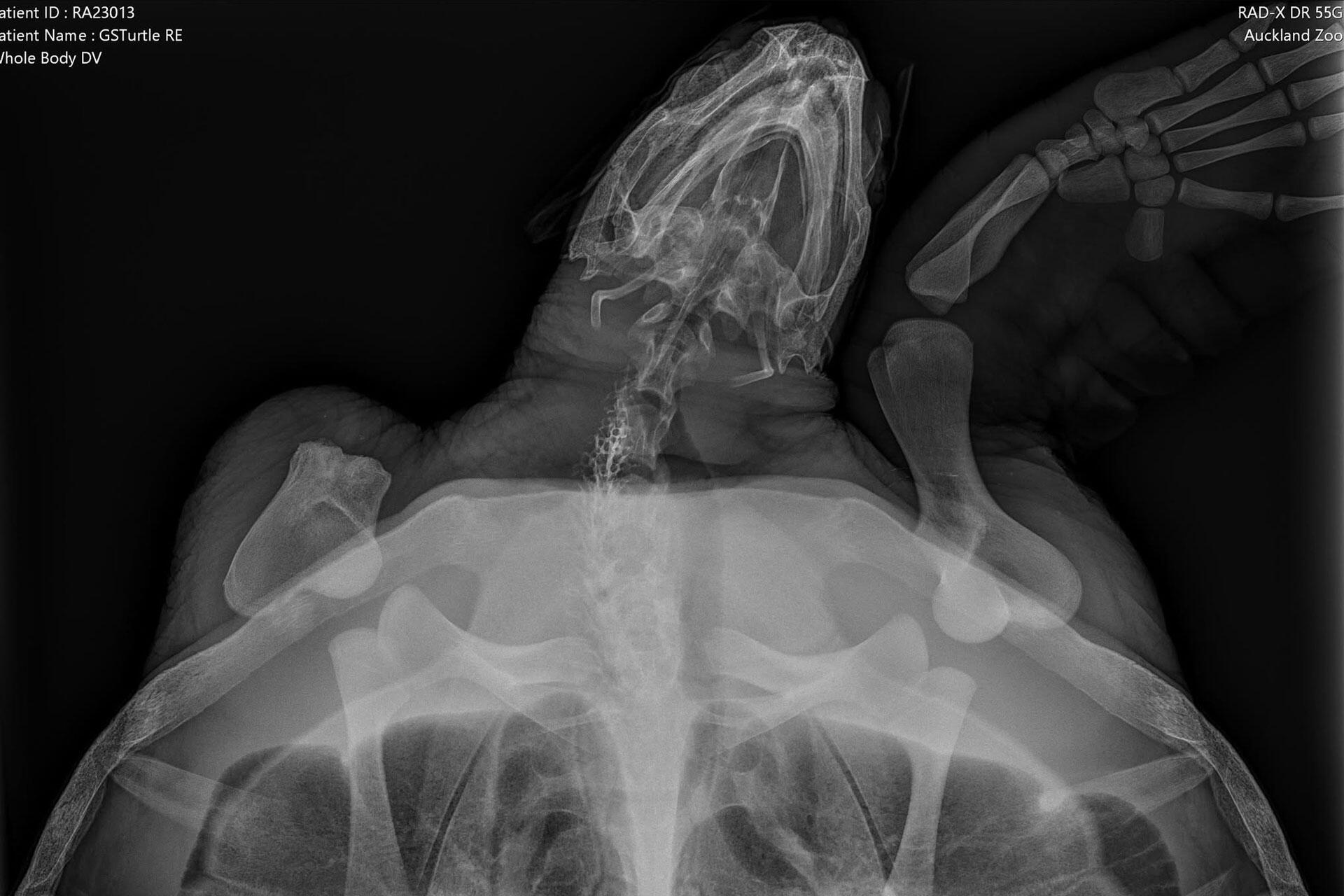
Named Waewae Toru (meaning ‘three foot’) due to her missing her right front flipper, this turtle was no stranger to us. She was a former patient of Auckland Zoo’s and our Team Turtle colleagues - DOC and SEA LIFE Kelly Tarlton’s, with iwi partners - identified from her microchip and flipper tags.

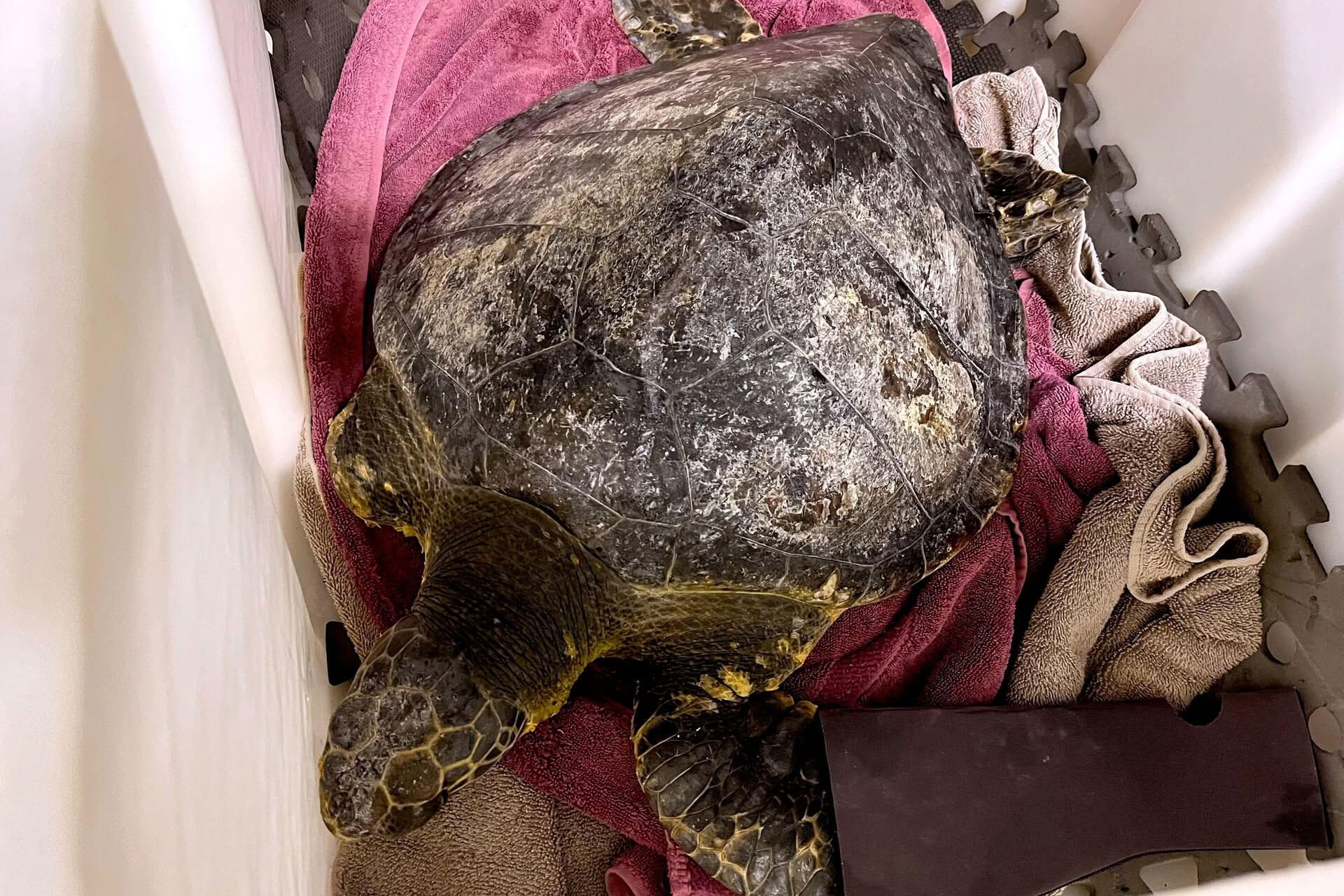
“We first treated Waewae Toru in August 2023 after she washed up on a Dargaville beach – critically ill and suffering from a severe respiratory infection. Her missing flipper was a separate, old and well-healed injury. After stabilisation and intensive treatment at the Zoo for the pneumonia, she was successfully rehabilitated by the SEA LIFE Kelly Tarlton’s team and in December 2025, released back to the wild at Northland’s Rangiputa beach,” says Auckland Zoo’s Senior clinical veterinarian, Dr Adam Naylor.

“Our post-mortem examination revealed that apart from her physical injuries, Waewae Toru was in excellent body condition with intestines full of food, so she had clearly been thriving in the wild. After such a long journey back to health and progressing so well, it’s particularly sad that this long-lived turtle (her species can live up to 80 years!) has had her life cut short in this way."


Top tips to help reduce boat-sea turtle collisions

Sea turtles are seen in the Hauraki Gulf and other coastal regions of the upper North Island year-round and are a protected species under New Zealand’s Wildlife Act 1953.

Like our Team Turtle colleagues, our veterinary team say the loss of Waewae Toru is a reminder to everyone to take great care when out on the water.

  1. Slow down in known turtle habitat (i.e. coastal waters of the upper North Island) – the most effective way to see and avoid these marine reptiles
  2. Have a spotter – nominate one of your crew to look out for sea turtles and alert the captain
  3. Wear polarised sunglasses – to help see below the sea surface to spot turtles
  4. Fit a propeller guard – consider fitting a propeller guard to keep sea turtles away from blades and reduce the risk of fatal injury

How you can help sea turtles

Report all sightings: If you come across a sea turtle on a beach in Aotearoa New Zealand, it is very ill and needs immediate veterinary care - please ring 0800 DOC HOT (0800 362 468).

If you can, you could also take a photo in case DOC ask for this when you phone them.  If you see a sea turtle in the ocean (i.e. not ill) then please consider emailing it to DOC’s email, which will help with monitoring of this taonga.

Quick facts about sea turtles 

  1. Pacific green sea turtles (a subspecies of Helonia mydas green sea turtles) hatch on the west coast of Central America including Mexico, island of Hawaii, and the Galapagos Islands.
  2. Surviving in the wild with just three flippers may sound impossible, but sea turtles cope extremely well. (They use their front flippers to propel themselves forward and back flippers as directional rudders. As opportunistic feeders on grasses, crabs, jellyfish and other invertebrates, they don’t need to hunt fast-moving prey but glide above the sea floor, so food - when available - is relatively easy to source).
  3. While green sea turtles can be found in New Zealand’s warmer waters as juveniles and sub-adults, they do not nest or breed here.
  4. Sea turtles have existed for around 150 million years – their ancestors swam alongside the dinosaurs!