
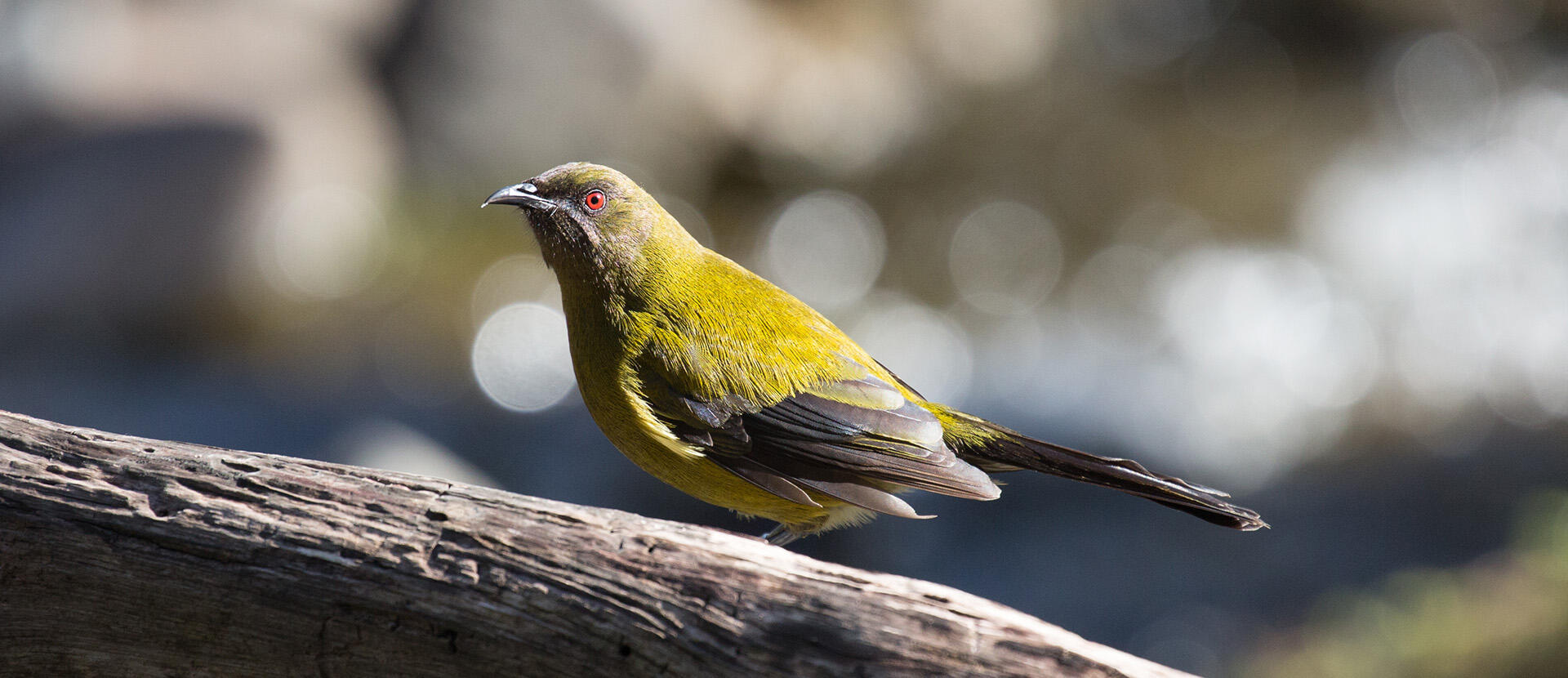
Nature's nectar guardian
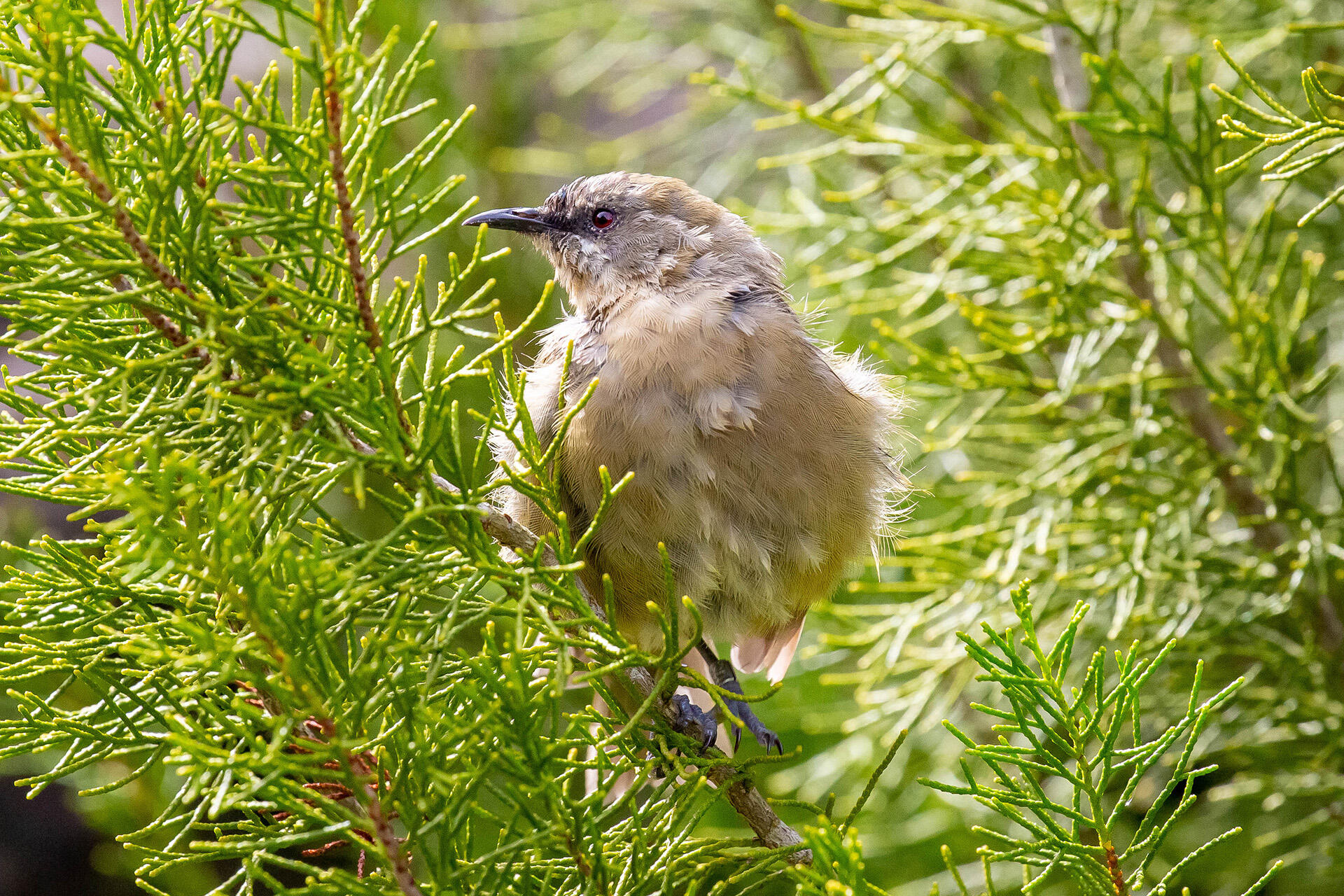
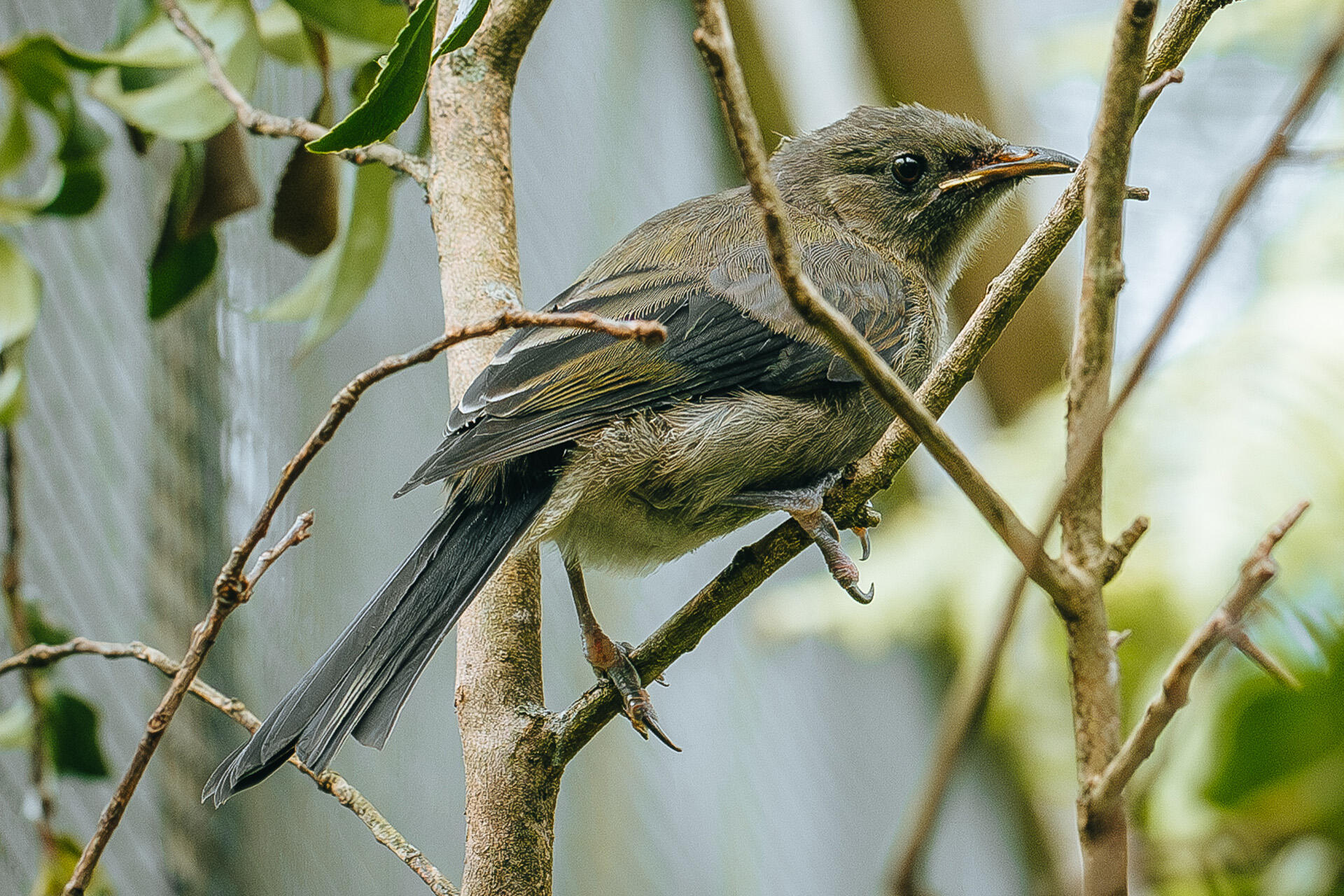
Although korimako have a toothbrush-like tongue adapted for reaching deep into flowers to access nectar, their diet also includes fruits and insects. While feeding on nectar they help pollinate many native trees and shrubs. When they later eat the fruits those plants produce, they disperse the seeds. In this way, the korimako supports forest regeneration in two important ways: through pollination and seed dispersal.
Same bird, different suit
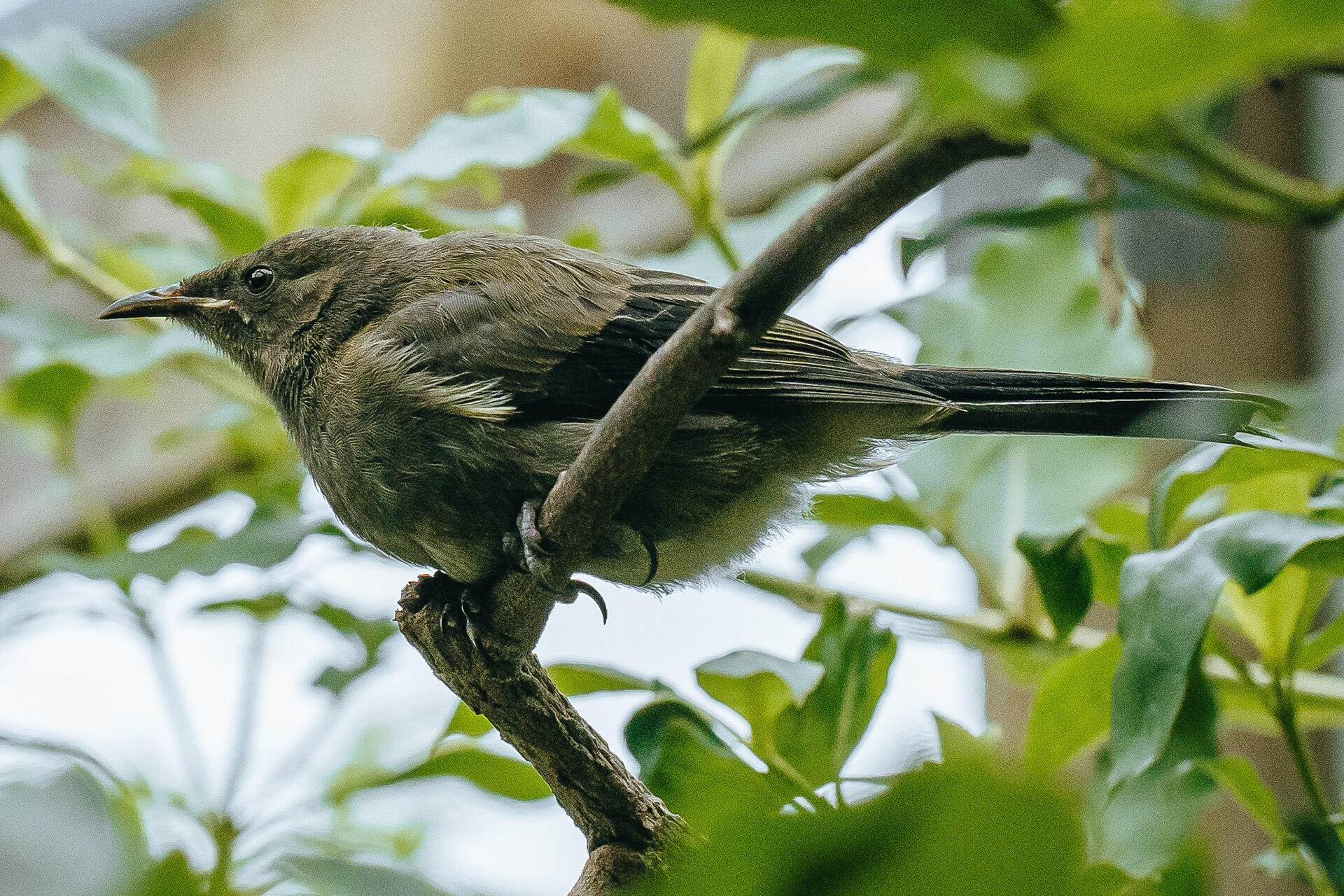
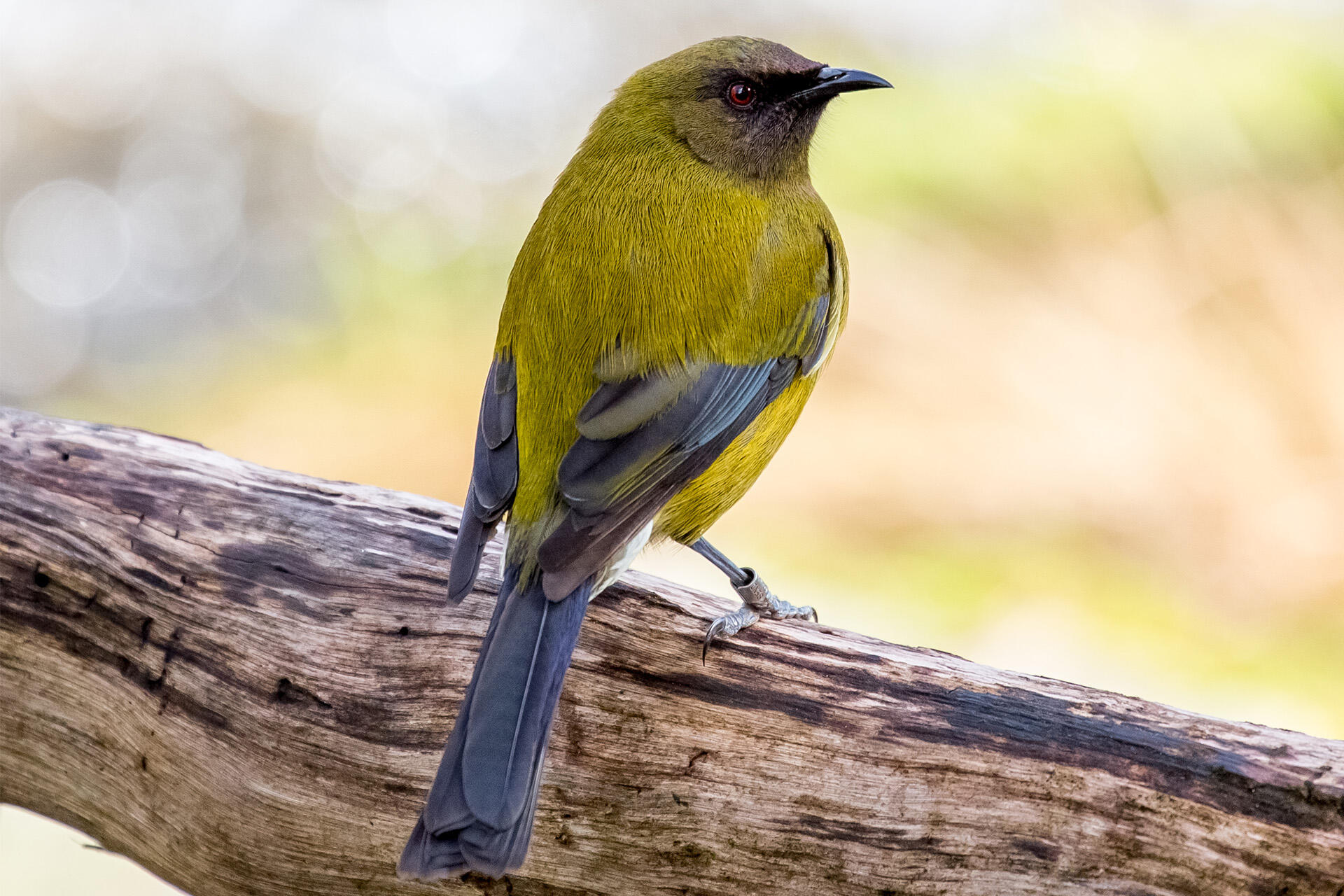
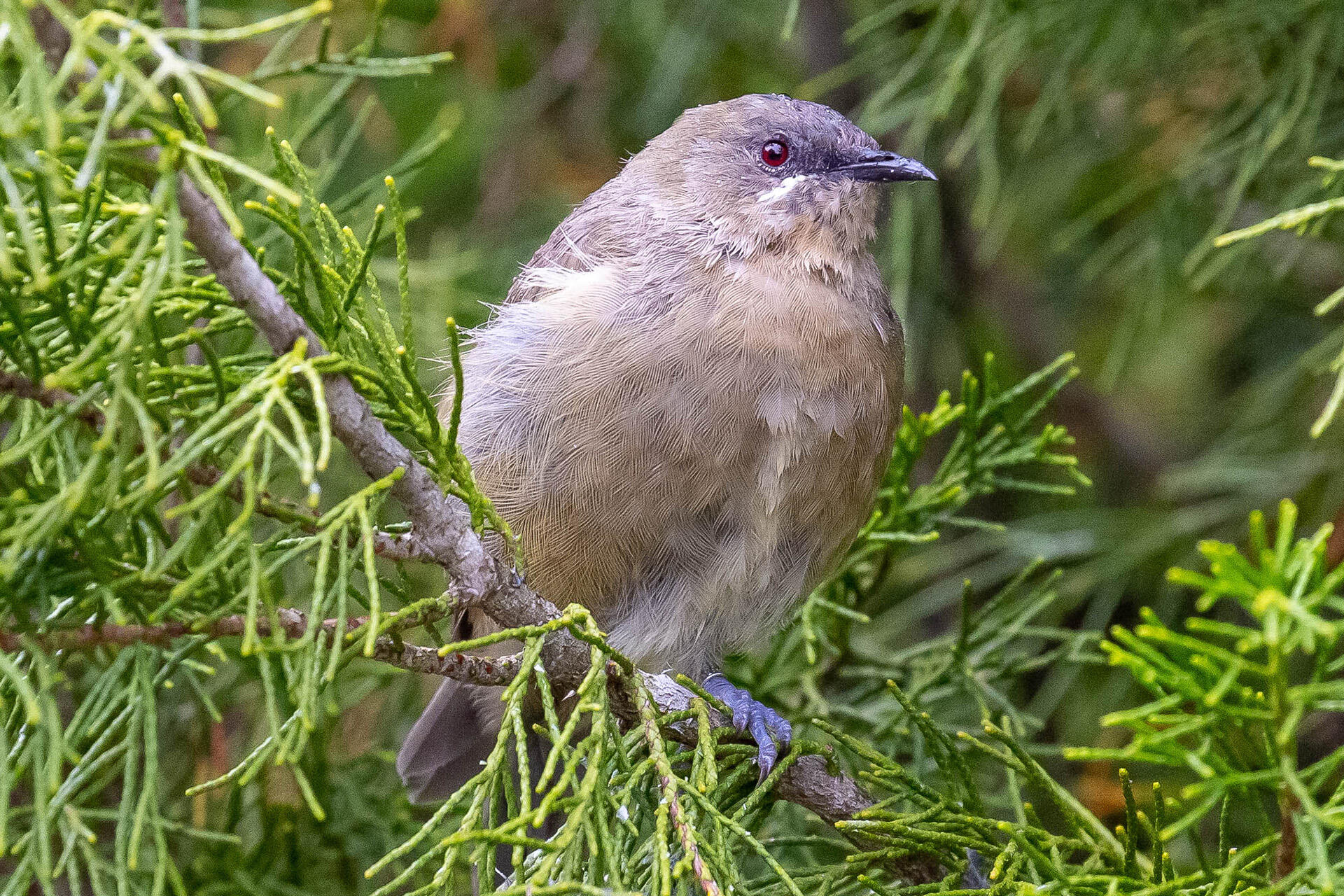
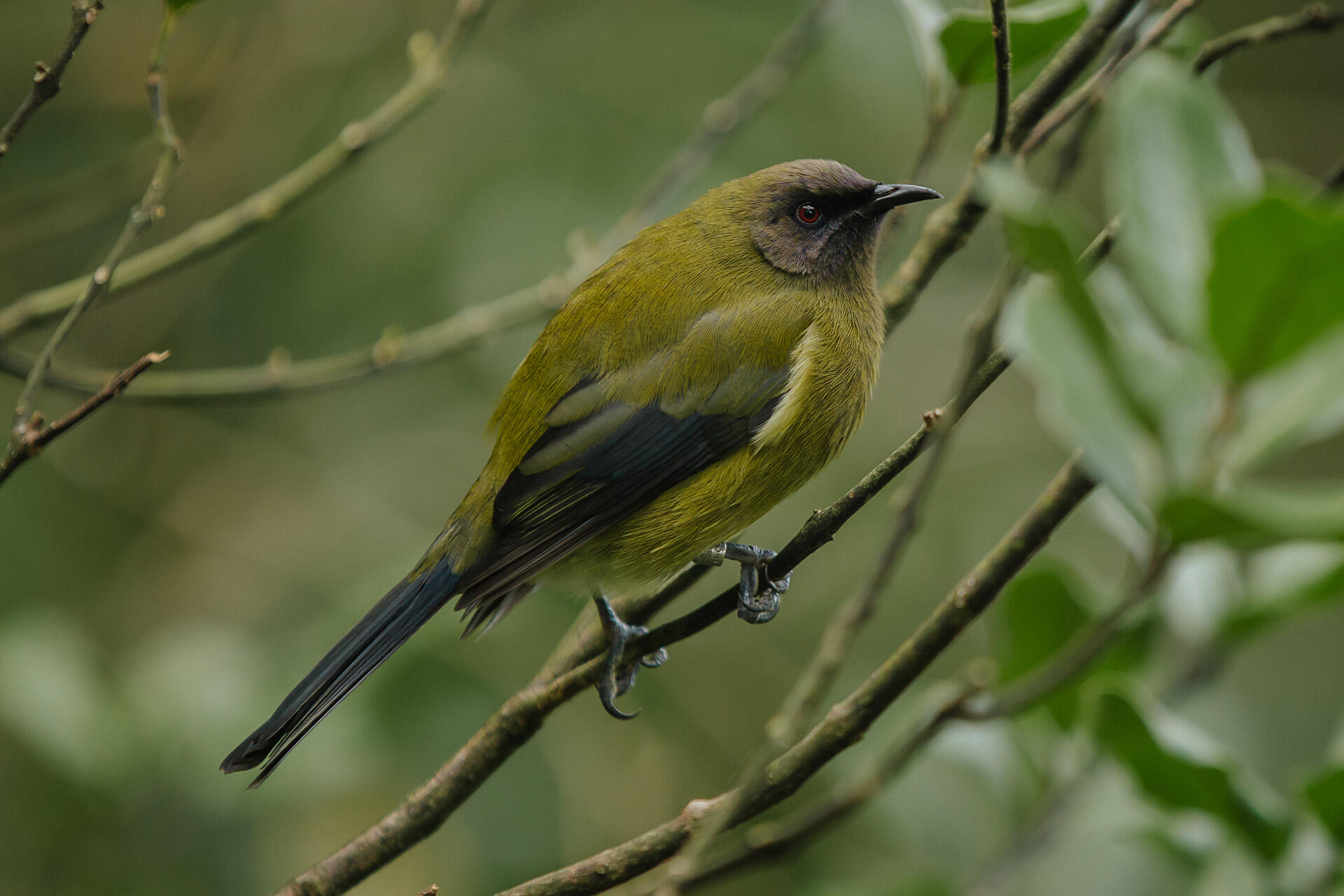
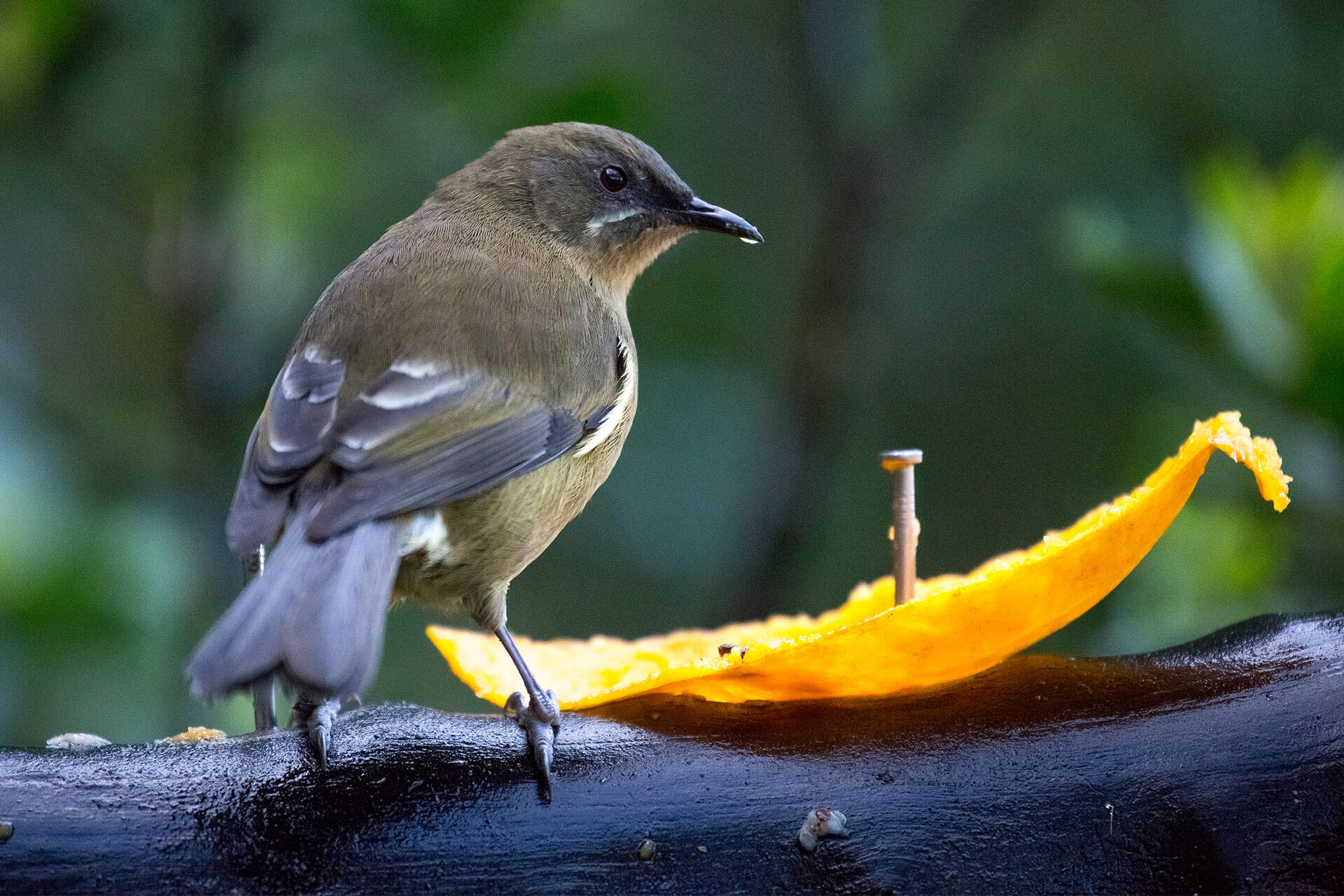
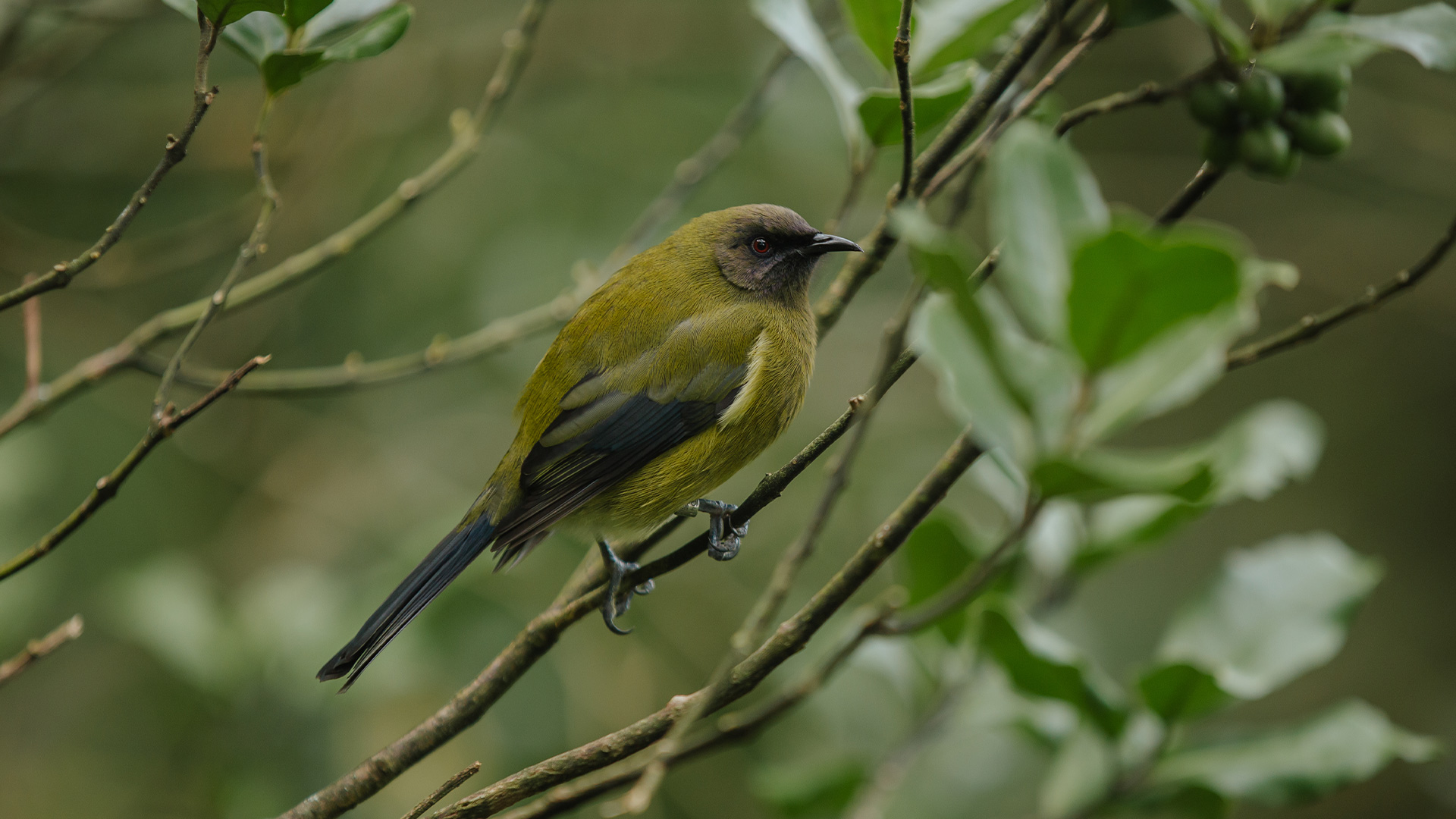
This species is ‘sexually dimorphic’, which is a scientific way of saying that the lads and lasses look different from each other. Males are olive-green, have a dark purple sheen on their head with blackish wings and tail. The females are browner with a narrow white/yellow stripe across the cheek from the base of the bill and a bluish gloss on top of their heads. Which do you think dresses better?
Singing a sweet song
Camouflaged among the trees, you’ll often hear a korimako before you see it.
Captain Cook described it as sounding like ‘small bells exquisitely tuned.’ Their bell-like song can travel long distances through the forest and have distinct dialects between regions. If you’re south of the Waikato, keep your ears open and you might hear them sing a lovely tune.