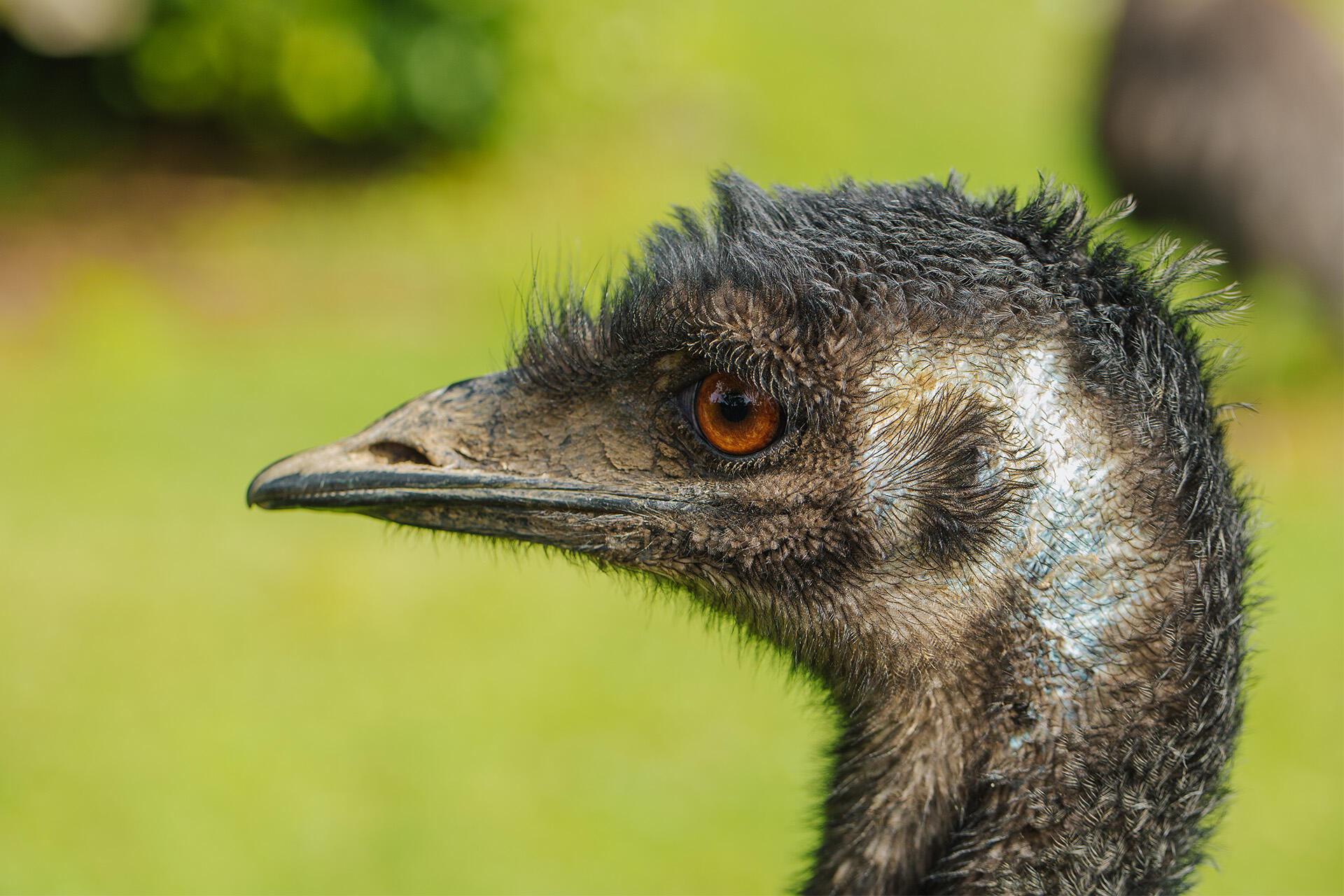

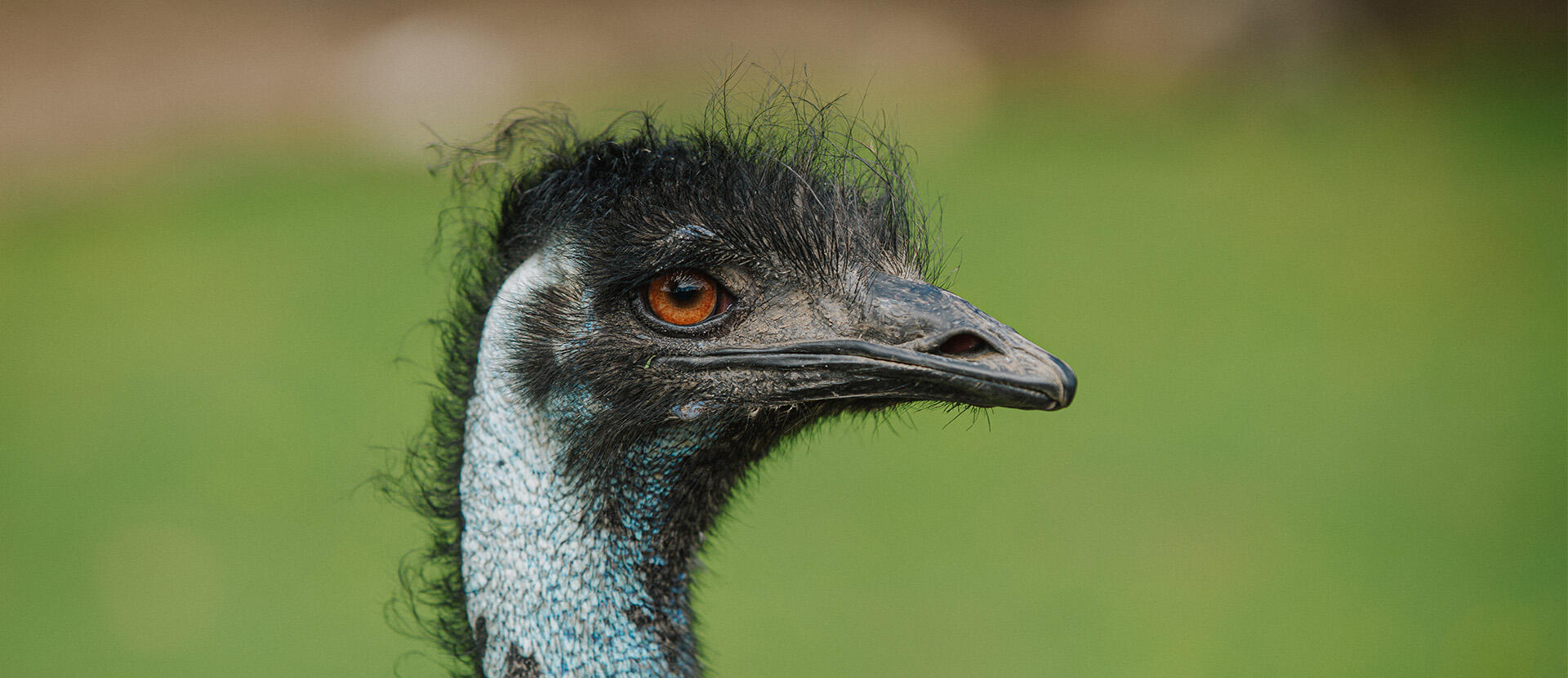
Super dad cares for emu eggs!

After up to a dozen beautiful green eggs are laid, dad gets to work. Seldom leaving the nest for up to nine weeks during the incubation period, this super dad doesn’t eat, drink or defecate throughout this time.

As you can imagine, this means he can lose a considerable amount of weight while tending to the eggs. He conserves his energy, only moving to turn them up to 10 times a day. Once they hatch, young emu will remain in the care of their father for around 18 months.

Rugged survivalists

Emu can be found across the Australia. They are so adaptable to the country’s varied environments they can be found in high mountain ranges all the way down to coastal regions and the deserts in between. Contributing to their success is their flexibility in diet which includes a wide variety of plants and insects, changing throughout the year depending on seasonal availability.

When times are tough, they can go for weeks without eating and walk up to 25km a day in search of food. Similarly, many emu only drink water once a day. In dry conditions, they will gulp down as much as they can in case it’s a long wait till the next opportunity. This ability to go without food and water for prolonged periods helps this resilient species to survive in all but the most extreme conditions.

King of all birds

The emu plays a significant role in indigenous stories. In some stories they were creator spirits who soared through the skies, in others they were kings over other birds due to their size. There is also an emu constellation in the Milky Way, near the Southern Cross.

Today, the emu is protected in the wild and is the national bird of Australia. It appears on stamps and coins, and on the country’s coat of arms opposite a red kangaroo.
At the Zoo

Meet our emu:

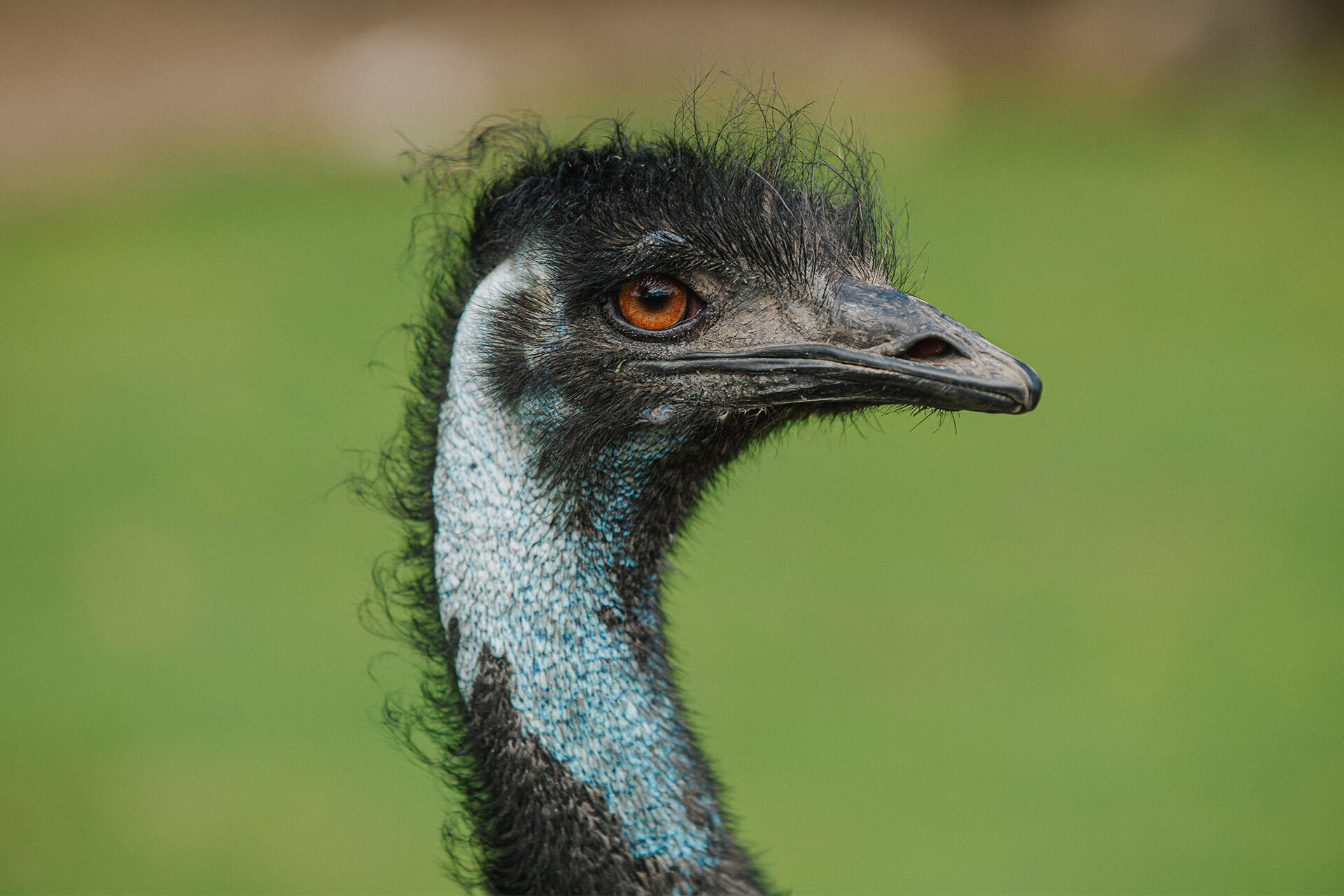
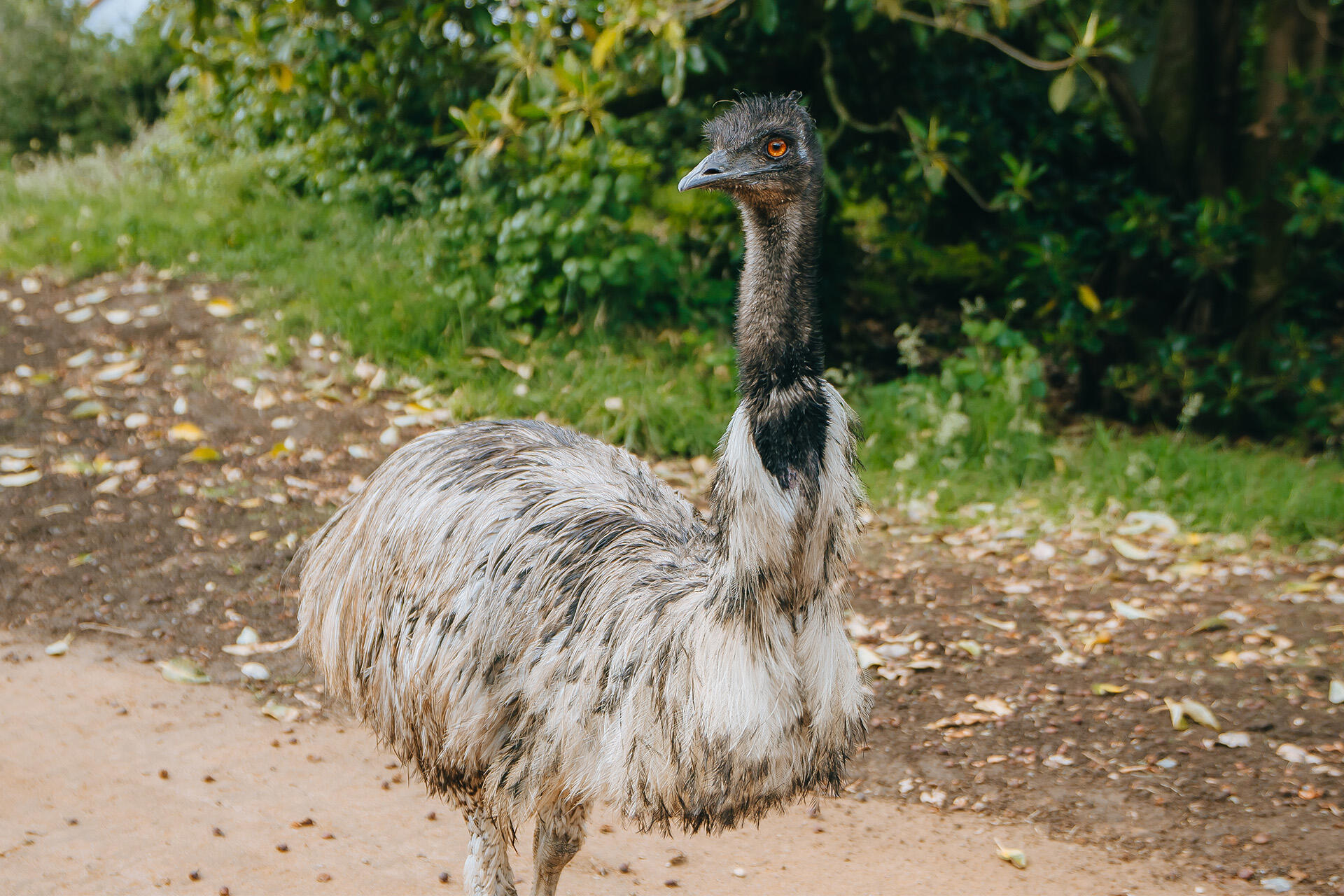
We have two emu at the Zoo - a male named Elvis and a female named Ellie-May. Elvis hatched at an emu farm in Tauranga, while Ellie-May was raised in the Waitomo Big Bird Petting Zoo.

You can find Elvis and Ellie-May sharing the Australian Walkabout with the forester kangaroo mob. Their habitat contains 30 different Australian native plant species, as well as a large Morton Bay fig and box elder trees to provide some shelter.

In the Wild

Origin: Australia

Habitat: While emu are found across Australia, they prefer savanna, shrubland, and grassland.

Conservation status: IUCN – Least Concern

Despite culls in the 20th Century due to ongoing crop damage, the wild emu population is thought to be higher today than it was before European settlement. Some localised populations are at risk of extinction from habitat fragmentation, predation by introduced species, and collisions with cars and trucks.

How you can help

As a not-for-profit, we rely on our amazing supporters like you to be able to continue our conservation Wild Work for the world’s most vulnerable and at-risk animal species. Help wildlife in need by making a donation.

Other Australia Bush Track Species