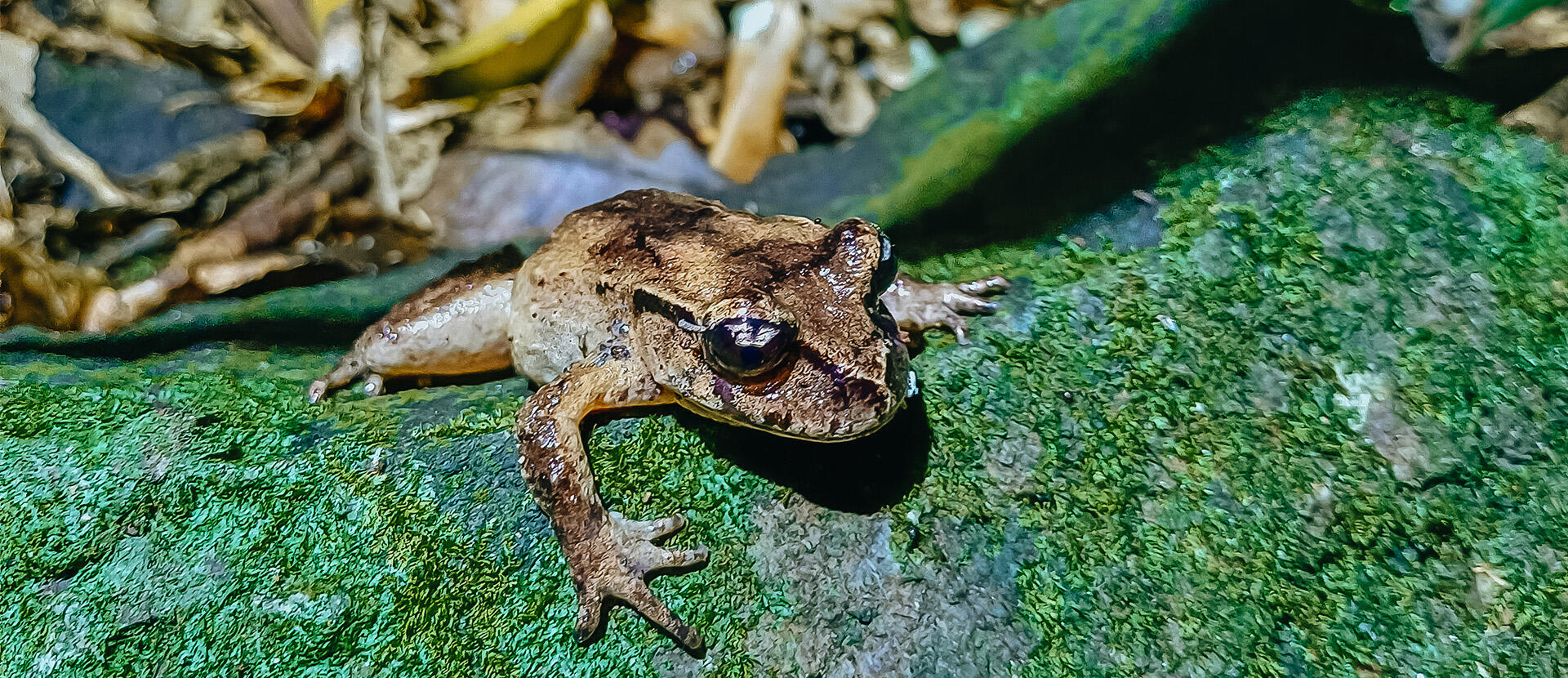
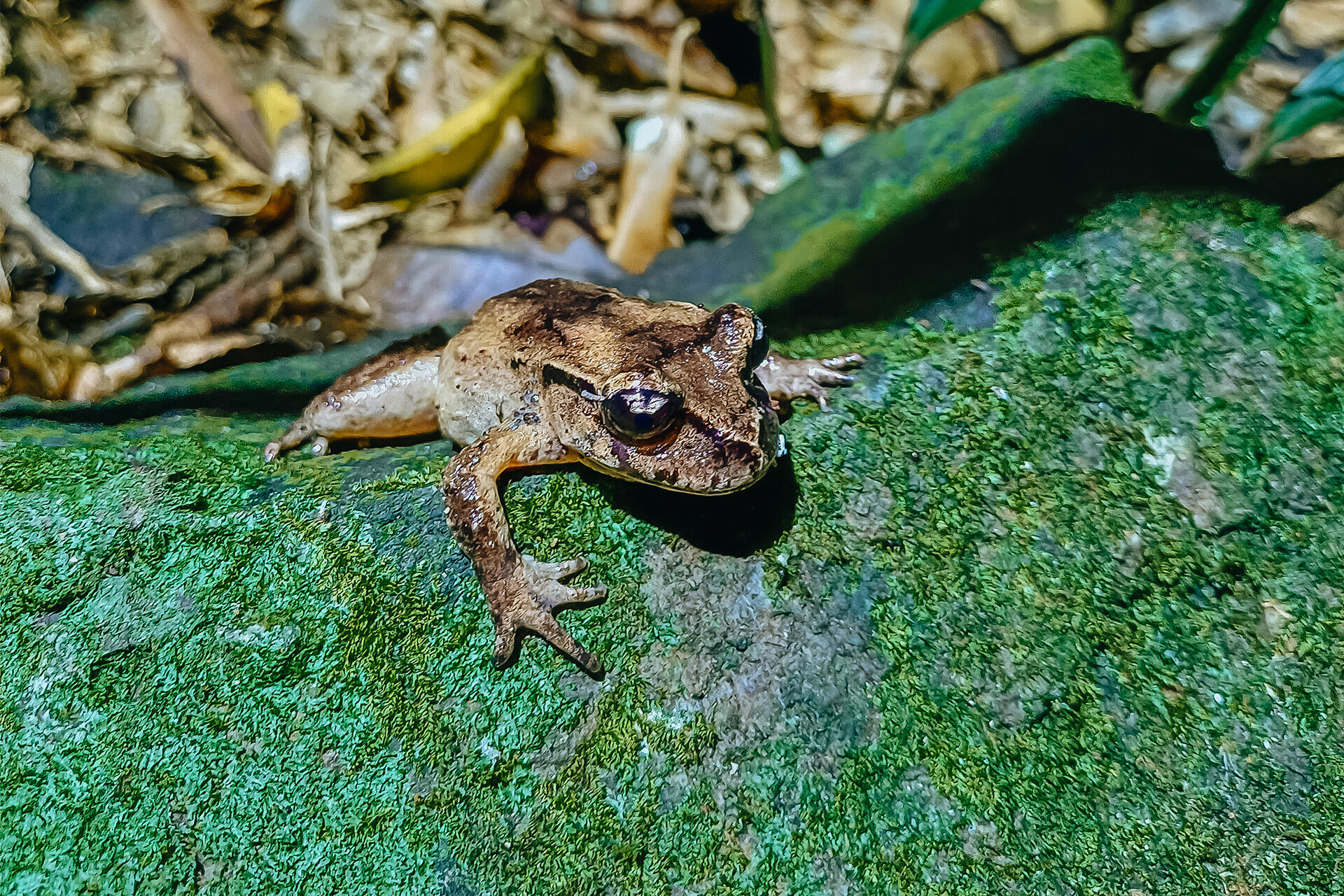
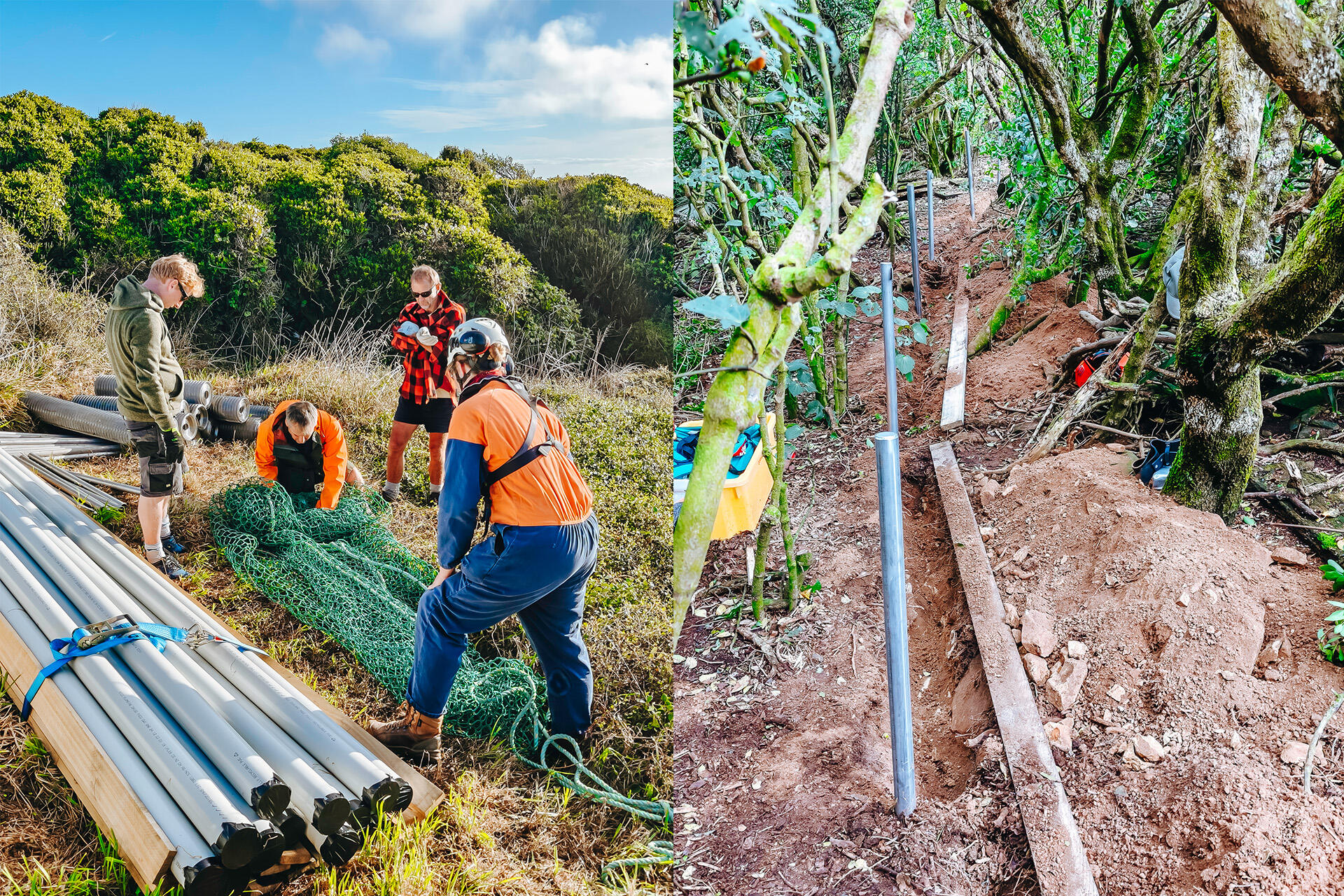
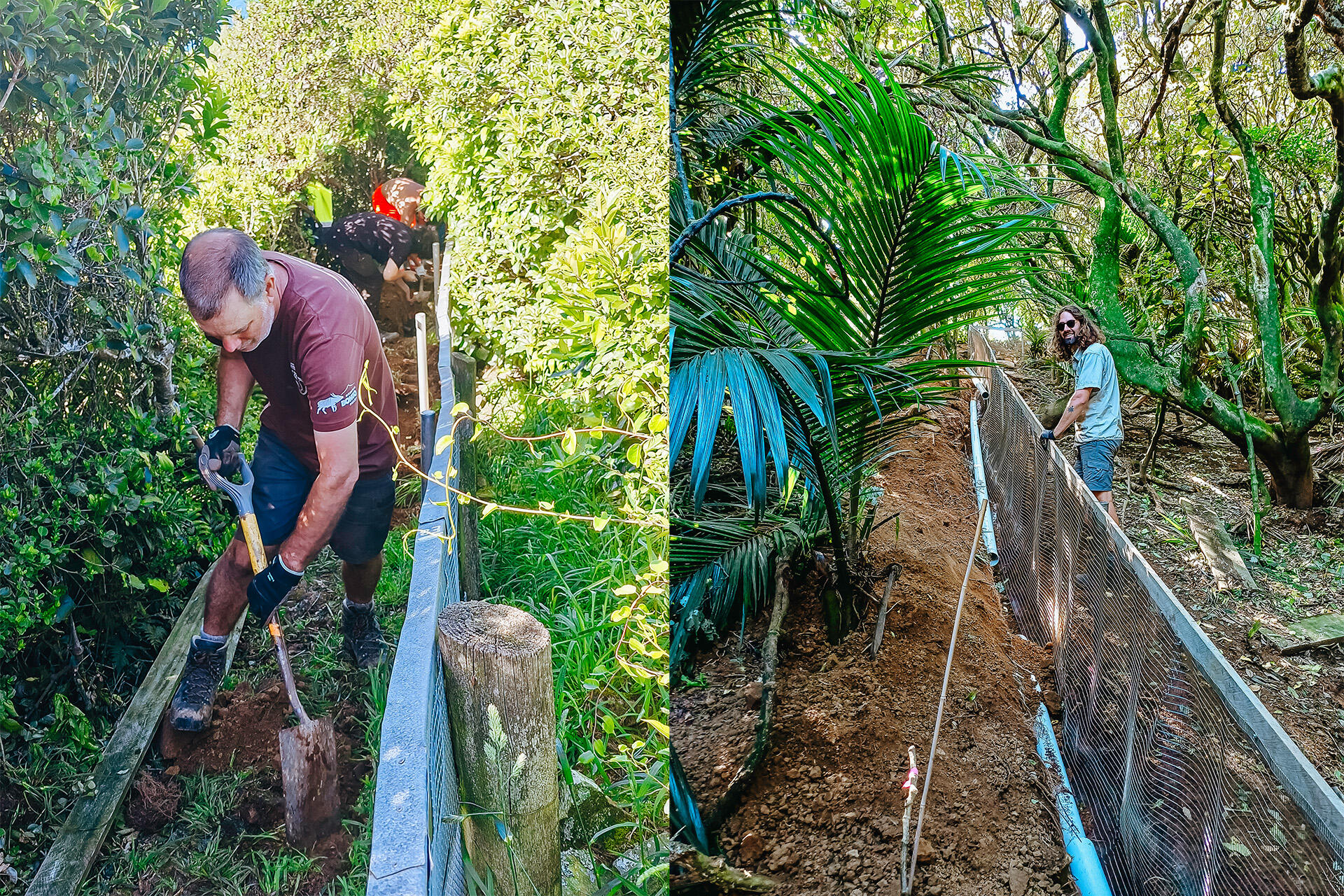
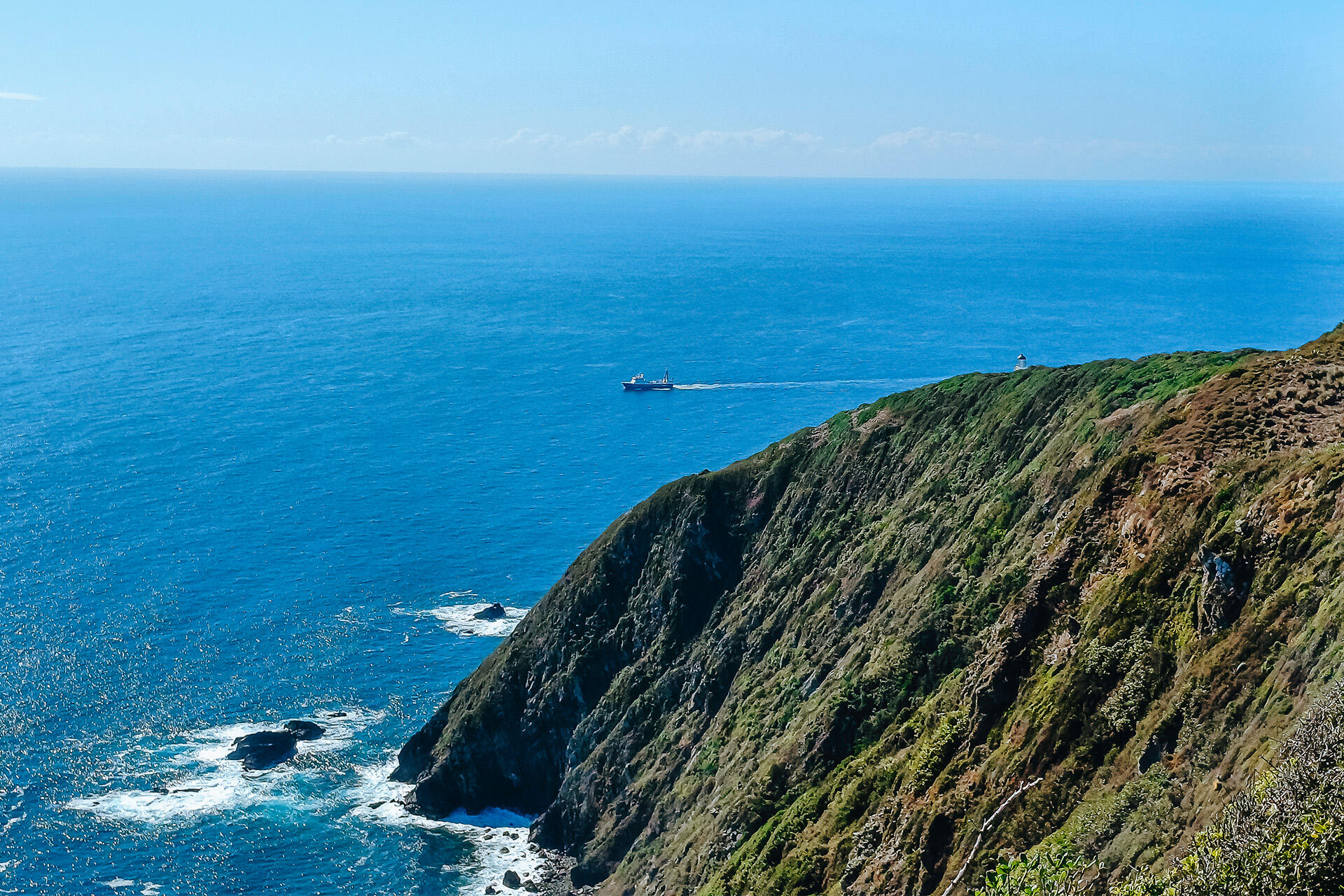
On two separate trips in April and November last year, kaimahi from our zoo environment, design and construction team travelled to Takapourewa / Stephens Island in the Marlborough Sounds to build a fence for frogs!
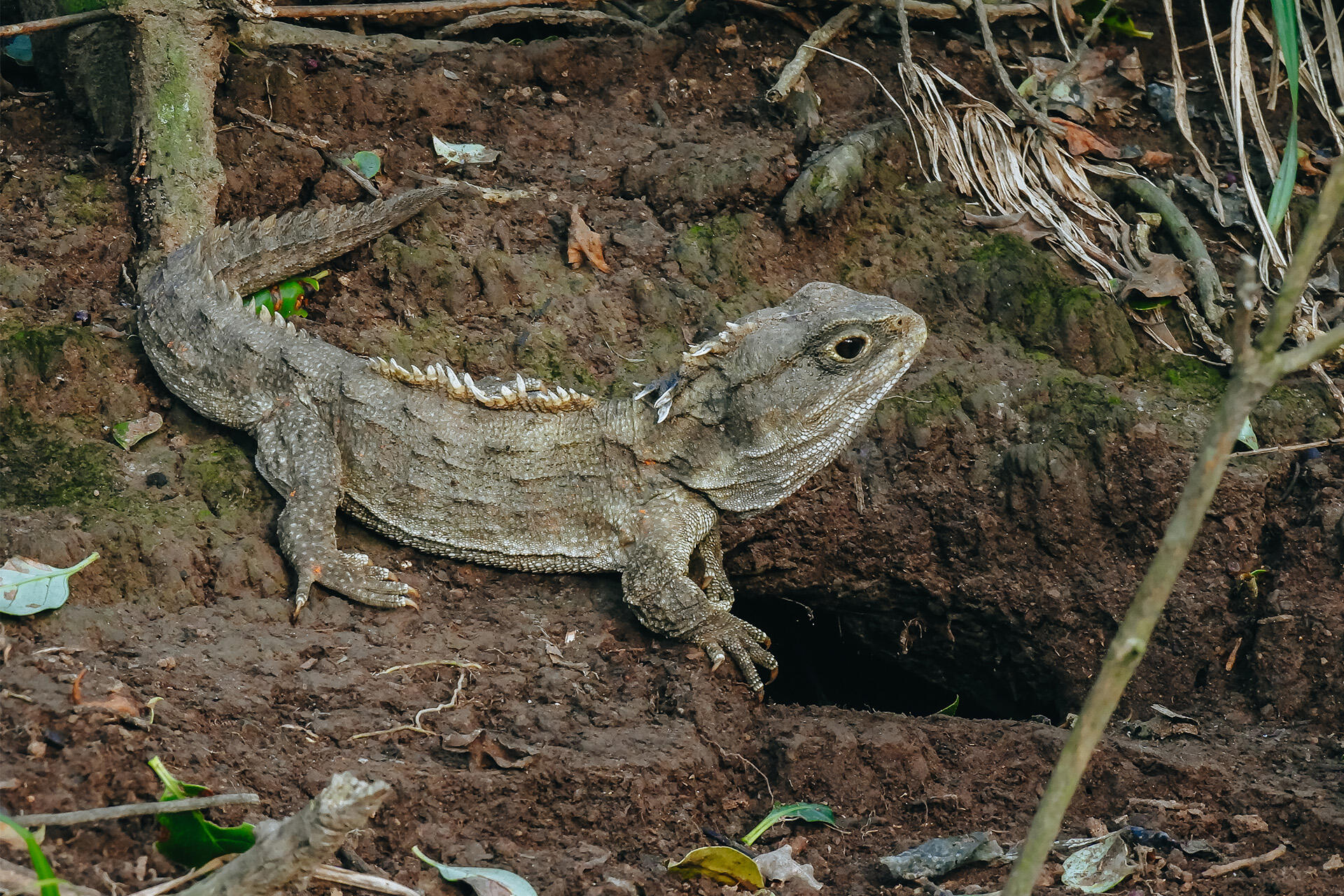
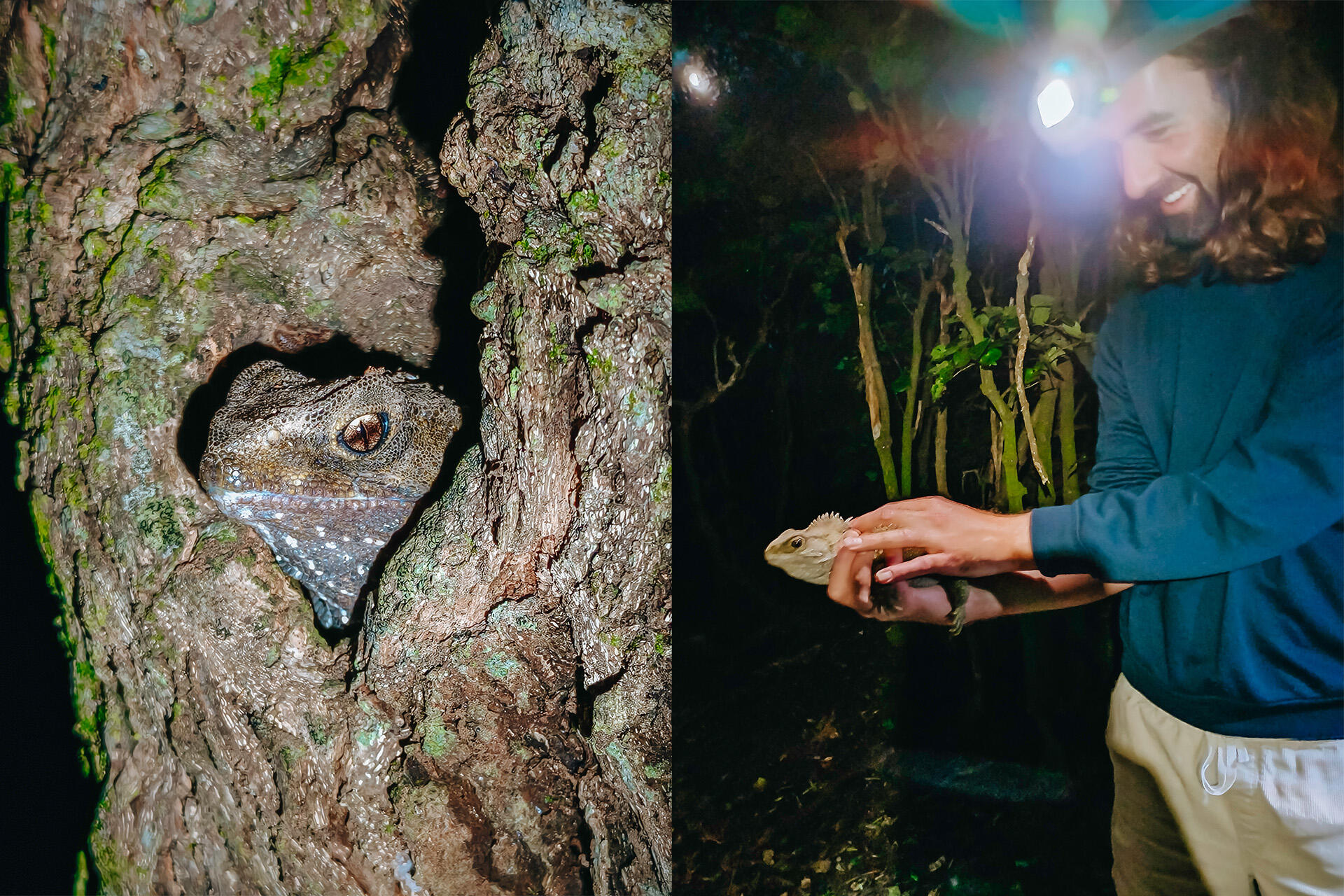
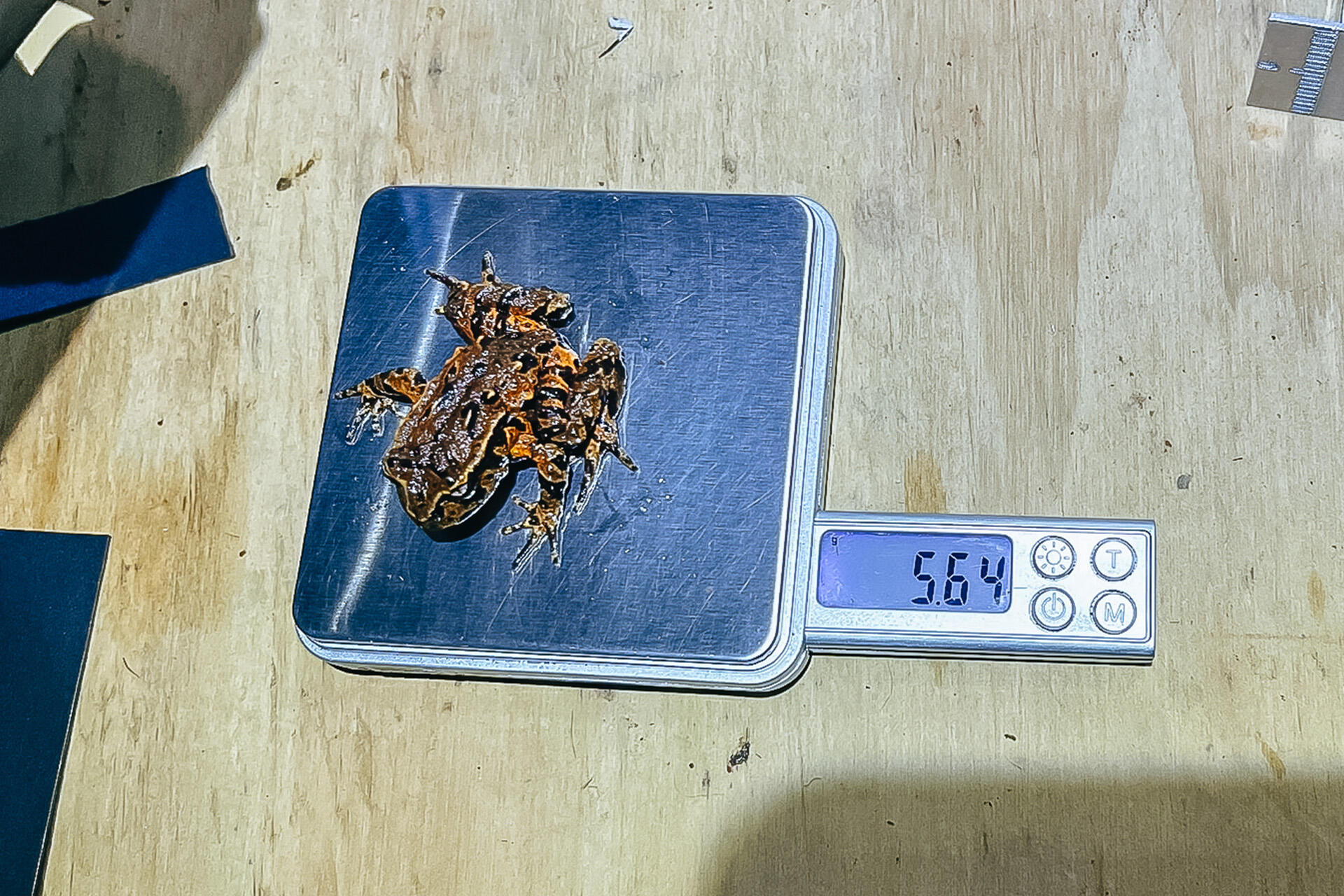
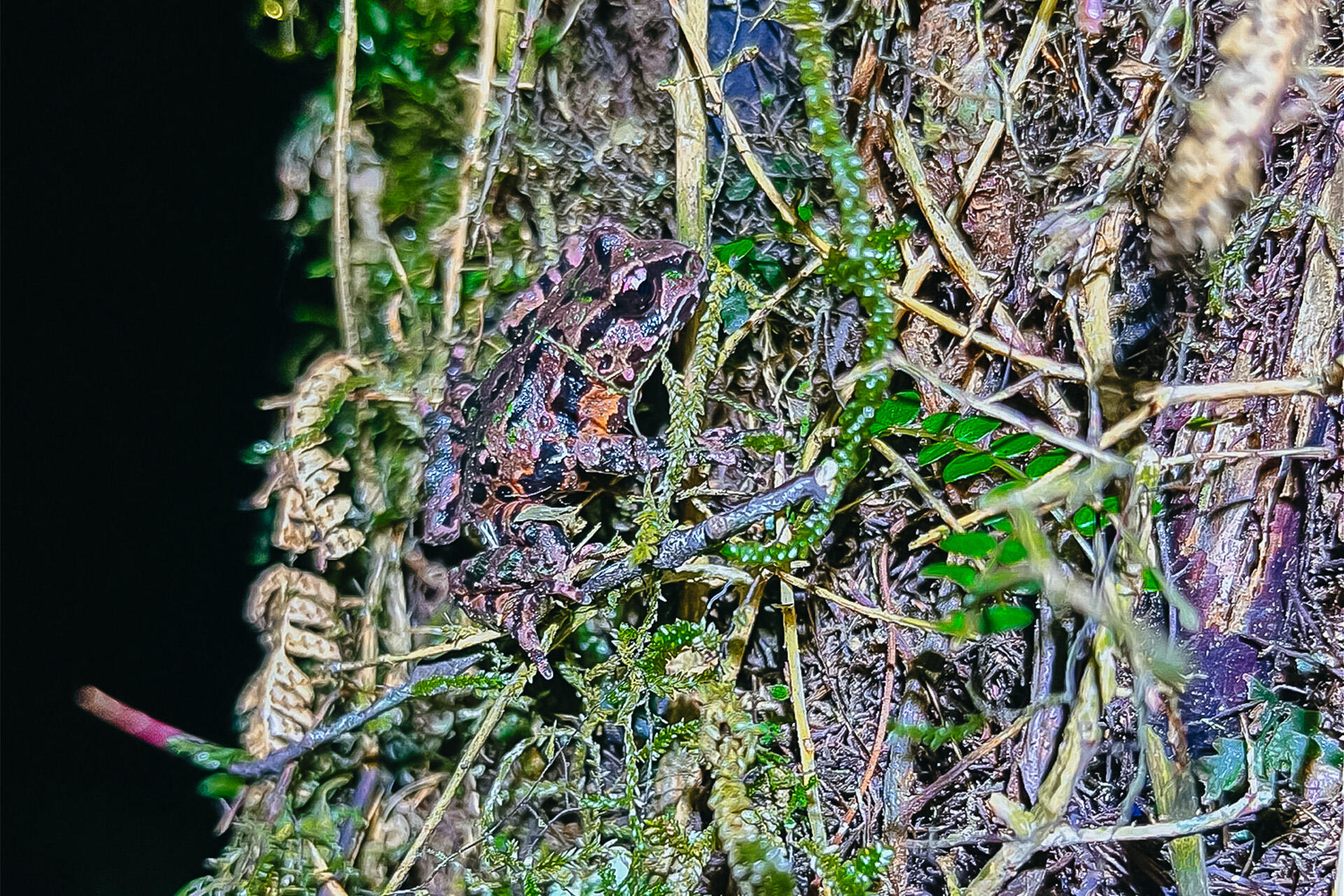
We were there supporting our conservation partners at the Department of Conservation and Ngāti Koata Trust with their project to install an exclusion fence, protecting the frogs and other rare native species from the islands most voracious predator – the tuatara! The fence was first built in 1990 but over the years, tuatara on the island have figured out ways to burrow under the old one, creating the need for this rebuild.
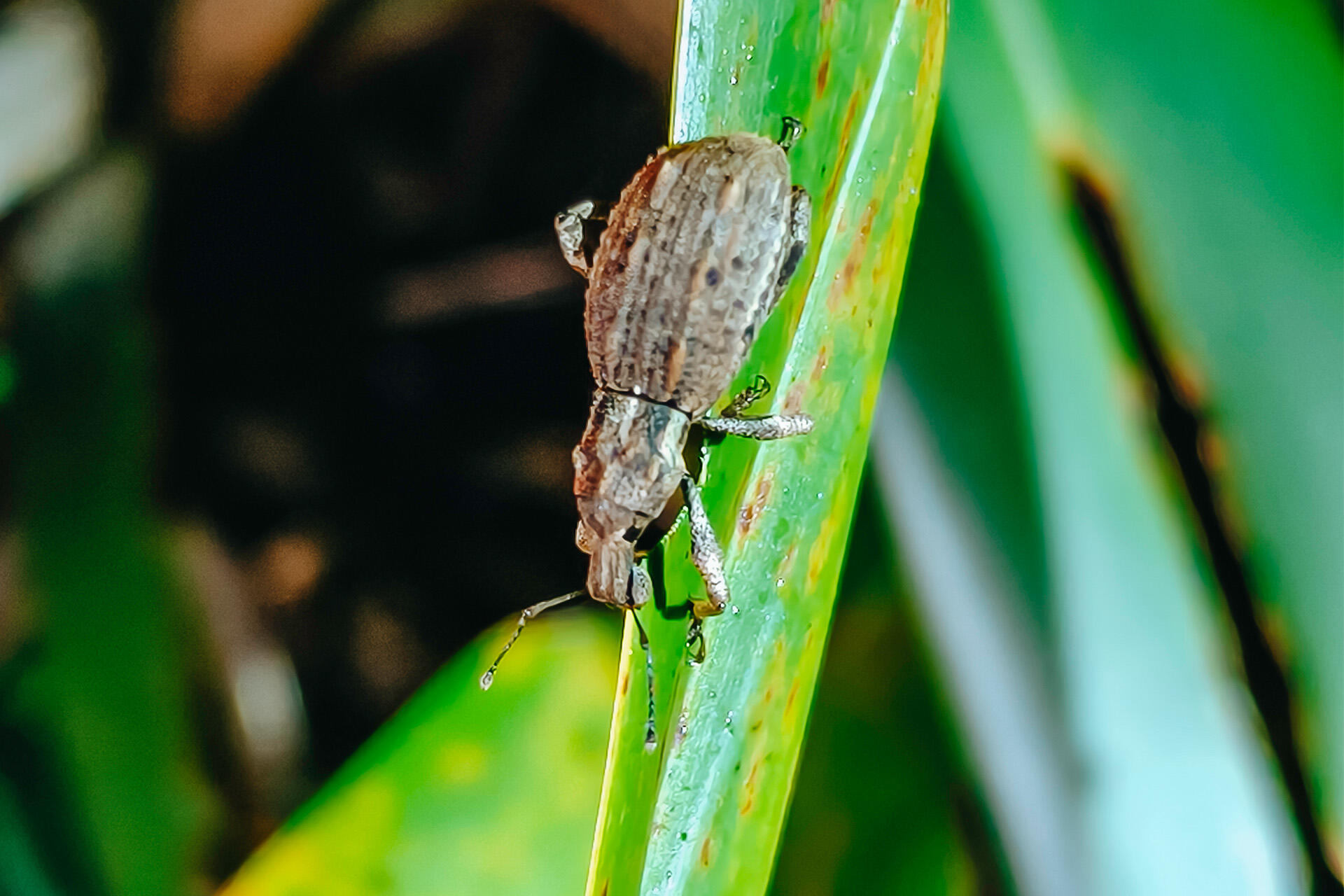
It’s not just the critically endangered frogs that benefit; there are some equally threatened carabid beetles - including one so rare (Zeopoecilus green beetle) it hadn’t been seen for decades and was rediscovered building the fence! And though Takapourewa is mammal pest-free, the fence can help to serve as a deterrent to rodents or mustelids should there ever be an incursion.