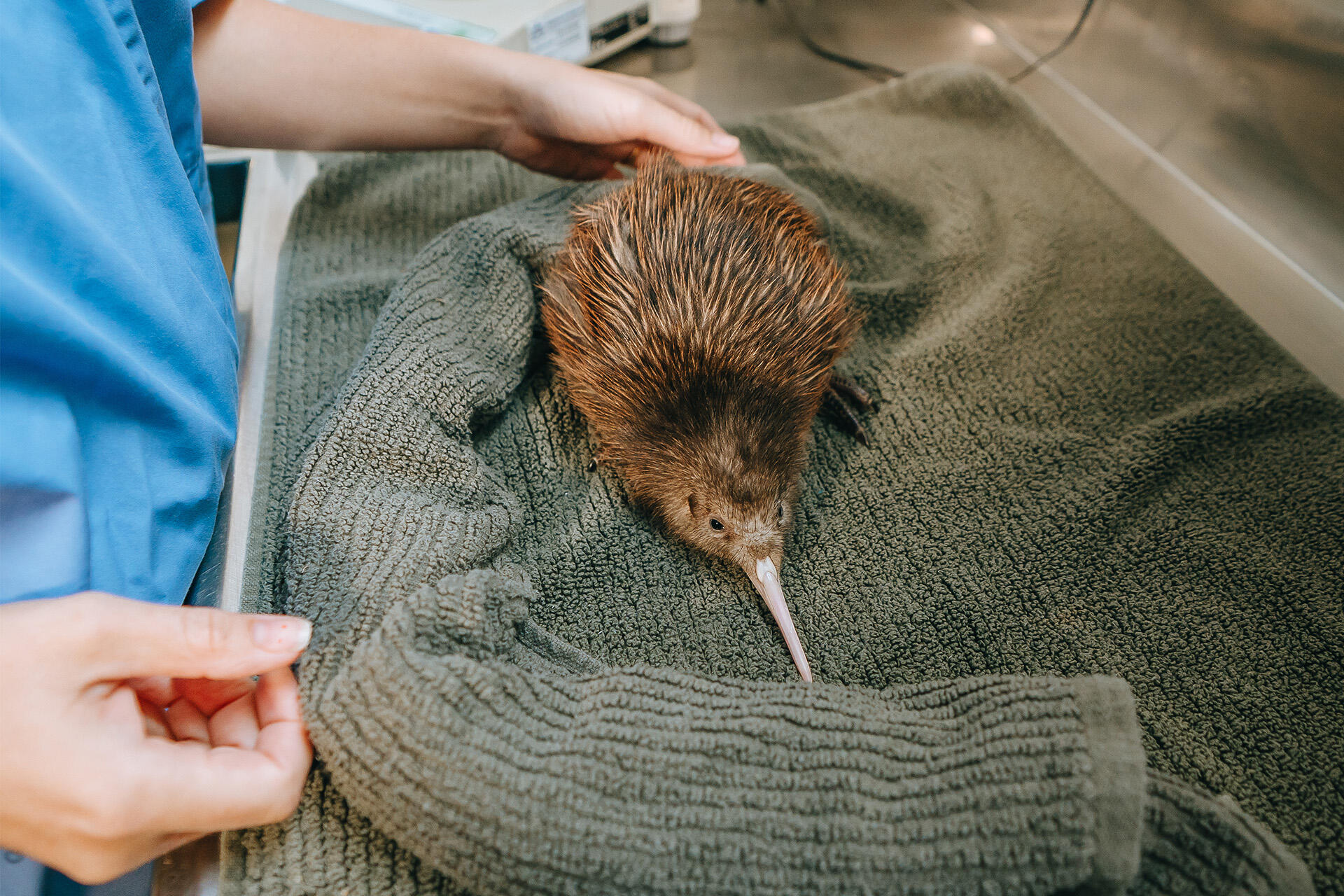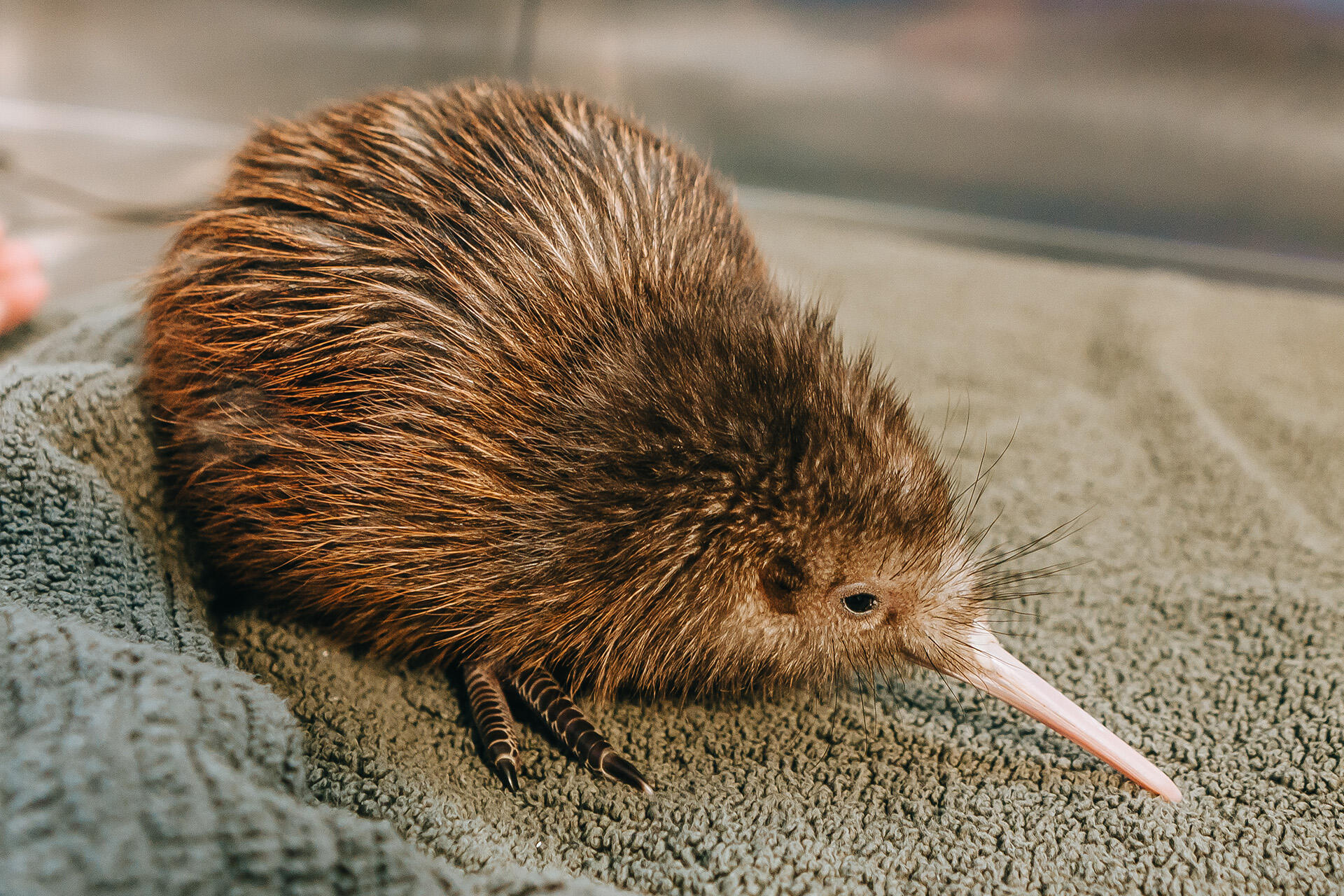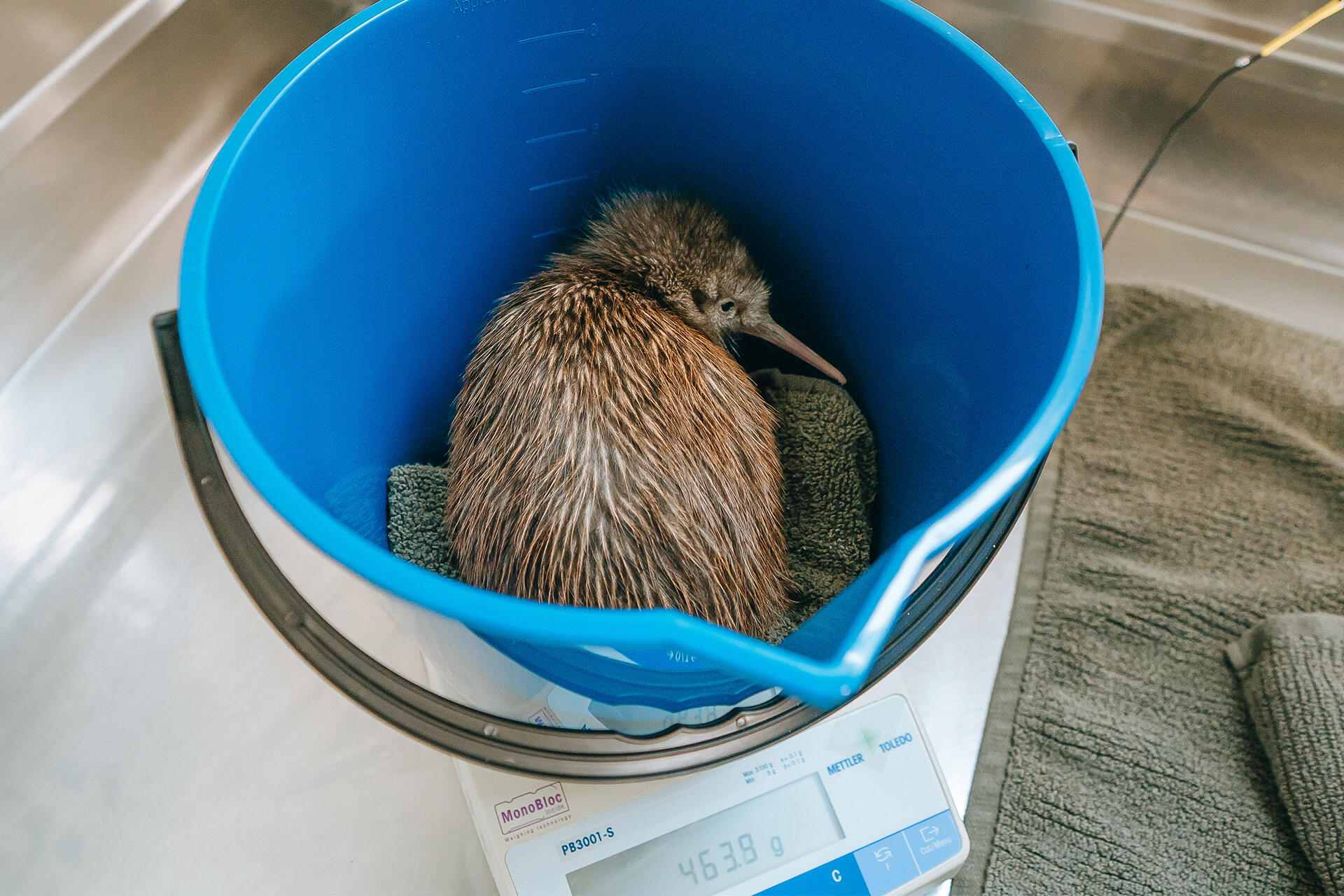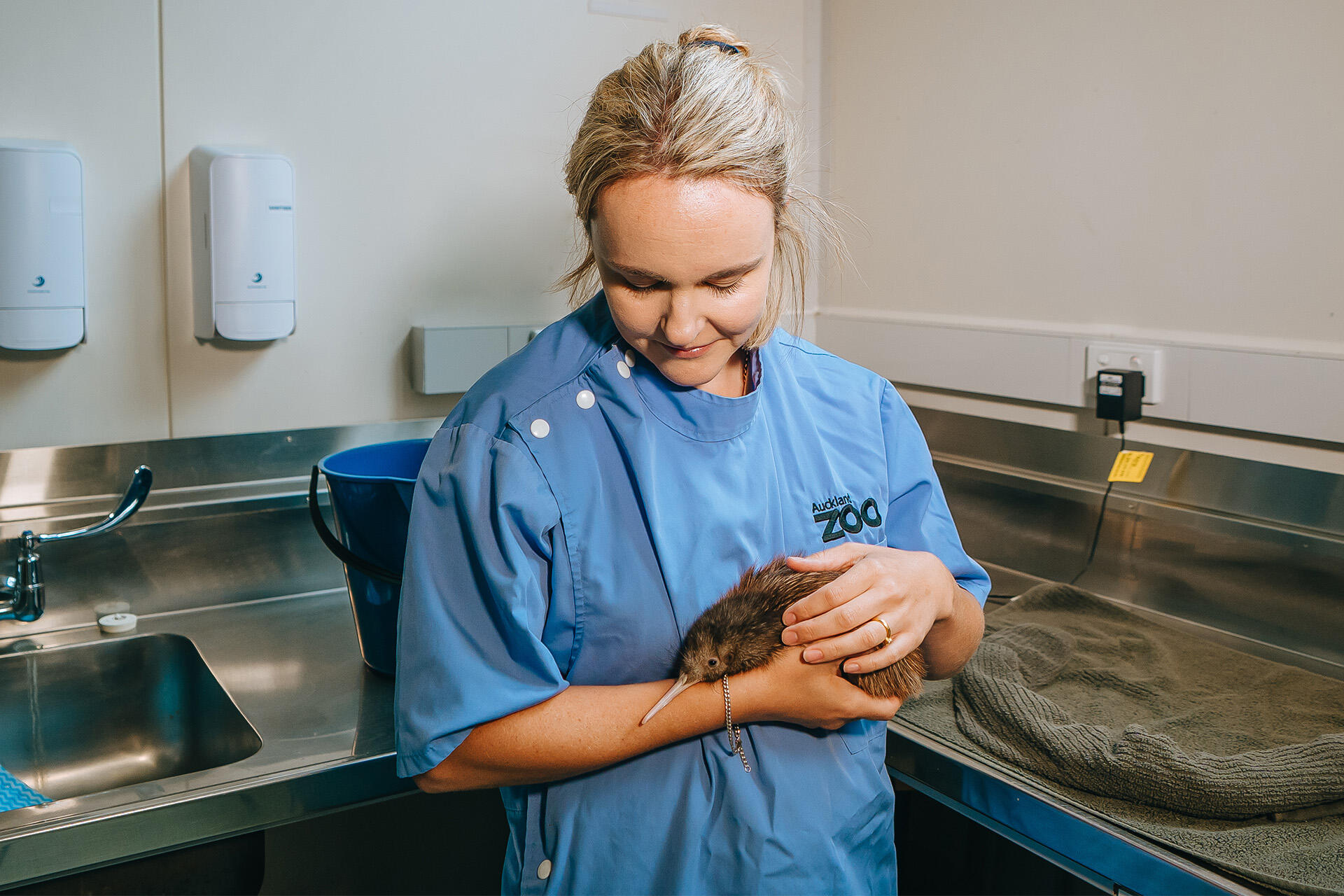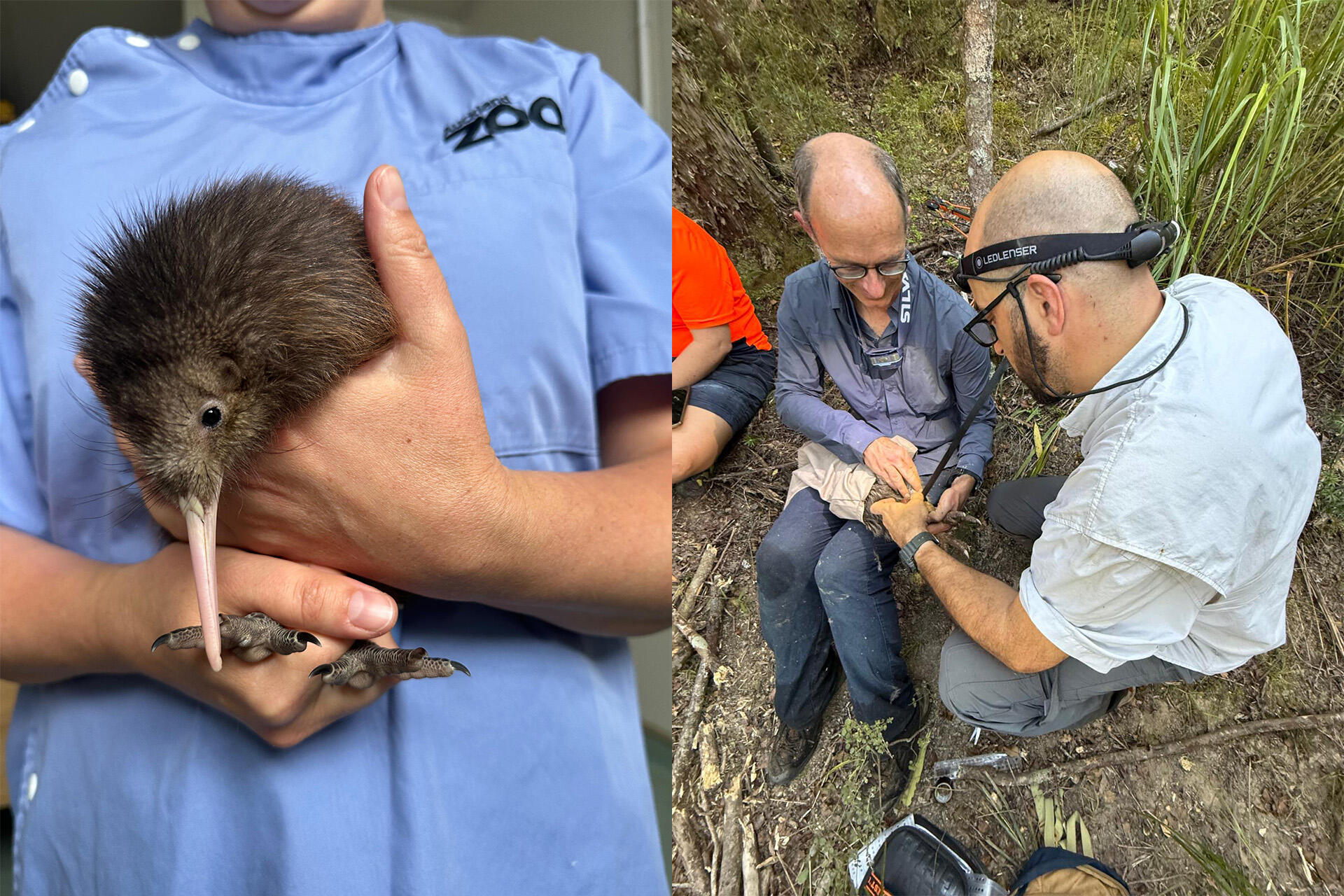

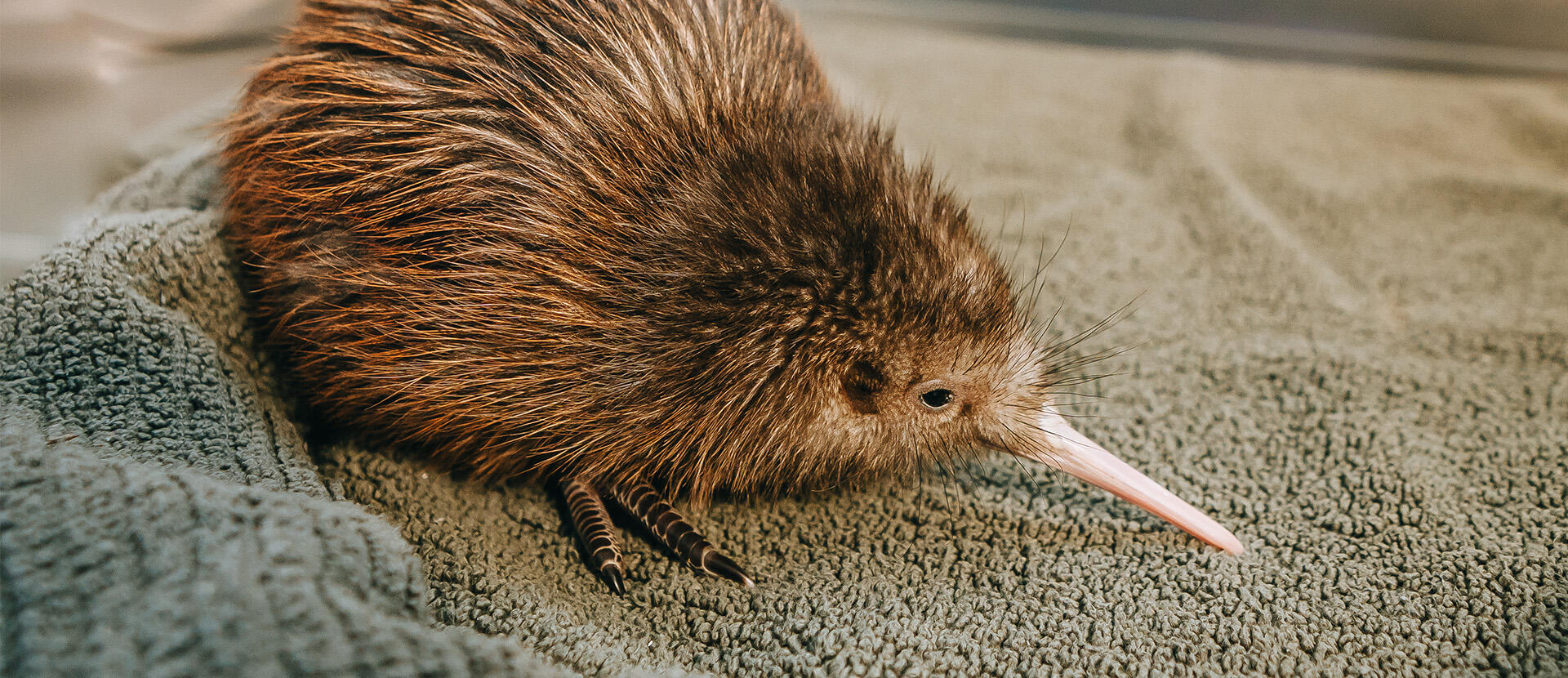
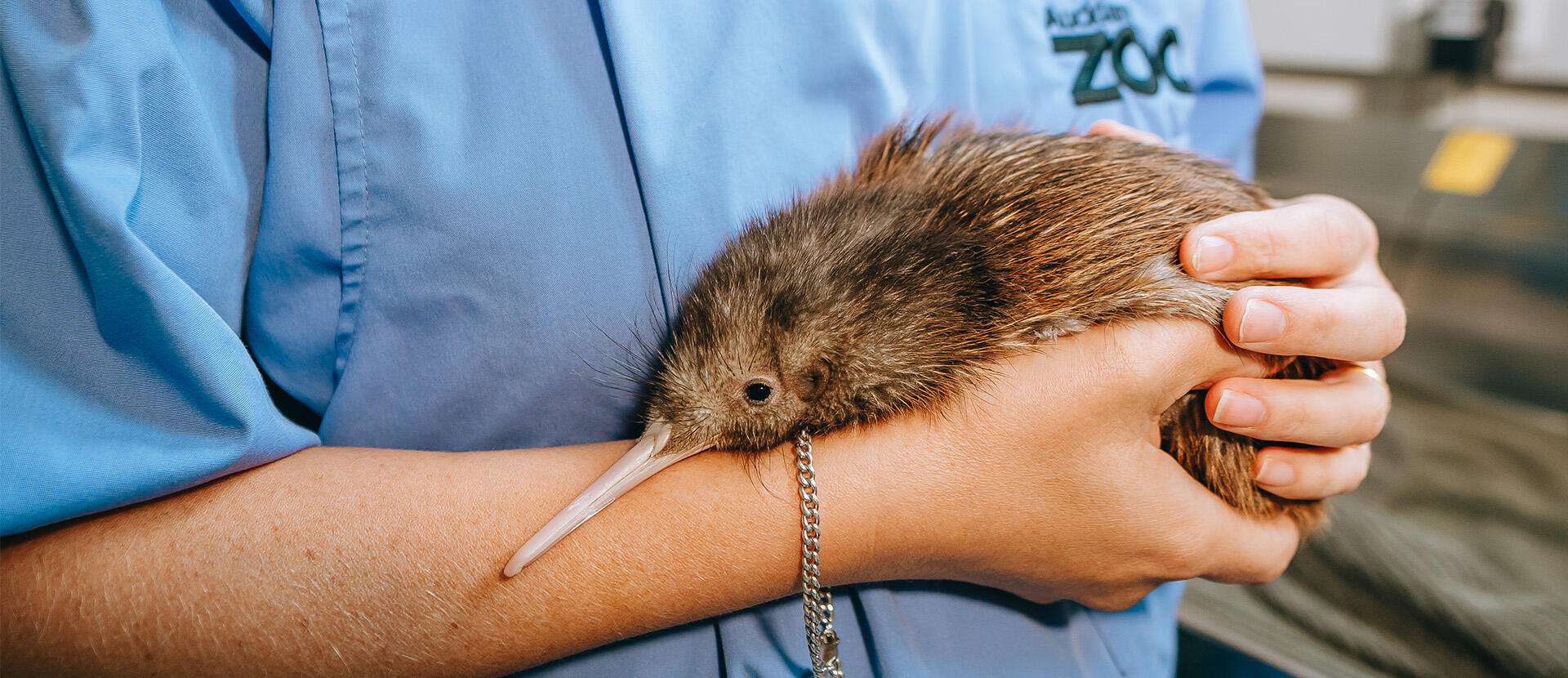
Hatching on Christmas Day (a precious gift indeed!) this North Island brown kiwi broke out of its egg shell weighing just 372 grams. A kiwi hatching is an energy-intensive process that can take the chick up to three days.

This is just one kiwi that is helping its other wild whānau, as part of a research project into the incubation parameters of kiwi eggs. Dr. Juan, our curator of birds, has been leading this research to better understand their biology and enable conservationists to care for eggs at earlier stages in their life cycle, as this would have amazing benefits for kiwi conservation!

To gather this data, a 3D-printed egg is placed under a male nesting in the wild, to collect valuable incubation data. This ‘smart egg’ records critical information about how the egg is incubated: such as the temperature gradient, humidity and angles the egg is turned.

Along with placing these eggs under breeding kiwi at the Zoo, we also validate this data with wild kiwi. When the smart egg is placed under a nesting male, the original egg is taken to the Zoo for incubating. Sometimes a chick will hatch at the Zoo where it will be cared for by our team, before being returned to its island home.
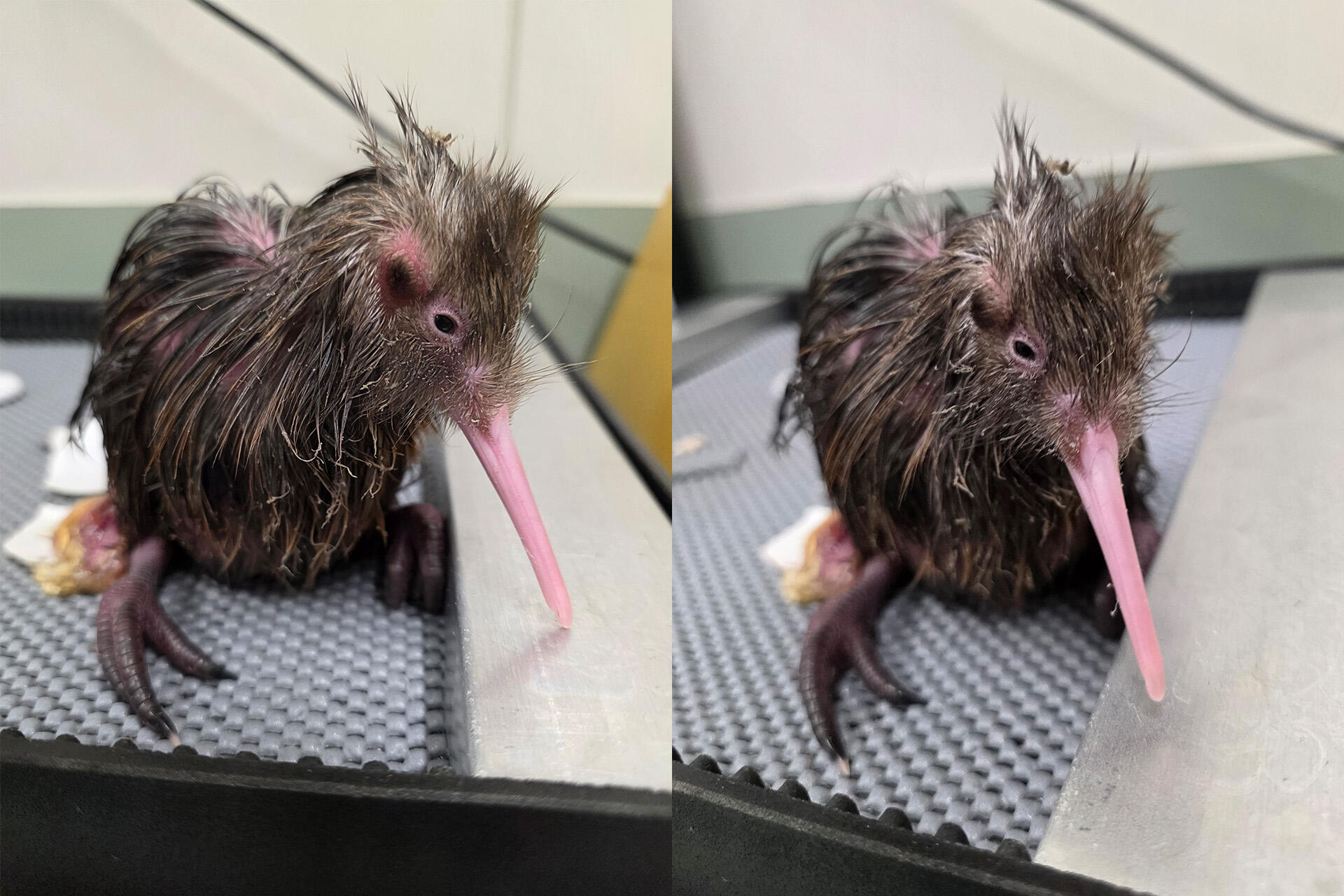
Did you know kiwi chicks don’t eat for the first seven days of their lives? Unlike most birds that must feed their chicks immediately after hatching, kiwi chicks are born with a large internal yolk sac - how clever!

This sac is internalised through the chick’s navel shortly before hatching, providing all the nutrients it needs to survive. This remarkable adaptation means the chick doesn’t need to leave its burrow in those first few days. Instead spends this time being brooded by its parent in the safety of the nest and building the strength needed to begin foraging on the forest floor.

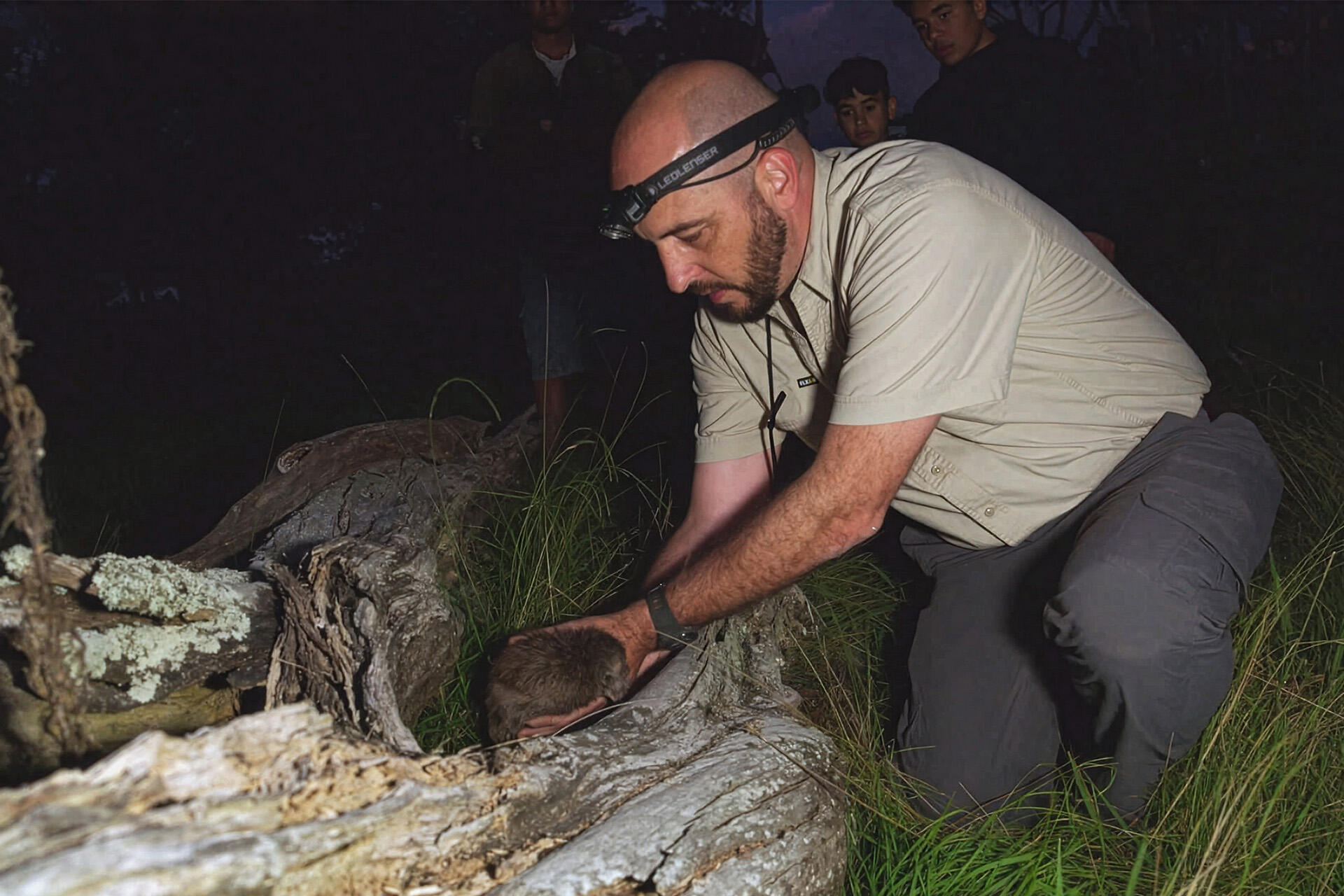
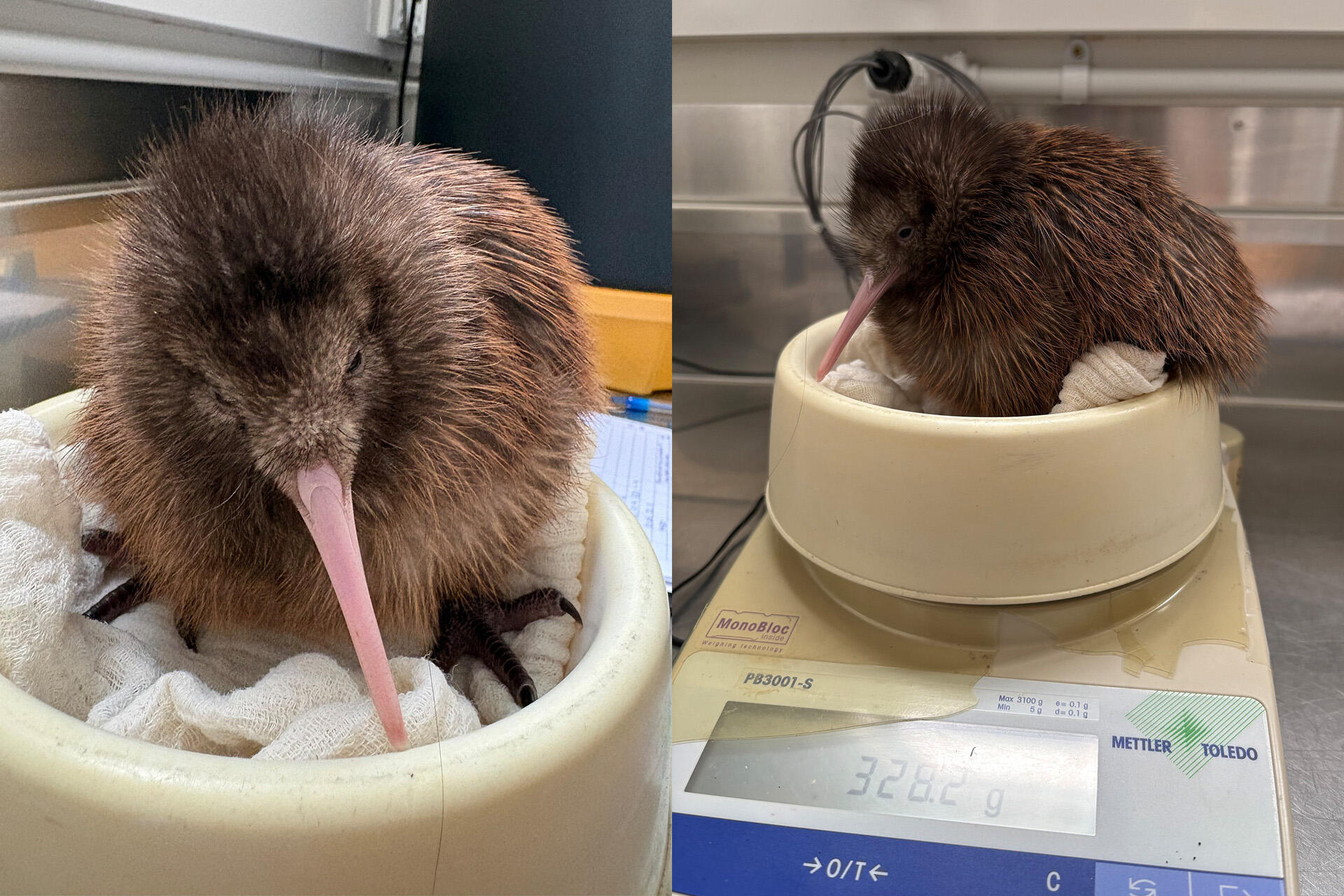
Now having reached the right age and weight (three months old and weighing 1kg) the male kiwi has just been released to its island home in the Hauraki Gulf.

This coincided with a team of researchers, volunteers and students traveling to the island. Every year, the kiwi monitored on the island are caught up so their transmitters can be replaced. While this takes place, the birds also receive a health check, where weights and measurements are taken. Telemetry is used to locate these birds which can literally be anywhere! Deep inside holes in dead logs or hidden among marsh vegetation – calling for some daring work from the team.

Our thanks to Dr. Isabel Castro from Massey University/Te Kunenga ki Pūrehuroa and Dr. Stephen Marsland from Te Herenga Waka/Victoria University of Wellington who collaborate with us on the research into kiwi egg incubation.