What are bioplastics and how can they be harmful to the environment?
Bioplastics is a term that encompasses biodegradable and compostable plastics. While conventional plastics are usually made from petroleum, bioplastics are made from plant material such as sugarcane, corn or potato starch. Most biodegradable bioplastics (such as PLA) require multi-million-dollar commercial composting facilities with precise high temperatures, managed humidity, and controlled airflow need for these materials to fully break down.
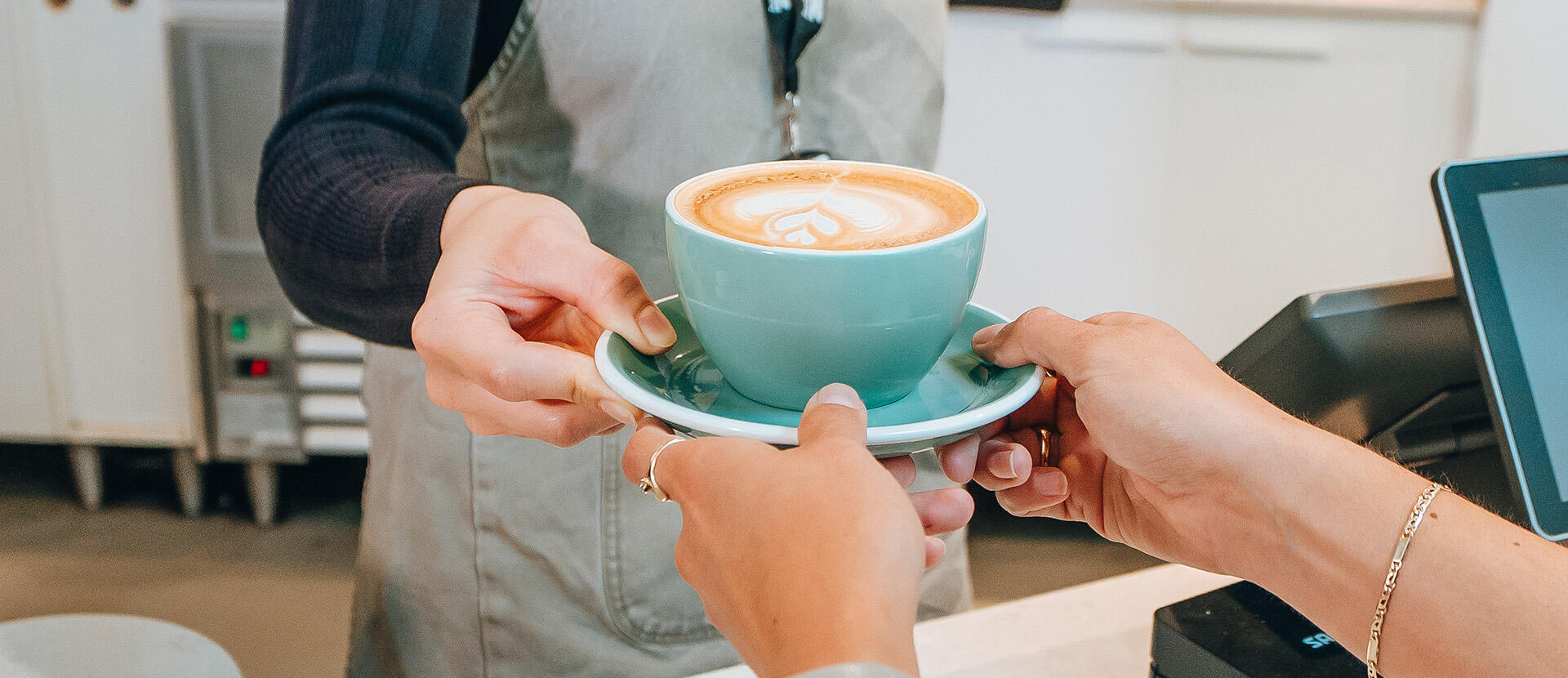
“While plant-based plastics may appear to be a better environmental choice, they generally can’t be composted through Aotearoa New Zealand’s current waste systems. As a result, commercially compostable cups typically end up in landfills. If they’re incorrectly placed in recycling, they contaminate the recycling stream, undermining the efforts of households and businesses to recycle correctly.” explains Auckland Zoo’s Environmental Initiatives Advisor Claudine Gibson.
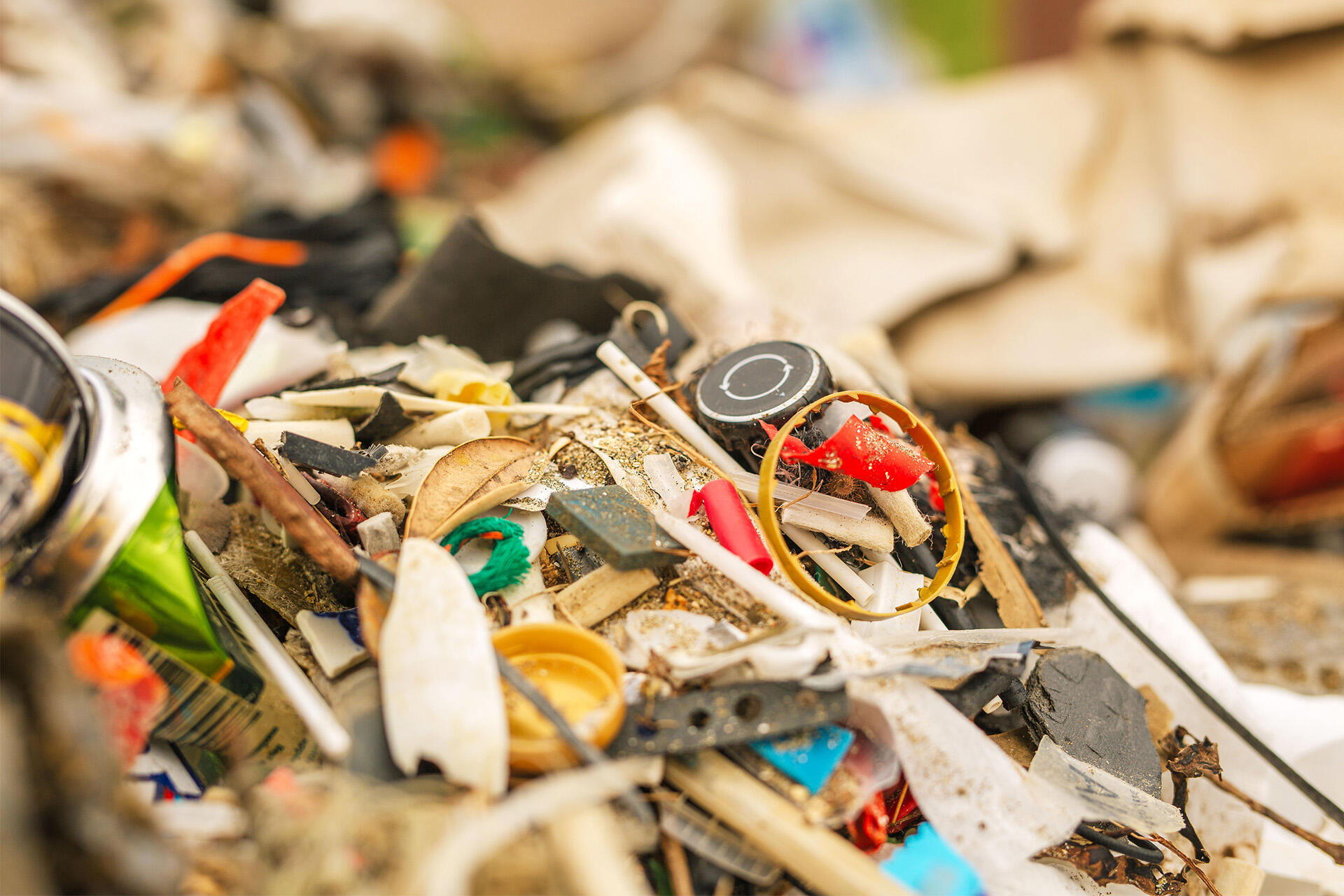
“To perform the same functions as conventional plastics, bioplastics are generally designed to have similar strength, durability and water resistance. As a result, they don’t readily break down if they end up as litter in our natural environments. Like conventional plastics, bioplastics can also persist for long periods and can fragment into smaller pieces, contributing to plastic pollution.
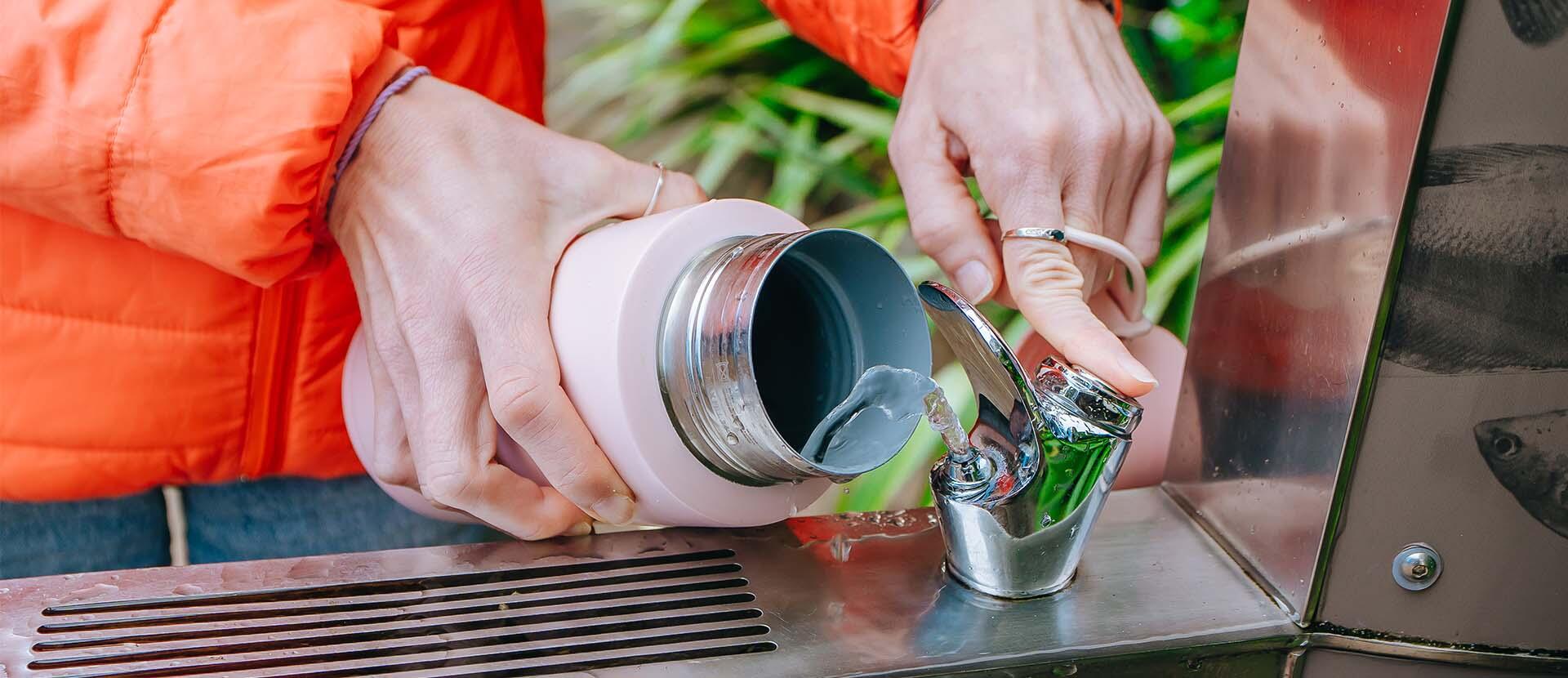
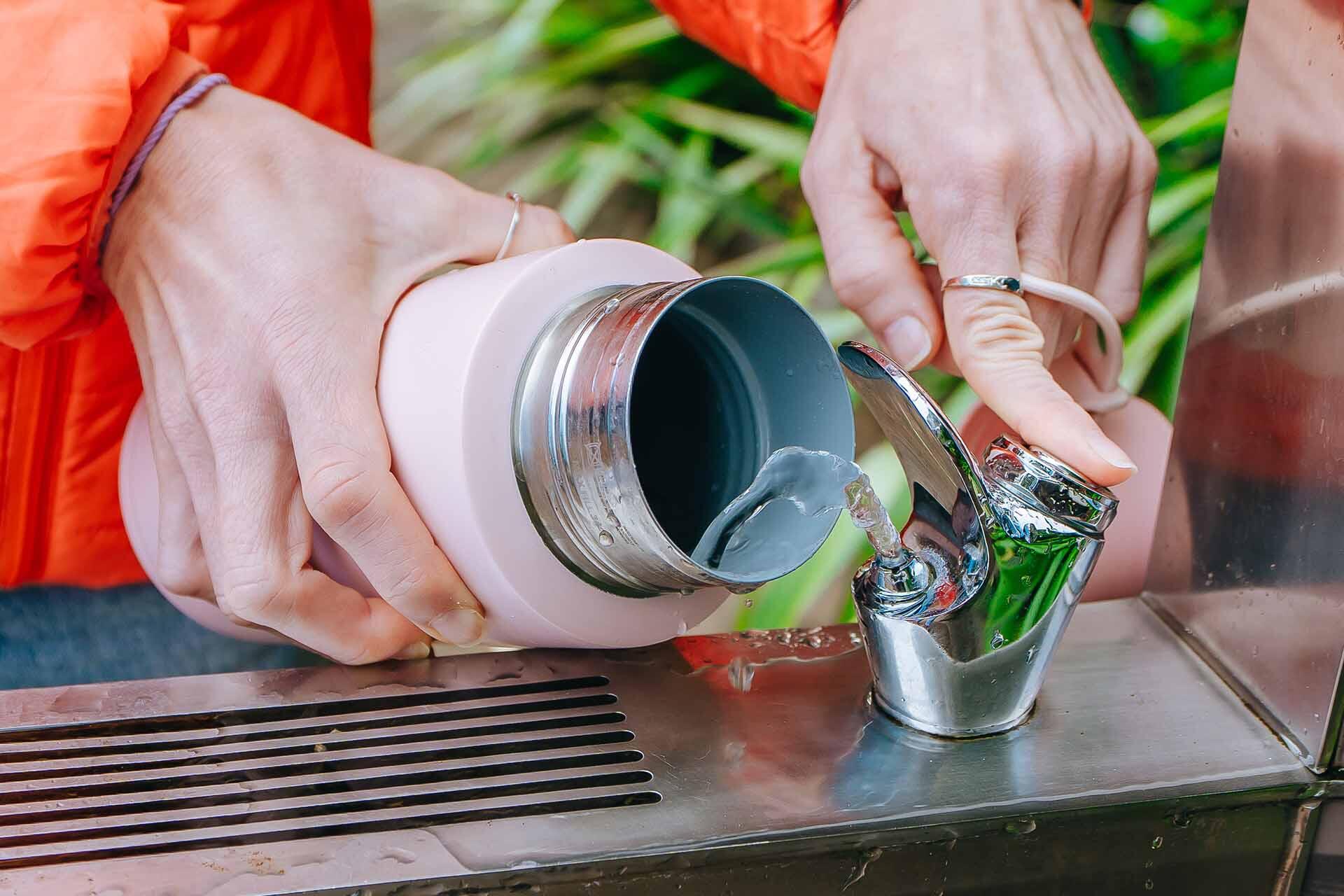
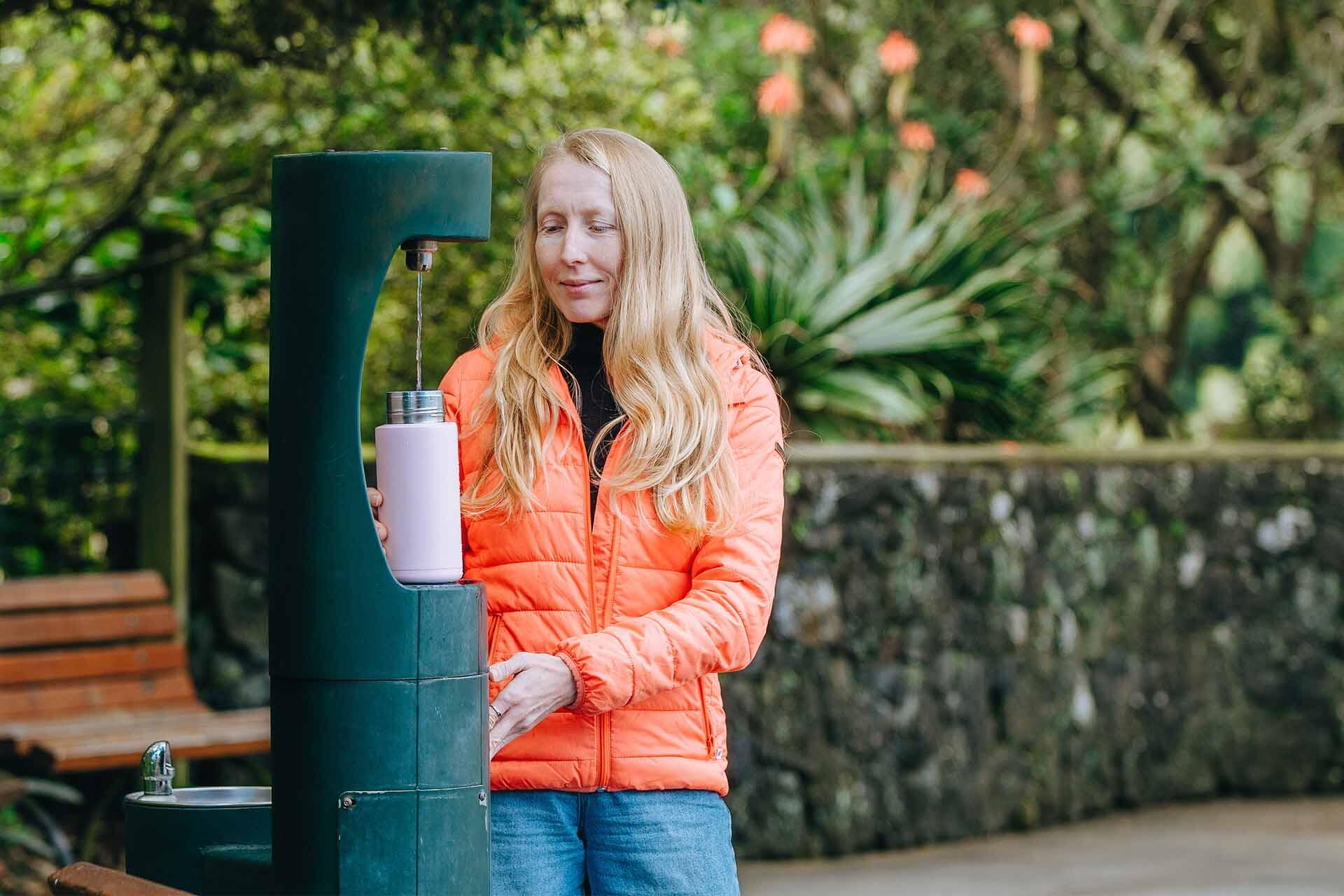
Like many organisations in New Zealand, we initially believed compostable packaging was a better environment choice than conventional plastics. We now know that the greatest environmental benefit comes from avoiding all single-use items and choosing reusable alternatives wherever possible.”
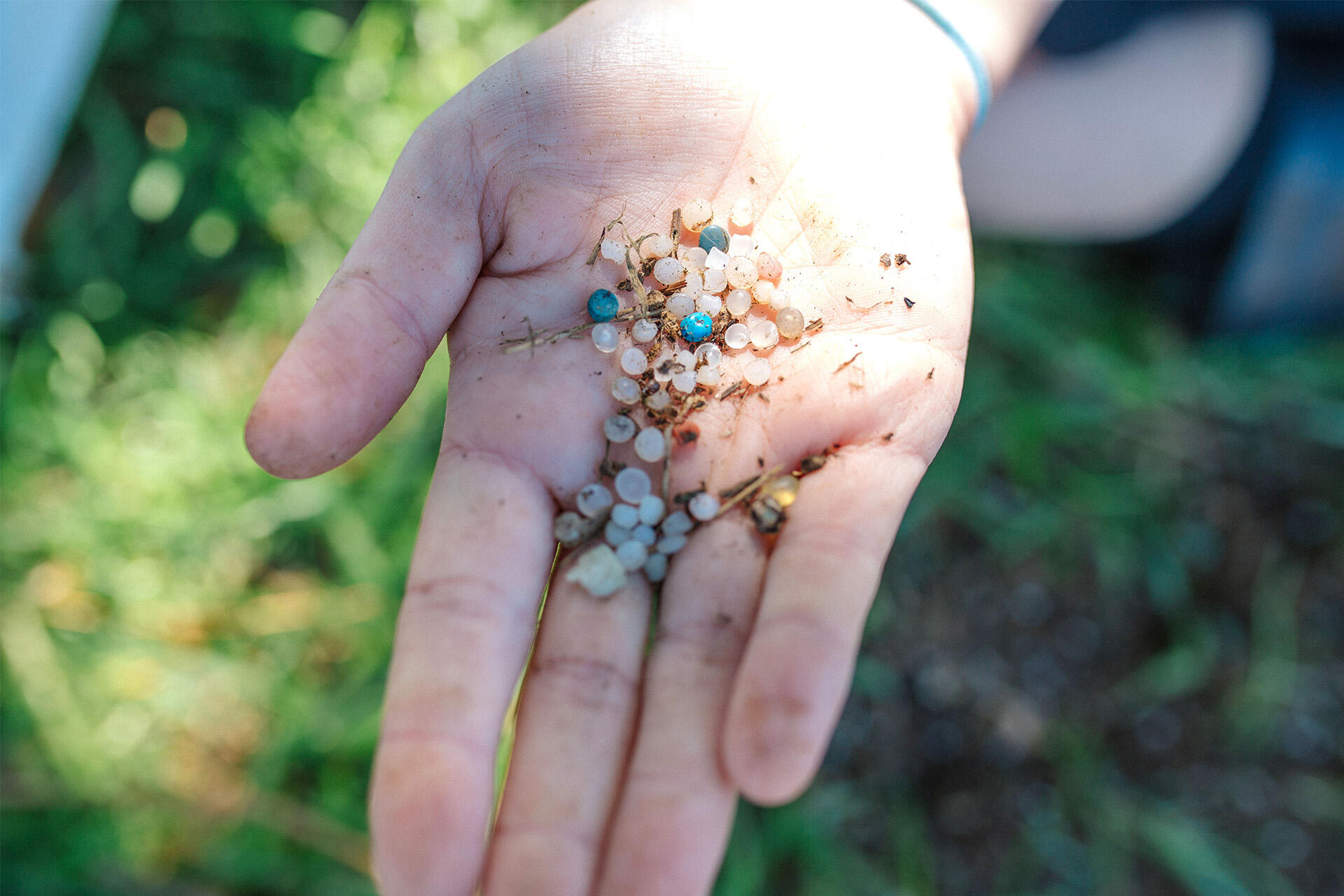
Plastics do not biodegrade, instead they shed into smaller pieces and become permanent in the environment. Microplastics (tiny pieces of plastic smaller than 5mm) accumulate in everything from our soils and our marine ecosystems, where they enter our food chains. In fact, they’ve even been found within the human body in our lungs, and brains!
A common misconception is that bioplastics littered in nature will naturally degrade like a piece of fruit, but sadly this is not the case. Bioplastics can break apart into microplastics the same way as regular plastics do – creating harm for all animals on earth.
Removing these single-use hot drink cups was a huge step forward for environmental sustainability, and we’re so pleased with how our visitors have got on board and supported these changes.