A leg above the rest

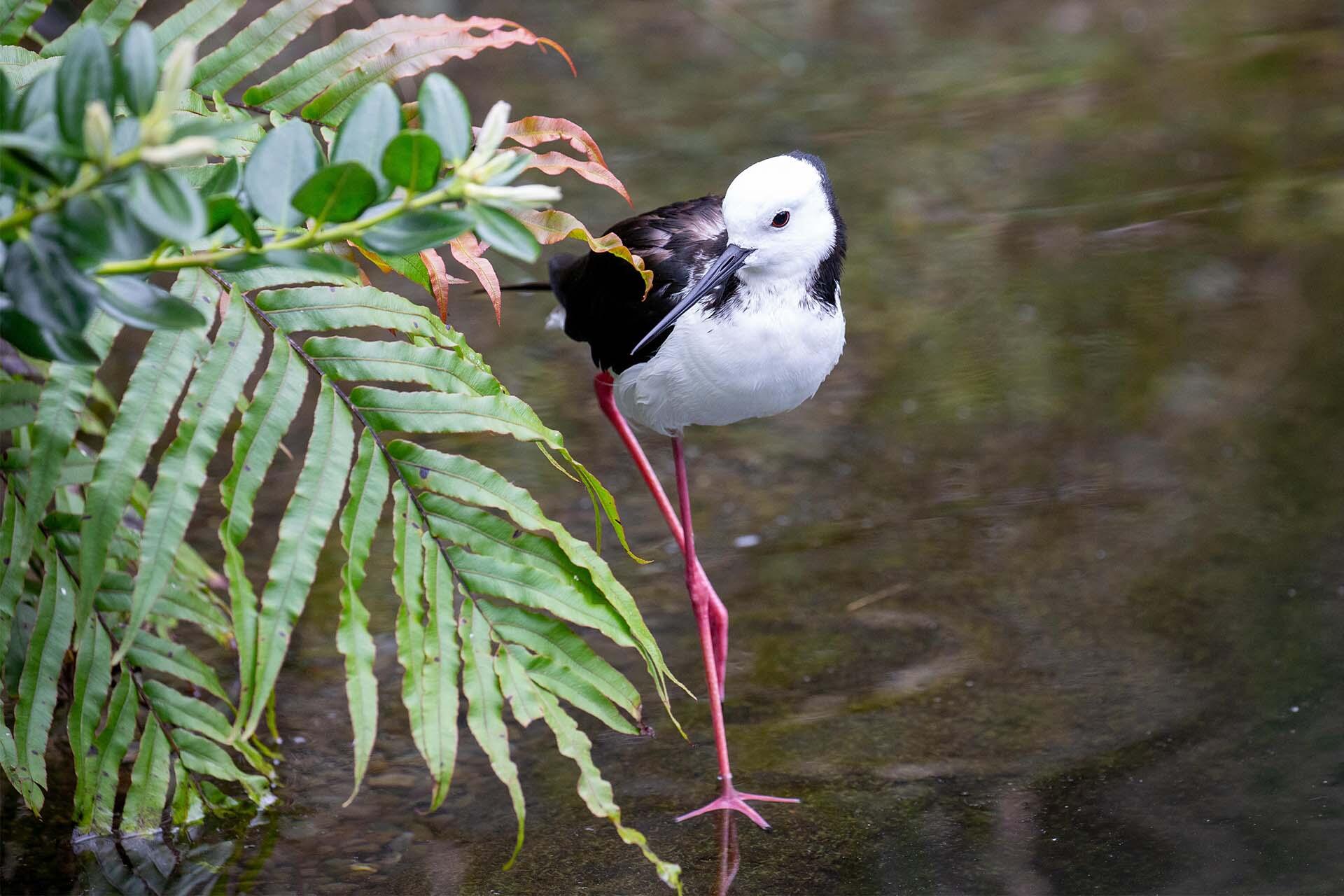
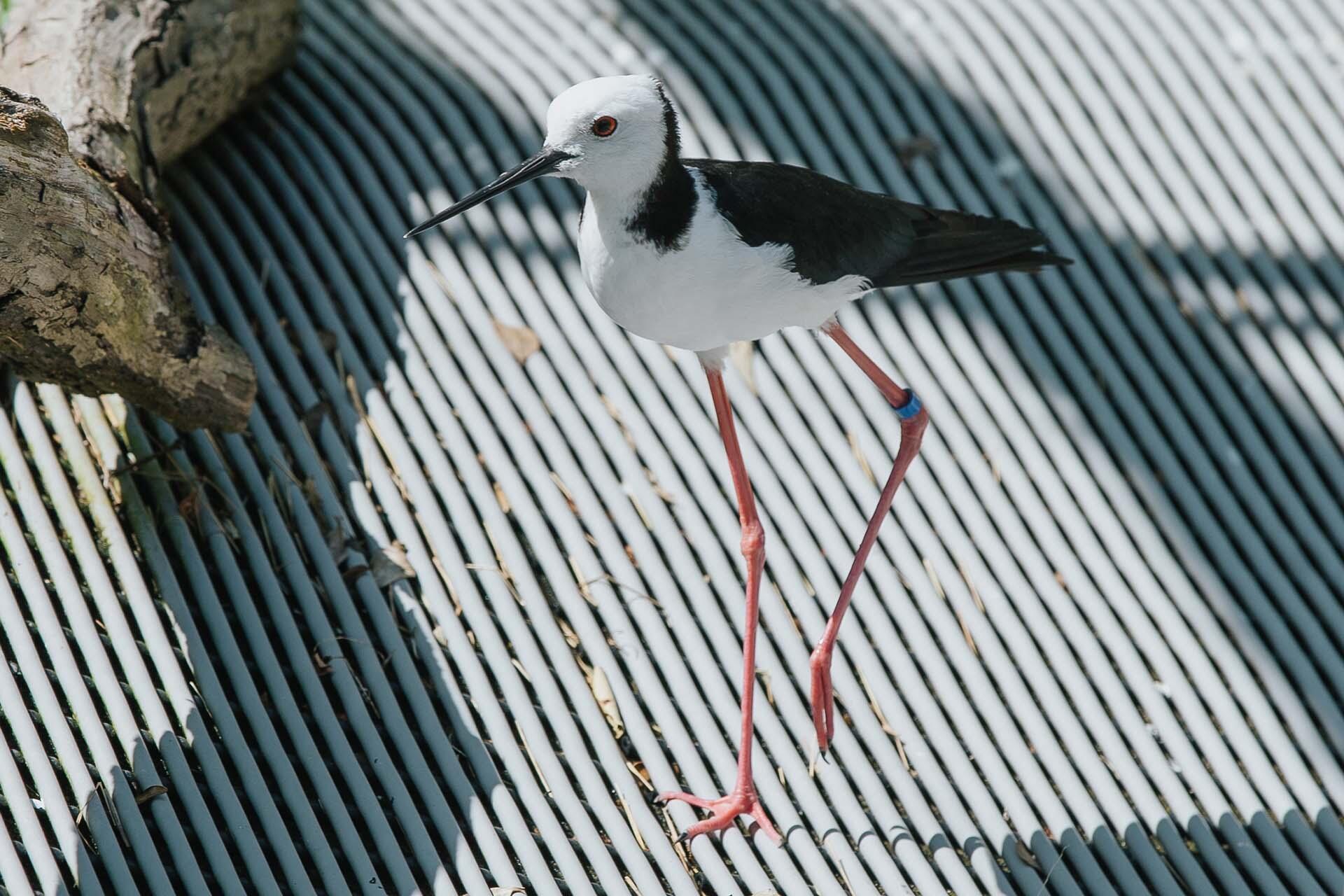
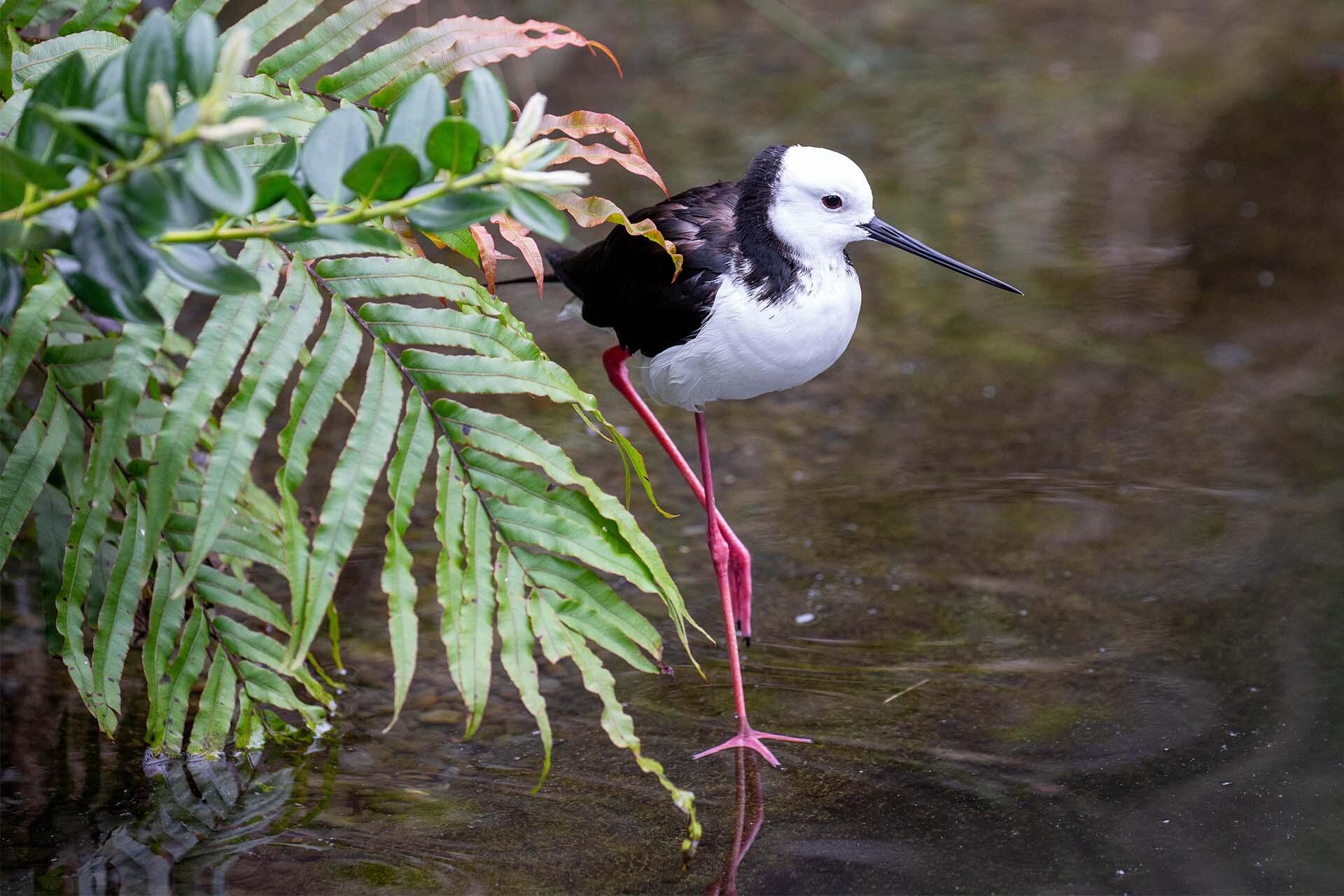
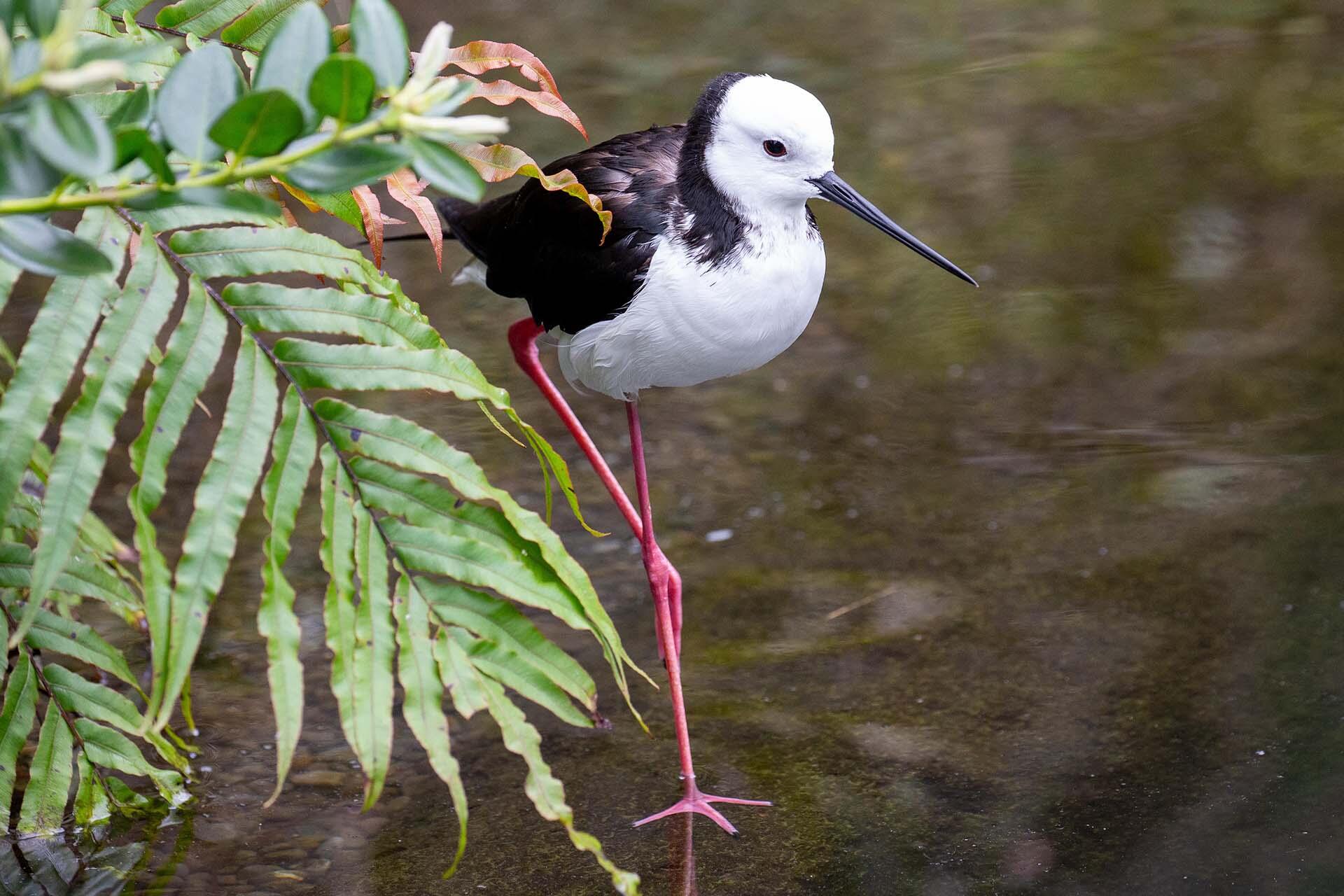
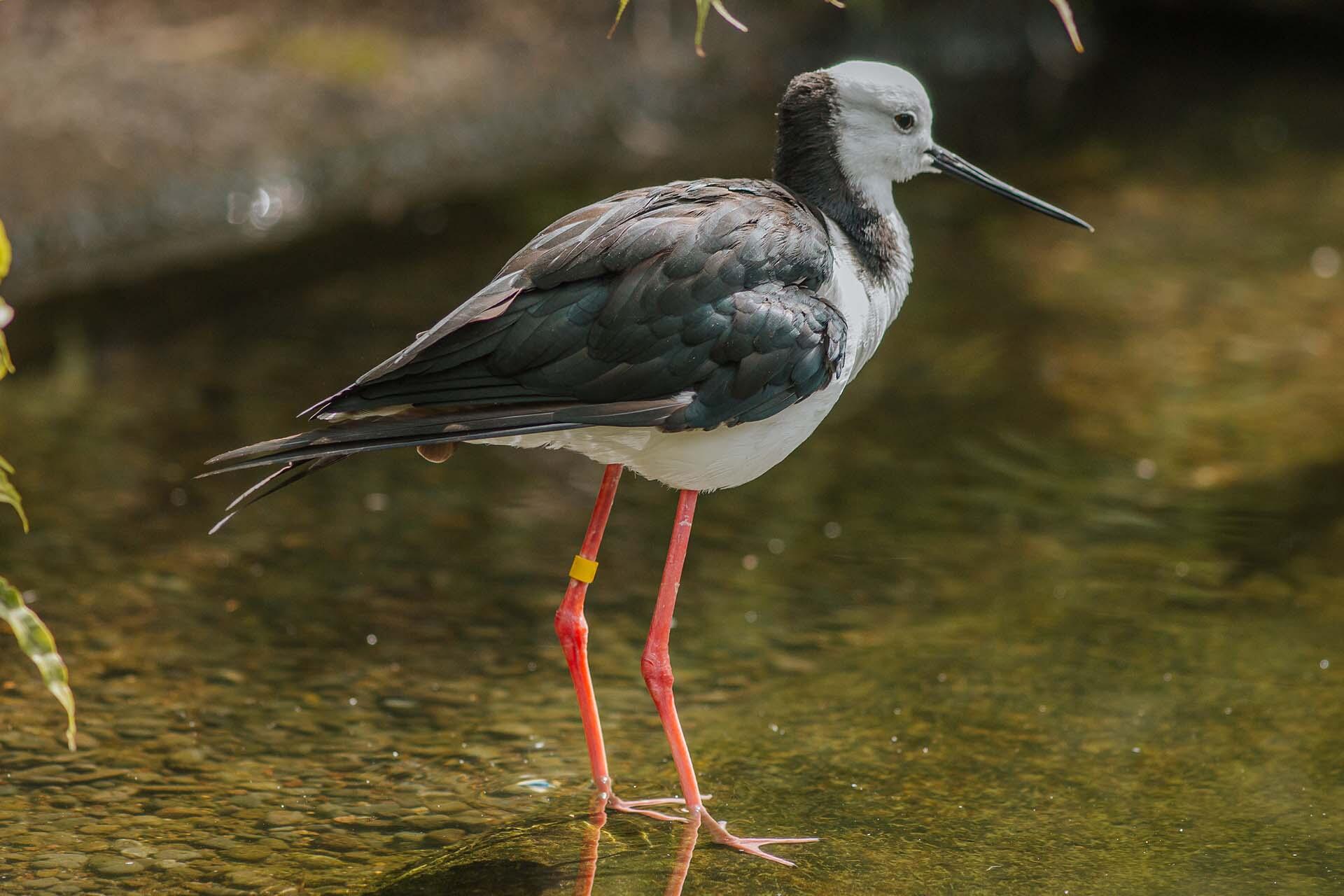
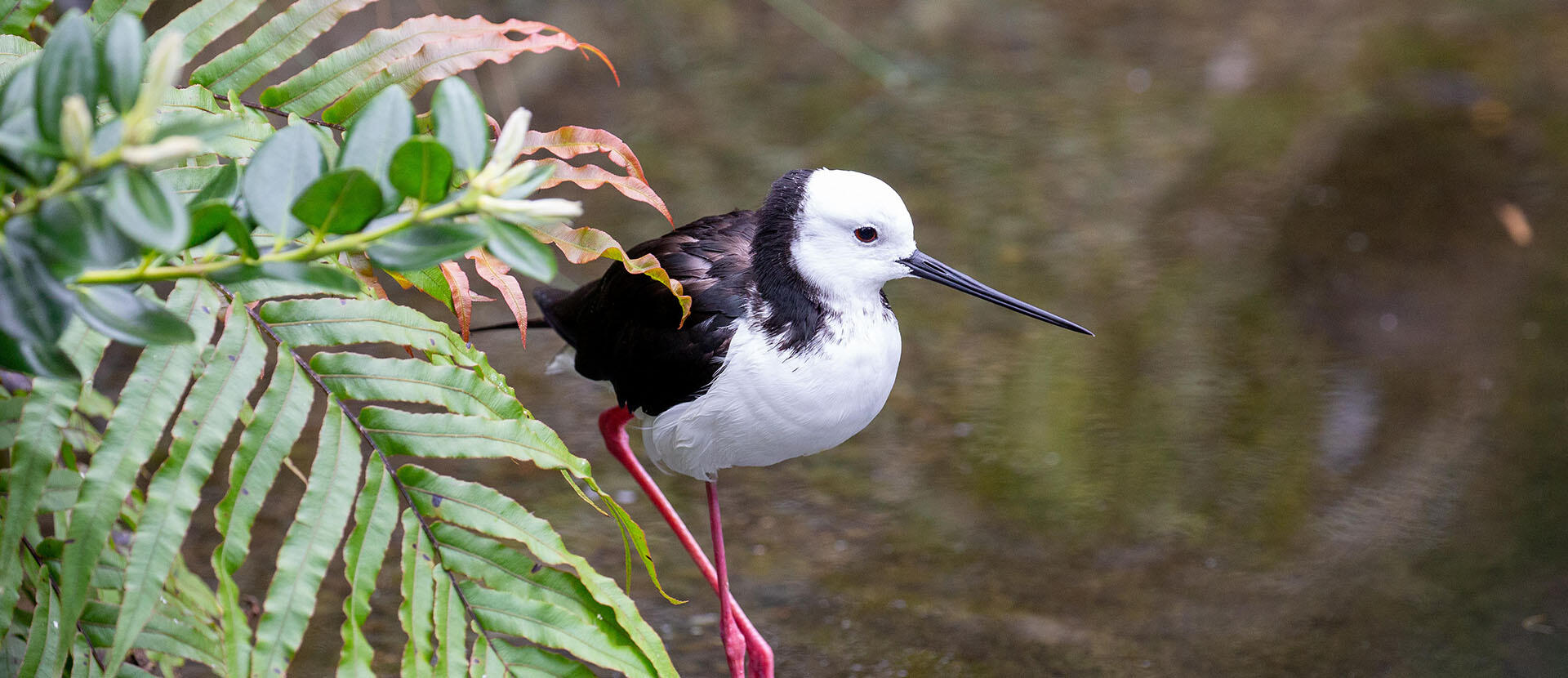
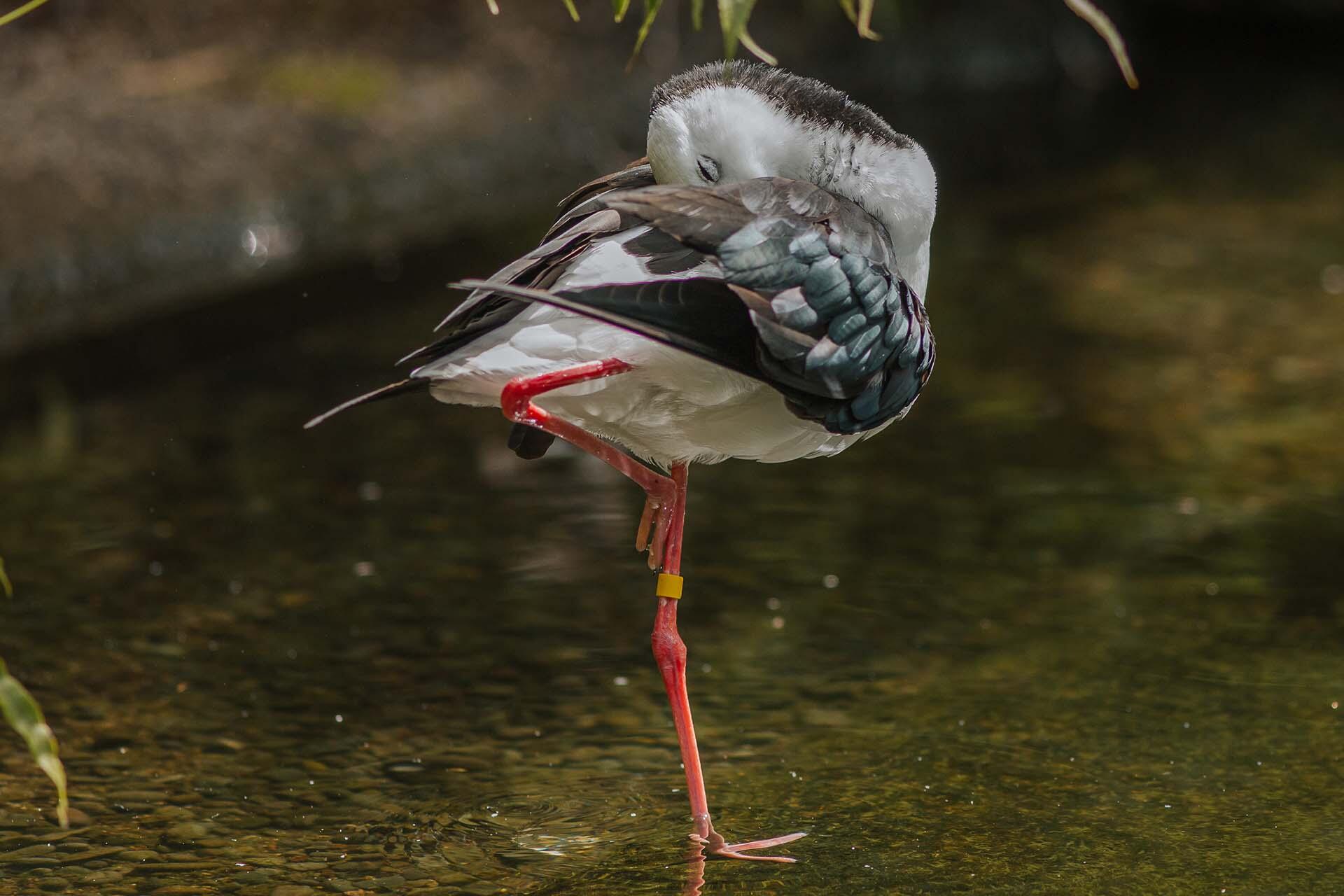
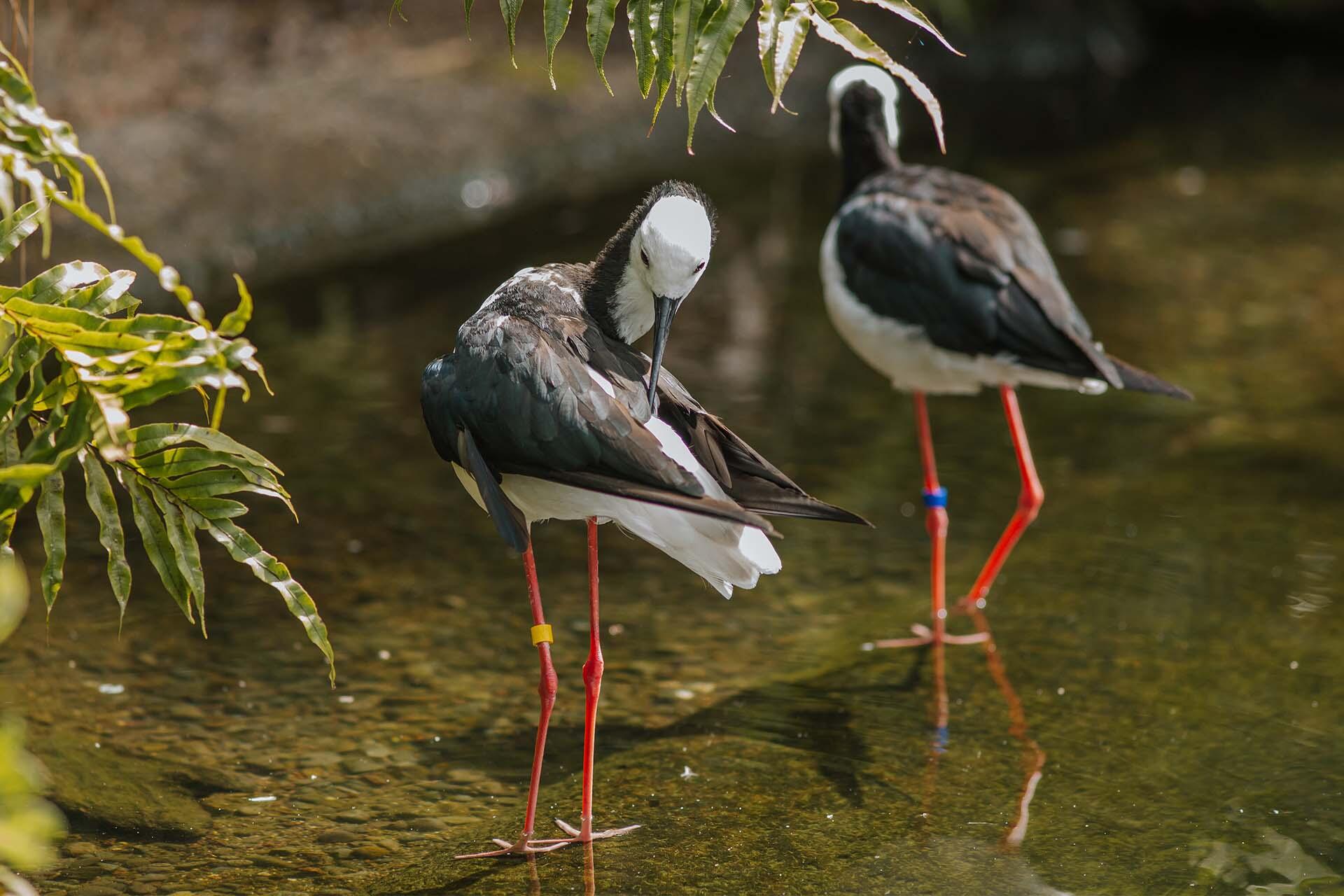
With its long pink legs and slender black beak, this wading bird is perfectly adapted for life along the shoreline. Poaka or pied stilts can be spotted in their thousands in lakes and estuaries throughout Aotearoa New Zealand.

Pied stilts now native to New Zealand

Now considered native, pied stilts arrived in Aotearoa on their own in the 1800s, flying across the Tasman from Australia, where they are commonly found in wetlands across the continent.

Their main diet is invertebrates, and they can find food on land and by water. They eat land-based insects and worms, as well as aquatic insects and larvae when feeding in ponds, swamps and estuaries.

Look a little closer, and you may spot poaka sharing the shoreline with other wading birds, including tōrea / oystercatchers and kūaka / godwits, all probing the mud for invertebrates and small fish.
Pied stilt diet and care

At Auckland Zoo, we create a specialised food mix for the pied stilts in our care. This contains everything they require for a well-balanced diet and replicates the nutrient content they would eat in the wild.

Our expert bird keepers create this diet by mashing up beef mince, cat biscuits, and powdered supplements like calcium. In the wild, the bulk of their diet would be from invertebrates, and beef mince fulfils the same level of protein that they require. Mealworms are also provided every day to encourage natural foraging behaviours.

Each year, the pied stilts in our care will receive an annual vaccination. At the same time our keepers will perform a head-to-toe health check which includes closely checking their beaks, legs and feet to ensure they’re in tip-top health.

Where you can find pied stilts at Auckland Zoo

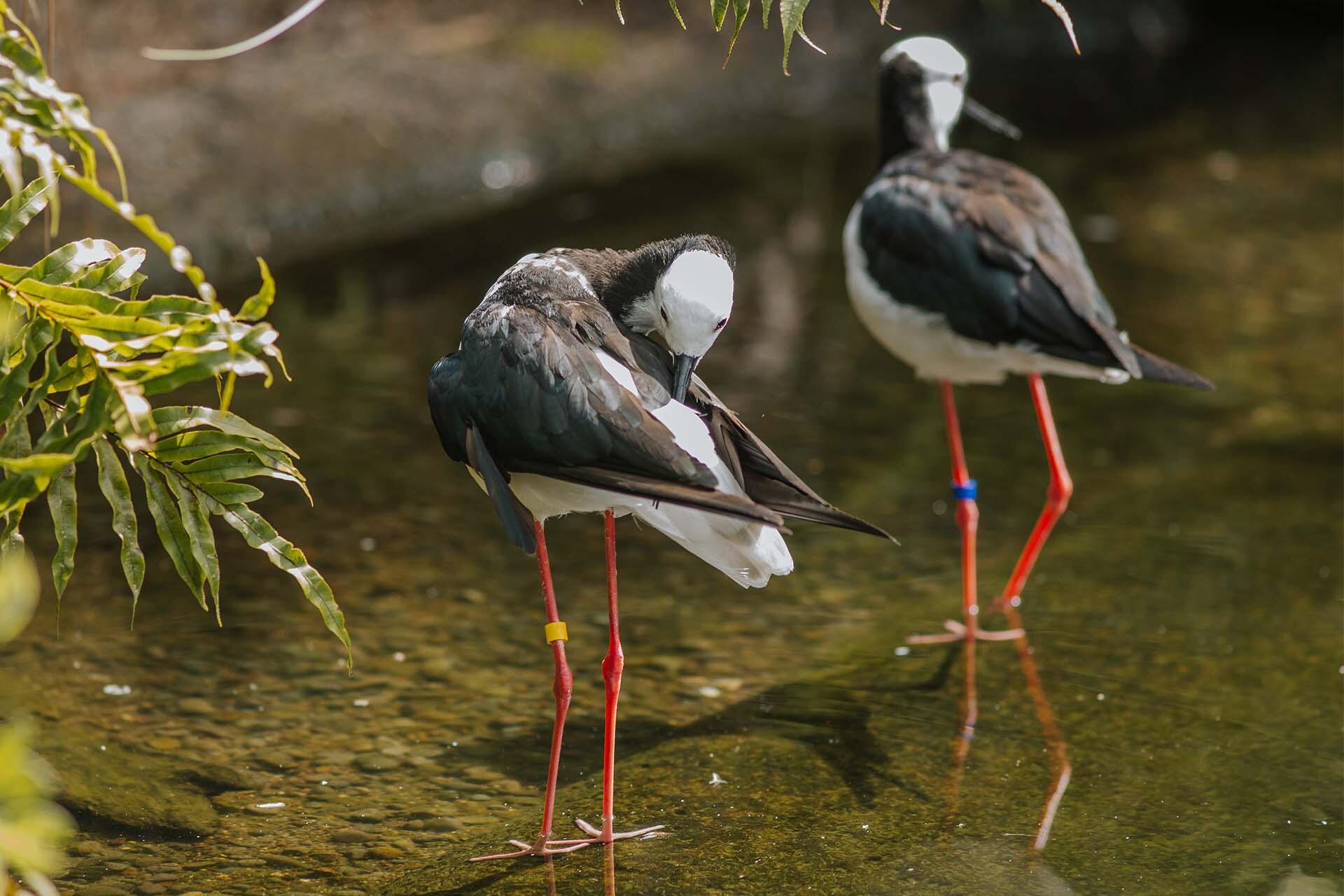
You can spot poaka in Ngā Repo, the wetlands habitat on our Te Wao Nui Track. They share their habitat with three species of ducks, tētē-moroiti / grey teal, pāpango / New Zealand scaup and Kuruwhengi / Australasian shoveler, along with the ōrea / longfin eels.

Pied stilt breeding, conservation status and threats 

Poaka are not considered threatened here in New Zealand, however the habitats in which they are found are. New Zealand’s wetland areas, both freshwater and saline, have been in a long-term decline, decreasing by 6,994 hectares between 1996 and 2023. Wetland habitats are not just important for our pied stilts, but they are also a critical ecosystem for flood mitigation, biodiversity, migratory birds, food production and are a taonga species for Māori.

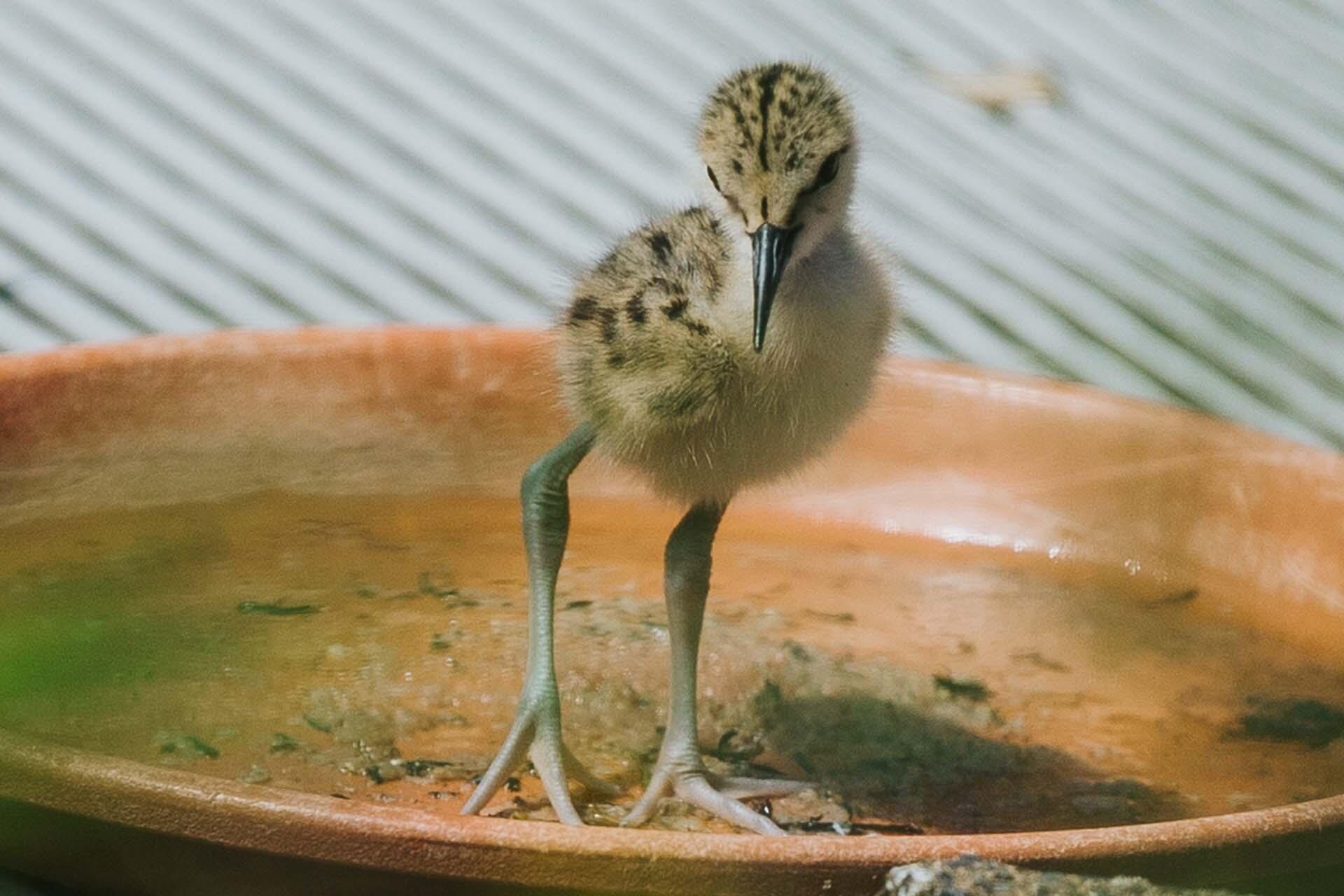
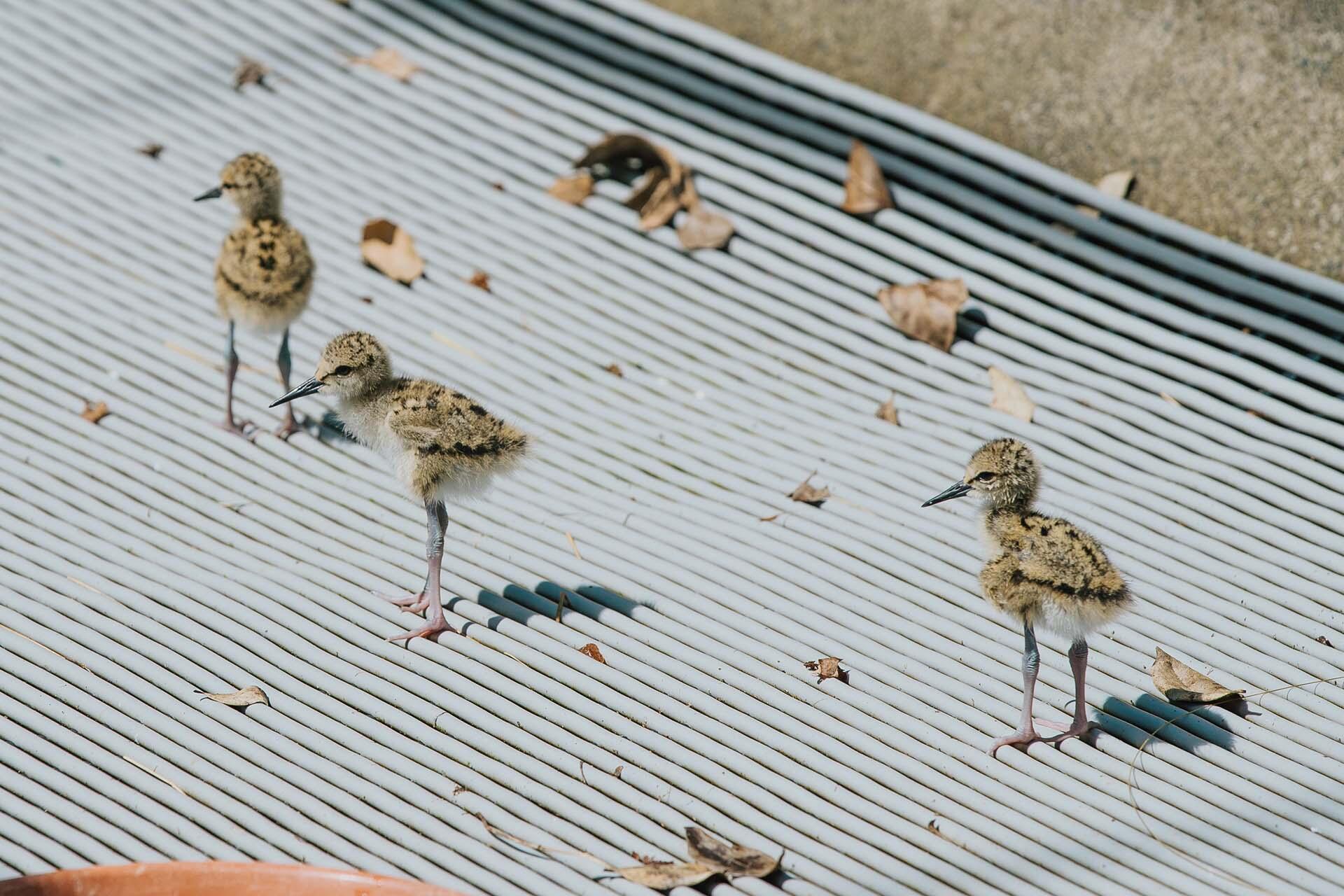
Poaka typically nest and breed in colonies of around 15 pairs, but these can get as large as 100 pairs. An adult pair will work together using mud and vegetation to build a nest near a water body.  The eggs are incubated by both the male and female and will hatch their clutch (usually a group of 3-4 eggs) at around 25 days. Once they’re able to fly, the parents will continue to care for them for some time.