Pāpango are expert divers

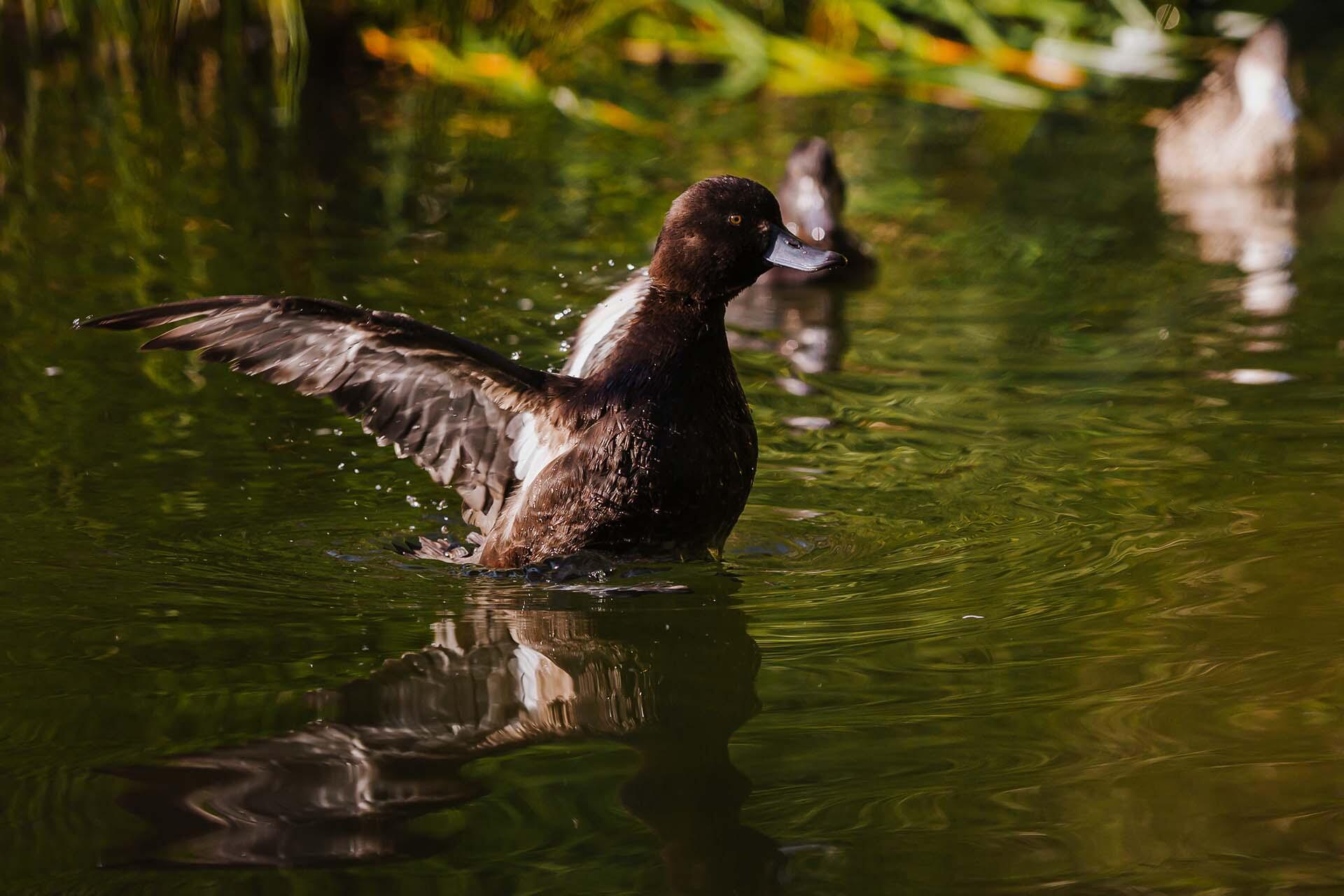
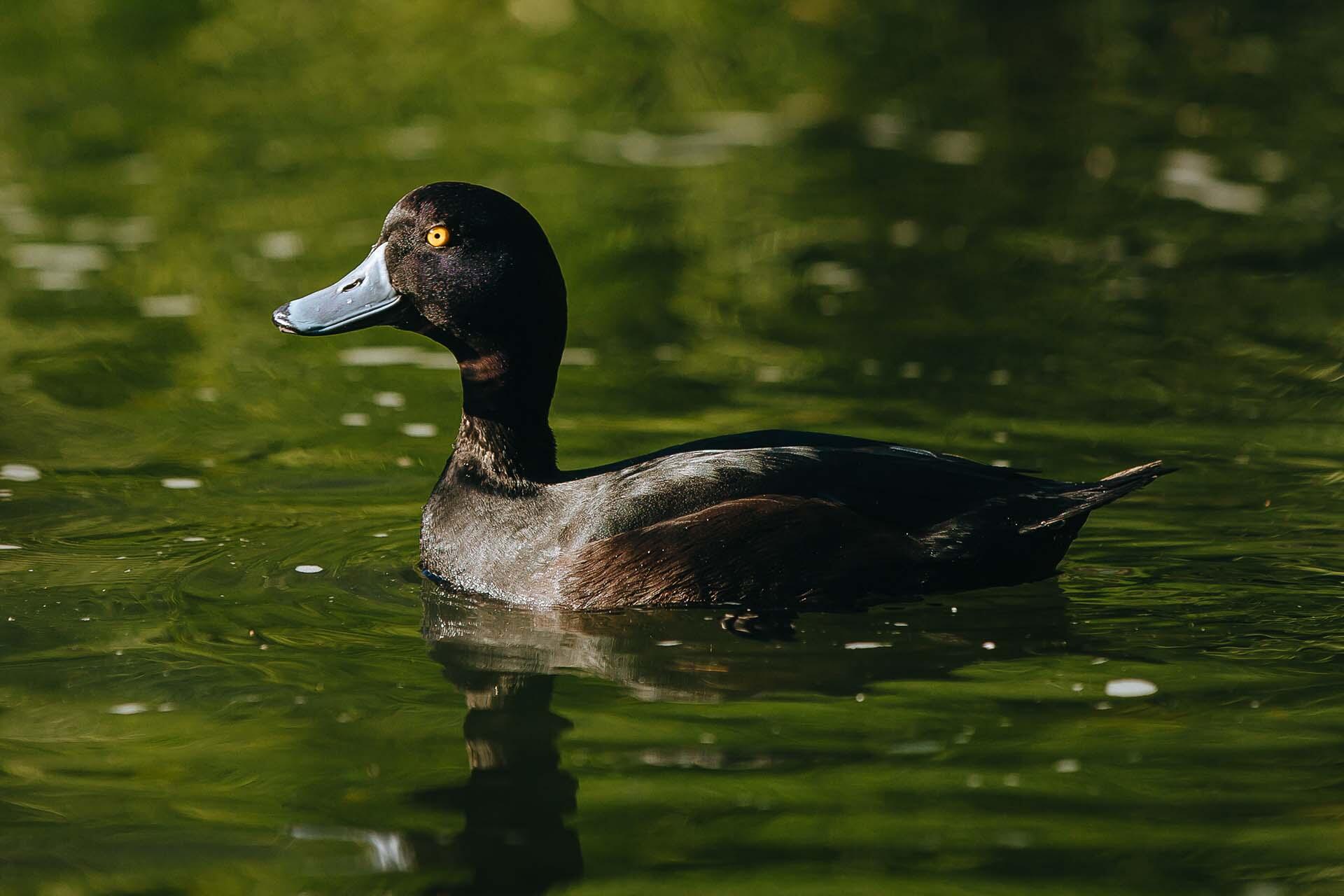
Their large, webbed feet and legs set far back on the body make them perfectly adapted to life on the water. They can dive as deep as 3 metres and swim long distances beneath the surface to find freshwater snails, insect larvae and aquatic plants.

What are the differences between male and female pāpango?

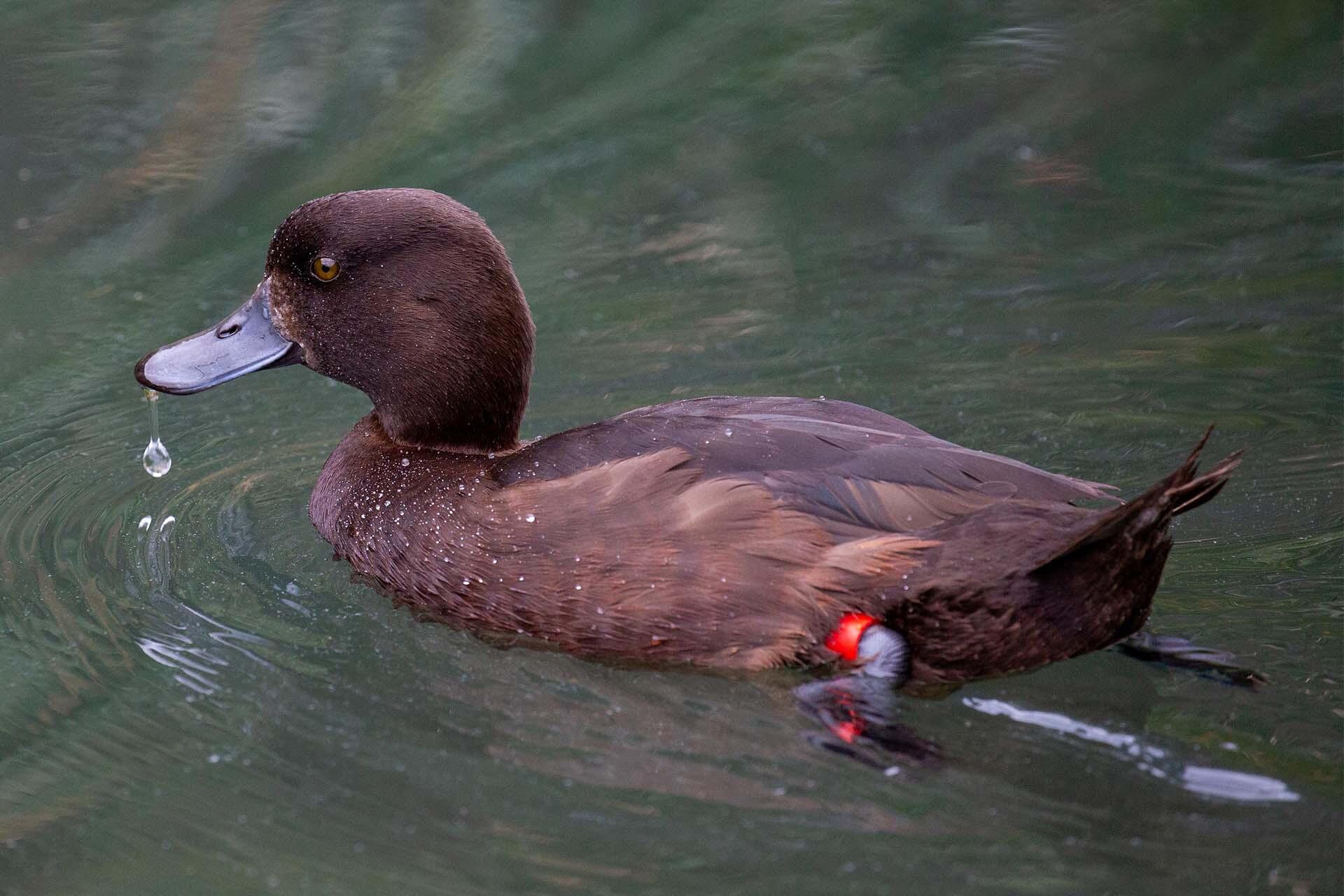
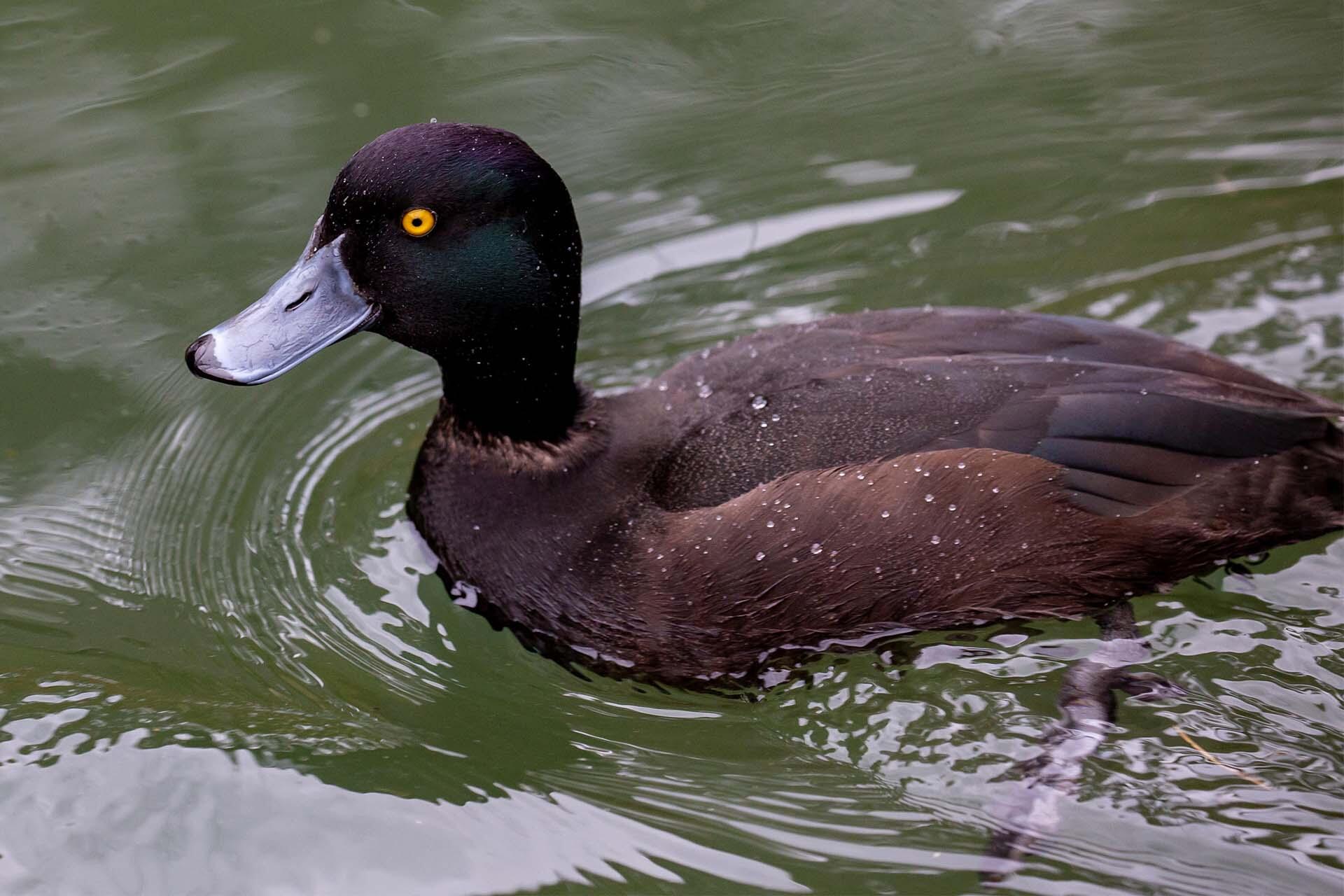
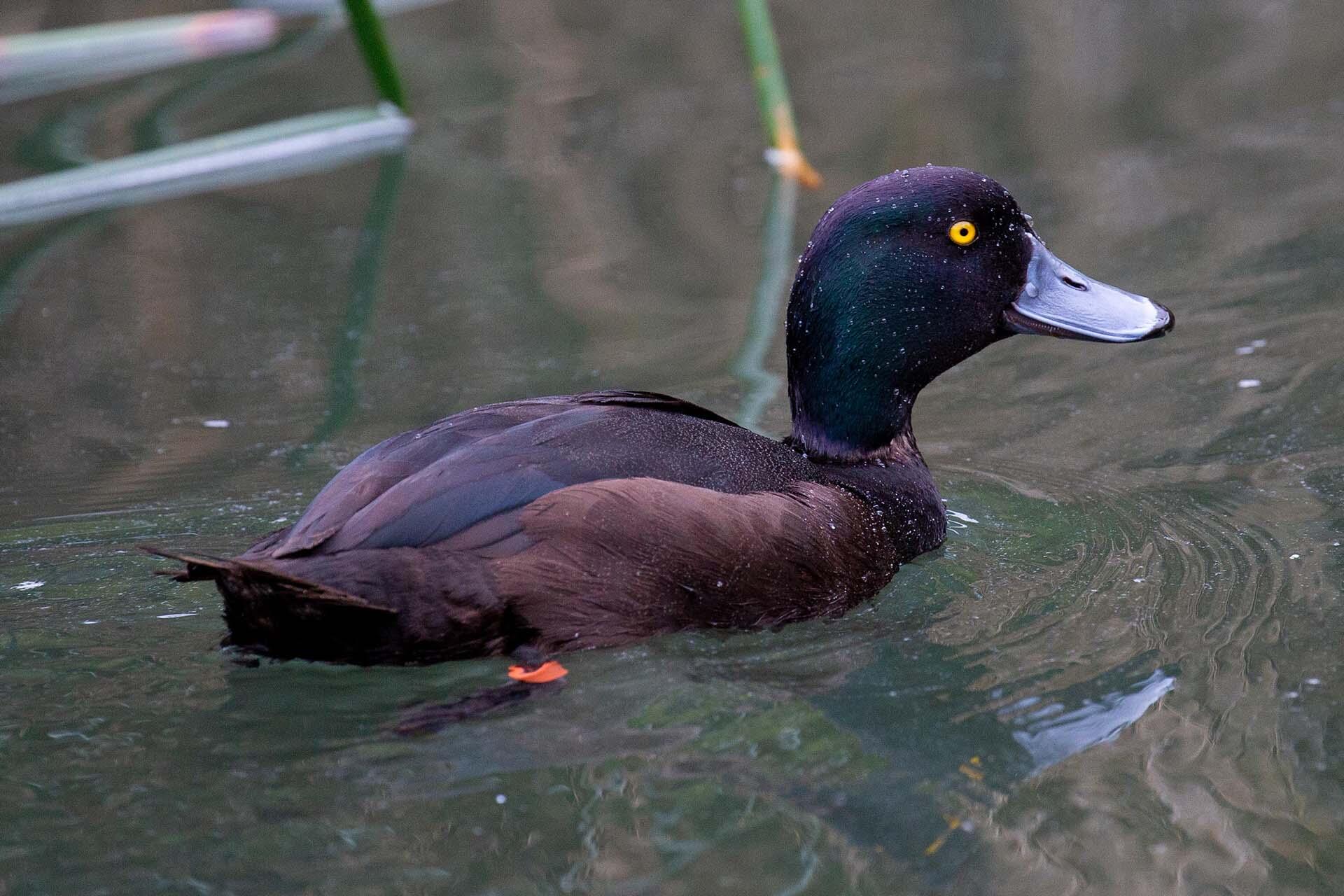
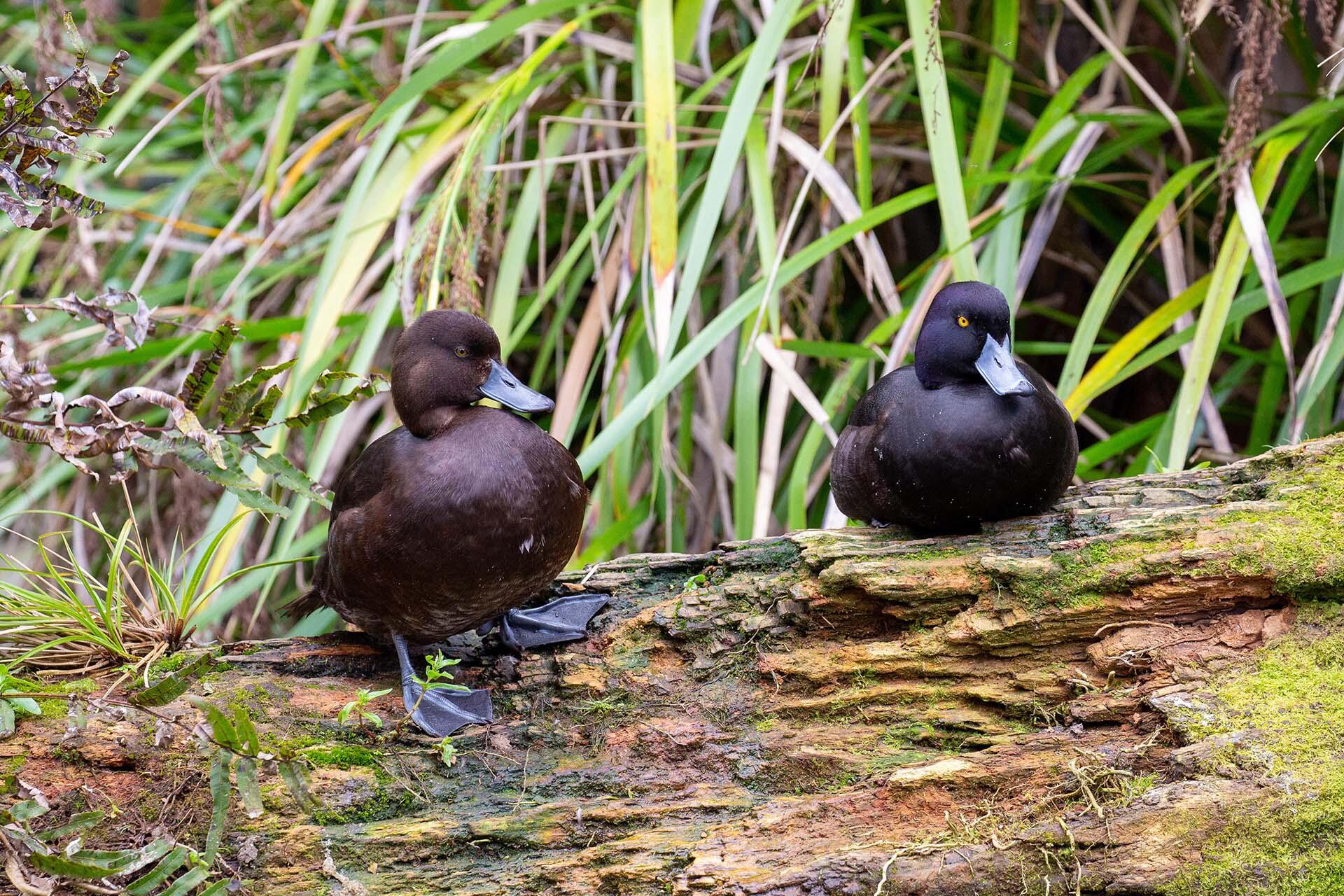
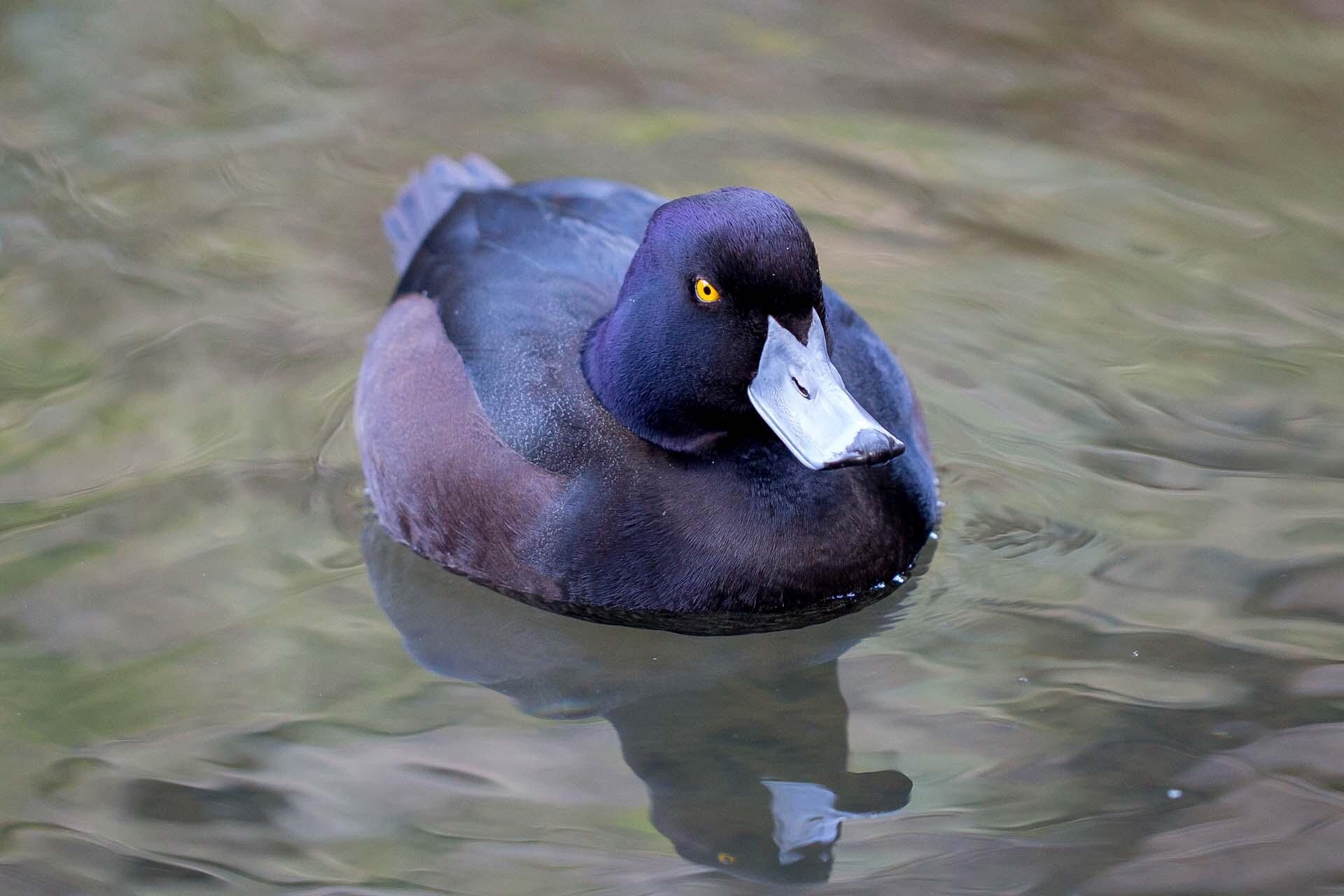
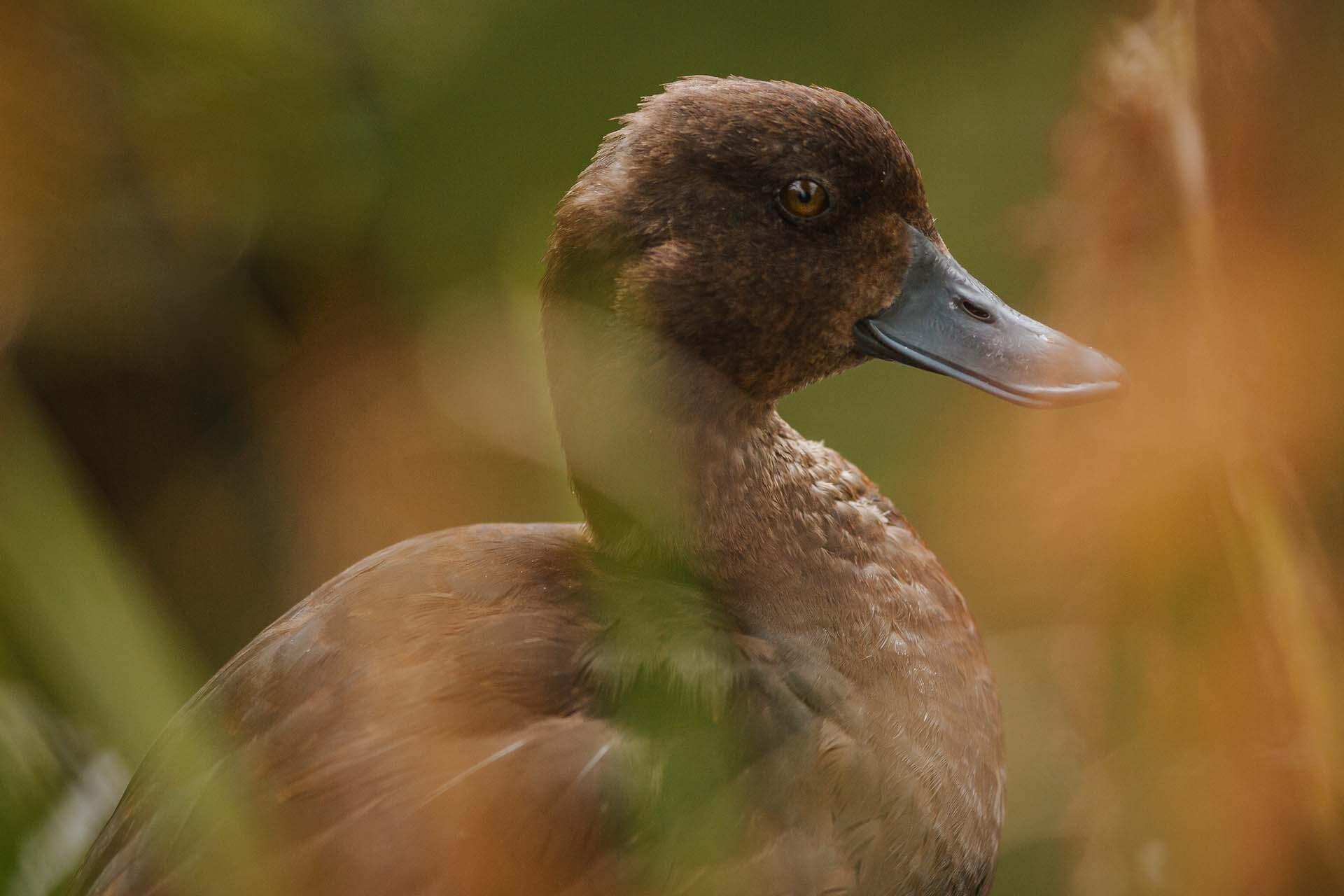
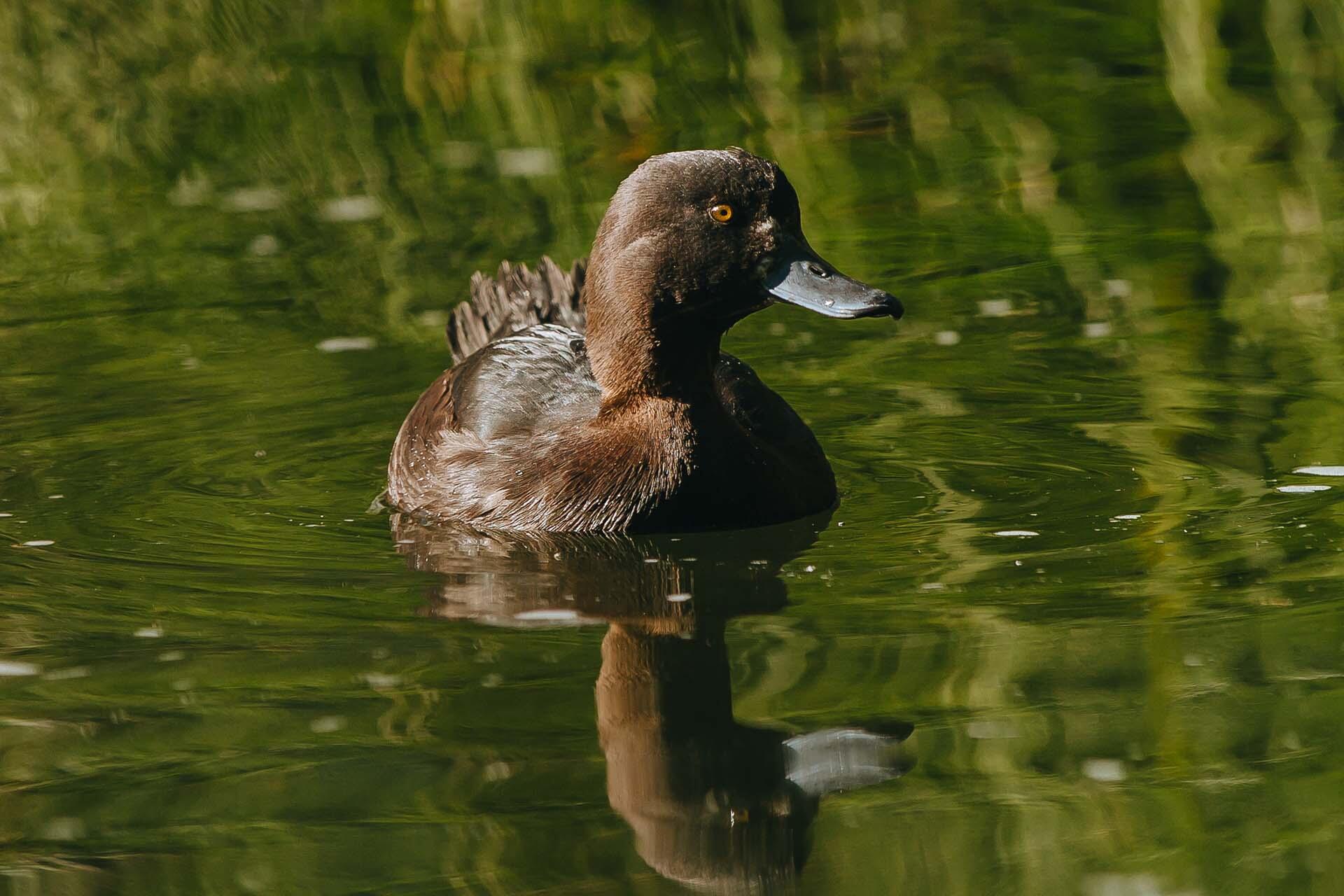
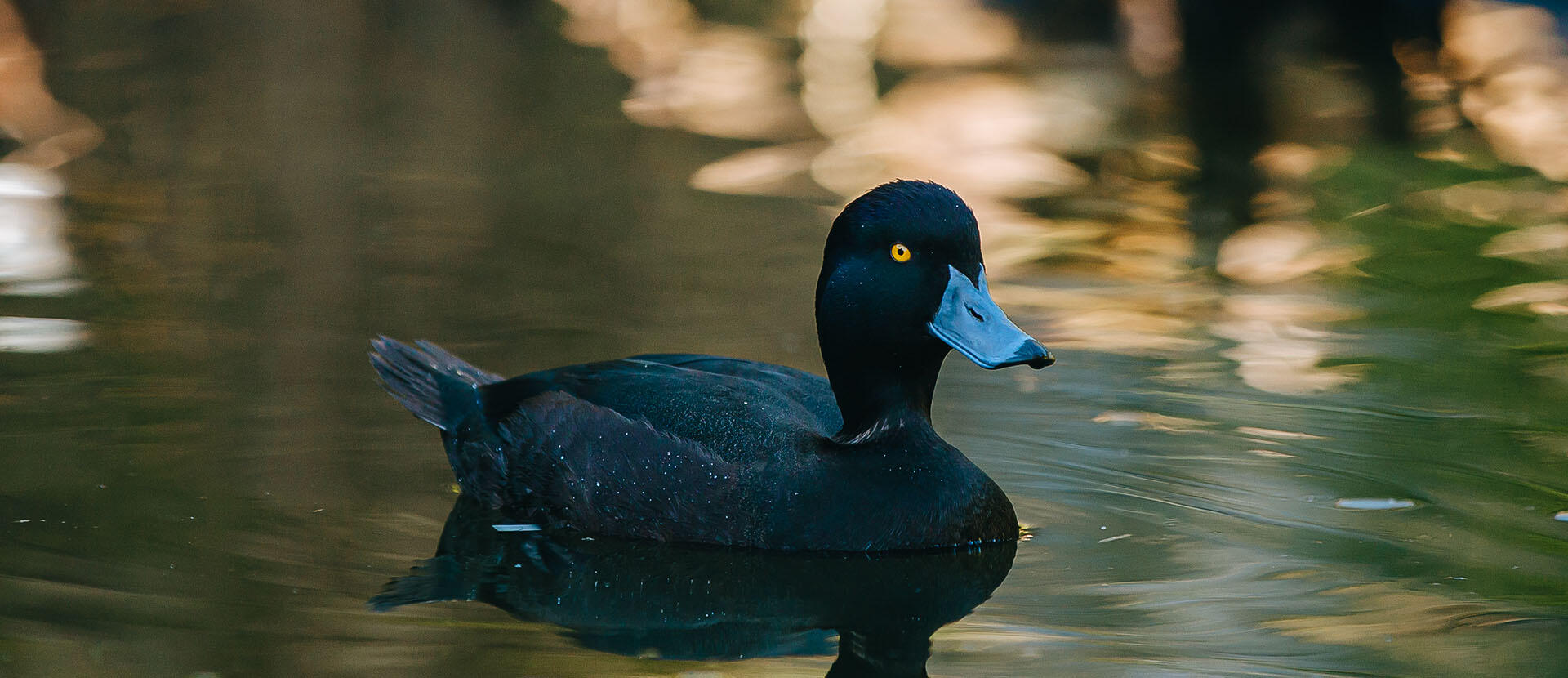
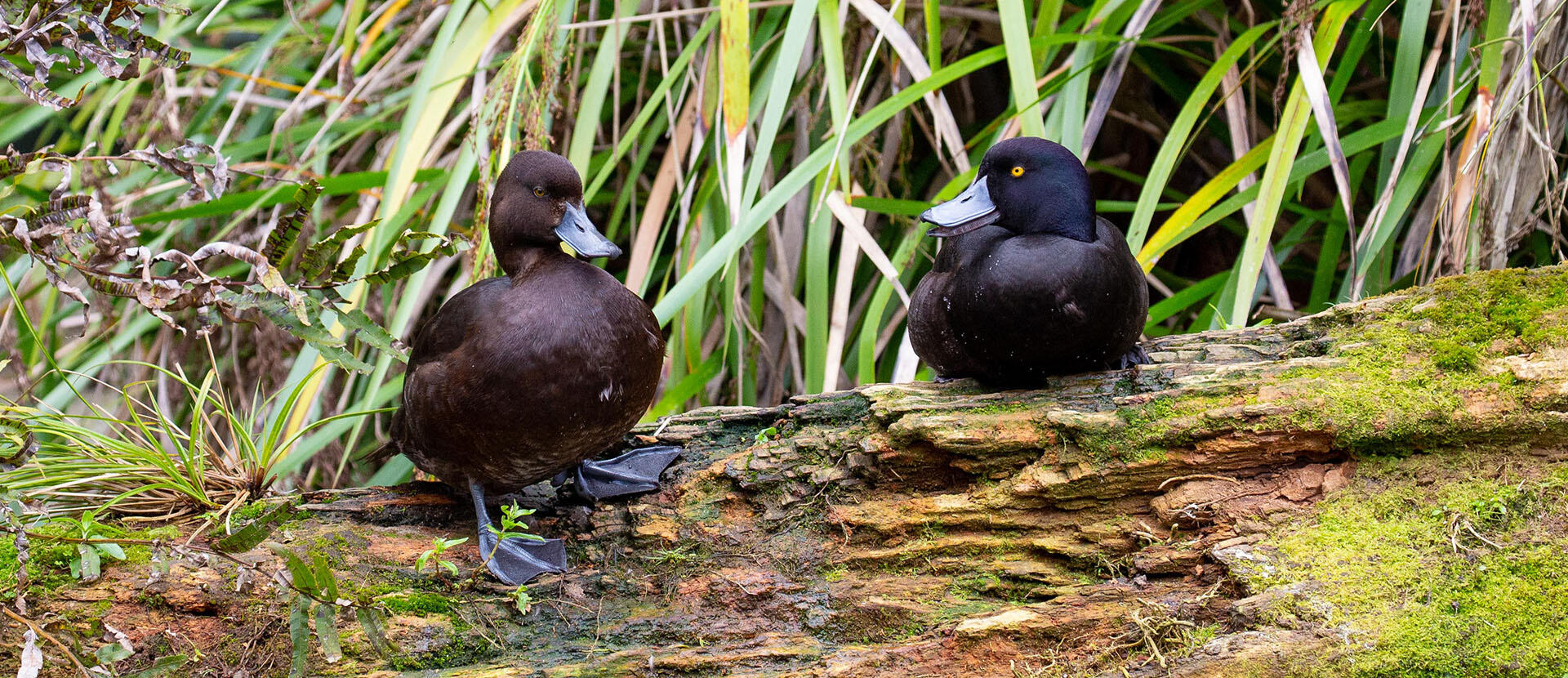
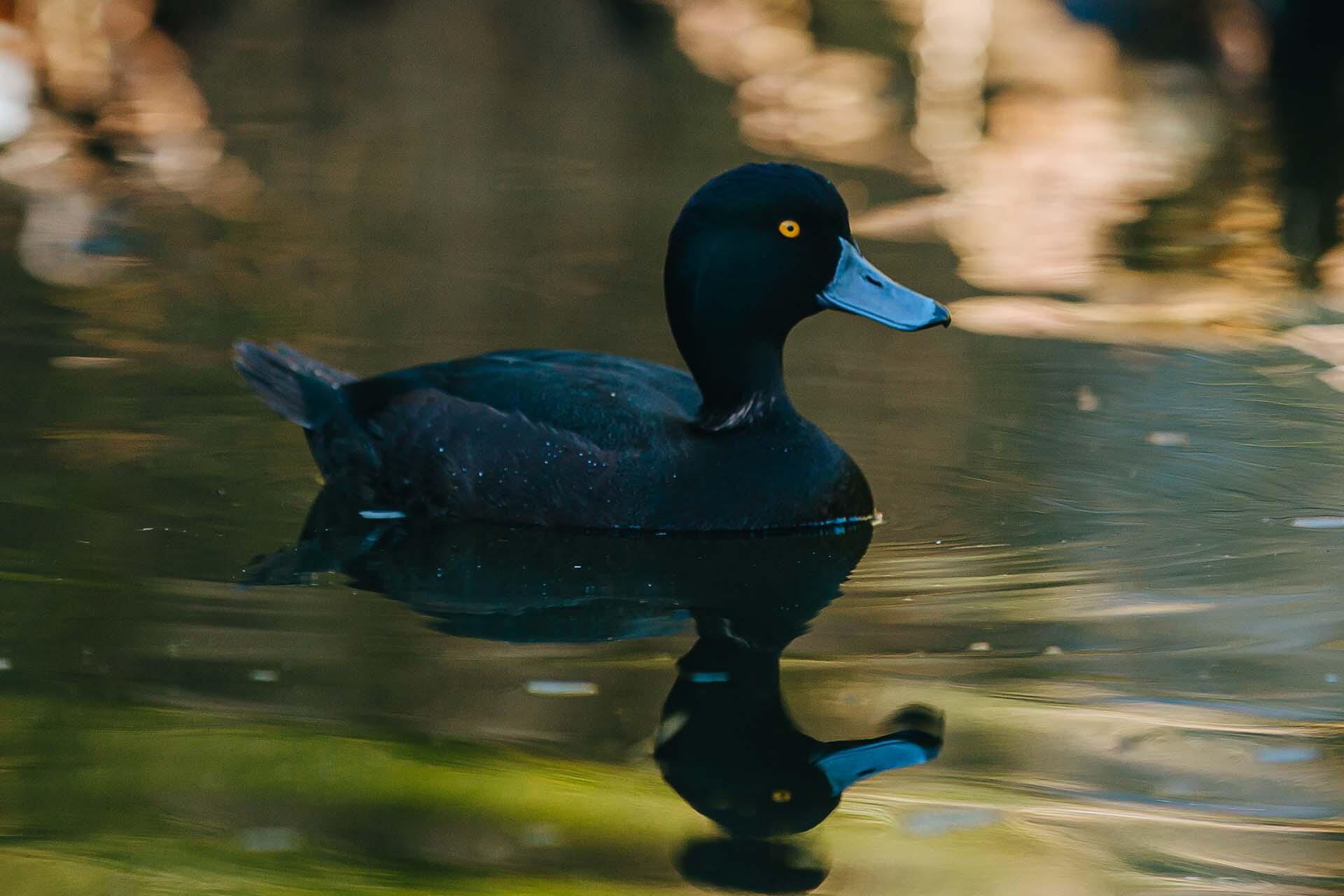
These guys are same same but different, and it’s easy to tell males and female pāpango apart. Females are a duller brown with brown eyes. Males, however, are dark black-brown with a subtle green sheen on the head and a bright yellow eye that stands out.

How do these native ducks get their name?

In te Reo Māori, pāpango means to be somewhat black or dark in colour. Which is a fitting name for these beautifully dark feathered ducks. In different regions of Aotearoa New Zealand, they are also called matapōuri, tetepango, titiporangi and raipo.
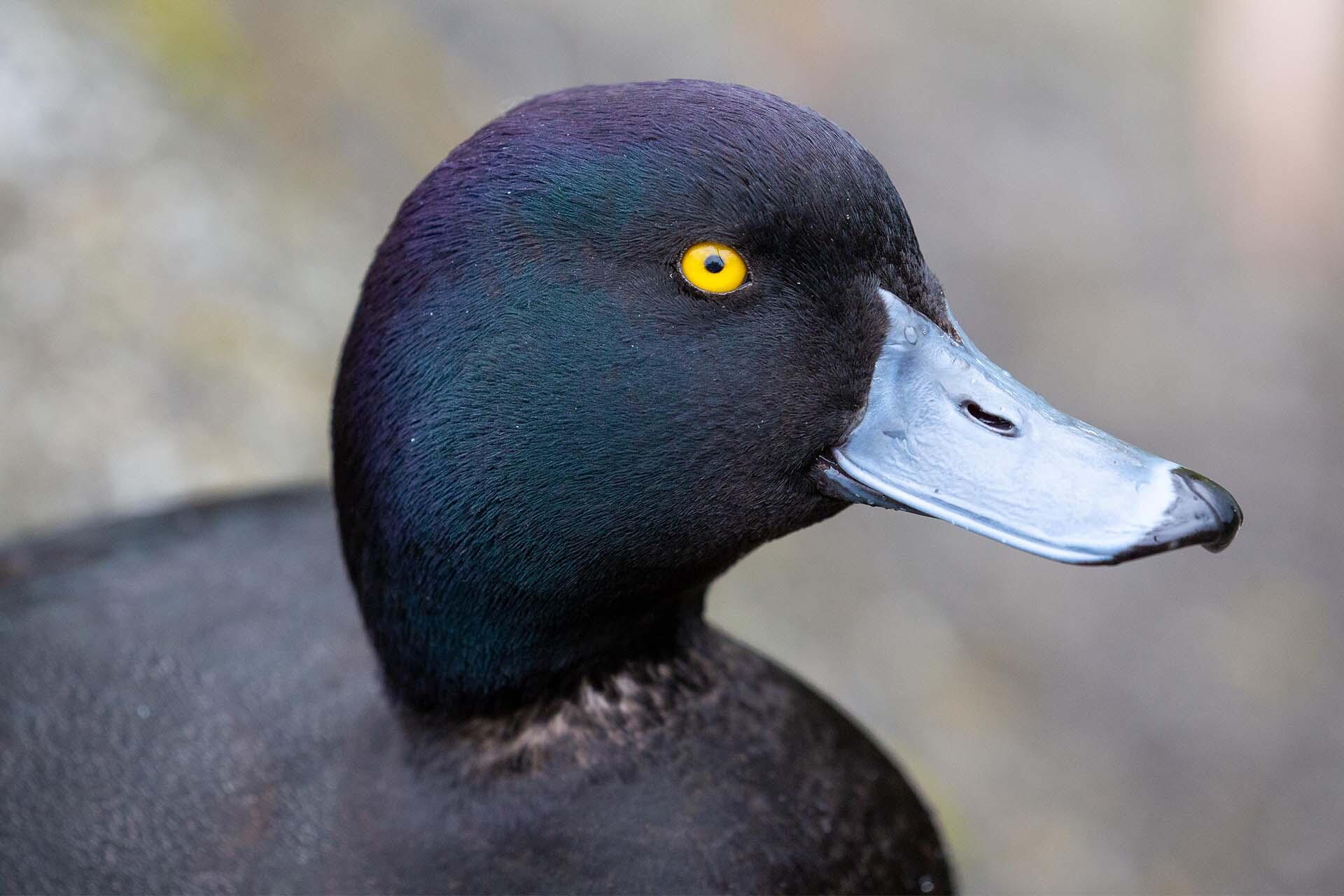
Caring for pāpango at Auckland Zoo

At Auckland Zoo, our bird keepers feed the scaup a specially formulated pellet that provides them with all the essential nutrients they need, as well as insects such as mealworms. In the wild they obtain most of their food by diving, this includes snails, larvae, and other small invertebrates; they are also likely to consume various plant materials while diving.

You can spot pāpango in the walk-through Ngā Repo (Wetlands) aviary on our Te Wao Nui Track alongside poaka/pied stilt, tētē/grey teal, kuruwhengi/shoveler and tuna / long finned eel. Auckland Zoo is also home to other New Zealand native ducks such whio / blue duck and pāteke / brown teal.

Pāpango habitat and population size

Origin: Endemic to New Zealand

Conservation status: IUCN – Not threatened

Pāpango are found in lakeshores and rivers, and their population is in the range of 20,000-100,000 individuals.

They are found in patches throughout Aotearoa, and their most suitable habitat areas are in Northland, upper Waikato, Rotorua, Taupo, Hawke's Bay, West Coast, North Canterbury and the Southern Alps.

This species differs from other members of its genus in that it does not migrate. During winter, birds living on high-country lakes may move to open water nearby if their habitats become frozen over.