
Happily ever after

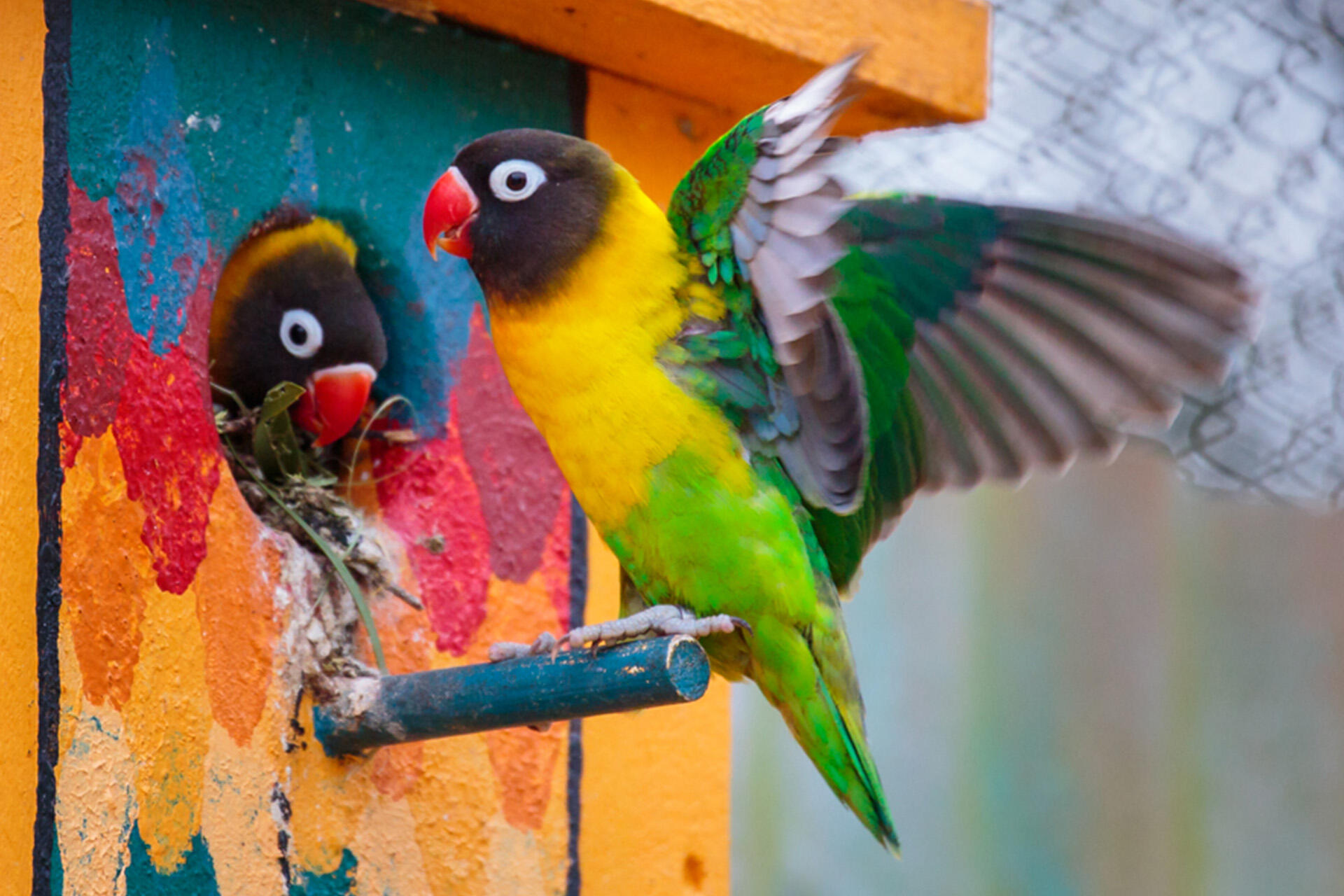
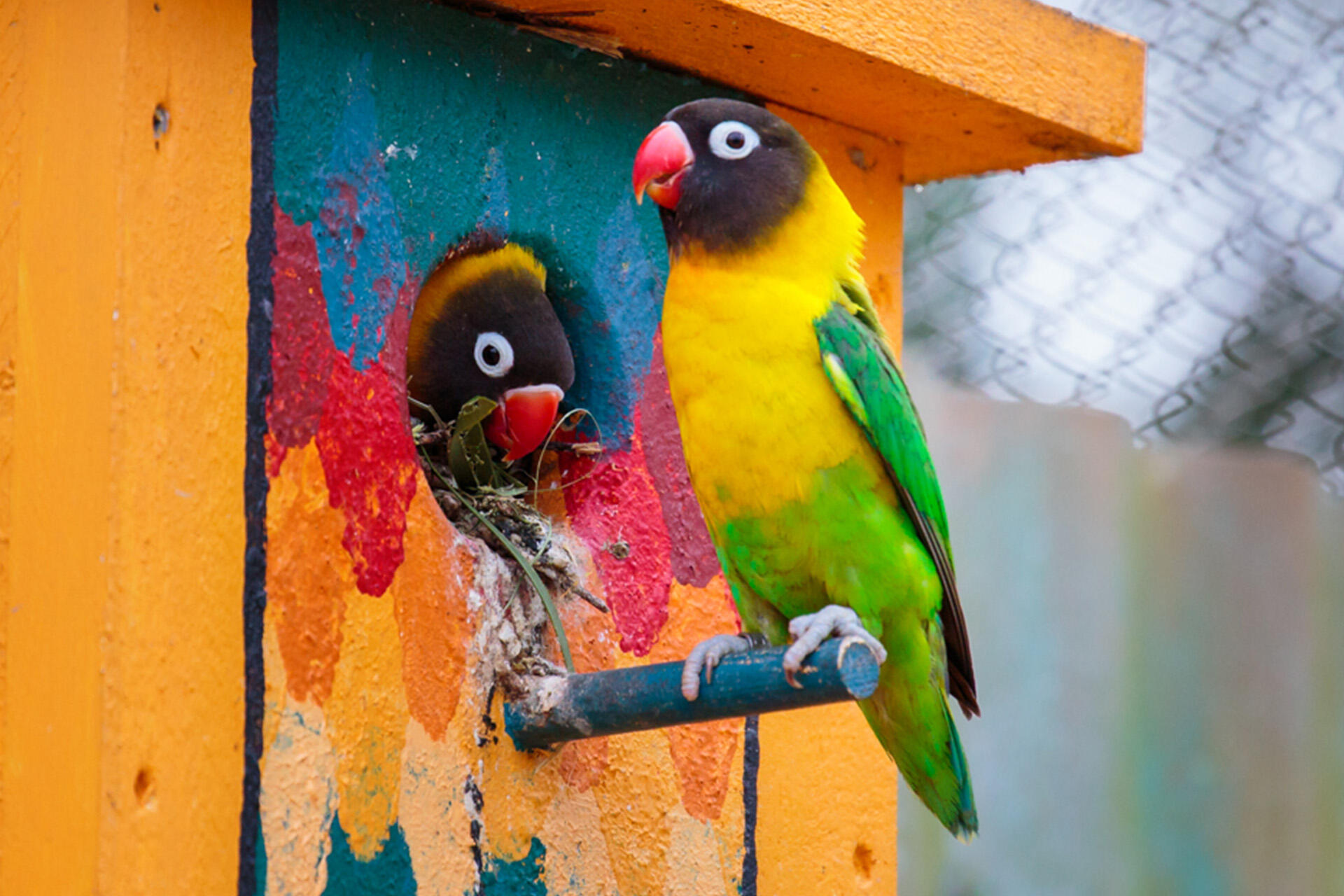
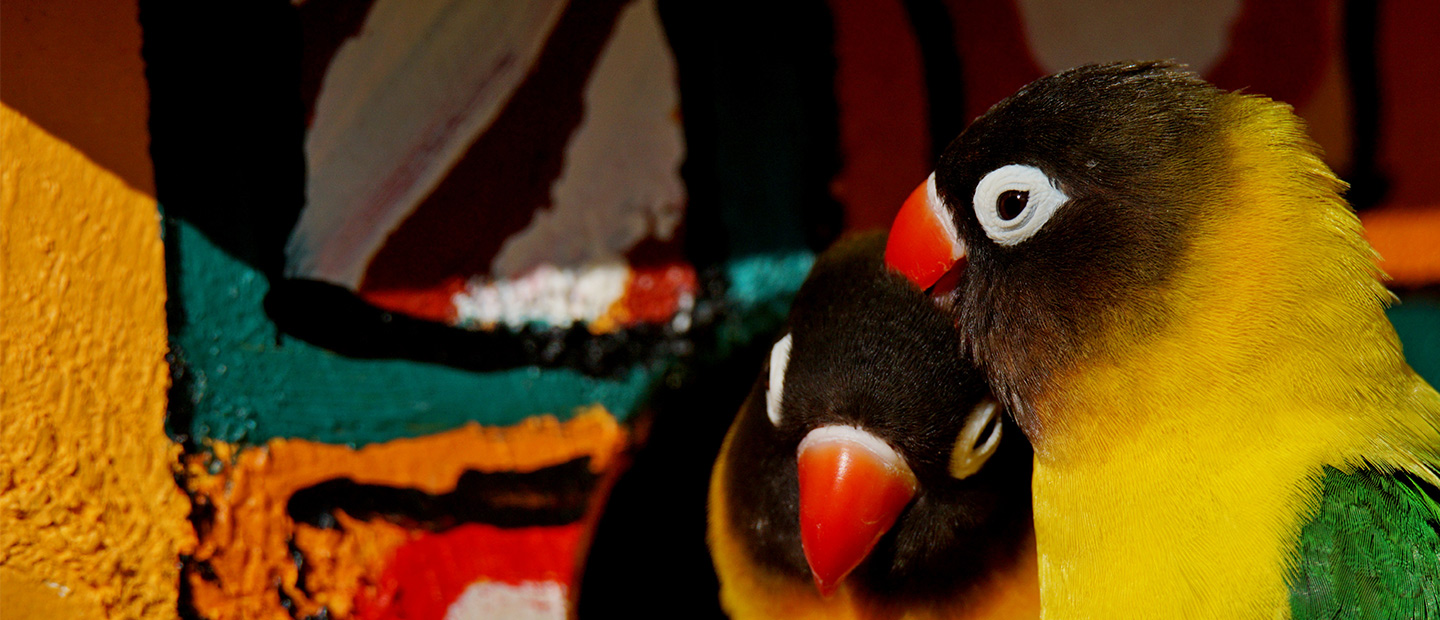
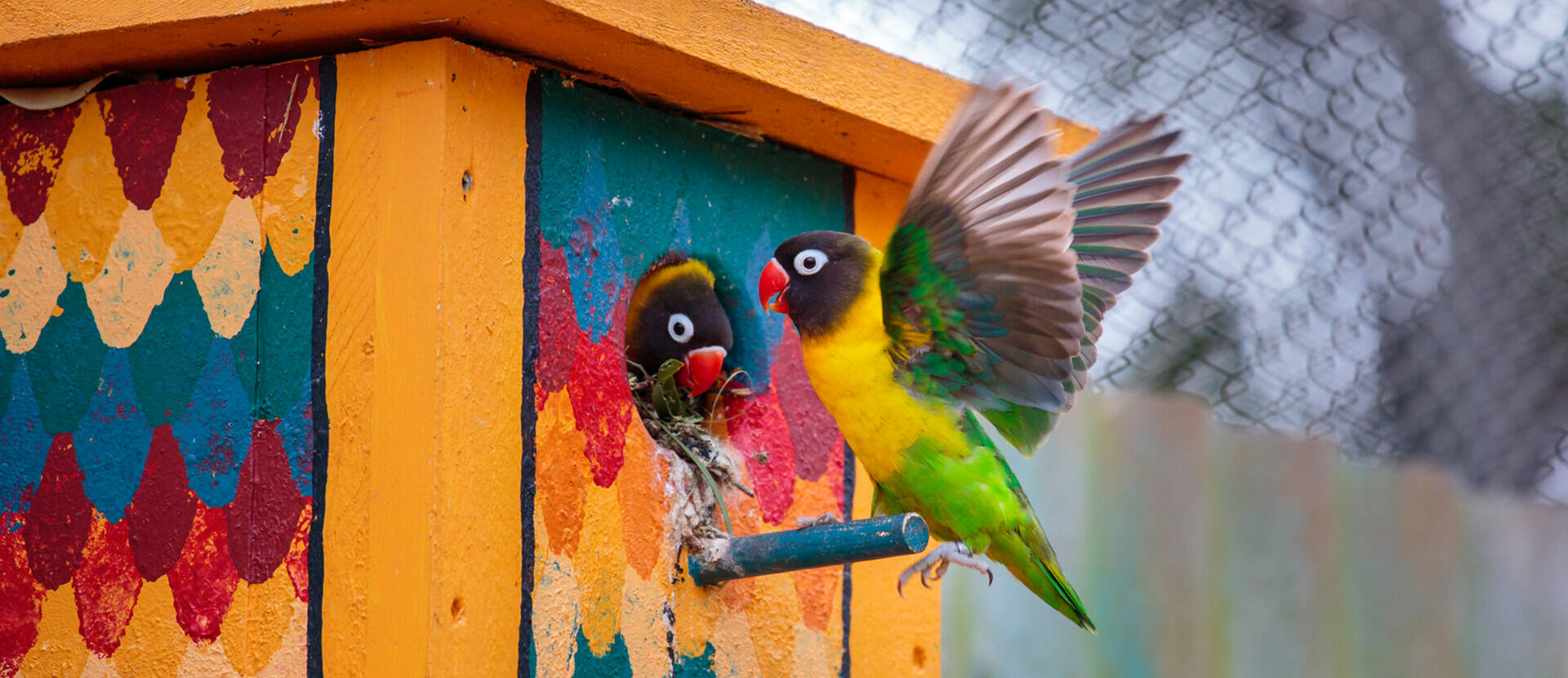
Masked lovebirds (also know as yellow-collared lovebirds) will often select a companion they’ll spend nearly all their time with.

If a pair is separated for a while, upon reuniting, lovebirds will feed each other to re-establish their bond.

DIY is in their DNA

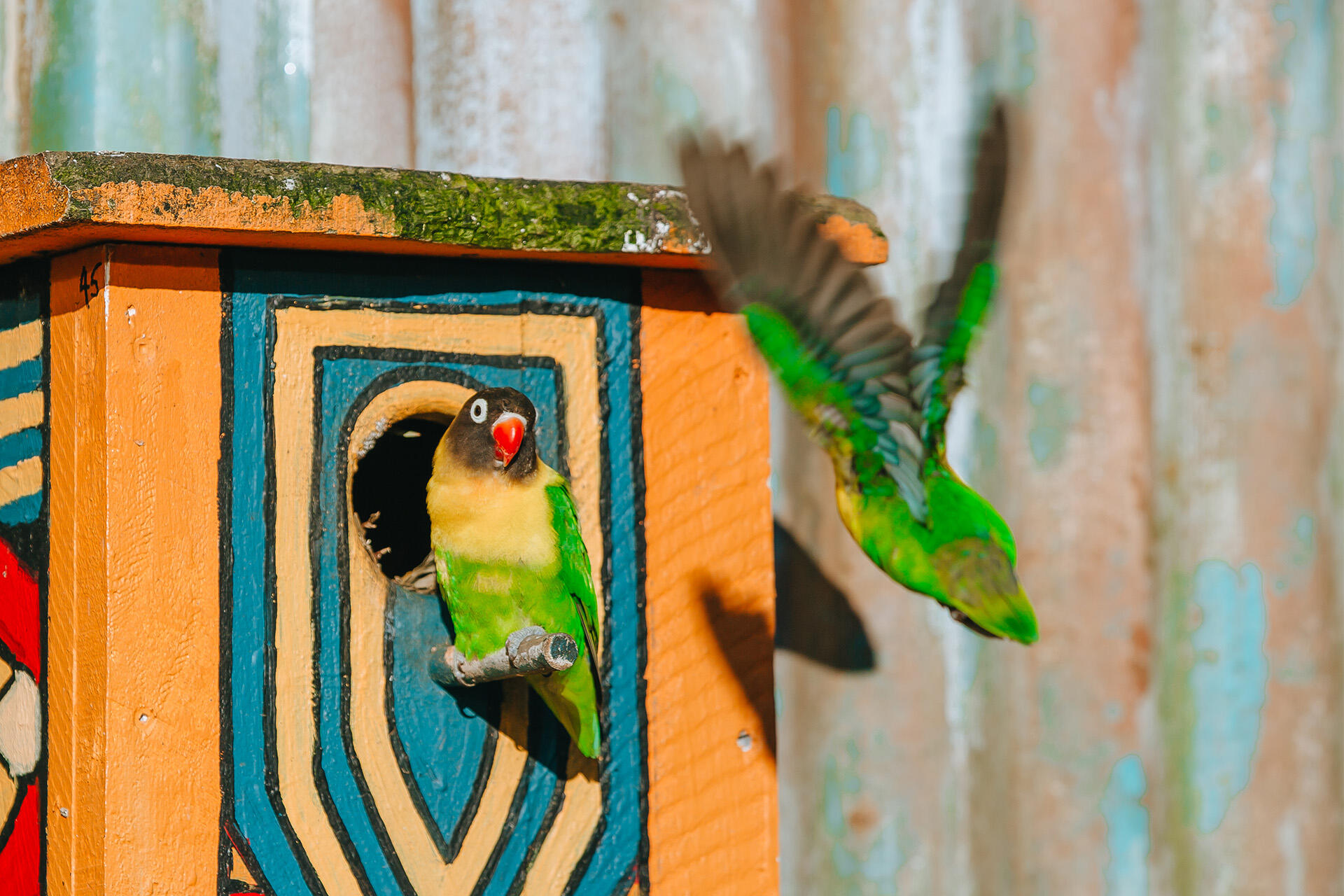
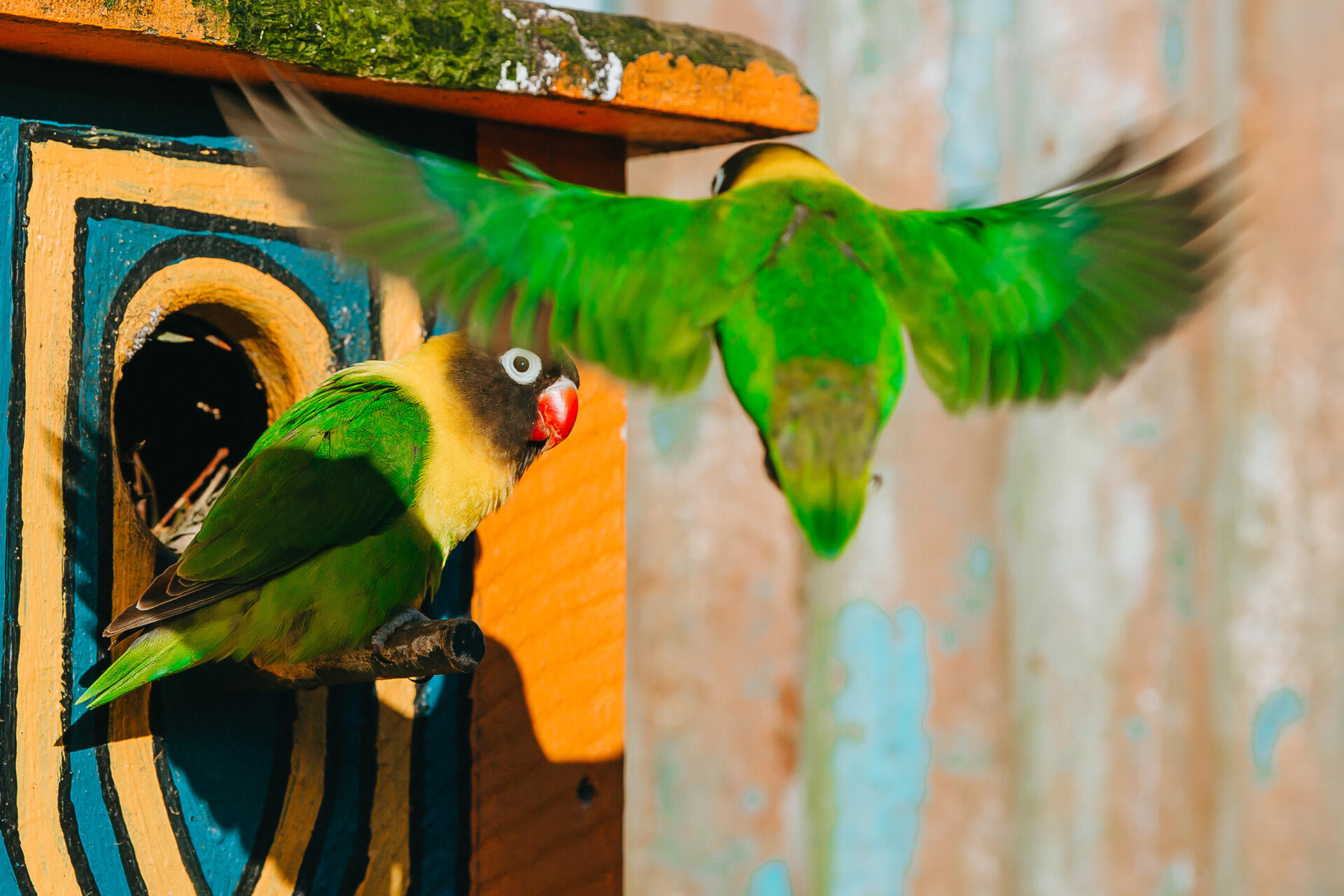
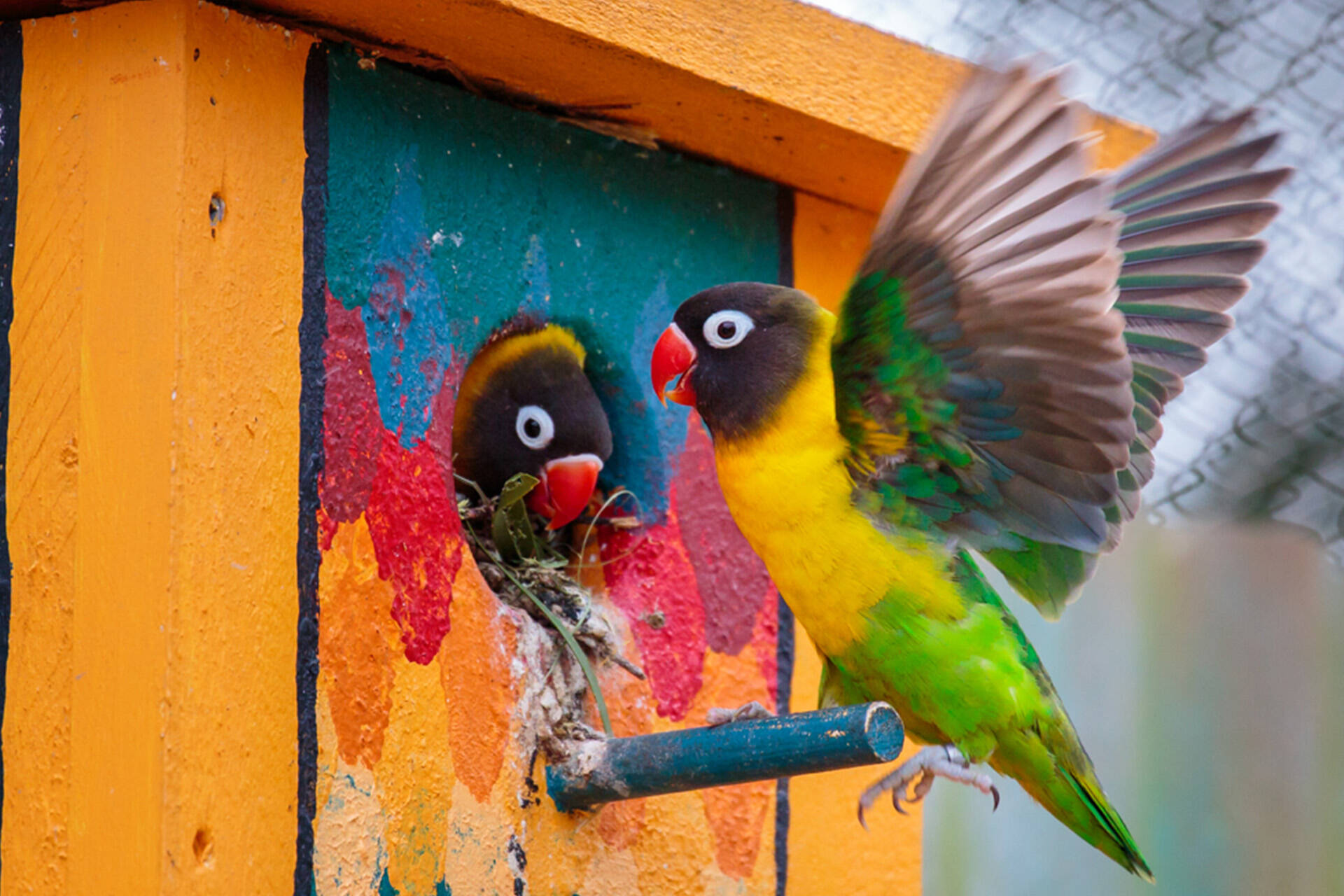
The masked lovebird has a very unique nesting behaviour – using twigs and leaves, they construct tunnels that twist down where they lay their eggs. Their nest is often made up of two compartments. There is a false nest near the top, which is where the male goes in if he enters the nest, and the nest cavity below for the female and her eggs/chicks.

Can you tell which is male or female?

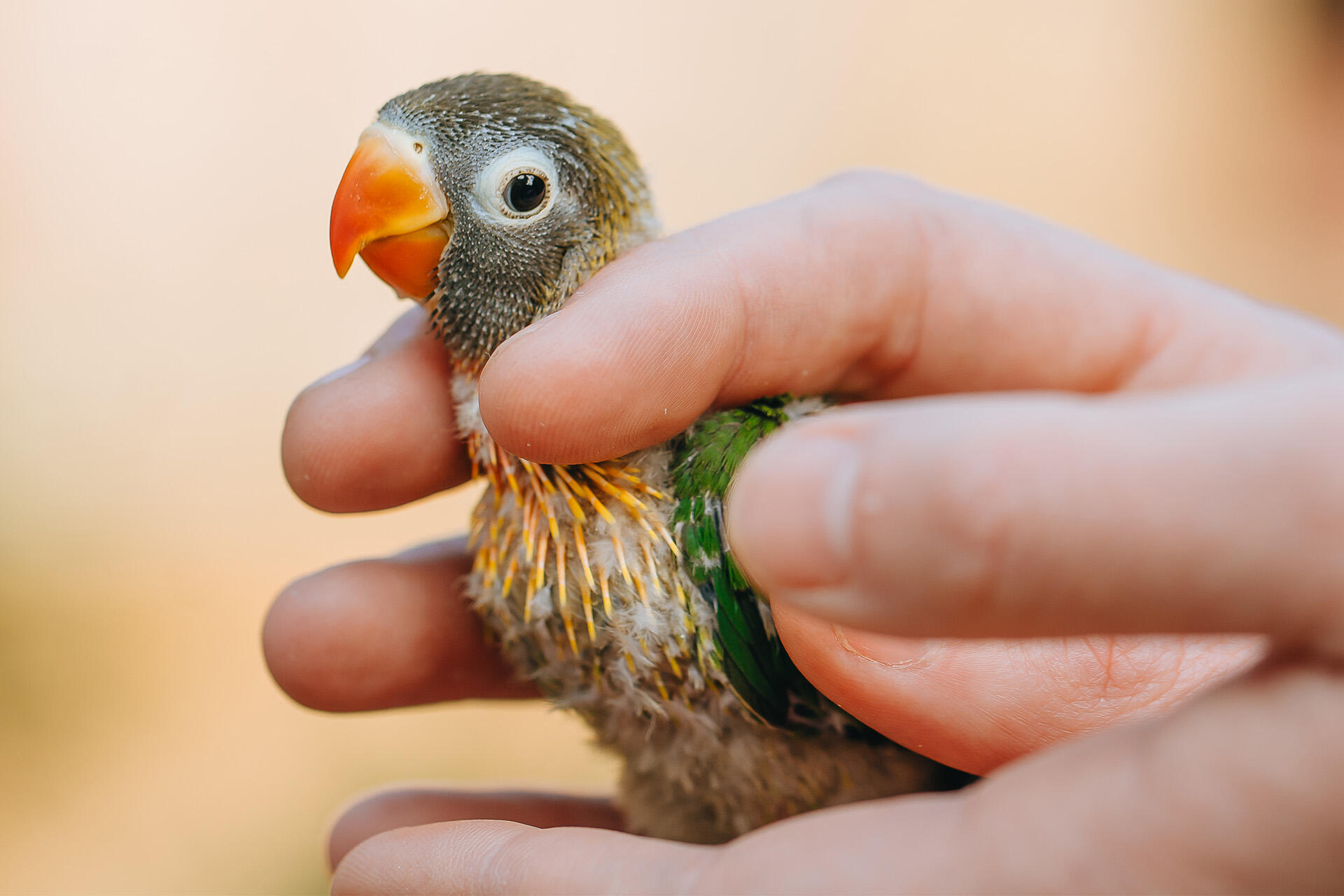
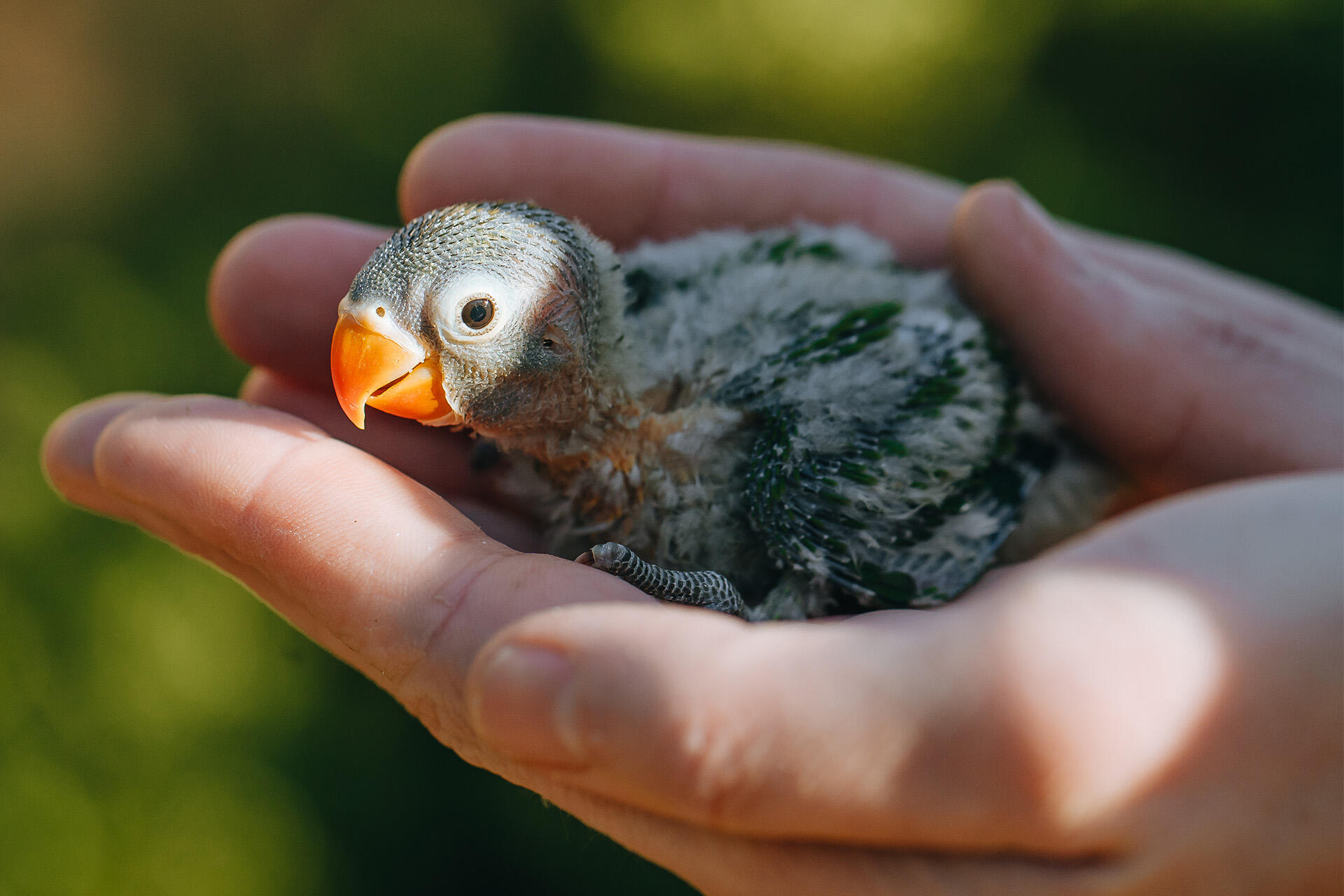
Masked lovebirds are a monomorphic species, meaning the males and females are identical in appearance. When lovebird chicks are hatched at our Zoo, a pin feather is taken at around 4 weeks old. This feather is then sent to a lab for DNA analysis to determine the bird’s sex – isn’t that cool science! Each lovebird at the Zoo is banded with a single metal band with a unique code on it so we can track individuals, this is important for knowing how many birds we have in our large flock of close to 60 birds and document their age, history, sex, parental lineage and deaths.
At the Zoo

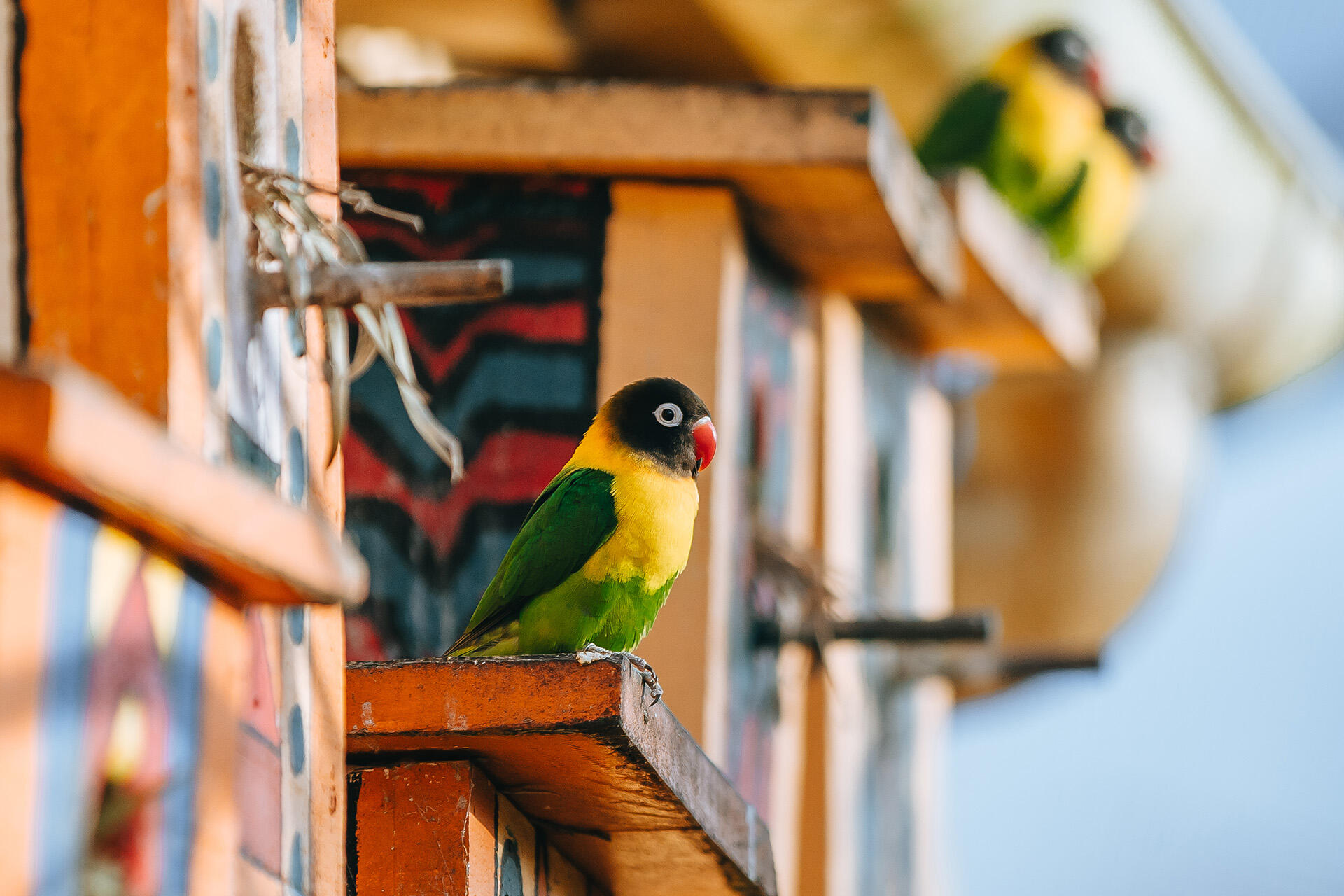
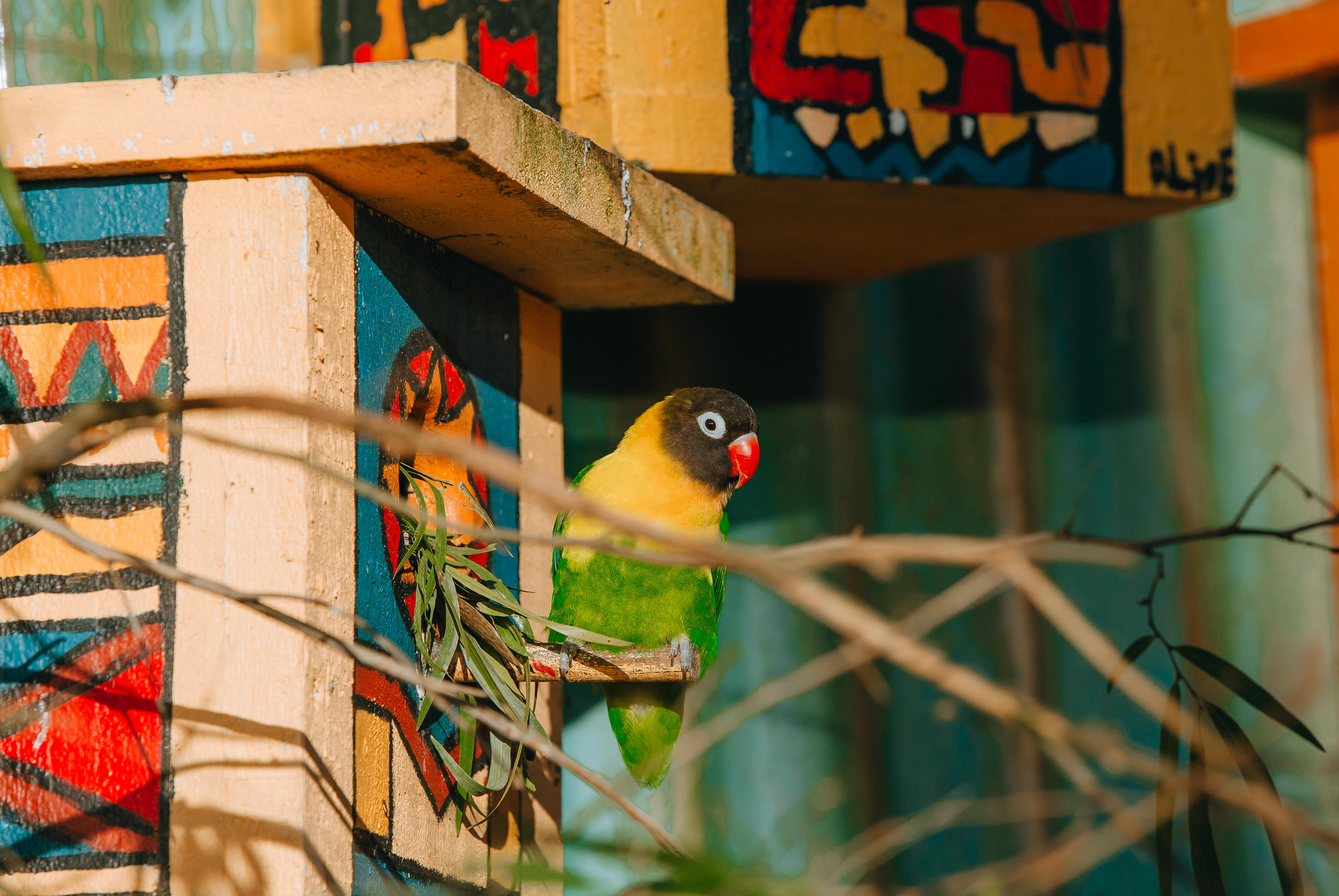
At Auckland Zoo, you can find the masked lovebirds in our Africa Safari Track aviary. Currently, there are close to 60 lovebirds hanging out with the meerkats and leopard tortoises here. They have plenty of sticks and leaves throughout the aviary for them to build their nests in the wonderful hand painted nest boxes.

In the Wild

Origin: Tanzania

Habitat: Savanna

Conservation status: IUCN – Least concern

Masked lovebirds come from Tanzania and surrounding regions, where they live in savannahs and open woodlands, often bordering bodies of water.

How you can help

As a not-for-profit, we rely on our amazing supporters like you to be able to continue our conservation Wild Work for the world’s most vulnerable and at-risk animal species. Help wildlife in need by making a donation.

Video

Lovely masked lovebirds

Join bird keeper Chris in the African savannah aviary to learn all about our masked lovebirds and hear them twittering away in the trees!

Other African Species